The choice of tablecloth fabric shapes the visual language of an event. Texture, weight, and drape influence how a tablescape is perceived under lighting, how colours appear in photographs, and how decorative elements interact across the table surface. For designers and planners working with luxury events, fabric selection functions as a design decision that supports the overall atmosphere of the occasion.
Linen, satin, velvet, and specialty blends each contribute distinct qualities to event styling. Natural fibres introduce texture and depth, while smoother fabrics create a polished and structured presentation. The interaction between material, colour, and lighting helps define whether a tablescape feels romantic, contemporary, dramatic, or restrained.
This guide explores how event designers select tablecloth fabrics for different types of luxury gatherings, including weddings, corporate functions, and formal galas. It also examines how texture, drape, and layering influence tablescape composition and how curated fabric selections contribute to a cohesive event environment.
How Fabric Texture Influences Luxury Event Design
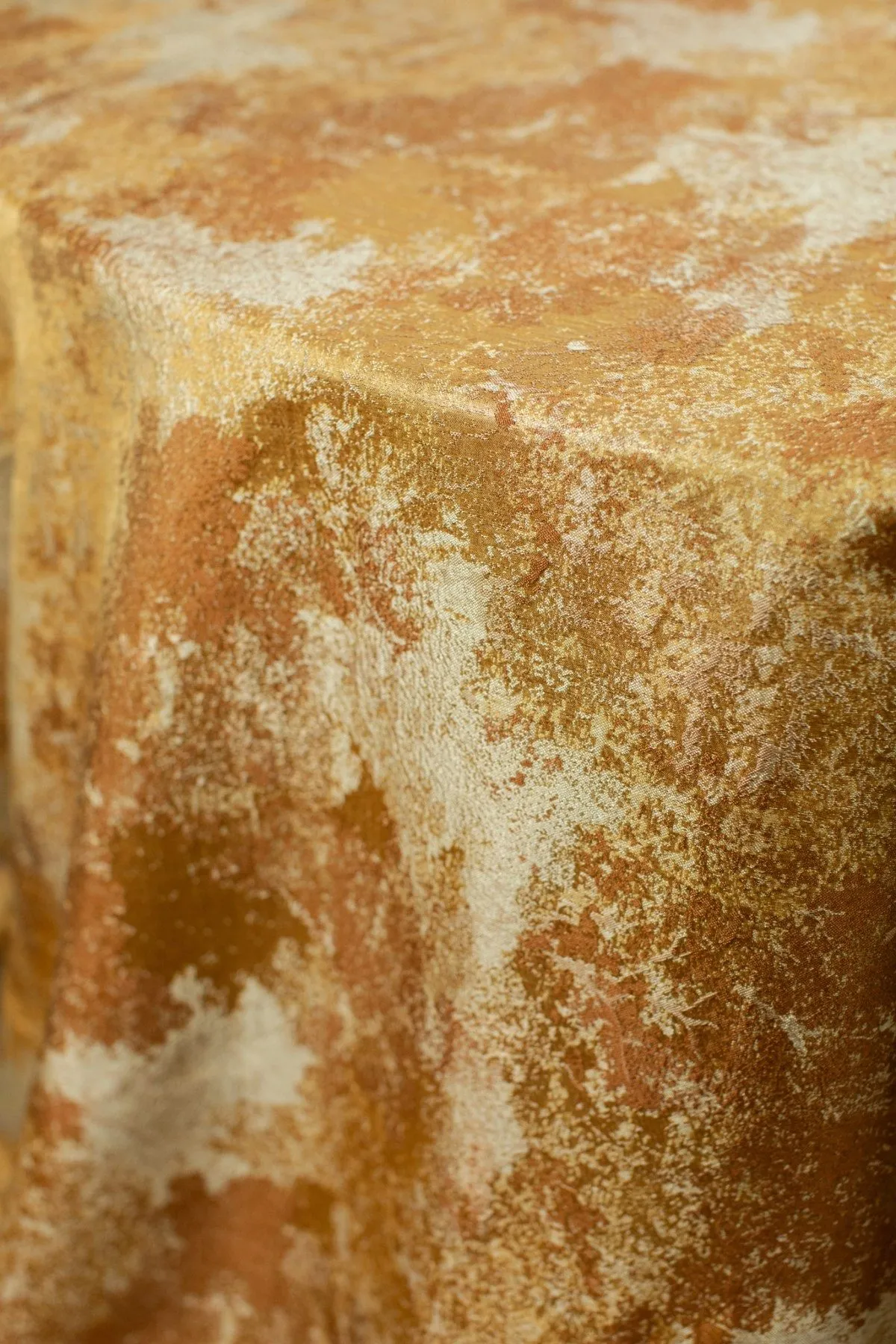
Fabric texture shapes the visual character of a tablescape and influences how an event environment is perceived. The surface quality of a tablecloth affects light reflection, colour depth, and the relationship between linens, tableware, and decorative elements. Event designers therefore evaluate texture with the same attention given to colour and form, ensuring the material complements the broader design language of the event.
How Do Textured Fabrics Influence the Visual Atmosphere of an Event?
Textured fabrics introduce visual depth and subtle variation across the table surface. Materials such as linen display natural irregularities that soften the overall composition and create a sense of refinement. This texture allows centrepieces, glassware, and metallic accents to stand out while maintaining harmony within the tablescape.
Structured fabrics with smoother finishes present a different visual effect. Satin, specialty blends, and finely woven materials create a polished surface that supports formal environments and contemporary venues. Designers often select these fabrics when a crisp and composed presentation aligns with the event’s aesthetic direction.
How Does Fabric Texture Interact With Lighting and Photography?
Lighting conditions strongly influence how table linens appear during an event and in photographs. Textured fabrics absorb and diffuse light, which produces gentle shadows along folds and drapes. This quality adds dimensionality to images and enhances the visual richness of the table setting.
Smoother fabrics reflect light more evenly and create a clean, uniform surface. This effect can emphasise symmetry and structure, particularly in corporate or modern event settings where clarity and precision support the overall design.
How Do Designers Layer Textures to Create Visual Interest?
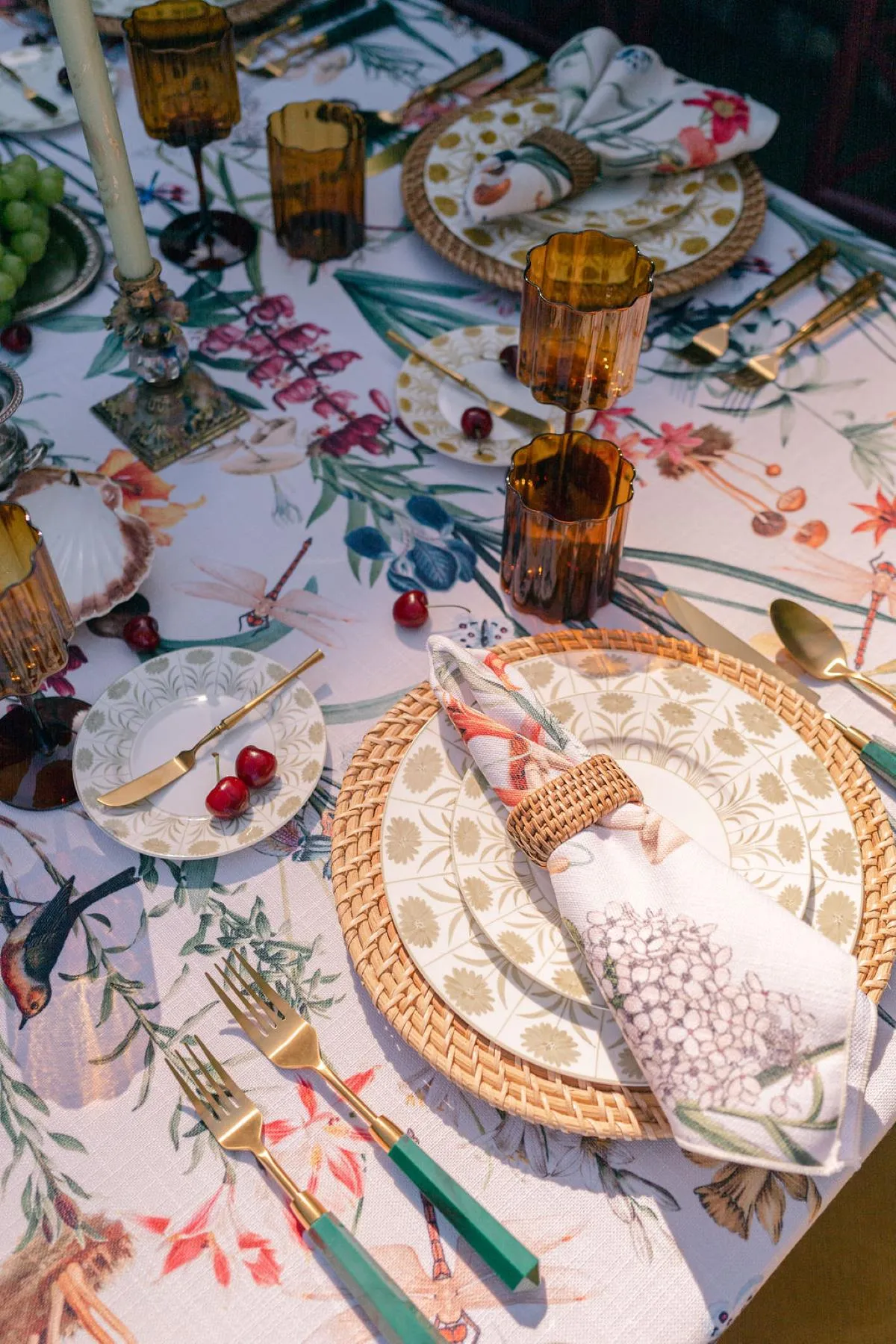
Designers frequently combine fabrics with different textures to create depth within a tablescape. A textured base linen paired with a refined runner, embroidered overlay, or tailored napkins establishes contrast while maintaining visual balance. These layered combinations allow each element of the table setting to contribute to the overall composition.
Through thoughtful coordination of fabric texture, colour, and drape, the table surface becomes an intentional design feature rather than a simple functional element. This approach helps produce a cohesive environment where linens support the event’s visual narrative and elevate the guest experience.
Which Tablecloth Fabrics Work Best for Weddings and Social Celebrations
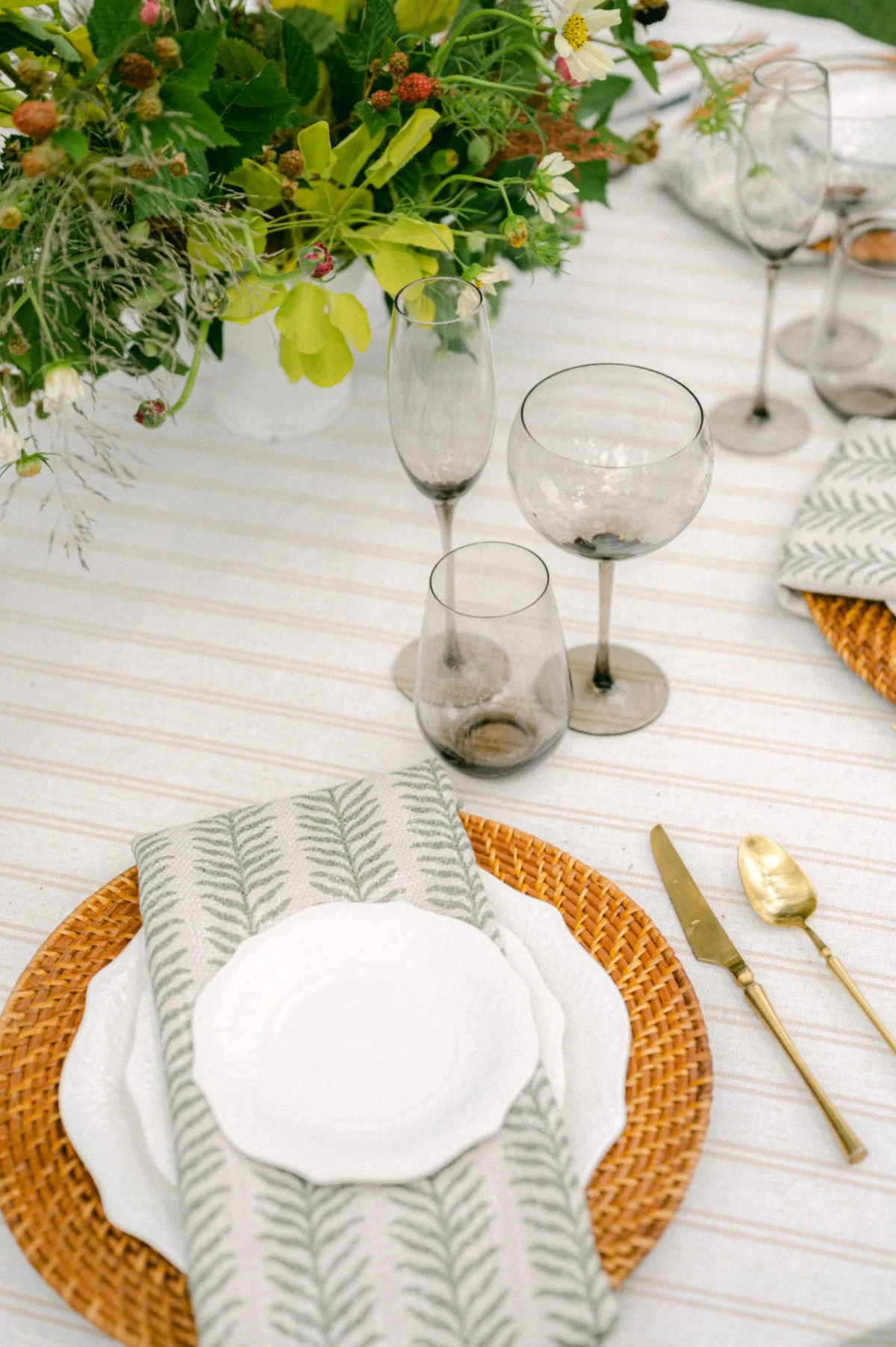
Fabric selection for weddings and social gatherings often prioritises texture, softness, and visual warmth. Designers choose materials that complement floral arrangements, candlelight, and decorative place settings while supporting the romantic atmosphere associated with these occasions. The fabric’s drape and tactile quality help establish a sense of refinement across the tablescape.
Why Is Linen Frequently Selected for Wedding Tablescapes?
Linen remains a preferred fabric for wedding events because of its natural texture and graceful drape. The organic surface introduces subtle variation that enhances floral arrangements, fine china, and layered place settings. This texture supports a relaxed yet refined aesthetic that suits both formal receptions and outdoor celebrations.
The fabric also develops gentle folds that soften the table’s silhouette. These qualities create visual depth and produce a warm, inviting atmosphere that complements the emotional tone of wedding celebrations.
Which Fabrics Create a Soft and Romantic Table Setting?
Certain fabrics contribute to the softness associated with romantic event styling. Materials such as chiffon overlays, lace linens, and washed linens introduce delicate movement and layered texture. These fabrics pair effectively with pastel colour palettes, candlelight, and floral centrepieces.
Designers frequently combine a neutral base linen with a lighter overlay or runner. This layering technique introduces dimension while maintaining a cohesive and elegant presentation across the table.
How Do Fabric Choices Support Outdoor and Seasonal Weddings?
Outdoor and seasonal celebrations require fabrics that balance aesthetic appeal with practical performance. Linen and lightweight blends perform well in natural light and complement garden venues, vineyard settings, and waterfront locations. Their texture interacts naturally with daylight, creating a composed and visually balanced tablescape.
For summer weddings in particular, lighter fabrics and soft colour palettes contribute to an airy atmosphere. Neutral tones and muted pastels enhance the natural surroundings while maintaining the elevated appearance expected at luxury events.
What Tablecloth Fabrics Suit Corporate Events and Formal Galas
Corporate gatherings and formal galas often call for fabrics that communicate structure, sophistication, and visual clarity. Event designers select tablecloth materials that support a composed aesthetic while complementing branding elements, staging, and architectural features within the venue. The fabric’s finish, weight, and colour saturation all influence how the tablescape integrates with the broader event environment.
Which Fabrics Create a Polished and Structured Presentation?
Fabrics with smooth surfaces and consistent finishes help produce a refined and orderly appearance. Satin, high-quality polyester blends, and specialty woven textiles provide clean lines and a uniform drape across the table. These materials reflect light evenly and create a composed backdrop for glassware, charger plates, and formal place settings.
Designers often favour these fabrics for conferences, awards dinners, and corporate receptions where visual consistency across many tables contributes to a professional atmosphere.
How Do Fabric Finishes Support Brand-Focused Event Design?
Corporate events frequently incorporate brand colours, signage, and presentation materials. Tablecloth fabrics with smooth finishes help maintain visual clarity so branding elements remain prominent. Neutral base linens paired with coordinated runners or napkins allow colour accents to appear deliberate without overwhelming the overall composition.
This approach helps the tablescape support the brand identity while maintaining the elegant restraint expected at upscale corporate functions.
Why Are Structured Fabrics Effective for Large-Scale Gala Events?
Large galas and formal dinners often feature expansive venues with elaborate lighting and décor. Structured fabrics maintain a consistent drape across numerous tables and help create visual cohesion throughout the space. Their smooth surfaces allow lighting reflections and decorative accents to appear crisp and balanced.
When combined with metallic chargers, crystal glassware, and statement centrepieces, these fabrics reinforce the formal tone of the event and contribute to a unified visual presentation across the room.
How Designers Layer Tablecloth Fabrics to Create Depth and Visual Interest
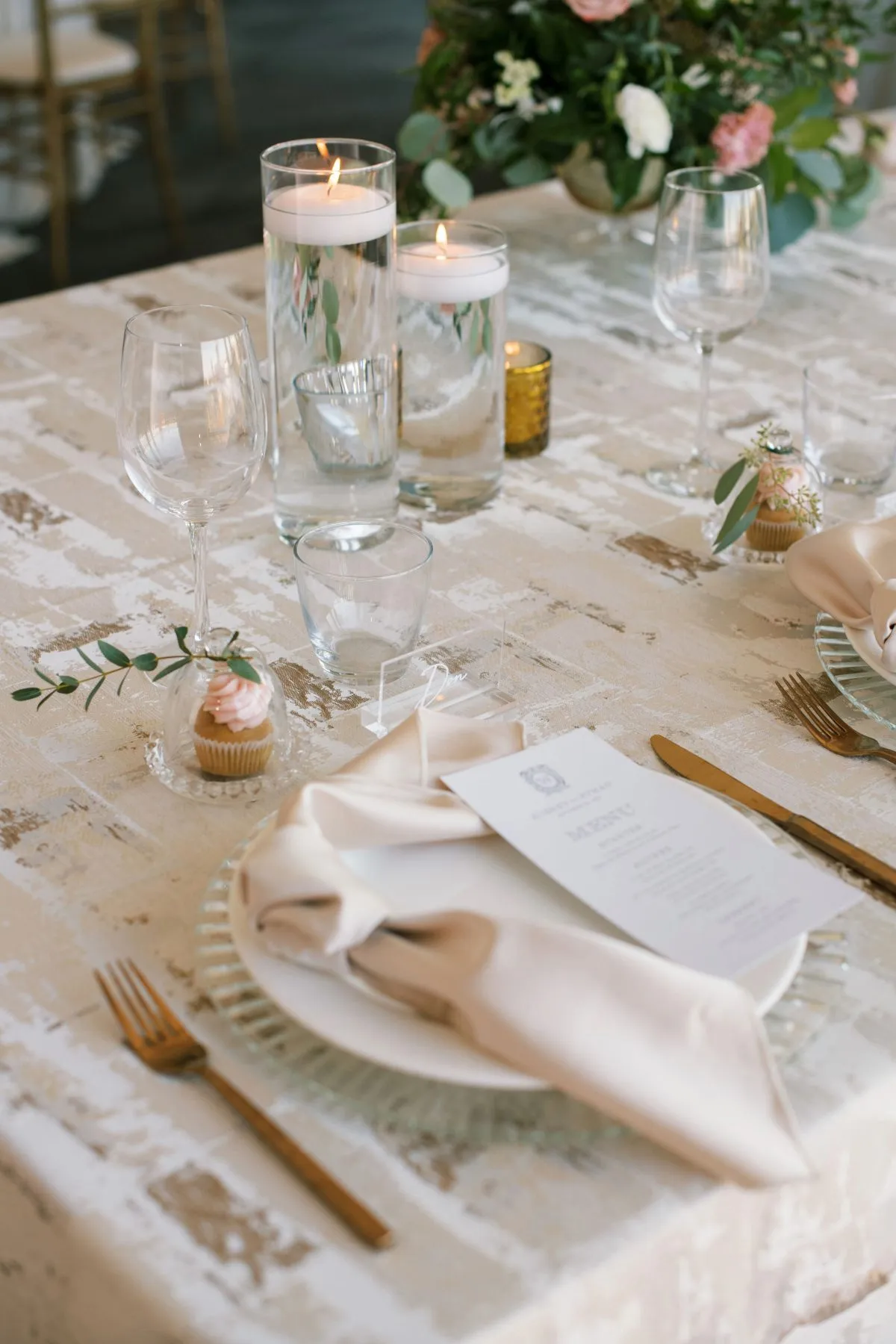
Layering fabrics is a common technique used by event designers to introduce depth and visual structure to a tablescape. Rather than relying on a single tablecloth, designers combine complementary materials that interact through texture, colour, and proportion. This approach creates a more considered composition and allows decorative elements such as centrepieces and tableware to integrate naturally with the table surface.
Thoughtful layering transforms the table from a simple foundation into an intentional design element within the overall event environment.
What Is the Role of Base Linens in Layered Tablescapes?
The base linen establishes the visual foundation of the table. Designers often select neutral tones or subtle textures that support other decorative elements without dominating the composition. Linen and other textured fabrics frequently serve as base layers because they provide visual depth and a refined drape.
A well-chosen base linen anchors the tablescape and ensures consistency across multiple tables throughout the venue. This foundation allows additional layers to introduce colour or decorative detail while preserving balance.
How Do Runners and Overlays Enhance Table Styling?
Runners and overlays introduce contrast and definition across the table surface. These elements can incorporate different textures, patterns, or colours that highlight the centre of the table and frame floral arrangements or decorative installations.
For example, a textured linen base paired with a silk runner or embroidered overlay introduces variation while maintaining a cohesive aesthetic. This layered effect draws attention toward the centre of the table and reinforces the overall design theme.
How Do Designers Balance Texture and Colour in Layered Linens?
Successful layering requires careful coordination of texture and colour. Designers often combine a textured base with smoother accents or introduce tonal variations within the same colour family. This approach creates visual interest without overwhelming the table setting.
Subtle contrasts in fabric weight, weave, and finish help maintain harmony across the tablescape. When coordinated thoughtfully, layered linens guide the viewer’s eye across the table while supporting the broader visual narrative of the event.
Why Linen Remains a Signature Fabric in Luxury Event Design
Among the many fabrics used in event décor, linen continues to hold a prominent place in luxury tablescape design. Its natural texture, refined drape, and understated elegance align well with the aesthetic expectations of high-end gatherings. Designers often select linen when the objective is to create a table environment that feels both sophisticated and inviting.
The material’s organic character allows it to complement a wide range of event styles, from romantic weddings to contemporary receptions and formal dinners.
How Does Linen Contribute to a Refined Event Atmosphere?
Linen introduces visual depth and tactile richness to a table setting. Its gently textured surface softens the overall composition while allowing decorative elements such as florals, chargers, and glassware to stand out clearly. The fabric’s natural drape forms elegant folds along the table edge, producing a composed and balanced silhouette.
These qualities help establish an atmosphere that feels carefully curated rather than overly structured, which is why designers frequently incorporate linen into elevated event environments.
Why Do Designers Value Linen for Layered Tablescapes?
Linen performs particularly well as a foundational fabric in layered tablescapes. Its texture provides a subtle contrast against smoother accents such as silk runners, embroidered overlays, or metallic table accessories. This balance between softness and structure allows additional design elements to integrate naturally with the table surface.
Because linen supports both neutral palettes and more expressive colour schemes, it offers flexibility for a wide range of event themes and venue settings.
How Does Curated Linen Collection Support Luxury Event Design?
Curated Linen Collection offers a thoughtfully developed range of premium table linens designed to support refined event environments. The collection features both patterned and solid textiles created to complement sophisticated tablescapes and diverse event aesthetics.
Through careful design, colour selection, and fabrication, the team develops linens that integrate seamlessly with broader event décor. Their capabilities extend from concept development and custom pattern creation to fabric printing, cutting, sewing, and finishing. This design-driven approach allows planners and designers to incorporate tailored textiles that enhance the visual identity of each event while maintaining the elevated standards expected in luxury event settings.
Frequently Asked Questions
What Factors Should Planners Consider When Selecting Tablecloth Fabrics for Events?
Event planners typically evaluate fabric texture, drape, colour compatibility, and how the material interacts with lighting and décor. The fabric should complement the event’s theme, venue setting, and table styling elements such as centrepieces and tableware. Designers also consider how the fabric photographs and how it contributes to the overall atmosphere of the event space.
Which Tablecloth Fabrics Are Most Commonly Used for Luxury Events?
Linen, satin, and specialty woven blends are commonly used in upscale event environments. Linen is valued for its natural texture and elegant drape, while satin and structured blends provide a smooth, polished finish suited to formal or corporate occasions. Designers often select fabrics based on the desired tone of the event and the styling approach for the tablescape.
How Can Tablecloth Fabrics Enhance Event Photography?
Fabric texture influences how light interacts with the table surface. Textured fabrics such as linen create subtle shadows and visual depth, which can enhance the dimensional quality of event photography. Smooth fabrics reflect light more evenly and contribute to a clean, symmetrical presentation that works well in structured event environments.
Are Layered Table Linens Necessary for Luxury Event Styling?
Layering linens is a common design technique used to introduce depth and visual structure to a table setting. While a single well-chosen tablecloth can create a refined presentation, designers often combine base linens with runners, overlays, or coordinated napkins to add contrast and guide attention toward decorative focal points.
How Do Custom Table Linens Influence Event Design?
Custom linens allow designers to incorporate specific colours, patterns, and textures that align with an event’s visual concept. Tailored fabrics can reinforce branding at corporate events or reflect the aesthetic preferences of wedding clients. Custom printing and pattern development also enable planners to create distinctive tablescapes that feel unique to the occasion.
Conclusion
Tablecloth fabric selection plays a central role in shaping the atmosphere and visual coherence of an event. Texture, drape, and material composition influence how the tablescape interacts with lighting, décor, and table settings across the venue. By selecting fabrics that complement the event style and environment, planners can create table designs that feel intentional and refined.
From linen’s natural texture to the polished finish of structured fabrics, each material contributes a distinct aesthetic quality. Thoughtful layering and careful colour coordination further enhance the overall composition of the table. When these elements are curated with precision, the table surface becomes an integral part of the event’s design language.
Curated Linen Collection provides a thoughtfully developed range of premium linens designed to support elevated event environments. With carefully crafted fabrics and custom design capabilities, planners and designers can incorporate textiles that align seamlessly with their event vision while maintaining a sophisticated and cohesive tablescape.