
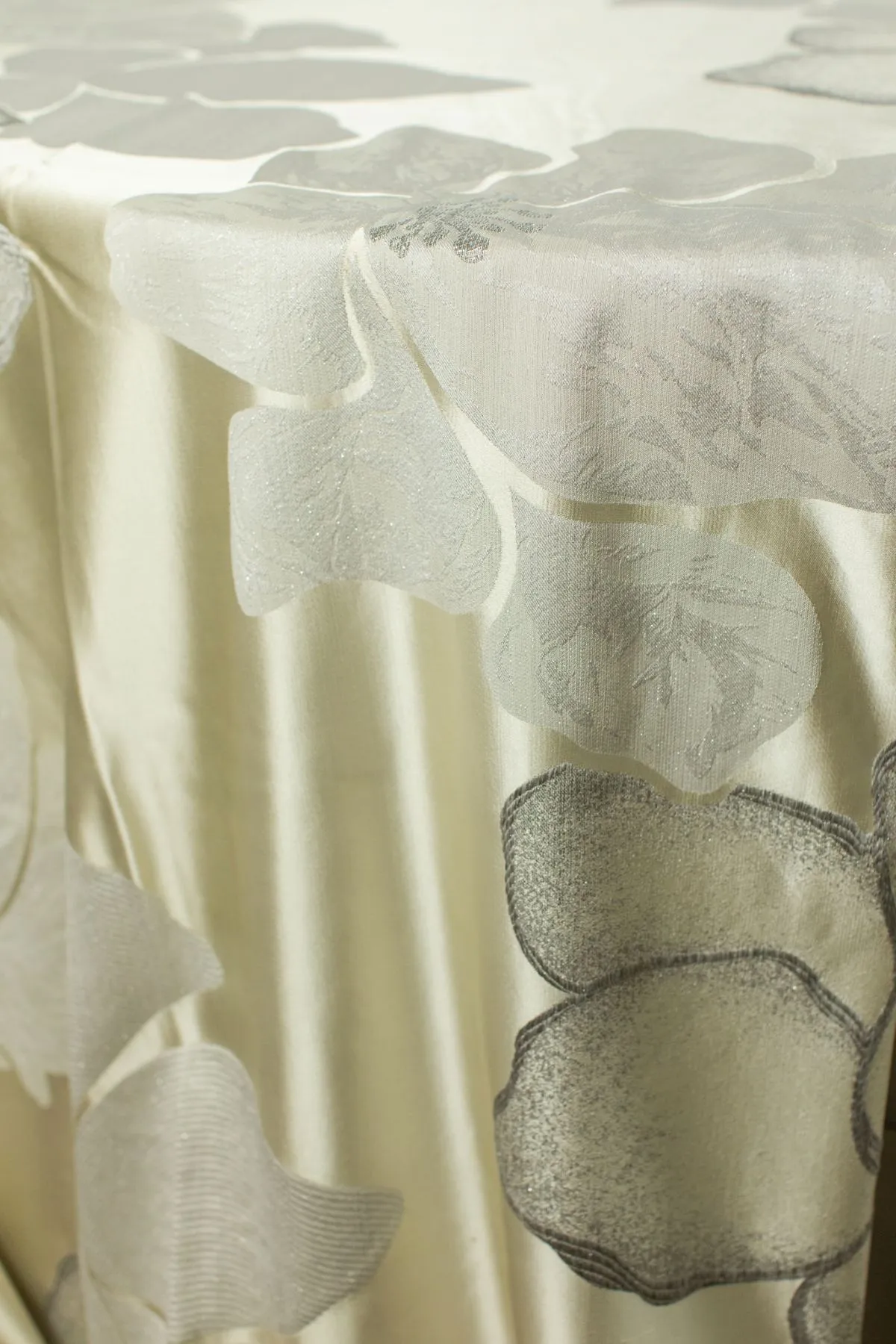
Investing in custom table linens elevates both the aesthetic and experiential qualities of an event. Far beyond simple table coverings, bespoke linens shape the visual composition of a space and contribute to the overall narrative of an occasion, whether for a wedding celebration, corporate gathering, or refined private event. Thoughtfully designed linens introduce texture, colour, and pattern that complement the broader event environment and reinforce a host’s creative vision.
Custom linens also provide planners and designers with a powerful tool for expressing identity and intention. Through carefully selected fabrics, tailored dimensions, and distinctive patterns, linens can support a cohesive design language that carries throughout the tablescape and surrounding décor. From subtle tonal palettes to custom-printed motifs, bespoke textiles offer a level of precision that standard linens rarely achieve.
Understanding when custom table linens are most valuable allows planners and hosts to approach their event design strategically. This guide explores how durability, design flexibility, and event frequency influence the decision to commission custom linens. It also examines the role bespoke textiles play in strengthening visual identity, maintaining consistent presentation across events, and creating memorable table environments that reflect thoughtful craftsmanship and intentional design.
In What Ways Do Custom Table Linens Enhance Brand Identity at Events?
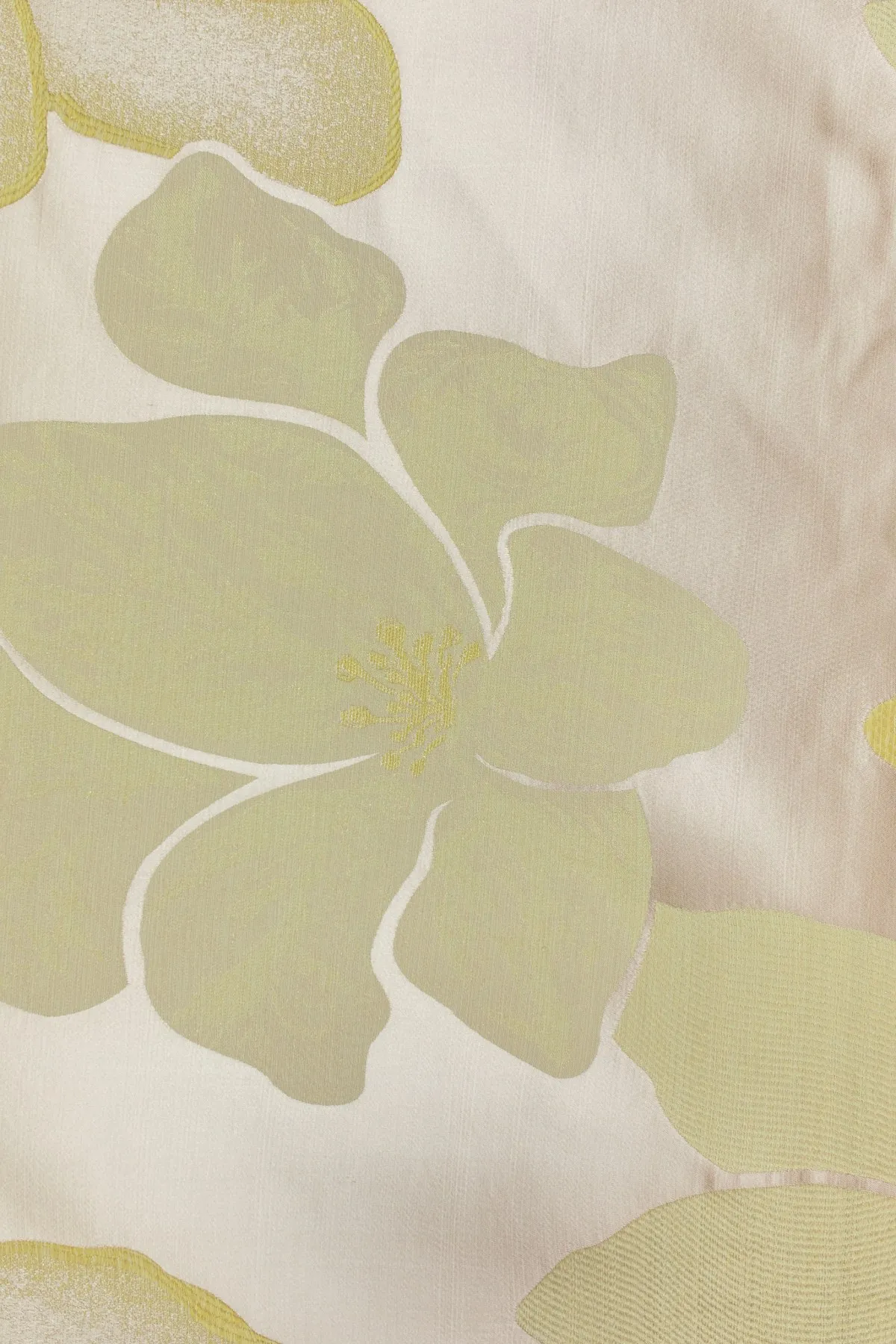
Custom table linens offer a refined way to express identity and intention within an event environment. Through deliberate choices of colour, pattern, and texture, linens can align seamlessly with a brand’s visual language or a couple’s design vision. When thoughtfully integrated into the tablescape, bespoke textiles help create a cohesive atmosphere that guests experience immediately upon entering the space.
Linens play a structural role in event design. They interact with centrepieces, lighting, stationery, and tabletop elements to create a unified visual composition. Carefully selected fabrics that respond well to venue lighting, complementary textile finishes, and balanced pattern scale allow linens to support the overall design narrative without overwhelming the table. In this way, subtle motifs or colour cues can extend a brand or theme throughout the room with elegance and restraint.
How Does Tailored Design Reinforce Brand Aesthetics?
Tailored linen design strengthens visual identity by translating key design elements, such as colour palettes, motifs, and textures, into the event environment. Corporate gatherings often incorporate brand colours or patterns to reinforce recognition, while weddings may feature monograms, custom prints, or distinctive fabric choices that reflect the couple’s personal style.
Placement and scale are essential considerations. A motif that is too small may disappear within the tablescape, while overly large patterns can dominate the table and distract from floral arrangements or place settings. Thoughtful placement, such as border details, runners, napkins, or overlays, ensures that design elements remain visible while preserving a refined presentation.
What Are the Benefits of Custom Linens for Weddings and Corporate Gatherings?
Custom linens bring a heightened level of cohesion and sophistication to both social and corporate events. For weddings, bespoke fabrics allow couples to weave personal design elements throughout the reception, creating a consistent and romantic visual story. In corporate settings, tailored linens contribute to a polished environment that reflects professionalism and brand clarity.
By aligning colour, texture, and pattern with the broader event concept, custom linens reduce visual clutter and strengthen the overall design composition. Because table settings appear prominently in guest experiences and event photography, well-designed linens can significantly influence how the event is perceived and remembered.
What Design Flexibility Options Elevate the Appeal of Custom Table Linens?
Design flexibility is one of the defining advantages of custom table linens. Bespoke textiles allow planners and hosts to align table design precisely with an event’s theme, palette, and overall aesthetic direction. Through considered choices of fabric, colour, and pattern, linens can be tailored to complement the broader design environment while maintaining visual consistency across the event space.
Customization also allows for adaptable design strategies. Modular elements such as overlays, runners, and coordinated napkin sets make it possible to vary the appearance of tables without commissioning entirely new linen collections. Reversible fabrics, detachable trims, and complementary accent pieces further expand styling possibilities, allowing a single linen program to support multiple event formats and visual themes.
Which Customization Features Align with Current Event Trends?
Contemporary event design increasingly emphasizes distinctive, personalized details. Custom printing, monogramming, and precisely matched colour palettes enable linens to become an integral part of the design narrative rather than a neutral backdrop. These features allow planners to incorporate subtle motifs, brand elements, or thematic patterns that reinforce the overall concept of the event.
Refined design details, such as contrast piping, tonal embroidery, or layered textures, introduce visual depth while maintaining an elegant presentation. When working within a limited budget, focusing on highly visible elements such as table runners, napkins, or chair accents can achieve strong visual impact while preserving design coherence.
How Do Fabric and Color Choices Impact Event Ambiance?
Fabric and colour play a decisive role in shaping the atmosphere of an event. Light palettes tend to create an airy, luminous setting, while deeper hues introduce richness and formality. The texture of the fabric also influences perception: natural linens convey understated refinement, whereas fabrics with subtle sheen, such as satin or silk, contribute to a more formal, polished aesthetic.
Selecting textiles with careful attention to tone, texture, and drape allows planners to establish the intended mood of the space. When thoughtfully coordinated with lighting, florals, and tabletop elements, linen choices become an integral component of the event’s visual harmony.
How Should One Maintain Custom Table Linens to Maximize Longevity?
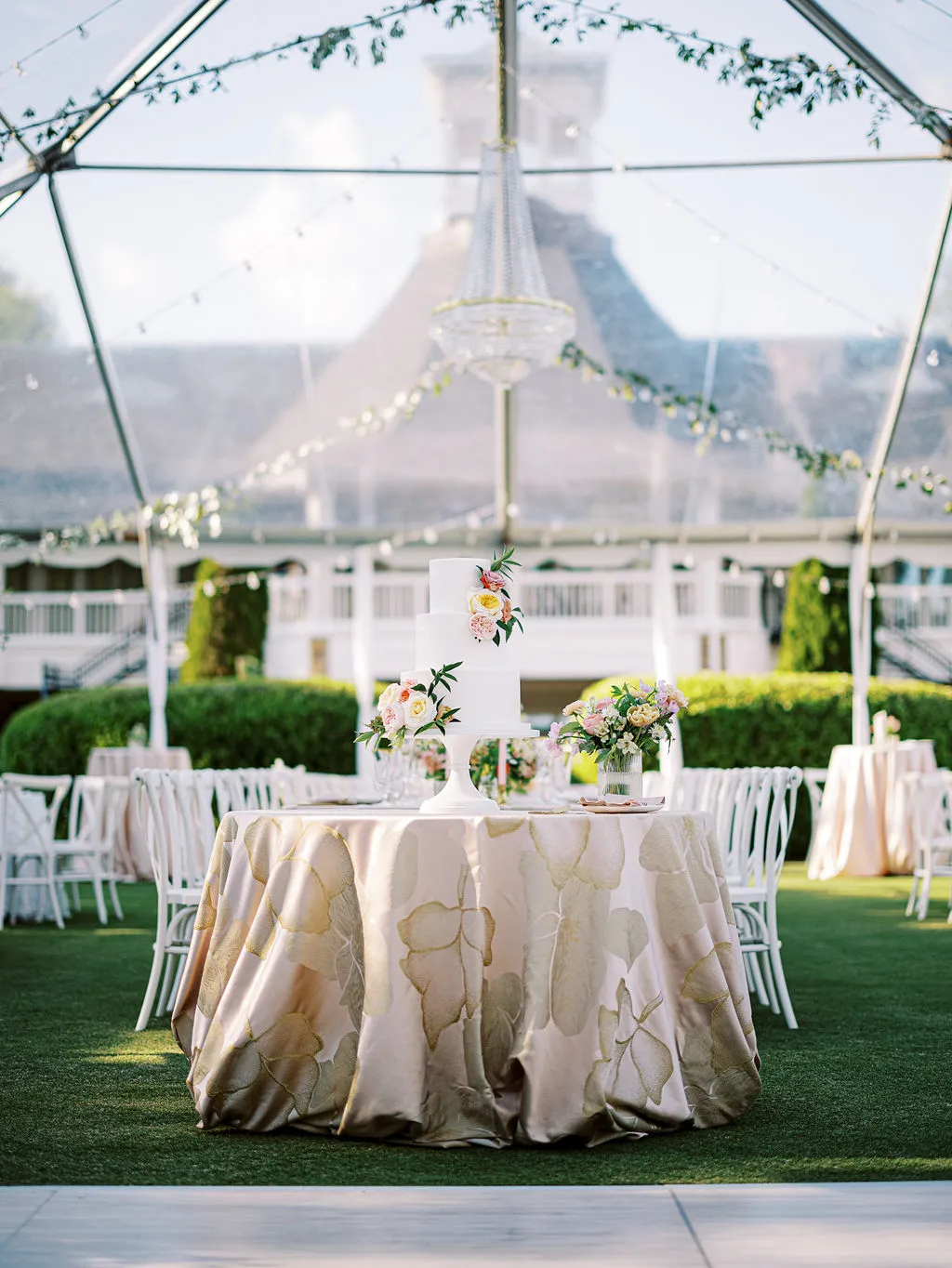
Proper maintenance is essential to preserving the quality and lifespan of custom table linens. Careful laundering, storage, and routine inspection help ensure that bespoke textiles retain their colour, structure, and refined appearance across repeated use.
What Are Best Practices for Linen Care and Preservation?
Custom linens should be cleaned according to their specific fabric requirements. In most cases, laundering with mild detergent in cold or gentle cycles helps preserve fibres and colour integrity. Bleach and harsh chemicals should be avoided, and air drying or low-heat drying is recommended to minimize fabric stress.
Appropriate storage also contributes significantly to longevity. Linens should be kept in a cool, dry environment away from direct sunlight to prevent fading and deterioration. Organizing linens by size and set can reduce unnecessary handling, while rotating usage among sets distributes wear more evenly.
Practical routines further protect linens over time. Separating heavily soiled items for pre-treatment, addressing spills promptly, and maintaining basic repair tools for minor seam adjustments can prevent small issues from developing into larger damage. For outdoor events, having a plan for quick stain treatment helps prevent marks from setting due to heat or humidity.
How Does Proper Maintenance Affect Durability and Appearance?
Consistent care preserves both the durability and visual appeal of custom linens. Without proper maintenance, fabrics may fade, weaken, or develop permanent stains, which shortens their usable life and diminishes presentation quality.
Routine inspection after laundering, checking seams, hems, and fabric condition, allows small repairs to be addressed early. Keeping simple records of laundering cycles and condition notes can also help planners anticipate replacement needs and maintain a consistently polished inventory for future events.
How Do Fabric Innovation and Material Choice Influence Linen Investment Decisions?
Advances in textile development and material selection increasingly shape how planners and organizations evaluate linen investments. Modern fabrics combine refined appearance with improved durability and practicality, allowing event professionals to balance aesthetic expectations with long-term performance.
Understanding the characteristics of different materials and finishes helps planners select linens that maintain their visual quality while performing reliably across repeated events.
What Materials Are Commonly Used for High-Performance Custom Table Linens?
Several materials are widely used in custom table linens due to their balance of appearance and durability. Organic cotton, recycled polyester blends, and bamboo-based textiles are increasingly available alongside traditional linen and cotton fabrics. These materials can provide refined texture, consistent drape, and reliable performance across a variety of event environments.
When evaluating fabric options, it is useful to consider the full lifecycle of the textile. Factors such as fiber sourcing, production methods, durability, and potential for repair or refurbishment influence how well a linen performs over time. Durable fabrics that maintain their appearance across many events often deliver greater long-term value than materials that require frequent replacement.
How Do Innovations in Fabric Technology Enhance Linen Performance?
Advances in textile engineering have introduced fabrics that offer both visual refinement and functional resilience. Modern linens may incorporate stain-resistant treatments, wrinkle-reducing finishes, or moisture-resistant constructions that help maintain a composed appearance throughout an event.
These innovations can simplify maintenance and extend the usable life of linens, particularly in environments where frequent laundering and handling are unavoidable. When considering treated fabrics, planners should evaluate how finishes affect texture and drape, as well as whether treatments remain effective after repeated cleaning. Well-chosen fabric technologies allow custom linens to maintain both elegance and practicality over extended use.
Frequently Asked Questions
What Are the Key Factors to Consider When Choosing Custom Table Linens?
When selecting custom table linens, consider fabric composition, colour palette, design elements, and maintenance requirements. The fabric should align with the frequency and style of events, durable materials suit frequent use, while more delicate textiles may be reserved for formal occasions. Colours and patterns should complement the overall design concept and support the event’s visual identity.
Operational factors are also important. Storage capacity, laundering arrangements, and how often linens will be rotated or replaced all influence practical selection. Reviewing fabric swatches under event lighting and alongside typical centrepieces helps confirm colour accuracy and texture compatibility before production.
How Can Custom Table Linens Support Sustainability Efforts?
Custom linens can support sustainability through the use of responsibly sourced materials and long-lasting construction. Fabrics such as organic cotton, recycled polyester blends, and other durable textiles allow linens to remain in service across many events, reducing the need for frequent replacement.
Considering the full lifecycle of linens, material sourcing, care requirements, and longevity, helps planners make more responsible choices. Durable textiles designed for repair and continued use often represent a more sustainable investment than short-lived alternatives.
What Are Common Mistakes to Avoid When Investing in Custom Table Linens?
Common mistakes include prioritizing cost over fabric quality, overlooking care requirements, and selecting designs that do not align with the event’s overall aesthetic. Lower-quality fabrics may wear prematurely, while improper care routines can shorten a linen’s lifespan.
Other oversights include failing to test colours under event lighting, neglecting storage and inventory planning, and underestimating cleaning or repair needs. Addressing these considerations during procurement helps protect the investment and ensures consistent presentation.
How Can Event Planners Effectively Showcase Custom Linens in Their Work?
Event planners often highlight custom linens through carefully styled photography of past events. High-quality images that capture table settings, patterns, and textures help illustrate how bespoke linens contribute to a cohesive event environment.
Sharing event imagery, testimonials, and design details allows planners to demonstrate the role linens play in shaping the overall atmosphere. This visual storytelling helps prospective clients understand the value of customized textiles within the broader event design.
What Trends Are Influencing the Custom Table Linen Market?
Several design trends are shaping the custom linen landscape. Personalized patterns, monograms, and custom-printed textiles are increasingly popular for both social and corporate events. Modular linen systems, such as interchangeable overlays, runners, and napkins, also allow planners to vary designs while maintaining a cohesive base palette.
Additionally, designers are placing greater emphasis on texture, subtle tonal palettes, and fabrics that photograph well across different lighting conditions, reflecting the importance of visual storytelling in contemporary events.
How Can Custom Linens Improve the Guest Experience at Events?
Custom linens contribute significantly to the guest experience by creating a visually cohesive and thoughtfully designed setting. Carefully selected fabrics, colours, and patterns elevate the tablescape and signal attention to detail throughout the event environment.
Elements such as fabric texture, napkin presentation, and coordinated tabletop materials subtly influence comfort and perception. When linens integrate seamlessly with florals, lighting, and tableware, they help create an atmosphere that guests perceive as polished, intentional, and memorable.
Conclusion
Investing in custom table linens enhances both the visual character and overall experience of an event. Bespoke textiles allow planners and hosts to create cohesive environments that reflect personal style, brand identity, or event themes with precision.
By considering factors such as durability, design flexibility, maintenance, and long-term value, event professionals can make informed decisions that support consistent presentation across multiple occasions. Thoughtfully designed linens become an integral part of the tablescape, contributing elegance, cohesion, and lasting impressions for guests.