At Curated Linen Collection, we see linen as more than a fabric, it’s a tactile way to set the tone for any event. This guide walks you through how premium linen elevates weddings, corporate gatherings, and special moments by adding thoughtful texture and graceful drape. You’ll learn what makes linen distinct, why its feel matters to guests, and how custom choices and proper care keep your linens looking their best. Consider this a practical primer for planners and hosts who want decor that looks luxurious and feels inviting.
Throughout this article we aim to give practical, actionable guidance: which weave to choose for a given look, how to think about weight and finish, how to brief a rental partner, and how to maintain linen so it continues to perform across many events. Whether you are specifying linens for a single high-profile event or managing a rental inventory, the details below will help you make confident selections and get reliably beautiful results.
What Defines Premium Linen And Its Signature Qualities?

Premium linen stands apart because it’s made from natural flax fibers that bring durability, breathability, and a subtle sheen. Those fibers give linen its characteristic texture, slightly crisp at first touch, then softening with use, and a drape that balances structure with fluid movement. Linen’s moisture-wicking ability, natural luster, and longevity are why designers and planners reach for it when they want refinement that also performs.
Beyond raw fiber quality, premium linen is defined by deliberate choices during processing: longer-staple flax, careful spinning, controlled weaving tensions, and finishing steps that preserve the fiber’s character rather than masking it. These production decisions affect how the fabric handles, how it ages with repeated laundering, and how consistently it drapes when installed in large panels or across many tables.
Which Weaves And Fabric Types Create Premium Linen Textures?
Texture comes from both the yarn and the weave. Plain and twill weaves are common in high-quality linen, each producing a distinct surface and hand. Plain weaves tend to highlight the yarn’s natural irregularities and give a tactile, matte surface; twill weaves introduce diagonal lines and a softer hand. Pure linen rarely uses satin weaves, though blends, especially with silk or cotton, can introduce a smoother, glossier finish or extra softness. Thoughtful blends and weave choices allow linen to suit anything from rustic receptions to elevated, modern events.
When evaluating samples, feel for the interplay between body and flexibility: a weave that is too open may lack the presence needed for structured overlays, while one that is very tight may read as less textured and more formal. Consider how the weave interacts with the finish, washed, stonewashed, or hand-brushed finishes will highlight texture differently and can alter drape behavior during installation and in photographs.
How Do Natural Fiber Properties Shape Linen’s Look And Fall?
The flax fiber itself is the foundation of linen’s character. Flax gives the fabric strength with a pleasant flexibility, producing drape that moves easily yet holds refined shapes. Natural irregularities in the yarn add depth and a lived-in texture that reads as intentional, a tactile detail guests notice. Because linen breathes and wicks moisture, it performs well in both indoor and outdoor settings.
Those natural irregularities are an asset in event settings: they reduce glare, catch light softly, and create subtle shadows that add perceived depth to tables and backdrops. When planning for outdoor events in variable weather, linen’s breathability helps reduce cling to centerpieces and guests, while its inherent weight prevents excessive flutter in gentle breezes when properly weighted or hemmed.
How Does Linen’s Drape Lift Event Styling?
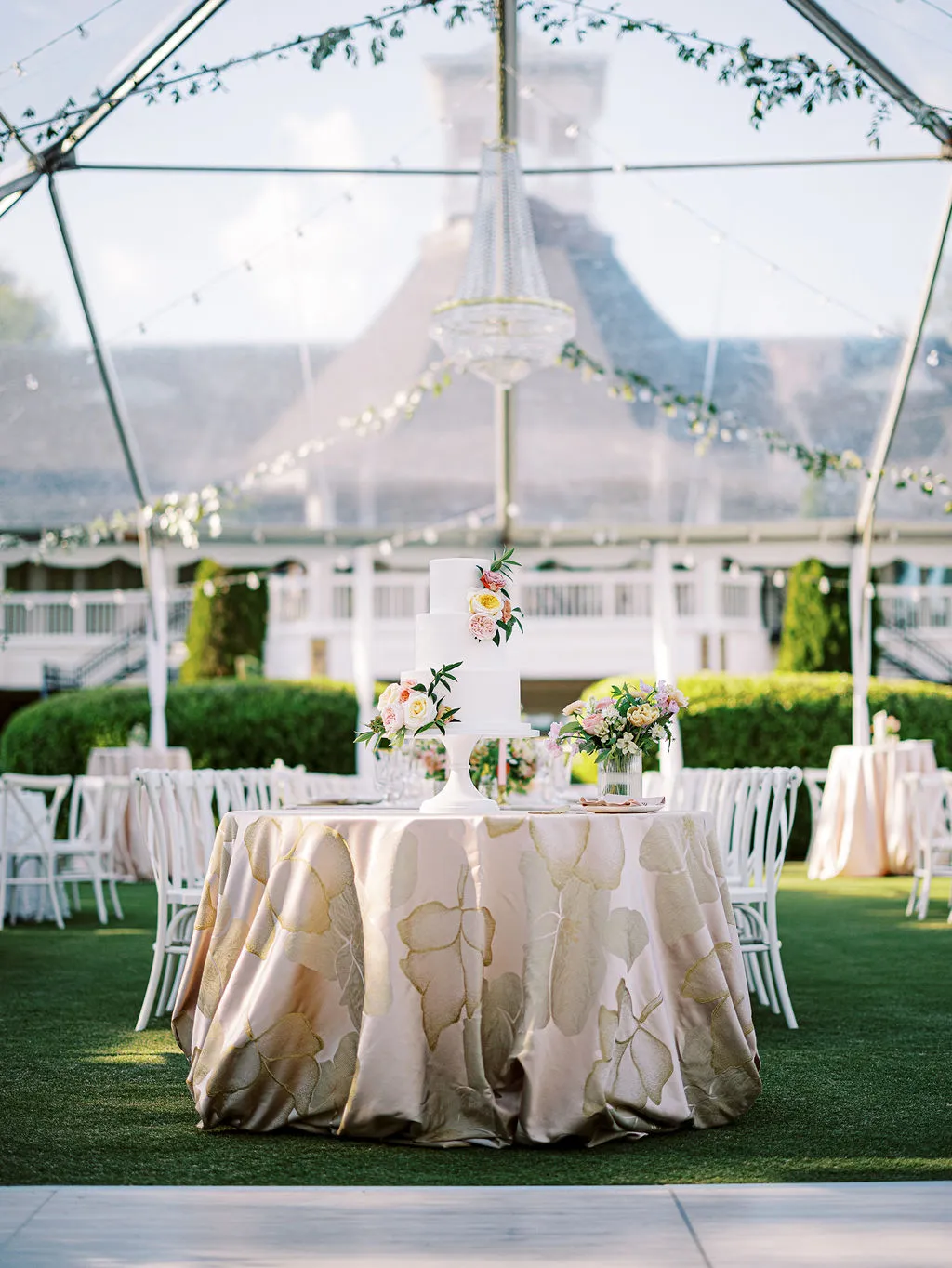
Linen’s drape creates graceful folds and soft silhouettes that feel intentionally curated rather than manufactured. It offers just enough body to form clean lines while still flowing to suggest movement. That balance makes linen an ideal choice for table coverings, backdrops, and suspended installations that need to read as refined and welcoming.
In practice, drape determines how an installation photographs and how guests perceive scale. Long, cascading folds on a head table or a ceremony backdrop can lend an air of ceremony without appearing stiff; conversely, a tailored overlay with crisp corners can reinforce a contemporary, minimal aesthetic. Choosing the right drape gives designers control over mood, from romantic softness to structured elegance.
What Drape Qualities Make Linen A Stylist’s Favorite?
The drape qualities that matter are fluidity, weight, and structure. Fluidity lets linen cascade into elegant folds; weight adds presence so draped elements hang purposefully; and its inherent structure allows for both billowing, romantic looks and tailored, modern arrangements. Those options give designers creative control without sacrificing an organic feel.
Stylistically, understanding how a particular linen behaves when doubled, layered, or trimmed will inform decisions about hemming, backing, and where to add reinforcement. For example, when creating long backdrops, planners may add discreet weighted hems or pockets for rod support so the linen holds the intended fall without visible hardware. These practical adjustments accentuate the fabric’s natural drape while keeping finishes clean in photos.
How Does Linen’s Drape Compare To Other Fabrics At Events?
Against synthetics, which can look stiff or overly shiny, linen reads as more natural and refined. Compared with cotton, linen typically carries a more sophisticated drape and richer surface texture. That makes it a go-to for planners aiming for a luxury look that still feels approachable and comfortable.
When assembling a mixed-fabric installation, use linen as the primary tactile anchor and introduce complementary materials to highlight contrast, sheer chiffons for ethereal overlays, heavier velvets for formal contrast, or metallic trims for a hint of glamour. The contrast underscores linen’s understated beauty and helps each fabric play a specific visual role within the overall design.
Why Linen Texture Matters For Luxury Rentals
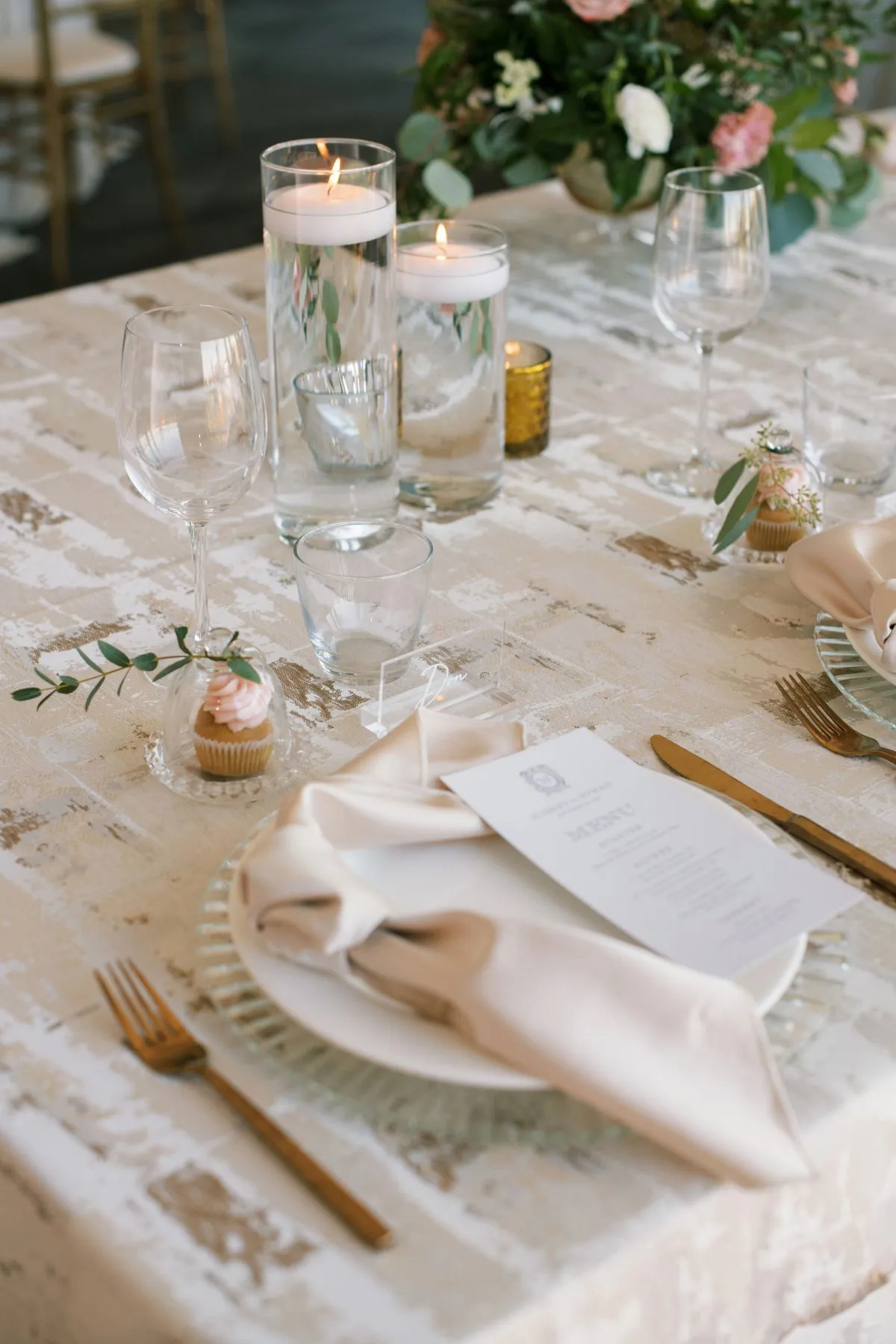
Texture is how guests experience your decor up close. Linen’s tactile surface adds depth and warmth to a room, it catches light softly and invites touch. For rental inventories, those qualities translate into memorable settings that photograph well and stand up to repeated use.
From an operations perspective, textured linens also help hide minor wear and marks between services, preserving the perceived value of the inventory. That makes linen a savvy investment for rental houses: it offers repeat visual appeal and tolerates regular handling when cared for properly.
How Does Linen Texture Support Both Look And Feel?
Linen’s natural weave creates a surface that plays with light and shadow, adding dimensionality to tabletops and drapes. At the same time, the fabric feels fresh and breathable against the skin, encouraging guests to linger. That dual visual and tactile appeal is central to creating memorable event moments.
Consider tabletop styling: a textured linen base can ground delicate centerpieces and juxtapose polished tableware to create a balanced composition. On lounge furniture, linen slipcovers read as comfortable and high-end, inviting guests to sit without appearing overly formal.
Why Event Planners Choose Linen For Custom Rentals
Planners choose linen because it’s versatile: it can be dyed to match a palette, cut to custom sizes, and styled to suit rustic, classic, or contemporary themes. Its timeless quality blends with many aesthetics, making it a reliable choice for clients who value both beauty and adaptability.
Custom rentals also let planners trial looks across several events without a long-term commitment. For venues that host a range of event types, having a selection of linen weights and finishes available for rent makes it easier to deliver distinct looks quickly and consistently.
How Can Custom Linen Rentals Be Tailored For Texture And Drape?
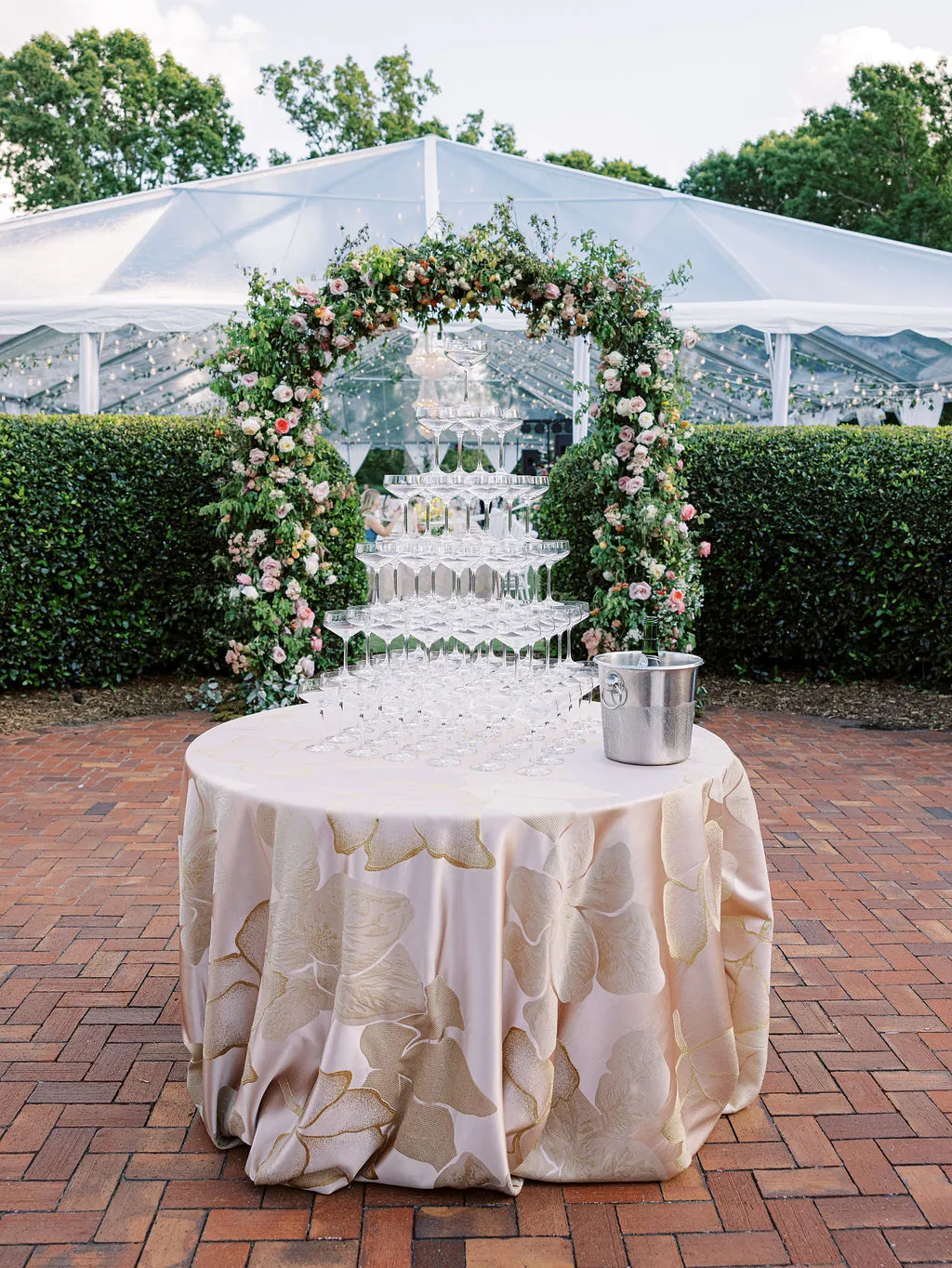
Custom rentals let you dial in weight, weave, and finish to achieve a specific look and behavior. Selecting the right fabric family and styling approach ensures linen complements the venue and lighting while delivering the drape and touch you envision.
When working with a rental partner, specify not only color and size but also preferred hem styles, backing requirements, and any reinforcement for hanging or heavy-use areas. Including photographs or sketches in your brief helps the supplier match aesthetic intent and functional needs, reducing the chance of surprises on install day.
What Customization Options Are Typically Available?
Common options include color selection, custom sizes and shapes, special finishes, and limited decorative touches like embroidery or textured overlays. These choices allow planners to match a linen piece exactly to an event’s concept, from understated neutrals to bold, statement hues.
Additional customization might include pre-washing to achieve a relaxed finish, applying stain-resistant treatments for high-traffic events, or adding decorative trim that aligns with the event’s branding. Discuss turnaround times and minimum order quantities upfront so expectations for production and delivery align with the event schedule.
How Does Customization Change Texture And Drape?
Heavier weights create structured drapes; lighter weights flow with more ease. Blends or special finishes can add sheen or soften the hand. Color and finish also influence how texture reads on camera, darker tones can feel denser, while lighter shades emphasize airiness.
When planning for photography, request fabric swatches under similar lighting to the venue. This ensures that the chosen finish and color translate as intended in images and that any subtle texture reads well at the relevant scale, whether tabletop detail shots or wide venue photographs.
Best Practices For Caring For Premium Linen
Proper handling preserves linen’s look and performance. Follow care routines tailored to the fabric weight and finish so your inventory continues to look refined service after service.
A standard care workflow for rental inventories includes pre-inspection before service, immediate treatment of visible stains after each use, consistent laundering according to manufacturer guidance, and periodic quality audits to retire items that no longer meet presentation standards. Documented procedures keep quality consistent across teams and locations.
How Should Premium Linen Be Treated During And After An Event?
During events, protect linens from direct heat and heavy soiling, table protectors and mindful placement of centerpieces help. After use, address stains promptly and follow the manufacturer’s cleaning recommendations: gentle washing and careful drying will extend the life of the fabric.
On-site, keep a small repair and stain kit for last-minute accidents: absorbent cloths, a mild spot cleaner approved for linen, and a soft brush for lifting solids can prevent stains from setting before linens reach the cleaning facility. Train on-site teams to act quickly and consistently to minimize long-term damage.
What Care Steps Maximize Linen’s Longevity And Appearance?
Wash in cold or lukewarm water with a mild detergent, avoid harsh bleaches, and air-dry when possible to minimize shrinkage. If ironing, do so while the fabric is slightly damp to restore a crisp finish. Store linens in a cool, dry place away from direct sunlight to protect fibers and color.
For rental operations, rotate inventory to ensure all pieces are used and laundered regularly rather than leaving a subset in heavy rotation. Keep clear records of cleaning cycles and repairs so you can track how long pieces remain in service and when they should be replaced for aesthetic or hygiene reasons.
Common Questions About Linen Texture And Drape
As linen gains popularity, planners ask practical questions about performance and styling. Below are clear answers to the questions we hear most.
The questions that follow address selection, styling, operation, and visual outcomes so planners can anticipate how linen will perform in a range of event scenarios and make choices that meet both aesthetic and logistical needs.
What Makes Linen Premium Compared To Other Textiles?
Premium linen is defined by fiber quality, finishing, and craftsmanship. High-grade flax, careful weaving, and thoughtful finishing deliver better durability, a richer luster, and a more sophisticated drape than lower-grade alternatives. Those production choices are what turn linen into a premium event textile.
When evaluating options, compare hand samples and launder small swatches to observe how a fabric responds to washing and use. Premium linen retains character and improves with age when treated correctly, whereas lower-grade fabrics may lose their shape or sheen more quickly.
Can Linen Rentals Be Customized For Specific Event Themes?
Absolutely. We and other rental houses offer tailored color matches, custom sizes, and select finishes so linens integrate seamlessly with your event’s look. Customization makes it easy to achieve a cohesive, polished result.
For very specific themes, such as historical recreations, high-fashion events, or branded corporate launches, work with your supplier to test samples in situ. This step helps confirm that color, texture, and sheen behave as expected under venue lighting and next to other materials in the design.
Frequently Asked Questions
What Are The Environmental Benefits Of Using Premium Linen Fabric?
Linen is made from flax, a crop that typically needs less water and fewer pesticides than many alternatives. It’s biodegradable and can be produced with organic practices and low-impact processing. For events, choosing responsibly sourced linen reduces environmental impact while retaining a premium look.
When assessing environmental claims, ask suppliers about traceability and finishing processes. Where available, choose linen produced with transparent supply chains and documented efforts to reduce water and chemical use in processing.
How Does The Weight Of Linen Affect Its Draping Capabilities?
Weight determines how linen hangs: heavier weights produce a more structured, formal drape; lighter weights flow and billow for softer, romantic looks. Pick the weight based on the look you want and the practical needs of the setup.
In practical terms, heavier linens are preferred for tailored overlays and installations that require clean lines, while lighter linens are often used where movement and soft folds are a priority. Discuss intended use with your rental partner to match weight to function.
What Are The Best Color Choices For Linen In Event Decor?
Neutral tones, ivory, beige, warm gray, offer timeless versatility and pair easily with other elements. Jewel tones like emerald or sapphire add richness for evening events, while pastels feel fresh for spring and summer occasions. Ultimately, choose colors that support the event’s mood and photograph well under your planned lighting.
Test color swatches under the venue’s lighting whenever possible. Colors can shift subtly between natural daylight and artificial lighting, and seeing a sample in place helps avoid surprises during the event.
What Maintenance Tips Keep Linen Looking Fresh For Multiple Events?
Follow care labels, wash in cold or lukewarm water with gentle detergent, avoid bleach, and air-dry when possible. Iron slightly damp for the best finish and store linens flat or rolled in a cool, dry place away from sunlight. Prompt stain treatment will also extend the life of the fabric.
Implement a pre-inspection checklist on return: note any stains, tears, or hardware damage, and tag items for repair or specialty cleaning. Proactive maintenance reduces costly replacements and helps maintain a uniformly attractive rental inventory.
What Trends Are Emerging In Linen Design For Events?
Current trends include textured and embroidered linens, bold printed patterns for statement tables, sustainable and organic options, layered textures for depth, and creative uses of lighting against linen backdrops. These approaches make linen a flexible, on-trend choice for modern events.
Additionally, there is growing interest in multifunctional linens that work across different event types with minimal additional styling, neutral textured bases paired with interchangeable accents, for example. This flexibility supports both sustainability and cost-efficiency for planners and rental houses alike.
Conclusion
Premium linen brings tactile richness and elegant drape to event design, a combination that elevates photos, guest experience, and overall atmosphere. When paired with thoughtful customization and proper care, linen becomes a reliable, sustainable choice for planners who expect both beauty and performance. Explore our collection of premium linens to find the right textures and drape for your next event.
If you are specifying linen for a particular venue or aesthetic, reach out to suppliers with a concise brief: desired mood, primary use, expected traffic, and preferred maintenance approach. Clear briefs reduce miscommunication and help production partners deliver the exact behavior and finish you need for a successful event.