
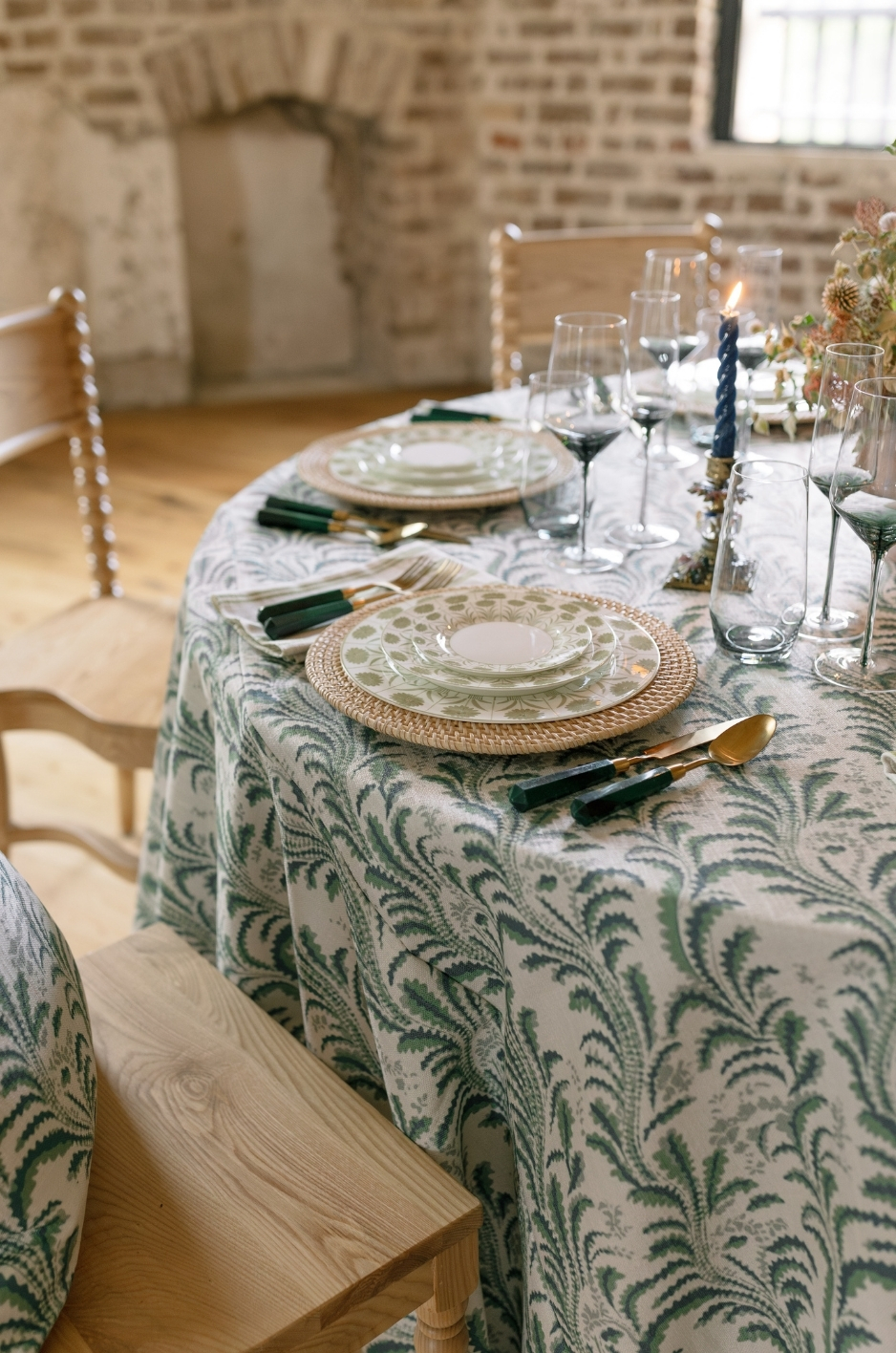
Luxury linen selection is often treated as a finishing detail, but in exclusive venues, it becomes part of the spatial design. The right linens do more than dress a table. They shape proportion, soften architecture, frame dining moments, and influence how guests experience the setting.
Private estates, yachts, penthouses, villas, and high-end event venues each have their own spatial character. Some spaces are expansive and formal, with long sightlines and grand architectural volume. Others are intimate, compact, and highly designed, where every material choice is visible at close range. In both cases, linens must be selected with scale, light, texture, and spatial balance in mind.
Exclusive venues make the setting itself an important part of linen selection. For summer events, this guide to choosing linens by venue type offers a useful framework for matching color, texture, drape, and formality to settings such as estates, ballrooms, coastal locations, rooftops, and tented receptions.
A refined linen plan helps the venue feel complete. It can make a large estate dinner feel grounded, a yacht tablescape feel elegant rather than crowded, or a minimalist penthouse feel warm without losing its clean design language. For luxury events, linens should not simply match the theme. They should belong to the space.
Why Spatial Design Matters in Luxury Linen Selection
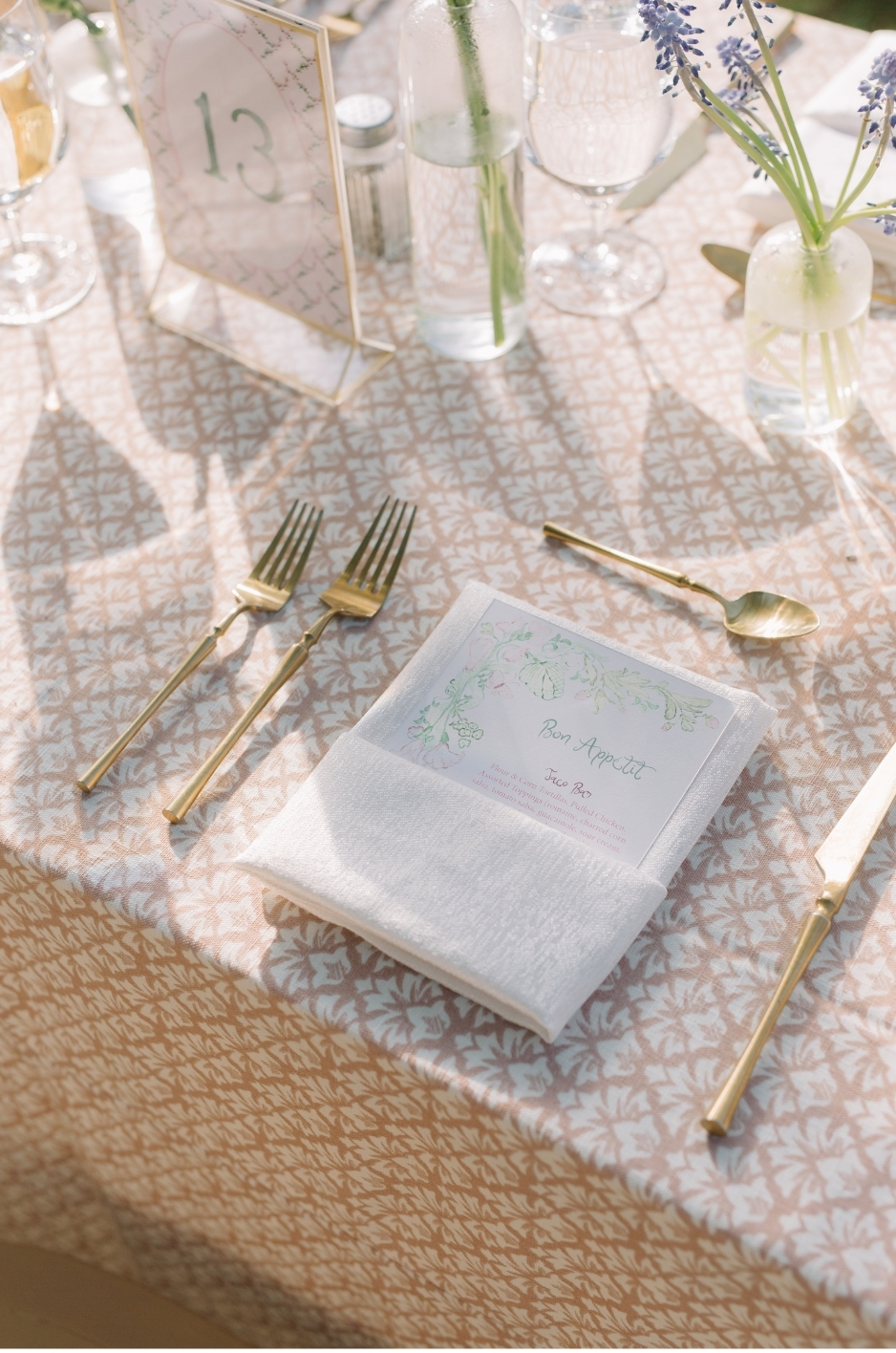
Luxury linen planning for exclusive venues begins with understanding the room or setting as a whole. Scale, ceiling height, table placement, views, natural light, and architectural finishes all affect how linens should be selected. A beautiful fabric can feel underwhelming if it is too small for the space, too heavy for the setting, or too visually dominant for the architecture.
Linens as Part of the Venue’s Spatial Composition
Every exclusive venue has a composition. Walls, windows, flooring, furniture, lighting, landscape, and architectural details all contribute to how the space is perceived. Linens become part of that composition once tables are placed in the room.
A full-length tablecloth can create a strong visual base. A runner can establish direction through a long dining table. A napkin can introduce a color note at each place setting. A textured fabric can soften stone, marble, glass, or polished wood. These choices affect how the eye moves through the space.
When linens are selected spatially, they do not feel separate from the venue. They become part of the room’s visual structure.
How Fabric Changes the Perception of Scale
Fabric has the ability to change how large, intimate, formal, or relaxed a venue feels. In a grand estate hall, linens with more weight, texture, or depth can help tables feel proportionate to the room. In a compact yacht dining area, lighter and cleaner linens can prevent the tablescape from feeling crowded.
Scale is especially important in luxury settings because small imbalances are more visible. A tablecloth with the wrong drop length can make a formal room feel unfinished. A linen that is too plain may disappear in a grand space. A fabric that is too bold may overwhelm a smaller room.
The best linen selections are scaled to the venue, not just to the table.
Why Exclusive Venues Require More Than Standard Table Styling
Standard table styling often begins with color and place settings. Exclusive venue styling requires a broader view. Designers must consider how the table relates to the architecture, the guest’s line of sight, the light in the room, the distance between tables, and the level of formality expected in the space.
A private estate dinner may need linens that feel substantial enough for the scale of the home. A yacht event may need linens that work with curved lines, glossy finishes, and built-in surfaces. A penthouse dinner may need fabrics that add warmth without interrupting a modern interior.
In these settings, linen rentals should be chosen as part of the full spatial experience.
Reading the Venue Before Choosing Linens
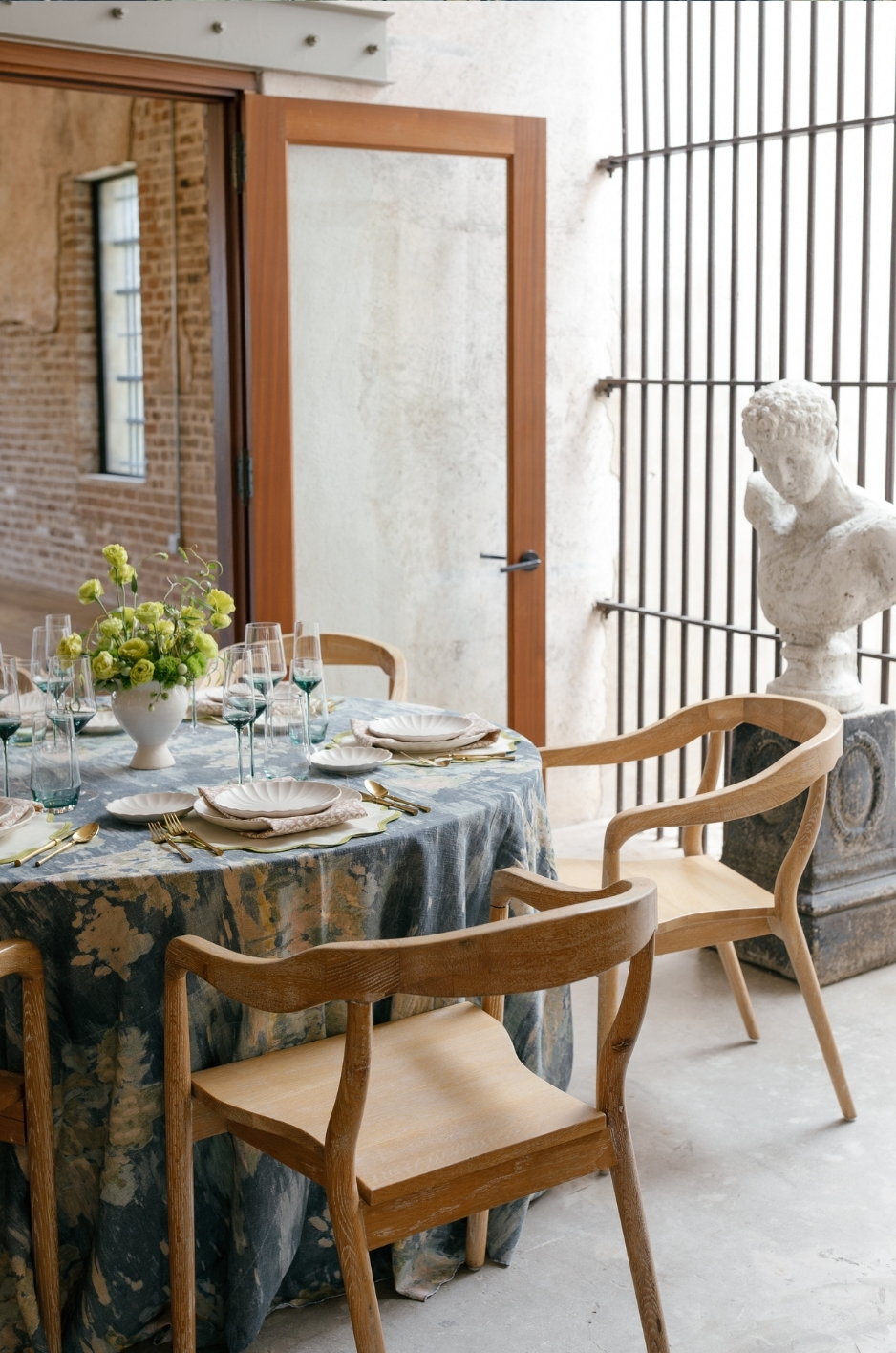
Before selecting tablecloths, napkins, runners, or specialty pieces, designers should study the venue’s proportions, materials, sightlines, and focal points. This pre-selection process helps ensure that every linen choice supports the room rather than competing with it.
Assessing Scale, Ceiling Height, and Room Volume
The first step is understanding the volume of the space. A dining table set beneath a double-height ceiling will need a different linen presence than a table in a private dining room with low ceilings and close walls.
Large spaces can often support fuller draping, richer textures, deeper colors, or more substantial fabric. Smaller spaces usually benefit from cleaner silhouettes, lighter tones, and restrained layering. Ceiling height also matters. A room with dramatic verticality may need linen choices that visually ground the table, while a compact space may need fabrics that keep the setting open and uncluttered.
The linen plan should respond to the room’s physical scale before any decorative details are finalized.
Studying Sightlines, Views, and Guest Perspective
Exclusive venues often include strong focal points: a garden view, an ocean horizon, a skyline, a fireplace, a sculpture, a grand staircase, or a central architectural feature. Linens should support those sightlines rather than interrupt them.
For example, a terrace dinner with a panoramic view may call for restrained linens that allow the landscape to remain the main feature. A private estate dining room with a dramatic fireplace may support richer fabrics that create a more formal frame around the table. A yacht dinner with close seating may require clean linens that look polished from every angle.
Designers should consider what guests will see as they enter the space, sit down, look across the table, and move through the event. Linens should strengthen that experience.
Identifying Architectural Materials That Influence Fabric Choice
Venue materials influence fabric selection. Marble, stone, glass, wood, metal, lacquer, plaster, and upholstery all affect how linen texture and color will appear.
A venue with polished marble may benefit from matte linens that create visual balance. A space with warm wood may pair well with soft woven textures or tonal neutrals. A glass-heavy penthouse may need fabric that adds softness and warmth. A yacht with glossy built-in surfaces may look best with linens that feel clean, structured, and refined.
The venue’s materials should guide the linen’s finish, texture, and visual weight.
Designing With Scale: Matching Linens to the Size of the Space
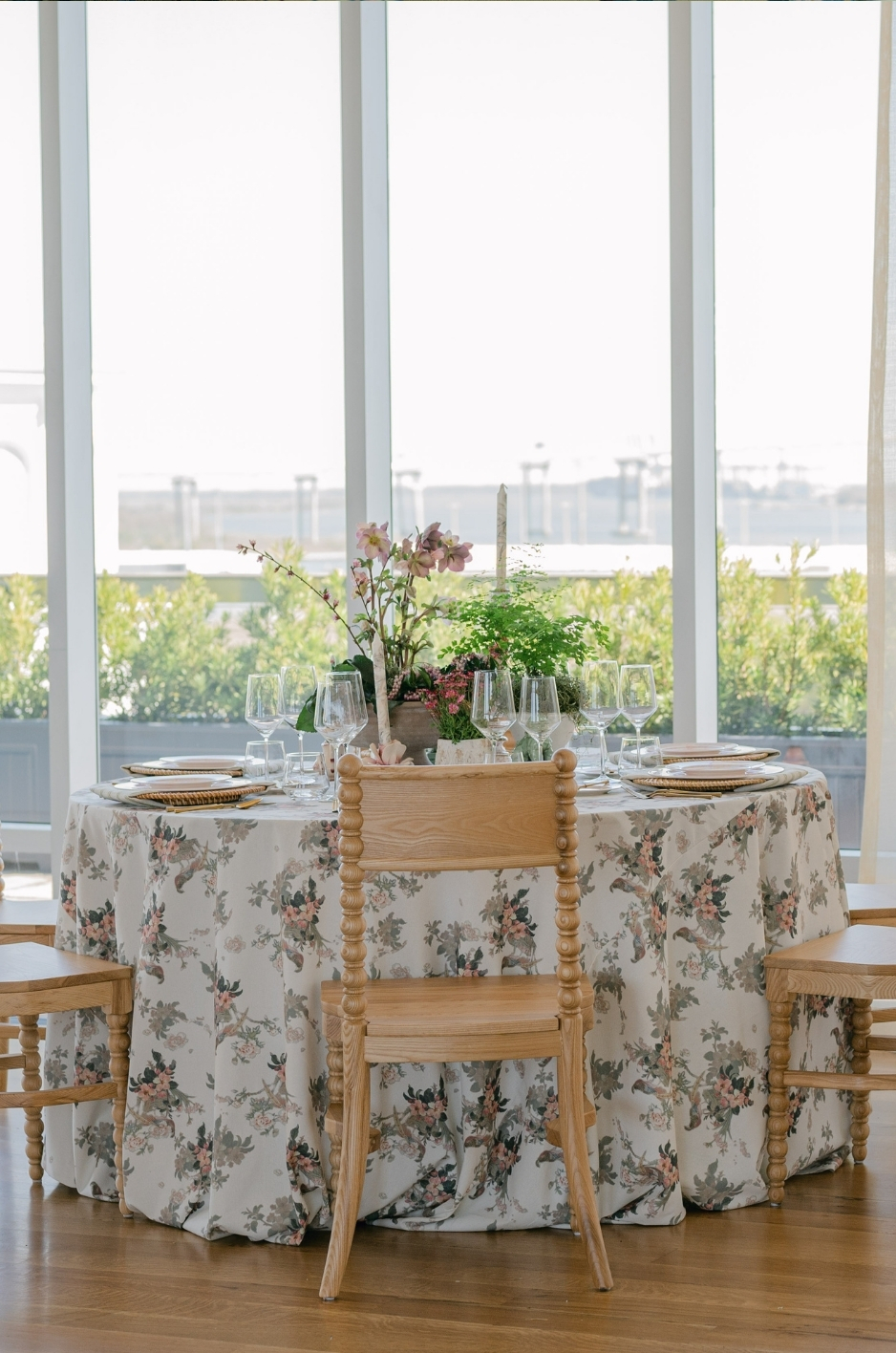
Large private estates, intimate dining rooms, yacht decks, terraces, and grand halls all require different linen proportions. The goal is to choose linens that feel balanced within the setting rather than undersized, overly heavy, or visually lost.
Linen Choices for Expansive Estate Settings
Expansive estate settings often need linens with enough presence to hold the room. Large dining spaces, terraces, lawns, courtyards, and formal halls can make simple linens feel too quiet if the fabrics do not have sufficient texture, scale, or depth.
For estate events, full-length tablecloths, layered runners, rich woven textures, and refined specialty linens can create a more substantial visual foundation. Napkins may also carry more detail, such as embroidery, tonal texture, or a formal fold, because the overall setting can support a higher level of detail.
The linen should match the estate’s sense of occasion. It should feel elegant enough for the property without appearing overdesigned.
Linen Choices for Intimate Private Dining Rooms
Intimate private dining rooms require a more controlled linen approach. Because guests are close to every detail, fabric quality, texture, and placement become especially important.
A subtle woven tablecloth, a soft neutral linen, or a refined napkin can create richness without overwhelming the room. In smaller spaces, color should be selected carefully because it has a stronger visual effect. A deep linen may create intimacy, while a lighter tone can make the room feel more open.
For private dining rooms, luxury comes from precision. The linen should feel tactile, polished, and proportionate.
Linen Choices for Compact Luxury Spaces Like Yachts and Penthouses
Yachts, penthouses, and compact luxury venues often require restraint. These spaces may already include strong finishes, built-in furniture, reflective surfaces, or close seating arrangements. Linens should enhance the space without adding unnecessary visual weight.
Clean table silhouettes, tailored napkins, tonal colors, and subtle textures often work best. Oversized patterns or excessive layering may make the space feel crowded. A carefully selected tablecloth or runner can provide softness while preserving the venue’s sleek atmosphere.
In compact settings, every linen decision should feel edited and intentional.
Creating Fabric Presence Without Overwhelming the Venue

Luxury linens should be noticeable, but they should not dominate the room. Fabric presence is about creating softness, visual weight, and depth while still allowing the venue’s architecture and setting to remain central.
When to Use Statement Linens
Statement linens work best when the space needs a strong focal point or when the table is meant to become the central design feature. A statement linen may include a richer color, distinctive texture, embroidered detail, or refined pattern.
In a minimalist penthouse, a statement tablecloth can add warmth and personality. In a private estate, a patterned runner can bring focus to a long dining table. On a terrace, a textured linen can help define the dining area against an open landscape.
The key is placement. Statement linens should be used where they add purpose, not simply decoration.
When to Keep Linen Design Restrained
Some venues already have a strong design presence. A yacht with polished wood and curved built-ins, a villa with dramatic views, or a penthouse with sculptural architecture may need linens that quietly support the setting.
Restrained linen design does not mean plain design. It may include a subtle texture, tonal variation, refined napkin fold, or carefully chosen fabric weight. These details add sophistication without pulling attention away from the venue.
When the space itself is the statement, linens should provide balance.
How to Balance Bold Fabric With Minimal Styling
If a bold fabric is selected, the surrounding details should be edited. Strong linens pair best with controlled florals, clean tableware, and simple glassware. This allows the fabric to create impact without visual clutter.
For example, a richly textured tablecloth may need neutral napkins and understated centerpieces. A patterned runner may work best on a simple base cloth. A deep-colored linen may need lighter florals or reflective tabletop accents to keep the table balanced.
Bold fabric can feel luxurious when the rest of the design gives it space to breathe.
The Role of Draping, Drop Length, and Table Silhouette
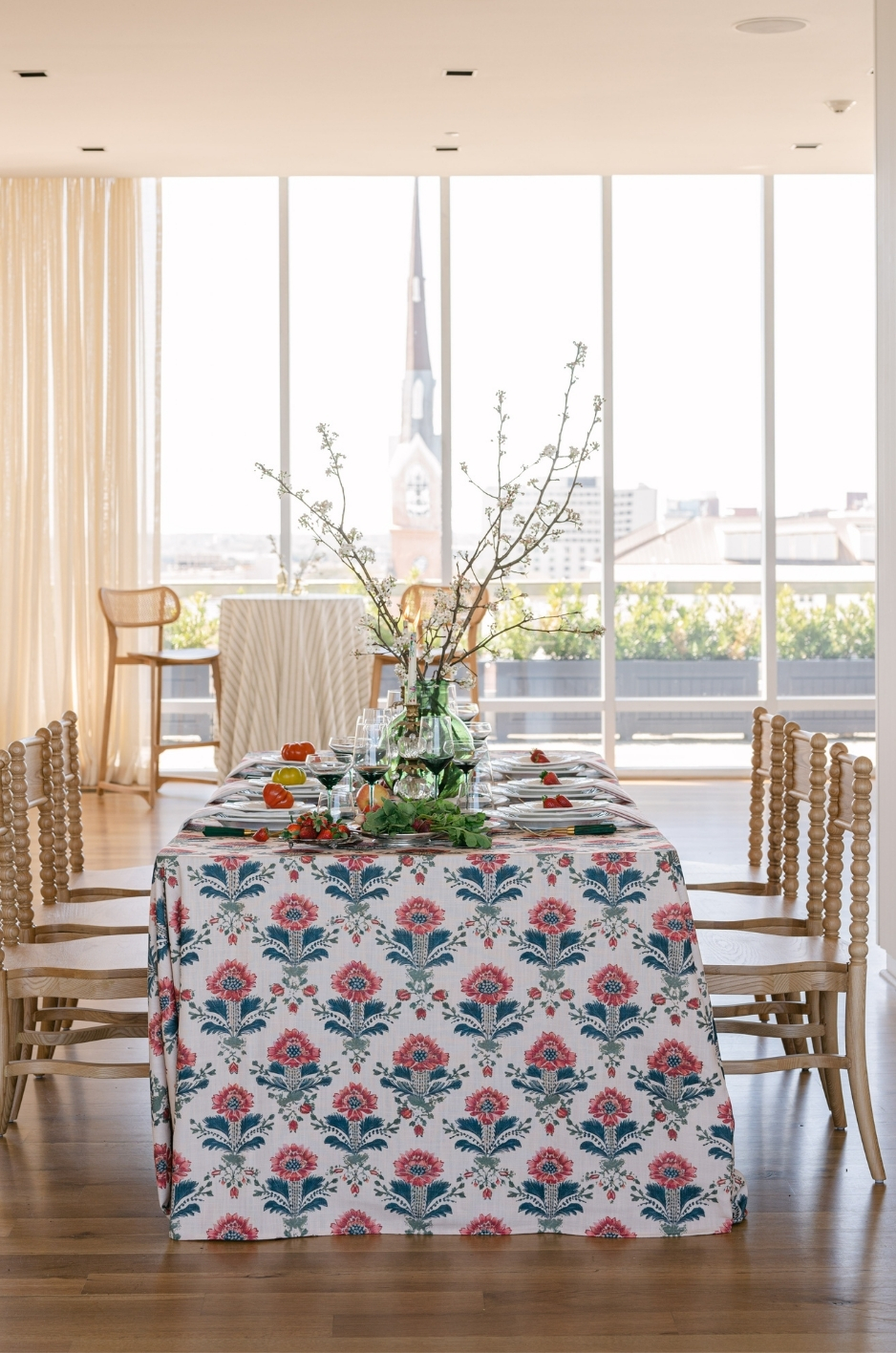
The physical shape created by linens can change the entire feeling of a table. Drop length, table form, fabric weight, and drape influence whether a setting feels formal, architectural, relaxed, or intimate.
How Linen Drop Length Changes Formality
Drop length is one of the clearest indicators of formality. A full-length tablecloth creates a polished and elevated look, especially for formal dinners, estate events, and black-tie celebrations. A shorter drop can feel more casual or contemporary, depending on the setting.
In luxury venues, drop length should be selected with intention. A full drop can hide table legs, create a clean base, and make the table feel more substantial. A tailored drop may be appropriate in spaces where the table itself is part of the design. You may also find Estate Wedding Linens: Styling Summer Venues helpful.
The right drop length helps the tablescape feel finished and proportionate.
Using Draped Fabrics to Soften Hard Surfaces
Many exclusive venues include hard materials such as stone, marble, glass, metal, or lacquer. Linens can soften these surfaces and make the dining experience feel more inviting. You may also find Perfect Beach Wedding Linen Solutions for Windy Venues helpful.
A draped tablecloth can bring movement to a formal stone terrace. A soft runner can warm a polished dining table. A textured napkin can add tactile contrast to glossy plates and glassware. This softening effect is especially useful in contemporary spaces, where too many hard surfaces can feel visually cold.
Fabric brings comfort to architecture.
Creating Clean Table Silhouettes for High-End Events
A clean table silhouette is essential in luxury event design. Linens should fall evenly, align with table proportions, and support the overall shape of the room.
Wrinkled, uneven, undersized, or overly layered linens can make an otherwise refined event feel less polished. Clean silhouettes are especially important in compact venues, yacht settings, and modern private spaces where every line is visible. Read more in Softening Modern Industrial Venues with Strategic Linen Choices.
The table should look composed from a distance and detailed up close.
Fabric Weight and Movement in Luxury Event Spaces
Fabric movement can affect the entire mood of an event. Lighter linens create softness and ease, while structured linens create formality and architectural clarity. The way fabric behaves on the table should be part of the design decision.
Lightweight Linens for Soft, Airy Settings
Lightweight linens work well in settings where the design should feel open, relaxed, and graceful. Estate terraces, villas, garden-adjacent dining spaces, and daylight events can benefit from fabrics with softer movement.
These linens create an atmosphere of ease without losing refinement. They pair well with fresh florals, natural light, and understated tableware. For luxury events, lightweight fabrics should still feel substantial enough to maintain a polished appearance.
The goal is softness, not informality.
Structured Fabrics for Formal Spatial Definition
Structured fabrics create clearer lines and a stronger sense of formality. They work well in grand interiors, formal dining rooms, gala settings, and venues where the table needs to feel architecturally defined.
A structured linen can make a long table feel more intentional. It can help anchor a large room and provide a clean foundation for formal place settings. In spaces with strong proportions, structured fabrics often feel more appropriate than overly soft or fluid materials.
Structure gives the tablescape presence.
Layered Fabrics for Dimensional Table Design
Layering can add dimension when used with restraint. A base cloth with a runner, an overlay with a tonal napkin, or a textured linen with a smooth accent can create depth without visual clutter.
Layered fabrics are especially useful in large spaces where a single linen may feel too flat. They can also define focal tables, such as head tables, VIP dining areas, or private dinner settings.
The layers should have a clear relationship. Color, texture, and scale should work together rather than compete.
Using Texture to Add Depth to Minimal or Highly Designed Venues
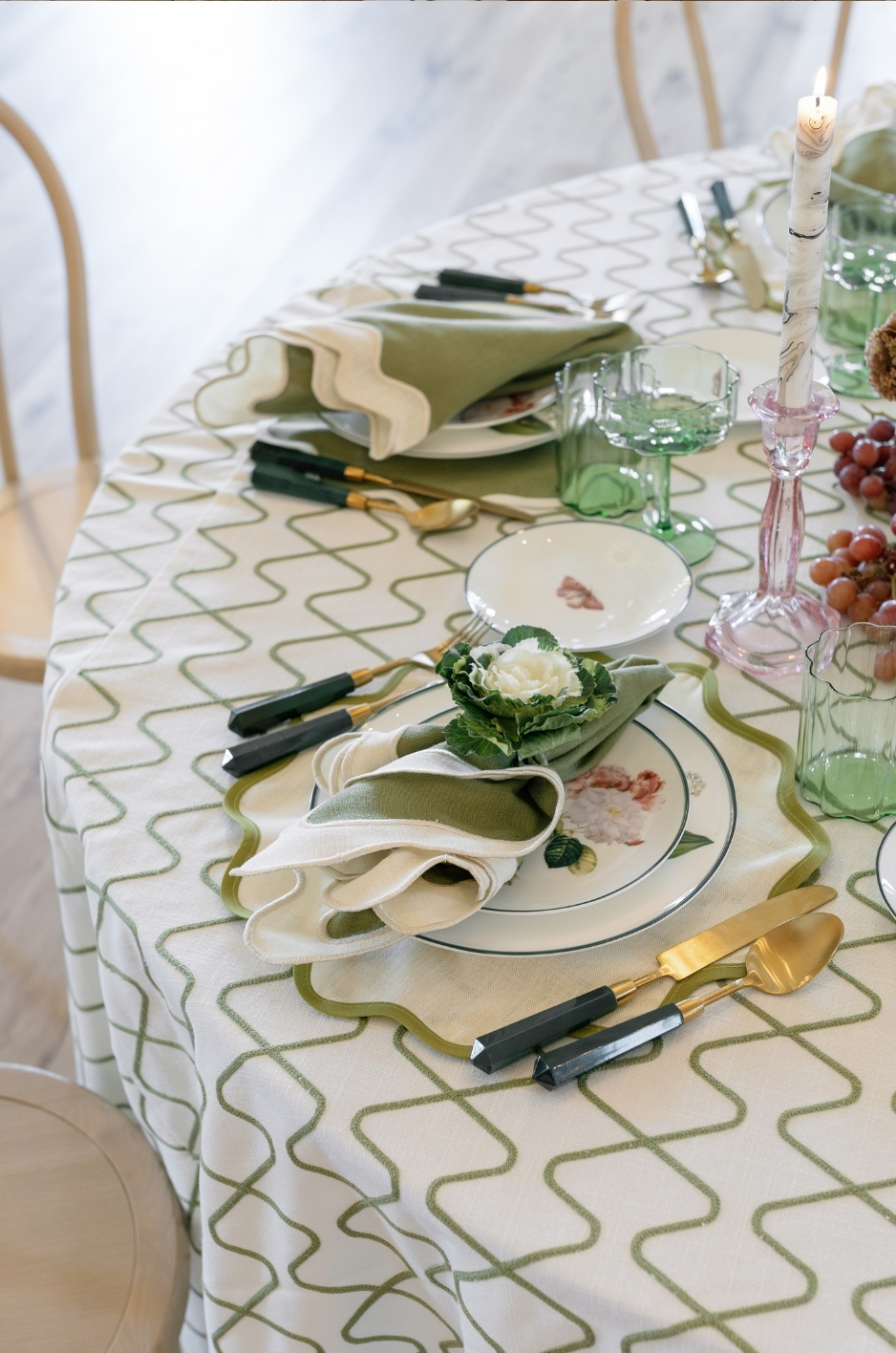
Many exclusive venues already have strong design features. Texture allows linens to add richness without relying on loud colors or patterns. A textured linen can make a minimalist room feel warmer or a formal estate feel more layered. We cover this further in Cohesive Linen Design for Multi-Room Event Venues.
Subtle Texture for Contemporary Private Venues
Contemporary venues often benefit from subtle texture. A clean woven linen, matte finish, or slight tonal detail can soften modern architecture without disrupting it.
In penthouses, villas, and modern private homes, texture adds human warmth to sleek spaces. It helps balance glass, metal, stone, and polished surfaces. The linen should remain refined and controlled, especially if the venue has a minimal design language.
Subtle texture is often the best way to add depth without visual noise.
Rich Texture for Formal Estate Settings
Formal estate settings can support richer textures. Jacquard-inspired fabrics, embroidered napkins, heavier weaves, and layered table details can complement the scale and elegance of the property.
Rich texture creates a sense of occasion. It makes the dining table feel more substantial and can help connect the event to the formality of the estate. However, the texture should still be chosen carefully. If the venue already has ornate details, the linen should support rather than compete.
The goal is depth, not excess.
Tone-on-Tone Detail for Refined Visual Interest
Tone-on-tone details are highly effective in luxury linen design. They add visual interest while maintaining a restrained palette.
A white linen with subtle woven pattern, a champagne napkin with tonal embroidery, or a taupe runner with slight texture can create dimension without introducing strong contrast. These details are especially useful in exclusive venues where the design should feel polished and sophisticated.
Tone-on-tone linen choices reward close attention, which is part of what makes them feel luxurious.
Expert Curation: Why Exclusive Venues Need a Designer-Led Linen Plan
Exclusive venues often demand a more considered linen selection process. Expert curation is the difference between simply renting linens and creating a spatially integrated tablescape. The right linen plan accounts for scale, light, setting, fabric behavior, and the overall guest experience.
Curating Fabrics for Scale, Light, and Setting
A designer-led linen plan begins with the environment. The curator considers whether the space is large or compact, bright or moody, formal or relaxed, minimal or ornate. Fabric is selected according to those conditions.
This ensures that linens feel appropriate from every angle. A fabric may be beautiful on its own, but it must also work within the venue’s proportions, lighting, and materials. Expert curation helps avoid mismatches between the textile and the space.
The best linens feel inevitable, as if they were always meant to be part of the setting.
Editing Linen Choices for a More Refined Result
Luxury design often requires editing. Too many fabrics, colors, textures, or statement pieces can weaken the final result. A refined linen plan selects only what the space needs.
Editing may mean choosing one strong fabric and keeping the rest restrained. It may mean removing a pattern that competes with the view. It may mean simplifying the napkin color to allow the table shape or architectural feature to stand out.
A more selective approach usually produces a more sophisticated event.
Creating a Complete Linen Direction Before Final Selection
Before final rentals are chosen, the linen direction should be clear. This includes the desired mood, fabric weight, color strategy, table silhouette, texture level, and any specialty needs.
A complete direction prevents the linen plan from feeling pieced together. It also makes it easier to coordinate with florals, tableware, lighting, furniture, and the venue itself.
For exclusive venues, this planning stage is essential. It ensures the final tablescape feels spatially considered, not just decorated.
Frequently Asked Questions
Choosing linens for exclusive venues requires attention to proportion, light, texture, and table silhouette. These questions address the most important considerations for private estates, yachts, penthouses, villas, and other high-end settings.
How do I choose linens for a large private estate event?
For a large private estate event, choose linens with enough visual presence to match the scale of the space. Full-length tablecloths, textured fabrics, refined runners, and formal napkins can help ground large rooms or open terraces.
The linen should also reflect the property’s character. A formal estate may suit richer textures or deeper tones, while a modern villa may need cleaner fabrics and more restrained colors.
What linens work best for small luxury venues or yacht dinners?
Small luxury venues and yacht dinners usually work best with tailored, restrained linens. Clean table silhouettes, lighter tones, subtle textures, and precise sizing help the space feel elegant without becoming crowded.
Avoid excessive layering, oversized patterns, or heavy fabrics unless the table and venue can support them. In compact spaces, refinement comes from proportion and editing.
Why does linen drop length matter for formal events?
Linen drop length affects the formality and finish of a table. A full-length drop creates a more polished and elevated look, while a shorter drop can feel more casual or contemporary.
For formal events, drop length also helps create a clean table silhouette. It hides table legs, adds visual weight, and makes the overall setting feel more complete.
When should custom linen sizing be considered?
Custom linen sizing should be considered when standard sizes do not suit the table shape, venue scale, or desired table silhouette. This is especially important for unusual dining tables, yacht tables, estate tables, long banquet formats, or specialty display tables.
Custom sizing helps the linen feel tailored to the space, which is essential in high-end venues where proportion is highly visible.
How can linens make a space feel more refined?
Linens make a space feel more refined by adding softness, texture, proportion, and visual structure. A well-selected fabric can ground a large room, warm a minimal venue, soften hard surfaces, or create a more formal dining experience.
Refinement comes from choosing linens that support the space, not just the theme. Scale, color, drape, finish, and texture all contribute to the final effect.
Conclusion
Linen selection for exclusive venues is about more than choosing a fabric. It is about designing with scale, proportion, light, texture, table silhouette, and spatial presence. The right linens can transform how a venue feels, making a grand space more intimate, a compact setting more polished, and a highly designed room more inviting.
Private estates, yachts, penthouses, villas, and luxury venues each require a thoughtful linen strategy. Designers must read the room, understand the light, study the materials, and choose fabrics that support the setting rather than compete with it.
Curated Linen Collection helps planners and hosts approach linen rentals as part of the complete event design. Through refined fabric selection, careful editing, and a spatially aware design perspective, luxury linens can elevate exclusive venues with elegance, balance, and intention. For inspiration from real events, browse our linen gallery.