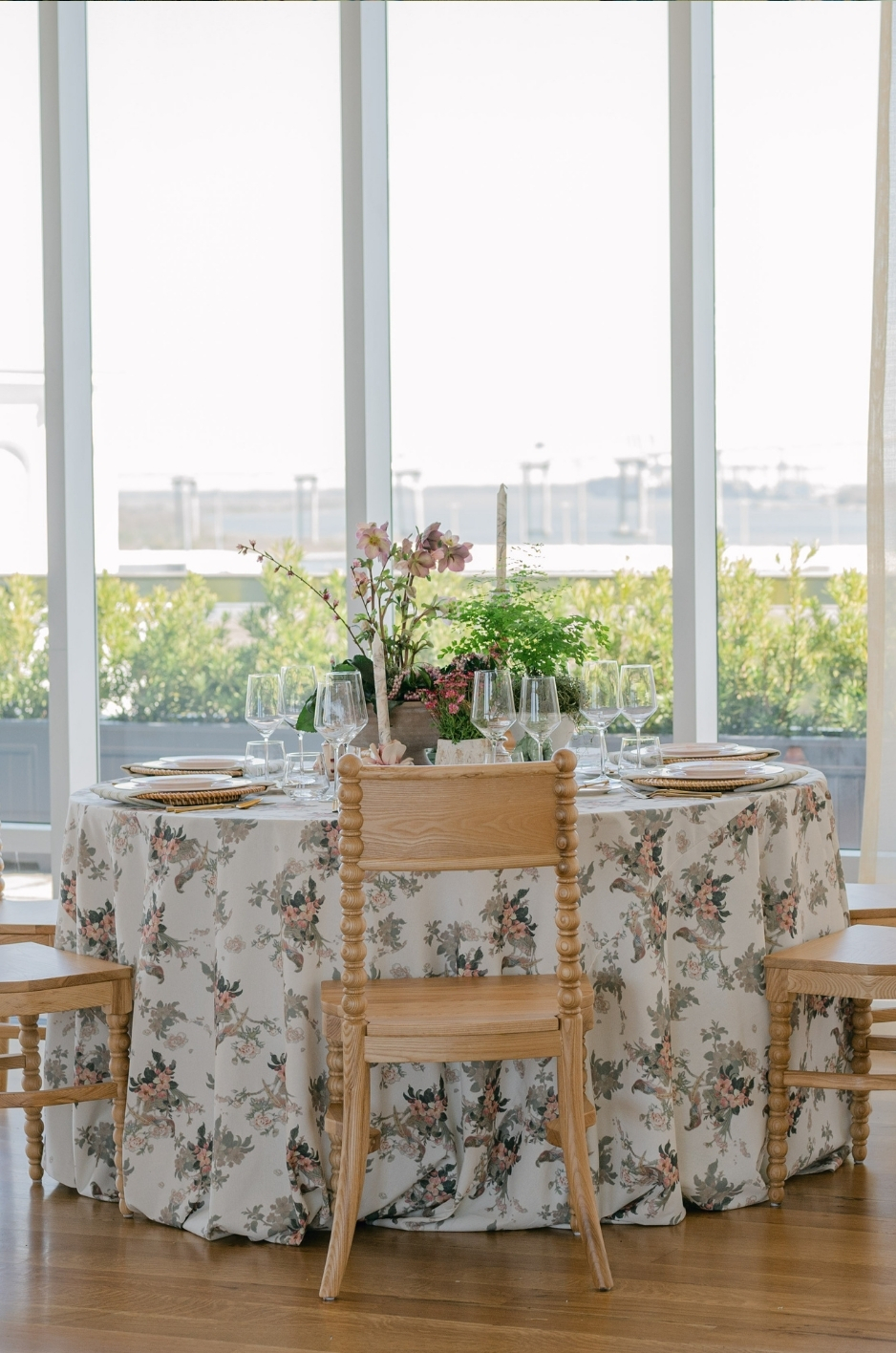
A multi-room event requires more than beautiful linens in one space. It requires a complete visual plan that moves with the guest experience. From the first arrival moment to cocktail hour, dinner, lounge seating, bars, dessert displays, and after-party spaces, every room should feel connected to the same design story.
Before assigning a linen role to each room, planners can establish a broader venue-based direction for the event. This summer event linen guide by venue type shows how architecture, natural light, flooring, views, and the overall setting can shape the palette and texture choices that are then carried consistently from room to room.
Luxury linen rentals are one of the most effective ways to create that connection. Linens introduce color, texture, formality, softness, and visual rhythm throughout a venue. They help distinguish one room from another while keeping the full event cohesive. The goal is not to make every space look identical. The goal is to create a smooth design progression that feels intentional from beginning to end.
For planners, designers, and hosts, multi-room linen styling works best when approached as a blueprint. Each room needs a role. Each linen choice needs a reason. Each textile detail should support the full event experience.
Blueprint Step 1: Start With the Guest Journey
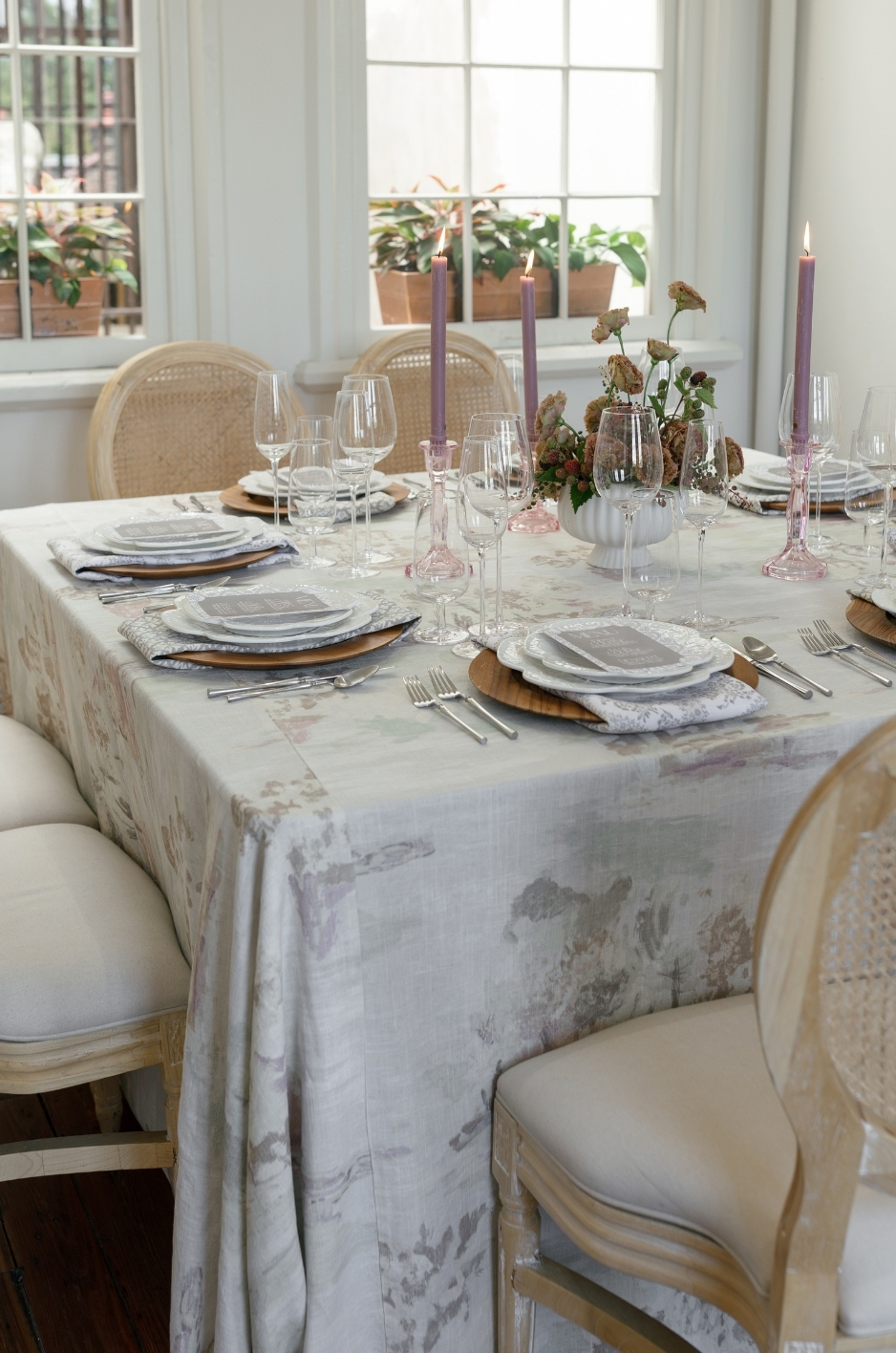
Multi-room event design should begin with how guests move through the venue. Linens help create a visual path from arrival to cocktails, dinner, lounges, dessert displays, and after-party spaces. Before selecting fabrics or colors, planners should understand the sequence of the event and the emotional tone each room is meant to create.
Map Each Event Space Before Selecting Linens
A cohesive linen plan starts with a complete room map. This includes every area guests will see or use, not just the main dining room. Arrival tables, welcome stations, escort card displays, cocktail tables, bars, dining tables, lounge areas, dessert stations, cake tables, buffet stations, and after-party spaces should all be considered.
Without this full map, it is easy for secondary areas to feel disconnected from the main event design. A beautiful reception room can lose impact if the cocktail area, bar, or entrance table feels unrelated. Mapping each space early ensures that every linen choice contributes to the same larger design direction.
This process also helps identify where linens will have the most visual influence. Dining tables may require the strongest linen statement, while cocktail tables or welcome areas may only need a subtle textile detail. By understanding the full venue first, planners can make more strategic rental decisions.
Identify the Mood of Each Room
Each room in a multi-room event should have a clear mood. The arrival area may feel polished and welcoming. Cocktail hour may feel lighter and more social. The dinner space may feel formal, layered, and immersive. Lounge or after-party areas may feel richer, more intimate, or more expressive.
Linens help shape those shifts. A soft neutral tablecloth in the welcome area can create a refined first impression. A textured cocktail table linen can make the social space feel warm and inviting. A more formal fabric in the dining room can signal the main event moment. A deeper color or specialty textile in the lounge can create a sense of transition into the later part of the evening.
The guest journey should feel natural. Linens are one of the design tools that help guide that progression.
Blueprint Step 2: Choose One Linen Anchor for the Entire Event
A cohesive multi-room event needs one anchor detail that connects the full design. This may be a core color, fabric texture, napkin style, pattern, or overall linen mood. The anchor does not need to appear in the exact same way in every room, but it should be present enough to create visual continuity.
Select a Primary Linen Color
The primary linen color sets the foundation for the full event. It may be ivory, champagne, taupe, soft gray, blush, sage, navy, or another tone that reflects the event palette. This color can appear as a tablecloth in the reception room, a napkin in the cocktail area, a runner on the escort table, or a specialty linen in the lounge.
Choosing one primary color prevents the event from feeling fragmented. It gives planners a reference point when selecting secondary linens, florals, tabletop rentals, and accent details.
The primary color should work across the venue’s lighting conditions and room styles. A tone that looks beautiful in the dinner room should also make sense in cocktail areas, bars, and transition spaces. For multi-room events, versatility matters.
Choose a Repeatable Texture or Fabric Family
Texture can also serve as the event’s linen anchor. A soft woven finish, crisp matte fabric, subtle sheen, or embroidered detail can connect spaces even when the colors shift.
For example, a planner may use a refined woven texture for dining tablecloths, cocktail table linens, and bar accents. The rooms may have different color applications, but the repeated texture keeps the event visually connected. Another event may use a smooth formal fabric for the main dinner and repeat that same finish through napkins or specialty table linens in other areas.
A repeatable texture is especially useful when a venue has several distinct rooms. It creates consistency without forcing every space to use the same linen combination.
Blueprint Step 3: Design Each Room With a Clear Linen Role
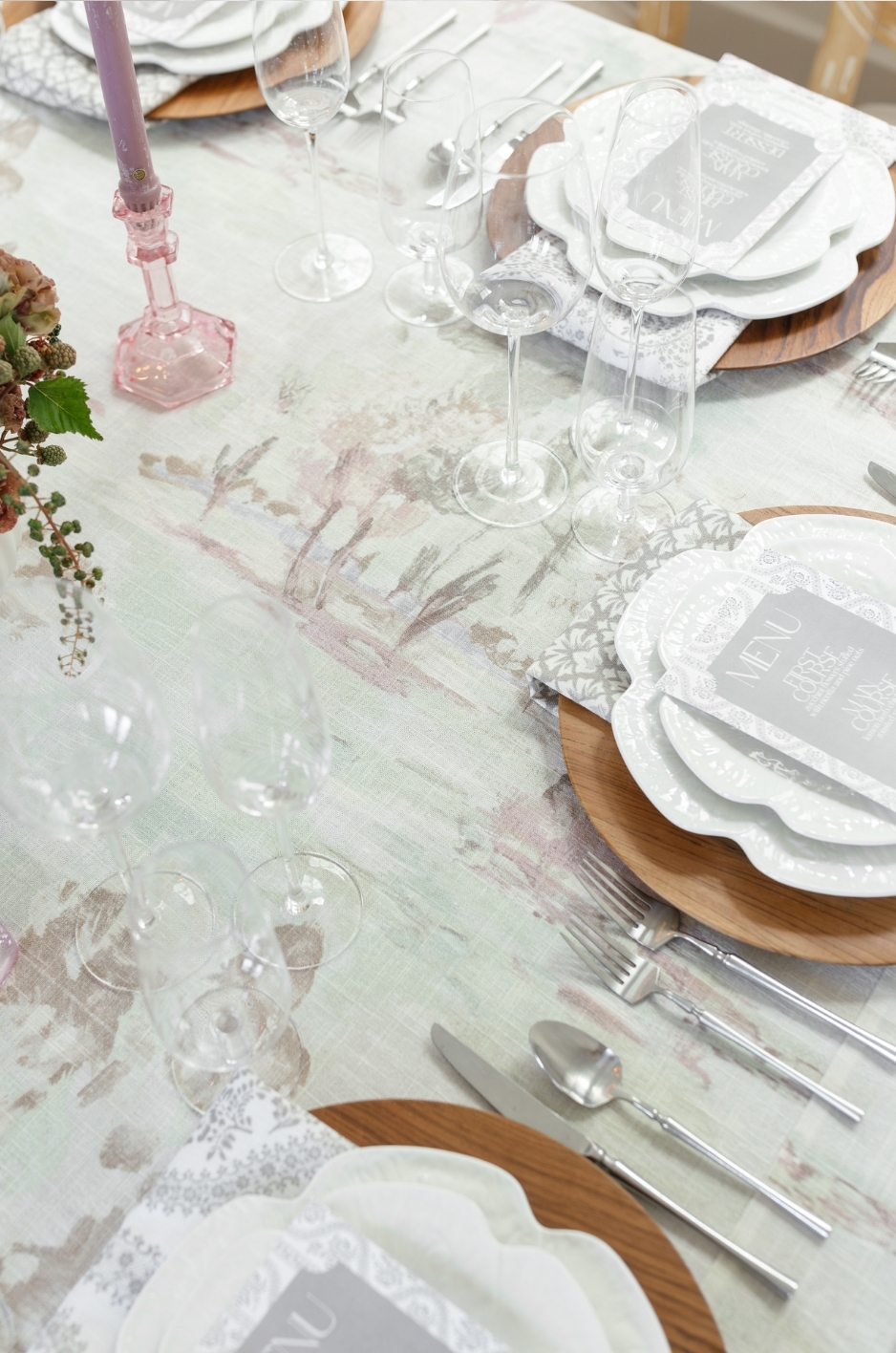
Every room should have its own purpose, and the linen choices should reflect that purpose. The goal is not to make every room identical, but to make each space feel connected. A multi-room event becomes more sophisticated when each area has a defined linen role within the broader design.
The arrival or welcome area should introduce the event palette with restraint. This may include a tailored linen for a welcome table, a soft runner for a guest book station, or a refined cloth for a champagne display. These early textile details should offer a preview of the design without revealing everything at once.
The cocktail hour space can feel more relaxed and social. Cocktail table linens, bar linens, and small accent textiles can bring in texture, color, or pattern in a lighter way. This is often the right space to introduce a playful napkin color, subtle pattern, or fabric that encourages movement and conversation.
The dinner, gala, or reception room should usually carry the strongest linen expression. This is where guests spend the most time seated, and it is where the tablescape becomes the central visual experience. Full tablecloths, statement napkins, runners, overlays, or specialty linens can create a more formal and immersive atmosphere.
Lounge, dessert, bar, and after-party areas can extend or deepen the palette. These spaces do not need to match the dinner room exactly, but they should feel related. A darker version of the same color, a richer texture, or a repeated napkin detail can make these rooms feel like part of the same event rather than a separate design concept.
Blueprint Step 4: Use Repetition to Create Quiet Cohesion
Repetition is one of the most effective ways to make a multi-room event feel professionally designed. A repeated napkin color, fabric finish, trim detail, or pattern family can create continuity without making the design feel overly matched.
Repeat One Signature Linen Detail
A signature linen detail gives guests a visual thread to follow. This could be a champagne napkin, a tonal embroidered edge, a woven tablecloth texture, or a subtle pattern used in more than one area.
The repeated detail should be noticeable enough to create cohesion but subtle enough that it does not feel forced. For instance, the same embroidered napkin may appear at the dinner table, the bar, and the dessert display. Or a soft ivory woven fabric may appear as a dining tablecloth, cocktail table linen, and escort card table base.
This type of repetition creates quiet luxury. It signals that the design was considered at every level.
Carry Napkin Colors Across Spaces
Napkins are one of the easiest ways to create continuity across multiple rooms. Because they are smaller than tablecloths, they can introduce color without overwhelming the space.
A primary napkin color can appear in the cocktail area, dinner room, and after-party lounge. Alternatively, the napkin color can shift slightly from room to room while remaining within the same family. For example, a soft sage napkin at cocktail hour may deepen into olive or forest green for dinner. A blush napkin in the welcome area may transition to dusty rose or mauve in the reception room.
This approach gives each room its own tone while preserving a connected palette.
Use Pattern Scale Strategically
Pattern can create cohesion when used carefully. The key is to control scale. A large pattern in every room may feel overwhelming, while unrelated patterns can make the event feel disjointed.
A better approach is to use one pattern family in different strengths. A bold patterned tablecloth may be reserved for the head table or lounge area, while a smaller related pattern appears on cocktail napkins or runners. A botanical motif might appear in the escort display, then return more subtly in the dinner room napkins.
Pattern should support the guest journey. It should create visual interest without making each room compete for attention.
Blueprint Step 5: Build a Linen Hierarchy Across the Venue
Not every room needs the same level of linen impact. A strong linen hierarchy helps planners decide where to use statement pieces and where to keep the look more restrained. This keeps the design balanced and ensures the most important spaces receive the strongest visual treatment.
Hero Linen Moments
Hero linen moments are the places where the textile choice should make the greatest impact. These may include the main reception room, head table, sweetheart table, gala dining area, VIP table, or a dramatic bar.
A hero linen might be a richly textured tablecloth, a custom runner, an embroidered napkin, a statement pattern, or a more saturated color. These pieces should be used where they will be seen, photographed, and experienced closely by guests.
The hero moments should feel intentional. If too many areas compete for attention, the event can lose focus. Choosing a few key linen statements creates a more refined visual hierarchy.
Supporting Linen Layers
Supporting linen layers help maintain cohesion without drawing too much attention. These may include cocktail table linens, neutral tablecloths, secondary napkins, buffet linens, or understated runners.
Supporting layers should relate to the hero linens through color, texture, or fabric family. They do not need to be plain, but they should allow the main design moments to stand out.
For example, if the dining room uses a patterned statement linen, cocktail tables may use a solid linen in one of the pattern’s secondary tones. If the head table features an embroidered cloth, guest tables may use a simpler fabric with coordinating napkins.
Accent Linens for Specialty Tables
Specialty tables often need their own linen plan. Escort card tables, cake tables, gift tables, bars, lounge side tables, and display stations can become missed opportunities if treated as afterthoughts.
Accent linens help these areas feel complete. A small patterned runner, custom tablecloth, textured overlay, or coordinated napkin stack can connect specialty tables to the full event design.
These details are especially important in multi-room venues because guests encounter many surfaces beyond the dining table. Every visible table contributes to the overall impression.
Blueprint Step 6: Create Transitions Between Rooms With Textile Details
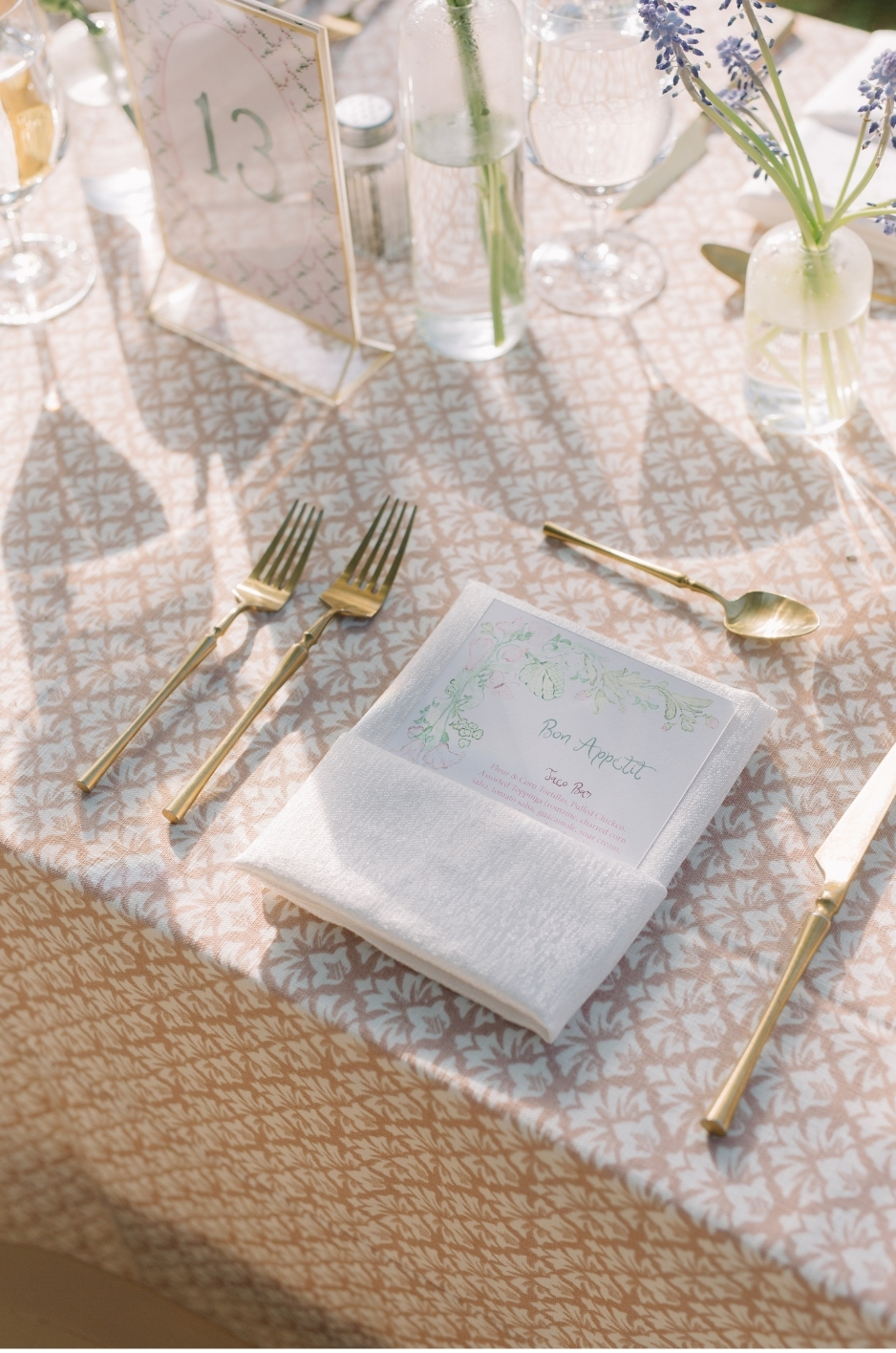
Transition spaces are often overlooked, but they can make a multi-room event feel more cohesive. Small linen details on escort tables, bars, cocktail stations, and display tables can connect one room to the next. These textile cues help guests move through the venue without feeling a visual break between spaces.
Escort Card Table Linens
The escort card table often sits between cocktail hour and dinner, making it one of the most important transition points in the event. Its linen should connect both spaces. We cover this further in Entryway and Transition Zone Linen Styling.
If cocktail hour uses a light texture and dinner uses a richer fabric, the escort table can bridge the two by combining the dinner color with a lighter finish. If the dinner room features a statement pattern, the escort table might use a smaller coordinating pattern or a solid linen pulled from that palette.
Because the escort display is usually highly photographed and closely viewed, the linen should feel refined and purposeful.
Bar and Cocktail Station Linens
Bars and cocktail stations are high-traffic areas, which means their linens have strong visual influence. A bar linen can repeat the main event color, introduce a complementary texture, or signal a shift in mood from one space to another.
For a multi-room wedding, the cocktail bar may use a lighter linen that connects to the welcome area, while the dinner bar may use a deeper tone that relates to the reception design. For a corporate or gala event, branded or custom linen details can connect bars across multiple rooms without overwhelming the design. You may also find Tent Wedding Linens: Styling Your Summer Marquee helpful.
Bar linens should feel polished, durable, and aligned with the event’s overall tone.
Display Table and Console Linens
Console tables, dessert displays, gift tables, and small service stations often sit in transitional areas. These surfaces can either support the design or interrupt it.
A thoughtful linen choice can turn these areas into subtle design connectors. A runner that repeats the dinner room napkin color, a tablecloth that matches the cocktail area texture, or a specialty linen that echoes the event pattern can create cohesion without requiring a major design statement.
These smaller textile details help the venue feel fully designed.
Blueprint Step 7: Mix Linen Types With Intention
A multi-room event usually requires more than tablecloths and napkins. The right mix of runners, overlays, specialty linens, and accent textiles helps each space feel complete. Each linen type should have a clear purpose within the larger design.
Tablecloths as the Foundation
Tablecloths create the largest linen surface and often define the tone of a room. In the main dining space, they establish formality, color, and visual rhythm across the floor plan.
For multi-room events, tablecloths do not need to be identical in every space. Cocktail tables, dining tables, display tables, and lounge tables may each call for a different application. However, they should relate through color, texture, or mood.
The tablecloth is the foundation. Other linen details should build from it.
Napkins as Color Connectors
Napkins are highly effective for connecting rooms because they can repeat a color or texture in a controlled way. They are visible at each place setting, easy to coordinate with menus and tabletop rentals, and flexible enough to shift in tone between spaces.
A napkin may be the strongest color element in a neutral room. It can also serve as the repeated detail that links cocktail hour to dinner or dinner to after-party. Custom napkins, embroidered napkins, or specialty folds can add further distinction.
When designing a multi-room event, napkins should be treated as a key design tool, not a minor finishing detail.
Runners and Overlays for Dimension
Runners and overlays add depth to tables without changing the entire foundation. They are especially useful for long tables, head tables, bars, escort displays, and specialty stations.
A runner can introduce texture, pattern, or color while allowing the base linen to remain neutral. An overlay can create a more layered effect for formal rooms or focal tables. In multi-room events, runners and overlays can help distinguish spaces while keeping the overall palette consistent.
These pieces work best when used selectively. Too many layers in every room can make the design feel heavy, while thoughtful placement creates dimension and focus.
Specialty Linens for Focal Points
Specialty linens create memorable event moments. They can be used for sweetheart tables, VIP areas, cake tables, escort displays, bars, lounge tables, or branded activations.
These linens may feature custom embroidery, a statement fabric, a bolder pattern, or a unique color. They are often the pieces that make a multi-room event feel personal and elevated.
Specialty linens should be planned early so they coordinate with the rest of the rental order. When added at the last minute, they can feel disconnected. When planned intentionally, they strengthen the entire design.
Blueprint Step 8: Develop a Color Strategy for Multi-Room Cohesion
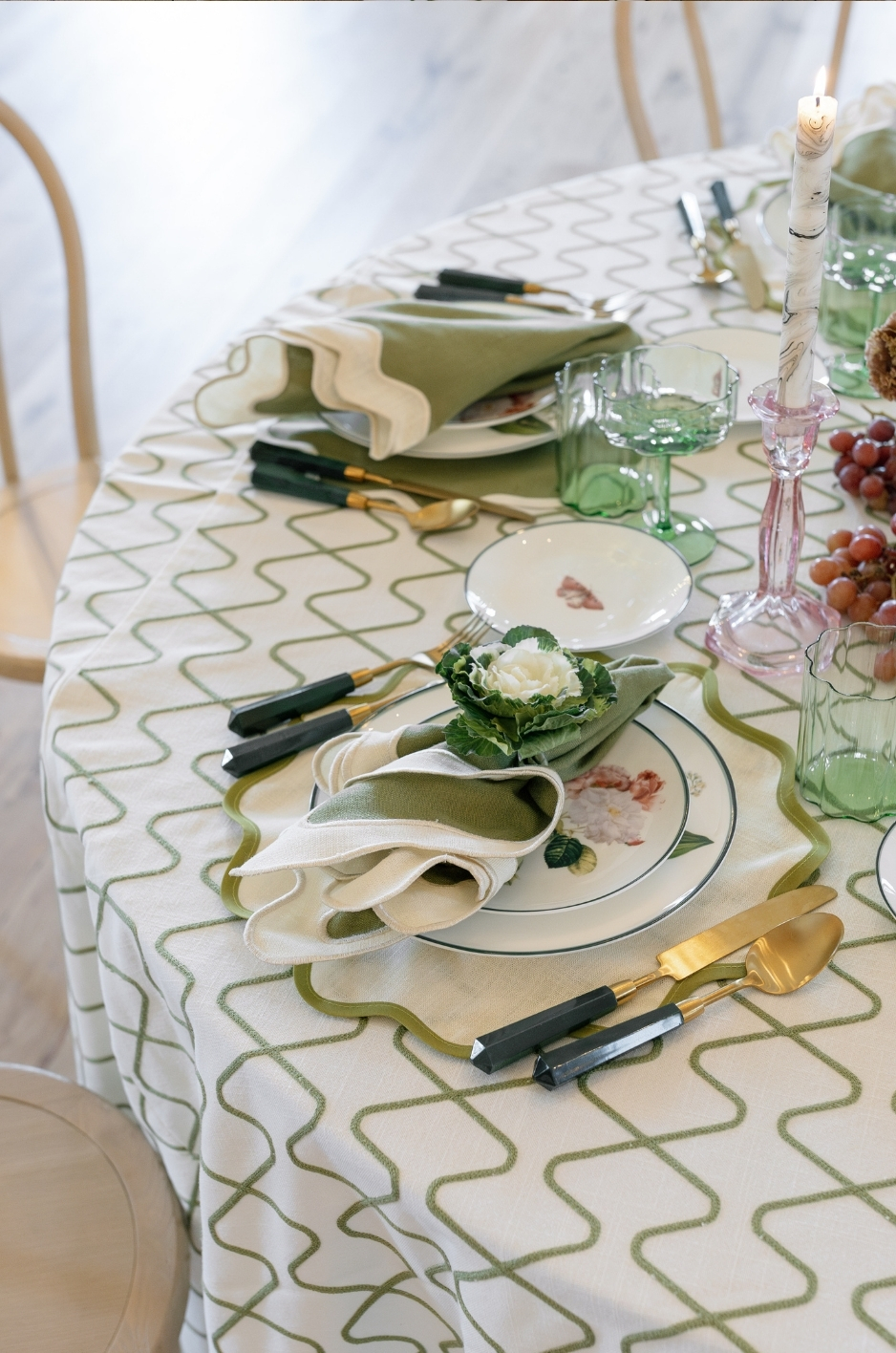
Color should move naturally through the venue. Instead of changing palettes abruptly from room to room, designers can use related tones, repeated accents, and tonal shifts to create a smooth visual progression.
Monochromatic Linen Palettes
A monochromatic palette uses different shades of one color family. This approach works well for multi-room events because it creates cohesion while allowing variation.
For example, an event may use ivory in the welcome area, champagne in the cocktail space, taupe in the dining room, and deeper mushroom tones in the lounge. The palette shifts, but it remains connected.
Monochromatic linen plans often feel sophisticated because they rely on subtlety. Texture becomes especially important in this approach, helping each room feel distinct without introducing too many colors.
Tonal Variations Across Rooms
Tonal variation allows each room to have its own atmosphere while staying within the same design language. A soft color may become richer as the event progresses. A cool palette may warm slightly in dinner spaces. A neutral base may gain depth in after-party rooms.
This is especially effective for events that move from daytime to evening. Lighter linens can support earlier spaces, while deeper or more textured linens can create intimacy later in the event.
Tonal variation should feel deliberate. The goal is progression, not inconsistency.
Accent Colors That Connect Spaces
Accent colors help create rhythm across a venue. A single accent may appear through napkins, runners, bar linens, escort table details, or specialty textiles.
For example, a deep green accent may appear first as a cocktail napkin, then as a dinner napkin, then as a lounge table runner. A soft blue accent may appear in the welcome table linen, then return in the dessert display and after-party bar.
Accent colors should be repeated enough to feel intentional, but not so often that they dominate every room.
Blueprint Step 9: Add Texture Without Creating Visual Clutter
Texture gives linen design depth, especially in large or multi-room venues. The key is to vary texture intentionally so the event feels layered, not busy. Too many competing textures can make the design feel crowded, while too little texture can make it feel flat. We cover this further in Cohesive Linen Design for Multi-Room Event Venues.
Smooth Linens for Formal Rooms
Smooth linens work well in formal rooms because they create a clean and polished foundation. They pair beautifully with structured place settings, fine glassware, candlelight, and refined florals.
A smooth tablecloth can also help simplify a room with strong architecture, bold florals, or detailed tabletop rentals. In multi-room events, smooth linens often work best in spaces where the design needs to feel calm, elegant, and controlled.
These linens can be elevated through napkin styling, runners, or specialty accents without losing their formal clarity. You may also find Ballroom Venue Grand Tablescape Linen Styling for Formal Events helpful.
Woven Textures for Warmth
Woven textures bring warmth and softness to event spaces. They are especially effective in cocktail areas, lounges, welcome spaces, and rooms that need a more inviting atmosphere.
A woven linen can make a large venue feel more intimate. It can also soften hard architectural surfaces, such as stone, glass, marble, or polished floors. In multi-room events, woven textures can act as a consistent thread that makes different areas feel connected.
The weave should feel refined, not casual. For luxury events, texture should add depth while maintaining polish.
Patterned Linens for Select Statement Areas
Patterned linens are most effective when used with restraint. A pattern can bring personality to a head table, escort display, bar, lounge, or cake table, but it does not need to appear everywhere.
In multi-room venues, pattern should be used to create focus. A patterned linen might define the main dining moment, while coordinating solids carry the palette into surrounding rooms. Or a pattern may be reserved for transition spaces, creating a visual link between the cocktail area and the reception room.
The key is control. Pattern should create interest, not visual competition.
Blueprint Step 10: Create a Room-by-Room Linen Map
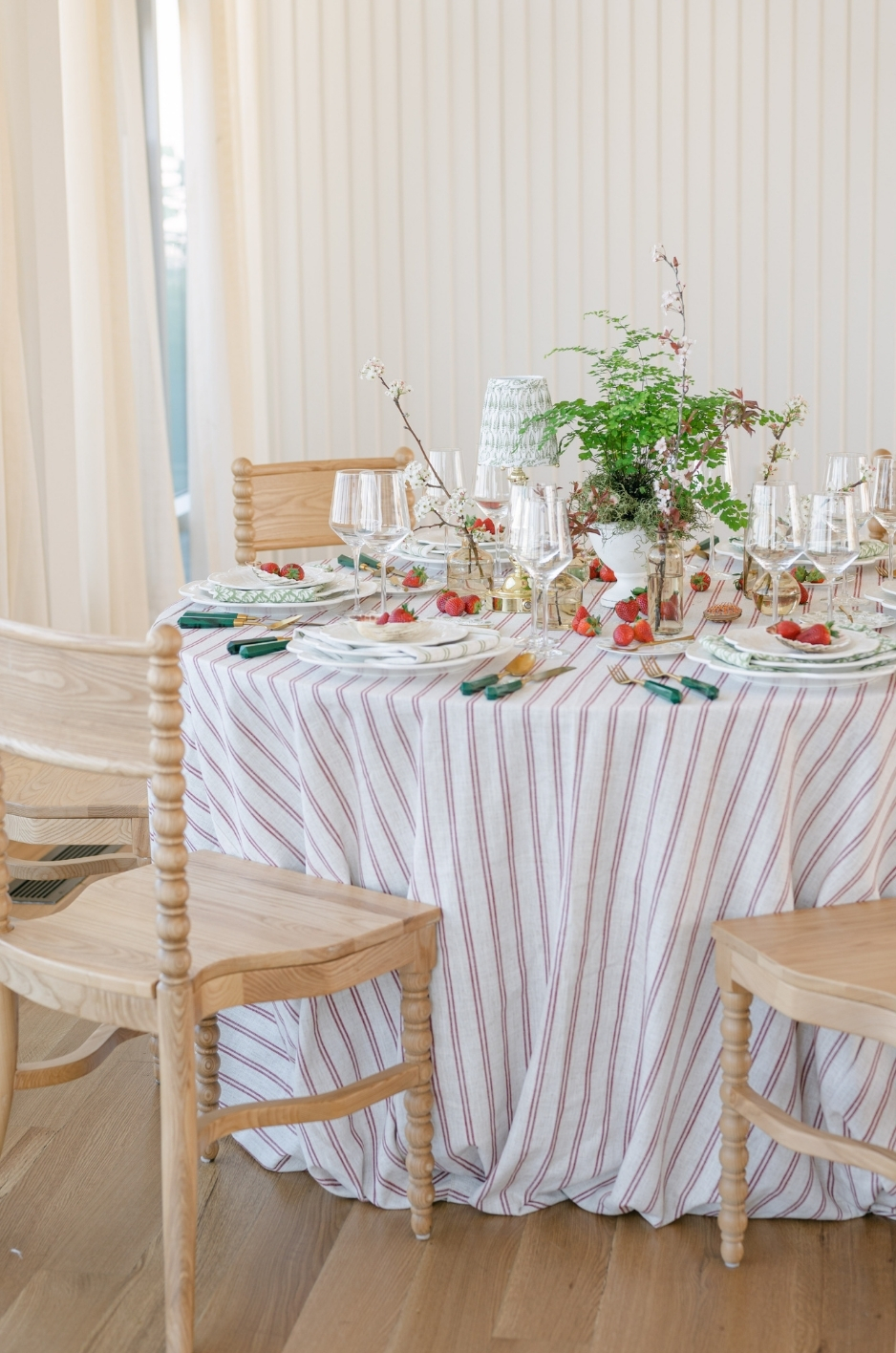
A linen map helps planners avoid mismatched selections, missing pieces, or inconsistent styling. It documents exactly what each room needs before the rental order is finalized. For multi-room events, this tool is essential because it connects design decisions with practical rental planning.
List Every Room and Table Type
The linen map should begin with a full list of spaces. This may include the entrance, ceremony area, cocktail room, dining room, terrace, lounge, after-party space, bars, buffet areas, dessert tables, escort displays, registration tables, and private rooms.
For each space, list the table types and quantities. Include round tables, long tables, cocktail tables, highboys, bars, consoles, cake tables, gift tables, and display tables. This prevents secondary spaces from being overlooked.
A complete table inventory gives the linen plan structure and prevents last-minute gaps.
Assign Linen Colors, Sizes, and Textures
Once every table is listed, assign the linen color, size, texture, and style for each one. This creates a clear visual and logistical reference for the planner, designer, and rental partner.
The map should also note which pieces are standard, which are specialty, and which require custom sizing or extra coordination. If napkins, runners, or overlays vary by room, those details should be included as well.
A room-by-room linen map makes the final design easier to review. It allows planners to see whether the event feels cohesive before anything is delivered or installed.
Frequently Asked Questions
How do you make linens feel cohesive across multiple rooms?
Start with one anchor detail, such as a primary color, texture, fabric family, or napkin style. Then repeat that detail in different ways across the venue. The rooms do not need to match exactly, but they should share enough visual language to feel connected.
A room-by-room linen map can also help maintain cohesion by showing how each fabric, color, and specialty piece relates to the full event design.
Should every room use the same linens?
No. Every room does not need to use the same linens. In fact, using the same linen combination everywhere can make a multi-room event feel too uniform.
A better approach is to create variation within a controlled palette. The arrival area may be understated, the cocktail space may feel lighter, the dinner room may be more formal, and the lounge may use deeper or richer textures. The key is to repeat select details so the full event still feels cohesive.
Which spaces should get the most elevated linens?
The most elevated linens should usually be reserved for the highest-impact spaces. These may include the main reception room, head table, sweetheart table, VIP table, gala dining area, bar, escort display, or dessert table.
Supporting spaces can use simpler linens that coordinate with the main design. This creates hierarchy and ensures the strongest pieces are used where they will have the greatest visual effect.
How can specialty linens connect cocktail hour and dinner?
Specialty linens can act as a transition between rooms. An escort card table linen may use the cocktail hour texture with the dinner room color. A bar linen may repeat the napkin tone that later appears at the reception tables. A runner or overlay can introduce a pattern that becomes more prominent in the dining room.
These details help guests move from one space to the next without feeling a visual break.
Conclusion
A cohesive linen plan helps transform a multi-room venue into a complete event experience. By using anchor details, repetition, room-specific variation, texture, color strategy, and specialty linen moments, planners can create a design that feels polished from the first room to the final farewell.
Luxury linen rentals make this process more flexible and refined. They allow planners to select coordinated fabrics, build visual hierarchy, dress secondary spaces, and create distinct room experiences without losing the overall design thread.
For multi-room events, linens should never be selected one table at a time. They should be planned as a complete design system. When every room has a role and every linen choice has a purpose, the venue feels cohesive, elevated, and fully considered. See how these ideas come together in our linen gallery.