
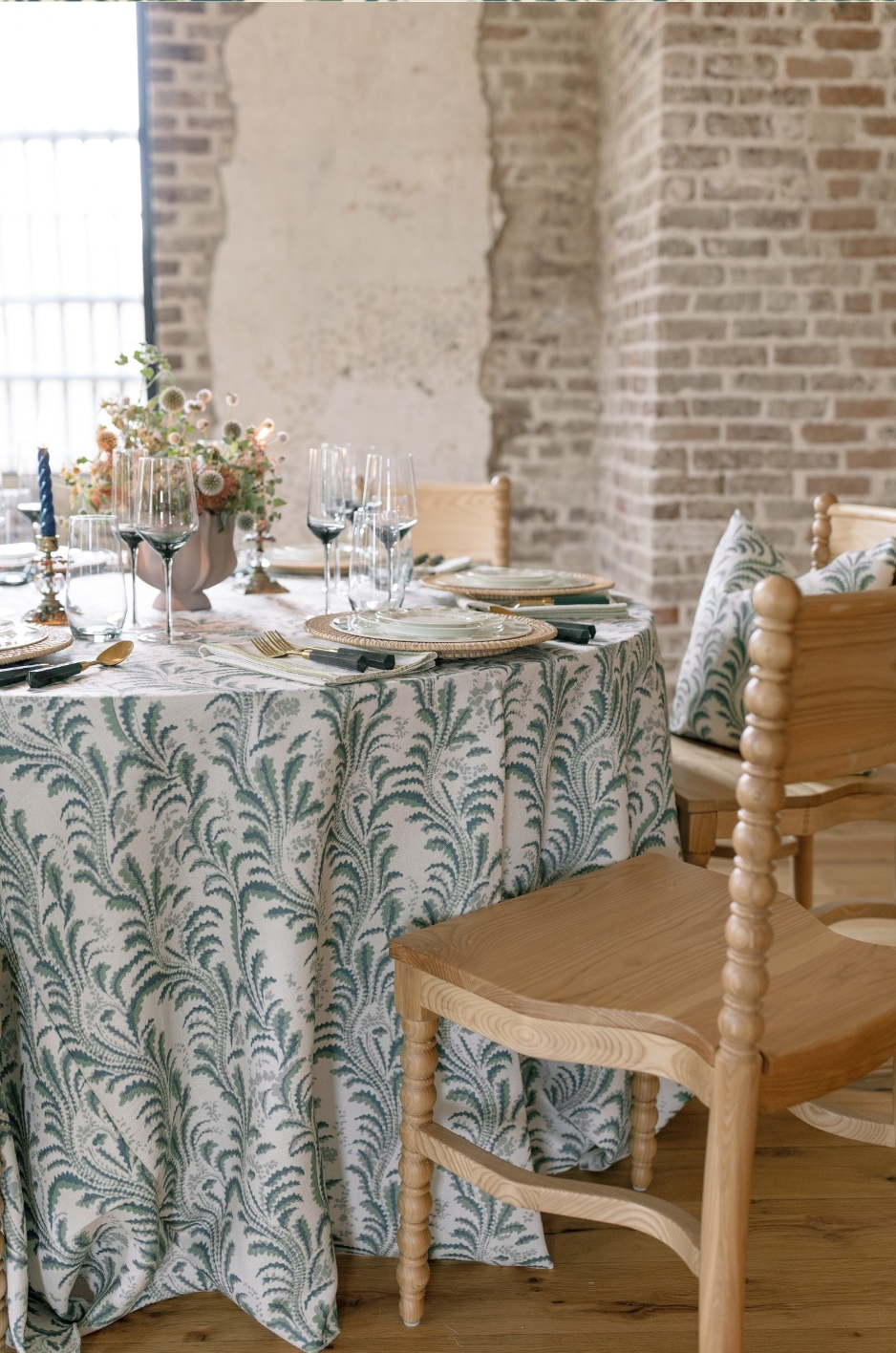
Historic venues bring a rare sense of atmosphere to an event. Museums, landmark buildings, heritage estates, historic hotels, galleries, and cultural institutions often offer architectural details that cannot be replicated in a modern event space. Ornate moldings, marble floors, antique woodwork, gilded ceilings, stone walls, grand staircases, and period furnishings can create an extraordinary setting for weddings, galas, private dinners, and formal celebrations.
These spaces also require a more careful approach to event design. Every decorative choice must respect the venue’s preservation requirements, and linens are no exception. Tablecloths, napkins, runners, overlays, and specialty linens should be selected not only for beauty, but also for how they interact with the venue’s historic surfaces, rules, and architectural character.
A preservation-first linen plan allows planners and hosts to create an elegant tablescape while protecting the integrity of the venue. With the right fabrics, colors, setup methods, and rental coordination, luxury linens can enhance a historic setting without overwhelming or compromising it.
Why Historic Venues Require a Preservation-First Linen Approach
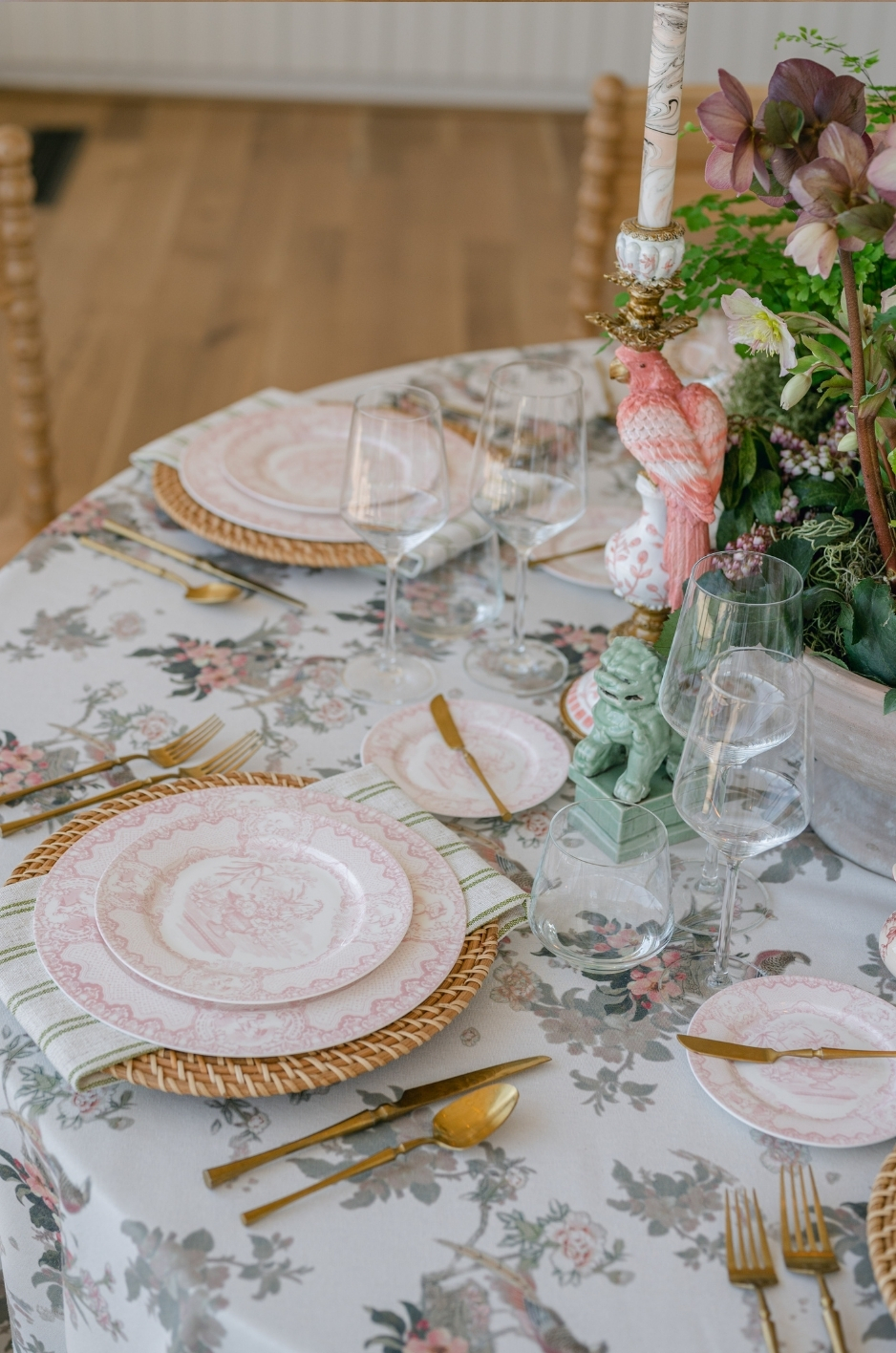
Historic venues offer architectural beauty, cultural value, and a distinct sense of occasion, but they also come with rules that protect delicate floors, surfaces, walls, textiles, and artifacts. Linen selection for these spaces should balance elegance with care, ensuring the event feels refined without compromising the integrity of the venue.
How Historic Architecture Shapes Event Linen Decisions
Historic architecture often has a strong visual identity. A ballroom with gilded trim, a museum gallery with marble floors, or a heritage estate with wood paneling will each require a different linen approach. The goal is to choose linens that feel connected to the venue rather than visually separate from it.
In a grand formal room, silk-inspired fabrics, jacquards, embroidery, or damask-style textures may complement the architecture beautifully. In a museum or gallery, cleaner linen selections may allow the artwork and architectural details to remain the focus. In a historic estate, softer textures and heritage-inspired colors can bring warmth without competing with the setting.
Architecture should guide the fabric weight, texture, color palette, and table styling. When linens respond to the venue’s character, the entire event feels more intentional. Historic architecture benefits from a linen plan that responds to the room’s materials, scale, and existing palette. Planners comparing that approach with other seasonal settings can use this summer event linen guide by venue type to see how linen direction shifts across formal interiors, outdoor spaces, coastal venues, tents, and estates.
Why Preservation Guidelines Matter for Luxury Events
Preservation guidelines exist to protect spaces that often have cultural, artistic, or historical significance. These rules may affect where tables can be placed, what materials can touch the floor, whether candles are allowed, how linens are installed, and how vendors move through the space.
For luxury events, these requirements should not be seen as limitations. They are part of designing responsibly within a special venue. A thoughtful planner or host can still create a sophisticated environment while working within the rules.
Following preservation guidelines also helps maintain a strong relationship with the venue team. When linens and tabletop details are planned with care, the event can feel elegant while respecting the site’s long-term protection.
Balancing Guest Experience With Venue Protection
The best historic venue events feel effortless to guests, even when the planning behind them is highly detailed. Guests should notice the beauty of the tablescape, the softness of the linens, and the harmony between the event design and the room. They should not see the behind-the-scenes preservation planning that made the setup possible.
This balance requires careful coordination. Linens should elevate the dining experience while also protecting tables, floors, and other sensitive surfaces. Delivery and setup should be organized so vendors move efficiently and respectfully through the space. Final styling should feel luxurious, but never intrusive.
A preservation-first approach creates confidence for planners, comfort for guests, and protection for the venue.
Choosing Linen Fabrics That Complement Historic Settings
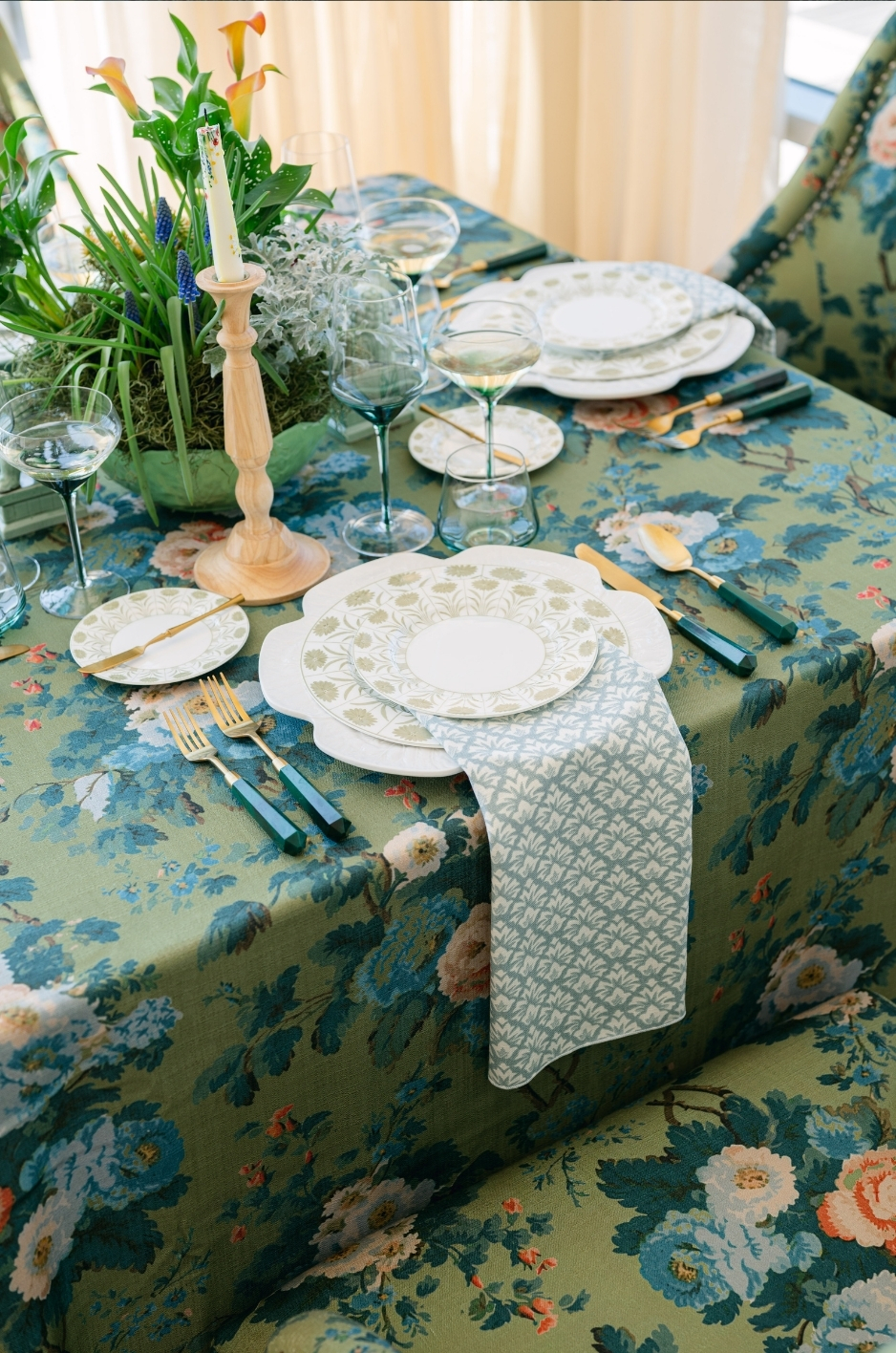
The best linens for historic venues should feel luxurious while respecting the character of the space. Fabric selection should consider texture, drape, color, weight, and how the material interacts visually with architectural details such as moldings, stone, wood, gilding, marble, and antique finishes.
Natural Fibers and Refined Fabric Choices
Natural fibers often feel especially appropriate in historic venues because they offer softness, depth, and a timeless quality. Linen, cotton, and silk-inspired fabrics can create an elegant foundation for formal tablescapes while still feeling connected to the venue’s character.
For a museum event, refined cotton or linen blends may provide a clean, polished look without overpowering the setting. For a historic ballroom, richer fabrics such as jacquard, damask-inspired cloths, or embroidered textiles can enhance the room’s formality. For an estate dinner, a soft woven linen or textured napkin can create a more intimate and heritage-inspired effect.
The fabric should feel elevated, but it should also suit the architecture. A linen that looks beautiful in a modern venue may feel too stark in a historic setting, while a heavily ornate fabric may compete with a room that already has strong decorative details.
Linen Textures That Suit Period Architecture
Texture is one of the most effective ways to connect linens to a historic venue. Subtle woven finishes, embroidered details, tone-on-tone patterns, and refined damask textures can add depth without overwhelming the space.
A historic venue with carved wood or stone may benefit from linens with tactile richness. A marble gallery may look best with smoother fabrics and understated napkins. A grand dining room with chandeliers and gilded accents may support more formal textures, especially when paired with elegant glassware, chargers, and candlelight.
The right texture should enhance the room’s existing materials. It should feel like a natural extension of the venue rather than a decorative layer placed on top of it.
Avoiding Materials That Feel Too Modern or Disruptive
Some fabrics may feel too modern, glossy, synthetic, or casual for a historic setting. Highly reflective materials, overly bold synthetic textures, neon colors, or informal fabrics can distract from the venue’s architecture and reduce the sense of refinement.
This does not mean the linen plan must feel old-fashioned. Contemporary styling can work beautifully in historic venues when it is handled with restraint. A clean ivory tablecloth, structured napkin, or monochromatic palette can create a fresh contrast against ornate architecture without appearing disruptive.
The key is balance. Linens should bring the event vision into the space while still respecting the venue’s visual history.
Color Palettes for Historic Venue Events
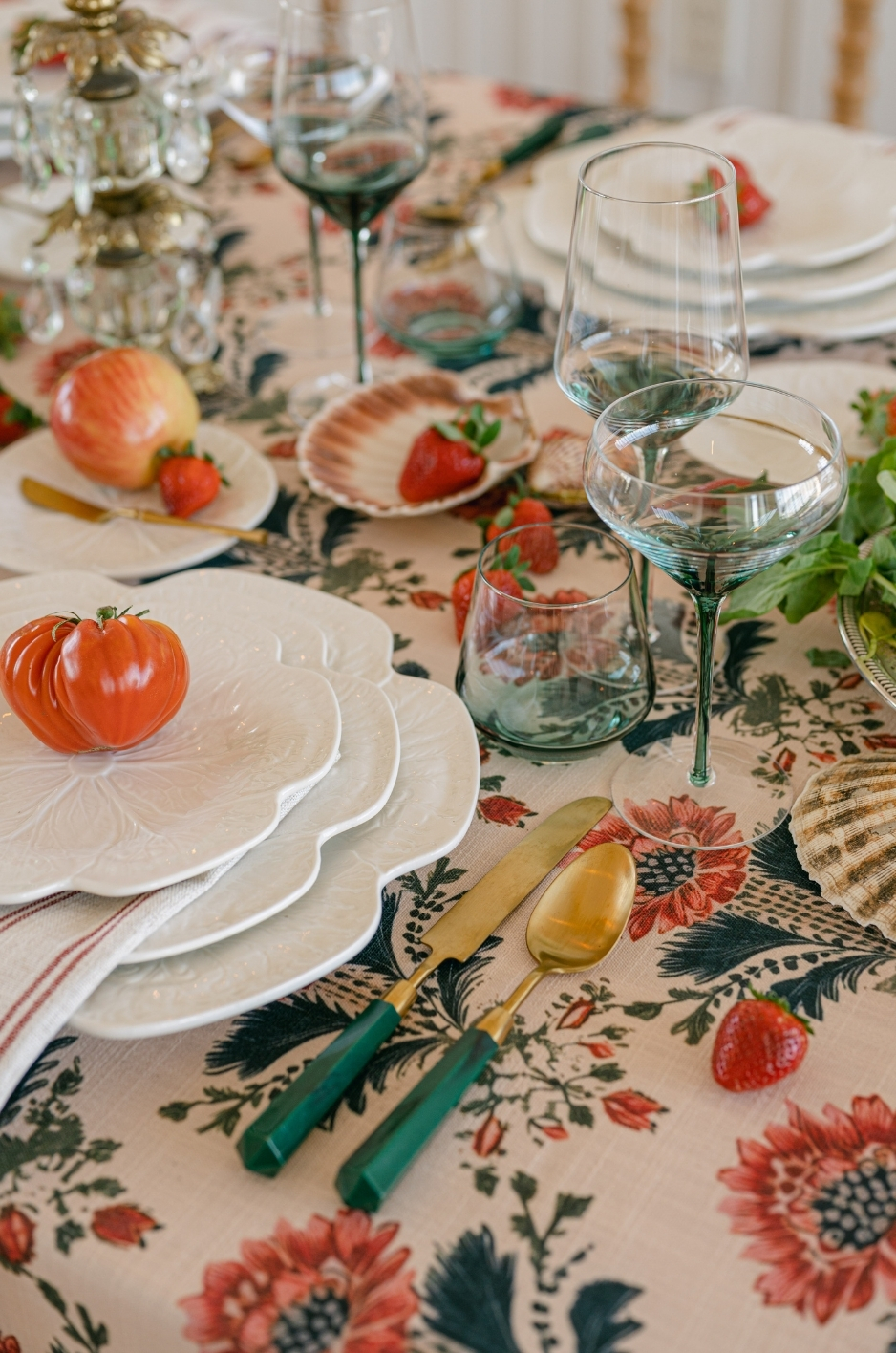
Color should enhance the existing venue rather than compete with it. Historic interiors often have established palettes, including warm woods, antique gold, stone, ivory, muted florals, deep jewel tones, or soft neutrals, which can guide linen selection.
Soft Neutrals for Timeless Elegance
Soft neutrals are often the most versatile choice for historic venue events. Ivory, cream, champagne, taupe, stone, warm white, and soft beige can create a refined foundation that allows architectural details to remain prominent.
Neutral linens are especially effective in museums, galleries, historic hotels, and landmark venues where the room itself already carries visual weight. A neutral tablecloth can allow marble floors, decorative ceilings, artwork, or antique finishes to remain central to the experience.
To keep a neutral palette from feeling flat, texture is essential. A woven linen, embroidered napkin, tonal runner, or layered cloth can add dimension while maintaining a timeless look.
Heritage-Inspired Tones for Formal Events
Historic venues can also support richer, heritage-inspired colors. Deep blue, wine, sage, antique gold, dusty rose, muted plum, forest green, and soft bronze can all work beautifully depending on the architecture and event style.
These colors are especially effective for evening receptions, formal dinners, galas, and black-tie weddings. A deep napkin can add contrast to an ivory tablecloth. A champagne runner can bring warmth to a gilded ballroom. A sage or dusty blue linen can soften a stone or wood-paneled room.
When using deeper tones, the palette should be edited carefully. Historic venues often already include strong colors and materials, so linen colors should support the space rather than compete with it.
Using Accent Colors Without Overpowering the Space
Accent colors can bring personality to a historic event, but they should be used with restraint. A bold color may work best through napkins, runners, specialty table linens, menus, florals, or small tabletop details rather than across every surface.
For example, a historic estate wedding may use ivory tablecloths with muted floral napkins. A museum gala may pair soft neutral linens with black or deep green accents. A landmark venue dinner may use champagne linens with wine-toned napkins for added richness.
The most successful accent colors feel connected to the venue, the season, and the event purpose. They should add depth without distracting from the architecture.
Luxury Linen Rentals for Museums and Heritage Venues
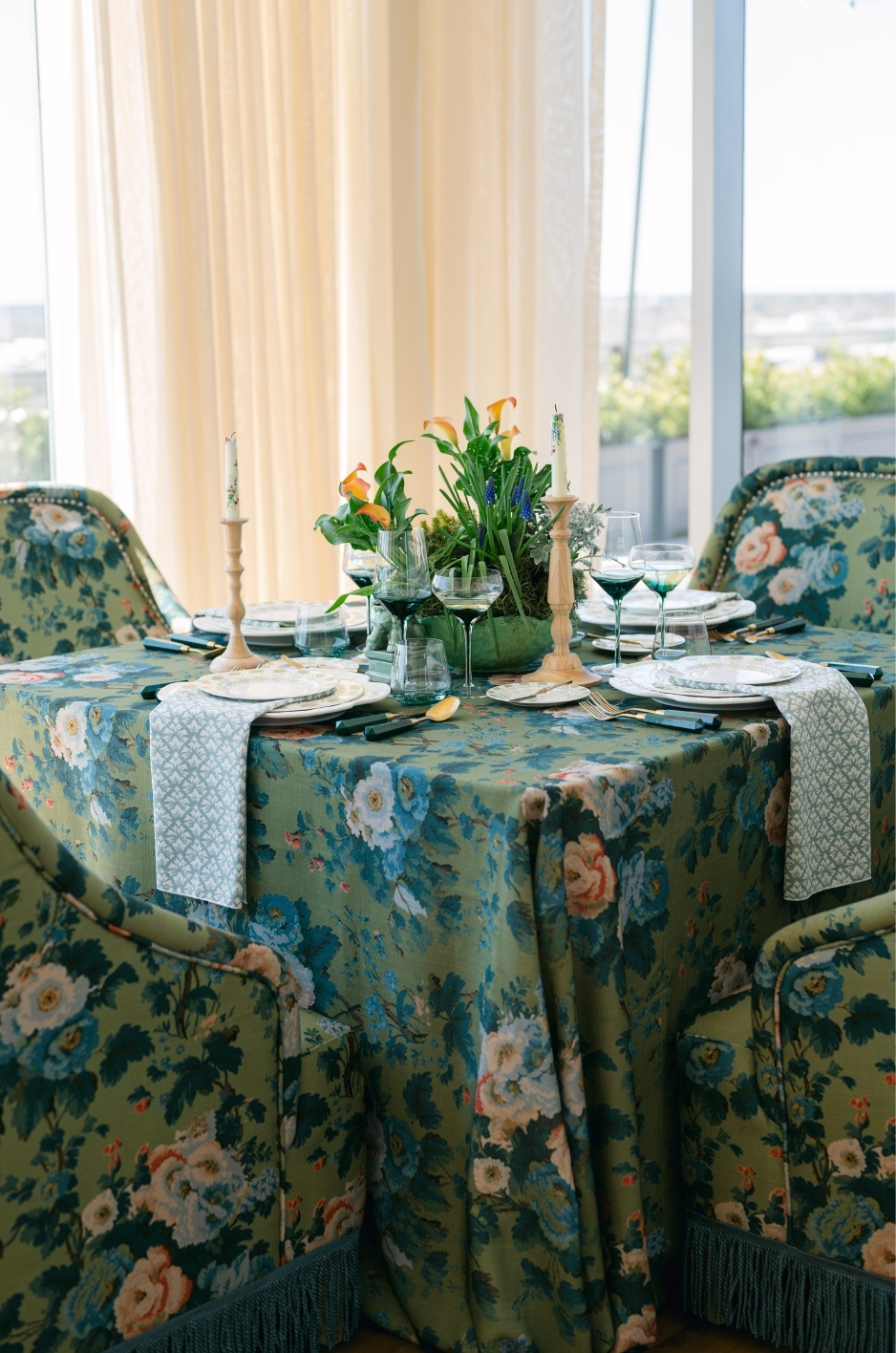
Renting linens for historic venues gives planners access to elevated fabrics, specialty textures, and event-appropriate designs without the burden of ownership, maintenance, or storage. A professional rental process also helps ensure the linens are suitable for the venue’s rules and event timeline.
Benefits of Renting Linens for Historic Events
Luxury linen rentals are especially valuable for historic venue events because they allow planners to select the right fabrics for a specific setting. Instead of purchasing linens that may only suit one venue or event style, rentals provide access to a curated range of colors, textures, sizes, and specialty pieces.
Renting also simplifies post-event care. Historic venue events often involve formal dinners, candlelight, florals, and multiple service periods, which can create more complex cleaning needs. Professional rental providers manage laundering, maintenance, and storage so the planner can focus on event execution.
For luxury events, rentals offer flexibility, quality, and access to elevated designs without unnecessary long-term inventory.
How Rental Linens Support Compliance and Presentation
A professional linen rental partner can help planners select linens that align with venue expectations. This may include appropriate fabric weight, approved materials, suitable colors, correct sizing, and careful delivery coordination.
Rental linens also support presentation. A well-selected tablecloth or napkin can elevate the room while maintaining a clean, intentional appearance. Linens can help unify a large museum hall, soften a formal dining room, or bring warmth to a historic gallery.
Compliance and beauty should work together. The right rental linens allow an event to feel polished while respecting the requirements of the space.
Choosing Specialty Pieces for Formal Museum Events
Formal museum events often require more than standard table linens. Specialty pieces may be needed for cocktail tables, registration tables, bars, buffet stations, dessert displays, escort card tables, donor tables, or VIP dining areas.
These pieces should be chosen with the same care as the main dining linens. A bar linen may need to coordinate with the reception palette. A display tablecloth may need to remain understated so it does not compete with artwork. A head table linen may introduce a custom or more formal texture.
Specialty linens help create cohesion across the event, especially in venues with multiple rooms or guest experiences.
Best Practices for Linen Setup in Historic Venues
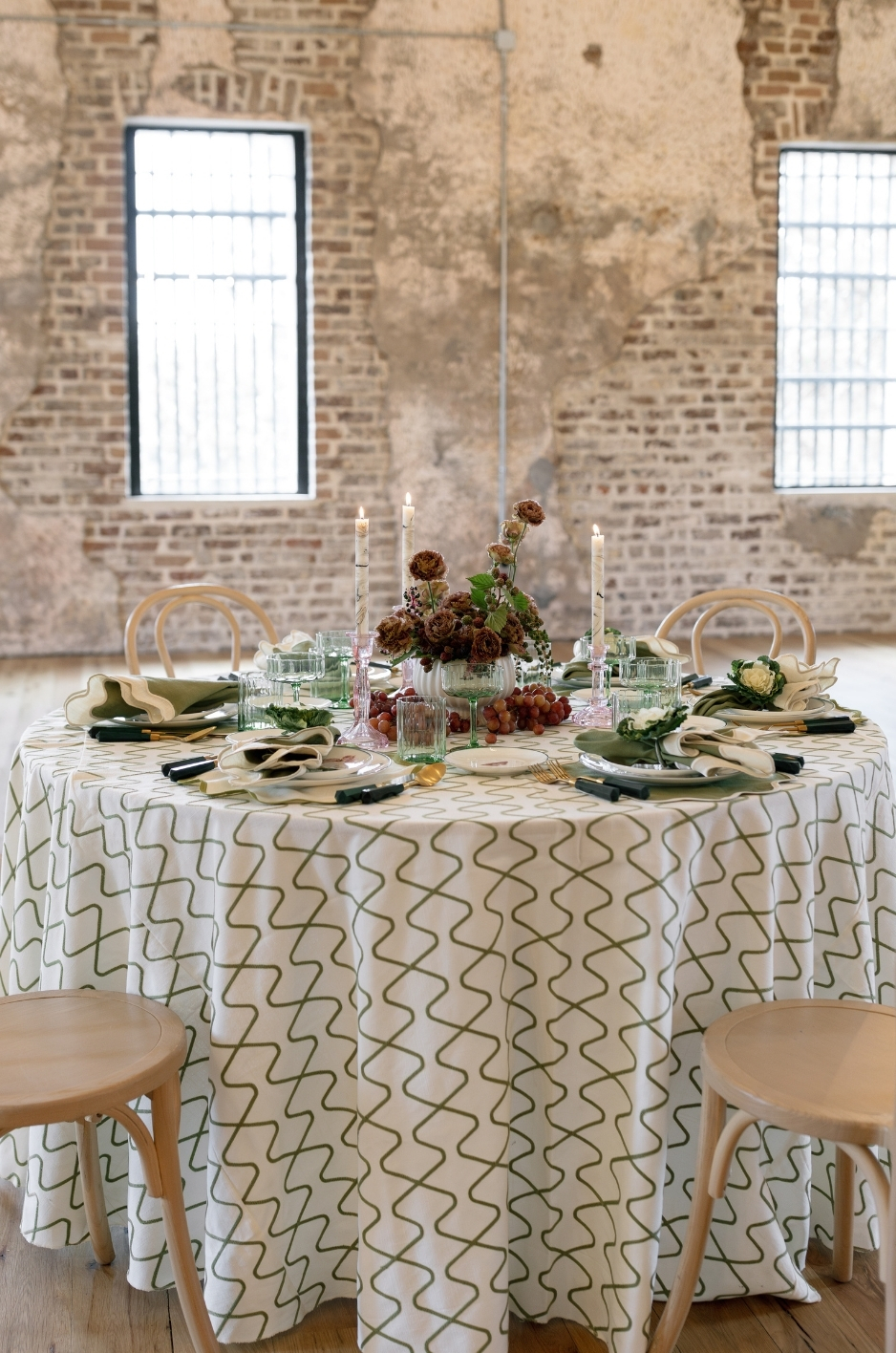
The way linens are installed matters just as much as the linens themselves. A careful setup process protects the venue, preserves fabric quality, and gives planners a clean foundation for florals, tabletop rentals, candles, menus, and final styling.
Preparing Tables Before Linen Placement
Before linens are placed, tables should be positioned according to the approved floor plan and checked for stability. If protective pads, underlays, or venue-required barriers are needed, they should be installed before the decorative linens are added.
This preparation helps prevent wrinkles, uneven draping, and unnecessary linen movement. It also reduces the chance that tables will need to be shifted after linens have already been placed.
In historic venues, minimizing movement is important. The fewer times furniture and linens need to be adjusted, the lower the risk to both the event materials and the venue.
Handling Linens Carefully During Installation
Luxury linens should be handled with clean hands, organized staging, and a clear installation plan. This is especially important in historic venues where vendor movement may be restricted and setup windows may be limited.
Linens should be unpacked in approved areas, kept away from floors or sensitive surfaces, and installed calmly and efficiently. Specialty pieces should be labeled or separated so they can be placed correctly without confusion.
Careful handling preserves the quality of the linens and supports a more professional setup process.
Reviewing the Tablescape Before Guest Arrival
Once linens are installed and tabletop details are complete, the tablescape should be reviewed before guests enter the space. This review should include drape consistency, napkin placement, runner alignment, table spacing, and the relationship between linens, florals, candles, and place settings.
In a historic venue, the review should also confirm that no linens or tabletop elements are interfering with protected surfaces, pathways, artwork, or venue rules. Any adjustments should be made before photography, guest arrival, or service begins.
A final review helps ensure the tablescape feels polished, compliant, and ready for the event.
Working With Curated Linen Collection for Historic Venue Events
Curated Linen Collection can help planners and hosts select linens that respect historic spaces while elevating the event design. The right linen partner brings together refined fabric selection, thoughtful styling, and careful coordination for preservation-sensitive settings.
For museums, estates, landmark buildings, heritage hotels, and formal cultural venues, linen selection should never feel generic. Each fabric, color, and texture should respond to the space. Curated Linen Collection offers a design-minded approach that helps planners create tablescapes that feel intentional, elegant, and appropriate for the venue.
Whether the event calls for timeless neutral linens, formal embroidered napkins, heritage-inspired colors, specialty table pieces, or custom design details, a curated linen plan can help bring the event vision to life. With thoughtful selection and careful coordination, luxury linens can enhance a historic venue while respecting its preservation requirements.
Frequently Asked Questions
What linens work best for historic venues?
The best linens for historic venues are refined, elegant, and appropriate for the architecture. Natural fibers, soft woven textures, jacquards, damask-inspired patterns, embroidered napkins, and classic neutral tablecloths often work well.
The right choice depends on the venue’s rules, interior palette, event formality, and table layout. Linens should enhance the historic setting without competing with its architectural details.
Are there fabric restrictions for museum events?
Many museums and historic venues have specific event rules that may affect fabric selection. These can include flame resistance requirements, approved materials, protective underlay guidelines, restrictions on adhesives, candle rules, or setup limitations.
Planners should confirm all fabric and setup requirements directly with the venue before finalizing the linen order. This helps avoid last-minute changes and ensures the event remains compliant.
How can linens help protect historic surfaces?
Linens can help protect historic surfaces by creating a layer between the tabletop and dining elements such as plates, glassware, florals, menus, and candles. In some cases, additional protective underlays or table pads may be required beneath the decorative linens.
Proper sizing, careful placement, and approved protective layers can reduce the risk of scratches, stains, condensation marks, or surface damage during the event.
Can custom linens be used in landmark venues?
Custom linens can often be used in landmark venues, but they must align with the venue’s guidelines. Custom napkins, monograms, embroidered details, specialty runners, and bespoke tablecloths can create a beautiful connection to the venue’s architecture or the event’s design concept.
Before custom linens are produced, planners should confirm fabric requirements, installation rules, and any restrictions related to color transfer, materials, or setup methods.
Conclusion
Historic venues require a more thoughtful approach to event design, especially when it comes to linens. With the right fabrics, colors, setup methods, and rental coordination, planners can create a luxurious tablescape that enhances the venue while respecting its preservation requirements.
A preservation-first linen plan does not limit creativity. It gives the event a stronger foundation. By selecting refined fabrics, coordinating with venue guidelines, protecting delicate surfaces, and designing with the architecture in mind, linens can become one of the most effective ways to elevate a historic setting.
Curated Linen Collection helps planners and hosts bring elegance, care, and cohesion to historic venue events. With a thoughtful linen strategy, museums, estates, landmark buildings, and heritage spaces can host celebrations that feel polished, memorable, and respectful of the setting’s history.