Summer tablecloth rentals should be planned with the full event layout in mind. While color, texture, and style are important, a polished event begins with a clear understanding of which tables need linens, how each table will be used, and where the strongest visual moments should appear. Dining tables, cocktail tables, bars, dessert displays, welcome tables, and specialty surfaces all contribute to the overall guest experience.
For weddings, private parties, corporate dinners, and high-end summer celebrations, tablecloths create some of the largest visual surfaces in the room or outdoor setting. When they are planned properly, they help every area feel intentional and connected. When they are treated as an afterthought, even a beautifully designed event can feel unfinished.
The venue should also inform the tablecloth plan before quantities and table sizes are finalized. A guide to choosing summer linens for different venues can help determine how color, texture, drape, and formality should shift between gardens, ballrooms, rooftops, coastal spaces, tents, and estates.
Why Tablecloth Rental Planning Matters for Summer Events
Tablecloth rental planning matters because linens shape both the look and flow of an event. A tablecloth does more than cover a surface. It defines the table’s role, supports the design palette, and helps connect guest-facing areas throughout the event space. For summer events, where celebrations often include multiple zones and open layouts, this level of planning is especially important.
Tablecloths Create Visual Consistency Across the Event
A cohesive event does not happen by selecting one tablecloth for the dining tables and ignoring the rest of the space. Guest tables, cocktail tables, bars, dessert tables, escort displays, and welcome tables should feel connected through color, texture, or coordinated linen details.
This does not mean every tablecloth needs to match exactly. In many refined event designs, guest tables use a consistent foundation while focal tables receive more distinctive linens. The key is making sure every linen choice feels like part of the same design system.
Tablecloth Planning Prevents Missing Key Surfaces
Smaller tables are easy to overlook during planning. Cake tables, welcome tables, gift tables, escort displays, buffet tables, bar fronts, cocktail rounds, and lounge-adjacent tables can all need linens depending on the event layout.
When these surfaces are not included in the rental plan, the event can feel less polished. A beautifully dressed dining area may look disconnected if the bar, dessert table, or welcome display feels unfinished. Planning every table in advance helps avoid gaps in the final setup.
Rental Planning Supports a More Polished Guest Experience
Guests interact with more than their dining tables. They approach the bar, gather around cocktail tables, visit the dessert display, read escort cards, and pass welcome areas. Each of these moments influences how complete the event feels.
A well-planned tablecloth rental order ensures that every guest-facing surface supports the event’s style. This creates a more refined experience from arrival through dinner, dessert, and the final moments of the celebration.
Start with the Event Layout Before Choosing Tablecloths
The event layout should guide the tablecloth rental order. Before selecting colors or textures, planners should review the floor plan, table quantities, table shapes, and focal areas. This ensures that the linen plan supports the event’s actual structure rather than serving as a separate design choice.
Review the Floor Plan First
The floor plan shows how guests will move through the space and where the most visible tables will be placed. It also clarifies how many tables are needed, what sizes they are, and which tables require standard rentals or custom sizing.
A summer event may include ceremony-adjacent welcome tables, cocktail hour tables, dining tables, bars, dessert displays, lounges, and late-night food stations. Reviewing the layout first helps planners identify each linen need before finalizing the rental order.
Identify Guest-Facing Tables
Guest-facing tables should be prioritized because they shape the visible event experience. These may include dining tables, cocktail tables, bars, dessert tables, escort tables, welcome tables, buffet tables, cake tables, and display tables.
Each table has a different purpose, so each may require a different linen approach. A cocktail table may need a clean, coordinated linen that supports guest flow, while a cake table may call for a more refined or distinctive tablecloth because it will be photographed.
Separate Functional Tables from Design Focal Points
Some tables need simple, elegant coverage. Others deserve more visual attention. Guest dining tables may need a consistent foundation, while a head table, sweetheart table, bar, cake table, or escort display may benefit from a specialty linen, overlay, or custom-sized tablecloth.
Separating functional tables from focal points helps planners use linen details strategically. It allows the overall event to feel elevated without overcomplicating every surface.
Match Tablecloth Rentals to Each Table Type
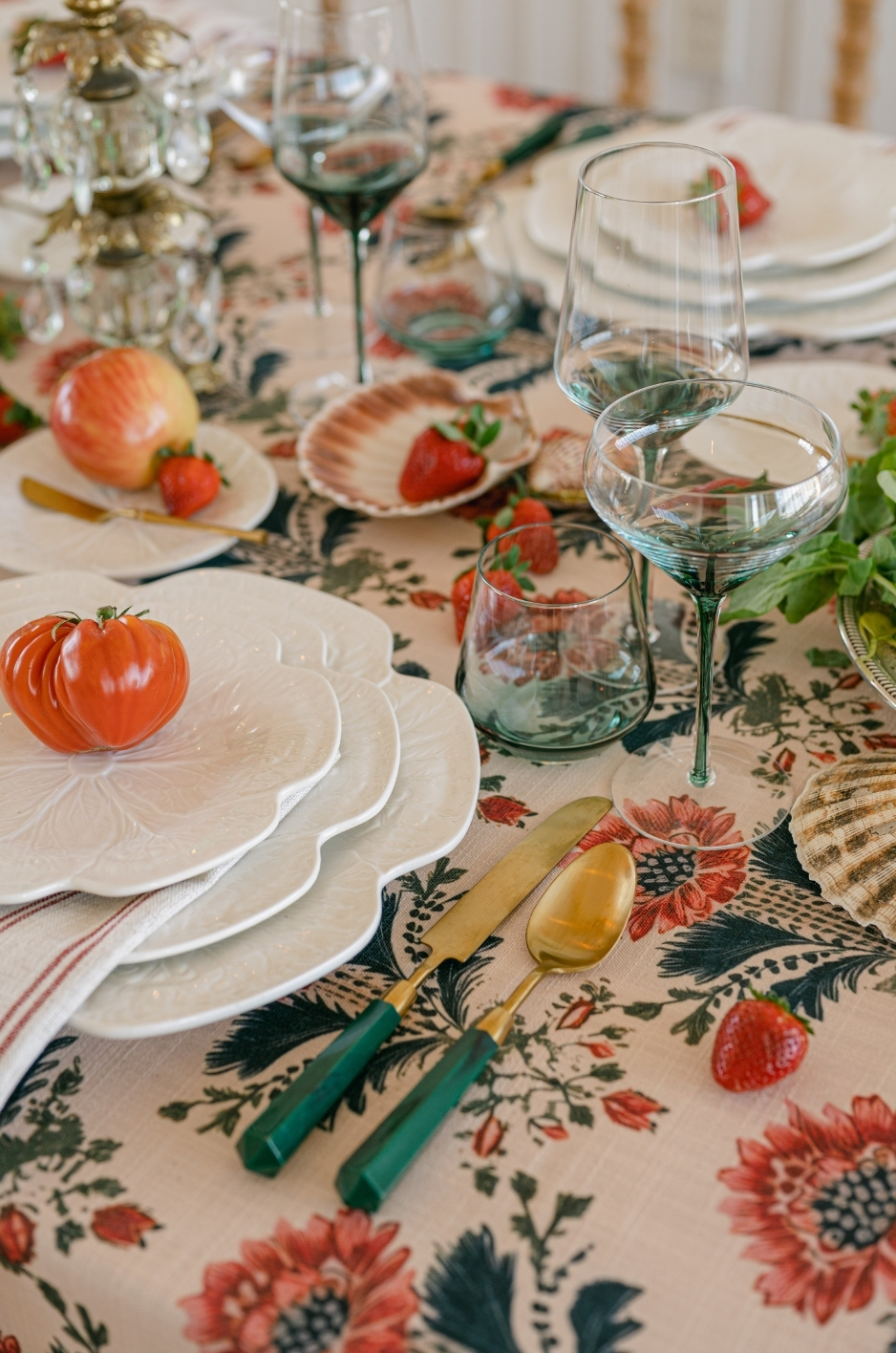
Different table types require different linen planning. A round guest table, long estate table, cocktail table, bar, and cake table should not be treated the same way. Each surface has its own scale, visibility, and role in the event design.
Round Guest Tables
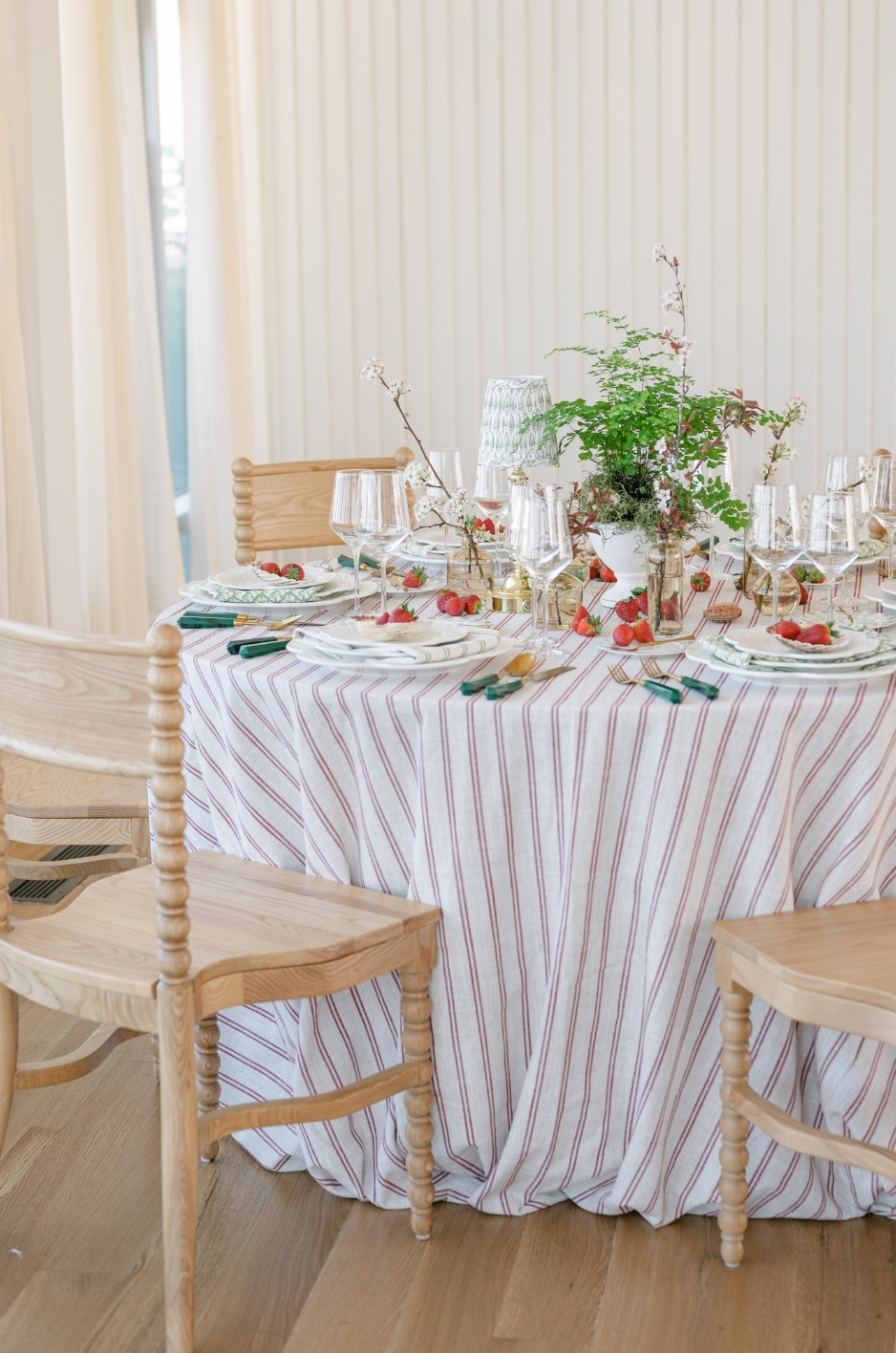
Round guest tables often look best with full tablecloth coverage because the linen creates a clean foundation around the entire table. The drape length should match the event’s formality. A longer drape can feel more elegant, while a slightly more tailored approach may suit a relaxed or contemporary summer event.
Napkins, centerpieces, china, and glassware should be considered with the tablecloth because the round table is viewed from every angle. A coordinated napkin detail can add color or pattern without requiring a statement tablecloth on every table.
Long Banquet or Estate Tables
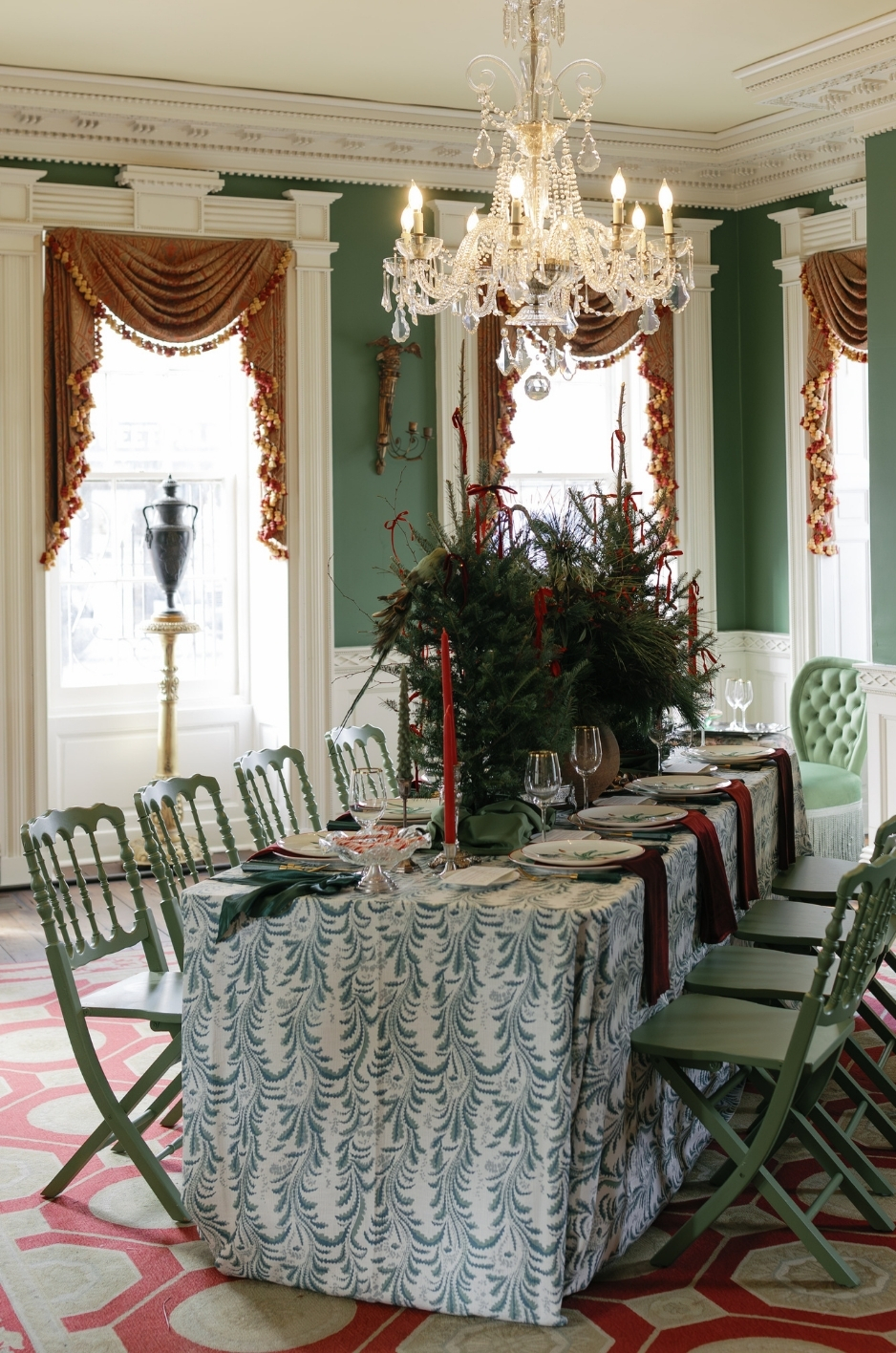
Long banquet and estate tables create strong visual lines, so the tablecloth plan should support that length. Depending on the design, long tables may use full tablecloths, runners, overlays, or repeated napkin details to create rhythm.
A long table can handle more layered linen details than a smaller table because the eye moves across the surface. Runners are especially useful here because they guide attention through the table while allowing florals, candles, and place settings to feel connected.
Cocktail Tables
Cocktail tables are important because guests often gather around them during cocktail hour, receptions, and lounge moments. These smaller tables should support the event palette rather than feeling like an afterthought.
Cocktail-height linens can coordinate with the dining tables, echo a napkin color, or introduce a subtle accent. For summer events with multiple spaces, cocktail tablecloths help connect the pre-dinner experience to the main reception. You may also find Styling Luxury Tablecloths for Summer Events helpful.
Bars, Dessert Tables, and Display Tables
Bars, dessert tables, and display tables are high-visibility surfaces. Guests approach them directly, and they often appear in event photography. These tables may benefit from more polished tablecloths, custom sizing, overlays, or distinctive textures.
A bar linen can repeat an accent color from the dining tables. A dessert table can use a specialty overlay that feels more refined than standard coverage. A display table can carry a pattern or texture that supports the event’s design story.
Head Tables and Specialty Tables
Head tables, sweetheart tables, cake tables, and statement displays are natural focal points. These tables should be considered early in the tablecloth rental plan because they often need more tailored sizing or a more distinctive linen choice.
A head table may use a custom tablecloth, a layered runner, or an overlay that differentiates it from the guest tables. A sweetheart table may use a softer or more romantic texture. These choices help important tables feel intentional without disconnecting them from the rest of the event.
Decide Where to Use Standard Rentals and Where to Use Custom Tablecloths
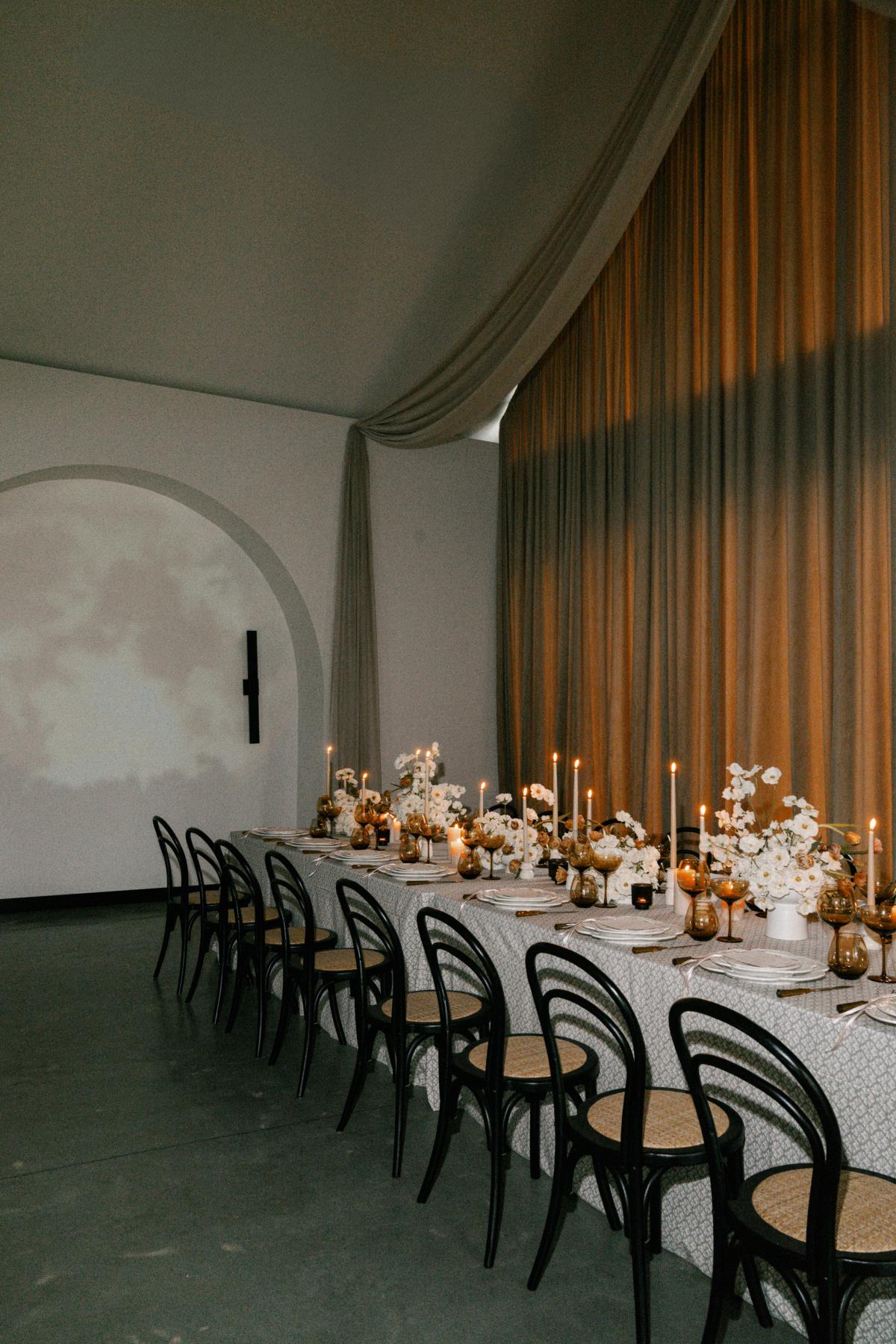
A refined tablecloth rental plan often combines standard rentals with custom details. Standard rental tablecloths can create cohesion across larger areas, while custom tablecloths can elevate focal tables, unusual surfaces, and signature design moments.
Use Standard Rentals for Cohesive Guest Table Coverage
Standard rental tablecloths are often ideal for guest tables and larger event areas. They allow planners to create visual consistency across the room, tent, terrace, or reception space while maintaining a polished look.
For many summer events, a well-chosen rental tablecloth in a refined color or texture is enough to establish the foundation. Napkins, runners, overlays, florals, and tableware can then add additional layers. Read more in Lightweight Fabrics and Breathable Linen Styles for Summer Tablescapes.
Use Custom Tablecloths for Focal Tables
Custom tablecloths are especially useful for tables that need a more precise fit or stronger visual impact. Head tables, sweetheart tables, cake tables, bars, escort displays, and nonstandard table sizes may all benefit from custom sizing or custom design.
A custom tablecloth can reflect the event palette, incorporate a specific pattern, or create a more tailored drape. These details are most effective when used in areas guests will notice and remember.
Combine Rental and Custom Pieces Strategically
Standard rentals and custom pieces can work together beautifully. A planner might use rental tablecloths for guest tables, custom runners on long tables, a specialty overlay on the cake table, and custom napkins at each place setting.
This approach keeps the design cohesive while reserving the most detailed linen moments for the most visible areas. It also allows the event to feel personal without requiring every table to be custom.
Plan Tablecloth Sizing and Drape Before Finalizing the Order
Fit is one of the most important details in tablecloth rental planning. Even a beautiful linen can look unfinished if the size, shape, or drape is wrong for the table. Before finalizing the order, planners should confirm table dimensions, preferred drape length, and any specialty sizing needs.
Confirm Table Dimensions
Table dimensions should be confirmed before the linen order is finalized. This includes round tables, rectangular tables, estate tables, cocktail tables, bars, buffet tables, cake tables, and custom-built displays.
The table shape and size determine the correct tablecloth dimensions. Guessing can lead to linens that are too short, too long, or visually inconsistent across the event.
Choose the Right Drape for the Event Style
Drape affects the formality of the table. Full-length tablecloths often feel more formal and polished, making them suitable for weddings, galas, formal dinners, and high-end receptions. A more tailored drape may work well for relaxed summer parties, contemporary events, or designs that intentionally show part of the table structure. We cover this further in How to Choose Event Linens for Summer Events.
The right drape should reflect the event’s tone. It should also support the table’s purpose, placement, and visibility.
Account for Specialty Table Shapes
Not every event table is standard. Curved bars, long estate tables, oversized display tables, custom-built food stations, and unusual table shapes may require custom sizing.
These surfaces should be identified early because they can affect the production timeline and final linen plan. A custom-sized tablecloth can make a nonstandard table feel intentional rather than improvised.
Coordinate Tablecloths with Other Linen Details
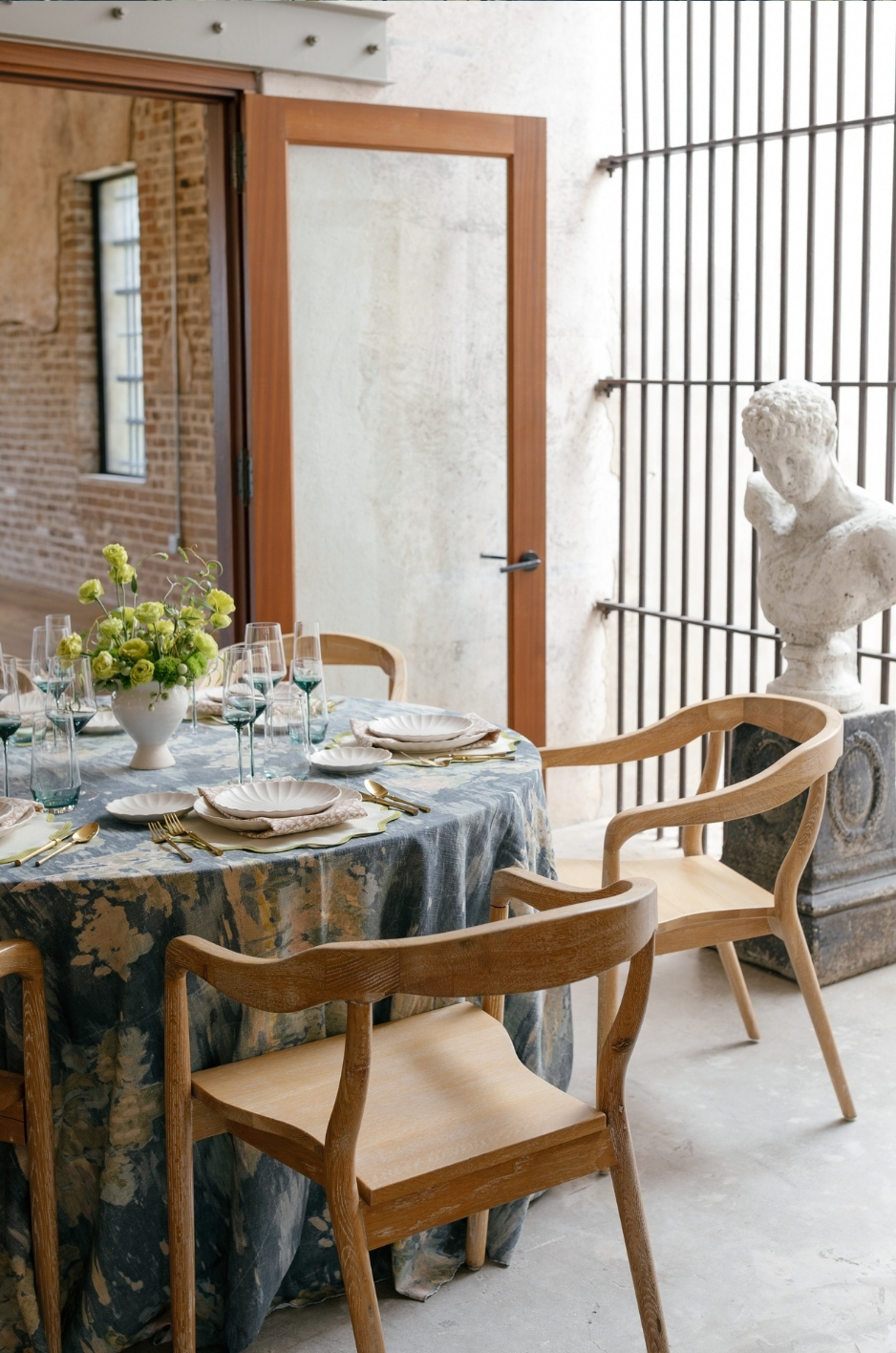
Tablecloths are the foundation, but they rarely work alone. Napkins, runners, and overlays help complete the linen plan and bring more dimension to the event design. Coordinating these elements creates a more finished table without requiring every detail to match exactly.
Pair Tablecloths with Napkins
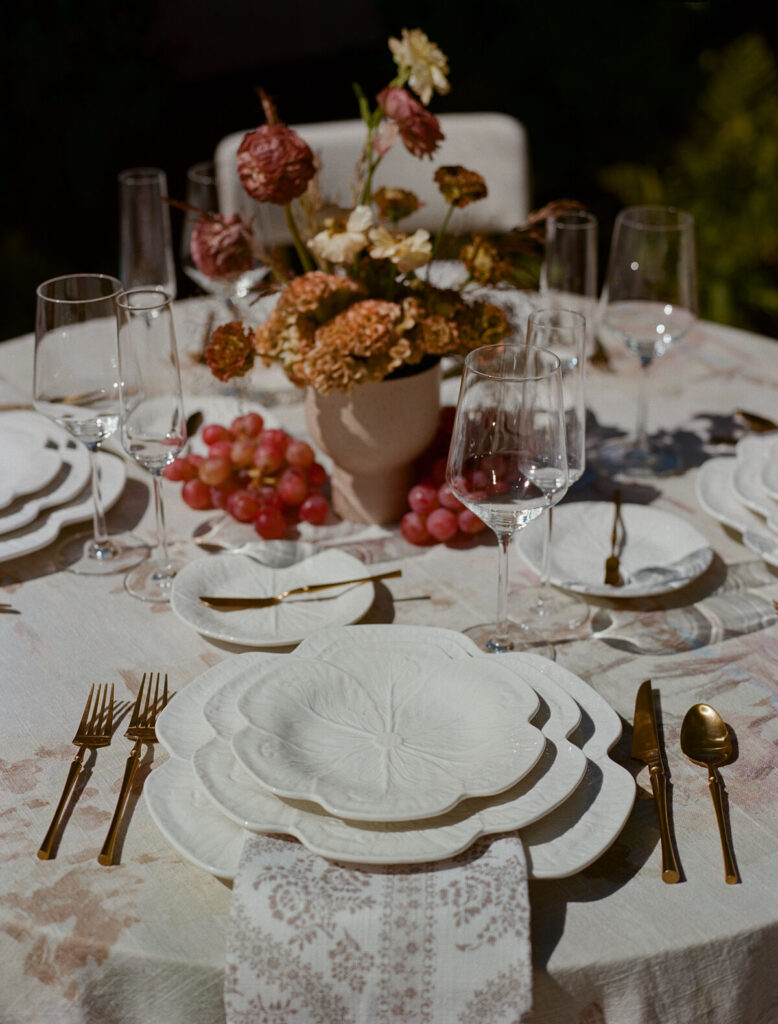
Napkins can repeat, soften, or accent the tablecloth color. A neutral tablecloth may pair well with a colored napkin, while a statement tablecloth may need a more understated napkin. Patterned napkins can also introduce personality without covering the entire table in pattern.
Because napkins sit at every place setting, they are a high-impact detail. They help bring the linen palette directly into the guest experience.
Add Runners Where the Layout Needs Movement
Runners are especially useful for long tables, head tables, and display tables. They create movement and help guide the eye across the table. They can also introduce a pattern, accent color, or additional texture.
For summer events, runners can keep a design feeling layered without adding unnecessary weight. They work well when the tablecloth is simple and the design needs a more defined center line.
Use Overlays for High-Impact Tables
Overlays can elevate focal tables without changing the entire linen plan. Cake tables, sweetheart tables, bars, and escort displays are strong places to use overlays because these areas are highly visible.
A specialty overlay can create dimension, highlight a key table, or repeat a design detail from the larger event. Used selectively, overlays make the event feel more custom and polished.
Mistakes to Avoid When Renting Summer Tablecloths
Renting tablecloths for a summer event becomes easier when common planning mistakes are avoided. Most issues happen when linens are ordered before the table plan is complete, when smaller tables are forgotten, or when custom sizing needs are overlooked.
Ordering Before the Floor Plan Is Final
Ordering tablecloths before the floor plan is final can lead to incorrect quantities and sizing. If table counts, table shapes, or specialty surfaces change, the linen order may need to be adjusted.
It is better to confirm the layout first, then build the rental order around the final table plan. This reduces the chance of missing linens or ordering the wrong sizes.
Forgetting Cocktail and Display Tables
Cocktail tables, display tables, welcome tables, bars, and dessert tables are often overlooked. These surfaces may be smaller than dining tables, but they are highly visible and frequently used by guests.
Including them in the tablecloth plan helps the event feel complete. Even a simple coordinated linen can make these areas feel more intentional.
Using One Tablecloth Style Everywhere
Using one tablecloth style everywhere can make the event feel flat, especially when there are important focal tables. Guest tables may need a cohesive foundation, but head tables, cake tables, bars, and escort displays can often benefit from accent linens, overlays, or custom sizing.
Variation should be controlled and intentional. The event should feel coordinated, not identical.
Ignoring Custom Sizing Needs
Nonstandard tables, long tables, bars, curved displays, and custom-built surfaces may not work well with standard tablecloth sizes. Ignoring these needs can result in poor fit and an unfinished look.
Custom sizing helps specialty tables feel tailored to the event design. It is especially important for tables that will be photographed or used as focal points.
Frequently Asked Questions
What tablecloth rentals do I need for a summer event?
Most summer events need tablecloths for dining tables, cocktail tables, bars, dessert tables, cake tables, welcome tables, escort displays, buffet tables, and specialty displays. The exact list depends on the event layout and guest flow.
A complete rental plan should account for every guest-facing surface, not only the main dining tables.
How do I know what size tablecloths to rent?
Tablecloth sizing depends on table dimensions, table shape, desired drape, and event formality. Round tables, rectangular tables, estate tables, cocktail tables, and display tables all require different sizing.
The best approach is to confirm table measurements and the desired drape before placing the rental order.
Which tables should get custom tablecloths?
Custom tablecloths are especially useful for head tables, sweetheart tables, cake tables, bars, escort displays, display tables, and unusual table sizes. They are also useful when a table needs a specific color, pattern, size, or focal treatment.
Guest tables may use standard rentals, while focal tables receive custom or specialty linens.
Should all event tablecloths match?
Event tablecloths should feel coordinated, but they do not all need to match exactly. Guest tables can use one consistent foundation, while focal tables use accent linens, overlays, or custom details.
This creates a more layered and refined event design without making the space feel disconnected.
When should I finalize tablecloth rentals?
Tablecloth rentals should be finalized after the floor plan, table counts, table sizes, guest count, and specialty table needs are confirmed. Custom sizing and specialty details should be approved early enough to allow for proper planning. Browse our luxury linen rentals to see these fabrics and colors in full.
Final confirmation should include all dining tables, cocktail tables, bars, dessert tables, welcome areas, and display surfaces.
Conclusion
Summer tablecloth rentals should be planned around the full event layout, not selected as isolated pieces. The right tablecloth rental plan accounts for guest tables, cocktail tables, bars, cake tables, welcome displays, dessert stations, and specialty surfaces so the event feels complete from every angle. We cover this further in Choosing the Perfect Summer Wedding Linen Rentals.
A thoughtful plan also helps determine where standard rentals are sufficient and where custom tablecloths, overlays, runners, or specialty linen details can create the strongest impact. When tablecloths are selected based on table type, size, drape, and visual priority, the entire event feels more polished and intentional. See how these ideas come together in our linen gallery.
Explore Curated Linen Collection’s luxury tablecloth rentals or connect with the team to begin planning tablecloths, napkins, runners, overlays, custom sizing, and coordinated linen details for a refined summer event.