
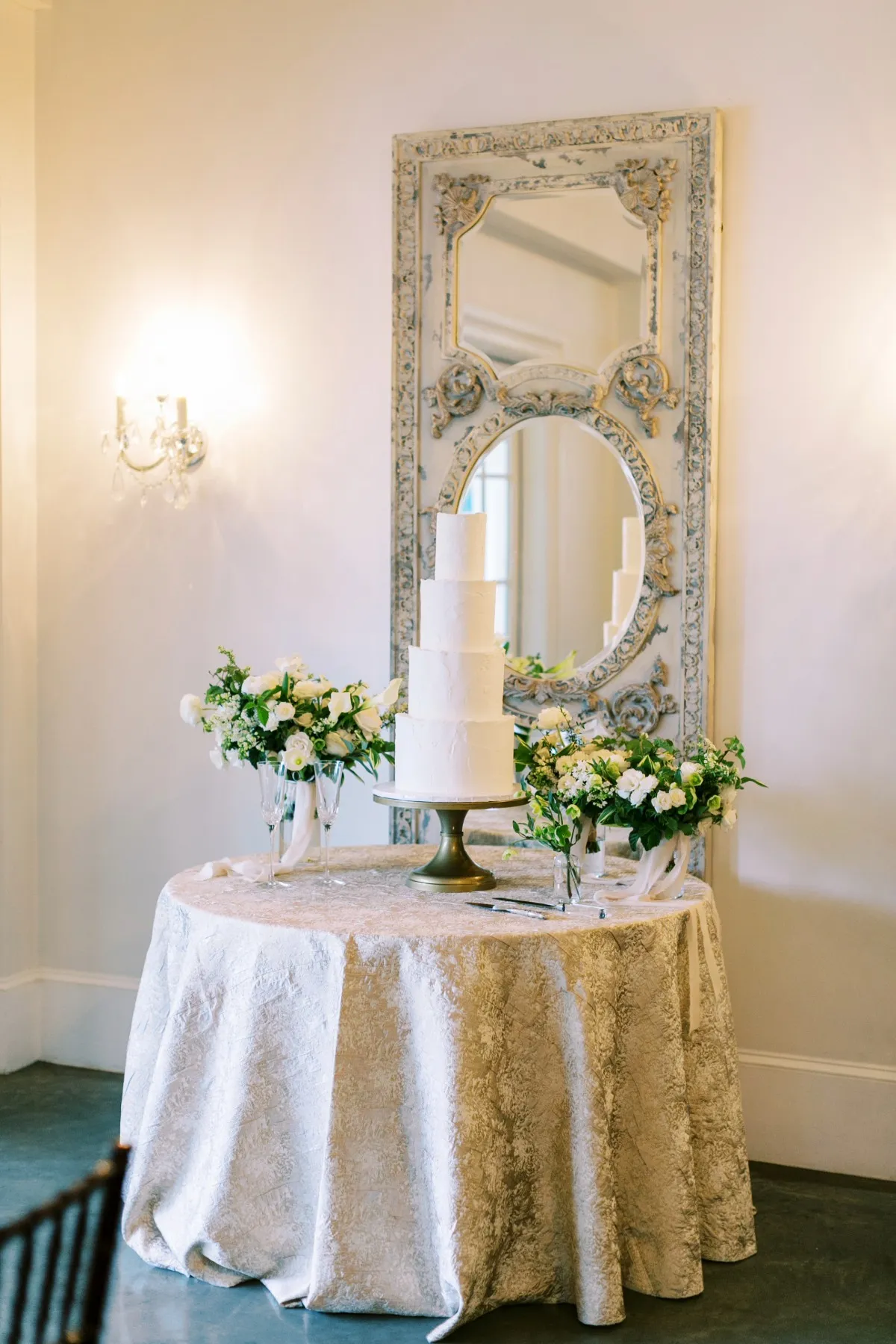
A thoughtfully designed tablescape shapes the atmosphere of any celebration, from elegant weddings to refined social gatherings. Color and texture in bespoke table linens play a central role in this visual composition. Carefully chosen palettes and tactile fabrics guide the eye across the table while introducing depth, harmony, and sophistication. When color relationships and fabric textures are balanced with intention, the tablescape becomes a cohesive element of the event’s overall design.
Successful linen styling begins with a clear understanding of the mood and experience the event should convey. Lighting conditions, table shape, centerpiece scale, and surrounding décor all influence how colors and textures appear within the space. Viewing fabric swatches under the venue’s lighting allows planners to observe subtle shifts in tone and surface finish before final selections are made. Small adjustments to undertones, weave, and texture often bring greater balance to the room and strengthen the visual unity of the tablescape.
How To Select Harmonious Table Linen Color Combinations For Luxurious Events
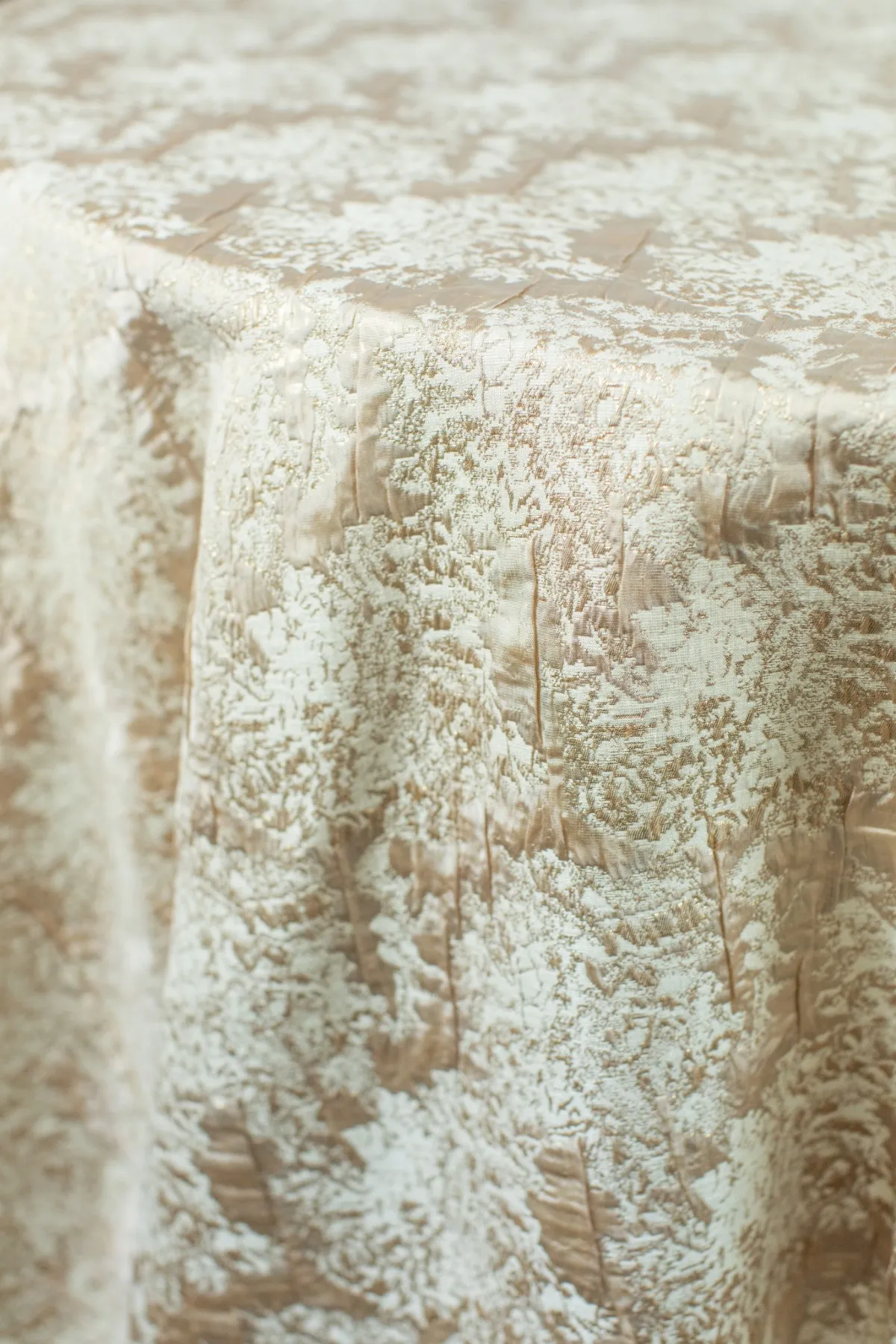
A well-chosen color palette establishes the visual tone of an elegant event. Table linens form the foundation of the tablescape, and their color relationships influence how the entire setting feels to guests. Balanced hues create visual harmony across the table while complementing floral arrangements, tableware, and surrounding décor. Thoughtful color coordination allows the tablescape to feel cohesive and refined.
What Principles Govern Color Coordination In Custom Table Linens?
Color coordination follows several guiding principles that help create balanced compositions. The color wheel illustrates how hues relate to one another and supports the selection of complementary, analogous, or triadic combinations. Complementary colors introduce contrast that draws attention to the table, while analogous tones provide a softer and more unified visual flow.
A practical approach begins with defining a dominant color, a supporting shade, and one or two accent tones. The dominant color typically appears in the tablecloth, establishing the visual base of the table. Supporting colors can be introduced through runners or overlays, while accent tones appear in napkins, glassware, or floral details. Limiting the palette to a few coordinated hues maintains elegance while texture and fabric finishes add depth without introducing additional colors.
Which Color Palettes Complement Diverse Event Themes And Palettes?
Different event styles benefit from color palettes that reflect their overall character. Classic celebrations often feature soft neutrals or jewel tones that evoke timeless elegance, while modern settings favor restrained palettes with subtle contrast. Natural gatherings frequently incorporate earthy tones that echo organic textures and seasonal florals.
Examples of balanced palettes include:
- Classic Elegance: Ivory, gold, and deep burgundy
- Modern Minimalism: White, gray, and navy
- Rustic Charm: Sage green, terracotta, and cream
These combinations can be refined through thoughtful fabric finishes and layering. A matte ivory tablecloth paired with delicate metallic accents creates a classic and polished look. A crisp white base with navy runners conveys modern clarity, while layered natural linens with textured details suit rustic or garden celebrations. Reviewing swatches together, including the tablecloth, runner, and napkin, helps confirm that the colors work harmoniously before final selections are made.
Curated Linen Collection offers bespoke table linens designed to support these color and texture strategies. Their range of fabrics, tones, and finishes allows planners and hosts to create tablescapes that align beautifully with the theme and atmosphere of any refined event.
What Texture Ideas Enhance Depth And Sophistication In Event Linens?
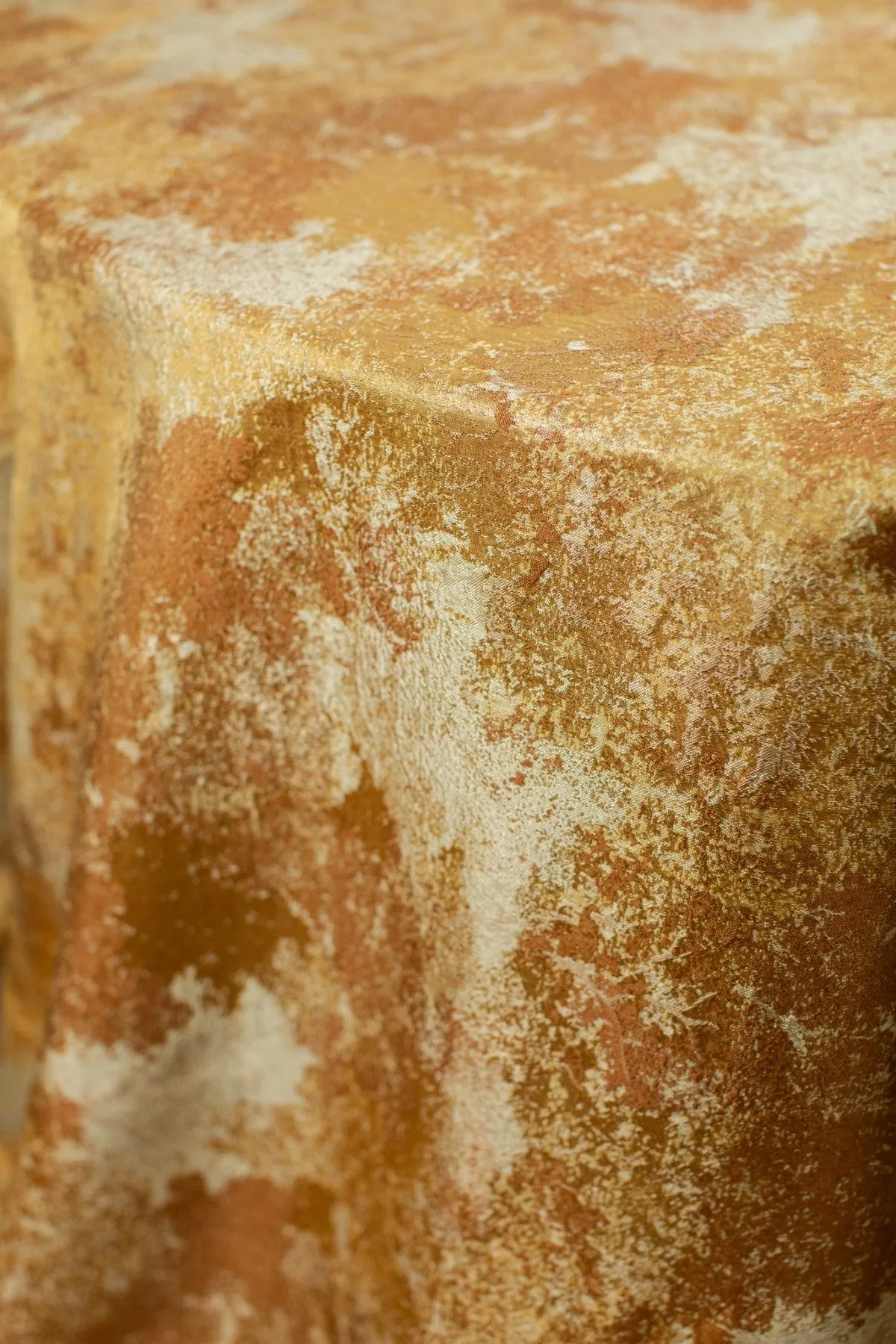
Texture brings depth, dimension, and refinement to a tablescape. Carefully layered textiles transform a simple table setting into an immersive visual and tactile experience. Contrasting surfaces introduce richness while maintaining balance across the overall design.
The interaction between color and texture shapes how guests perceive the table. Smooth fabrics reflect light differently than textured weaves, while subtle variations in surface finish add visual interest without overwhelming the composition. Thoughtful combinations allow linens to support the atmosphere of the event while reinforcing a sense of elegance and craftsmanship.
How Do Texture Variations Influence Tablescape Visual And Tactile Appeal?
Different textures influence both the appearance and the sensory experience of a tablescape. Smooth satin surfaces introduce soft sheen and formality, while natural linen adds organic texture and relaxed sophistication. Lace details contribute delicate intricacy, and velvet fabrics bring depth and richness to evening settings.
Texture also shapes how fabrics interact with light and movement. Sheen highlights the surface of the table and adds visual brightness, while matte textures soften the overall presentation. Lightweight fabrics such as organza or lace provide gentle layering that frames the table without adding visual weight. Heavier fabrics introduce structure and depth, guiding the visual focus toward the center of the table.
Which Layering Techniques Best Combine Different Linen Textures?
Layering allows multiple textures to work together while maintaining a cohesive design. A base tablecloth establishes the primary color and surface of the table. Runners, overlays, or napkins introduce secondary textures that create contrast and visual rhythm across the tablescape.
Balanced proportions strengthen the effect of layered textiles. Runners placed along the center of the table should leave consistent margins to maintain symmetry, while overlays can soften a monochromatic base and add dimension. Napkins provide an opportunity to repeat or echo the textures used elsewhere on the table, reinforcing visual continuity while keeping the palette refined.
Which Custom Linen Fabric Choices Best Reflect Craftsmanship And Elegance?
Fabric selection plays a defining role in expressing craftsmanship and refinement within bespoke table linens. Each textile introduces its own visual character and tactile quality, shaping how the tablescape feels and appears to guests. Carefully chosen fabrics create depth, structure, and harmony across the table while reinforcing the overall elegance of the event.
What Are The Visual And Textural Effects Of Premium Linen, Satin, And Velvet?
Luxury fabrics such as linen, satin, and velvet each contribute distinctive qualities that enhance the atmosphere of a tablescape.
- Linen: Valued for its natural texture and breathable structure, linen introduces relaxed elegance and subtle visual depth. Its woven surface adds organic character that pairs beautifully with floral arrangements and natural décor.
- Satin: Satin offers a smooth surface with a gentle sheen that reflects light softly across the table. This luminous quality creates a polished appearance that suits formal celebrations and evening receptions.
- Velvet: Velvet introduces rich texture and dimensional depth that brings warmth and sophistication to the setting. Its plush surface absorbs light and creates visual richness, making it particularly suited for statement accents or cooler-season celebrations.
Thoughtful combinations of these fabrics can create balanced contrast within a tablescape. A linen tablecloth paired with satin runners or velvet accents introduces layered texture while maintaining visual cohesion.
How Do Sustainable Linen Options Integrate Luxury With Environmental Responsibility?
Sustainable linen selections allow event design to reflect both refinement and responsible sourcing. Natural fibers such as organic linen and responsibly produced textiles maintain the tactile quality and visual elegance associated with luxury linens while supporting environmentally conscious production practices.
Responsible textile sourcing often includes organic fibers, carefully managed dyeing processes, and durable fabric construction that supports long-term use. High-quality sustainable linens maintain the same graceful drape, refined texture, and visual appeal as traditional luxury fabrics while contributing to more thoughtful material choices.
Understanding these characteristics allows planners and hosts to choose fabrics that align with both the aesthetic goals of the event and a commitment to thoughtful material selection.
How To Match Custom Table Linens To Wedding And Event Themes?
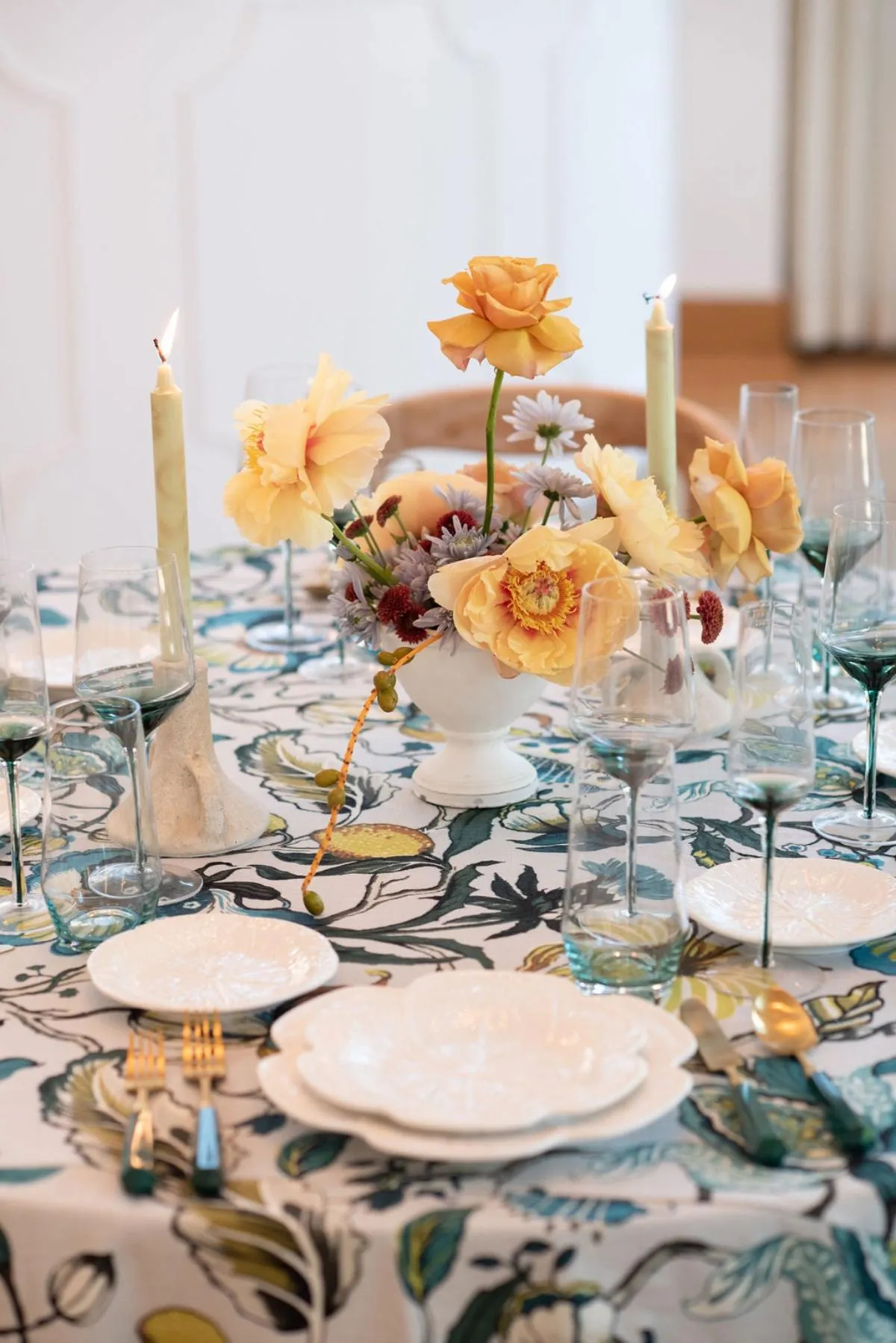
Aligning table linens with the theme of an event strengthens visual cohesion across the entire tablescape. Color, texture, and fabric choice influence how the table interacts with floral arrangements, lighting, and surrounding décor. When linens reflect the design direction of the event, they help establish a consistent and elegant atmosphere.
What Color And Texture Strategies Suit Classic And Contemporary Wedding Designs?
Classic wedding designs often feature soft color palettes and delicate textures. Ivory or champagne linens paired with lace overlays and subtle floral arrangements create a timeless and romantic setting. These combinations highlight gentle contrasts and refined surface detail that support traditional wedding aesthetics.
Contemporary weddings frequently incorporate stronger color palettes and modern textures. Satin or velvet linens introduce depth and structure, while clean lines and restrained décor maintain a polished and sophisticated presentation. Coordinating linen colors with the floral palette and ceremony backdrop helps maintain harmony throughout the venue.
Texture and fabric weight also influence comfort and practicality. Light, breathable fabrics suit warmer seasons, while richer textures create warmth and visual depth for cooler celebrations.
How Do Linen Choices Elevate Corporate Event Tablescapes With Refined Aesthetics?
Table linens also shape the atmosphere of professional gatherings and formal receptions. Neutral tones such as charcoal, navy, or soft grey create a composed foundation that supports a refined presentation. High-quality fabrics introduce subtle texture while maintaining the clean lines often associated with corporate environments.
Strategic accents can introduce visual interest without distracting from the event’s purpose. Textured runners or placemats help define place settings and add depth to the table while preserving a restrained color palette. Durable fabrics that maintain structure throughout the event ensure the tablescape remains polished from the opening reception to the closing remarks.
Frequently Asked Questions
What Are The Best Practices For Maintaining Custom Table Linens?
Follow the care instructions provided by the manufacturer to preserve fabric quality and color. Gentle laundering with mild detergent and cool water helps maintain the integrity of the textile. Air drying or low-heat drying supports the longevity of delicate fibers.
For storage, ensure linens are clean and fully dry before placing them in a cool, shaded environment. Folding along natural creases or storing linens in breathable fabric bags helps protect texture and prevent deep creasing.
How Can I Incorporate Seasonal Colors Into My Table Linens?
Seasonal palettes add character and visual harmony to a tablescape. Spring designs often feature soft pastels, while summer settings embrace brighter tones. Autumn celebrations frequently include warm earthy hues, and winter gatherings often highlight deep jewel tones or cool metallic accents.
Seasonal color can also appear through runners, napkins, and floral arrangements, allowing a neutral base linen to remain versatile throughout the year.
What Are Some Common Mistakes To Avoid When Selecting Table Linens?
Common mistakes include choosing colors that clash with the venue décor, overlooking texture, or selecting linens without confirming their size and drape. Reviewing swatches alongside tableware and under venue lighting helps prevent mismatched tones.
Balanced layering and careful attention to craftsmanship details such as seams, hems, and fabric finish also contribute to a polished tablescape.
How Do I Choose The Right Size For Table Linens?
Proper sizing ensures a balanced drape and a refined presentation. For rectangular tables, a drop of approximately six to twelve inches on each side creates a tailored look. Round tables generally require additional fabric beyond the table diameter to achieve a graceful fall.
Runners and overlays should remain proportionate to the table dimensions so that place settings, centrepieces, and decorative elements remain visually balanced.
Can I Mix And Match Different Fabric Types For My Table Linens?
Combining different fabrics can introduce depth and sophistication to the tablescape. Linen, satin, and velvet pair well when coordinated through a consistent color palette.
Layering fabrics thoughtfully allows designers to create contrast through texture while preserving visual harmony across the table.
What Role Do Accessories Play In Enhancing Table Linen Aesthetics?
Accessories help frame the table and reinforce the overall design of the tablescape. Centrepieces, napkin rings, and tableware can complement linen colors and textures while introducing subtle accents.
Repeating small details such as metallic finishes, ribbon tones, or floral colors helps unify the design and guide the visual focus across the table.
How Do I Choose The Right Color For Custom Table Linens?
Color selection should align with the event theme, venue atmosphere, and surrounding décor. Viewing fabric swatches in the event space allows planners to observe how lighting influences tone and surface finish.
Creating a small tabletop mock-up with linens, napkins, and a representative centerpiece helps confirm that the chosen palette feels balanced within the environment.
What Textures Add Depth To Event Tablescapes?
Textures such as lace, velvet, or natural linen introduce dimension and tactile interest. Combining smooth surfaces with textured fabrics creates contrast that enhances visual depth.
Subtle details including embroidered napkins, decorative trims, or layered runners further enrich the tablescape while maintaining an elegant composition.
Conclusion
Color and texture play a defining role in the composition of memorable tablescapes. Thoughtful coordination of hues, layered fabrics, and refined finishes allows table linens to shape the atmosphere of an event while supporting the surrounding décor.
Careful planning, early sampling, and attention to proportion help ensure that linens harmonize with floral design, tableware, and lighting. When chosen with intention, bespoke table linens become a unifying element that strengthens the visual narrative of an event and leaves a lasting impression on guests.