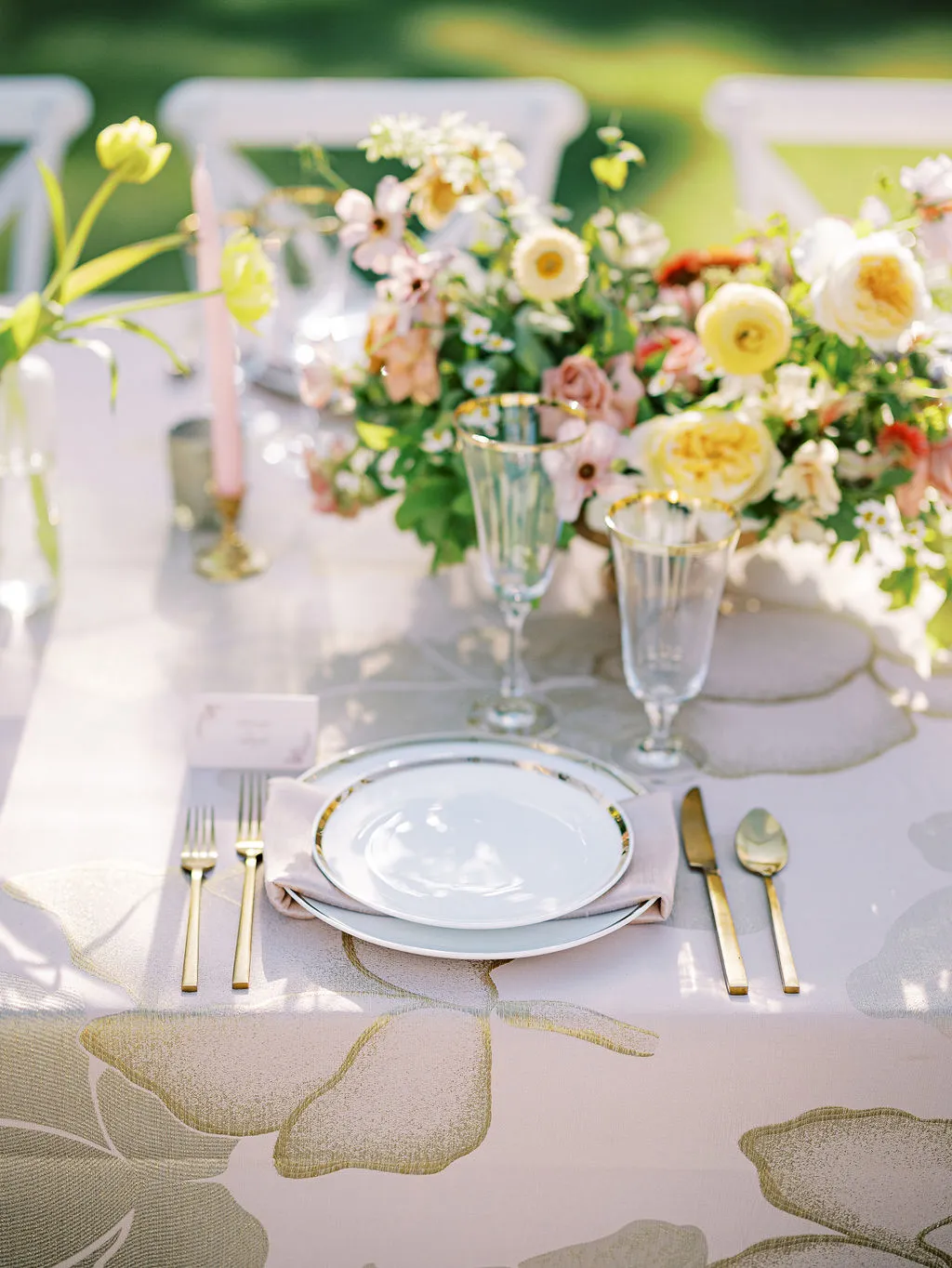
Common linen mistakes in summer events often arise from overlooking how fabrics, sizing, and color behave in warm, outdoor conditions. These missteps can disrupt both the visual balance of a tablescape and the overall comfort of the setting, making them more noticeable in environments where light, heat, and movement continuously interact with materials.
Selecting appropriate linens requires attention to fabric performance, proportion, and coordination across all design elements. When these factors are not aligned, issues such as poor drape, inconsistent color appearance, or impractical sizing can diminish the intended atmosphere of an event.
This guide outlines the most frequent linen mistakes encountered in summer events and provides clear direction on how to avoid them. With a focus on material selection, fit, and design cohesion, each section supports a more controlled and refined approach to creating well-executed outdoor settings.
Why Linen Mistakes Are More Noticeable in Summer Events
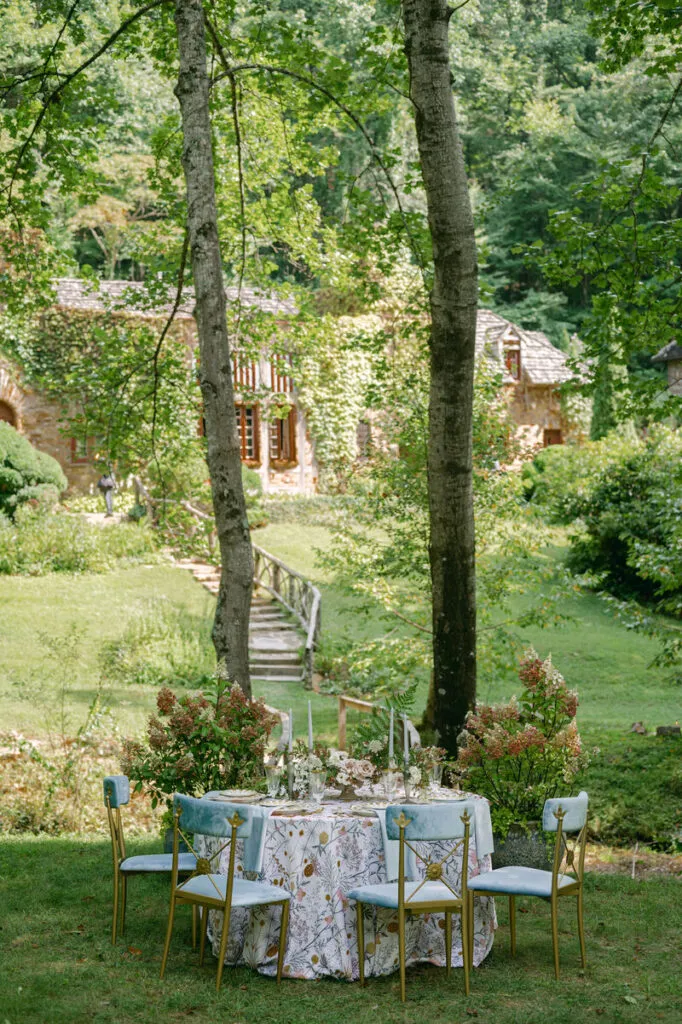
Summer events introduce environmental conditions that make linen selection more visible and more sensitive to error. Light, heat, and open-air settings amplify how fabrics look and behave, which means inconsistencies in material, color, or fit become immediately apparent within the overall composition.
Impact of Heat, Light, and Outdoor Conditions on Linen Performance
Direct sunlight enhances texture, reveals creases, and can alter how colors are perceived throughout the day. Fabrics that appear balanced indoors may look uneven or overly reflective outdoors, especially under strong daylight.
Heat also affects how materials hold their structure. Certain fabrics may soften, shift, or lose definition, which can disrupt the intended presentation if not accounted for during selection.
How Small Errors Affect Overall Event Presentation
Minor inconsistencies in linen choice can influence the perception of the entire tablescape. Uneven drape, mismatched tones, or poorly scaled elements draw attention more quickly in bright, open environments.
Because linens form the visual foundation of each table, even subtle missteps can affect how cohesive and intentional the event appears. Careful planning helps maintain consistency across all elements.
Mistake #1: Choosing the Wrong Fabric for Warm Weather
Fabric selection is one of the most common sources of error in summer events. Materials that do not respond well to heat or outdoor conditions can affect both comfort and visual clarity, leading to a setting that feels heavy or inconsistent.
Using Heavy or Non-Breathable Fabrics Outdoors
Dense fabrics can retain heat and limit airflow, creating an uncomfortable surface for guests and a visually heavy tablescape. These materials may also appear rigid under natural light, reducing the sense of ease expected in summer settings.
Lighter, breathable fabrics support both comfort and a more natural drape, allowing the table to feel balanced and appropriate for the environment.
Ignoring Fabric Behavior in Heat and Sunlight
Some fabrics react to sunlight by losing color depth or developing visible creases over time. Without considering how materials perform under prolonged exposure, linens may shift in appearance throughout the event.
Selecting fabrics that maintain their finish and structure under these conditions helps preserve a consistent visual outcome.
How to Select Fabrics That Maintain Comfort and Structure
Choosing fabrics with balanced weight, breathable construction, and stable surface quality ensures that linens remain composed in warm environments. Materials should support airflow while retaining their shape and color across changing conditions.
This approach allows the tablescape to maintain both comfort and visual integrity from setup through conclusion.
Mistake #2: Incorrect Linen Sizing and Proportions
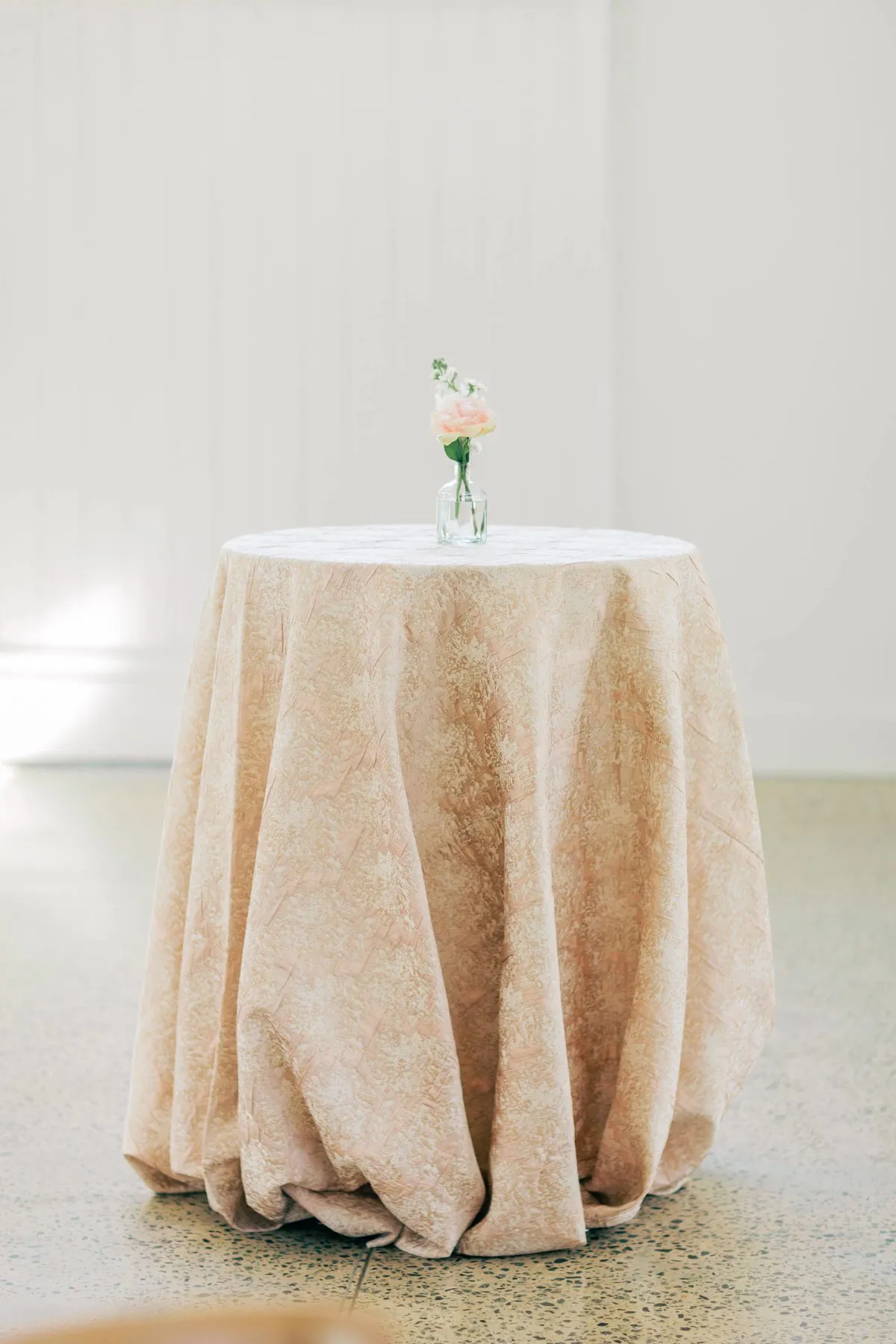
Improper sizing disrupts the visual balance of a table and can introduce practical challenges during an event. Linen proportions influence how the table is perceived, making accurate measurement essential for a refined presentation.
Tablecloths That Are Too Short or Excessively Long
Tablecloths that fall short of the desired drop create an incomplete appearance, while overly long linens can look unstructured and interfere with guest movement. Both extremes reduce the sense of precision expected in high-end settings.
A balanced drop length supports a clean silhouette and reinforces consistency across all tables.
Overlooking Table Shapes and Layout Variations
Different table shapes require tailored sizing approaches. Using uniform dimensions without accounting for round, rectangular, or specialty tables can result in uneven drape and misalignment across the event space.
Recognizing these variations ensures that each table maintains proportional accuracy within the overall layout.
How Proper Sizing Improves Visual Balance and Functionality
Accurate sizing creates a structured and cohesive appearance, allowing linens to align with table dimensions and surrounding elements. Proper proportions also support ease of movement and service flow, contributing to both visual clarity and practical functionality.
Careful measurement and planning ensure that linens enhance the event environment rather than disrupt it.
Mistake #3: Poor Color Coordination in Bright Outdoor Settings
Color inconsistencies become more pronounced in summer events where natural light continuously shifts how tones are perceived. Without careful coordination, linens can appear mismatched or visually overwhelming within the overall setting.
Choosing Colors That Clash with Natural Light
Certain colors react differently under direct sunlight, appearing washed out or overly intense. Shades that seem balanced indoors may lose depth or shift in tone when exposed to bright outdoor conditions.
Selecting colors that maintain clarity in daylight ensures that the tablescape remains consistent and visually composed throughout the event.
Overusing Bold or Competing Tones
Introducing multiple strong colors without restraint can create visual tension across the table. Competing tones disrupt cohesion and draw attention away from the overall design.
A controlled palette with one or two accent colors allows for contrast while preserving balance and readability across the tablescape.
How to Build a Controlled and Cohesive Color Palette
A well-structured palette begins with a neutral or subdued base, supported by carefully selected accent tones. Consistency across linens, napkins, and supporting elements reinforces a unified visual direction.
Testing colors in natural light before final selection helps confirm that tones remain aligned with the intended aesthetic.
Mistake #4: Overcomplicating Linen Styling and Layering
Excessive styling can weigh down a summer tablescape, reducing the sense of lightness that defines warm-weather events. Overuse of layers, textures, or patterns often leads to visual clutter rather than refinement.
Excessive Layers That Add Visual Weight in Summer
Multiple heavy layers can create density that feels out of place in open, sunlit environments. This approach reduces airflow and makes the table appear overly structured.
A lighter layering strategy maintains dimension while preserving the natural ease expected in summer settings.
Mixing Too Many Textures or Patterns
Combining several textures or patterns without a clear hierarchy can result in a fragmented appearance. Instead of enhancing the design, these elements compete for attention.
Limiting variation to a few complementary textures or a single pattern ensures that each element contributes to a cohesive composition.
How to Achieve Depth While Maintaining Lightness
Depth can be introduced through subtle contrasts in texture and tone rather than excessive layering. A balanced combination of materials allows the table to feel detailed without appearing heavy.
This approach supports clarity and refinement, particularly in bright outdoor conditions where details are more visible.
Mistake #5: Ignoring Environmental Factors
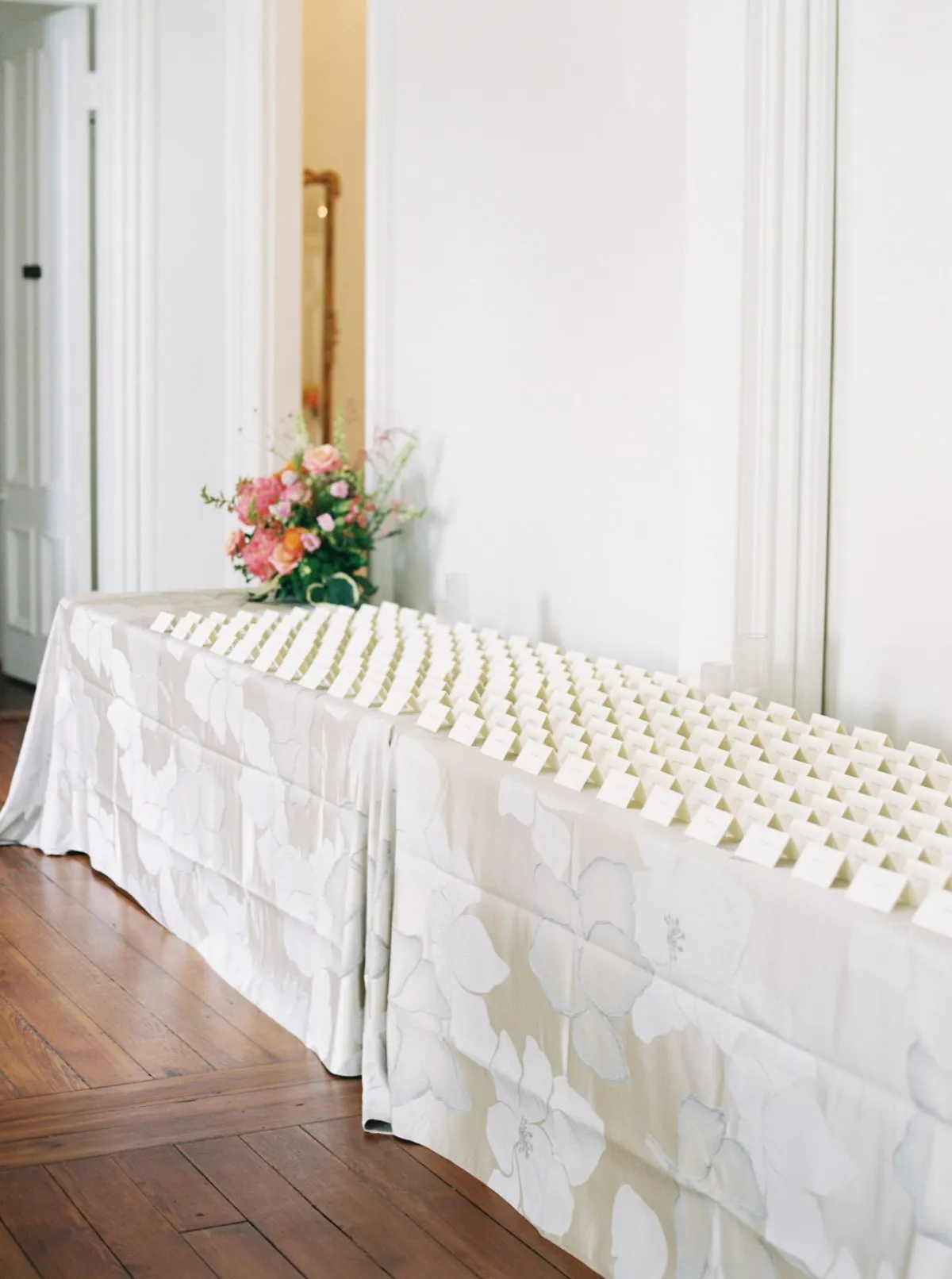
Outdoor environments introduce variables that directly affect how linens perform and appear. Failing to account for these conditions can lead to disruptions in both structure and presentation during the event.
Wind, Sun Exposure, and Surface Instability
Wind can shift lightweight fabrics, altering alignment and disrupting the intended layout. Sun exposure may affect color consistency and fabric texture over time.
Selecting linens with appropriate weight and stability helps maintain alignment and visual consistency in open-air settings.
How Fabric Reacts to Outdoor Conditions Over Time
Extended exposure to heat and light can change how fabrics drape and hold their structure. Materials that are not suited for these conditions may lose definition or develop visible inconsistencies.
Understanding how fabrics behave over time allows for more reliable selection and reduces the risk of unexpected changes during the event.
Planning Linens That Maintain Structure Throughout the Event
Choosing fabrics that retain their form and finish ensures that the tablescape remains stable from setup through conclusion. Proper planning also includes considering placement, exposure, and table layout in relation to environmental conditions. This preparation supports a consistent and controlled presentation, even as outdoor variables shift.
Mistake #6: Lack of Testing and Pre-Event Validation
Skipping validation steps before an event often leads to mismatches in color, texture, and proportion. Without reviewing linens in the actual event context, decisions are made in isolation rather than in relation to lighting, space, and surrounding elements.
Skipping Swatch Reviews and Sample Checks
Relying solely on images or descriptions can result in inaccurate expectations. Fabric texture, weight, and color depth are best evaluated through physical samples.
Swatch reviews allow planners to assess how materials feel and how they integrate with other design components, reducing uncertainty in final selections.
Not Testing Linens in Actual Lighting Conditions
Lighting conditions significantly influence how linens appear. Colors may shift in tone under natural daylight, and textures may become more or less pronounced depending on exposure.
Viewing samples in the event environment helps confirm that selections remain consistent with the intended design.
How Pre-Event Evaluation Prevents Design Issues
Early testing allows for adjustments before final decisions are made. This process ensures that fabrics, colors, and proportions align with the overall aesthetic, preventing last-minute inconsistencies. A measured evaluation phase supports a more controlled and reliable outcome on the event day.
Mistake #7: Overlooking Fabric Maintenance During Events
Even well-selected linens can lose their impact if their appearance is not maintained throughout the event. Overlooking how fabrics behave over time can lead to visible creasing, surface inconsistencies, or diminished structure.
Ignoring Wrinkling, Spills, and Surface Presentation
Wrinkling and minor surface disruptions become more noticeable in outdoor settings where light enhances texture. Without considering how fabrics respond to movement and use, linens may lose their refined appearance. Planning for materials that maintain a smooth surface reduces the need for frequent adjustments.
Choosing Fabrics That Require Constant Adjustment
Some fabrics demand ongoing attention to maintain their appearance, which can interrupt the flow of the event. Linens that shift easily or crease excessively create additional operational challenges.
Selecting materials that retain their structure supports a consistent presentation without intervention.
Selecting Linens That Hold Their Finish Throughout the Event
Fabrics that maintain their drape, color, and surface quality ensure that the tablescape remains aligned with the intended design. This stability contributes to a polished environment from start to finish. A focus on material performance reduces the risk of visible wear during the event.
Mistake #8: Treating Linens as Secondary Design Elements
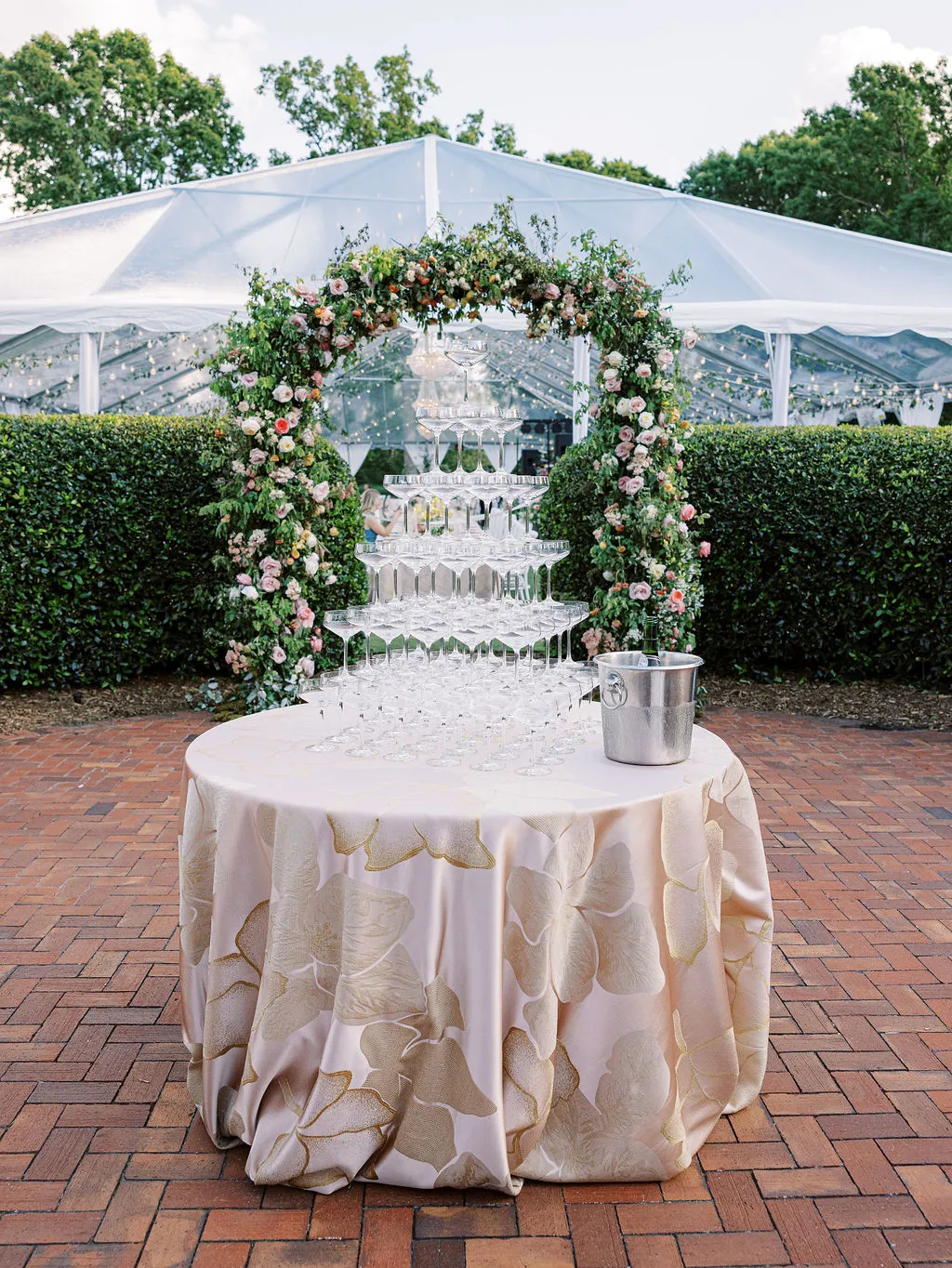
Underestimating the role of linens can lead to a fragmented or incomplete tablescape. Linens serve as the visual foundation of the table, influencing how all other elements are perceived.
Underestimating Their Role in Tablescape Composition
When linens are treated as an afterthought, they may not align with the overall design direction. This disconnect affects how other elements such as tableware and décor are integrated.
Recognizing linens as a primary design component ensures that they support the intended aesthetic.
Lack of Alignment with Overall Event Design
Inconsistent fabric choices, colors, or finishes can disrupt cohesion across the event space. Without alignment, individual tables may appear disconnected from the broader environment.
A coordinated approach ensures that linens contribute to a unified and intentional presentation.
Using Linens to Anchor and Unify the Visual Experience
Linens provide a consistent base that connects all elements of the tablescape. When selected with care, they establish structure and guide the visual flow across the event. This foundation allows other design components to integrate seamlessly, reinforcing clarity and balance throughout the space.
How to Avoid Linen Mistakes with a Curated Linen Collection
Avoiding common linen mistakes requires access to fabrics that are already developed with performance, proportion, and design consistency in mind. A curated linen collection provides a structured selection process, ensuring that each choice aligns with both environmental conditions and the overall event aesthetic.
Access to Tested, Design-Led Fabric Selections
Curated collections include fabrics that have been selected for their ability to perform reliably in real event conditions. These linens maintain their structure, color, and surface quality under varying light and temperature, reducing the risk of unexpected inconsistencies.
This approach allows planners to focus on design decisions with confidence, knowing that material performance has already been considered.
Guidance on Fit, Color, and Styling Decisions
Working with a specialized linen collection supports more precise decision-making across sizing, palette selection, and styling. Expert input helps refine proportions, align colors with the environment, and ensure that layering choices remain balanced.
This level of guidance reduces the likelihood of common errors and supports a more cohesive final presentation.
Using Swatches and Custom Options for Precision
Swatches and sample reviews provide clarity on how fabrics will appear and behave in the event setting. Evaluating materials in context allows for adjustments before final selections are made.
Custom options further enhance precision by allowing linens to be tailored to specific design requirements, ensuring alignment with the overall event vision.
Conclusion
Common linen mistakes in summer events often stem from overlooking how materials, proportions, and colors respond to outdoor conditions. Addressing these factors through careful planning ensures that linens maintain both their visual clarity and functional performance.
By selecting breathable fabrics, ensuring accurate sizing, coordinating colors with intention, and accounting for environmental variables, planners can avoid disruptions that affect the overall presentation. Each decision contributes to a tablescape that feels structured, balanced, and aligned with the event’s design direction.
Curated Linen Collection offers a focused approach to linen selection, combining design-led fabrics with customization and expert guidance. This process supports consistent and refined outcomes across a range of event types.
A deliberate approach to linen selection allows summer events to achieve a cohesive and polished presentation, where every detail contributes to a well-executed and memorable setting.
Frequently Asked Questions
What is the most common linen mistake for summer events?
Choosing fabrics that are not suited to warm or outdoor conditions is one of the most frequent mistakes. Materials that retain heat or lose structure under sunlight can affect both comfort and appearance.
How can I avoid linen sizing issues for my event?
Accurate measurement of table dimensions and consideration of desired drop length are essential. Planning for different table shapes and layouts ensures that linens fit consistently across the event.
Why do colors look different outdoors compared to indoors?
Natural light alters how colors are perceived, often making them appear lighter or more saturated. Testing linens in outdoor lighting helps confirm that tones remain aligned with the intended palette.
How can I prevent linens from looking wrinkled during an event?
Selecting fabrics that maintain a stable surface and resist excessive creasing helps preserve a polished appearance. Proper preparation before the event also supports a consistent presentation.
What is the best way to ensure linens match the overall event design?
Coordinating fabric, color, and texture with the broader event elements ensures alignment. Reviewing swatches and planning selections in context helps maintain a cohesive visual outcome.