
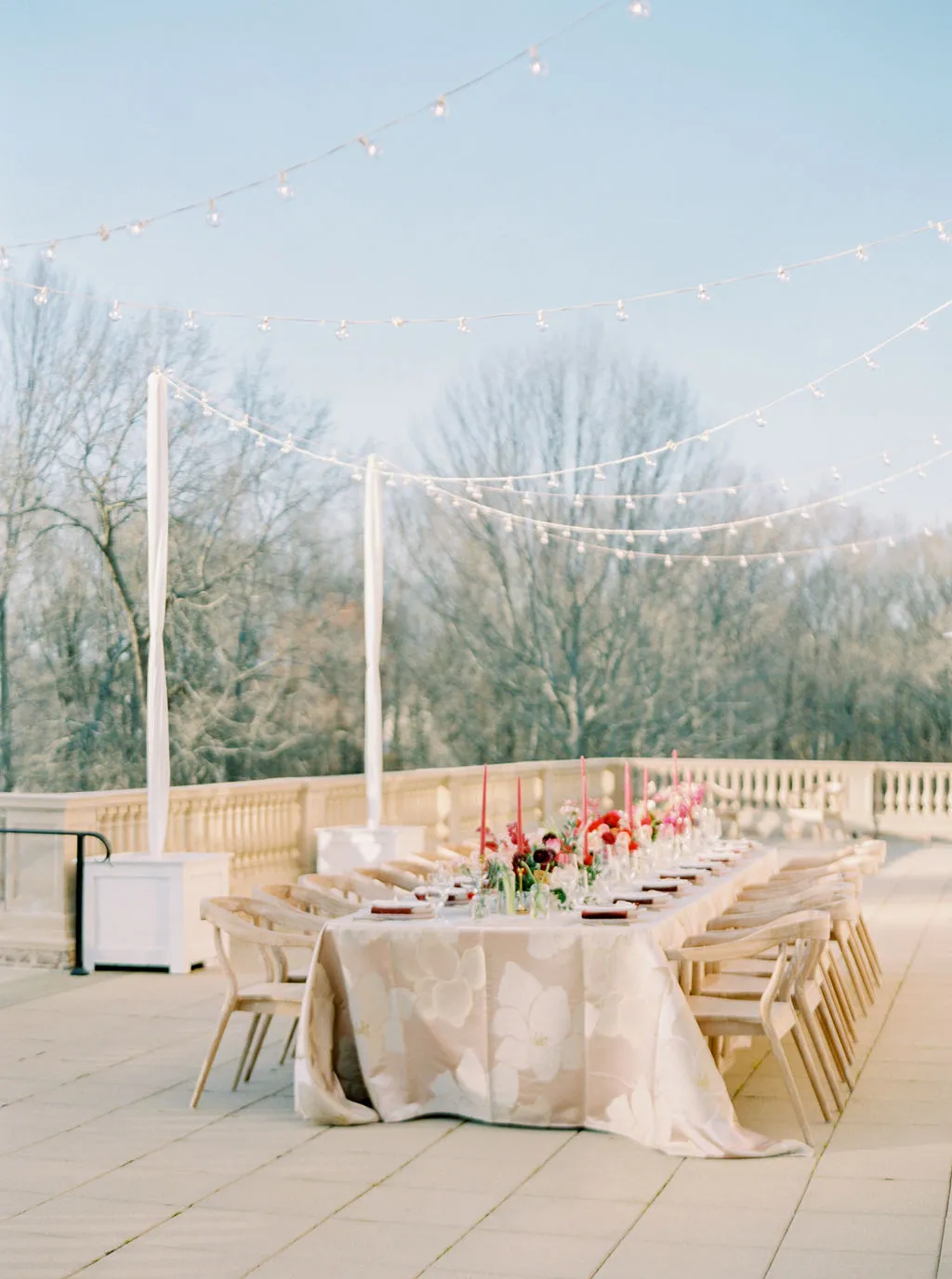
Linen color plays a defining role in how a summer event looks and feels. The right palette can shape the atmosphere, highlight key design elements, and bring cohesion to the entire tablescape.
For summer weddings and events, the most effective linen colors typically fall into two directions: soft, airy pastels for a light and refined setting, and bold, saturated tones that introduce contrast and visual energy. Selecting the right balance depends on your event style, venue, and overall design vision.
In this guide, we explore the best linen colors for summer events, how to combine them effectively, and practical styling approaches that help create a cohesive and elevated result.
What Are the Best Linen Colors for Summer Events?
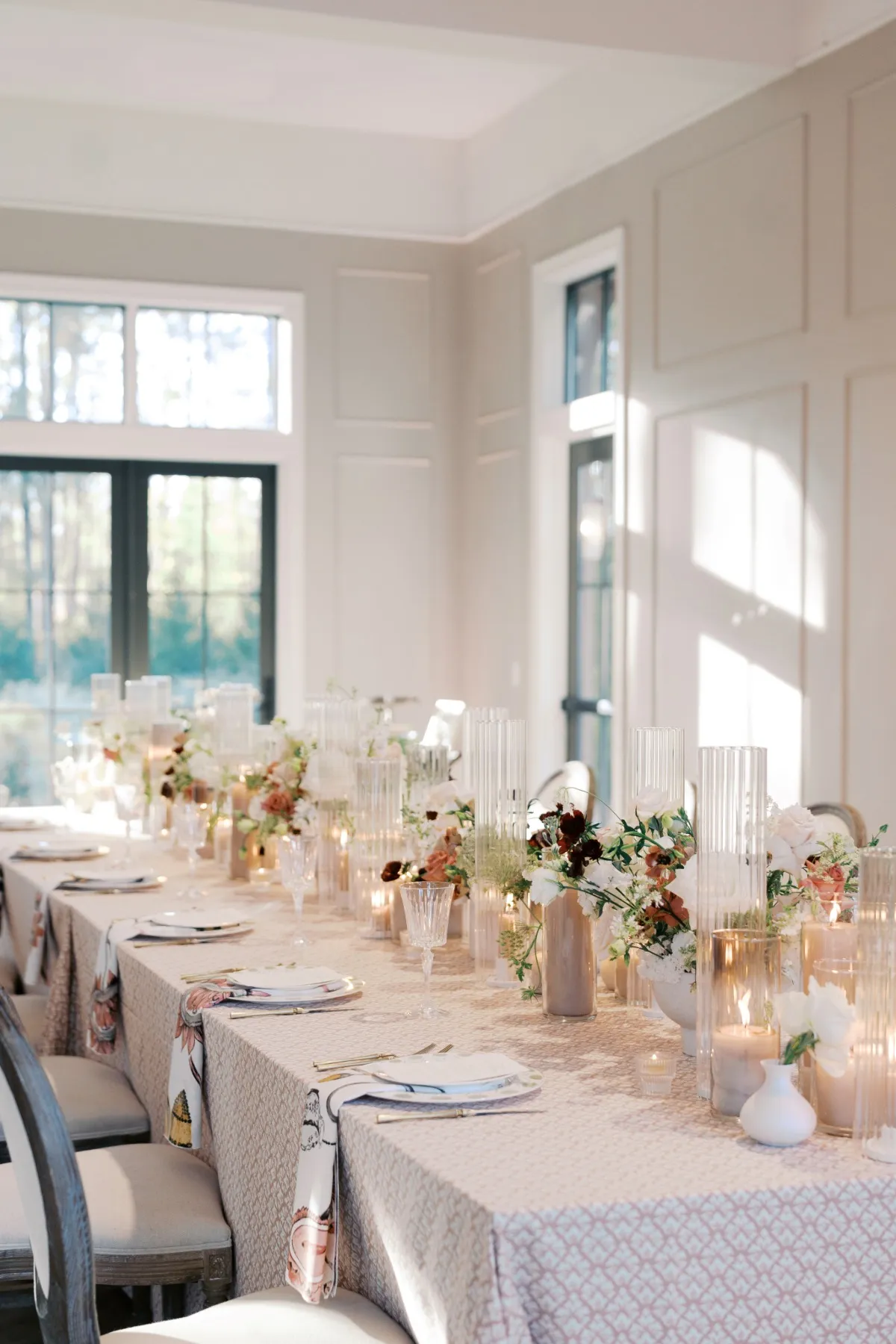
Selecting the right linen colors begins with understanding how different tones perform within a summer setting. The most effective palettes balance lightness, warmth, and contrast, allowing the tablescape to feel cohesive while still visually engaging.
Soft Pastels for Light, Refined Summer Settings
Pastel linens remain a foundational choice for summer events. Shades such as blush pink, mint green, lavender, and soft blue introduce a sense of ease and refinement that works particularly well for daytime celebrations and outdoor settings.
These tones reflect natural light gently, creating an atmosphere that feels open and composed. They also provide a versatile base for layering with florals, tableware, and subtle metallic accents.
Bold and Saturated Colors for Statement Moments
Stronger hues such as coral, deep teal, marigold, and terracotta bring energy and definition to a space. These colors are often used to create focal points within the event, whether through head tables, lounge areas, or accent linens.
When applied with intention, saturated tones add depth and contrast without overwhelming the overall design. Their impact is most effective when balanced against softer or neutral elements.
Neutral Foundations That Anchor Summer Palettes
Neutral linens, including ivory, white, taupe, and sand, serve as a stabilizing element within any color scheme. They create a clean visual foundation that allows other colors to stand out while maintaining a polished and cohesive look.
These tones are especially useful when layering multiple elements, as they support both pastel and bold palettes without competing for attention.
How to Choose the Right Linen Color for Your Event Style
Color selection should align with the broader design direction of the event. Considering the setting, lighting, and surrounding elements ensures that linens integrate seamlessly into the overall aesthetic.
Aligning Linen Colors with Event Theme and Setting
The venue and event style provide the initial framework for color selection. Outdoor garden events often benefit from softer, nature-inspired tones, while indoor or evening settings can support deeper, more defined colors.
Matching linen colors to the tone of the event helps establish a consistent visual language from the outset.
Coordinating Linens with Florals and Tabletop Elements
Linens should work in harmony with florals, tableware, and decorative accents. Coordinated palettes ensure that no single element feels disconnected from the overall design.
Selecting linens after key elements such as florals or place settings are defined can help maintain visual consistency across the tablescape.
Considering Natural Light and Venue Environment
Lighting conditions influence how colors are perceived. Natural sunlight can soften or brighten certain tones, while indoor lighting may deepen or mute them.
Reviewing linen samples within the actual venue or under similar lighting conditions allows for more accurate decisions and reduces unexpected variations on the event day.
What Are the Most Popular Summer Linen Color Trends?
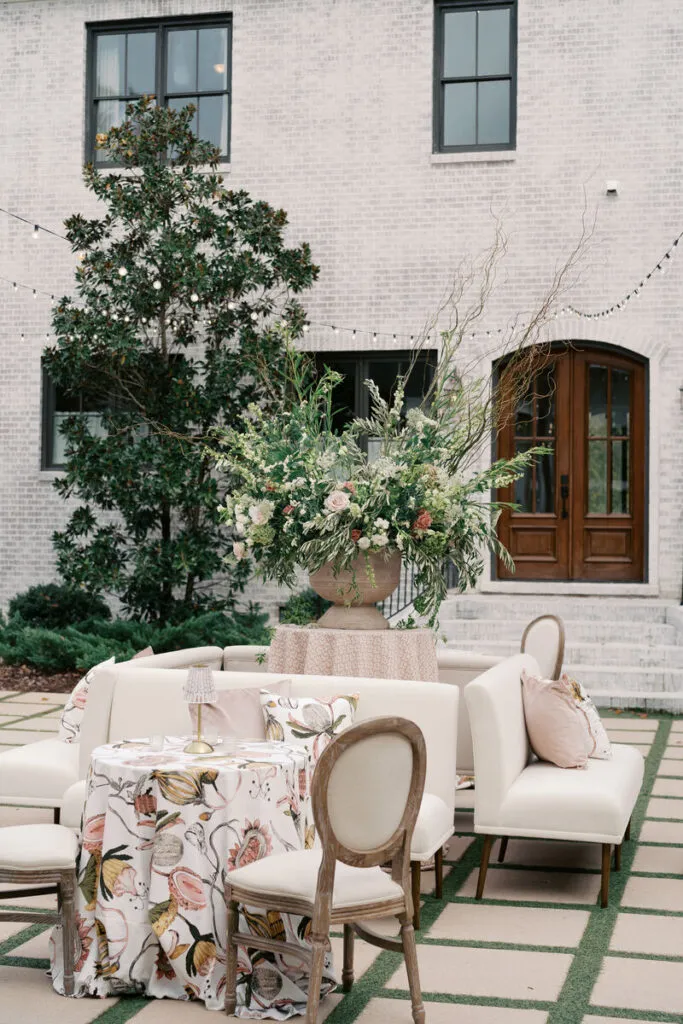
Seasonal trends influence how linen colors are selected and combined. Current summer palettes reflect a preference for balance, subtle contrast, and tones that complement natural surroundings.
Tonal Palettes and Layered Neutrals
Tonal styling uses variations within a single color family to create depth without strong contrast. Shades of ivory, sand, taupe, and soft grey can be layered to produce a refined and cohesive look.
This approach works well for events that prioritize understated elegance while still incorporating visual interest through texture and subtle variation.
Pastel and Bold Color Pairings
Combining soft pastels with more saturated tones introduces contrast while maintaining harmony. Pairings such as blush with coral or mint with deeper greens create dimension without disrupting the overall palette.
This method allows for controlled use of bold color while keeping the overall setting balanced and visually cohesive.
Earthy and Nature-Inspired Summer Tones
Colors drawn from natural elements continue to influence summer event design. Shades such as sage, terracotta, muted clay, and soft browns complement outdoor settings and organic décor styles.
These tones integrate seamlessly with greenery, wood textures, and natural materials, creating a grounded and cohesive aesthetic.
How to Combine Linen Colors for a Cohesive Tablescape
A well-composed tablescape relies on thoughtful color placement and layering. Combining linen colors with intention ensures that each element contributes to a unified design.
Layering Base Linens, Runners, and Napkins
Start with a foundational linen in a neutral or soft tone, then introduce contrast through runners and napkins. This structure creates a clear visual hierarchy and allows each layer to serve a defined purpose.
Layering also provides flexibility, making it easier to adjust accents without altering the entire palette.
Balancing Statement Colors with Subtle Accents
Bold colors are most effective when used selectively. Placing them in focal areas such as runners or napkins allows them to stand out while maintaining overall balance.
Subtle tones should support these accents, ensuring that the design remains cohesive rather than fragmented.
Using Color to Define Event Spaces
Different areas of an event can be distinguished through color variation. Dining tables, cocktail areas, and lounge spaces can each incorporate slightly different tones while remaining within the same palette.
This approach creates visual interest and helps guide the flow of the event without disrupting overall cohesion.
How Do Fabric and Texture Affect Linen Color Appearance?
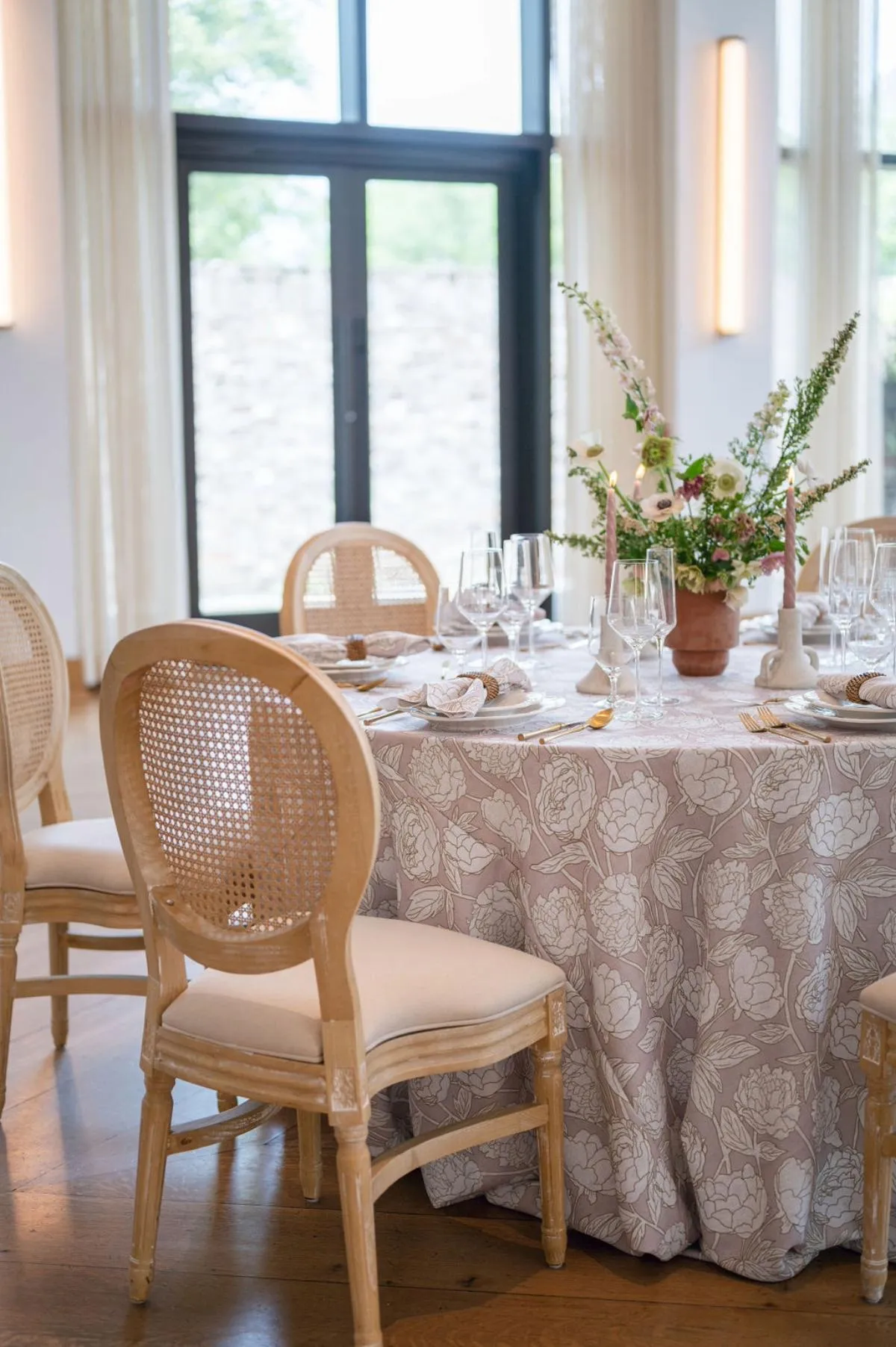
The way a linen color appears is influenced not only by the shade itself but also by the fabric and its finish. Texture and weave affect how light interacts with the surface, which can subtly shift how a color is perceived.
How Linen Texture Influences Color Depth and Tone
Different linen finishes can alter the intensity and character of a color. A smoother, more refined weave tends to present colors with clarity, while a more textured or washed finish can soften the tone and create a slightly muted effect.
This variation allows you to tailor how bold or understated a color feels within the overall design.
Choosing Fabrics That Perform Well in Summer Conditions
Summer events benefit from fabrics that feel light and breathable while maintaining structure on the table. Linen naturally supports this balance, offering both comfort and a clean, tailored appearance.
Selecting high-quality fabrics ensures that colors remain consistent and that the linens hold their form throughout the event.
Why Sampling Linens in Real Lighting Matters
Lighting conditions play a significant role in how linen colors are perceived. Natural sunlight can brighten tones, while indoor lighting may deepen or soften them.
Reviewing samples in the actual venue, or under similar lighting conditions, provides a more accurate understanding of how colors will appear on the day of the event.
What Styling Techniques Elevate Linen Colors for Summer Events?
Styling plays a critical role in how linen colors are experienced within a space. Thoughtful composition ensures that colors feel intentional and contribute to a cohesive overall design.
Creating Depth Through Layering and Contrast
Layering linens introduces dimension and structure to the table. Combining base linens with runners, overlays, or contrasting napkins allows for variation without overwhelming the palette.
This approach helps define focal points while maintaining balance across the table setting.
Incorporating Accessories That Enhance Color Palettes
Accessories such as chargers, glassware, and centerpieces can reinforce or subtly contrast the linen color. These elements should be selected with the same palette in mind to ensure consistency.
When coordinated effectively, accessories help unify the design and elevate the overall presentation.
Maintaining Balance Across Tables and Event Spaces
Consistency across tables is essential for a cohesive look, but variation can be introduced in a controlled way. Repeating key colors while adjusting their placement across different tables or areas creates visual interest without disrupting harmony.
A balanced approach ensures that the event feels curated rather than repetitive.
How Does Color Influence the Mood of Your Event?
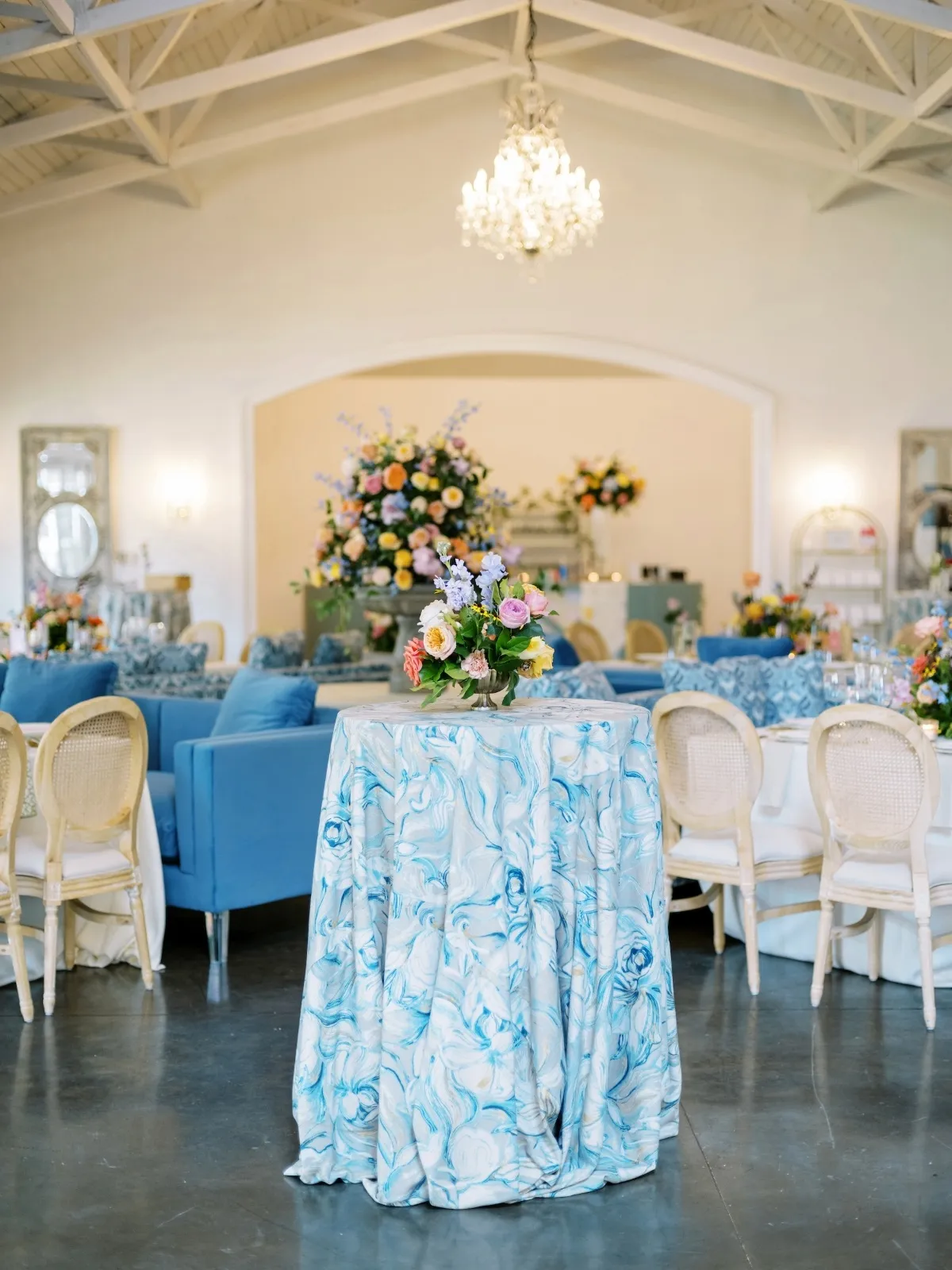
Linen color plays a central role in shaping how an event is experienced. The palette you choose sets the tone of the space and influences how guests perceive both the environment and the overall design.
The Atmosphere Created by Soft Pastel Linens
Pastel tones introduce a sense of calm and refinement. Shades such as blush, lavender, and soft blue create an environment that feels open, relaxed, and visually light.
These colors are well suited for weddings and daytime events where a softer, more intimate atmosphere is desired.
The Energy Introduced by Bold Color Choices
Stronger hues such as coral, teal, and golden tones bring vibrancy and movement into a space. These colors draw attention and help define focal areas within the event.
Used with intention, bold linens can guide the visual flow of the room and encourage a more dynamic, social atmosphere.
Using Color Intentionally to Shape Guest Experience
Different areas of an event can carry distinct moods through color variation. Dining tables often benefit from softer tones that support comfort, while social or lounge areas can incorporate more expressive colors.
This intentional use of color creates a layered experience that feels both cohesive and thoughtfully designed.
How to Select Linen Colors for Outdoor Summer Events
Outdoor environments introduce additional considerations that influence how linen colors appear and perform. Selecting colors with the setting in mind ensures consistency throughout the event.
Choosing Colors That Perform Well in Natural Light
Sunlight can intensify or soften certain tones depending on the time of day. Lighter colors tend to reflect light and maintain clarity, while deeper tones may appear richer under direct sunlight.
Testing linens in similar lighting conditions helps ensure the selected palette performs as expected.
Coordinating Linens with Natural Surroundings
Outdoor settings often include greenery, natural textures, and open skies. Linen colors should complement these elements rather than compete with them.
Soft neutrals, muted pastels, and nature-inspired tones integrate well into outdoor environments and support a cohesive visual flow.
Maintaining Color Consistency Throughout the Event
As lighting shifts from day to evening, colors may appear different. Selecting tones that transition well across lighting conditions helps maintain a consistent look from start to finish.
Planning with this progression in mind ensures that the linens remain aligned with the overall design throughout the event.How Curated Linen Collection Supports Color-Driven Event Design
A well-executed color palette benefits from both access to refined options and guidance in how those colors are applied. Curated Linen Collection supports this process through a design-led approach that prioritizes cohesion, quality, and customization.
Access to a Refined and Trend-Forward Color Palette
Curated Linen Collection offers a carefully developed range of colors that reflect current design direction while maintaining a timeless sensibility. This allows planners and hosts to select linens that feel current without relying on fleeting trends.
The collection includes both subtle neutrals and statement tones, making it possible to build layered palettes with clarity and consistency.
Custom Color and Pattern Development Capabilities
For events that require a more tailored approach, custom design capabilities allow for the development of unique colors and patterns. From initial concept through final production, each step is handled with attention to detail.
This process enables a higher level of personalization, ensuring that linens align precisely with the event’s design vision.
Design Guidance for Cohesive Color Styling
Working with a design-focused team supports more informed decisions around color selection and placement. Guidance is provided on how to combine tones, layer textures, and coordinate linens with other event elements.
This collaborative approach ensures that the final result feels intentional, cohesive, and aligned with the overall aesthetic.
Frequently Asked Questions
What are the best linen colors for summer weddings?
Soft pastels such as blush, lavender, and light blue remain reliable choices for summer weddings. Neutral tones such as ivory and soft grey also provide a clean foundation that works across a range of styles.
Can you mix pastel and bold linen colors in one event?
Yes, combining pastel and bold tones can create a balanced and visually engaging palette. Using softer colors as a base and introducing stronger tones as accents helps maintain cohesion.
How do you match linens with floral arrangements?
Start with either the linens or the florals as the anchor, then select complementary tones that support the overall palette. Reviewing both elements together ensures consistency across the design.
Do linen colors look different outdoors?
Yes, natural light can affect how colors appear. Sunlight may brighten certain tones or soften others, which is why reviewing samples in similar lighting conditions is recommended.
Are custom linen colors worth considering?
Custom linens provide greater control over color and design, allowing for a more tailored and cohesive result. They are especially valuable for events where specific tones or unique details are important.
Conclusion
Linen color is a foundational element in shaping the overall look and atmosphere of a summer event. Thoughtful selection allows you to create a palette that feels cohesive, balanced, and aligned with your design vision.
By combining seasonal color direction with intentional styling and high-quality materials, linens become an integral part of the event experience. With access to curated collections and custom capabilities, it is possible to achieve a result that feels both refined and distinctly tailored to the occasion.