
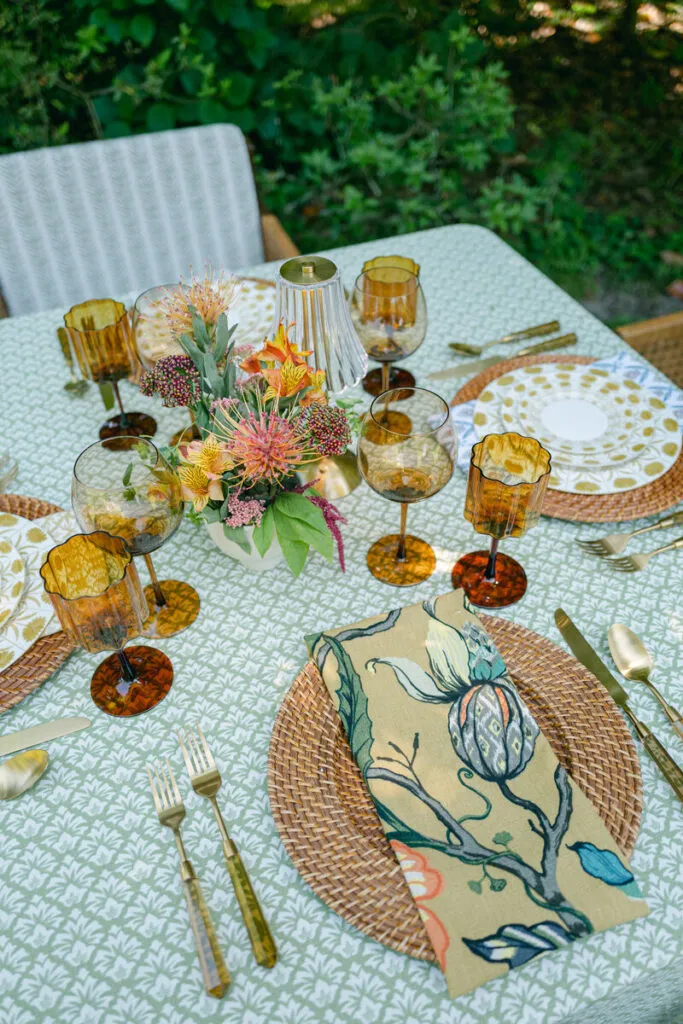
A refined table setting is the result of thoughtful coordination rather than individual elements standing alone. Linens, centerpieces, lighting, and tableware each contribute to the overall composition, shaping how a table is perceived from the first glance to the final moments of an event. When these components are aligned with intention, they create a setting that feels balanced, inviting, and visually complete.
Designing with this level of cohesion requires an understanding of how materials, textures, and light interact across the table. The softness of linen, the structure of tableware, the presence of a centerpiece, and the influence of lighting all work together to define the atmosphere. With a considered approach, these elements can be brought into harmony, allowing the table to reflect a clear vision while enhancing the overall event experience.
Bringing Cohesion to Luxury Table Settings Through Thoughtful Coordination
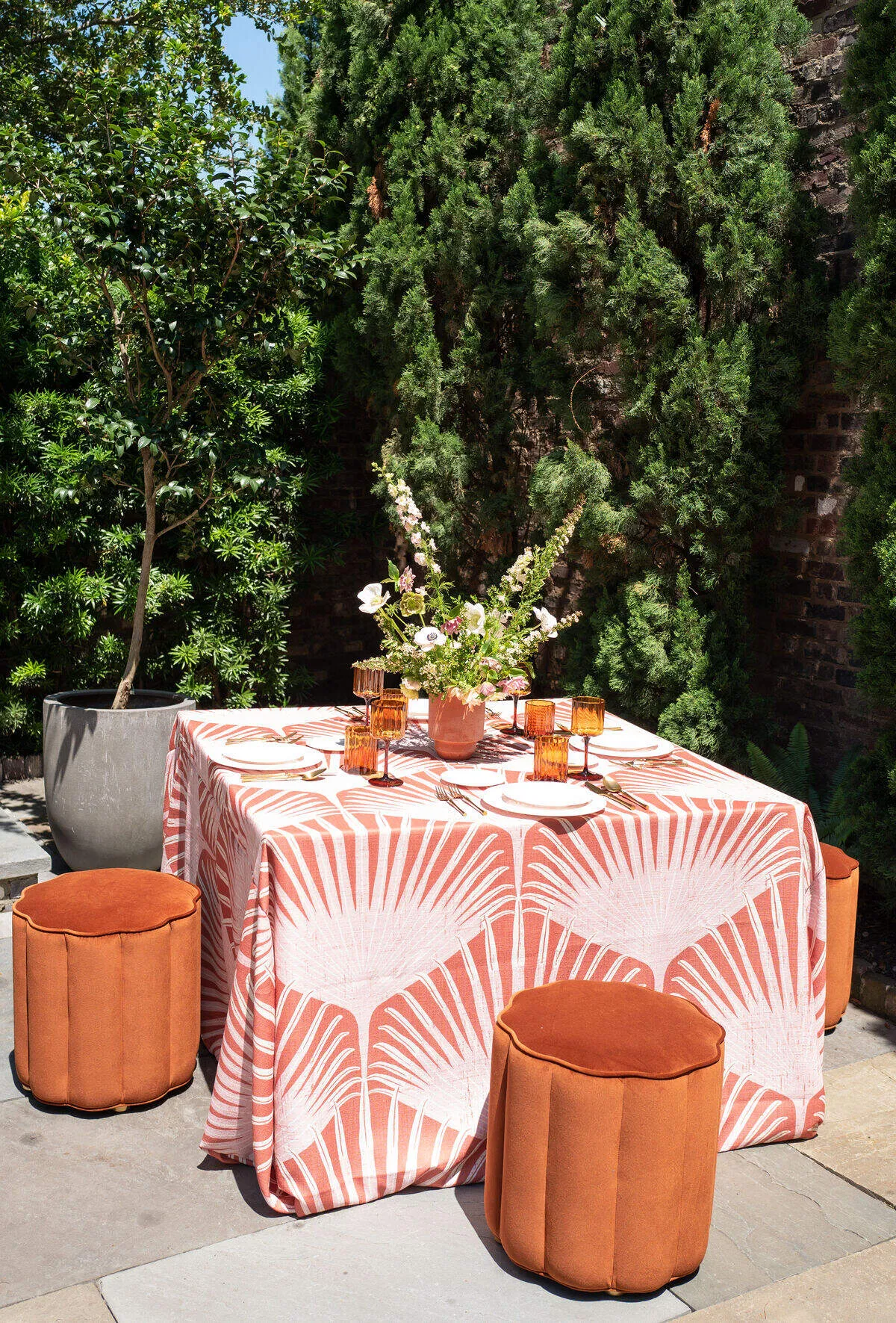
A well-composed table setting relies on how each element relates to the others rather than how any single feature stands on its own. Linens, centerpieces, lighting, and tableware must work in concert to create a sense of balance that feels natural and intentional. When these components are considered together from the outset, the table develops a clarity that supports the overall design of the event.
Understanding the Relationship Between Key Table Elements
Each element on the table plays a distinct role, yet their interaction defines the final outcome. Linens establish the base, centerpieces draw focus, lighting shapes perception, and tableware adds structure. Recognising how these roles intersect allows for decisions that feel cohesive rather than assembled.
Establishing a Clear Design Direction
A strong design direction provides a framework for all styling choices. Whether the event leans toward a classic, modern, or organic aesthetic, this vision guides how colors, textures, and materials are selected. With a clear direction in place, each element contributes to a unified composition.
Creating Visual Balance Across the Table
Balance is achieved through proportion, spacing, and restraint. Distributing visual weight evenly across the table ensures that no single element dominates unnecessarily. This approach allows the table to feel composed from every angle, creating a setting that is both structured and inviting.
Using Linen as the Visual Anchor of the Table
Linen serves as the foundation that supports every other element on the table. Its color, texture, and drape influence how centerpieces, tableware, and lighting are perceived, making it a central point of coordination. Selecting the right linen establishes a base that allows additional layers to build naturally and cohesively.
Choosing Linen Textures That Support the Overall Design
The texture of linen sets the tone for the table. Smooth finishes create a more formal and polished look, while textured weaves introduce softness and depth. Choosing a texture that aligns with the event style helps ensure that all elements feel connected.
Selecting Colors That Guide the Tablescape
Linen color acts as a reference point for the entire table setting. It influences how other colors appear and interact, from florals to tableware. A well-chosen base color allows for subtle layering while maintaining clarity in the overall palette.
Adapting Linen Choices to Event Style and Setting
Different settings call for different linen approaches. Indoor venues may support more structured fabrics, while outdoor environments benefit from lighter, more fluid materials. Aligning linen choices with the setting ensures that the table feels appropriate and well-integrated into its surroundings.
Coordinating Centerpieces to Complement Linen Settings
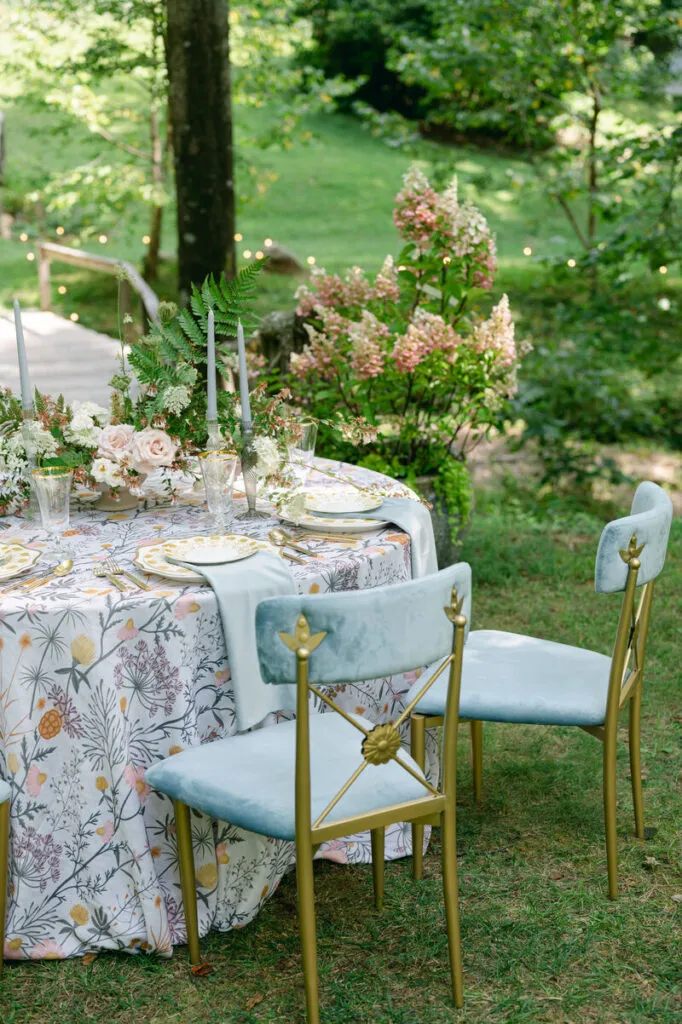
Centerpieces establish the focal point of the table, yet their impact depends on how well they relate to the linen beneath them. A successful pairing allows both elements to enhance one another without competing for attention. When centerpieces are selected with the linen in mind, the table gains a sense of clarity and visual continuity.
Matching Centerpiece Style with Linen Texture
The style of the centerpiece should reflect the character of the linen. Soft, organic linens pair well with natural floral arrangements, while smoother, more structured fabrics support sculptural or minimal designs. This alignment ensures that the table feels cohesive rather than layered without intention.
Balancing Height, Scale, and Proportion
Proportion plays a key role in how centerpieces are perceived. Taller arrangements can create drama, while lower designs encourage interaction and visibility across the table. Maintaining balance between height and scale allows the centerpiece to stand out while still feeling integrated into the overall composition.
Integrating Color Between Linens and Florals
Color connections between linens and centerpieces help unify the table. Repeating tones from the linen in the floral arrangement, or introducing complementary shades, creates a seamless transition between elements. This approach keeps the palette consistent while allowing for variation and depth.
Enhancing Linen Through Strategic Lighting Design
Lighting shapes how the entire table setting is experienced, influencing both atmosphere and visual detail. It affects how linen textures are perceived, how colors appear, and how the table evolves from day to evening. When planned thoughtfully, lighting enhances the qualities of each element without overwhelming them.
How Lighting Affects Fabric Texture and Color
Different lighting conditions can alter how linen appears. Soft, diffused light reveals texture and depth, while stronger directional light can create contrast and highlight specific details. Understanding these effects allows for choices that flatter both fabric and color.
Layering Ambient, Accent, and Decorative Lighting
A layered lighting approach brings dimension to the table. Ambient lighting provides an overall glow, accent lighting highlights key areas, and decorative elements such as candles introduce warmth. Together, these layers create a balanced and inviting atmosphere.
Creating Atmosphere with Candlelight and Soft Illumination
Candlelight introduces a gentle, flickering quality that enhances the softness of linen and adds a sense of intimacy. When combined with subtle overhead lighting, it creates a setting that feels warm and composed. This balance allows the table to remain visually engaging throughout the event.
Selecting Tableware That Completes the Tablescape
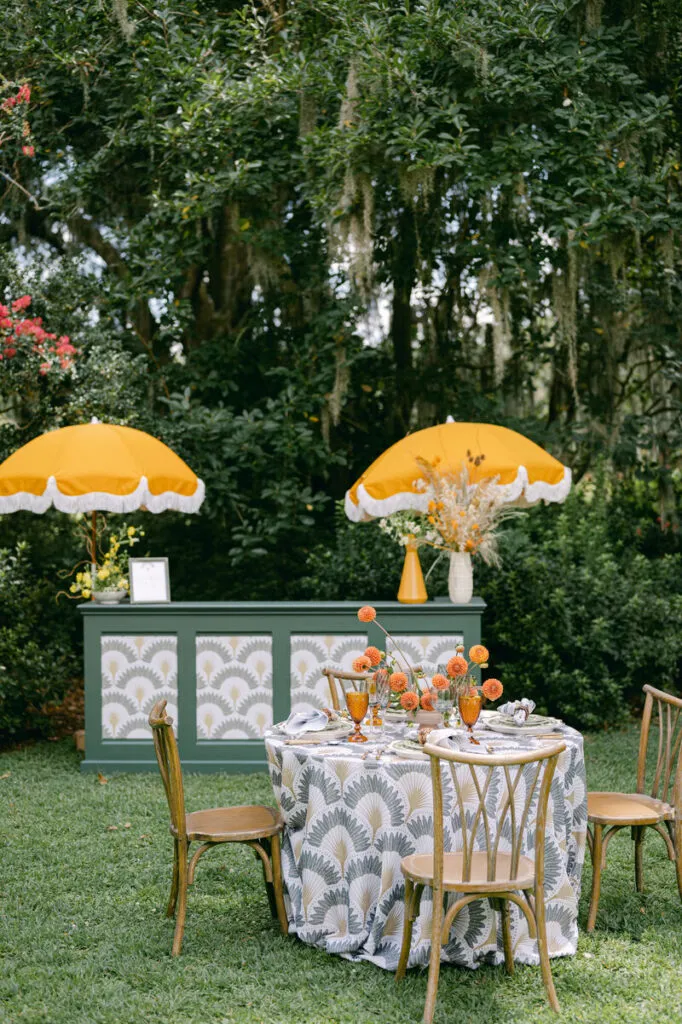
Tableware introduces structure and definition to the table, guiding how each place setting is experienced. Its material, finish, and form should align with the linen and surrounding elements to create a cohesive composition. When chosen with care, tableware reinforces the overall design without drawing attention away from it.
Pairing Materials with Linen Textures
The relationship between tableware and linen begins with texture. Smooth porcelain complements refined linens, while more tactile ceramics pair well with textured weaves. Glass and metallic elements can introduce contrast, adding clarity and subtle variation without disrupting balance.
Coordinating Colors and Finishes Across Elements
Color consistency across tableware and linen helps maintain a unified palette. Neutral tableware offers flexibility and allows linen textures to stand out, while tonal or complementary pieces can enhance the overall scheme. Finishes such as matte, gloss, or metallic should be selected to support the desired atmosphere.
Balancing Simplicity and Detail in Place Settings
A well-composed place setting balances restraint with thoughtful detail. Clean arrangements create a sense of order, while small accents such as chargers or napkin styling add refinement. This approach ensures that each setting feels complete without becoming overly complex.
Integrating Color, Texture, and Material for a Unified Look
A cohesive table setting emerges when color, texture, and material are considered together. Each element should contribute to a shared visual language, allowing the table to feel connected rather than assembled from separate parts. This integration brings clarity and depth to the overall design.
Building a Consistent Color Story
A defined color palette provides direction for all design decisions. Repeating tones across linens, centerpieces, and tableware creates continuity, while subtle variations add interest. Keeping the palette focused helps maintain a sense of harmony throughout the table.
Layering Textures Without Overcomplicating the Design
Texture adds dimension, yet it should be introduced with intention. Combining a few complementary textures creates depth while preserving simplicity. This measured approach allows each material to be appreciated without overwhelming the composition.
Ensuring Harmony Across All Table Elements
Harmony is achieved when every element feels connected in both purpose and appearance. Linens, centerpieces, lighting, and tableware should support one another, creating a table that feels balanced from every perspective. This cohesion results in a setting that feels refined, inviting, and thoughtfully designed.
Adapting Table Settings to Seasonal and Event Themes
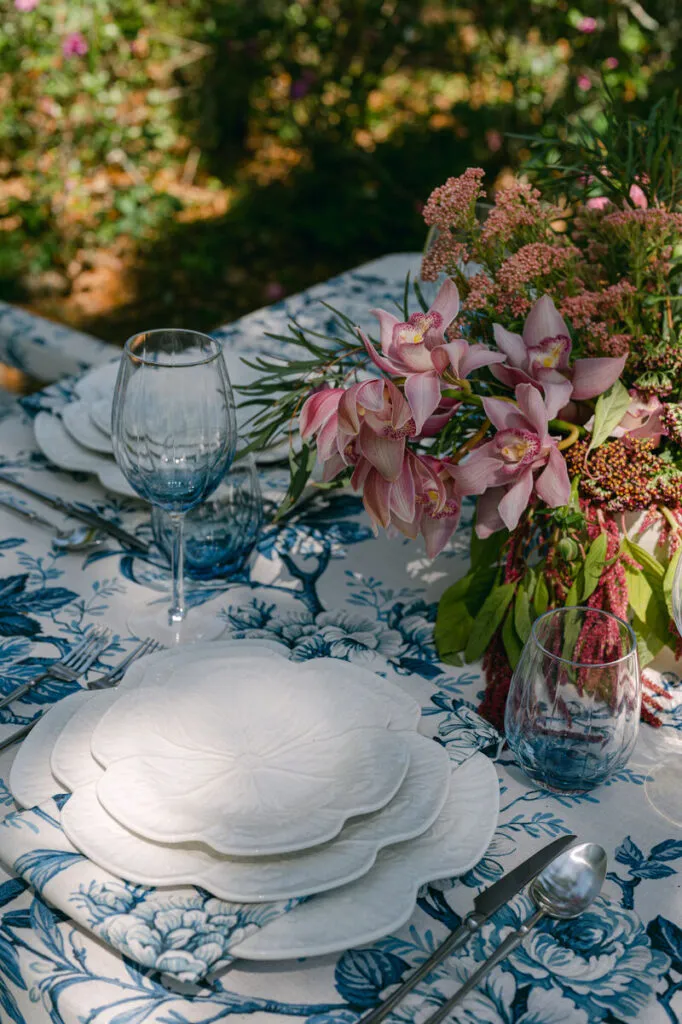
Every event carries its own atmosphere, shaped by season, location, and overall concept. Adapting table settings to reflect these factors allows the design to feel appropriate and intentional. When linens, centerpieces, lighting, and tableware respond to the theme, the table becomes an extension of the event rather than a separate element.
Seasonal Adjustments in Color and Fabric
Seasonal shifts influence both color and material choices. Lighter tones and breathable fabrics suit spring and summer, while deeper hues and richer textures align with autumn and winter settings. Adjusting these elements ensures that the table reflects the time of year while maintaining a refined appearance.
Aligning Table Elements with Event Themes
Each event theme calls for a distinct combination of materials and styling. A modern setting may favour clean lines and minimal textures, while a more traditional or romantic theme benefits from softer fabrics and layered details. Aligning all elements with the chosen theme creates a cohesive and recognisable aesthetic.
Creating Flexibility Within a Defined Style
While consistency is important, allowing for subtle variation within a defined style keeps the table visually engaging. Small changes in texture, tone, or arrangement can introduce interest without disrupting the overall composition. This flexibility ensures the design feels considered rather than repetitive.
Lessons from High-End Event Styling for Coordinated Tables
Experienced event designers approach table styling with a clear understanding of how each detail contributes to the whole. Their methods emphasise precision, balance, and a strong sense of cohesion. Observing these principles offers valuable insight into creating tables that feel elevated and complete.
The Importance of Detail in Table Composition
Small details often define the overall impression of a table. Elements such as napkin placement, spacing between items, and alignment of tableware contribute to a sense of order and refinement. Attention to these details ensures that the table feels carefully arranged.
Maintaining Consistency Across Multiple Tables
In larger events, consistency across tables reinforces the overall design. Repeating key elements such as linen color, centerpiece style, and tableware creates a unified look throughout the space. This consistency helps the event feel cohesive from one area to another.
Designing with Guest Experience in Mind
A well-designed table considers not only appearance but also functionality. Guests should feel comfortable and able to interact easily across the table. Balancing visual appeal with practical considerations results in a setting that is both elegant and welcoming.
Bringing All Elements Together for a Refined Table Setting
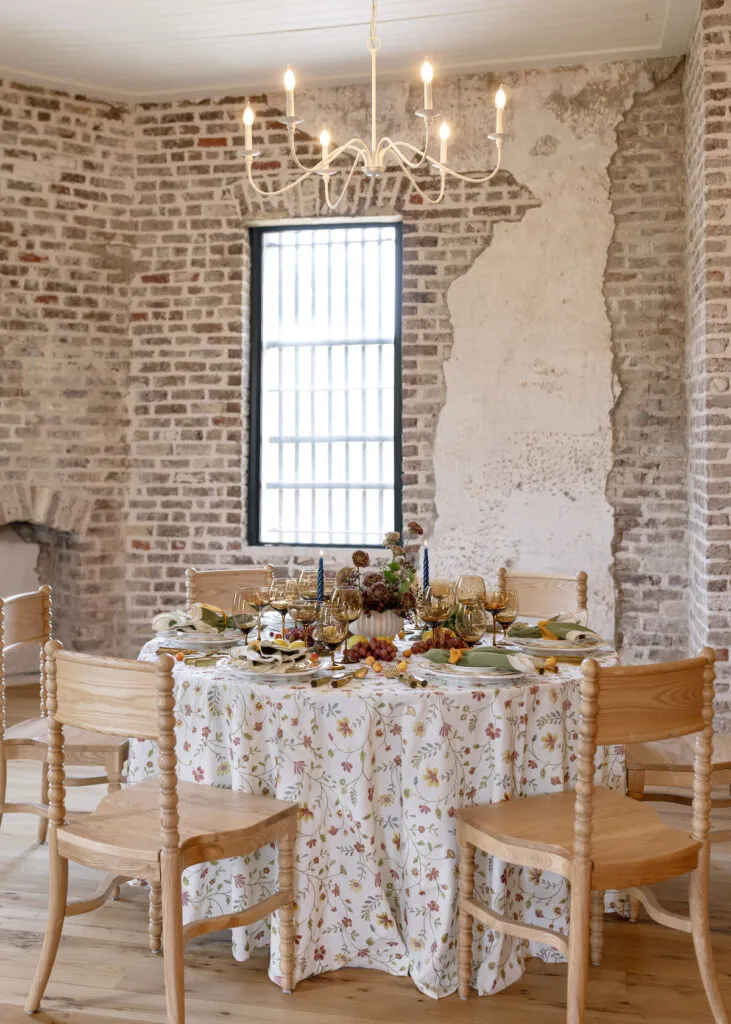
A successful table setting comes together through careful alignment of every element, where nothing feels out of place or overly emphasized. When linen, centerpieces, lighting, and tableware are considered as part of a single composition, the table develops a sense of clarity and purpose. This cohesion allows the design to feel complete while maintaining a natural flow across each detail.
Final Checks for Cohesion and Balance
Before the event begins, reviewing the table as a whole ensures that all elements are working together as intended. Observing how colors, textures, and proportions interact helps identify any areas that feel too heavy or too minimal. Small adjustments at this stage can refine the overall presentation.
Avoiding Common Coordination Mistakes
Over-layering, mismatched tones, or competing focal points can disrupt the harmony of a table. Keeping the design focused and intentional allows each element to contribute without overwhelming the composition. A restrained approach often leads to a more refined and balanced result.
Elevating the Table Through Subtle Refinements
Subtle details can enhance the overall effect without drawing attention to themselves. Adjusting napkin placement, refining spacing, or introducing a slight variation in texture can bring depth to the table. These refinements contribute to a setting that feels considered and complete.
Conclusion
Coordinating linen table settings requires a thoughtful approach that considers how each element interacts within the overall design. When linens, centerpieces, lighting, and tableware are aligned with intention, they create a setting that feels cohesive and visually engaging. This balance allows the table to support the atmosphere of the event while maintaining a refined presence.
By focusing on harmony, proportion, and detail, it becomes possible to create table settings that leave a lasting impression. A well-coordinated table does more than enhance the visual appeal of an event. It contributes to an experience that feels complete, inviting, and carefully composed from beginning to end.