
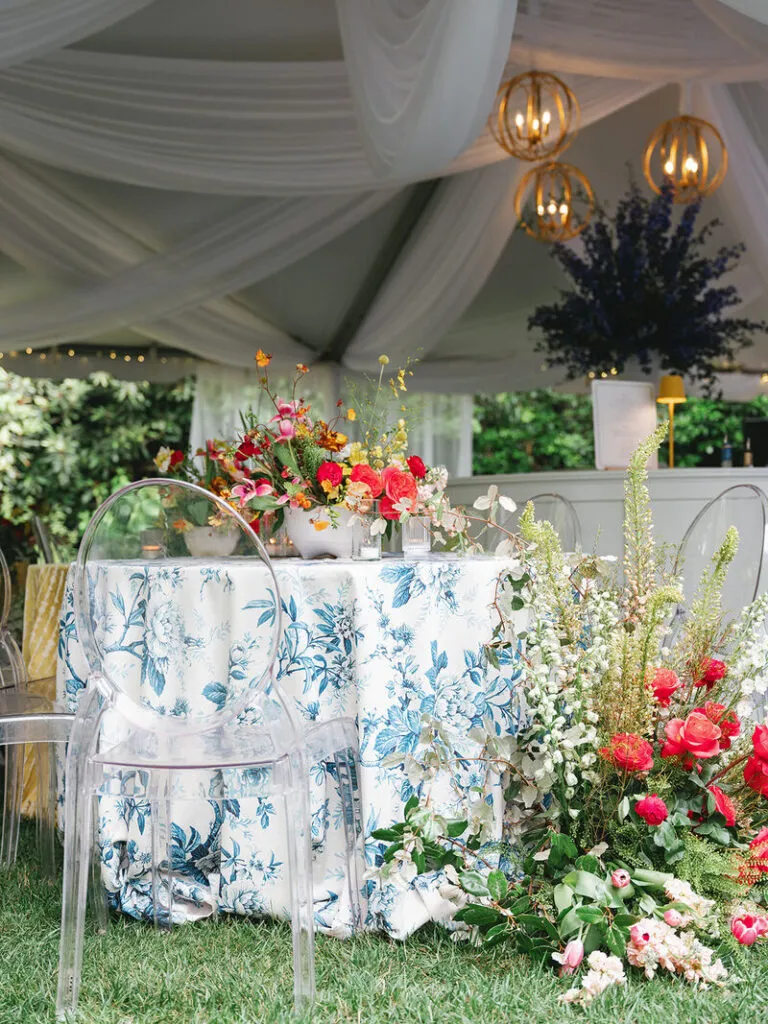
Summer events unfold in settings where the environment becomes part of the design. Open skies, natural light, and surrounding landscapes influence how every element is perceived, from the overall layout to the smallest detail on the table. Linen plays a central role within this context, offering a foundation that feels both refined and naturally suited to the season.
When styled with intention, linen table settings bring together comfort, texture, and visual clarity. They allow the table to feel integrated with its surroundings rather than separate from them. Whether set against a coastal backdrop or within a garden setting, the right approach to linen creates a sense of ease while maintaining a polished and cohesive presentation.
Designing Table Settings That Reflect the Spirit of Summer Events

Summer table settings benefit from an approach that considers both the environment and the experience of guests. The interplay between natural elements and carefully chosen materials shapes how the table is perceived, creating a setting that feels open, inviting, and thoughtfully composed. Linen supports this balance by providing a soft, adaptable base that works across a variety of outdoor and destination contexts.
How Outdoor Settings Influence Table Design Choices
Outdoor environments introduce natural textures, colors, and movement that inform design decisions. Tables set in gardens, coastal areas, or open landscapes benefit from materials that complement rather than compete with their surroundings. Linen, with its organic texture, allows the table to feel connected to the setting while maintaining a refined appearance.
Creating a Balance Between Ease and Elegance
A successful summer table setting feels relaxed without losing its sense of structure. Lightweight linens, simple layering, and restrained detailing contribute to a composition that feels effortless. This balance ensures that the table remains visually composed while allowing guests to feel comfortable and at ease.
Letting the Environment Guide Styling Decisions
The most effective table settings respond to their surroundings. Color palettes, textures, and decorative elements can be drawn from the landscape to create a cohesive visual language. When the environment informs these choices, the result is a table that feels natural, harmonious, and aligned with the overall atmosphere of the event.
Understanding the Appeal of Premium Linen in Outdoor Settings
Linen lends itself naturally to outdoor and destination events through its texture, movement, and ability to adapt to changing conditions. It carries a quiet elegance that does not rely on heavy styling, allowing the table to feel refined while remaining in harmony with its surroundings. This balance makes linen a dependable choice for settings where both aesthetics and comfort are equally important.
The Visual and Tactile Qualities of Linen
The surface of linen introduces a soft, organic texture that adds depth without overwhelming the table. Its subtle variations in weave catch light gently, creating dimension that shifts throughout the day. This quality allows the fabric to feel visually engaging while maintaining a calm and composed presence.
Choosing the Right Weight for Outdoor Conditions
The weight of linen influences how it behaves in open environments. Lighter linens create a flowing, relaxed effect that suits still settings, while slightly heavier options provide more stability in breezy conditions. Selecting the appropriate weight ensures that the table remains structured while preserving a sense of ease.
How Linen Enhances Movement and Flow in Open Spaces
Linen responds naturally to movement, whether from a passing breeze or the rhythm of the event. This gentle motion contributes to an atmosphere that feels dynamic yet controlled. Rather than appearing rigid, the table setting maintains a softness that aligns with the openness of outdoor spaces.
Building Light and Airy Table Settings with Neutral Palettes
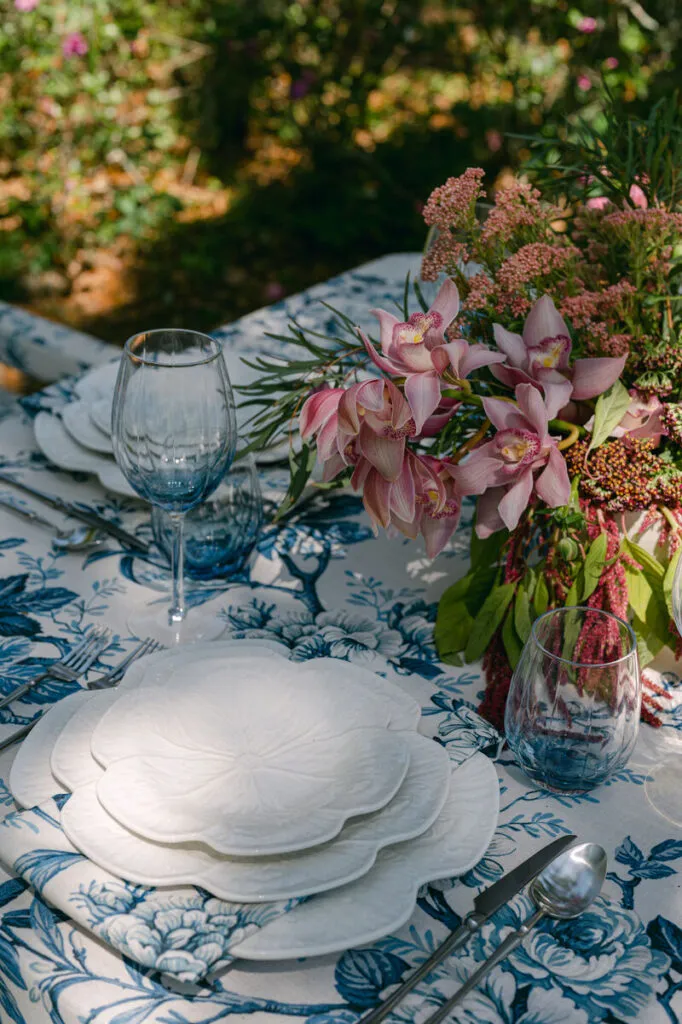
Neutral palettes create a foundation that allows outdoor settings to feel expansive and visually calm. These tones reflect natural light and support a cohesive composition, ensuring that the table integrates seamlessly with its surroundings. When applied thoughtfully, neutral colors bring clarity and balance to the overall design.
Using Neutrals to Create a Refined Base
Soft tones such as ivory, cream, and warm beige establish a clean and understated base. These colors allow textures and shapes to take focus, ensuring that the table feels layered without relying on contrast. A neutral foundation also offers flexibility when introducing additional elements.
Layering Subtle Tones for Depth
Depth can be achieved by combining variations within a similar color range. Pairing slightly different shades of linen introduces dimension while maintaining a cohesive look. This tonal layering creates visual interest that feels intentional and restrained.
Introducing Gentle Accents Without Overpowering the Setting
Accents in muted hues can be incorporated to add character to the table. Soft greens, blush tones, or earthy shades can be introduced through napkins or small decorative details. These additions enhance the palette while preserving the lightness of the overall composition.
Styling Linen Tables with Natural and Seasonal Elements
Natural elements bring authenticity to outdoor table settings, reinforcing the connection between the table and its environment. When combined with linen, these details create a composition that feels grounded, cohesive, and reflective of the season.
Incorporating Florals, Greenery, and Natural Textures
Fresh florals and greenery introduce color and softness that complement the texture of linen. Arrangements that feel organic in shape and scale work particularly well, allowing the table to feel relaxed while still composed. Natural materials such as wood or stone can further enhance this effect.
Using Local Elements for Destination Events
In destination settings, incorporating locally sourced elements adds a sense of place to the table. Native flowers, regional materials, or subtle cultural references can create a connection between the design and the location. This approach allows the table to feel specific and thoughtfully curated.
Creating a Sense of Place Through Styling
A well-styled table reflects its surroundings without imitation. By drawing inspiration from the landscape, color palette, and atmosphere, it becomes possible to create a setting that feels integrated and complete. Linen supports this process by providing a versatile base that adapts to different environments while maintaining a consistent sense of refinement.
Creating Effortless Elegance with Layering Techniques
Layering introduces depth and structure to a table setting while preserving a sense of lightness that suits summer events. When done with restraint, it allows each element to contribute to the overall composition without overwhelming the design. Linen, with its adaptable texture, provides an ideal foundation for building these layers in a way that feels natural and refined.
Combining Tablecloths, Runners, and Placemats
A layered table often begins with a base cloth that establishes the overall tone. Adding a runner or placemats introduces contrast in texture or color, helping define individual place settings while maintaining cohesion. This combination creates dimension without disrupting the simplicity of the design.
Styling Napkins for Subtle Detail
Napkins offer an opportunity to introduce detail in a controlled way. Whether folded cleanly or styled with a gentle drape, they contribute to the rhythm of the table. Coordinating napkin color and placement with other elements ensures that they feel integrated rather than decorative.
Keeping the Overall Composition Balanced
Layering works best when it is measured. Limiting the number of elements and maintaining consistency in tone helps preserve clarity across the table. This approach allows each layer to be appreciated while ensuring the overall setting remains composed.
Adapting Linen Table Settings for Destination Weddings
Destination weddings require a thoughtful approach that considers both the character of the location and the practicalities of working in a remote or unfamiliar setting. Linen supports this process by offering flexibility in styling while remaining easy to manage across different environments.
Designing for Coastal, Garden, and Countryside Settings
Each location presents unique visual cues that can guide table design. Coastal settings benefit from lighter palettes and flowing fabrics, while garden environments pair well with soft textures and natural tones. Countryside venues often call for a slightly more grounded palette that reflects the surrounding landscape.
Working with Local Materials and Resources
Incorporating locally sourced elements adds authenticity to the table setting. Regional florals, handcrafted accessories, or materials that reflect the area can enhance the overall design. These details create a connection between the table and its location, making the setting feel more intentional.
Simplifying Setup While Maintaining Impact
Destination events often involve logistical considerations that benefit from a streamlined approach. Choosing linens that are easy to transport and style helps ensure efficient setup without compromising visual impact. A focused design with fewer, well-chosen elements can achieve a refined result with less complexity.
Managing Outdoor Conditions Without Compromising Style
Outdoor settings introduce variables that can affect both the appearance and performance of table linens. Preparing for these conditions allows the table to maintain its structure and elegance throughout the event. With the right adjustments, it is possible to balance practicality with a polished presentation.
Securing Linens and Maintaining Structure
Movement from wind or uneven surfaces can disrupt table settings if not addressed in advance. Using discreet methods to secure linens helps maintain their placement while preserving a clean appearance. A stable foundation ensures that the table remains composed from start to finish.
Handling Light, Heat, and Environmental Exposure
Natural light and temperature changes influence how fabrics appear and feel over time. Positioning tables with awareness of sunlight and shade can help maintain comfort and visual consistency. Choosing linens that respond well to these conditions supports a more stable and refined setting.
Practical Adjustments During the Event
Small adjustments during the event can preserve the overall presentation. Smoothing linens, refreshing arrangements, or making minor corrections ensures that the table continues to feel intentional. These efforts contribute to a setting that remains polished and inviting as the event progresses.
Selecting Colors That Reflect Destination and Seasonal Context
Color choices for outdoor and destination events are most effective when they respond to both the landscape and the time of year. Rather than standing apart, the palette should feel integrated with the surroundings, allowing the table to sit naturally within its environment. When color is approached with this level of intention, the overall setting feels cohesive and visually grounded.
Coastal, Tropical, and Landscape-Inspired Palettes
Different destinations suggest distinct color directions. Coastal settings often benefit from soft neutrals with hints of blue or sandy tones, while tropical locations can support more saturated accents balanced by lighter bases. Countryside or mountain venues align well with muted greens, warm neutrals, and earth-inspired shades that reflect the natural landscape.
Adjusting Colors for Time of Day and Lighting
Color perception shifts throughout the day, influenced by natural light and evening illumination. Softer tones tend to appear brighter in daylight, while deeper hues gain richness as the light fades. Considering these changes when selecting linens ensures that the table maintains its intended appearance from daytime gatherings through evening celebrations.
Maintaining Consistency Across Table Elements
Consistency in color across linens, tableware, and decorative elements creates a unified composition. Repeating key tones in subtle ways helps connect each part of the table without making the palette feel repetitive. This approach allows for variation while preserving a clear and cohesive visual direction.
Caring for Linen to Preserve Its Beauty Throughout the Event
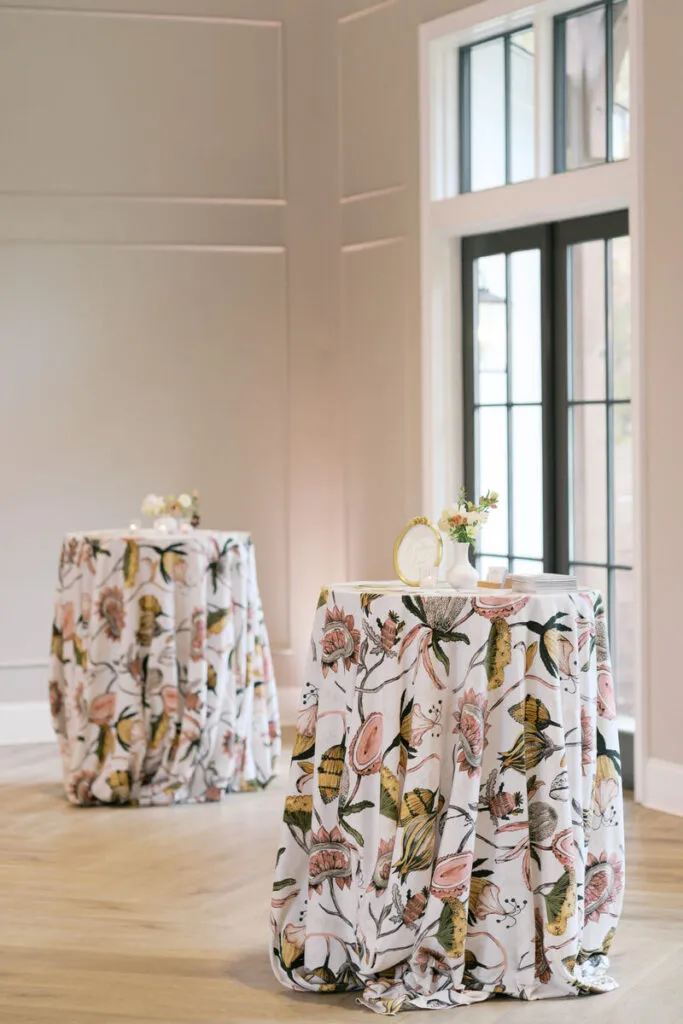
Maintaining the appearance of linen throughout an outdoor event requires attention to both preparation and ongoing care. When handled thoughtfully, linens retain their texture and structure, allowing the table to remain polished from initial setup to the final moments of the gathering.
Preparing Linens Before Setup
Proper preparation ensures that linens are ready to perform as intended. Pressing fabrics carefully and transporting them in a way that minimizes creasing helps achieve a clean starting point. Taking time at this stage supports a more refined presentation once the table is set.
Managing Spills and Creases On-Site
Outdoor events can introduce minor challenges such as spills or fabric movement. Addressing these quickly with simple adjustments helps maintain the overall appearance. Gentle handling and timely attention ensure that linens continue to look composed throughout the event.
Storing and Reusing Linens After the Event
After the event, proper storage preserves the quality of the linens for future use. Keeping fabrics in a cool, dry environment and folding them with care helps maintain their structure and texture. These practices extend the life of the linen while ensuring it remains suitable for future occasions.
Incorporating Thoughtful and Responsible Material Choices
Material selection for summer events increasingly reflects a preference for natural, well-considered design. Linen aligns naturally with this approach, offering both visual refinement and a sense of intention in how elements are sourced and used. When chosen thoughtfully, materials contribute not only to the aesthetic of the table but also to the overall character of the event.
Choosing Natural Materials for Outdoor Harmony
Natural materials integrate seamlessly into outdoor environments, reinforcing a sense of connection between the table and its surroundings. Linen, paired with elements such as wood, stone, or ceramic, creates a composition that feels grounded and cohesive. These combinations allow the table to reflect the setting while maintaining a refined presence.
Supporting Responsible Sourcing Practices
Selecting linens from sources that prioritise quality and transparency ensures consistency in both appearance and performance. Materials that are carefully produced often carry a level of craftsmanship that enhances their texture and durability. This attention to sourcing supports a more thoughtful and elevated approach to event design.
Balancing Sustainability with Design Goals
Sustainable choices can be integrated without compromising visual appeal. Neutral palettes, reusable elements, and high-quality fabrics that endure across multiple uses all contribute to a design that feels intentional. This balance allows the table to reflect both aesthetic clarity and a mindful approach to material selection.
Creating a Cohesive Outdoor Tablescape from Start to Finish
A cohesive table setting is achieved when every element works together to support a unified vision. Linen, color, texture, and decorative details should align in a way that feels natural and well-resolved. When each component is considered as part of a larger composition, the table becomes an integral part of the overall event experience.
Establishing a Clear Styling Process
A structured approach to styling helps ensure consistency across all tables. Beginning with a base linen, then layering additional elements in a considered sequence, allows the design to develop with clarity. This process supports a balanced and intentional outcome.
Repeating Key Elements for Visual Continuity
Repetition of specific colors, textures, or details across multiple tables creates a sense of rhythm within the space. These repeated elements help unify the setting, allowing guests to experience a consistent design language throughout the event.
Final Touches That Elevate the Experience
Small refinements bring the entire tablescape together. Adjusting spacing, aligning elements, and ensuring that each detail feels deliberate contribute to a polished result. These finishing touches reinforce the overall sense of cohesion, creating a table setting that feels complete and memorable.
Frequently Asked Questions
What makes linen ideal for outdoor and destination events?
Linen performs well in outdoor settings due to its breathable structure and natural texture. It allows air to circulate, helping maintain comfort in warm conditions, while its visual softness complements natural surroundings. Its ability to adapt to light and movement also makes it well suited to open-air environments.
How can I create a cohesive linen table setting for a destination event?
Begin with a clear color palette that reflects the location and season. Use linen as the base, then layer complementary elements such as runners, napkins, and natural décor. Repeating key tones and textures across the table helps create continuity while allowing for subtle variation.
Which colors work best for outdoor summer table settings?
Light neutrals and soft tones tend to work well, as they reflect natural light and blend with outdoor surroundings. Shades such as ivory, sand, and muted pastels create a calm and refined atmosphere. Accents can be added through small details to introduce depth without overwhelming the setting.
How do I manage linen table settings in windy or outdoor conditions?
Stability can be maintained by selecting appropriate fabric weights and using discreet methods to secure linens. Positioning tables thoughtfully and minimizing excessive layering also helps preserve the structure of the setting. Small adjustments during the event ensure the table remains composed.
What are simple ways to elevate linen table styling?
Layering textures, refining napkin presentation, and incorporating natural elements can enhance the overall look. Keeping the design focused and intentional allows each detail to contribute without creating visual clutter. Subtle refinements often have the greatest impact.
How should linen be cared for during and after an outdoor event?
Preparation and gentle handling are key. Linens should be pressed before use and monitored throughout the event for minor adjustments. Afterward, proper cleaning and storage in a dry environment help preserve their texture and longevity for future use.
Conclusion
Linen table settings bring a sense of ease and refinement to outdoor and destination events, allowing the design to feel both intentional and connected to its surroundings. Through thoughtful choices in color, texture, and layering, it becomes possible to create tables that are visually cohesive while remaining comfortable and inviting.
By responding to the environment and focusing on subtle details, linen can transform a simple table into a composed and memorable setting. When approached with care, these elements come together to create an experience that feels balanced, natural, and enduring in its elegance.