

Layering linens creates depth, structure, and visual impact within a table setting. It transforms flat surfaces into composed, multi-dimensional designs by combining color, texture, and proportion. Each layer contributes to the overall composition, allowing the table to feel refined and visually complete.
Effective layering relies on clarity and balance. A well-structured combination of base linens, overlays, and accents guides the eye across the table while maintaining cohesion. When applied with precision, layering elevates the entire tablescape and defines a more sophisticated presentation.
How Linen Layering Transforms Table Settings
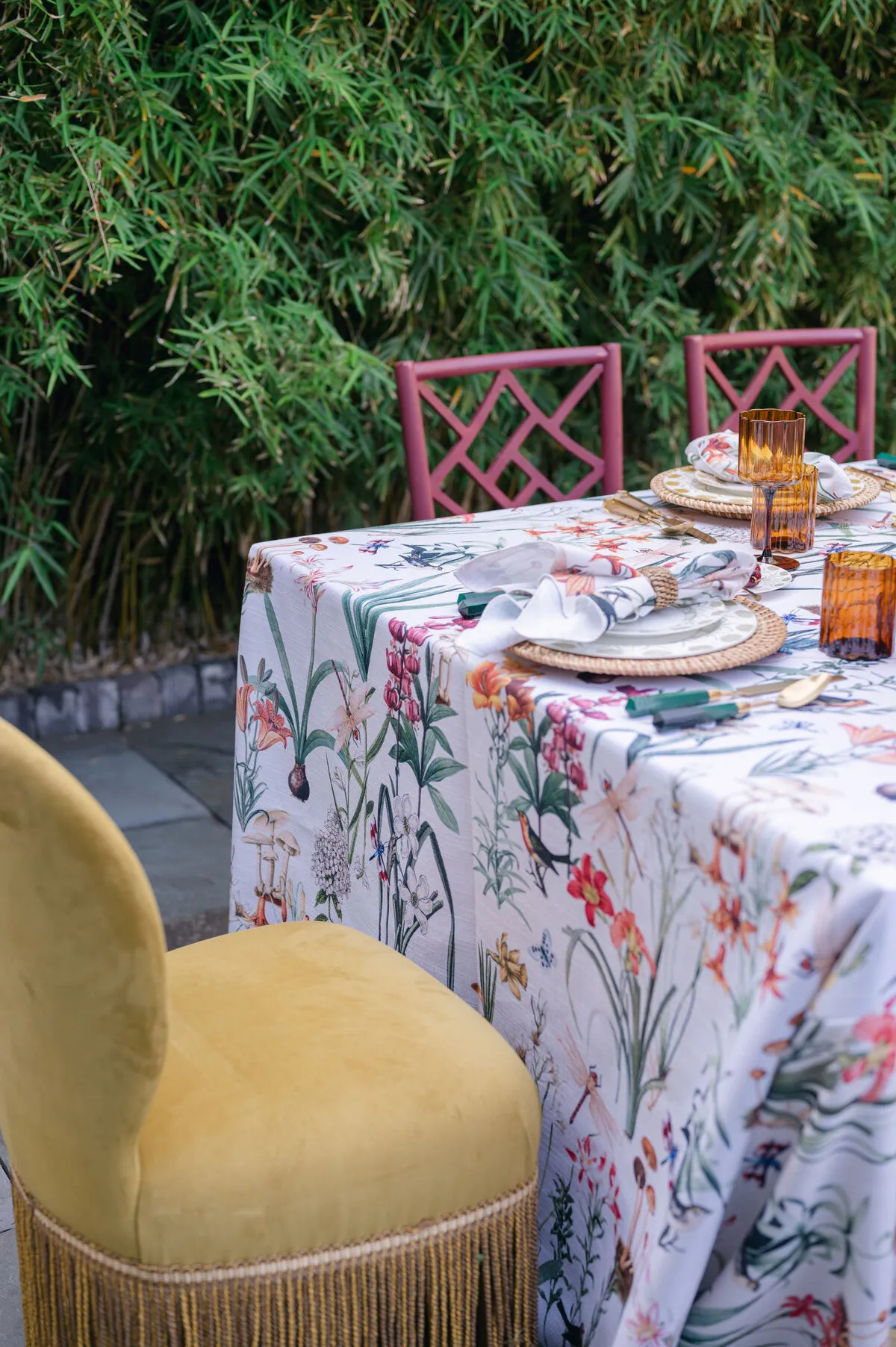
Linen layering shapes how a table is perceived by introducing dimension and visual hierarchy. It allows each element to build upon the previous one, creating a structured composition that feels intentional and elevated. The interaction between layers adds depth without relying on additional decor.
The role of layering in creating depth and dimension
Layering introduces variation in both texture and tone, which prevents the table from appearing flat. Each layer reveals a portion of the one beneath it, creating contrast and visual interest. This controlled exposure establishes depth and gives the table a more dynamic presence.
Why layered linens define high-end table design
Layered linens signal attention to detail and precision in styling. The arrangement of multiple elements in a cohesive structure reflects a considered approach to design. This level of refinement enhances the overall aesthetic, allowing the tablescape to feel polished and complete.
Foundational Elements of Linen Layering
A successful layered tablescape begins with a strong foundation. The base linen sets the tone for the entire composition, influencing how additional layers are introduced and perceived. Careful selection at this stage ensures that every element added later integrates seamlessly.
Selecting a base linen that anchors the design
The base linen establishes the primary color and surface of the table. It should provide a consistent and balanced backdrop that supports overlays, runners, and place settings. Neutral or tonal foundations often allow greater flexibility when building layers.
Understanding drape, weight, and finish in layered compositions
Drape and fabric weight determine how linen falls across the table and interacts with other layers. A well-structured base holds its shape, while softer fabrics introduce movement. The finish, whether matte or slightly reflective, influences how light interacts with the surface and affects the overall visual clarity.
Choosing Linen Textures for Dimensional Styling
Texture defines how layers interact and contributes to the perception of depth. A thoughtful mix of textures creates variation while maintaining cohesion, allowing the tablescape to feel visually rich without becoming overwhelming.
Pairing matte and subtle sheen finishes
Combining matte linens with fabrics that have a slight sheen introduces contrast. This difference in finish allows each layer to stand out while maintaining a balanced composition.
Using texture contrast to create visual hierarchy
Contrasting textures help establish order within the design. A more prominent texture can act as a focal layer, while smoother fabrics provide support and clarity.
Introducing detail without overwhelming the composition
Subtle texture variations add interest without disrupting balance. Controlled use of detail ensures that the table remains refined, with each layer contributing to the overall design.
Color Coordination for Layered Linen Designs
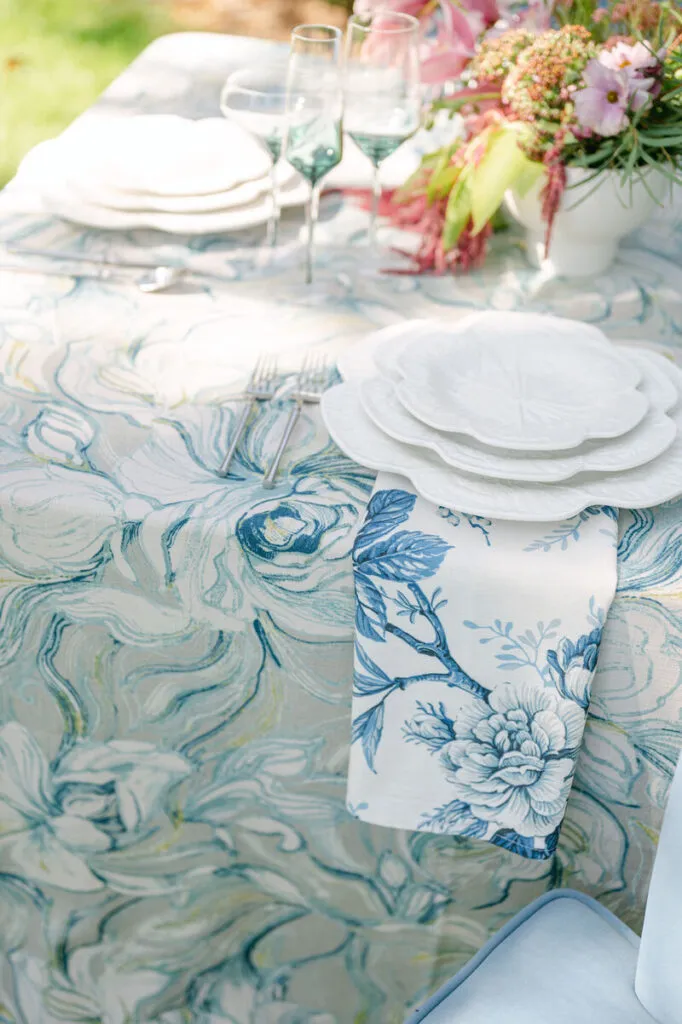
Color guides how layered elements come together visually. A controlled palette ensures that multiple layers work in harmony, preventing the composition from appearing disjointed or overly complex.
Building a controlled palette for layered settings
A clear palette begins with a dominant base color, supported by one or two complementary tones. This structure keeps the design cohesive while allowing for variation across layers. For more detail, see our article How to Design Linen Table Settings That Transition Across Seasons.
Using tonal variation to add depth
Different shades within the same color family create subtle contrast. This approach adds dimension while maintaining a unified appearance.
Introducing accent colors with restraint
Accent colors should be used sparingly to highlight specific elements. When applied with intention, they draw attention without disrupting the overall balance of the tablescape.
Core Layering Techniques for Elevated Table Settings
Layering relies on structure and intentional placement. Each layer should contribute to the overall composition while maintaining clarity. A well-executed approach ensures that the table feels dimensional without appearing excessive.
Structuring the base, overlay, and runner
A clear structure begins with the base linen, followed by an overlay that introduces contrast, and a runner that defines the center of the table. This sequence creates a natural visual flow and establishes hierarchy across the layers.
Creating dimension through proportion and placement
Proportion determines how much of each layer remains visible. Allowing each layer to be partially revealed ensures that the composition feels balanced. Placement should guide the eye across the table without disrupting symmetry.
Ensuring each layer remains visible and intentional
Each layer should have a defined purpose within the design. Avoid covering one layer entirely with another. Visibility maintains depth and ensures that the layering effect remains clear and refined.
How to Layer Tablecloths, Overlays, and Runners Effectively
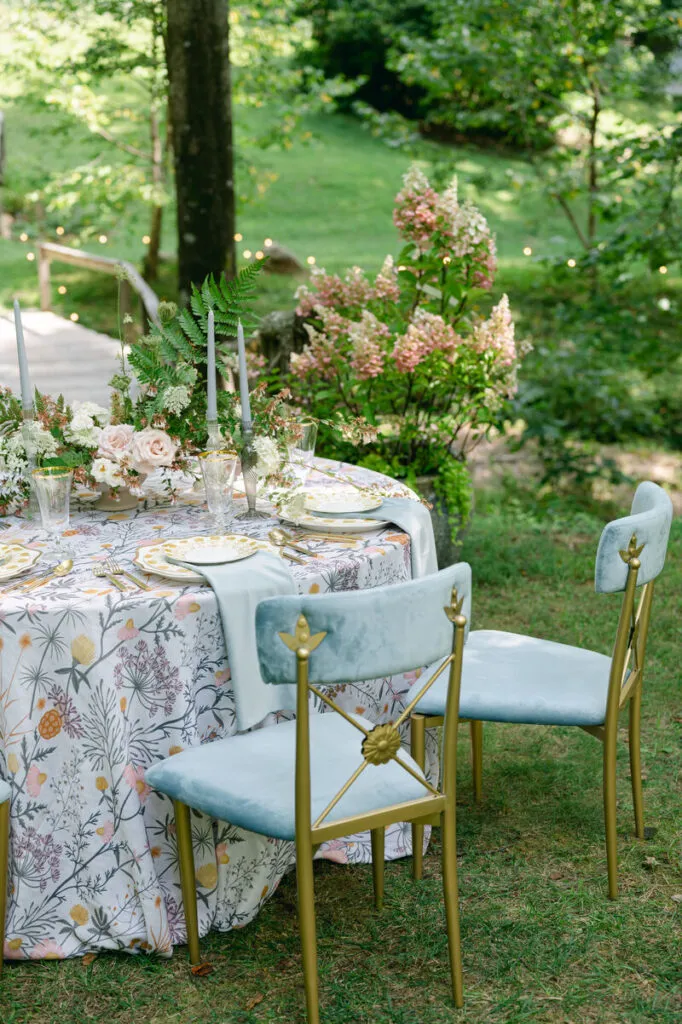
The interaction between tablecloths, overlays, and runners defines the overall structure of the tablescape. Proper layering ensures that each element contributes to a cohesive and polished result.
Establishing a clear layering order
Begin with a well-fitted tablecloth, add an overlay that introduces texture or tonal variation, and finish with a runner to create a focal line. This order maintains clarity and allows each layer to be read individually.
Balancing scale across different table shapes
Layering should respond to the shape and size of the table. Longer tables benefit from linear elements that guide the eye, while round tables require more centered compositions. Scale should remain proportional to avoid imbalance.
Creating focal points through runner placement
Runners act as visual anchors within the composition. Their placement draws attention to the center of the table and frames key elements such as centerpieces. A well-positioned runner enhances structure without overwhelming the design.
Integrating Overlays and Runners for Refined Contrast
Overlays and runners introduce contrast that enhances depth and visual interest. Their combination should feel cohesive, with each element complementing rather than competing.
Combining complementary textures and finishes
Selecting overlays and runners with differing textures creates contrast while maintaining harmony. A subtle shift in finish allows each layer to stand out without disrupting the overall balance.
Using length, placement, and proportion to guide the eye
Varying lengths between overlays and runners creates movement across the table. Proper placement ensures that the eye follows a clear visual path, reinforcing the structure of the design. You may also find How to Choose Between Minimalist and Maximalist Linen Table Settings helpful.
Maintaining cohesion across layered elements
Consistency in color and texture ties all layers together. Even with variation, each element should align with the overall palette and aesthetic, ensuring that the tablescape feels unified and intentional. Read more in Sweetheart and Guest Table Linen Coordination Guide.
Napkin Styling Within Layered Table Settings
Napkins introduce a final layer that refines the composition and reinforces the overall design language. Their color, texture, and placement influence how each place setting reads within the broader tablescape. Read more in Statement vs. Foundation Luxury Event Linens Guide.
Using napkins to reinforce color and texture
Napkins should echo either the dominant palette or a subtle accent tone. This repetition strengthens cohesion across the table. Texture can also be used strategically, with a slightly different weave or finish adding contrast without disrupting balance.
Creating depth through placement and form
Placement determines how the napkin contributes to layering. Positioning it partially over a charger or allowing it to extend beyond the plate introduces dimension. Structured folds create height, while softer folds maintain a more relaxed, fluid look.
Selecting folds that complement layered compositions
The fold should align with the overall aesthetic. Clean, minimal folds support modern and formal settings, while more sculptural folds introduce visual interest. The goal is to enhance the layered composition without drawing attention away from the table as a whole.
Designing Layered Linen Looks for Different Event Types
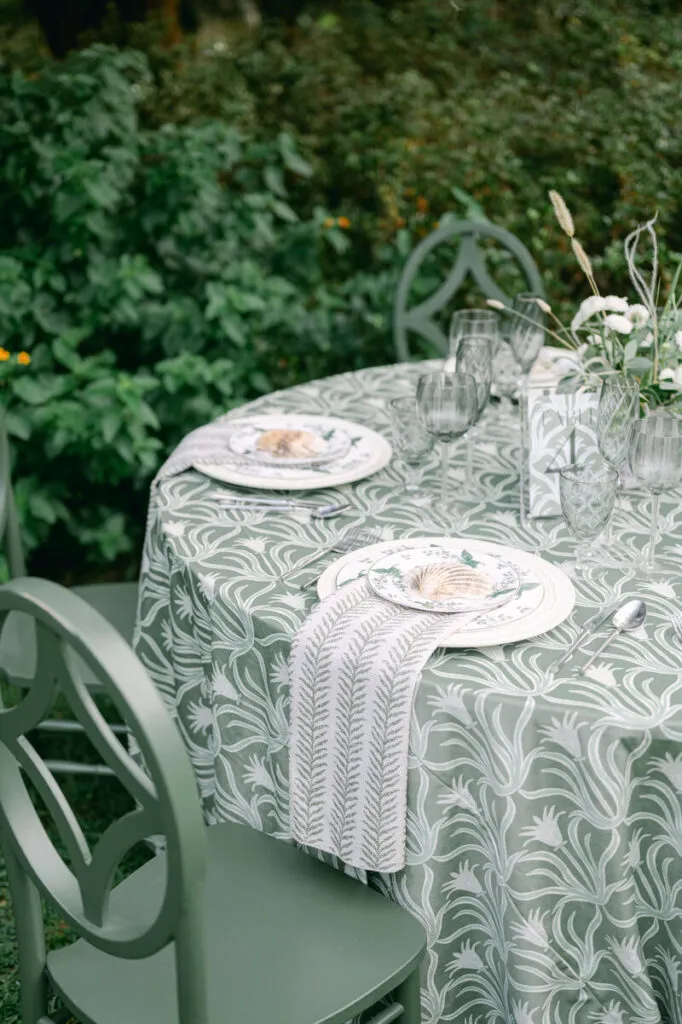
Layering techniques should adapt to the context of the event. The level of formality, setting, and design direction all influence how linens are combined and presented.
Layering approaches for wedding table settings
Wedding tables benefit from softer transitions between layers. Tonal palettes and fluid textures create a sense of continuity, while subtle contrasts add depth. Layers are often more delicate, allowing the overall design to feel cohesive and refined. For more detail, see our article Popular Wedding Table Linen Colors to Elevate Your Event.
Structured layering for corporate and formal events
Corporate settings require clarity and precision. Layering tends to be more restrained, with defined lines and controlled contrasts. Neutral palettes paired with minimal texture variation create a polished and professional appearance.
Adapting layering techniques to the event environment
The surrounding space influences how layers are perceived. In larger venues, slightly bolder contrasts help maintain visual presence. In more intimate settings, softer layering ensures that the table remains balanced without overwhelming the space.
Achieving Balance and Restraint in Layered Designs
A successful layered tablescape maintains clarity despite multiple elements. Balance ensures that each layer contributes to the composition without creating visual clutter.
Avoiding visual clutter in multi-layer settings
Limiting the number of layers and keeping the palette controlled prevents the design from becoming overwhelming. Each addition should serve a purpose rather than fill space.
Using spacing and proportion to maintain clarity
Spacing between elements allows each layer to remain visible. Proportion ensures that no single layer dominates unless intended. This balance creates a clean and structured presentation.
Letting one element lead the composition
Every layered design benefits from a focal point. This could be a textured overlay, a contrasting runner, or a defined color accent. Supporting layers should enhance this focal element, allowing the composition to feel intentional and refined.
How Designers Refine Layered Linen Compositions
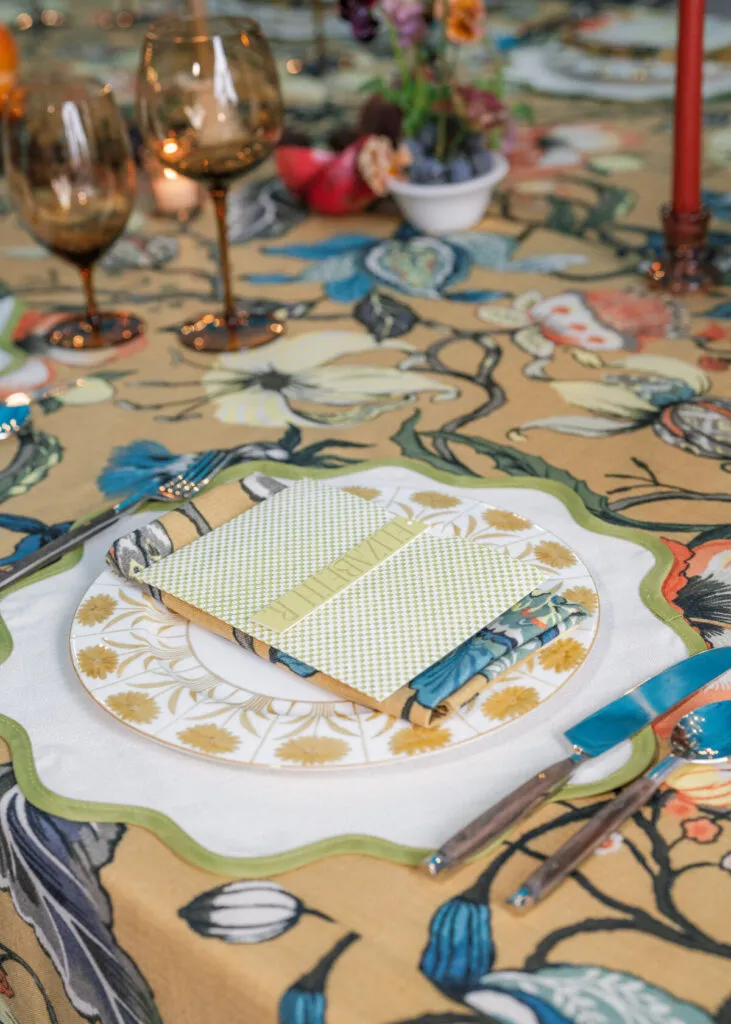
Refinement is the final step that brings a layered tablescape into alignment. Designers review the composition as a whole, making precise adjustments to ensure balance, symmetry, and visual clarity. Small changes at this stage often define the difference between a complete look and a truly elevated one.
Evaluating composition through light and perspective
Lighting affects how layers and textures are perceived. Viewing the table under event lighting conditions reveals how fabrics interact with light and shadow. Stepping back to assess the table from multiple angles ensures that the composition reads clearly from every viewpoint.
Adjusting layers for symmetry and alignment
Clean alignment reinforces a polished appearance. Edges should fall evenly, runners should be centered or intentionally offset, and each place setting should align consistently. These adjustments create order and prevent the layered design from appearing uneven.
Final refinements for a polished presentation
Final refinements include smoothing drape, adjusting proportions, and ensuring consistent spacing between elements. Each layer should feel intentional, with no excess or imbalance. The result is a composed tablescape that reflects precision and attention to detail.
Why Choose Curated Linen Collection for Linen Rentals
Curated Linen Collection provides linens designed to support layered compositions with consistency and refinement. Each piece is selected to integrate seamlessly into multi-layered tablescapes, allowing designers to build depth without compromising cohesion.
A curated selection of layering-ready linens
The collection includes base linens, overlays, runners, and napkins designed to work together. Coordinated textures and tones simplify the layering process while maintaining a high standard of quality.
Designed for seamless integration across layers
Each linen is developed with attention to drape, finish, and proportion. This ensures that layers sit correctly and interact naturally, supporting a balanced and structured composition.
Supporting refined, dimensional table styling
Versatile options allow designers to create contrast and depth while maintaining control over the overall aesthetic. This flexibility supports layered designs that feel intentional, cohesive, and visually complete.
Frequently Asked Questions
How many layers should a table setting include?
A balanced table setting typically includes a base layer, one secondary layer such as an overlay or runner, and a final accent like a napkin. The exact number depends on the desired level of depth and formality.
Can different linen textures be combined effectively?
Yes, combining textures adds dimension. The key is to maintain a cohesive palette and ensure that textures complement rather than compete with each other.
How do you prevent layered linens from looking cluttered?
Clarity comes from restraint. Limit the number of layers, maintain consistent spacing, and ensure that each layer remains partially visible.
What colors work best for layered table settings?
Neutral bases with tonal variations or controlled accent colors create the most cohesive results. This approach allows layering without overwhelming the design.
How do you maintain cohesion when layering multiple elements?
Consistency in color, texture, and proportion ensures cohesion. Repeating subtle elements across layers helps unify the overall composition.
Conclusion
Layering linens introduces structure, depth, and visual clarity to a table setting. Each layer contributes to a composition that feels intentional and refined, transforming the table into a defined design element.
A controlled approach to color, texture, and proportion ensures that layering enhances rather than complicates the design. When executed with precision, the result is a balanced and cohesive tablescape that reflects a high level of attention to detail.
Thoughtful layering allows even minimal elements to create impact, delivering a table setting that feels dimensional, composed, and visually complete. For inspiration from real events, browse our linen gallery.