
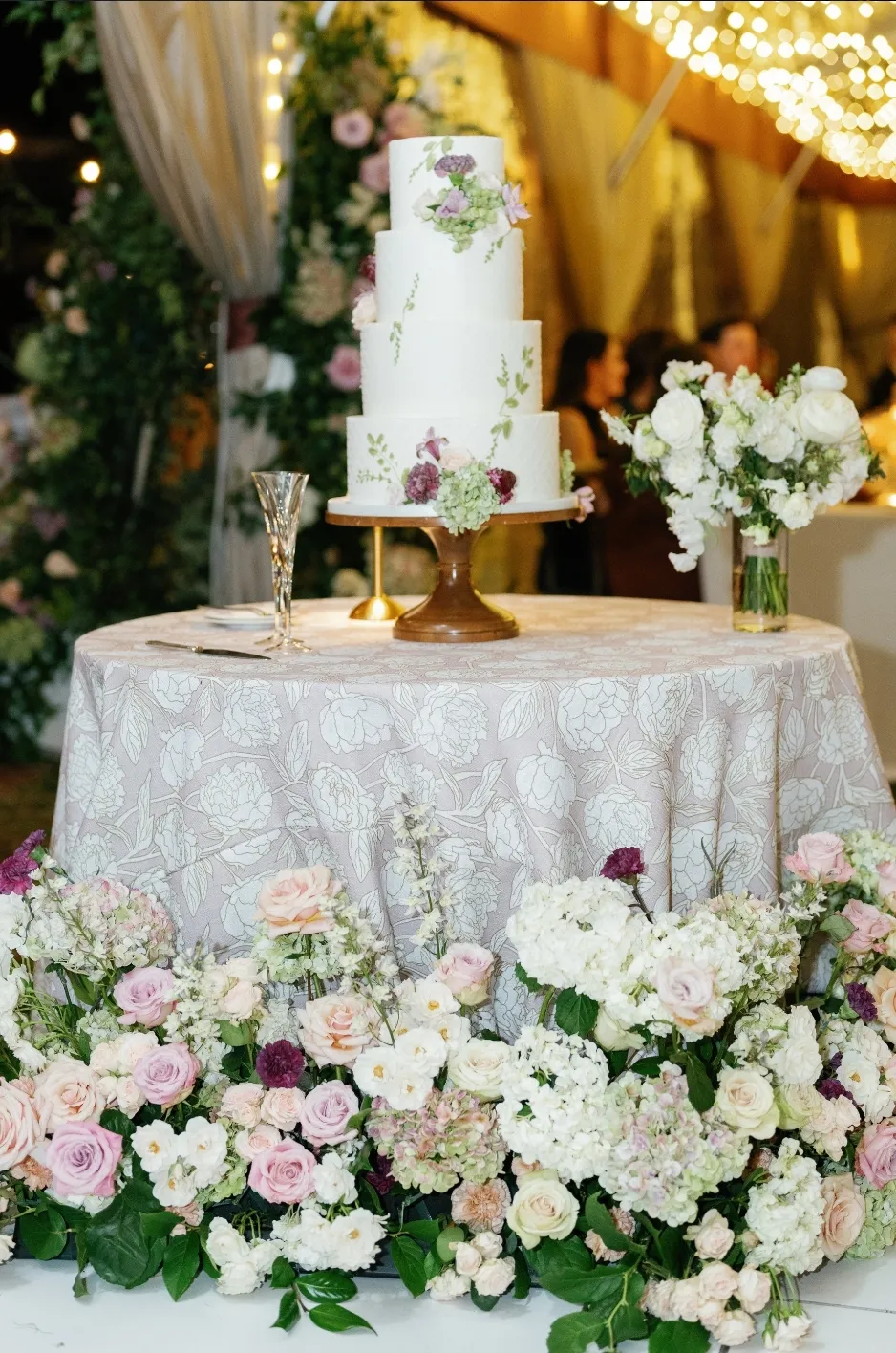
Linen table settings directly influence how an event looks and feels. They define the visual foundation of the table, shape the atmosphere, and affect how guests experience the space. Color, texture, and fabric quality work together to create a setting that feels cohesive, refined, and intentional.
High-quality linens elevate both design and perception. They enhance visual depth, improve tactile comfort, and bring consistency across the event. When selected with precision, linen transforms table decor into a key element of the overall guest experience.
How Linen Table Settings Shape Event Atmosphere
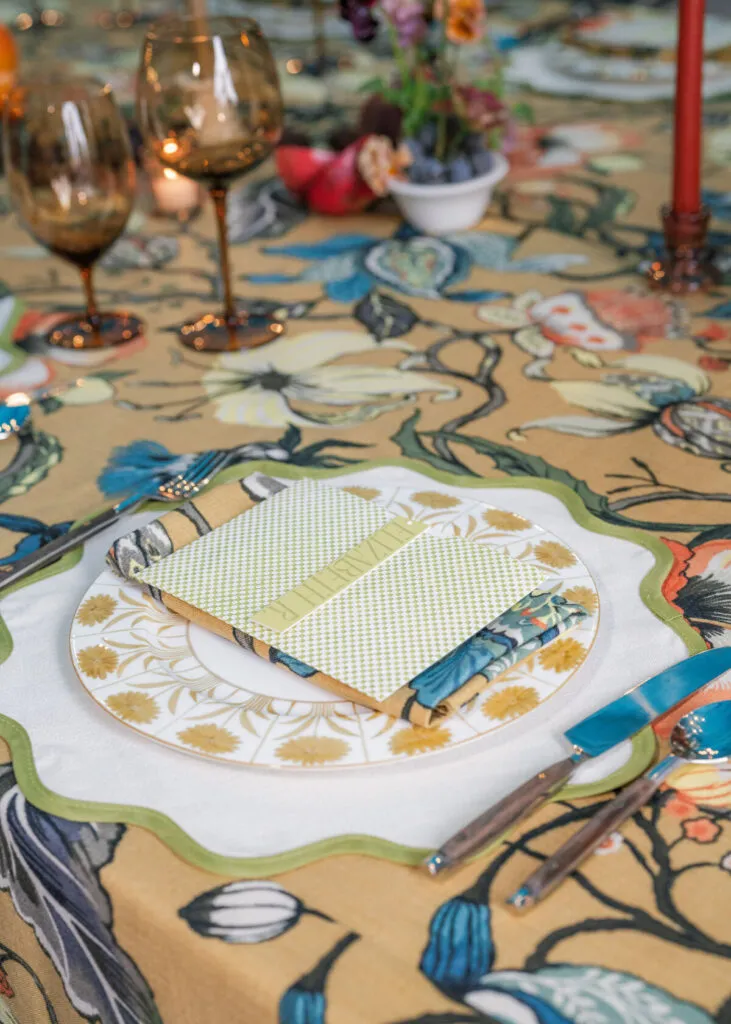
Linen establishes the overall tone of an event by defining the table’s visual and tactile foundation. It influences how the space is perceived, guiding the balance between formality, warmth, and refinement. A well-composed linen setup ensures that every table contributes to a cohesive and elevated environment.
Linen as the visual foundation of event design
Linen anchors the tablescape and frames all surrounding elements. It provides a consistent base that supports centerpieces, tableware, and decorative accents. The choice of fabric and finish determines how these elements interact, allowing the design to feel structured and intentional.
The role of linens in defining mood and perception
Color and texture shape how guests interpret the setting. Lighter tones create openness and softness, while deeper hues introduce contrast and formality. Texture adds depth, influencing how the table feels both visually and physically. Together, these elements define the atmosphere and contribute to a more immersive experience.
The Visual Impact of Linen in Luxury Event Design
Linen enhances the visual clarity and composition of a table setting. It creates a refined backdrop that allows each design element to stand out while maintaining overall harmony. A well-selected linen ensures that the tablescape appears balanced, polished, and cohesive.
Creating a refined backdrop for table styling
A clean, well-chosen linen surface brings focus to the table without distraction. It supports the placement of florals, glassware, and flatware, allowing each detail to be presented with clarity. This foundation strengthens the overall aesthetic and elevates the perceived quality of the event.
How linen enhances visual hierarchy and composition
Linen helps organize the visual structure of the table. Variations in tone and subtle texture differences guide the eye across the setting, creating a sense of order and depth. This controlled composition allows the tablescape to feel intentional, with each element contributing to a unified design.
How Linen Textures Influence Aesthetic and Tactile Experience
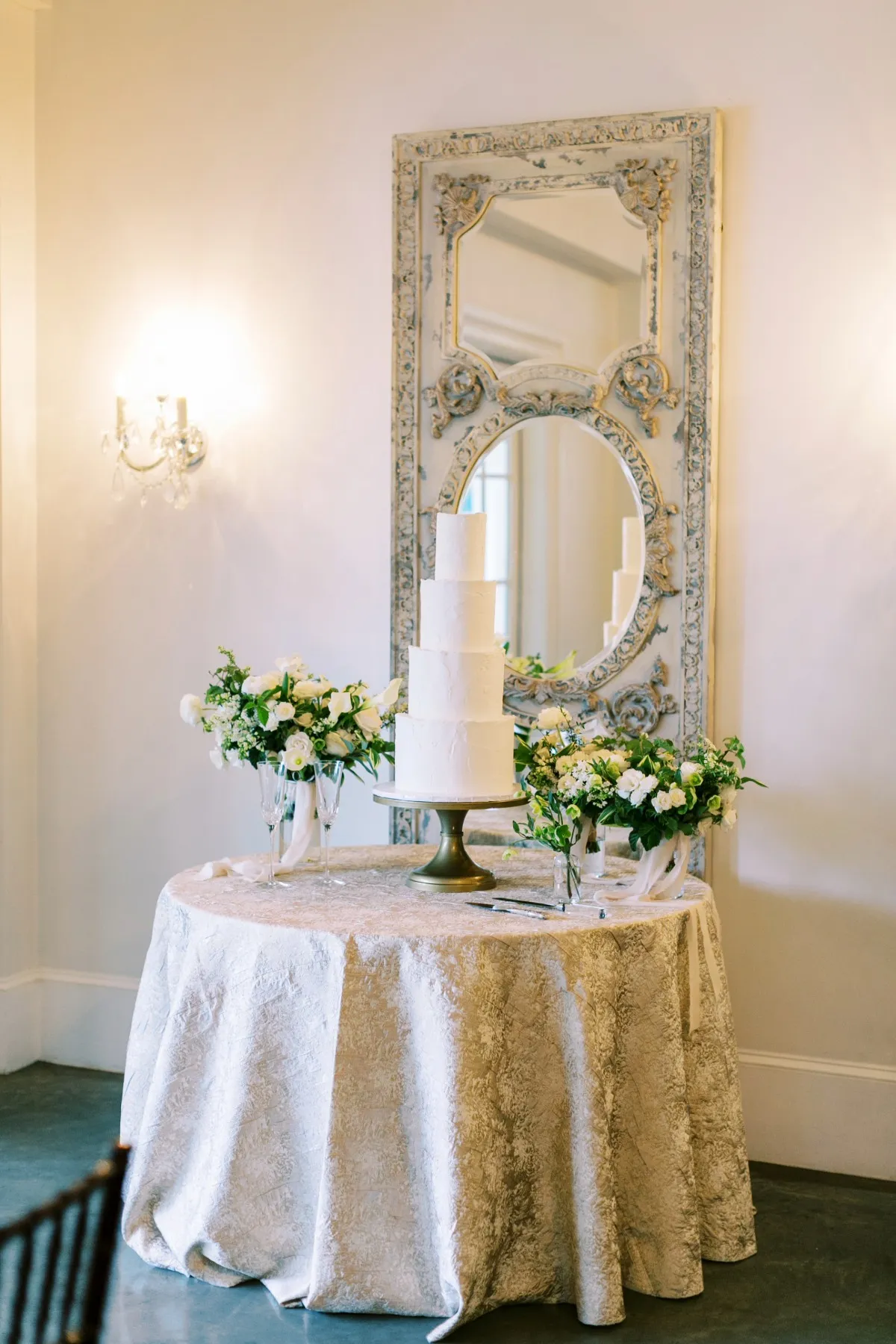
Texture adds dimension to a tablescape and shapes how guests interact with the setting. It affects both visual depth and physical comfort, making it a key factor in how the table is perceived. Designers select textures that align with the desired atmosphere while maintaining balance across the composition.
Smooth linens for polished, formal settings
Smooth linens create a clean and structured surface. Their refined finish reflects light evenly, supporting a formal and composed aesthetic. This texture works well in settings that require clarity and precision in presentation.
Soft and relaxed weaves for comfort and warmth
Softer linens introduce a more approachable feel. Their natural drape and subtle movement create a sense of ease, allowing the table to feel inviting while still maintaining a refined appearance.
Textured linens for depth and visual interest
Textured weaves add variation across the surface, creating depth without additional decor. These linens catch light differently, introducing subtle contrast that enhances the overall composition.
Linen Color Schemes That Elevate Event Design
Color defines the visual direction of a tablescape and influences how the event is experienced. Linen provides a controlled way to introduce color, ensuring consistency across all tables while supporting the overall design concept.
Soft pastels for romantic and light-filled settings
Pastel tones create a soft and balanced atmosphere. Shades such as blush, pale blue, and muted green bring lightness to the table, supporting a refined and cohesive look.
Jewel tones for bold, dramatic elegance
Deeper colors introduce contrast and presence. Emerald, sapphire, and rich burgundy create a strong visual impact while maintaining a polished and elevated aesthetic.
Neutral palettes for timeless sophistication
Neutral tones provide a stable foundation for any design. Colors such as ivory, beige, and soft gray create a calm and cohesive base, allowing other elements to integrate seamlessly into the tablescape.
The Role of Linen in Guest Sensory Experience
Linen influences how guests physically and emotionally experience an event. Beyond visual impact, it contributes to comfort, interaction, and overall perception of quality. The way linen feels and presents itself shapes how guests engage with the table throughout the event.
How texture enhances comfort and engagement
Soft, well-finished linen creates a more comfortable dining experience. It encourages ease of interaction, allowing guests to feel relaxed while remaining within a refined setting. This tactile quality adds a subtle layer of engagement that supports the overall atmosphere.
The connection between material quality and perceived luxury
Guests often associate material quality with the standard of the event. High-quality linen communicates attention to detail and elevates the perceived value of the setting. Consistent texture, weight, and finish contribute to a polished and cohesive impression.
Why Fabric Quality Matters in Luxury Linen Selection
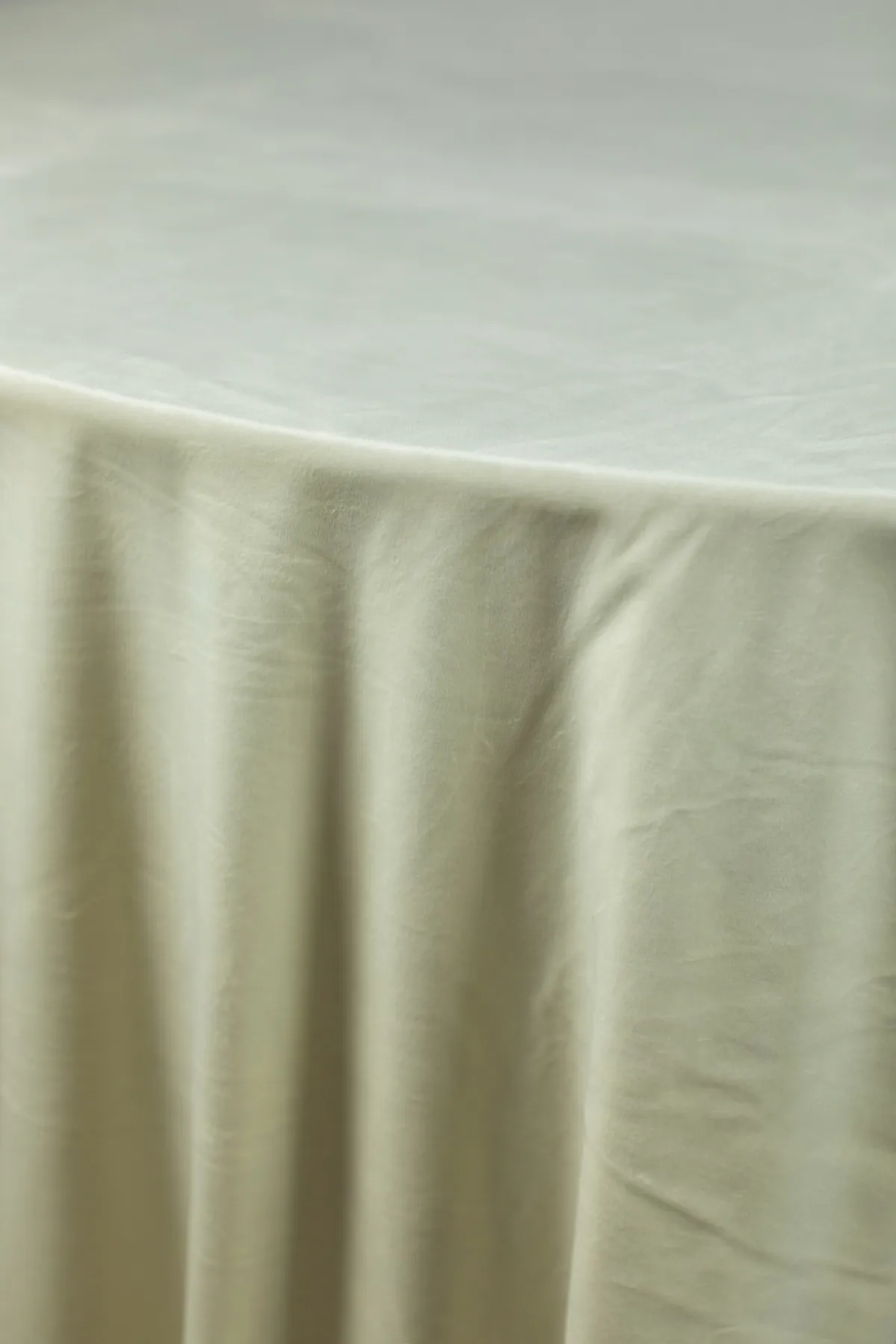
Fabric quality determines how linen performs visually and physically within a tablescape. It affects drape, color consistency, and durability, all of which contribute to the overall presentation. Designers prioritize high-quality materials to ensure a refined and reliable result.
The impact of premium linen on overall event perception
Premium linen enhances clarity and structure across the table. It maintains its appearance under varying lighting conditions and supports a composed, elevated aesthetic. This consistency reinforces a sense of quality throughout the event.
How craftsmanship and finish influence experience
The weave, finish, and construction of linen define how it looks and feels. Well-crafted linen offers a smooth drape and balanced texture, allowing it to integrate seamlessly with other design elements. This level of detail contributes to a cohesive and intentional tablescape.
The Role of Linen Napkins in Elevated Table Design
Linen napkins introduce an additional layer of detail that enhances both presentation and experience. They provide an opportunity to reinforce the overall design through color, texture, and placement.
Styling details that enhance presentation
Napkins contribute to the visual composition of the table. Their placement and form add structure, helping define each place setting. Coordinated tones and textures ensure that they align with the broader linen palette.
How napkins contribute to the tactile experience
The quality and finish of linen napkins influence how guests interact with the table. A well-made napkin offers a soft, substantial feel that complements the overall setting. This detail supports a more refined and complete dining experience. Read more in How to Style Tables for the Setting, Weather, and Guest Experience.
Creating Cohesion Across Event Spaces with Linen
Linen provides continuity across different areas of an event, ensuring that the overall design feels unified. When applied consistently, it connects multiple tables and spaces into a single, cohesive visual experience.
Using linen to unify multiple tables and settings
Consistent linen choices across tables create a sense of order and alignment. Repeating similar tones and textures ensures that each table contributes to a larger, coordinated design rather than appearing as separate elements.
Repeating color and texture for visual consistency
Subtle repetition of color and texture builds visual rhythm. This approach allows the design to feel structured and intentional, reinforcing cohesion without introducing unnecessary complexity.
Integrating Color Palettes to Complement Event Themes
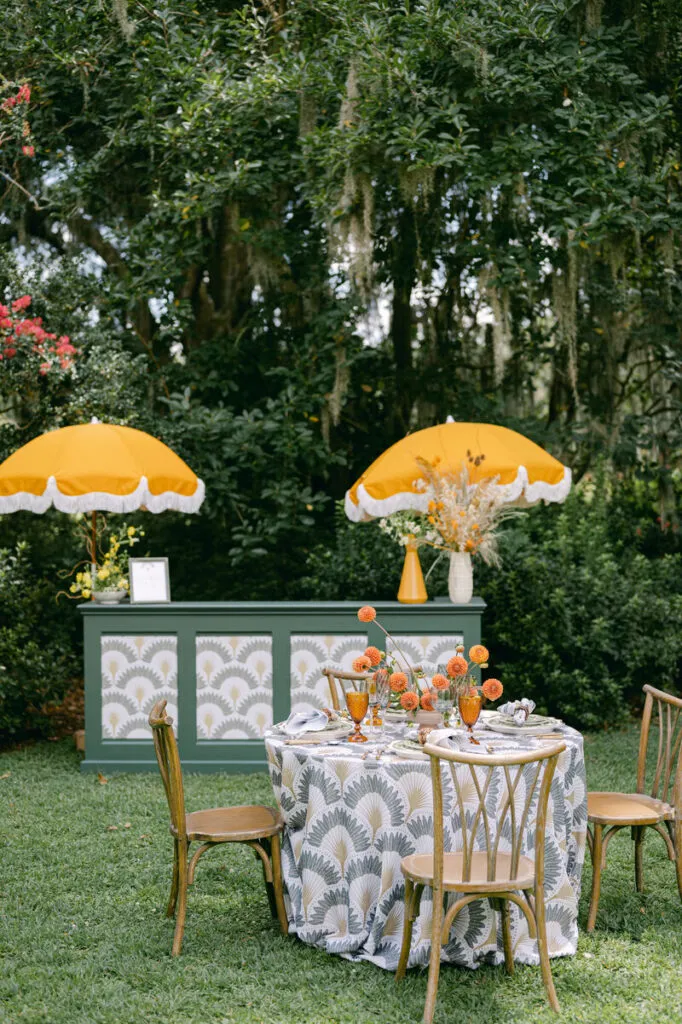
Linen plays a central role in translating an event’s theme into a visual experience. A well-defined palette ensures that every element aligns with the intended aesthetic and atmosphere. For more detail, see our article The Ultimate Guide to Event Linens for Elegant Events.
Coordinating linen with overall design direction
Linen colors should reflect and support the broader design concept. Whether the theme is soft and romantic or bold and structured, the palette establishes a consistent visual language across the table. You may also find Luxury Tablecloth Rentals That Transform Event Tables helpful.
Layering primary and accent tones with intention
A balanced palette includes a dominant base tone supported by complementary accents. This layering introduces depth while maintaining clarity, allowing the tablescape to feel composed and visually complete. For more detail, see our article Luxury Event Linen Rental Tips for Stunning Events.
Styling Techniques That Elevate Linen Table Settings
Refined styling enhances the impact of linen without overwhelming the table. Designers focus on proportion, layering, and balance to create a composed and elevated presentation.
Layering linens for depth and structure
Layering introduces dimension and hierarchy. A base cloth sets the foundation, while additional elements such as runners add variation and visual interest.
Balancing negative space and detail
Allowing space between elements ensures that the linen remains visible and effective. Controlled spacing prevents overcrowding and maintains a clean, refined look.
Pairing linen with florals and tableware
Linen works alongside florals and tableware to complete the composition. Coordinated materials and finishes ensure that each element supports the overall design, creating a cohesive and balanced tablescape.
How Linen Enhances Guest Experience and Event Atmosphere
Linen contributes to the overall experience by aligning visual design with physical comfort. It supports how guests perceive the space, interact with the table, and engage with the environment throughout the event. When selected with precision, it creates a setting that feels cohesive and considered.
Creating emotional connection through design
A well-designed tablescape influences how guests feel within the space. Balanced colors, refined textures, and consistent presentation create a sense of ease and familiarity. This emotional response enhances engagement and allows guests to connect more naturally with the setting.
Aligning visual, tactile, and spatial elements
Linen works in coordination with lighting, tableware, and surrounding decor. When these elements align, the result is a seamless experience where every detail supports the overall atmosphere. This integration ensures that the event feels unified and visually complete.
Emotional and Sensory Impact of Premium Linen
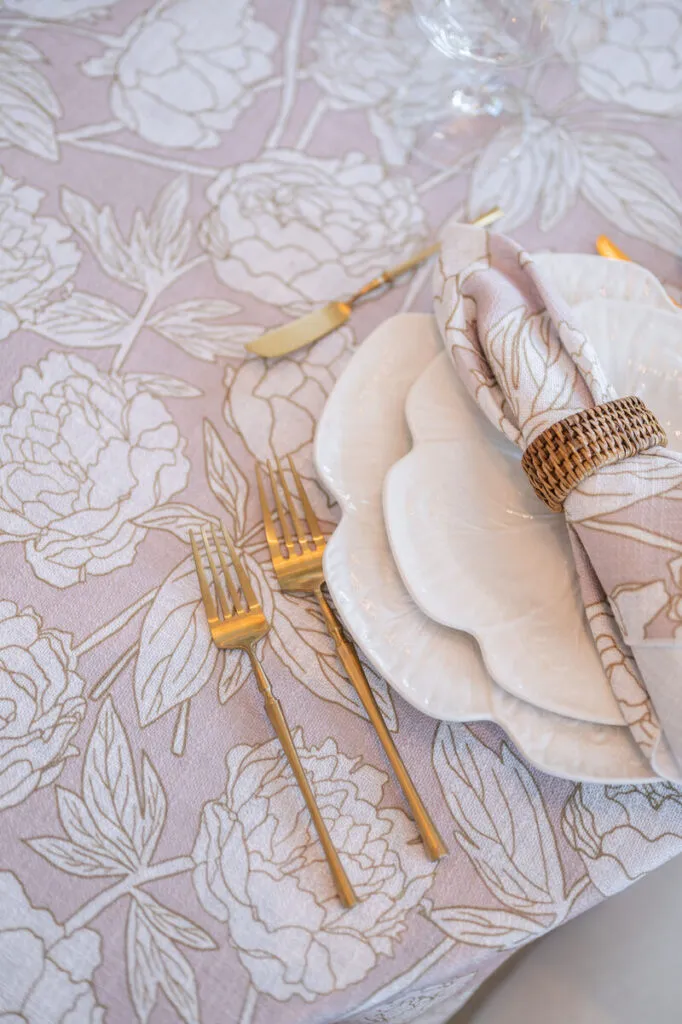
Premium linen enhances both the sensory and emotional qualities of an event. Its texture, weight, and finish contribute to a more immersive environment, influencing how guests perceive quality and attention to detail.
How materials influence guest perception
High-quality materials signal refinement and care in execution. Consistent texture, balanced drape, and well-finished surfaces create a polished presentation that guests associate with a higher standard of design.
Creating memorable, immersive environments
A cohesive combination of texture, color, and material creates a lasting impression. Linen plays a central role in this composition, supporting an environment that feels complete, refined, and memorable long after the event concludes.
How Designers Maximize Linen’s Impact on Event Design
Designers use linen strategically to strengthen the overall composition of an event. Every choice is made with attention to balance, proportion, and cohesion, ensuring that linen supports the broader design rather than functioning as a background element.
Strategic use of color, texture, and layering
Color and texture are applied with precision to create depth without excess. Layering introduces variation while maintaining structure, allowing the tablescape to feel dynamic yet controlled. Each element is selected to complement the others, reinforcing a cohesive visual direction.
Integrating linen into the overall styling concept
Linen is treated as a core design component rather than a secondary detail. It works alongside florals, lighting, and tableware to define the atmosphere. This integration ensures that every aspect of the event contributes to a unified and refined presentation.
Luxury Linen Trends Defining 2026 Events
Linen trends continue to evolve toward refined simplicity and intentional design. Current directions emphasize balance, texture, and tonal depth, allowing tablescapes to feel modern while maintaining a timeless quality.
Elevated neutrals and earthy palettes
Neutral tones remain central, with subtle shifts toward warmer, earth-inspired hues. These palettes create a grounded and sophisticated base that supports a wide range of design styles.
Textural layering and material contrast
Designers are increasingly combining varied textures to introduce depth. Smooth and tactile finishes are layered together to create contrast while maintaining visual harmony. This approach adds dimension without relying on excessive decoration.
Why Designers Choose Curated Linen Collection
Curated Linen Collection offers a focused range of linens designed for refined event settings. Each piece is selected for its quality, consistency, and ability to integrate seamlessly into elevated tablescapes. For more detail, see our article How to Style Linen Table Settings for Elegant Events.
A curated range of premium linen styles
The collection includes a selection of natural fabrics with carefully considered textures and finishes. Each option supports a distinct aesthetic while maintaining a consistent standard of quality.
Designed for refined, cohesive tablescapes
Every linen is chosen with attention to drape, tone, and texture. This ensures that each piece contributes to a balanced composition, allowing the overall design to feel complete and intentional.
Supporting elevated event design with versatile options
Coordinated colors and textures provide flexibility within a structured design framework. Designers can layer and combine elements with ease, creating tablescapes that remain cohesive across different settings.
Frequently Asked Questions
How do linen table settings enhance guest experience?
Linen influences both visual presentation and physical comfort. A well-selected linen creates a cohesive table design while providing a refined tactile experience, which contributes to how guests perceive the overall quality of the event.
What linen textures work best for luxury events?
A combination of smooth and textured linens creates balance. Smooth finishes provide structure and clarity, while textured weaves introduce depth and visual interest without overwhelming the table.
How do you choose the right linen color palette?
A strong palette begins with a neutral or foundational tone and builds through complementary colors. The selection should align with the event’s overall design direction and maintain consistency across all tables.
Why is linen quality important for event design?
High-quality linen ensures better drape, consistent color, and a refined finish. These factors contribute to a polished presentation and elevate the perceived standard of the event.
How can linen create a cohesive event aesthetic?
Consistency in color, texture, and material allows linen to unify different elements of the design. Repeating these features across tables and spaces creates a cohesive and well-structured environment.
Conclusion
Linen shapes how an event is experienced by defining both its visual structure and tactile quality. Thoughtful selection of color, texture, and fabric ensures that each table contributes to a cohesive and refined setting.
A well-composed linen design supports every element of the tablescape, from tableware to lighting. This alignment creates a balanced environment where details feel intentional and complete.
When used with precision, linen transforms table settings into a central part of the event experience, enhancing both atmosphere and guest perception. Browse our luxury linen rentals to see these fabrics and colors in full.