
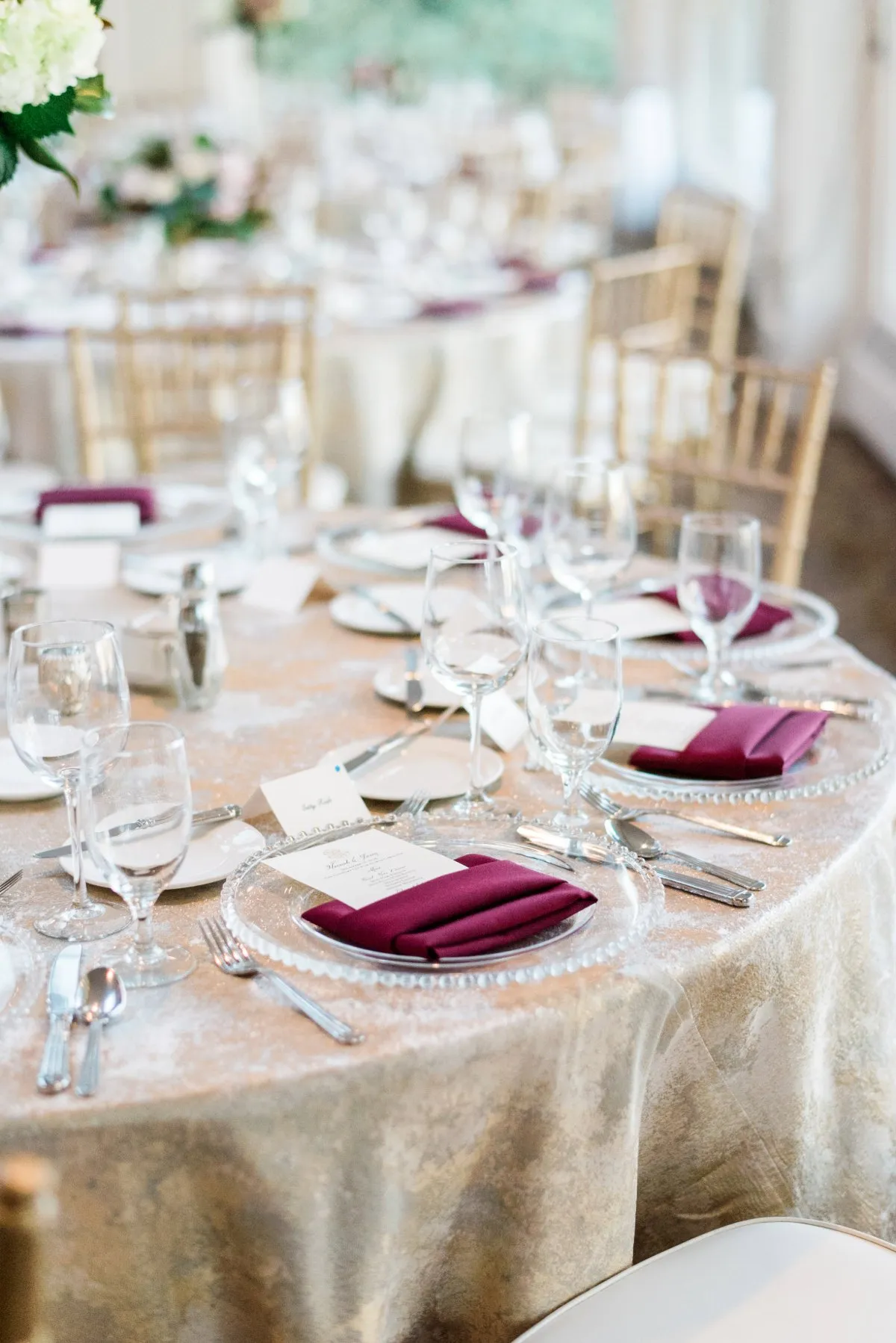
A standard six-foot rectangular table typically measures 72 inches long and 30 inches wide. For a table approximately 30 inches high, a 90 × 132-inch tablecloth provides floor-length coverage, creating a continuous silhouette that conceals the table beneath. Shorter linens offer a different appearance, with more of the table’s structure remaining visible.
Choosing the right 6 foot tablecloth size involves more than matching the dimensions of the tabletop. The fabric’s fall along the sides and ends, the table’s placement, and the character of the linen all influence the finished presentation. Understanding these distinctions makes it easier to select a tablecloth that suits both the table and the occasion.
Which Tablecloth Size Fits a Standard 6-Foot Table?
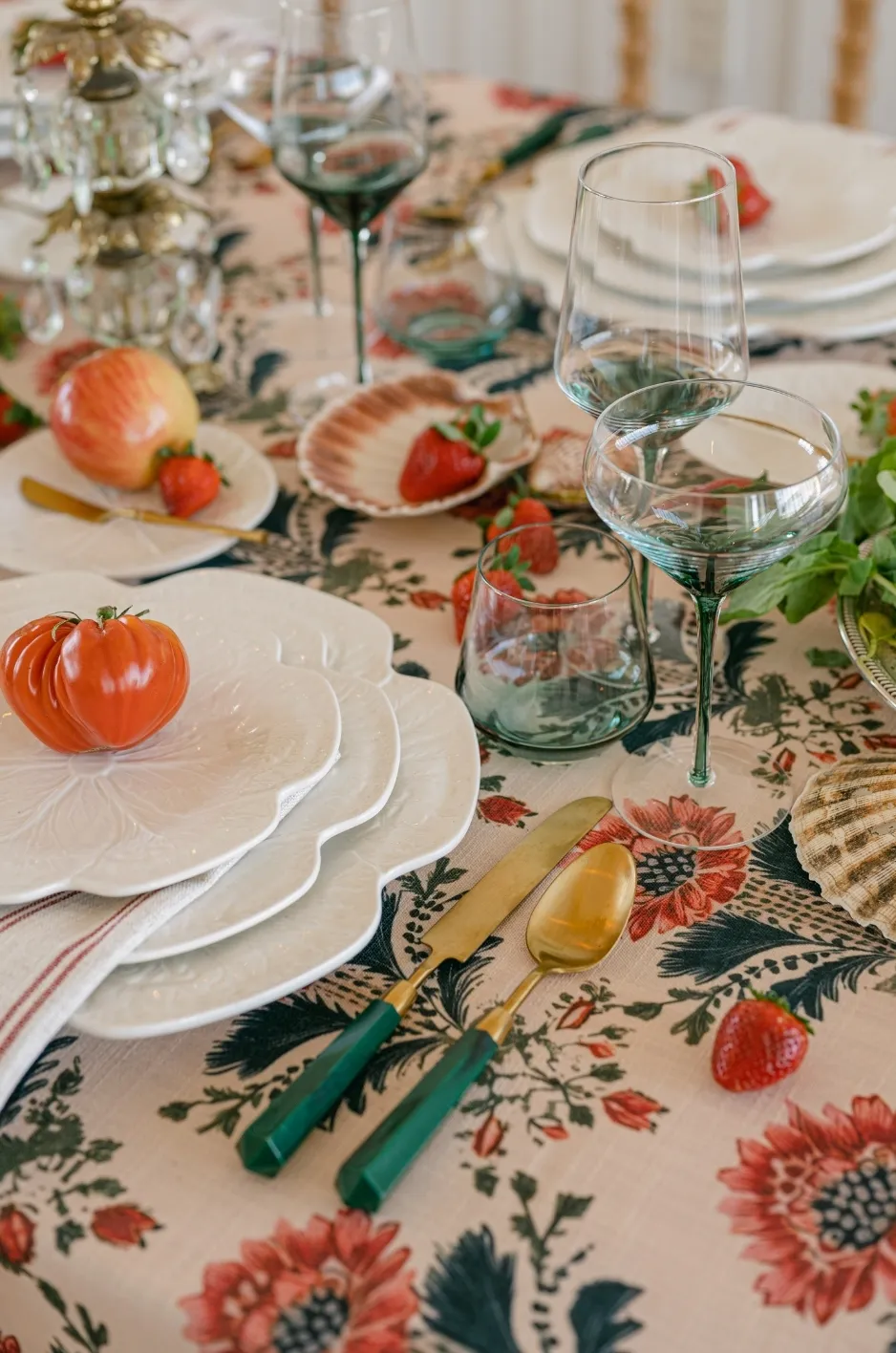
A six-foot table can accommodate several linen dimensions, each creating a different proportion. The appropriate size depends on how far the fabric should extend beyond the tabletop and whether the design calls for a complete floor-length silhouette or a shorter, more defined appearance.
A 90 × 132-Inch Tablecloth for Floor-Length Coverage
For a standard six-foot banquet table measuring 72 × 30 inches and standing 30 inches high, a 90 × 132-inch tablecloth creates an approximately 30-inch drop on all four sides. The fabric reaches the floor, concealing the table legs and creating an uninterrupted outline.
This fuller presentation is often associated with formal dining and receptions, although its appeal extends beyond traditional occasions. A contemporary printed linen, for example, can take on a different character when presented as a continuous fabric surface rather than a shorter table covering.
The finished appearance also depends on the actual table height. A table measuring slightly more or less than 30 inches will produce a different result, even when the linen dimensions remain unchanged.
A Shorter Tablecloth for a More Defined Silhouette
A shorter tablecloth creates a different relationship between the linen and the furniture beneath it. Rather than concealing the table entirely, the fabric extends below the tabletop while leaving part of the legs visible.
For a standard 72 × 30-inch table, a 60 × 102-inch linen would provide a consistent 15-inch drop along both sides and ends. This creates a more tailored appearance that may suit seated dining or settings where the table itself is intended to remain partially visible.
The 60 × 102-inch measurement is a calculated example rather than a guarantee of product availability. Actual rental dimensions should always be checked against the selected textile.
The following reference illustrates how common and calculated rectangular linen dimensions fall on a standard six-foot table.
Measurements assume a 72 × 30-inch tabletop. Floor-length coverage with a 90 × 132-inch linen assumes a table height of 30 inches.
These differences become especially important when selecting a tablecloth for a rectangular table, where the two dimensions influence the finished shape independently.
Why the Ends of a Six-Foot Tablecloth Matter
Unlike a round table, where fabric falls from a consistent diameter, a rectangular table has two distinct dimensions. The length and width of the linen must therefore be considered separately, particularly when the desired appearance includes an even drop on all four sides.
Understanding the Difference Between Side and End Drops
A 60 × 120-inch tablecloth illustrates why the dimensions matter. On a standard six-foot banquet table, the 60-inch width creates a 15-inch drop along each long side, while the 120-inch length produces a 24-inch drop at each short end.
Although both measurements provide generous coverage, they do not create an identical fall around the table. The longer end drop changes the finished silhouette, with the fabric extending closer to the floor at either end.
This distinction is easy to overlook when a linen is selected according to its width alone. For a table positioned where all four sides remain visible, checking both drops helps ensure the finished appearance matches the intended design.
For a broader explanation of calculating tablecloth dimensions, Curated Linen Collection’s guide to tablecloth sizes for round and banquet tables provides additional measurement guidance.
When an Uneven Drop Changes the Presentation
An uneven drop is not necessarily a design mistake. Its visual impact depends on the table’s position, the way the fabric falls, and which sides are most visible.
A six-foot table placed independently within a room may benefit from consistent coverage because guests can approach it from several directions. Differences between the side and end drops become more apparent when the entire silhouette is visible.
However, a table positioned against a wall or joined to another table may be viewed primarily from its long side. In these arrangements, an extended end drop may have less influence on the overall presentation.
The objective is not to eliminate every variation, but to understand how those variations will appear in the finished setting. A tablecloth should be evaluated in relation to the space it occupies rather than treated as a flat measurement alone.
The Details That Influence the Finished Fit
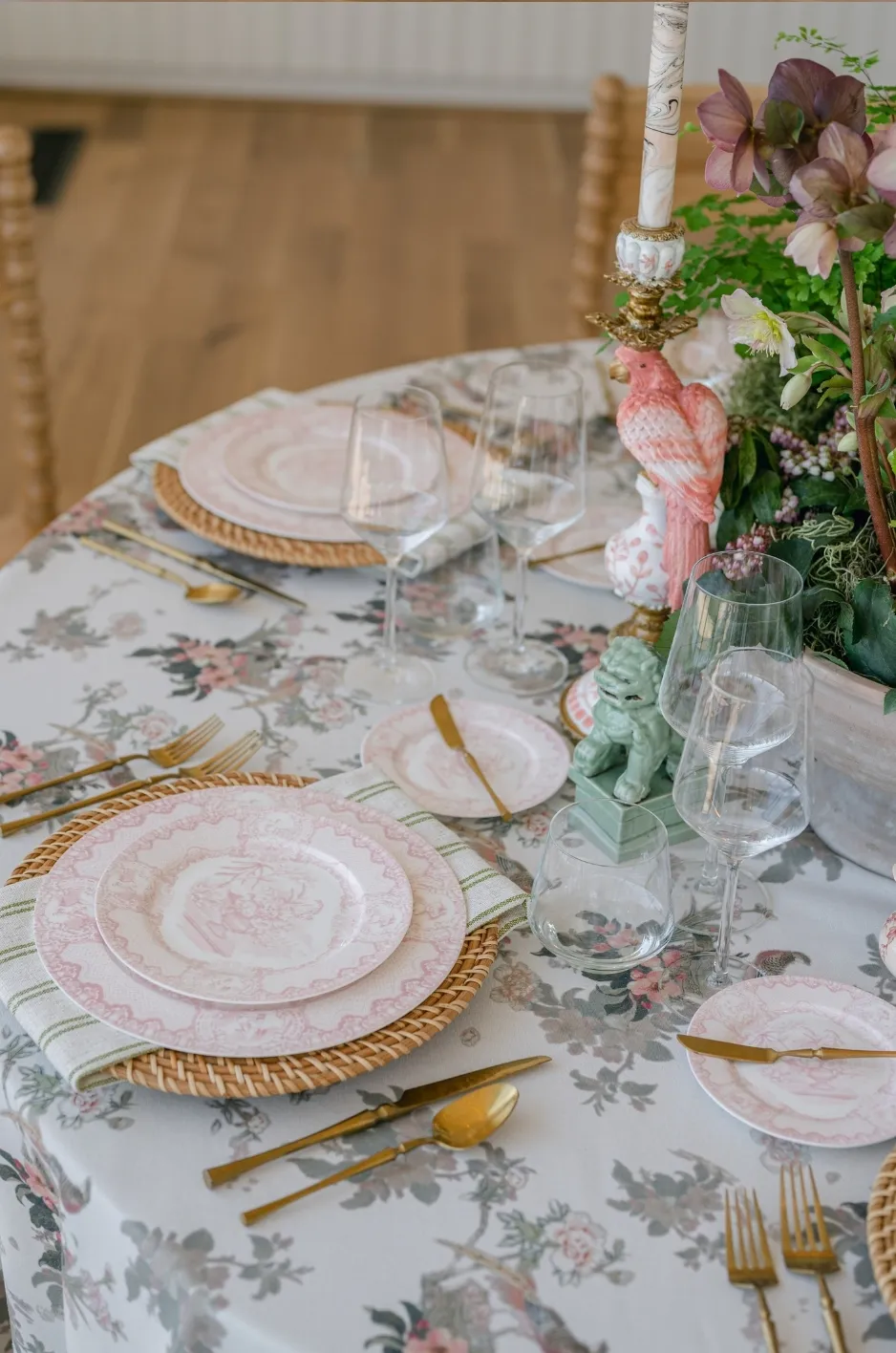
Accurate dimensions establish the foundation for a well-fitted tablecloth, but the character of the table and textile also deserves consideration. Two six-foot tables may require different linen selections because of subtle differences in height, width, or the way the fabric’s design appears across their surfaces.
Confirming the Width and Height of the Actual Table
The term six-foot table generally refers to the tabletop’s length, not a complete set of dimensions. While many rectangular banquet tables measure approximately 72 inches long, 30 inches wide, and 30 inches high, variations exist among venues and table providers.
A narrower tabletop produces a longer side drop when covered with the same linen. Similarly, a slightly taller table can leave more space between the hem and the floor than expected.
These differences may seem modest, but they become more noticeable when several tables are arranged together. Confirming the actual dimensions with the venue or rental provider allows the linens to be selected according to the furniture being used rather than an assumed standard.
How Pattern Placement Changes Across the Table
For distinctive patterned linens, sizing also affects how the textile design appears once the table is dressed. A print that looks balanced across a flat surface may take on a different composition when parts of the pattern extend over the edges.
Large-scale artwork can appear particularly different on a rectangular table because the horizontal surface and vertical drops reveal different portions of the design. Directional prints, decorative borders, and motifs with a clear orientation deserve additional attention when selecting the linen dimensions.
A pattern concentrated near the edge, for example, may become more prominent when the fabric hangs below the tabletop. A larger illustrative design may read differently depending on how much remains visible across the upper surface.
This does not mean that patterned linens require special sizing rules. Rather, their finished appearance should be considered beyond the measurements alone. Viewing the selected design on a comparable table, when possible, offers a clearer understanding of how the textile will be presented.
Choosing a Linen That Suits the Table’s Purpose
A six-foot rectangular table can serve several purposes within an event, and its function often influences the most suitable linen proportion. A table arranged for seated dining has different practical considerations from one intended for a decorative display, even when both share identical dimensions.
Six-Foot Tables Used for Guest Dining
When a six-foot table is used for dining, the linen becomes part of the experience of sitting and moving around the table. Chair placement, legroom, and the relationship between the fabric and seating should all be considered alongside its visual character.
A mid-length tablecloth leaves more of the space beneath the table exposed, which may be useful when chairs need to move freely. A floor-length option provides fuller coverage and a softer overall silhouette, provided the fabric does not create unnecessary interference around seating.
Neither approach is universally preferable. The choice depends on the furniture, the surrounding space, and the design of the gathering. A formal occasion may accommodate a shorter linen, while a more relaxed celebration may feature a full-length cloth because it complements the selected textile or setting.
The most effective proportion is one that allows the table to function comfortably while preserving the desired appearance.
Six-Foot Tables Used for Displays
A six-foot display table is often viewed differently from a dining table. Without seating surrounding it, more of the fabric’s vertical surface may remain visible, making the tablecloth silhouette a stronger part of its presentation.
Floor-length coverage can give a display table a complete appearance, particularly when the objective is to conceal the support structure beneath it. This can be effective for welcome displays, presentation surfaces, or other arrangements where the table serves as a visual element rather than a place for seated guests.
A shorter linen may also be appropriate, especially when the table itself has an attractive finish or when the surrounding design favors a lighter presentation. The decision should account for how guests approach the table and whether the ends, sides, or front will receive the most attention.
For display tables, selecting a tablecloth is therefore as much about the visible outline as it is about the surface being covered.
A Tablecloth That Fits the Design
For a standard six-foot rectangular banquet table, a 90 × 132-inch tablecloth generally provides floor-length coverage when the table is 30 inches high. Shorter alternatives create different proportions, and options such as a 60 × 120-inch cloth should be evaluated for their longer end drops rather than assumed to fall evenly on all four sides.
The right linen dimensions allow the textile to complement the table’s role, whether it is used for dining or display. Considering the table’s actual measurements, placement, and fabric design helps ensure the finished presentation feels considered from every visible angle.
Curated Linen Collection offers a selection of luxury tabletop linens in distinctive patterns, colors, and materials for elevated events. Explore the linen collection to review available designs and dimensions, or connect with the team for guidance on selecting linens suited to a particular setting.
Frequently Asked Questions
What size tablecloth reaches the floor on a 6-foot table?
A 90 × 132-inch tablecloth generally provides floor-length coverage for a standard six-foot rectangular table measuring 72 inches long, 30 inches wide, and 30 inches high. This creates an approximately 30-inch drop on all four sides. Confirm the actual table dimensions before selecting the linen.
Will a 60 × 120-inch tablecloth fit a 6-foot rectangular table?
Yes. On a standard 72 × 30-inch table, a 60 × 120-inch tablecloth provides a 15-inch drop along the long sides and a 24-inch drop at each short end. It offers substantial coverage but does not create an even drop around the entire table.
Are all 6-foot banquet tables the same width and height?
No. Six-foot banquet tables are generally 72 inches long, but their width and height can vary by manufacturer or venue. These differences affect how far a tablecloth hangs below the tabletop. Confirming all three dimensions before ordering helps achieve the intended fit.