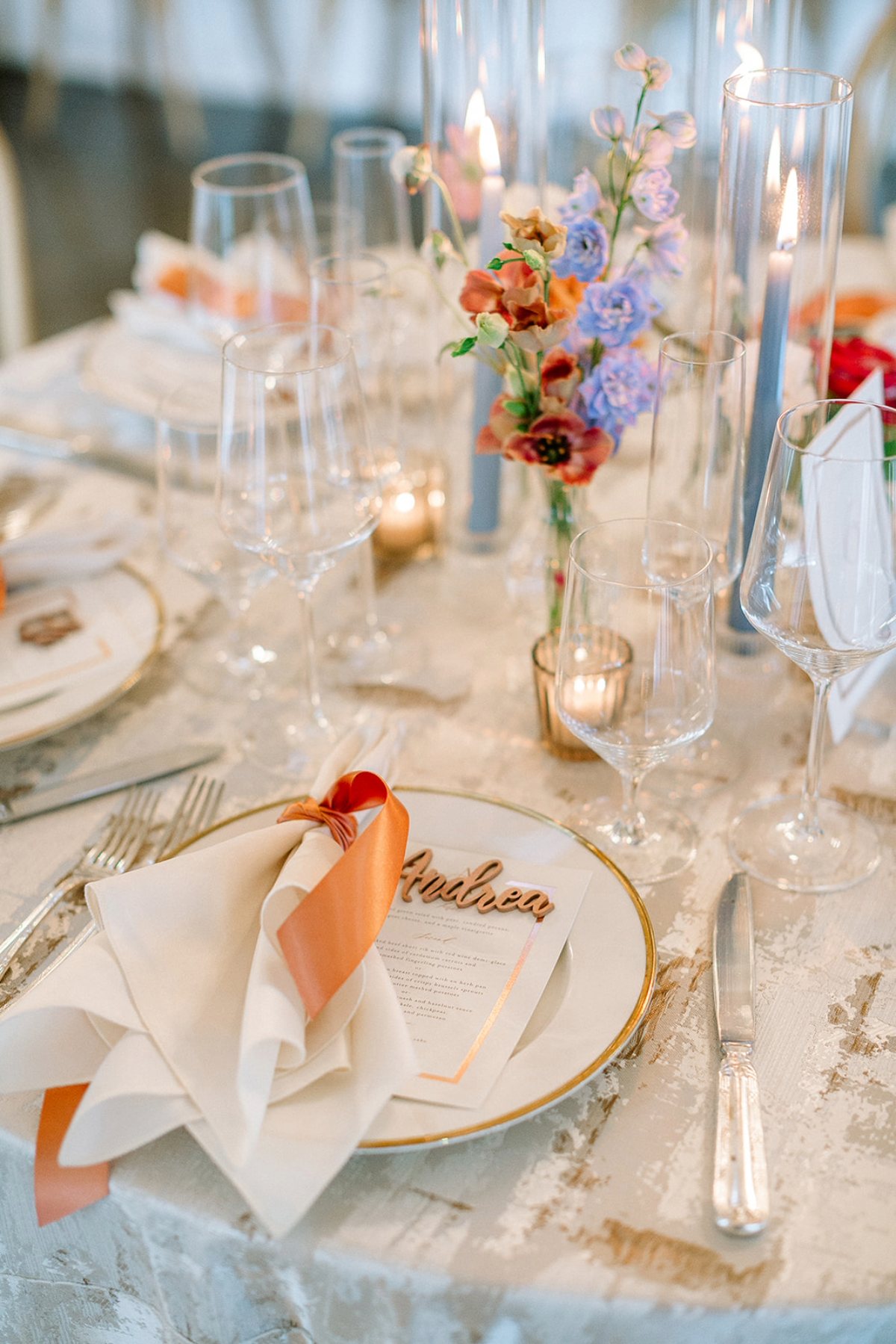
Your linens set the tone for the whole day. Picking the right rental partner makes a visible, and tactile difference, from the sheen of a satin tablecloth to the way an overlay drapes. This guide walks you through what matters most: luxurious fabric choices, meaningful customization, and transparent pricing so you can make confident decisions that fit your vision and budget. We’ll cover fabric types, customization benefits, cost drivers, rental logistics, and styling tips to help your event feel polished, effortless, and distinctly yours.
Before you commit, request physical swatches and, if possible, larger drape samples. Feel the hand of each fabric, check how colors shift in natural and artificial light, and photograph samples next to your invitation suite, floral mockup, or centerpiece elements. These practical checks reduce surprises—what looks right on a screen or swatch card can behave differently at scale and under venue lighting.
Which Luxury Wedding Linen Fabrics Best Elevate Your Event?
Fabric choice is where style and comfort meet. Luxury textiles lift a room, influence photographs, and shape how guests experience your celebration. Knowing the character of each fabric, how it reflects light, how it falls, how it feels, helps you choose linens that align with your aesthetic and the mood you want to create. The right fabrics make an event feel cohesive and considered.
When assessing fabrics, think about seasonality and contact points. Heavier, structured materials read as formal and photograph well in cooler months; breathable natural linens suit warm-weather events. Consider how fabrics perform when guests lean on tabletops, when napkins are handled, and when flowers release pollen or moisture—practical performance matters as much as beauty.
What Are the Key Fabric Types for Wedding Linens?
Certain fabrics repeatedly stand out at weddings for their look and performance. Satin is prized for its glossy finish and smooth hand, ideal for formal tabletops. Damask brings a woven pattern and texture that reads as classic and refined. Chiffon overlays add ethereal layers and soft movement for romantic designs. Each option has trade-offs in care, drape, and cost, so weigh those details against your design goals.
Beyond those staples, event linens also commonly use velvet for plush, statement tabletops; organza and tulle for structured sheers and overlays; and natural linen for a relaxed but upscale look. Blended technical fabrics are useful for high-traffic corporate events because they resist staining and launder quickly. Ask providers to show examples of each fabric in finished setups so you can judge texture and scale in context.
How Do Fabric Qualities Affect Event Aesthetics and Comfort?
Fabric qualities, weight, drape, texture, and breathability shape both appearance and guest comfort. A heavier linen will hold structure and look tailored; a lightweight overlay creates airiness and motion. Fabrics also behave differently under different lighting conditions, so consider samples in the venue lighting. Choosing quality materials ensures your tables look intentional and guests feel comfortable throughout the celebration.
Practical tests help you evaluate qualities: drape a sample over a chair and a tabletop, crease it and see whether the fabric recovers, and imagine guest interaction (napkins, elbow rest). Ask about laundering processes and the expected shrinkage or color change after cleaning; reputable vendors will share handling recommendations to preserve appearance during pickup and return.
How Can Custom Wedding Tablecloths Enhance Your Event Style?
Custom linens let you translate a theme into tangible details. Whether it’s a matched hue, a monogram, or an uncommon table shape, tailored options make the design feel unique and complete. Thoughtful customization turns an ordinary setup into a signature moment that ties your event together.
Customization is also a way to ensure visual continuity across different venue areas. An entry table, a cake table, and guest tables can share a small signature detail, edge trim, a repeated texture, or a subtle embroidered motif that signals intentional design. This kind of consistency reads well in photos and gives guests the impression of a carefully curated experience.
What Customization Options Are Available for Wedding Linens?
Popular custom touches include monogramming for a personal signature, precise color matching to your palette, and custom sizing to suit odd-shaped or family heirloom tables. You can also layer fabrics and finishes to create depth and contrast. These choices allow you to fine-tune the look so every table feels intentional and on-brand for your day.
Monogramming can range from tone-on-tone embroidery to metallic-thread accents; placement matters (corner, hem, or center) and should coordinate with other printed items. Custom hems, decorative trims, and hand-applied fringe or tassels can elevate a simple piece of cloth into a bespoke work. When requesting custom work, request proofs or digital mockups and clarify production lead times.
What Are the Benefits of Bespoke Linen Rentals for High-End Events?
Bespoke rentals deliver distinction. They let designers and hosts realize a specific vision, whether it’s a couture color, a rare fabric, or a tailored fit for a one-of-a-kind table. The result is a cohesive, elevated guest experience where details feel curated rather than off-the-shelf. For luxury events, those small refinements make a big impression.
Working bespoke often involves iterative collaboration: the rental house and designer exchange swatches, confirm color samples under venue lighting, and produce a short-run sample before committing to full production. That collaboration reduces risk and ensures the final presentation aligns with the creative brief. For high-end clients, these processes are standard and expected.
What Should You Know About Wedding Linen Rental Pricing and Value?
Pricing for linens varies widely. Understanding the drivers behind cost helps you prioritize what matters most: material, finish, or personalization, and identify where you can save without sacrificing style. A clear view of pricing also prevents surprises and keeps your budget grounded.
Weddings operate in a distinct pricing environment: emotional stakes, social expectations, and event-specific services can push certain items into a higher price tier than comparable everyday products.
Understanding Elevated Wedding Pricing & Consumer Perceptions
Weddings are a unique consumption occasion with heightened emotional and financial pressures. Social expectations of perfection—plus the experiential and trust-based nature of many wedding purchases—encourage a two-tier pricing approach where “wedding” versions cost more than everyday equivalents. Research documents this practice and explores why consumers tolerate and perpetuate it.
Consumer perceptions and pricing practices for weddings, ND Albers, 2021
How Is Pricing Structured for Luxury Linen Rentals?
Luxury linen pricing is typically driven by material, customization, and rental period. Premium fabrics and intricate finishes come at a premium; custom sizing or embroidery adds labor and cost. Rental duration and any delivery or setup services also affect the final quote. Knowing which elements drive price lets you make targeted choices to hit your look and budget.
When comparing quotes, request an itemized breakdown that separates fabric cost, bespoke work, labor for dressing, delivery, pickup, and laundering. This transparency helps you evaluate trade-offs; opting for a simpler finish or standard sizing can reduce costs while preserving the overall aesthetic by reallocating budget to a striking centerpiece or higher-quality napkins.
What Factors Influence the Cost of Wedding Linen Rentals?
Key cost factors include fabric type (natural fibers and specialty weaves cost more), bespoke work (color matching, embroidery, custom cuts), order size, rental length, and logistics like delivery, setup, and pickup. Seasonal demand and lead time can also change pricing, so factor timing into your plan.
Other cost considerations: stain-resistant finishes or protective underlays can increase unit cost but reduce insurance risk; expedited production and last-minute changes often carry surcharges; and minimum-order requirements can affect per-item pricing. Ask providers about discount thresholds, replacement policies for damaged items, and whether they offer package pricing for multiple tables or full-room setups.
What Are the Essential Rental Policies and Processes to Consider?
Clear policies make the rental experience predictable. Review terms around deposits, cancellations, damage responsibility, delivery windows, and the return process. A rental partner that communicates timelines and options upfront will reduce stress as the date approaches.
Look closely at cleaning and damage policies: who covers stains that require specialized cleaning, what constitutes normal wear versus chargeable damage, and whether loss or theft insurance is available. Confirm the condition checklist used at pickup and return so you both agree on expectations. Written policies prevent misunderstandings during a stressful week leading up to the event.
How Does the Linen Rental Process Work from Inquiry to Return?
The process usually begins with an inquiry and consultation about style and quantities. Once you choose linens, the provider issues a quote and confirms rental terms. On the event day, the company delivers (and often sets up) the items; afterward, they handle pickup and laundering. Reliable communication at each step keeps logistics seamless.
A typical timeline looks like this: initial consultation, swatch or sample review, final selections and quote, deposit and production/custom work, a pre-event confirmation one to two weeks out, delivery and dressing on the event day, and scheduled pickup shortly after the event. Confirm exact delivery and pickup windows to coordinate with vendors and venue rules.
What Are Common Rental Terms and Delivery Options?
Typical rental terms include minimum orders, security deposits, and set cancellation or change windows. Delivery options range from curbside drop-off for self-setup to full service with on-site dressing. Ask about timelines, damage policies, and whether setup is included so there are no last-minute surprises.
When evaluating delivery, clarify responsibilities: does the crew bring tools and table clips, will linens be steamed on-site, and can they coordinate timing with caterers and decorators? For venues with tight access or strict load-in windows, confirm the provider’s experience with similar logistics to avoid delays on the day.
How Do Event Linen Rental Services Support Different Wedding and Corporate Events?
Linen rental companies tailor offerings to event type and tone. Whether you need formal, textured fabrics for a wedding or simple, durable options for a corporate dinner, the right vendor recommends materials and finishes that suit the occasion and guest needs.
Many vendors maintain sample kits organized by event type, wedding, corporate, outdoor, religious ceremony, so you can quickly see proven combinations and functional alternatives. Use those kits as starting points and then adapt details like napkin folds, overlays, and runner widths to suit the guest experience you want to create.
What Linen Options Suit Various Event Types and Themes?
Weddings often favor luxurious textures, satins, damasks, and layered overlays, while corporate events prioritize clean lines and practical fabrics such as durable poly-blends or cotton. Theme-driven events can use bold patterns or custom colors to reinforce the concept. Match the material and finish to both the visual theme and the event’s functional demands.
For outdoor events, prioritize fabrics with weight and quick-dry properties to avoid wind or moisture issues; for ballroom evenings, sheen and texture can read as more luxurious under uplighting. Consider napkin size, placement, and fold style as part of material selection; they are frequent tactile touchpoints for guests.
How Do Rental Services Cater to High-End Event Planners?
High-end planners typically receive elevated service: personalized consultations, access to specialty fabrics, and white-glove delivery and setup. These vendors are prepared to coordinate with designers and venues to ensure every detail aligns with a refined creative brief.
Planners often work with a few trusted rental houses that offer priority sourcing, sample approvals, and dedicated account managers. These relationships speed up communication, allow for tighter lead times, and often include on-call support for last-minute adjustments on the event day—features that justify the premium for clients seeking seamless execution.
What Styling Tips Can Help You Maximize the Impact of Wedding Linens?
Styling is where linen choices translate into mood. Layer textures, play with scale, and use color strategically to create focal points. Small choices, napkin fold, runner placement, or overlay transparency, have an outsized effect on the overall presentation.
Start with a base tablecloth, add a contrasting runner or overlay, and finish with coordinated napkins and chargers. Use varying fabric weights to create depth: structured base cloths anchor the tabletop while sheerer overlays or napkins add visual movement. Think in threes, three textures, three tones, or keep a monochrome palette with one accent for a more restrained, elegant effect.
How to Coordinate Linen Colors and Patterns for Elegant Event Design?
Start with a clear palette and select linens that reinforce it, either by harmonizing or introducing a deliberate contrast. Use patterned or textured pieces sparingly to add interest without overwhelming the table. Layering different fabrics adds depth and elevates a simple setting into something more curated.
When matching colors, compare swatches under both natural light and venue lighting. Digital images can misrepresent saturation, bring swatches to the venue, or request proof of the proposed combination. For patterned linens, ensure the repeat size complements the plate and centerpiece scale so patterns don’t visually compete with table decor.
What Are Trending Linen Styles and Arrangements for Luxury Weddings?
Current trends favor unexpected colorways, mixed textures, and layered tabletop compositions. Designers mix bold tones with neutral grounding pieces, layer sheer overlays over textured bases, and pair organic floral elements with tailored linens for a modern, luxe look.
Other stylistic directions include intentionally mismatched tables for eclectic receptions, bespoke pieces that echo invitation typography or motif, and “eco-luxury” approaches that combine premium natural fibers with minimalist design. These trends emphasize a considered, editorial presentation over match-everything uniformity.
Why Is Sustainability Important in Choosing Wedding Linen Rentals?
Sustainable linens reduce environmental impact and reflect thoughtful event planning. Choosing eco-conscious materials and vendors with green practices can make your celebration both beautiful and responsible.
Renting linens inherently reduces single-use waste compared with disposable decor. Beyond that, seek vendors who minimize packaging, use energy-efficient laundering, and source longer-lasting fibers. Ask about repair programs, how items are retired from inventory, and whether the provider partners with recycling or donation programs for well-used pieces.
What Sustainable Fabric Options Are Available for Wedding Linens?
Eco-friendly options include organic cotton, natural linen, and recycled synthetic blends that minimize waste. These fabrics offer distinct textures and a softer ecological footprint, an easy way to align style with values.
If sustainability is a priority, request lifecycle information: how frequently a fabric can be laundered without losing integrity, whether dyes are low-impact, and whether the vendor tracks carbon or water use in laundering. These conversations help you balance aesthetics with responsible sourcing.
How Do Rental Companies Implement Eco-Friendly Practices?
Many providers adopt greener practices such as energy-efficient laundering, reusable or minimal packaging, and sourcing sustainable fibers. Ask vendors about their lifecycle practices if sustainability is a priority for your event.
Smaller operational choices matter too: consolidated deliveries to reduce trips, bulk laundering to improve efficiency, and local sourcing to cut transport emissions. A transparent vendor will discuss these practices and may provide a summary of the sustainability steps they take on client requests.
What Client Support and Service Features Should You Expect?
Good service simplifies planning. Expect clear communication, responsive consultations, and logistics support that takes pressure off you and your planner. A dependable rental partner becomes an extension of your team on the big day.
Look for vendors that assign a single point of contact, provide detailed timelines, and offer a written checklist for delivery, setup, and pickup. Those operational details avoid last-minute confusion and help coordinate with other vendors, such as caterers and florists.
How Does Dedicated Client Support Enhance the Rental Experience?
Dedicated support provides expert recommendations, proactive timelines, and quick problem-solving. From initial selection to post-event follow-up, a knowledgeable contact reduces mistakes and keeps execution smooth.
A dedicated rep can also suggest backups, alternate fabrics, or finishes that meet the aesthetic but fit your timeline or budget, saving you from last-minute compromises. They often facilitate swatch shipping, mockups, and on-site trials when necessary.
What Are the Benefits of Seamless Online Rental Platforms?
User-friendly online platforms let you browse catalogs, check availability, and request quotes with ease. They streamline ordering and provide a clear record of selections, making it convenient for busy couples and planners juggling many details.
Platforms that include visualizers, downloadable spec sheets, and clear filters for color, size, and fabric type reduce back-and-forth. Make sure the platform shows lead times and whether items are in stock versus special-ordered so you can plan realistically.
Frequently Asked Questions
What Should I Consider When Choosing a Linen Rental Company?
Look for reputation, fabric selection, customization options, and transparent pricing. Read reviews, request samples, and clarify policies on delivery, setup, and damage. A partner who offers design advice or consultations is especially valuable when you want a polished result.
Practical steps: request references for similar events, ask to see finished setups or client galleries, and confirm insurance and liability coverage. A short trial order—renting a few pieces first—can also be a helpful way to evaluate service quality before committing to a full-room order.
How Can I Ensure My Wedding Linens Match My Theme?
Define your color palette and style, then request fabric swatches and photos from the vendor. Communicate details like lighting and table shapes so the rental team can recommend the best combinations. Small customizations, like a matched runner or monogram, help tie everything together.
Bring swatches to your florist and lighting designer so all visual elements can be reviewed together. If possible, arrange an in-venue mockup or a photograph of swatches on a sample table; this helps prevent mismatches between print- or screen-based expectations and real-world results.
What Are the Advantages of Renting Versus Buying Wedding Linens?
Renting gives you access to high-quality specialty fabrics without the storage or long-term costs. It’s more flexible for changing looks between events and saves you the hassle of laundering and upkeep afterward.
Rentals also offer access to seasonal or limited-run pieces you might not purchase for a one-off event, and they free you from disposal or resale. For couples who prefer sustainability, renting reduces their environmental footprint compared to buying new textiles that may be used only once.
How Far in Advance Should I Book My Linen Rentals?
Reserve linens three to six months before your date to secure choices, custom options, and proper lead time for production and logistics. For peak seasons or uncommon items, book as early as possible.
Begin preliminary conversations even earlier if you plan bespoke work or rare fabrics. Confirm deadlines for final counts and design approvals, and mark any cancellation or change windows on your calendar so you can adjust without incurring large fees.
What Should I Do If I Need to Change My Linen Order?
Contact your rental partner promptly. Most companies allow changes within a specific window, though late modifications may incur fees. Clear, early communication helps the provider accommodate adjustments with minimal impact.
If you need to reduce quantities, ask whether substitutions are available; if you need to add items, verify availability and expedited fees. Keep written confirmation of changes and any associated costs so the final invoice matches expectations.
Are There Any Hidden Fees Associated with Linen Rentals?
Ask for a full quote that includes delivery, setup, cleaning, damage liability, and late-return fees. Reputable vendors itemize these charges so you can budget accurately and avoid unexpected costs on your final invoice.
Specific items to clarify: fees for expedited production or delivery, charges for excessive soiling or repairs, and restocking or cancellation penalties. Ask the provider to walk through sample invoices so you understand how charges appear on the final bill.
Conclusion
The right linen rental partner elevates both the look and the experience of your wedding. By focusing on fabric quality, thoughtful customization, transparent pricing, and reliable service, you can create a refined, memorable celebration without guesswork. When you’re ready, explore our curated collection to find linens that reflect your style and bring your vision to life.
Start with swatches, request an itemized quote, and schedule a final check-in with your rental contact before the event. Those simple steps reduce risk and make the design process enjoyable, so the textiles that frame your day contribute to an event that looks and feels intentional from the first detail to the last dance.