

Creating a polished table setting depends on how linens are selected, styled, and finished. Details such as fabric choice, proportions, draping, and color coordination shape the overall visual impact and determine how cohesive the table feels.
Common styling mistakes can disrupt balance, reduce visual clarity, and weaken the overall presentation, even when the materials themselves are of high quality. A more considered approach to linen styling ensures that each element works together, resulting in a table that feels composed, intentional, and aligned with a refined aesthetic.
Choosing the Right Linen Fabric for a Refined Table Setting
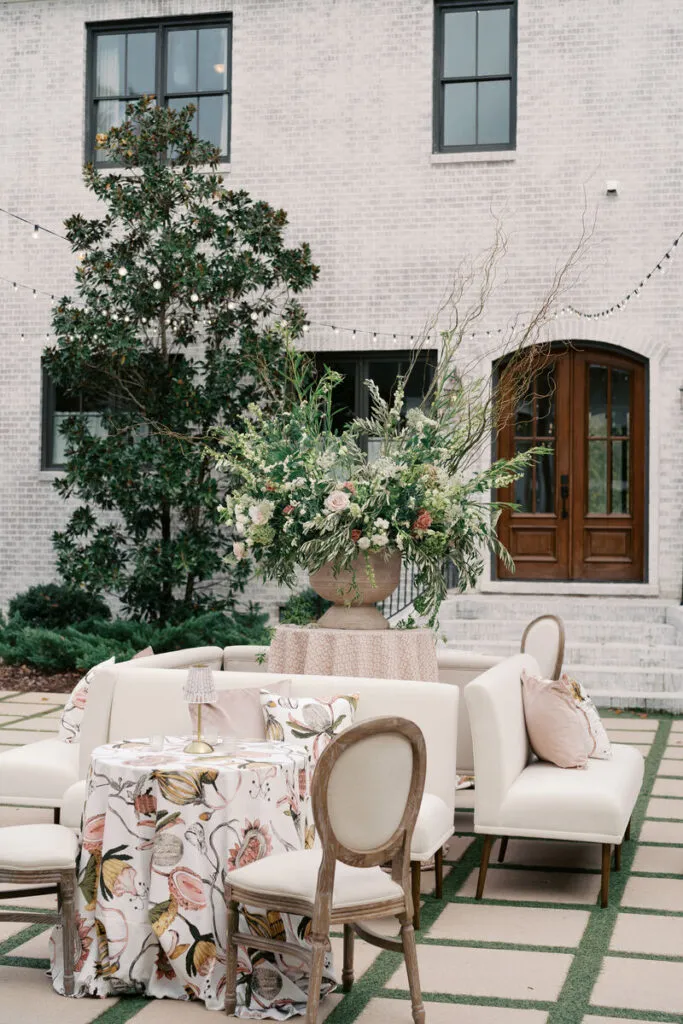
Fabric selection sets the visual and tactile foundation of the table. The way a linen looks, feels, and interacts with light shapes the overall atmosphere and determines how cohesive the setting appears. Thoughtful fabric choices ensure that the table reads as intentional and aligned with the desired level of formality.
Why Fabric Choice Defines the Overall Aesthetic
Fabric sets the foundation for the entire table. Its texture, weight, and finish influence how light interacts with the surface and how the setting is perceived from a distance and up close. Crisp, structured linens create a formal tone, while softer, more fluid fabrics introduce ease and movement. Selecting a fabric that aligns with the setting ensures visual consistency and a clear design direction.
Balancing Natural Texture with a Polished Finish
Natural fibers bring depth and character through subtle irregularities and a tactile surface. At the same time, the finish must remain clean and composed to maintain a refined look. A well-balanced fabric offers both visual softness and enough structure to hold its shape across the table. This balance allows the setting to feel elevated without appearing overly rigid.
The Impact of Linen Quality on Table Presentation
The quality of linen directly affects how the table reads as a whole. Higher-quality fabrics drape with precision, maintain a smooth surface, and photograph with clarity under different lighting conditions. Inferior materials can appear flat, uneven, or overly creased, which disrupts the overall composition. Consistent quality ensures that every table element contributes to a cohesive and polished presentation.
Achieving Perfect Proportions with Linen Sizing and Draping
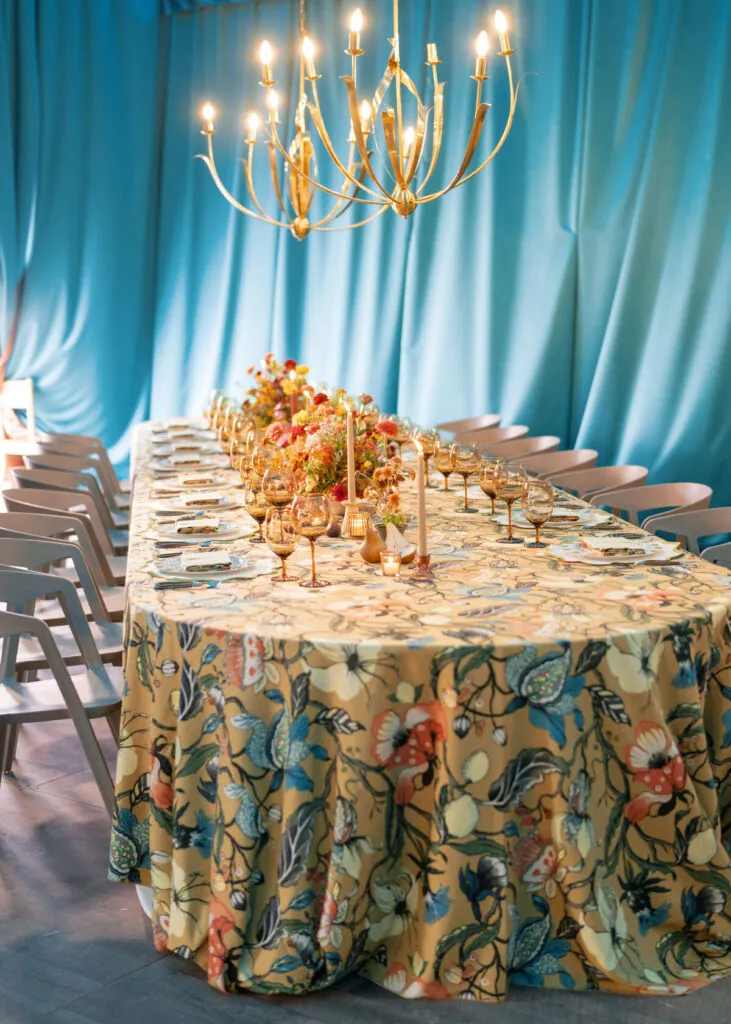
Proportion and drape define how the table occupies space within a room. The relationship between table dimensions and linen size influences both structure and flow, shaping how the setting is perceived from different angles. Careful attention to these elements creates balance and ensures that the table feels grounded and composed.
How the Right Drop Length Shapes the Table’s Presence
The length of the drop defines the table’s visual weight and formality. Shorter drops create a lighter, more casual feel, while longer drops introduce structure and a sense of occasion. Floor-length linens establish a continuous silhouette that anchors the table within the space. Selecting the appropriate drop ensures that proportions remain balanced and aligned with the setting.
Creating Flow Through Thoughtful Draping
Draping influences how the fabric moves and settles around the table. Even folds and smooth transitions create a sense of order, while uneven distribution can interrupt the visual flow. Careful placement allows the fabric to fall naturally, forming soft lines that guide the eye without distraction. Consistency across tables reinforces a cohesive environment.
Using Layers to Add Depth and Dimension
Layering introduces variation without overwhelming the design. Runners and overlays can define focal areas, add contrast in texture, and break up large surfaces. When applied with restraint, layers enhance depth while maintaining clarity. Each additional element should support the overall composition rather than compete for attention.
Maintaining a Smooth, Tailored Linen Finish
A smooth, tailored finish reinforces the sense of precision in a table setting. The condition of the linen communicates care and attention to detail, influencing how the entire setup is perceived. Consistent preparation and finishing ensure that the table maintains a clean and refined appearance throughout the event.
Preparing Linens for a Flawless Presentation
A refined finish begins before the table is set. Pressing or steaming removes creases and allows the fabric to settle into its intended form. Proper preparation ensures that linens appear clean, structured, and ready for placement, which sets the tone for the entire table setting.
Minimizing Creases Without Compromising Texture
Handling linens with care preserves both their appearance and their natural character. Gentle storage methods and controlled handling reduce the likelihood of visible creasing. The goal is a surface that feels smooth and composed while retaining the fabric’s inherent texture.
The Role of Finishing Touches in Elevated Styling
Final adjustments bring precision to the overall presentation. Aligning edges, smoothing surfaces, and refining placement create a sense of order and attention to detail. These small refinements complete the look and ensure that the table maintains a consistent, polished appearance from every angle.
Elevating Table Settings Through Napkin Styling
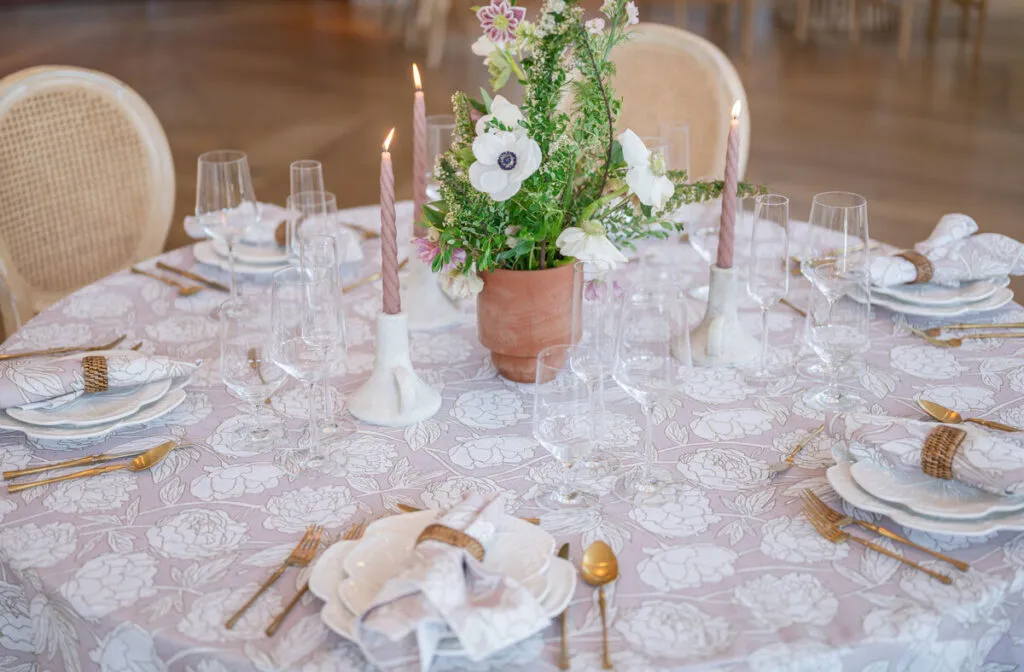
Napkin styling contributes to the overall composition by adding structure, softness, and subtle detail to each place setting. When approached with restraint and consistency, napkins enhance the table without drawing attention away from the linens. Their role is to support the visual rhythm of the setting while reinforcing a cohesive design language.
Elegant Napkin Folds That Complement Linen Design
Napkin folds should reflect the tone of the table and remain visually balanced with the surrounding elements. Clean, structured folds create a sense of order, while softer folds introduce a more relaxed feel. Selecting one or two refined styles and applying them consistently ensures that the table maintains clarity and cohesion.
Placement Strategies That Enhance Visual Balance
Placement determines how each setting is framed. Positioning napkins on the plate creates a centered focal point, while placing them beside the cutlery introduces a more open layout. Consistent placement across all tables reinforces symmetry and allows the overall design to read as intentional and well-composed.
Integrating Napkins into the Overall Table Story
Napkins should connect seamlessly with the linens, centerpieces, and tableware. Coordinating tone, texture, and subtle accents allows them to blend into the overall composition. Small details such as a restrained fold or a minimal accent element can tie the entire table together without adding visual weight.
Mastering Color Coordination for Linen Styling
Color defines the atmosphere of the table and influences how every element interacts within the setting. A considered palette creates harmony and ensures that linens, tableware, and decor work together as a unified composition. Controlled use of color allows the table to feel refined and visually balanced.
Building a Cohesive Color Story
A cohesive palette begins with a strong foundation, often built around neutral tones that support accent colors. Limiting the number of hues ensures that the table remains visually clear and avoids unnecessary complexity. Consistency across all tables strengthens the overall impression and creates a unified environment.
Using Tone and Texture Instead of Contrast
Subtle variation within a color palette introduces depth without disrupting harmony. Layering tones of the same color or combining matte and soft sheen finishes creates interest while maintaining restraint. This approach allows the table to feel rich and dimensional without relying on sharp contrasts.
Adapting Linen Colors to Lighting and Setting
Lighting conditions influence how colors appear throughout an event. Natural light, evening settings, and ambient lighting each affect tone and depth. Selecting linens with an awareness of their environment ensures that the palette remains consistent and visually appealing across different conditions.
Creating Harmony Between Linens and Centerpieces
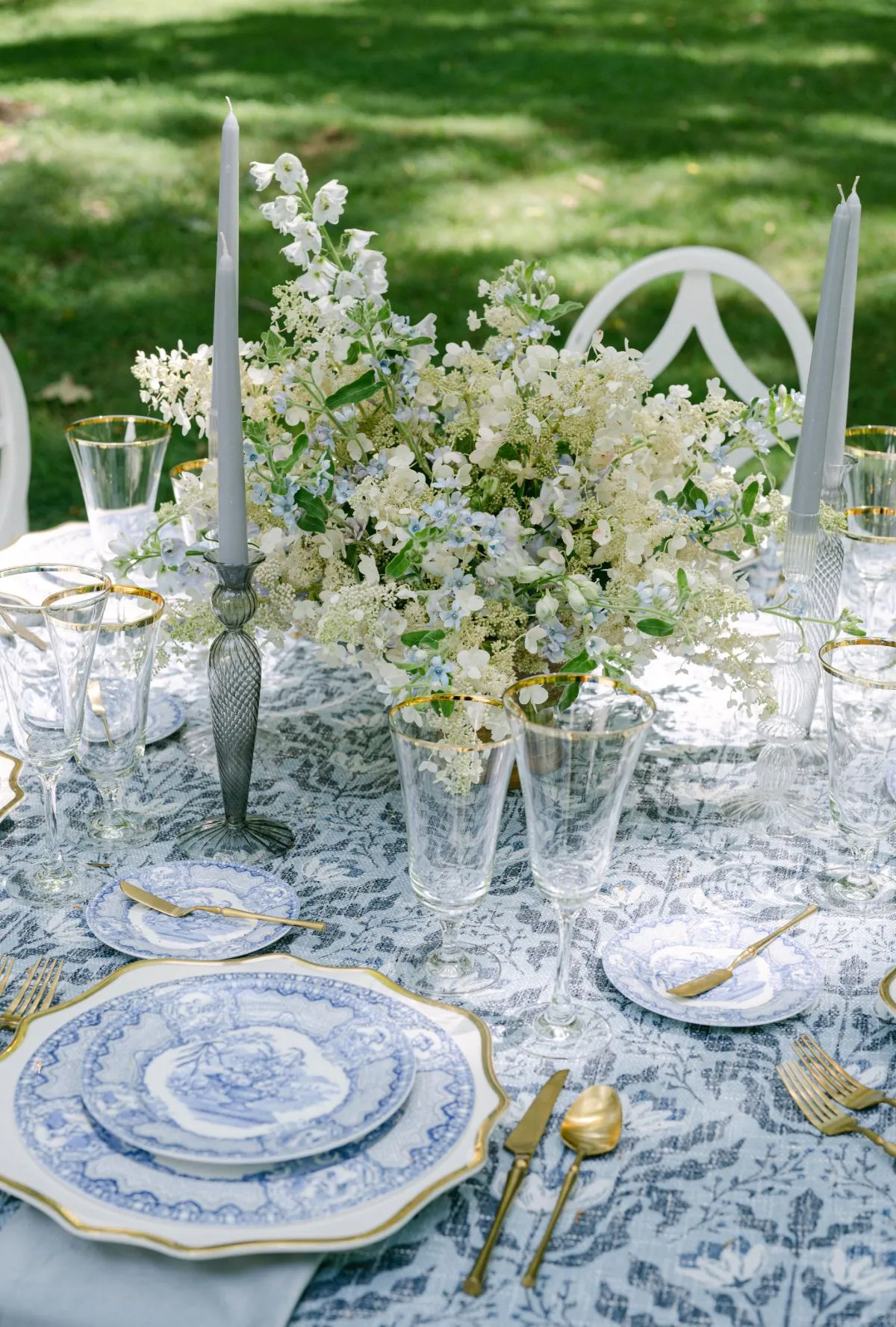
Linens and centerpieces share visual space and must work together to form a balanced composition. Their interaction determines whether the table feels cohesive or disjointed. A thoughtful approach ensures that both elements support each other and contribute to a unified aesthetic.
How Scale and Texture Influence Table Balance
The relationship between scale and texture shapes how the table is perceived. Structured centerpieces pair well with softer linens, while more fluid arrangements benefit from a stable textile foundation. Maintaining this balance allows each element to stand out without overwhelming the other.
Avoiding Visual Competition Between Elements
When multiple elements compete for attention, the table can feel cluttered and unfocused. Linens should provide a calm base that allows centerpieces to sit naturally within the composition. Keeping proportions and detailing controlled ensures that no single element disrupts the overall harmony.
Designing Tables That Feel Cohesive and Intentional
A cohesive table relies on repetition, alignment, and proportion. Consistent spacing, coordinated textures, and balanced placement create a sense of order that carries across the entire setting. This level of control ensures that the table feels considered from every angle and maintains a refined visual flow.
Subtle Styling Details That Define Luxury Table Settings
Refinement in table styling often comes through restraint and precision rather than excess. Small, deliberate details shape how the table is perceived and contribute to a sense of cohesion. When these elements are handled with care, the overall setting feels composed and quietly elevated.
The Power of Alignment and Symmetry
Clean alignment creates structure and clarity across the table. Straight runners, even drops, and consistent spacing between elements establish visual order. Symmetry allows the eye to move smoothly across the setting, reinforcing a composed and balanced appearance.
Layering Textures for Depth Without Excess
Texture introduces variation while maintaining a controlled aesthetic. Combining soft matte linens with subtle sheen or lightly textured overlays creates depth without overwhelming the design. Each layer should feel intentional and contribute to a unified surface.
Creating a Consistent Look Across Multiple Tables
Consistency ensures that the overall environment feels cohesive rather than fragmented. Repeating key elements such as linen choices, folds, and placements across tables creates a unified visual language. This approach allows individual tables to feel connected within a larger setting.
Thoughtful Linen Care for Long-Lasting Elegance
Care practices influence how linens perform and appear over time. Maintaining their structure, texture, and finish ensures that they continue to support a refined table setting. A considered approach to handling and storage preserves both visual quality and fabric integrity.
Preserving Fabric Integrity Through Proper Care
Proper cleaning and storage methods help maintain the original character of the fabric. Gentle handling prevents unnecessary stress on fibers, while appropriate storage conditions protect against fading and distortion. These practices allow linens to retain their intended look and feel.
Maintaining a Ready-to-Style Finish
Keeping linens in a prepared state reduces the need for extensive adjustments before use. Smooth storage techniques and careful handling ensure that fabrics remain close to their ideal presentation. This consistency supports efficient styling while preserving a polished appearance.
Frequently Asked Questions
How do I choose the right linen fabric for my table setting?
Select a fabric that aligns with the tone and formality of the setting. Natural textures such as linen and high-quality cotton create depth and softness, while more structured weaves provide a cleaner, tailored appearance. The choice should support the overall visual direction and feel cohesive with tableware and decor.
What is the ideal tablecloth drop for a refined look?
The drop length should reflect the level of formality and the visual weight you want the table to carry. Mid-length drops create a balanced and approachable look, while floor-length linens introduce a more formal and continuous silhouette. Consistency across all tables ensures a composed presentation.
How can I keep linens looking smooth throughout an event?
Preparation plays a key role in maintaining a smooth finish. Linens should be pressed or steamed before placement and handled carefully during setup. Final adjustments just before guest arrival help maintain a clean surface and ensure the table remains visually polished.
How do I coordinate linen colors with the rest of the table setting?
Begin with a neutral base and introduce one or two accent tones that complement the overall palette. Consider how colors interact with lighting, tableware, and centerpieces. A restrained approach to color ensures harmony and prevents the table from feeling visually crowded.
What napkin styles work best for a sophisticated table?
Simple, structured folds tend to work best in refined settings. The focus should remain on clarity and consistency rather than complexity. Selecting one or two styles and applying them uniformly across tables supports a cohesive look.
How do I balance linens with centerpieces without overcrowding the table?
Linens should provide a calm foundation that allows centerpieces to sit naturally within the composition. Maintaining proportion and spacing ensures that both elements remain distinct while contributing to a unified design.
What are the most common mistakes in linen table styling?
Common issues include mismatched proportions, inconsistent draping, excessive layering, and poorly coordinated colors. These elements can disrupt balance and reduce the overall clarity of the table setting. Addressing them with a more considered approach improves cohesion and presentation.
How should linens be stored to maintain their quality?
Linens should be stored clean, dry, and in a way that minimizes creasing. Folding with care or rolling larger pieces helps preserve their structure. Proper storage conditions protect the fabric and ensure it remains ready for use.
How can I create a cohesive look across multiple tables?
Consistency in fabric, color, proportions, and placement creates a unified visual language. Repeating key elements across tables ensures that the overall setting feels connected and intentional rather than varied or fragmented.
Why does linen quality matter in table styling?
Higher-quality linens offer better drape, a smoother surface, and a more refined finish. They enhance how the table appears both in person and in photographs, contributing to a cohesive and elevated presentation.
Conclusion
A well-styled table reflects clarity in design and attention to detail. Each element, from fabric selection to final placement, contributes to a cohesive composition that feels balanced and considered. Thoughtful decisions in linen styling create a strong foundation that supports the overall atmosphere.
Consistent preparation, controlled use of color and texture, and careful finishing bring a sense of refinement to the table. When these elements are aligned, the result is a setting that feels intentional, visually cohesive, and suited to a high-end presentation.