
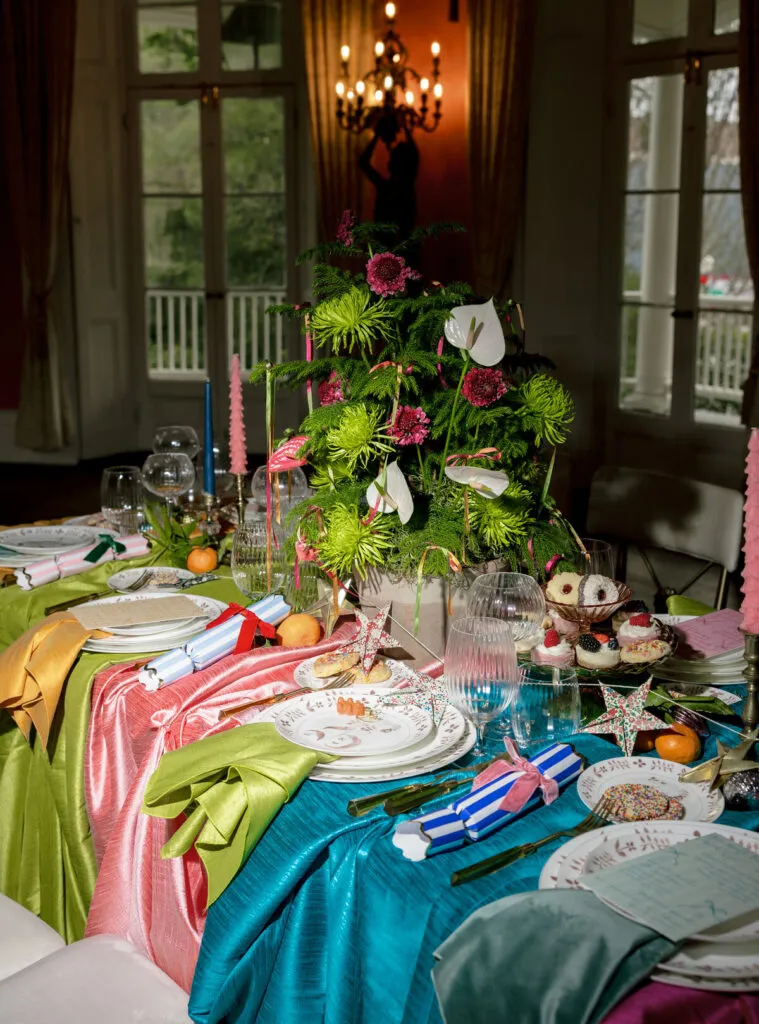
Lightweight fabrics play a defining role in summer table settings, where comfort and visual clarity shape the overall experience. Linen, with its breathable structure and natural texture, offers a balance of ease and refinement that suits warm-weather gatherings. Its ability to remain cool to the touch while maintaining a composed drape makes it a strong foundation for seasonal tablescapes.
A well-styled summer table relies on materials that feel appropriate to the environment and support a cohesive visual direction. Thoughtful use of lightweight linen allows the setting to feel open, relaxed, and visually balanced, while still maintaining a polished and intentional presentation.
Why Lightweight Linen Fabrics Define Summer Tablescapes
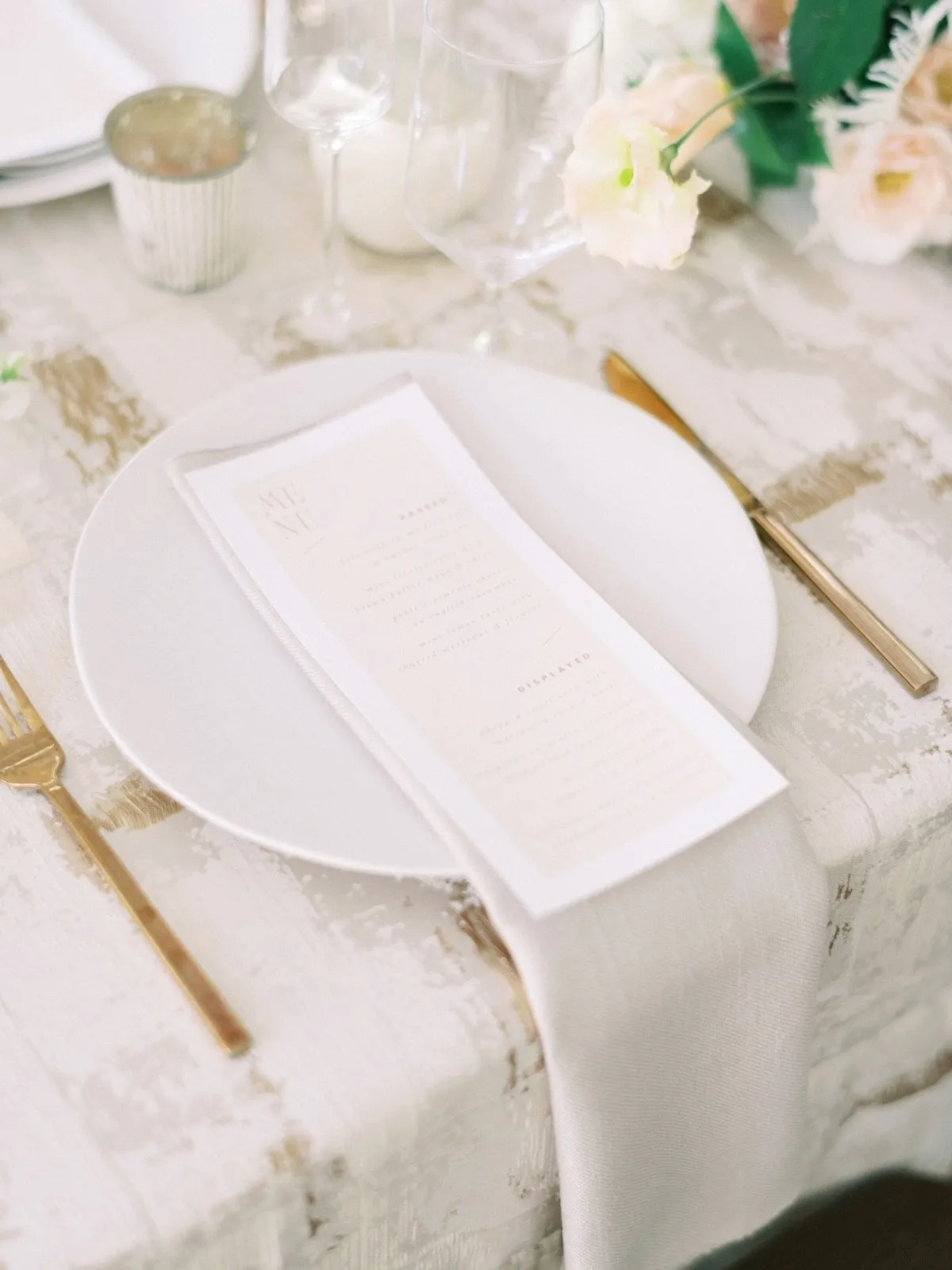
Summer table settings rely on materials that respond well to heat, light, and open environments. Lightweight linens introduce a sense of ease while maintaining structure, allowing tables to feel composed without appearing heavy. Their visual lightness supports a setting that feels appropriate to the season and aligned with a relaxed yet refined atmosphere.
The Role of Breathability in Summer Table Settings
Breathability influences how linens perform and how they are experienced throughout an event. Fabrics that allow air to circulate remain comfortable to the touch and retain a fresh appearance over time. This quality becomes especially important in outdoor or sunlit settings, where heavier materials can feel dense and visually static.
How Natural Fibers Influence Texture and Feel
Natural fibers bring subtle variation in texture that adds depth without overwhelming the table. Linen’s surface carries a soft irregularity that reads as organic and considered. This texture softens the overall composition and pairs well with smoother elements such as glassware and ceramics.
Key Properties That Support Summer Styling
Lightweight structure, fluid drape, and resilience define linen’s role in summer styling. These properties allow the fabric to fall cleanly across the table while maintaining a sense of movement. The result is a surface that feels balanced, visually open, and consistent across different table formats.
How to Style Summer Tablescapes with Linen Fabrics
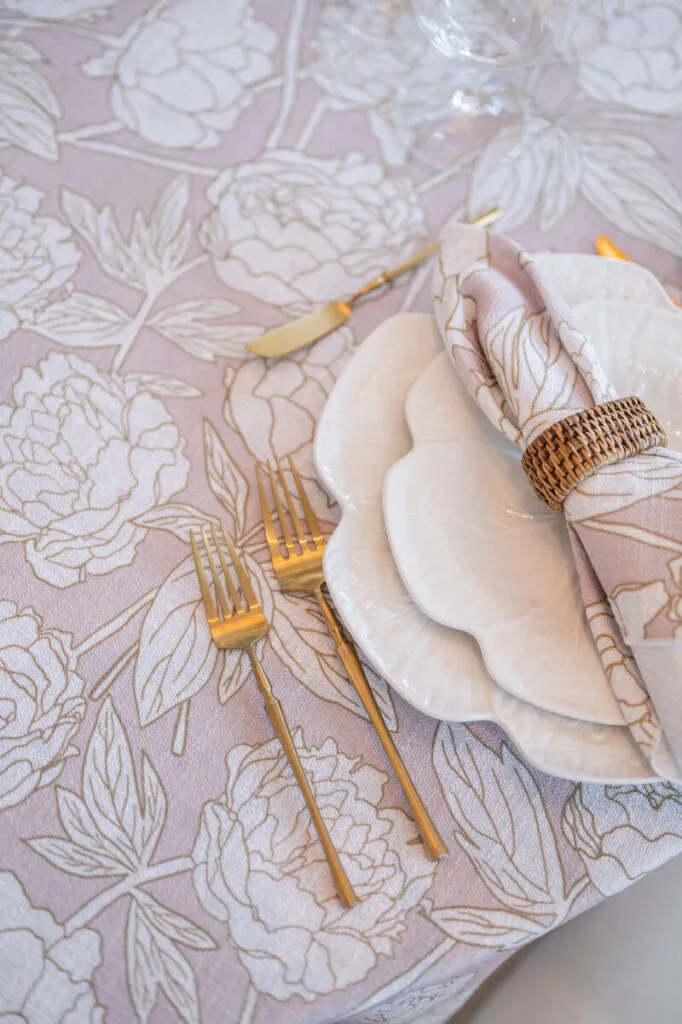
Styling with linen in summer settings requires a controlled approach that emphasizes clarity and cohesion. Each element should contribute to a unified composition, with the linen acting as a foundation that supports color, texture, and form. A restrained layering approach allows the table to feel intentional without becoming visually dense.
Building a Seasonal Color Palette
Color selection sets the tone for the entire table. Soft neutrals and sun-washed tones create a calm base, while limited accent colors introduce variation without disrupting balance. A consistent palette across linens, napkins, and decorative elements ensures that the setting reads as cohesive.
Layering Linen for Depth and Visual Interest
Layering introduces dimension while maintaining simplicity. A base cloth paired with a runner or subtle overlay creates structure and draws focus without adding visual weight. Each layer should align in tone and proportion, allowing the table to retain clarity.
Balancing Linen with Tableware and Decor
Linen works best when it supports surrounding elements rather than competing with them. Glassware, ceramics, and centerpieces should sit naturally within the composition, with spacing and proportion carefully considered. This balance allows each element to contribute without overwhelming the overall design.
Design Elements That Complement Lightweight Linen
Complementary elements shape how linen is perceived within the table setting. Material contrast, lighting, and environmental context all influence the final presentation. When these elements are aligned, the table feels cohesive and visually complete.
Mixing Materials for a Balanced Table
Combining materials introduces contrast while maintaining harmony. Natural wood, clear glass, and understated ceramics work well alongside linen’s soft texture. These pairings create variation without disrupting the overall composition.
The Role of Lighting in Linen Presentation
Lighting affects how linen color and texture are perceived throughout the event. Natural daylight highlights the fabric’s surface variation, while softer evening lighting enhances depth and warmth. Considering lighting conditions ensures that the table maintains visual consistency over time.
Creating a Cohesive Summer Atmosphere
The surrounding environment should inform styling decisions. Linen colors and textures should align with the setting, whether outdoors or within an interior space. This alignment allows the table to feel integrated rather than separate, reinforcing a composed and intentional atmosphere.
How Linen Texture and Color Shape Summer Aesthetics
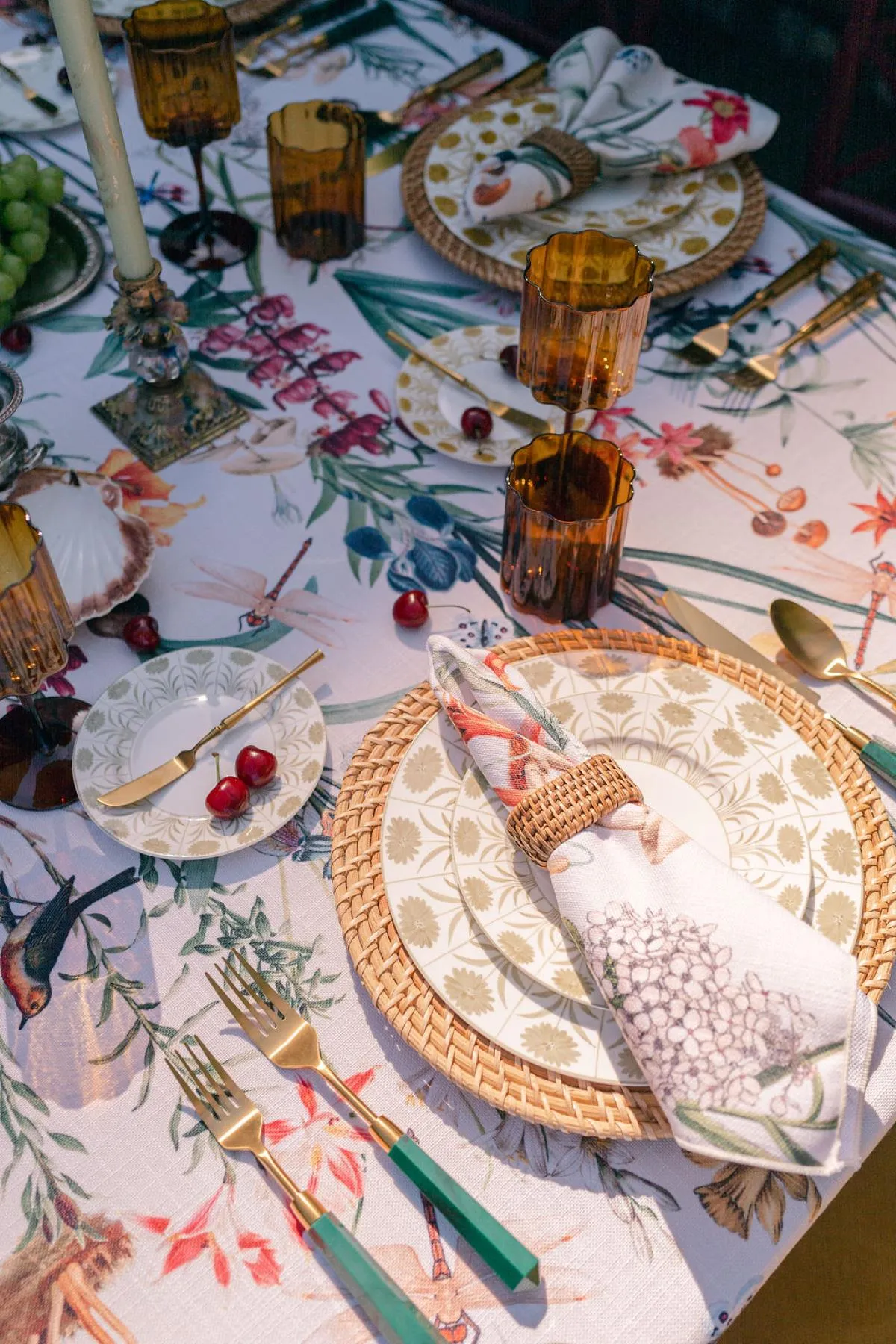
Texture and color work together to define the character of a summer table. Linen offers a range of finishes and tones that can shift a setting from relaxed to more structured while maintaining seasonal appropriateness. Thoughtful selection ensures that the table feels visually balanced and aligned with its environment.
Using Texture to Define Mood
Lighter, more open textures create an airy and informal atmosphere that suits outdoor gatherings and daytime settings. Smoother, more structured linens introduce a sense of refinement that works well for evening or more formal occasions. The choice of texture should reflect the desired tone while maintaining consistency across the table.
Choosing Colors That Reflect the Season
Summer palettes benefit from restrained, natural tones that feel light and cohesive. Soft neutrals, muted pastels, and sun-washed shades create a calm foundation, while limited accents introduce variation without overwhelming the table. A controlled palette allows the linen to support the overall composition.
Adapting Linen to Outdoor and Indoor Settings
Color and texture respond differently depending on the setting. Outdoor environments often call for lighter tones that reflect natural light, while indoor settings can support slightly deeper hues. Aligning linen choices with the surroundings ensures that the table feels integrated and visually consistent.
Linen vs Other Lightweight Fabrics for Summer Tables
Fabric selection influences both the appearance and the experience of a summer table. While several lightweight options are available, linen offers a distinct combination of texture, structure, and visual clarity that sets it apart. Understanding these differences helps in making more informed design choices.
How Linen Compares to Cotton and Blends
Linen presents a more defined texture and a fluid drape that creates a relaxed yet composed surface. Cotton offers a softer, more uniform appearance, while blends can introduce additional structure. Each option serves a purpose, though linen maintains a stronger visual presence in refined settings.
Understanding Fabric Weight and Airflow
Fabric weight affects how a table feels and how it performs in warm conditions. Lighter linens allow for greater airflow and create a sense of openness, while midweight fabrics introduce more structure. Selecting the appropriate weight ensures that the table remains balanced and comfortable.
Selecting the Right Fabric for Different Event Types
Different settings call for different fabric choices. Outdoor gatherings benefit from lighter, more breathable linens that move easily within the environment. More formal settings can accommodate slightly heavier fabrics that provide a cleaner silhouette. Matching fabric to context ensures a cohesive result.
Sustainable Linen Choices for Modern Tablescapes
Sustainability has become an integral part of material selection, influencing both design decisions and overall presentation. Linen’s natural origins and longevity support a more responsible approach to styling while maintaining a refined aesthetic. Choosing well-sourced fabrics allows the table to reflect both quality and intention.
What Defines Environmentally Responsible Linen
Environmentally responsible linen is shaped by how the fiber is grown, processed, and finished. Natural sourcing methods and reduced chemical treatments contribute to a cleaner material profile. These factors support both fabric quality and long-term usability.
Certifications That Indicate Quality and Sustainability
Certifications provide clarity around production standards and material safety. Labels such as GOTS and OEKO-TEX indicate adherence to established environmental and safety criteria. Reviewing these standards helps ensure that linen selections align with responsible practices.
The Value of Thoughtful Sourcing
Careful sourcing ensures consistency in both appearance and performance. Working with suppliers who prioritize transparency and quality results in linens that maintain their integrity over time. This approach supports a more considered and enduring use of materials within table styling.
Choosing the Right Linen Weaves for Breathable Summer Tables
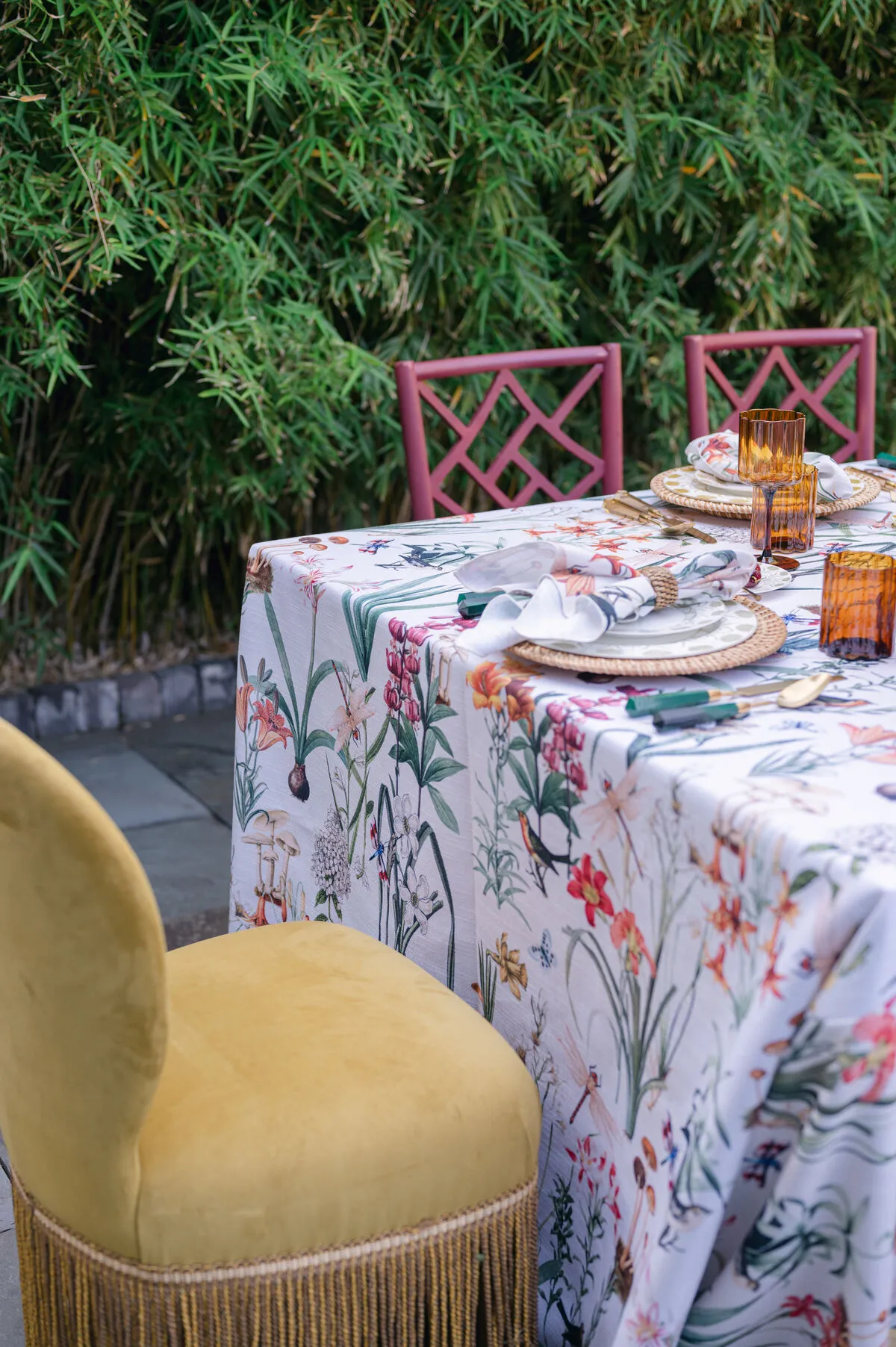
Weave structure plays a key role in how linen performs and appears in summer settings. It influences airflow, texture, and the overall visual weight of the table. Selecting the right weave ensures that the fabric supports both comfort and a balanced presentation.
How Weave Structure Affects Airflow
Looser weaves allow air to pass through more freely, creating a cooler and more breathable surface. This quality makes them well suited for outdoor settings and warmer conditions. Tighter weaves offer a smoother appearance with less airflow, which can suit more structured environments.
Selecting Weaves for Different Table Styles
Casual tables benefit from more open, textured weaves that introduce softness and movement. Formal settings often call for tighter weaves that create a cleaner and more defined surface. Matching weave to table style ensures visual consistency and clarity.
Balancing Structure and Lightness in Fabric Selection
A balanced weave maintains enough structure to hold shape while preserving a sense of lightness. This combination allows the linen to drape cleanly without appearing heavy. The result is a table that feels composed and appropriate to the season.
Linen Care Practices for Summer Use
Maintaining linen during warmer months requires attention to handling, cleaning, and storage. Proper care preserves both the texture and breathability of the fabric, ensuring that it continues to support a refined table setting. Consistent practices help maintain a smooth and ready-to-style finish.
Maintaining Texture and Breathability
Gentle cleaning methods help retain the fabric’s natural character. Avoiding harsh treatments preserves airflow and prevents the surface from becoming overly flat. This approach keeps the linen visually soft and comfortable to the touch.
Storage Methods That Preserve Fabric Quality
Storing linen in a dry, breathable environment helps prevent moisture buildup and maintains freshness. Careful folding or rolling reduces deep creases and protects the structure of the fabric. These methods support long-term quality and ease of use.
Preparing Linens for Repeated Seasonal Use
Regular inspection and light preparation ensure that linens remain consistent across uses. Minor adjustments before each use help maintain a clean and composed appearance. This consistency allows the table to feel refined without extensive preparation.
Styling Outdoor Summer Tables with Linen
Outdoor settings introduce variables such as light, movement, and temperature that influence how linen behaves. Adapting styling choices to these conditions ensures that the table remains balanced and visually stable. A considered approach allows linen to perform well while maintaining a refined appearance.
Adapting Linen to Weather and Environment
Sunlight, heat, and airflow all affect how linen looks and feels. Selecting lighter tones and breathable weaves helps maintain comfort and visual clarity. Aligning fabric choice with environmental conditions supports a cohesive result.
Ensuring Stability and Clean Presentation Outdoors
Movement from wind or uneven surfaces can disrupt the table’s appearance. Proper placement and proportion help maintain structure and prevent shifting. A stable setup ensures that the table remains composed throughout the event.
Aligning Linen with Natural Surroundings
Outdoor tables benefit from materials that reflect their surroundings. Linen colors and textures should complement natural elements such as greenery, wood, and stone. This alignment allows the table to feel integrated and visually harmonious.
Subtle Details That Elevate Summer Linen Styling
Refinement in summer tablescapes comes through careful attention to small details. These elements shape the final presentation and reinforce a sense of cohesion. When handled with precision, they elevate the table without adding unnecessary complexity.
Creating Visual Lightness Through Proportion
Balanced proportions allow the table to feel open and uncluttered. Appropriate drop lengths and spacing between elements contribute to a sense of ease. This approach supports the overall lightness associated with summer settings.
Maintaining Consistency Across Tables
Repeating key elements such as fabric choice, color, and placement creates a unified visual language. Consistency ensures that the setting feels intentional rather than varied. This cohesion strengthens the overall presentation.
Refining the Final Presentation
Final adjustments bring clarity and precision to the table. Straightening edges, smoothing surfaces, and aligning elements create a composed finish. These refinements ensure that the table maintains a clean and polished appearance from every angle.
Frequently Asked Questions
How do I choose the right linen weight for a summer tablescape?
Lighter-weight linens work well for outdoor and daytime settings where airflow and movement are important. Midweight linens provide slightly more structure and can suit evening or more formal tables. The choice should reflect the setting, temperature, and desired level of formality.
Which colors work best for summer linen table styling?
Soft neutrals, muted pastels, and sun-washed tones create a calm and cohesive base. Limited use of accent colors helps maintain visual balance without overwhelming the table. Colors should also be considered in relation to natural light and surroundings.
How can I layer linens without making the table feel heavy?
Layering should remain controlled and intentional. A base cloth paired with a single runner or subtle overlay creates depth while preserving visual lightness. Keeping the palette consistent ensures that layers enhance rather than complicate the composition.
What linen weaves are best for hot weather?
Looser weaves allow for better airflow and create a lighter visual effect, making them suitable for outdoor or warm environments. Tighter weaves offer a smoother surface and more structure, which can suit indoor or evening settings.
How do I keep linen looking fresh during summer events?
Proper preparation and handling help maintain a clean appearance. Linens should be pressed or steamed before use and adjusted as needed during setup. Careful placement and minimal disturbance during the event support a smooth and composed surface.
Is linen better than cotton for summer tablescapes?
Linen provides a more defined texture and a lighter, more breathable structure compared to cotton. Cotton can offer a softer and more uniform surface, though linen tends to create a more visually dynamic and seasonally appropriate presentation.
How can I style linen for outdoor summer tables?
Select lighter tones and breathable fabrics that respond well to sunlight and airflow. Keep arrangements balanced and avoid excessive layering. Aligning linen choices with natural surroundings helps create a cohesive outdoor setting.
How do I care for linen during the summer season?
Gentle cleaning, proper drying, and careful storage help preserve the fabric’s texture and breathability. Storing linen in a dry, well-ventilated space and handling it with care ensures it remains ready for repeated use.
Conclusion
Summer table styling benefits from materials that support both comfort and visual clarity. Lightweight linen provides a foundation that allows the table to feel open, balanced, and aligned with the season. Careful selection, thoughtful layering, and attention to detail contribute to a cohesive presentation.
A consistent approach to fabric choice, color, and finishing ensures that each element works together. When these decisions are handled with intention, the result is a table setting that feels refined, composed, and well suited to warm-weather gatherings.