
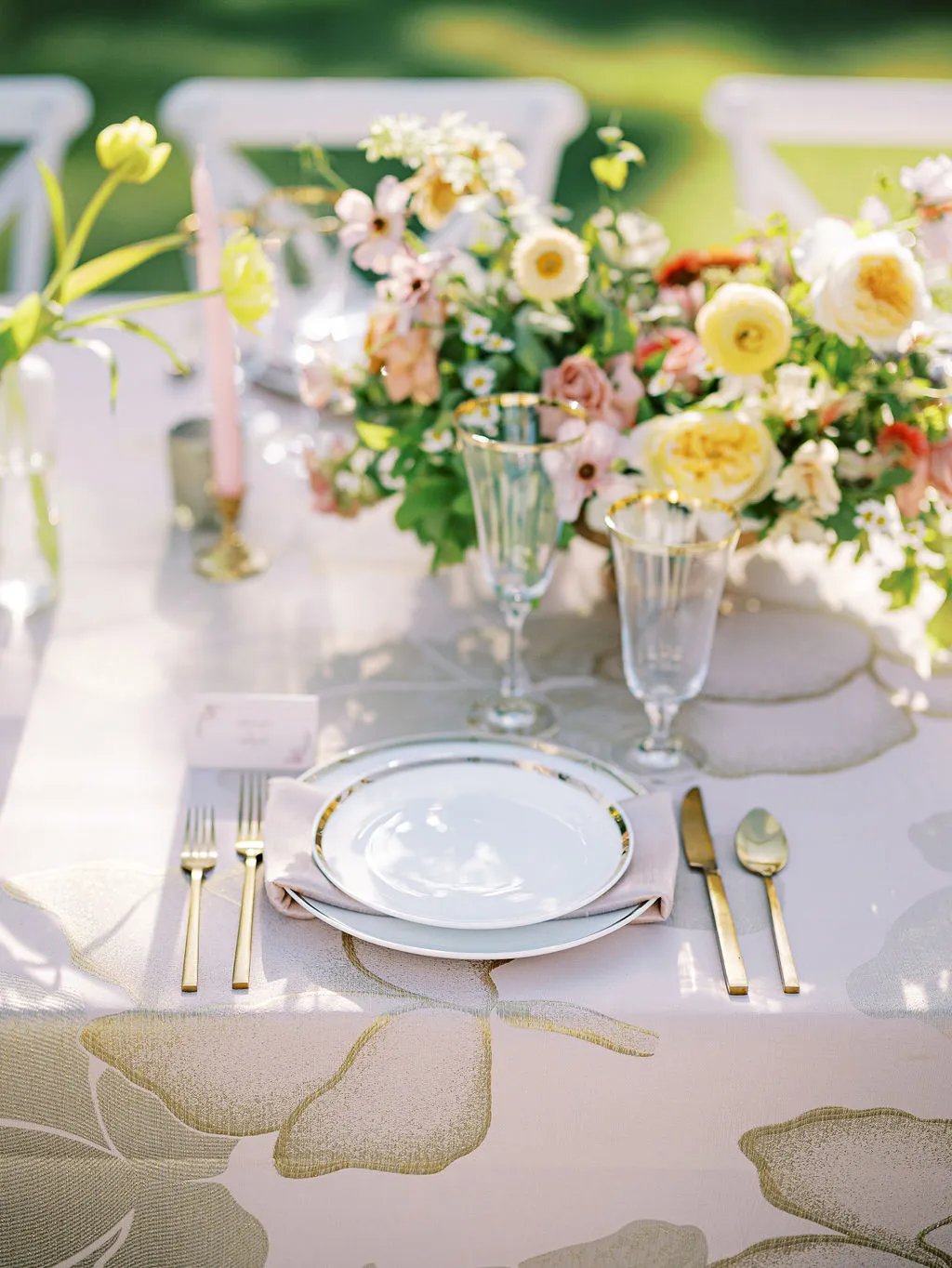
Timeless linen table settings rely on consistency in design and flexibility in styling. The foundation remains stable while select elements shift to reflect the season. This approach allows a single tablescape to adapt across occasions without losing its refined character.
Linen supports this versatility through its texture, drape, and ability to carry both neutral and accent tones. When paired with a structured color palette and controlled styling choices, it creates a table that feels appropriate in any setting, from seasonal gatherings to formal events.
This guide outlines how to design linen table settings that transition seamlessly throughout the year. It focuses on fabric selection, color strategy, and styling techniques that maintain elegance while allowing for subtle seasonal variation.
Choosing Linen Fabrics That Work Across All Seasons
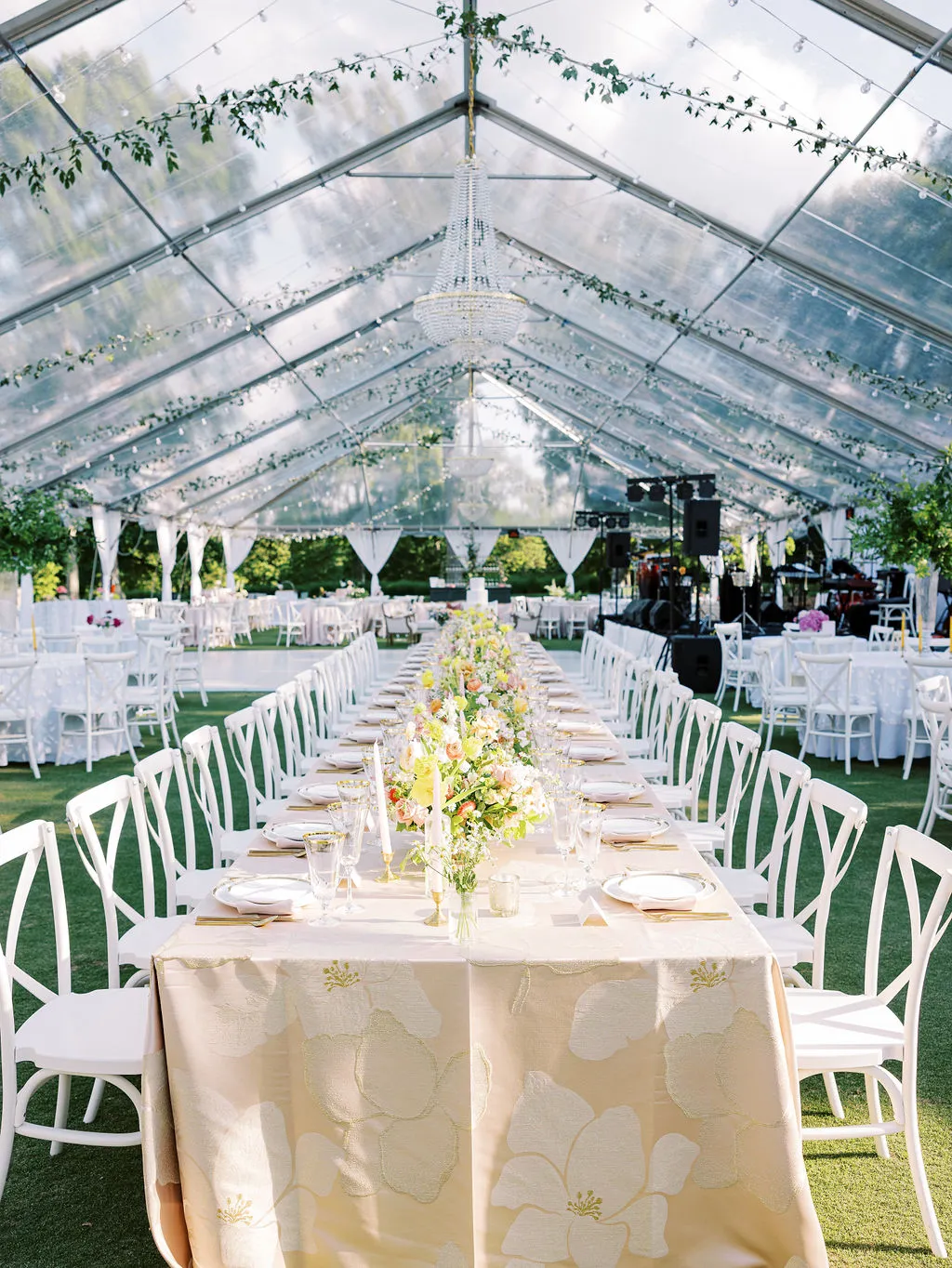
Fabric selection determines how easily a table setting can transition between seasons. Versatile linens provide a stable base that supports different styling directions without requiring frequent changes.
Pure linen vs blends vs textured linens
Pure linen offers a refined appearance with a natural texture that suits formal settings year-round. Linen blends introduce structure and durability, making them suitable for varied event conditions. Textured linens add subtle detail that can adapt to both minimal and layered seasonal styling.
How fabric weight and drape support seasonal flexibility
Medium-weight linens provide the most flexibility across seasons. They hold structure for formal arrangements while allowing enough movement for softer, relaxed settings. Balanced drape ensures that the table maintains a consistent appearance regardless of styling changes.
Selecting linens that transition between formal and casual settings
Neutral fabrics with controlled texture work across different levels of formality. By adjusting surrounding elements such as tableware or accents, the same linen can support both structured and relaxed environments without appearing out of place.
Defining Premium Linen Qualities for Timeless Styling
Timeless table settings rely on linens that maintain a consistent visual and tactile standard. Quality ensures that the table retains its refined appearance across repeated use and varied styling.
Texture, hand feel, and visual refinement
A refined surface with subtle texture adds depth without dominating the design. The tactile quality of the fabric contributes to the overall experience while supporting a composed visual structure.
Color retention and consistency across uses
Linens that maintain consistent color allow for reliable styling across seasons. Stable tones ensure that base elements remain unchanged while accent details evolve around them.
Performance in repeated event settings
High-quality linens preserve their structure and finish over time. This consistency allows them to function as a dependable foundation for multiple events, supporting a cohesive design approach.
Using Color Strategically for Year-Round Linen Styling
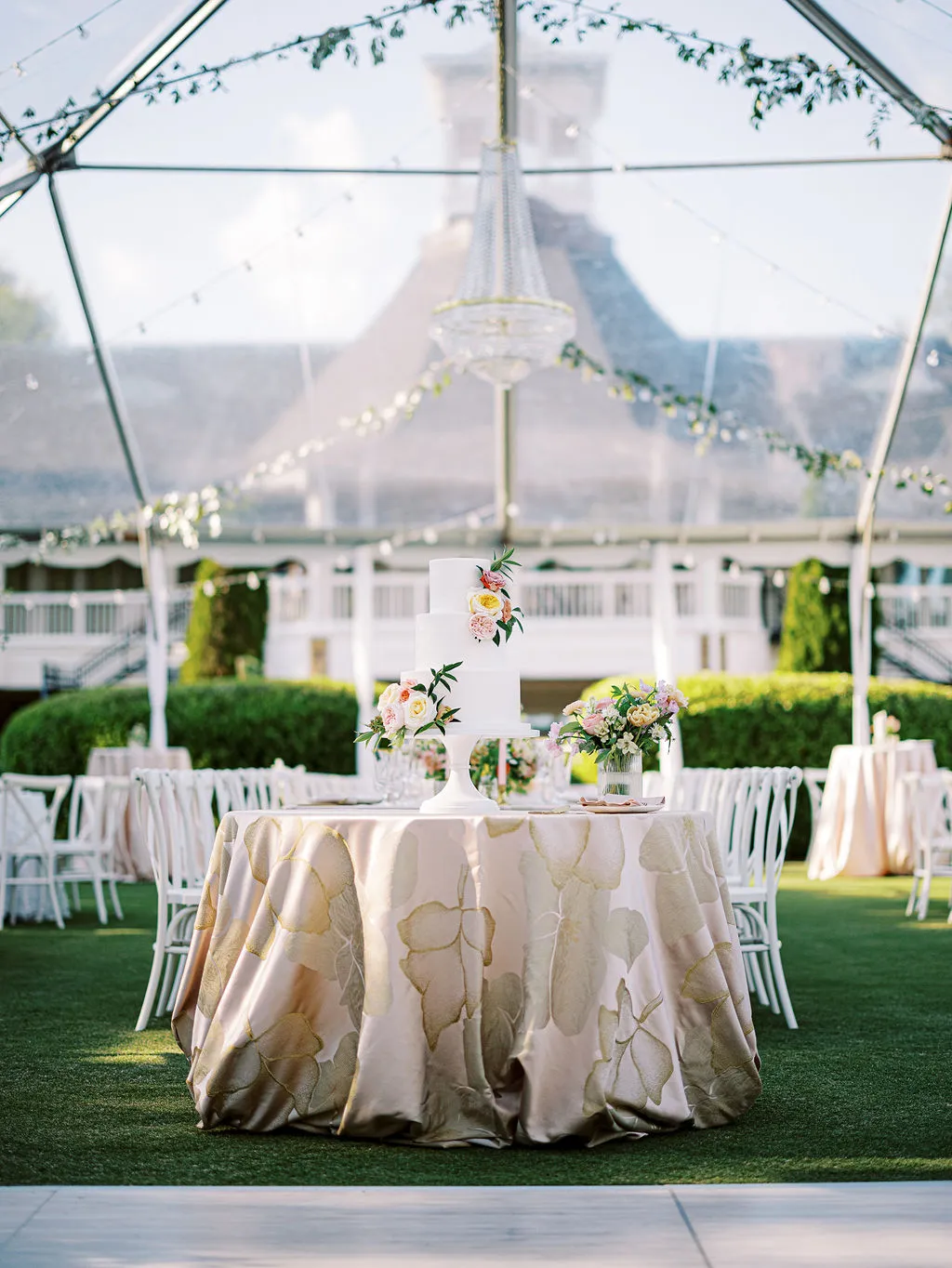
Color strategy is central to creating a table that adapts across seasons. A controlled palette allows for variation without disrupting the overall composition.
The role of color theory in timeless tablescapes
Understanding relationships between colors helps maintain balance. Complementary and analogous combinations support cohesion while allowing for subtle variation.
Building a flexible base palette
Neutral tones form the foundation of a year-round table setting. Shades such as ivory, soft gray, and warm beige provide a stable backdrop that supports changing accents.
Adapting accent colors by season
Seasonal variation is introduced through controlled accent colors. Warmer tones can be added for autumn, lighter tones for spring, and deeper hues for winter. This approach allows the table to evolve without altering its core structure.
Neutral and Pastel Foundations for Versatile Table Settings
A stable color foundation allows linen table settings to remain consistent while adapting to seasonal changes. Neutrals and pastels provide this flexibility without compromising refinement.
Core neutrals that anchor any tablescape
Neutral tones such as ivory, taupe, and soft gray create a balanced base. These shades support a wide range of styling directions and allow other elements to shift without disrupting the composition.
Soft pastels for seasonal adaptability
Pastels introduce subtle variation while maintaining a cohesive look. Shades like blush, sage, and pale blue work across multiple seasons and can be adjusted through surrounding décor.
Layering accents without changing the base linen
Instead of replacing core linens, accents such as napkins, runners, or centerpieces can introduce seasonal updates. This approach preserves consistency while allowing controlled variation.
Integrating Seasonal Color Trends Without Losing Timeless Appeal
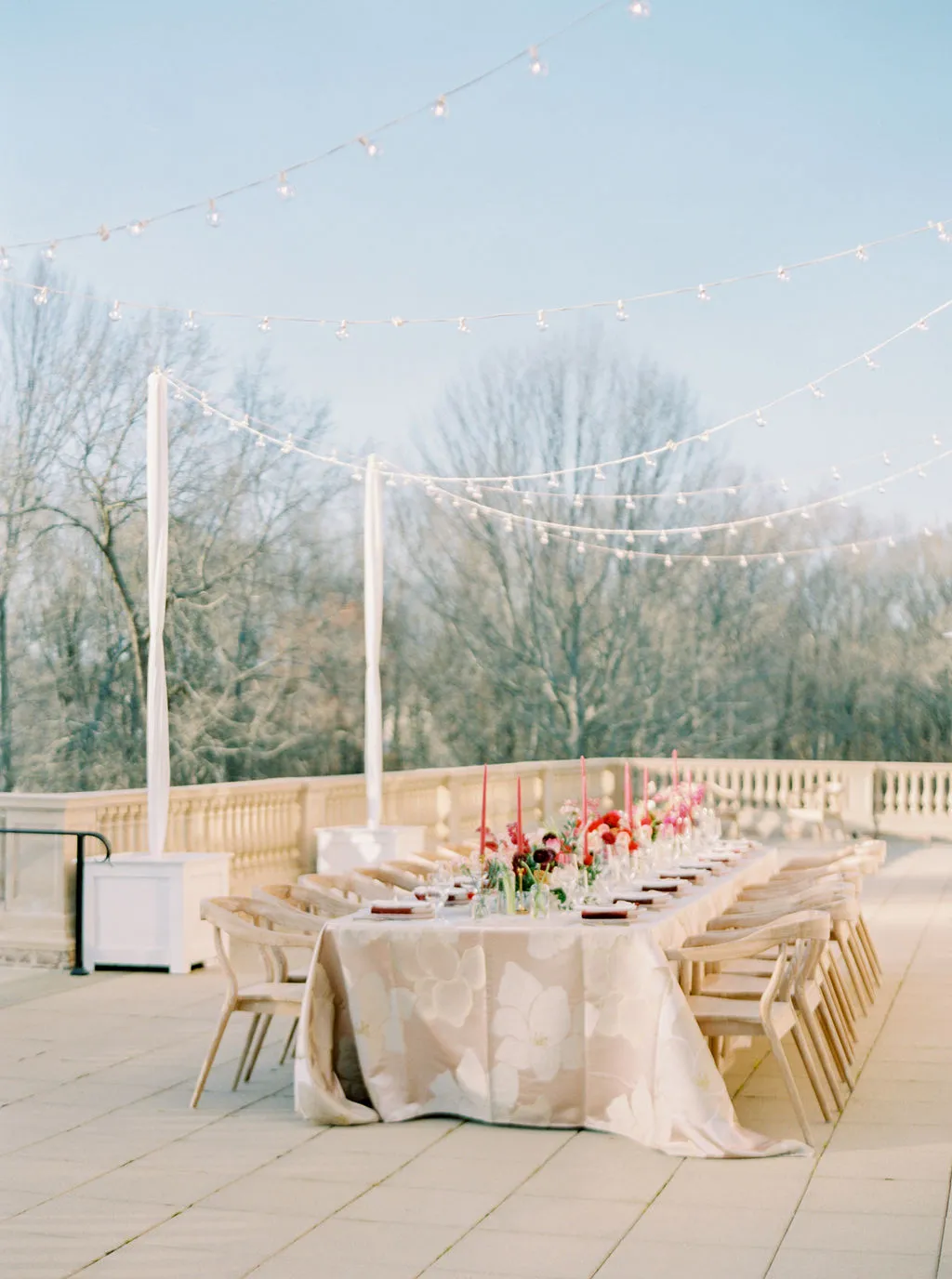
Seasonal trends can be incorporated without altering the overall structure of the table. The key is to introduce change through accents rather than foundational elements.
Balancing trend-driven colors with classic tones
Trends should complement, not replace, the base palette. Pairing a neutral linen with a seasonal accent color ensures that the table remains grounded while reflecting current styling directions.
Using accents instead of full palette shifts
Small adjustments such as colored napkins or decorative elements allow the table to reflect the season. This method avoids the need for complete redesign while maintaining visual interest.
Maintaining consistency across different event styles
A consistent base palette ensures that the table remains suitable for various event types. Seasonal updates should enhance the setting without altering its overall identity.
Napkin Styling Techniques for Timeless Elegance
Napkin styling contributes to the continuity of a tablescape. Consistent folding techniques and presentation help maintain a refined look across different settings.
Classic folds that work across all seasons
Simple, structured folds provide a reliable option for year-round use. They maintain clarity and align with both formal and semi-formal settings.
Matching fold styles to event formality
More structured folds suit formal events, while softer folds can be used for relaxed settings. The fold should align with the overall tone of the table.
Using napkin styling to reinforce design consistency
Uniformity across all place settings strengthens the overall composition. Consistent folds, placement, and alignment contribute to a cohesive and polished presentation.
Napkin Placement for Cohesive and Adaptable Tablescapes
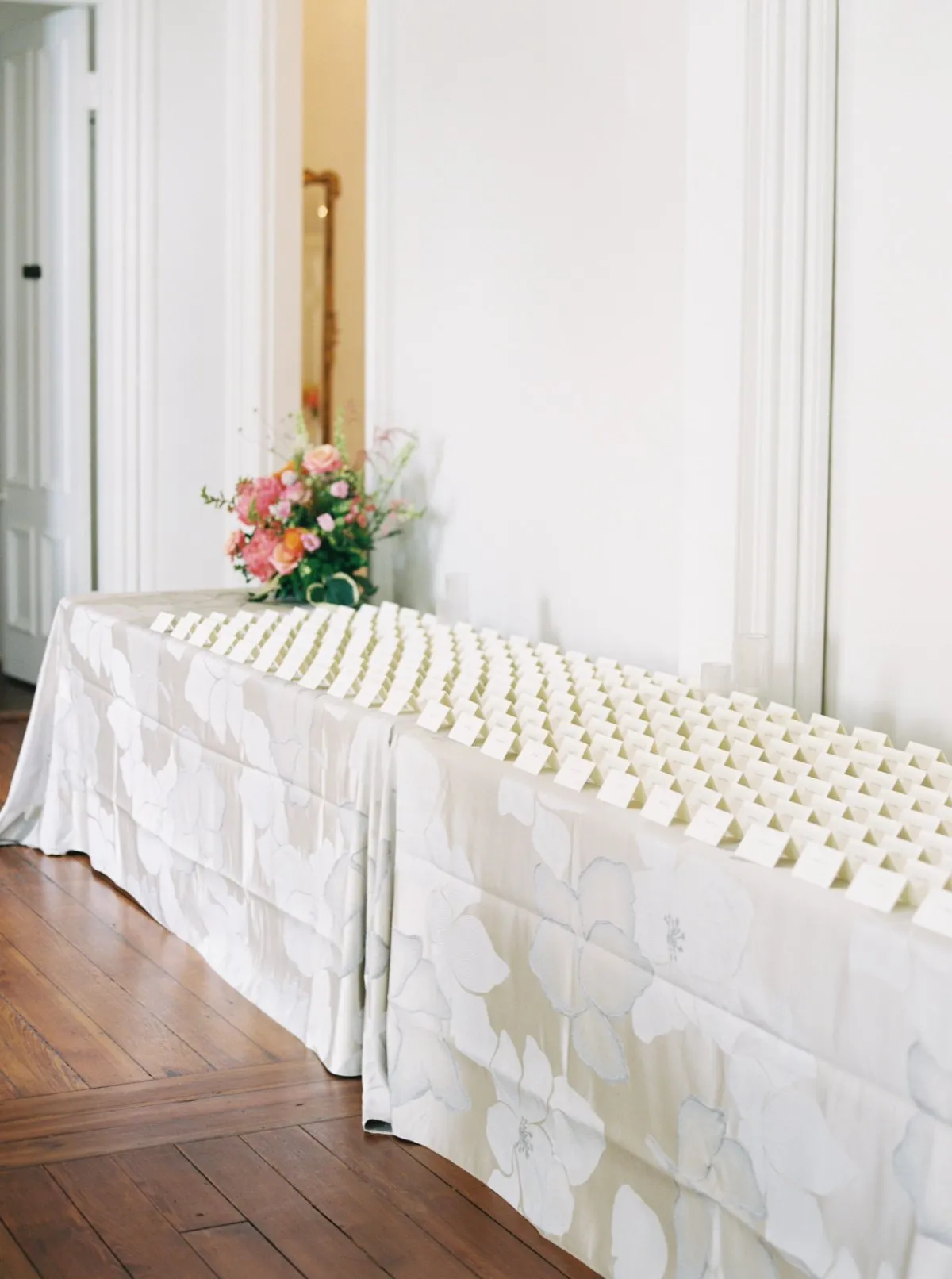
Napkin placement contributes to both the visual structure and functionality of the table. Consistent positioning ensures that the setting remains balanced while adapting to different event formats.
Placement strategies for different service styles
For formal dining, placing the napkin on the plate creates a structured focal point. For more flexible service styles, positioning it beside the cutlery keeps the layout practical and uncluttered.
Maintaining structure and symmetry
Uniform placement across all settings reinforces order. Even spacing and alignment help the table read as cohesive, regardless of seasonal changes in styling.
Supporting both aesthetics and functionality
Napkins should be easy to access without disrupting the arrangement. Placement should complement the overall layout while allowing smooth interaction for guests.
Styling Linen Tables to Transition Seamlessly Between Seasons
A timeless table setting adapts through small, controlled changes rather than complete redesigns. The base linen remains consistent while supporting seasonal updates.
Using layering to introduce seasonal variation
Runners or overlays can be added to reflect seasonal tones or textures. These layers introduce change without altering the primary linen foundation.
Swapping accessories while keeping linen constant
Centerpieces, tableware accents, and decorative elements can shift with the season. This allows the table to evolve while maintaining a consistent core structure.
Maintaining a consistent visual foundation
A stable base ensures that the table remains recognizable across events. Seasonal updates should enhance rather than redefine the overall composition.
Mixing Linen with Complementary Textures for Depth
Combining linen with other materials adds dimension while preserving balance. Controlled texture variation enhances the table without creating visual complexity.
Pairing linen with natural and refined materials
Materials such as wood, glass, or metal can complement linen’s surface. These combinations introduce contrast while maintaining a cohesive aesthetic.
Creating contrast without overwhelming the table
Texture should be introduced in measured amounts. A single contrasting element can add depth without competing with the linen foundation.
Enhancing visual interest through controlled texture
Subtle variation in surface and finish creates a layered effect. This approach keeps the table engaging while maintaining clarity and refinement.
Designing Tablescapes That Adapt to Different Event Themes
A timeless linen foundation allows the table to shift across event types without losing cohesion. Adjustments in styling elements ensure the setting aligns with each occasion.
Adjusting styling for weddings, dinners, and celebrations
Weddings often call for softer palettes and refined layering, while formal dinners favor structured layouts and restrained tones. Celebratory events can introduce more expressive accents while maintaining a consistent base.
Using linen as a unifying design element
Linen serves as the anchor that connects all components of the table. A consistent fabric and color foundation allows other elements to change without disrupting the overall composition.
Maintaining cohesion across changing themes
Even as themes vary, repetition of key elements such as tone, texture, or layout ensures continuity. This approach keeps the tablescape visually aligned across different events.
Seasonal Styling Details That Enhance Linen Table Settings
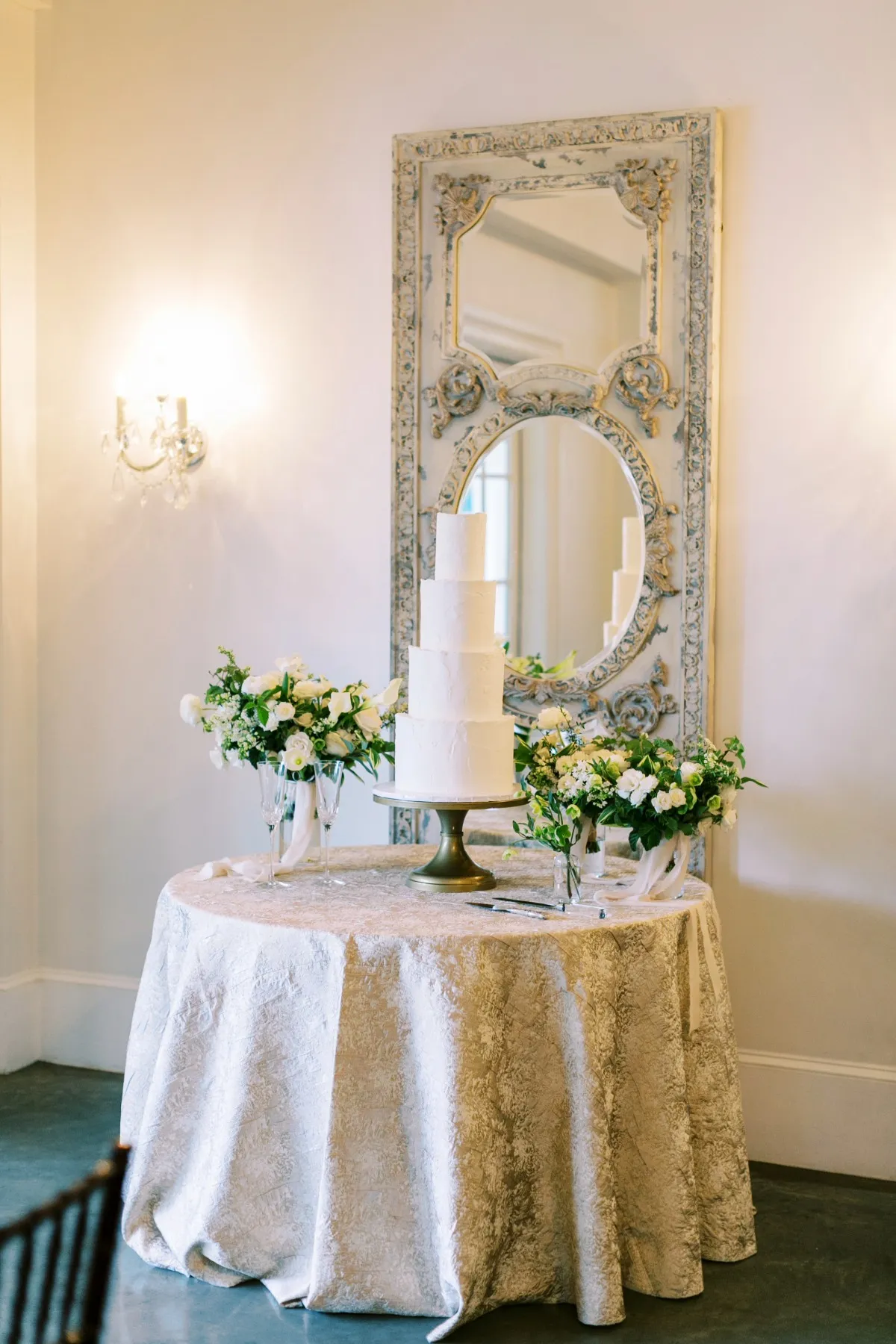
Seasonal elements add variation while preserving the integrity of the linen foundation. These details should complement rather than dominate the table.
Incorporating florals and natural elements
Seasonal florals and organic accents introduce context without requiring major changes to the linen. These elements can reflect the time of year while maintaining balance.
Using runners and accents to reflect the season
Runners, napkins, or small decorative pieces can introduce seasonal color and texture. These additions allow for variation without altering the base tablecloth.
Keeping seasonal updates subtle and refined
Controlled changes maintain a timeless aesthetic. Limiting the number of seasonal elements ensures the table remains elegant and cohesive.
Why Designers Choose Curated Linen Collection
Curated Linen Collection supports timeless styling through a focused range of high-quality linens designed for versatility and consistency.
Versatile linens designed for year-round use
The collection includes fabrics that function across multiple event types and seasons, allowing for consistent styling without frequent changes.
Consistency in color, texture, and finish
Coordinated tones and refined textures ensure seamless integration across tablecloths, runners, and napkins. This consistency supports cohesive tablescapes.
Supporting adaptable and cohesive table design
The linens are designed to work within a structured styling approach, enabling both subtle seasonal updates and long-term design continuity.
Frequently Asked Questions
How can linen table settings work for all seasons?
A neutral base combined with seasonal accents allows the table to adapt without changing core elements. This approach maintains consistency while introducing variation.
What colors are best for year-round tablescapes?
Neutral tones such as ivory, beige, and soft gray provide a stable foundation. These colors support a wide range of accent palettes across seasons.
How do you update a table setting without changing linens?
Adjust accessories such as runners, napkins, and centerpieces. These elements introduce seasonal variation while preserving the base linen.
Which napkin styles are most versatile?
Simple, structured folds work across both formal and informal settings. Consistent styling ensures cohesion regardless of seasonal changes.
How do you keep table styling consistent across events?
Maintain a fixed foundation in fabric and color. Introduce variation through controlled accents while preserving alignment and proportion.
Conclusion
Timeless linen table settings rely on consistency in foundation and flexibility in detail. A stable base combined with controlled seasonal updates allows the table to adapt without losing its refined character.
Careful selection of fabric, color, and styling elements ensures that the tablescape remains cohesive across different occasions. Subtle adjustments in accents and layout provide variation while preserving structure.
A disciplined approach to styling results in table settings that remain elegant, adaptable, and consistent throughout the year.