Ballroom venue grand tablescape linen styling requires more precision than casual event styling. A ballroom is not a neutral backdrop. It usually has architectural scale, ceiling height, chandeliers, polished flooring, wall treatments, drapery, mirrors, and formal lighting that directly affect how table linens appear inside the space.
For formal events, linens must do more than cover tables. They must support the room’s scale, match the level of formality, coordinate with lighting, and create a complete tablescape from the base linen to the final napkin fold. Whether the event is a black-tie wedding, gala, corporate dinner, formal banquet, or luxury reception, the linen styling should feel grand, balanced, and intentional.
The most successful ballroom tablescapes are built around six core decisions: fabric, color, scale, layering, drop length, and lighting coordination.
What Makes Ballroom Tablescape Linen Styling Different?
Ballroom tablescape linen styling is different because the venue itself carries visual weight. A ballroom is usually larger, taller, and more formal than a restaurant, garden venue, private home, or outdoor event space. The tablescape must be strong enough to hold its place within that environment.
Ballroom Scale Requires Stronger Linen Presence
Grand ballrooms often have high ceilings, wide floor plans, large chandeliers, oversized floral installations, stage areas, and multiple guest tables arranged across a large room. In that setting, small linen details can disappear if the overall table design is too light or understated.
The linen needs enough presence to anchor the table. This does not always mean using bold color or heavy pattern, but it does mean selecting fabrics, lengths, and textures that can visually support the room. A basic tablecloth that may work in a smaller venue can look unfinished in a ballroom if it lacks weight, structure, or proper drop length.
A formal ballroom table should look complete from every angle. Guests see the linen not only while seated but also when entering the room, walking between tables, and viewing the full reception layout.
Formal Events Require Polished Linen Execution
Formal events expose poor linen execution quickly. Wrinkles, short drops, uneven hems, mismatched napkins, incorrect table sizing, and careless layering are more noticeable in a ballroom because the setting itself is polished.
For a ballroom event, linens should be pressed, sized correctly, placed evenly, and coordinated across the room. Every guest table should feel consistent unless a specific design plan calls for variation. Head tables, sweetheart tables, cake tables, bars, and escort card tables should also be styled with the same level of care.
The difference between casual and formal styling is often in the finish. Clean drops, sharp folds, balanced layers, and consistent placement make the room feel more refined.
The Tablescape Must Work with the Room, Not Against It
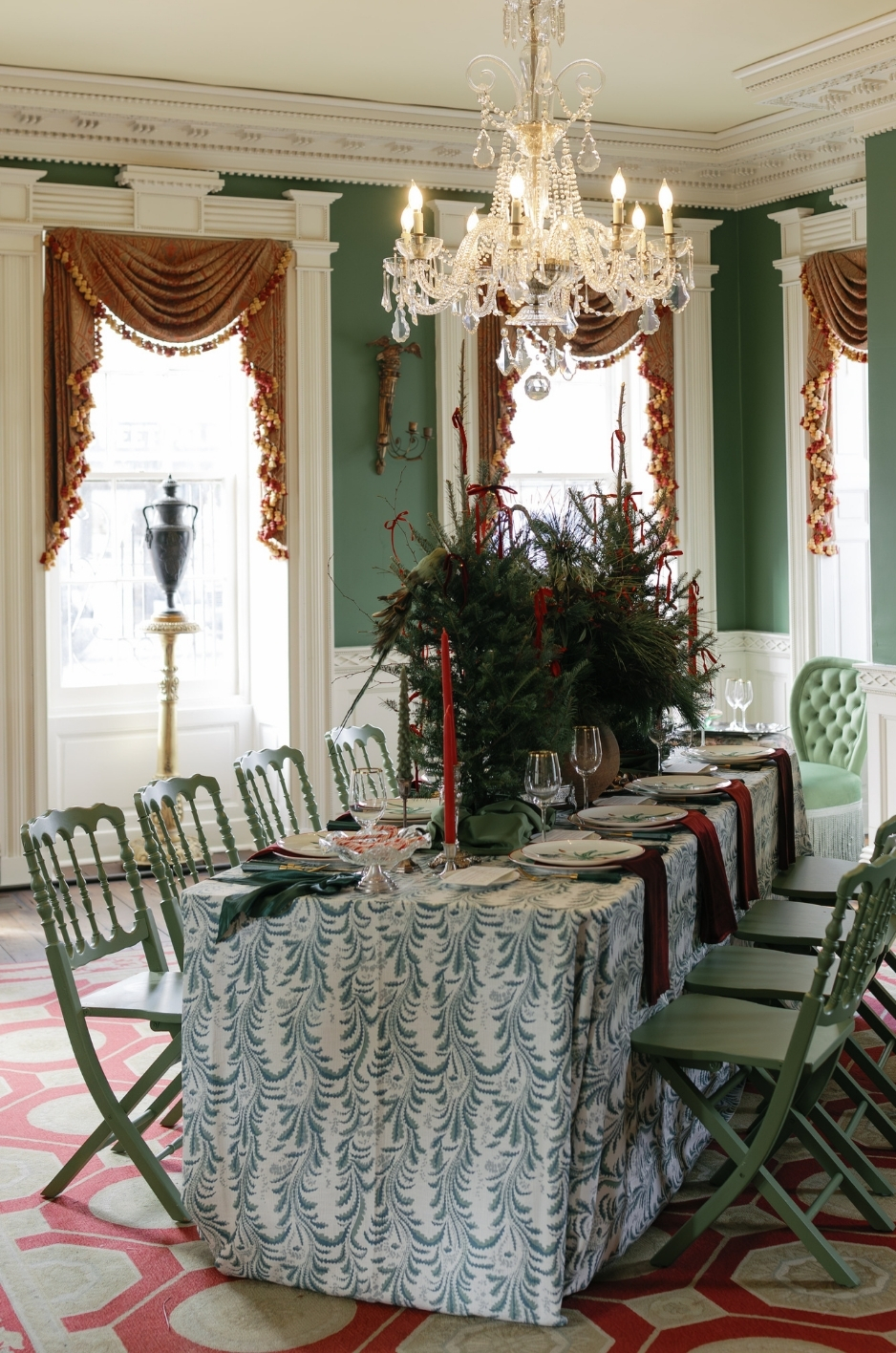
A ballroom tablescape should not compete with the venue. A thoughtful venue-inspired tablescape and linen design should respond to the room’s architecture, chandelier style, lighting temperature, wall color, flooring, and existing décor.
If the ballroom already has ornate carpets, patterned walls, or dramatic chandeliers, the linen design may need to be more controlled. If the ballroom is clean and modern, the linens may carry more texture, color, or pattern. If the room is dark and dramatic, the linen can help add contrast or deepen the mood. The goal is not to overpower the ballroom. The goal is to make the tables feel like they belong inside it.
Choose Formal Linen Fabrics That Suit a Grand Ballroom
Fabric choice is central to ballroom linen styling. Formal venues require materials that look elevated, drape properly, and photograph well under event lighting.
Satin for Smooth Formal Elegance
Satin is a strong option for classic ballroom events because it creates a smooth, polished, and elegant surface. Its subtle sheen reflects light, which can work beautifully under chandeliers and candlelight.
Satin works well for wedding receptions, formal dinners, and traditional ballroom layouts. It is especially effective when the design calls for softness without heavy texture. Ivory satin, champagne satin, blush satin, and deeper jewel-toned satin can all create a refined effect depending on the event palette.
Because satin reflects light, it should be used carefully in rooms with strong uplighting or bright overhead lighting. Too much shine can appear harsh if not balanced with matte florals, textured chargers, or soft candlelight.
Velvet for Richness and Visual Weight
Velvet adds depth, texture, and visual weight, making it especially effective for evening ballroom events. It absorbs light rather than reflecting it, which gives the table a rich and dimensional appearance.
Velvet is well suited for winter weddings, black-tie receptions, evening galas, formal dinners, and dramatic ballroom settings. Deep colors such as emerald, burgundy, navy, plum, black, and forest green can feel especially luxurious in velvet.
Because velvet has a strong presence, it works best when balanced with controlled tabletop details. Metallic chargers, crystal glassware, candlelight, and structured floral arrangements can complement velvet without overwhelming the table.
Damask for Traditional Ballroom Styling
Damask is a natural fit for traditional ballroom styling. Its woven pattern creates interest without relying on bold printed color. This makes it useful for formal banquets, classic weddings, heritage venues, corporate dinners, and luxury receptions.
A damask linen can add sophistication while keeping the palette controlled. Ivory-on-ivory, champagne-on-gold, silver-on-gray, or tone-on-tone damask designs are especially appropriate for formal ballroom tables.
Damask works well when the event needs pattern but not visual noise. It provides detail up close while still looking polished from a distance.
Lace or Sheer Overlays for Romantic Formal Events
Lace and sheer overlays can work beautifully in ballroom weddings and romantic formal events, but they must be used with care. If the lace is too delicate or casual, it can reduce the formality of the table. If the overlay is chosen well, it can add softness, detail, and a layered bridal feel.
Lace overlays are most effective over a solid base linen. The base color should support the overlay pattern and keep the table visually clean. For example, ivory over ivory creates a soft classic look, while champagne under lace can add warmth and depth.
Sheer overlays should be properly sized and placed evenly. In a formal ballroom, uneven overlay placement can look messy rather than romantic.
Select the Right Linen Color Scheme for Formal Ballroom Events
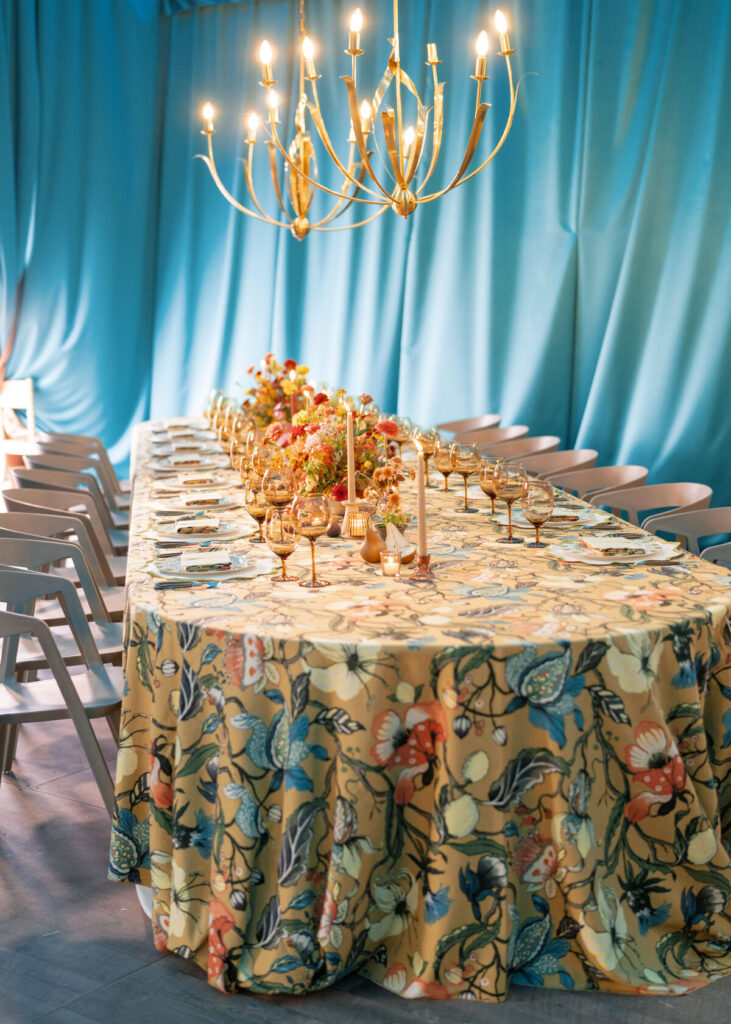
Color controls the mood of a ballroom tablescape. In formal venues, the best linen palettes are intentional, balanced, and responsive to the room’s lighting.
Tone-on-Tone Linen Styling
Tone-on-tone styling is one of the most refined approaches for ballroom events. It uses multiple shades within the same color family to create depth without heavy contrast.
Examples include ivory and champagne, blush and rose, slate and silver, taupe and bronze, navy and midnight blue, or sage and deep green. This approach works especially well when the event needs elegance, softness, and cohesion.
Tone-on-tone linen styling can be created through a base tablecloth, napkins, runners, overlays, and placemats. The key is to vary texture while keeping the color family controlled.
Deep Formal Colors for Evening Events
Deep colors create drama in ballroom venues, especially for evening events. Burgundy, emerald, navy, black, plum, chocolate, forest green, and deep gold can add richness under chandelier and candlelight.
These colors are effective when the ballroom has enough scale to support them. In a large formal room, deep linens can help anchor the table and prevent the space from feeling too open or pale.
When using deep linens, balance is important. Dark tablecloths often work best with lighter florals, metallic details, crystal glassware, or ivory napkins to prevent the table from feeling too heavy.
Light Neutrals for Classic Ballroom Elegance
Light neutrals are a reliable choice for classic ballroom elegance. Ivory, white, champagne, taupe, soft gold, pale blush, and warm gray can create a timeless formal look.
Neutral linens are especially effective for weddings, daytime ballroom receptions, and events where the florals, lighting, or architecture are the main visual features. They allow the rest of the design to stand out while still creating a polished foundation.
A neutral palette does not have to be plain. Texture, damask patterns, subtle sheen, layered napkins, and metallic accents can make neutral linens feel luxurious.
Metallic Accents for Grand Tablescapes
Metallic accents can enhance a ballroom tablescape by responding to chandeliers, candlelight, mirrors, and formal tableware. Gold, silver, platinum, bronze, and champagne details can add dimension and elegance.
Metallics are most effective when used as accents rather than overwhelming the full table. A metallic napkin, charger, runner, overlay detail, or subtle pattern can elevate the design without making it look excessive.
In formal ballroom styling, metallics should be controlled. Too much shine across the table can compete with chandeliers and glassware. The best result comes from balancing reflective details with matte or textured surfaces.
Use Linen Layering to Create a Grand Tablescape
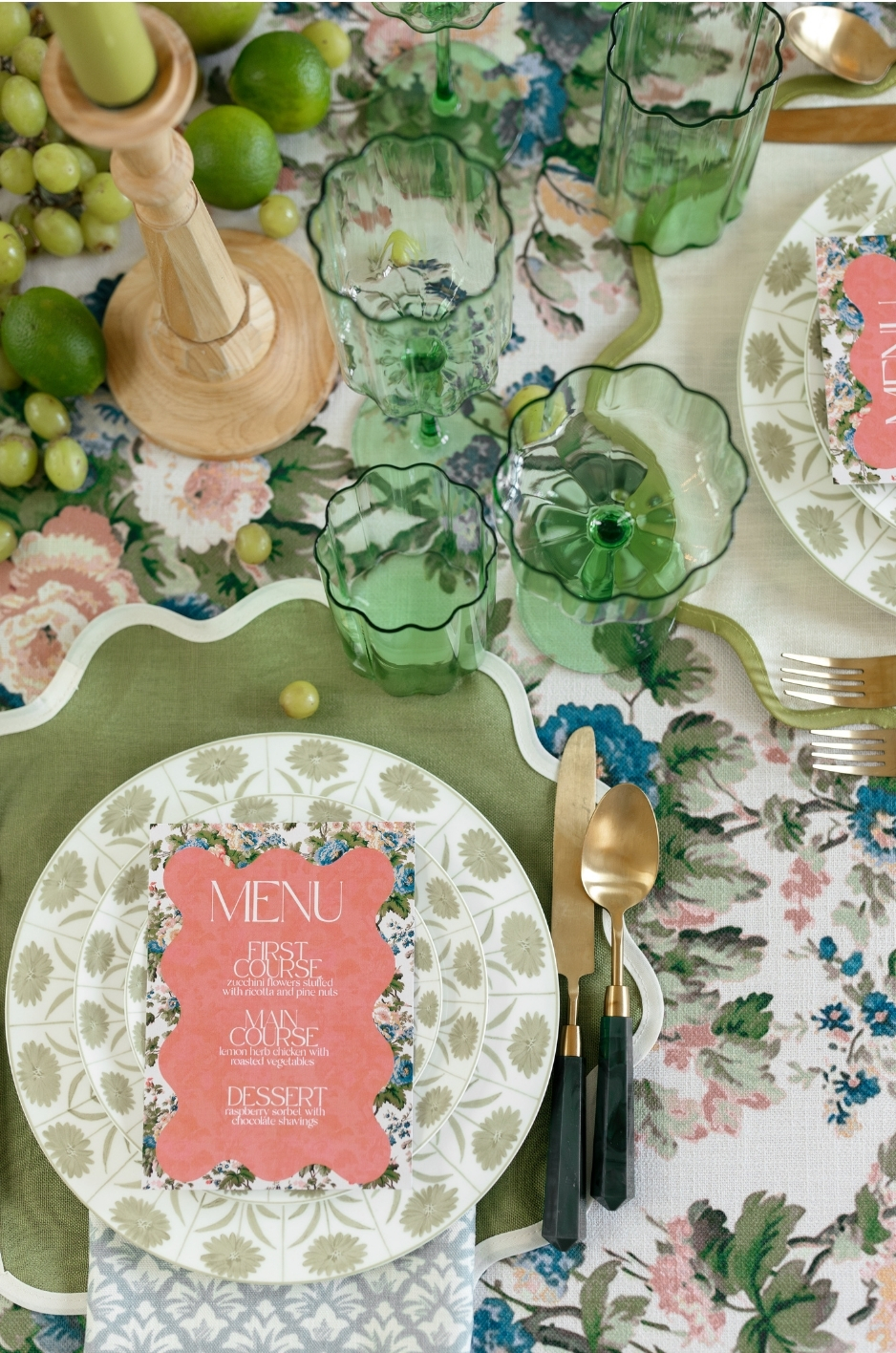
Layering helps a ballroom table feel complete. It adds depth, structure, and formality while allowing the design to connect with florals, tableware, lighting, and the room.
Begin with a Strong Base Linen
The base linen sets the tone for the full table. It should be selected first because every other linen element depends on it.
For a formal ballroom, the base linen should have the correct weight, drop, texture, and color. It should look substantial enough for the room and refined enough for the event. A strong base does not always need to be bold. A perfectly fitted ivory linen, a tone-on-tone damask, or a deep velvet can all serve as strong foundations. The base linen should also work from a distance. In a ballroom, guests often view tables across the room before seeing them up close. The linen must contribute to the full room impression.
Add Runners or Overlays for Depth
Runners and overlays can add dimension to the tablescape. A runner can emphasize the length of a banquet table, define a head table, or create contrast on a simple base linen. An overlay can soften the table, add pattern, or introduce a formal texture.
For long tables, runners are especially useful because they guide the eye and organize the centerpiece design. For round tables, overlays can add elegance when sized and placed correctly.
Layering should always look deliberate. A runner or overlay should not appear as an extra piece added without purpose. It should support the overall design hierarchy.
Coordinate Napkins with the Full Table Design
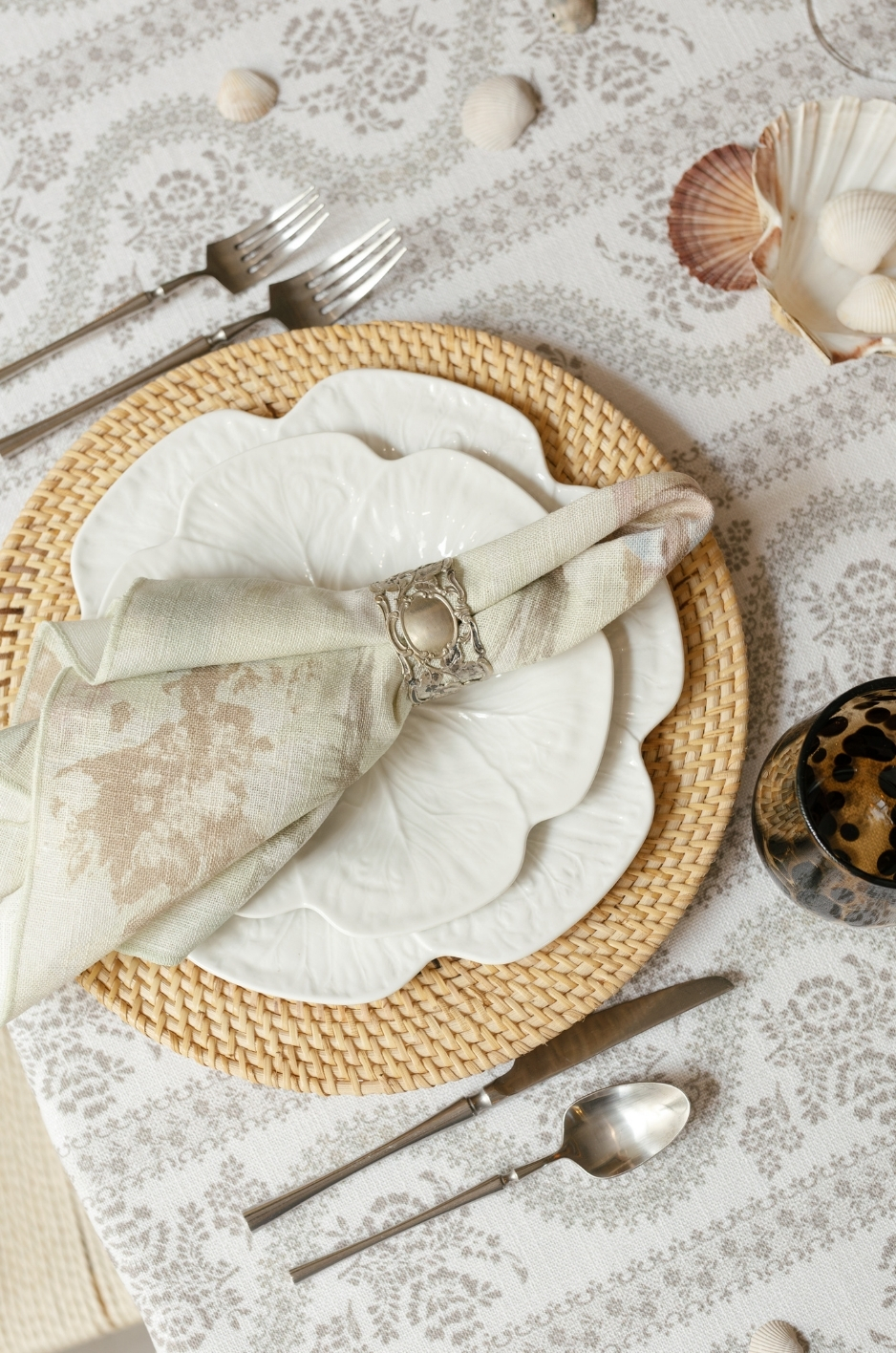
Napkins are one of the most visible linen details in a formal tablescape. They sit at each place setting and appear in close-up photography, guest views, and overhead table shots.
Napkins can match the base linen for a clean look, contrast with the tablecloth for definition, or repeat a color from the florals, menus, or chargers. In ballroom styling, napkin folds should be clean, consistent, and suitable for the formality of the event. A formal napkin should feel integrated with the full table design. It should not look like a last-minute color match.
Keep Layering Controlled
Ballrooms can support drama, but that does not mean every table element should be dramatic. A successful linen design has hierarchy. One element should lead, while the others support it.
If the base linen is patterned, the runner or napkin should usually be simpler. If the tablecloth is solid, a textured overlay or colored napkin can add interest. If the centerpiece is large and dramatic, the linen may need to be more controlled. Too many competing linens can make the table feel busy. Controlled layering creates grandeur without clutter.
Follow Formal Drop-Length Requirements
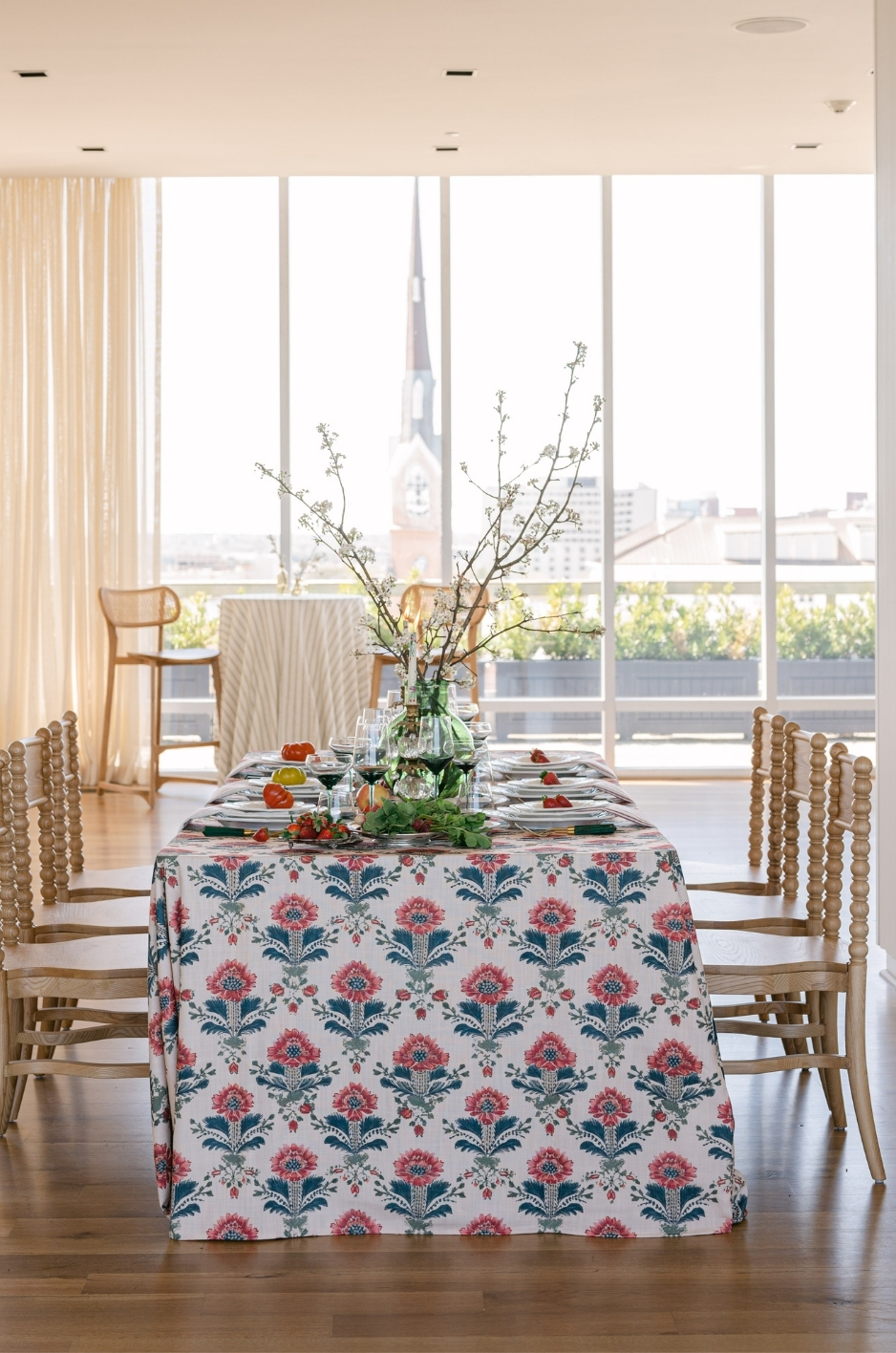
Drop length is a technical detail, but in ballroom styling it has a major visual impact. A formal table should never look underdressed.
Why Drop Length Matters in Ballroom Styling
Drop length refers to how far the linen falls from the tabletop toward the floor. In formal ballroom settings, short or uneven drops can make a table look unfinished. They can also expose table legs, hardware, or storage areas that should not be visible during a formal event.
Consistent drop length creates polish across the room. When every table has the correct linen size and the same clean finish, the ballroom looks more organized and elevated.
Floor-Length Linens for Formal Guest Tables
Floor-length linens are usually the best choice for formal guest tables in a ballroom. They create a complete, elegant look and hide the table structure underneath.
For round guest tables, a floor-length drop gives the room a unified appearance. For rectangular or banquet tables, it creates a polished base for centerpieces, chargers, candles, and place settings.
Floor-length linens are especially important when the room is highly formal or when guests will see tables from multiple angles during cocktail hour, room reveals, or event photography.
Pooled or Extended Drops for Statement Tables
Some tables may require a more dramatic linen treatment. Head tables, sweetheart tables, cake tables, escort card tables, and display tables can use extended drops or slight pooling when the design calls for it. This should be intentional. A pooled linen can look luxurious when styled carefully, but it can look sloppy if the fabric is not placed or steamed properly. Extended drops should be reserved for statement areas where extra drama is appropriate.
Correct Sizing for Table Shape and Height
Every table shape requires the correct linen size. Round tables, rectangular tables, king’s tables, cocktail tables, cake tables, and display tables all need different measurements.
Before finalizing a linen order, confirm table width, length, height, and desired drop. For formal events, guessing is risky. Incorrect sizing can lead to short drops, excessive pooling, uneven hems, or exposed table legs. Proper sizing is one of the simplest ways to make a ballroom tablescape look professional.
Coordinate Linens with Ballroom Lighting
Lighting changes the way linens appear. In a ballroom, the same linen can look different under chandeliers, candlelight, uplighting, pin spots, natural light, and evening reception lighting.
How Chandelier Light Affects Fabric
Chandelier light can intensify sheen, highlight texture, and shift color perception. Satin and metallic fabrics may reflect chandelier light, creating brightness and movement. Velvet may absorb the light, creating a deeper and softer effect. Damask may reveal its pattern more clearly when light hits the woven surface.
Because chandeliers often become a visual centerpiece of the ballroom, linens should be selected with their lighting effect in mind. A reflective fabric may look elegant under soft chandelier light but too bright under intense overhead lighting.
Candlelight and Evening Reception Styling
Candlelight is highly effective in ballroom tablescape styling because it adds warmth and depth. It can soften neutral linens, enrich deep colors, and make metallic accents feel more refined.
Evening receptions often benefit from fabrics with texture or depth because candlelight reveals surface detail. Velvet, damask, satin, and layered overlays can all photograph beautifully when paired with candlelight.
The linen palette should be tested against the expected lighting mood. A color that looks bright in daylight may become richer and more dramatic after dark.
Uplighting and Colored Lighting Considerations
Colored uplighting can significantly change the appearance of table linens. A white linen may look pink, blue, purple, or amber depending on the lighting design. A champagne linen may appear warmer under amber light and cooler under blue-toned light.
For formal ballroom events with strong lighting plans, it is important to consider how the linen color will respond. When possible, swatches should be reviewed under similar lighting conditions before final decisions are made.
Frequently Asked Questions
What fabrics work best for formal ballroom linens?
Satin, velvet, damask, and high-quality textured fabrics are strong choices for formal ballroom events. Satin creates smooth elegance, velvet adds richness, damask provides traditional pattern, and textured fabrics add depth under ballroom lighting.
Should ballroom table linens be floor-length?
Yes, floor-length linens are usually best for formal ballroom guest tables. They create a polished, complete appearance and hide the table structure underneath. Short linens can make a formal table look unfinished.
Can patterned linens work in a ballroom?
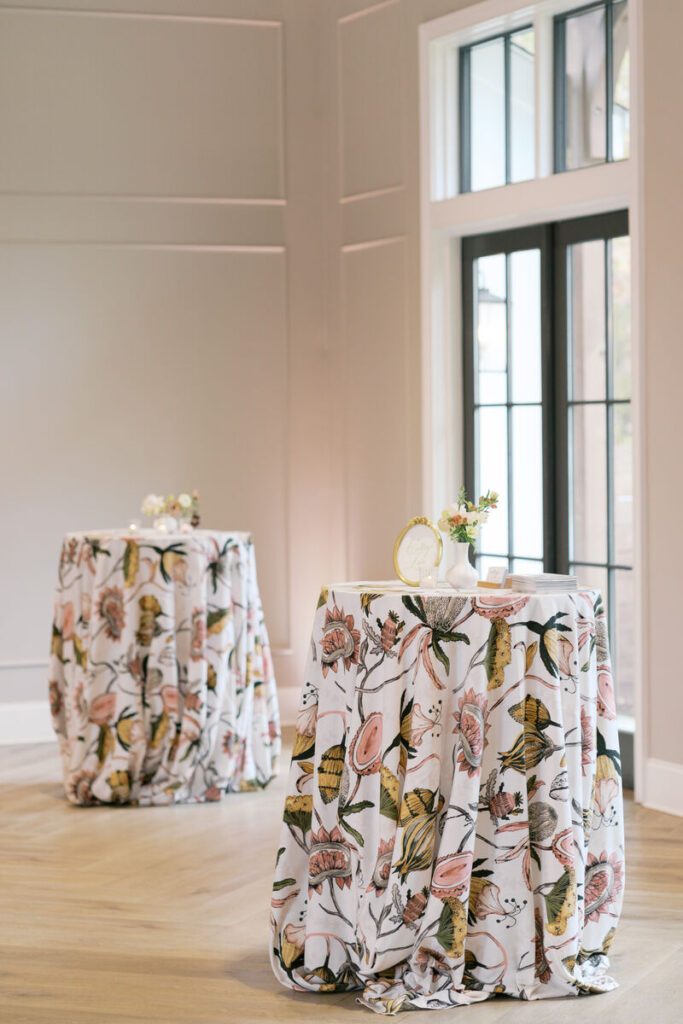
Yes, patterned linens can work in a ballroom if the scale and color are appropriate. Large ballrooms can support stronger patterns, while ornate rooms with detailed carpets, walls, or chandeliers may require more restrained patterns.
What is the biggest mistake in ballroom linen styling?
The biggest mistake is choosing linens without considering the venue’s scale, lighting, architecture, table size, and formal drop requirements. Ballroom linen styling must be planned around the full room, not just the tabletop.
Conclusion
Ballroom venue grand tablescape linen styling depends on scale, precision, fabric quality, and formal execution. The right linens should complement the architecture, respond to chandelier lighting, fit each table correctly, and support the event’s overall level of elegance.
For formal events, every linen decision matters. Fabric affects texture and mood. Color affects the atmosphere. Drop length affects polish. Layering affects depth. Lighting affects the final appearance. When these details are planned together, the tablescape feels grand, cohesive, and appropriate for the ballroom setting. A well-styled ballroom table does not simply decorate the room. It completes it.