
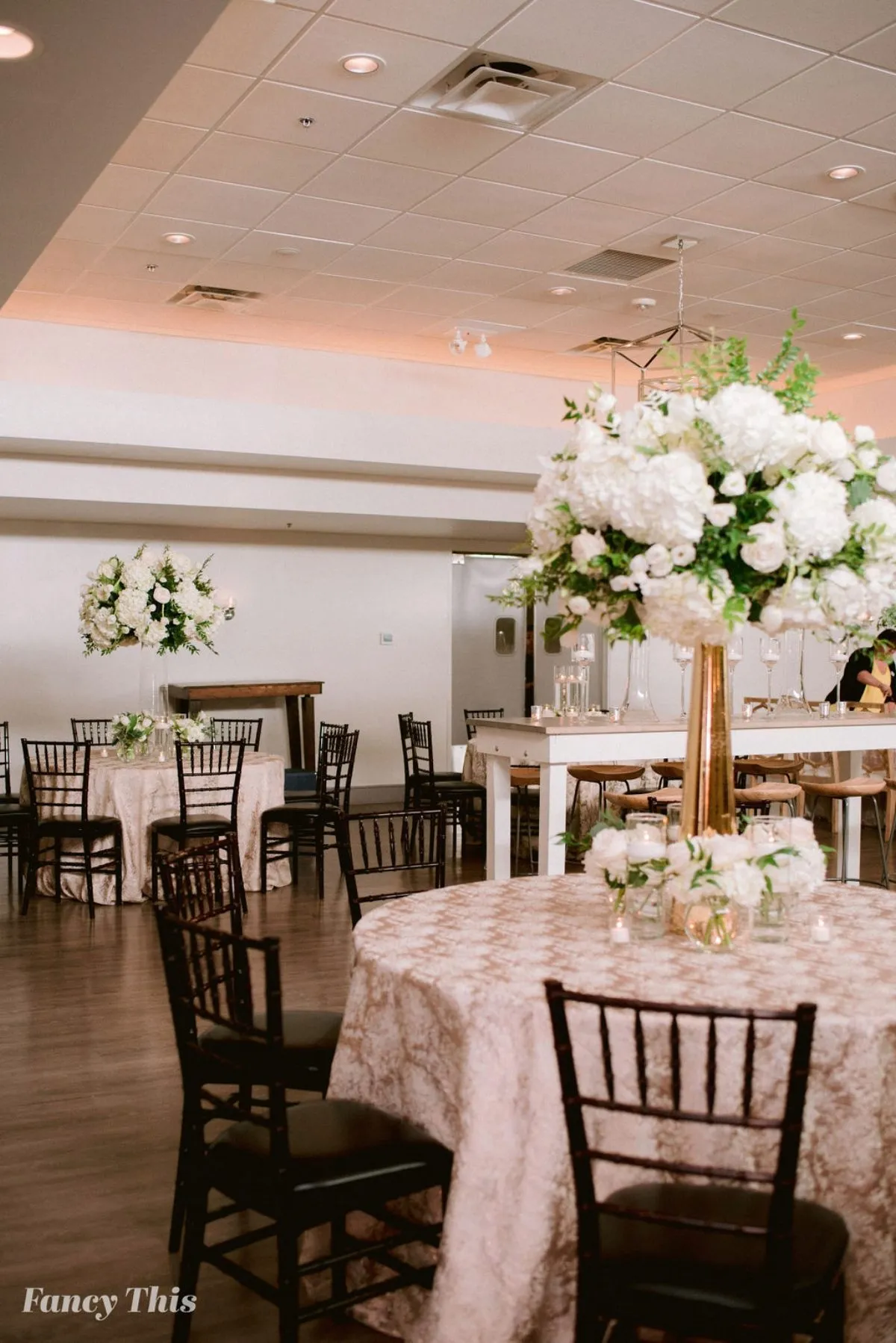
Selecting linens for a black-tie wedding is a defining design decision that shapes the visual structure and atmosphere of the celebration. In a formal setting where proportion, lighting, and materiality carry significant weight, textiles establish the foundation upon which every other element is composed. The scale of a print, the depth of a color, and the precision of a tailored drape all contribute to an environment that feels cohesive and elevated.
For black-tie events in particular, linens should be approached as custom design elements rather than decorative accessories. Through intentional pattern development, disciplined color engineering, and meticulous fabrication, textiles can be calibrated to complement grand ballrooms, historic estates, or contemporary architectural spaces. Each surface becomes part of a unified aesthetic language that extends across reception tables, bars, staging, and surrounding installations.
This guide explores how material selection, engineered scale, and refined presentation techniques influence the success of a black-tie wedding. By considering linens early in the design process and developing them in alignment with the broader creative vision, planners and couples can achieve a setting defined by clarity, sophistication, and enduring elegance.
Which Fabric Types Define Luxury Wedding Linens for Black-Tie Events?
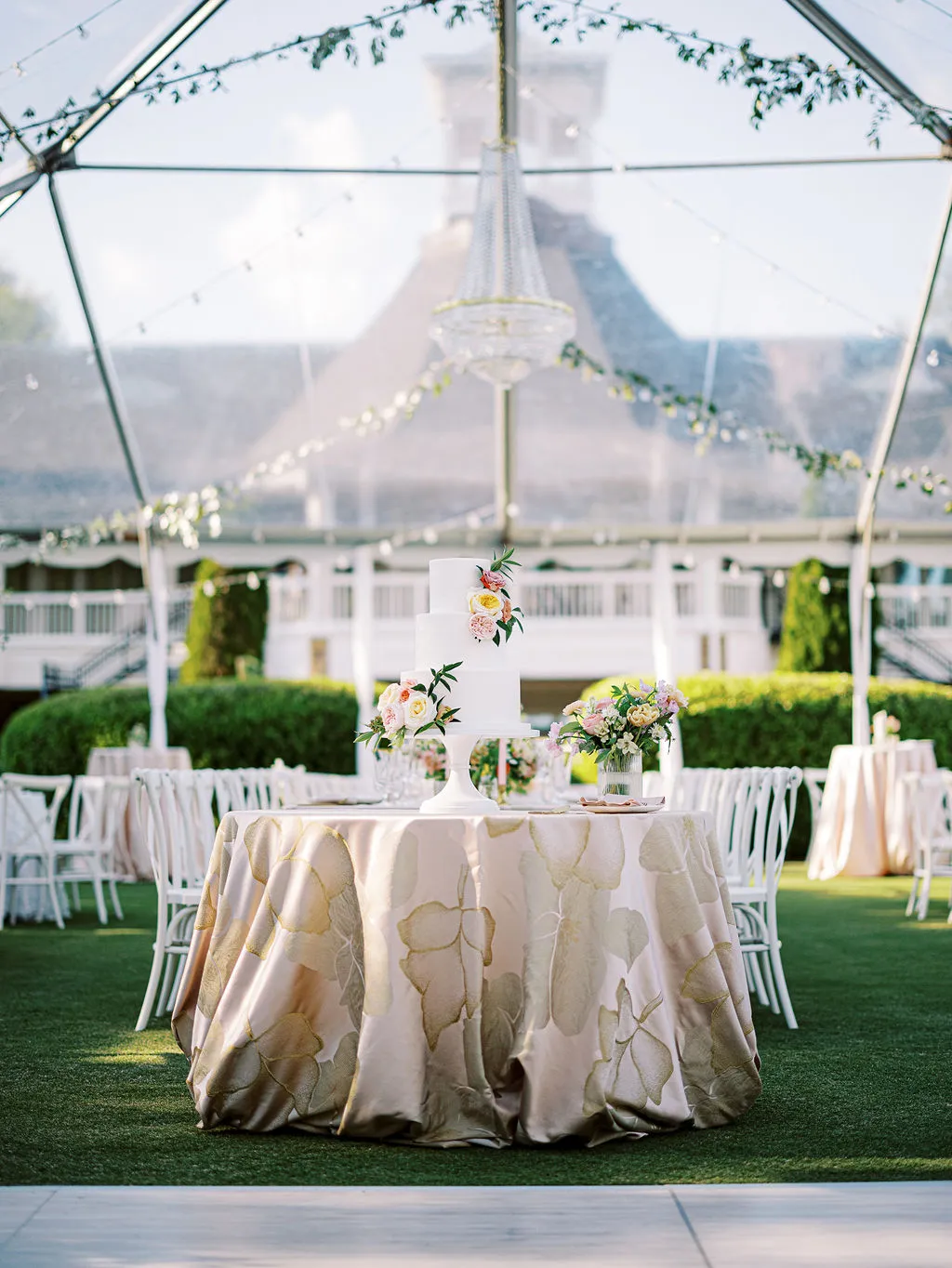
For black-tie weddings, fabric selection determines how a tablescape reads within a formal architectural setting. The hand, structure, and finish of a textile influence drape, light reflection, and the overall sense of refinement. In a grand ballroom or historic venue, linens must hold their presence under layered lighting and across expansive table layouts.
When reviewing materials, evaluate weight, weave density, and surface finish in relation to the room itself. Structured fabrics create clean, tailored lines suited to long banquet tables and formal rounds, while softer constructions introduce fluidity where a more relaxed drape is appropriate. Finish treatments and weave techniques affect how color is perceived under candlelight, chandeliers, or controlled uplighting, making in-venue evaluation an essential part of the selection process.
The Distinctive Qualities of Silk, Satin, and Linen
Silk offers a refined luminosity and smooth surface that interacts elegantly with evening lighting, producing depth without visual heaviness. Satin provides a controlled sheen and crisp surface that lends definition to runners, overlays, and accent layers. Linen introduces natural texture and body, delivering understated sophistication that pairs well with structured place settings and architectural interiors.
Blends and specialized finishes can refine these base materials further. A silk blend may preserve luster while enhancing structural stability, and treated linens can hold tailored folds or engineered drape with greater consistency. Fabric choice should align with the scale of the room, the intended mood, and the broader design narrative rather than being selected in isolation.
How Fabric Influences Aesthetic and Performance
Fabric selection shapes both visual atmosphere and functional execution. Materials with calibrated sheen create dimension under formal lighting, while matte or textured surfaces contribute depth and restraint. Layering textiles with complementary finishes adds controlled contrast and reinforces hierarchy within the tablescape.
Construction performance is equally important. Fabric weight influences how a tablecloth hangs, how seams align across extended lengths, and how napkins maintain structured folds during service. Heavier textiles provide stability and minimize shifting, while lighter materials emphasize crisp pleating and detailed presentation. Testing fabric samples under event lighting and within a sample place setting ensures that aesthetic intent and functional performance remain aligned.
How to Select Classic and Modern Color Palettes for Black-Tie Wedding Linens
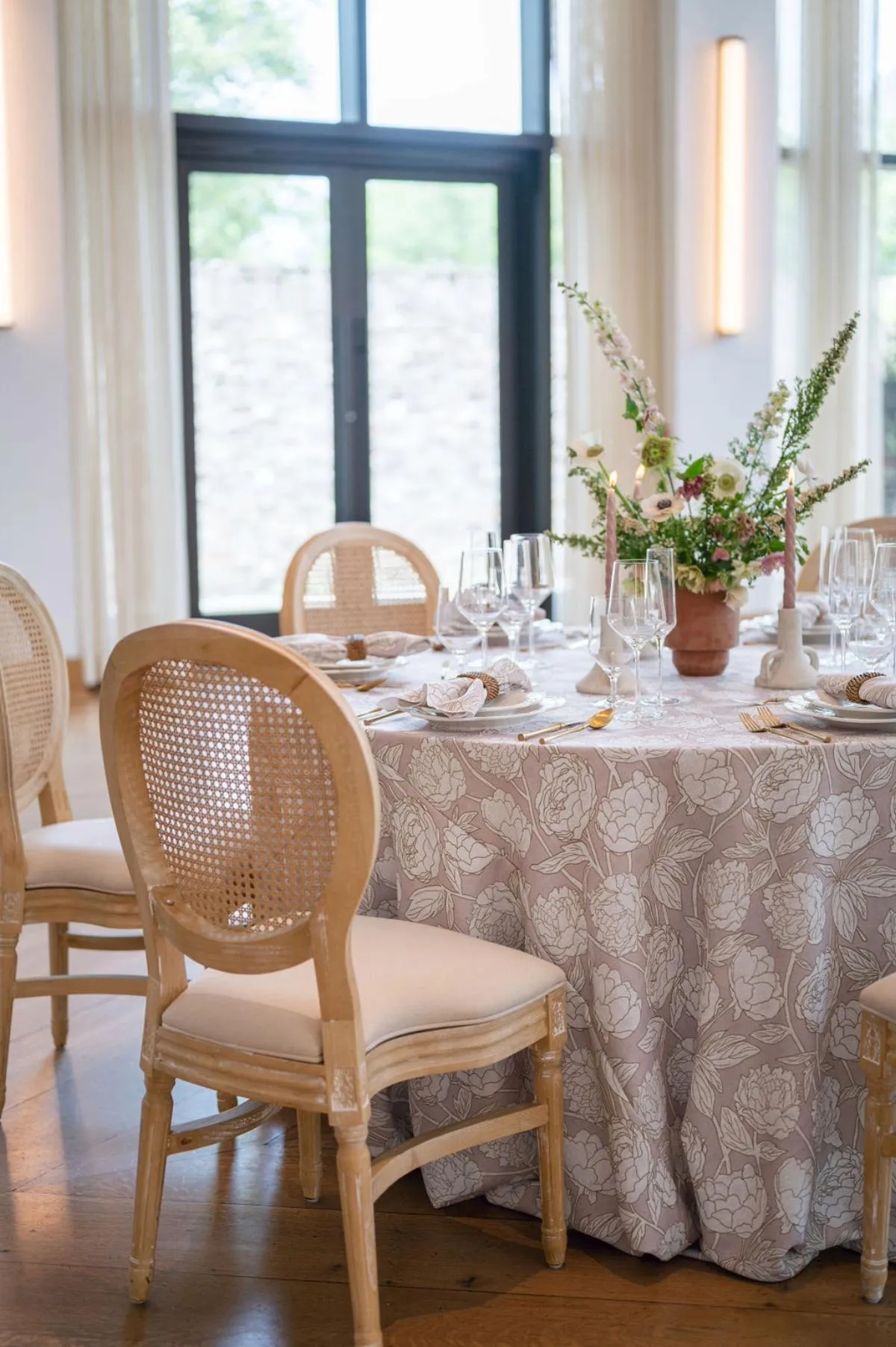
Color direction defines the visual tone of a black-tie wedding and must be calibrated with the venue’s architecture, lighting design, and floral palette. In formal interiors, disciplined color composition reinforces sophistication and ensures that textiles integrate seamlessly with chandeliers, wall treatments, flooring, and existing finishes.
Palette development should begin in context. Evaluate fabric samples within the venue whenever possible, observing how natural light, candlelight, and controlled uplighting influence depth and saturation. Certain hues intensify under warm illumination, while others soften significantly. Reviewing swatches in situ ensures that the selected color story maintains consistency from initial installation through the evening reception.
Timeless Color Schemes for Elegant Table Design
Neutral foundations remain central to black-tie refinement. Ivory, soft white, and warm stone tones create a composed base that supports layered detailing and architectural surroundings. Champagne and muted metallic accents introduce quiet luminosity, while jewel-inspired hues such as emerald, sapphire, and deep garnet provide controlled richness within a formal setting.
Texture variation enhances neutral palettes without expanding the color range. A matte base cloth paired with a subtly luminous runner or woven jacquard accent creates dimension while preserving restraint. This approach allows florals, glassware, and sculptural centerpieces to command attention within a balanced visual framework.
The Role of Accent Colors in Black-Tie Sophistication
Accent colors introduce emphasis and rhythm when applied with precision. A navy textile framed by restrained metallic detailing conveys stately depth, while a soft tonal accent woven into a border or napkin design adds nuance without overwhelming the composition. Strategic repetition of accent tones across menus, ribbon details, or glassware establishes cohesion throughout the tablescape.
Metallic finishes require equal discipline. Brass, gold, or pewter elements should align with the established palette and remain consistent across flatware, chargers, and decorative accents. Controlled coordination ensures that each reflective surface supports the textile foundation rather than competing for visual dominance.
Through intentional color engineering and contextual evaluation, custom linens become an integral component of a black-tie wedding’s architectural elegance, reinforcing clarity, balance, and enduring sophistication.
What Are the Advantages and Considerations of Linen Rental Versus Purchase?
For black-tie weddings defined by precision and cohesion, the more relevant distinction is often between selecting existing inventory and commissioning custom-fabricated textiles. Each approach carries different implications for design control, budget allocation, and long-term use.
Selecting from existing stock may offer efficiency when timelines are compressed or when the design concept aligns closely with available materials. This route relies on predetermined sizes, colors, and finishes, which can work effectively for straightforward layouts.
Commissioning custom linens allows full control over pattern scale, color calibration, and fabrication details. Textiles are produced to exact table dimensions and spatial requirements, ensuring that drape, seam placement, and proportion align precisely with the venue and floor plan. For events where the textile plays a central architectural role, this level of customization supports a more cohesive and intentional outcome.
How Premium Textile Partners Support Black-Tie Weddings
For formal celebrations, textile partners should provide more than access to fabric. A comprehensive service includes consultation on material selection, color refinement, and construction planning to ensure that linens perform under ballroom lighting and across extended banquet installations.
Clear production timelines, sampling processes, and contingency planning are essential. Reviewing strike-offs or material samples prior to full fabrication confirms print saturation, scale, and finish. Confirming installation logistics and delivery sequencing ensures that textiles arrive prepared for precise placement within the broader event build.
Visual documentation of previous installations can also provide insight into a partner’s ability to execute at a consistent standard across large-scale environments.
Cost, Customization, and Long-Term Considerations
Budget considerations should be evaluated alongside design priorities. Existing inventory may reduce upfront expenditure, while custom production represents a larger investment in tailored pattern development and fabrication. The latter offers greater flexibility in scale, color matching, and engineered detailing.
Customization scope varies significantly between approaches. Commissioned textiles can incorporate bespoke dye work, engineered borders, monogram integration, and precise construction details aligned with the event’s design narrative. These elements require defined lead times and coordinated approvals to ensure accuracy.
For planners managing multiple events or venues, a strategic combination of foundational owned pieces and specialty commissioned textiles can provide flexibility while maintaining design integrity. Early coordination of measurements, quantities, and production schedules ensures that either approach supports the standards expected of a black-tie celebration.
Which Presentation Techniques Ensure Flawless Black-Tie Wedding Table Settings?
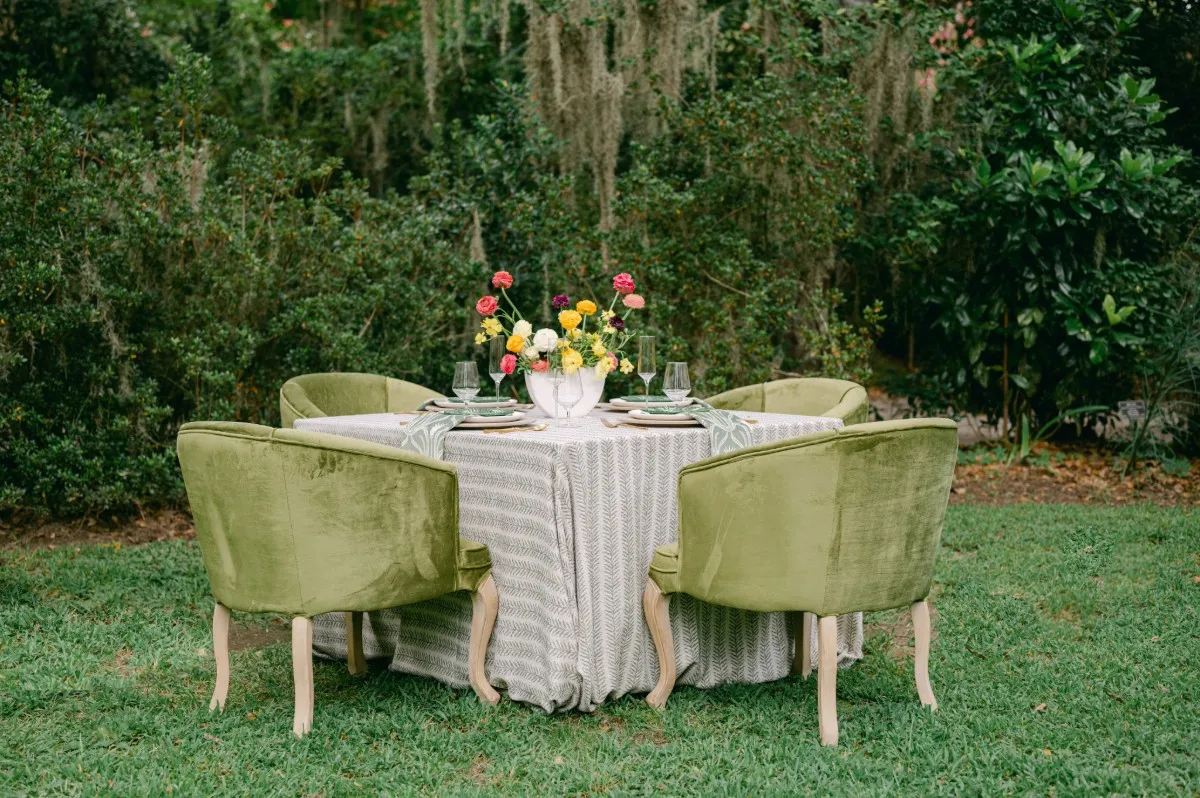
Presentation determines how custom linens are perceived within a formal environment. Precise placement, balanced proportions, and disciplined layering allow the textile to anchor the tablescape with clarity. In black-tie settings, where lighting and symmetry play a significant role, every fold and edge should appear intentional and composed.
Styling and Layering Tablecloths, Runners, and Napkins
Begin with a tailored base cloth fabricated to the exact table dimensions. The drop length should align consistently across the room to maintain visual continuity. If a runner is introduced, its width and placement must relate proportionally to the table’s scale so that it frames, rather than overwhelms, the place settings.
Napkins should be selected and folded in a manner that complements both the textile foundation and the tableware profile. Structured folds convey formality, while softer placements introduce subtle fluidity within the same refined framework. Combining complementary finishes, such as matte foundations with lightly luminous accents, adds depth while preserving restraint.
A rehearsal layout allows planners to evaluate spacing between place settings, the relationship between linen and centerpiece scale, and the rhythm created by repeated accents across multiple tables. This preparation ensures that the final installation reads cohesive in person and in photography.
Accessories That Complement a Textile Foundation
Accessories should reinforce the linen’s color story and surface character. Floral compositions, candle arrangements, chargers, and glassware must be selected in response to the textile’s scale and finish. When each element relates proportionally, the tablescape maintains balance and visual clarity.
Consider the interaction between centerpiece height and linen pattern. Expansive, low arrangements suit long banquet tables and allow printed surfaces to remain visible. Taller, lighter compositions work effectively on rounds when sightlines are preserved. Repeating refined details, such as coordinated napkin treatments or consistent charger finishes, unifies diverse table formats within a single room.
Preserving the Integrity of Luxury Wedding Linens
Maintaining the quality of high-end linens requires careful handling and professional oversight. Proper cleaning methods and controlled storage conditions protect both fabric structure and color integrity, ensuring that textiles retain their intended appearance.
Professional laundering or dry cleaning is recommended for delicate or custom-finished materials. After cleaning, linens should be stored in a stable environment with minimal humidity and no direct light exposure. Folding should follow seam lines to prevent unnecessary stress on edges and hems.
Routine inspection following each use allows minor concerns, such as loose stitching or subtle discoloration, to be addressed promptly. Consistent care preserves the structural and visual standards expected of luxury textiles and supports their longevity for future installations.
Design Direction in Luxury Wedding Linens for Black-Tie Events in 2026
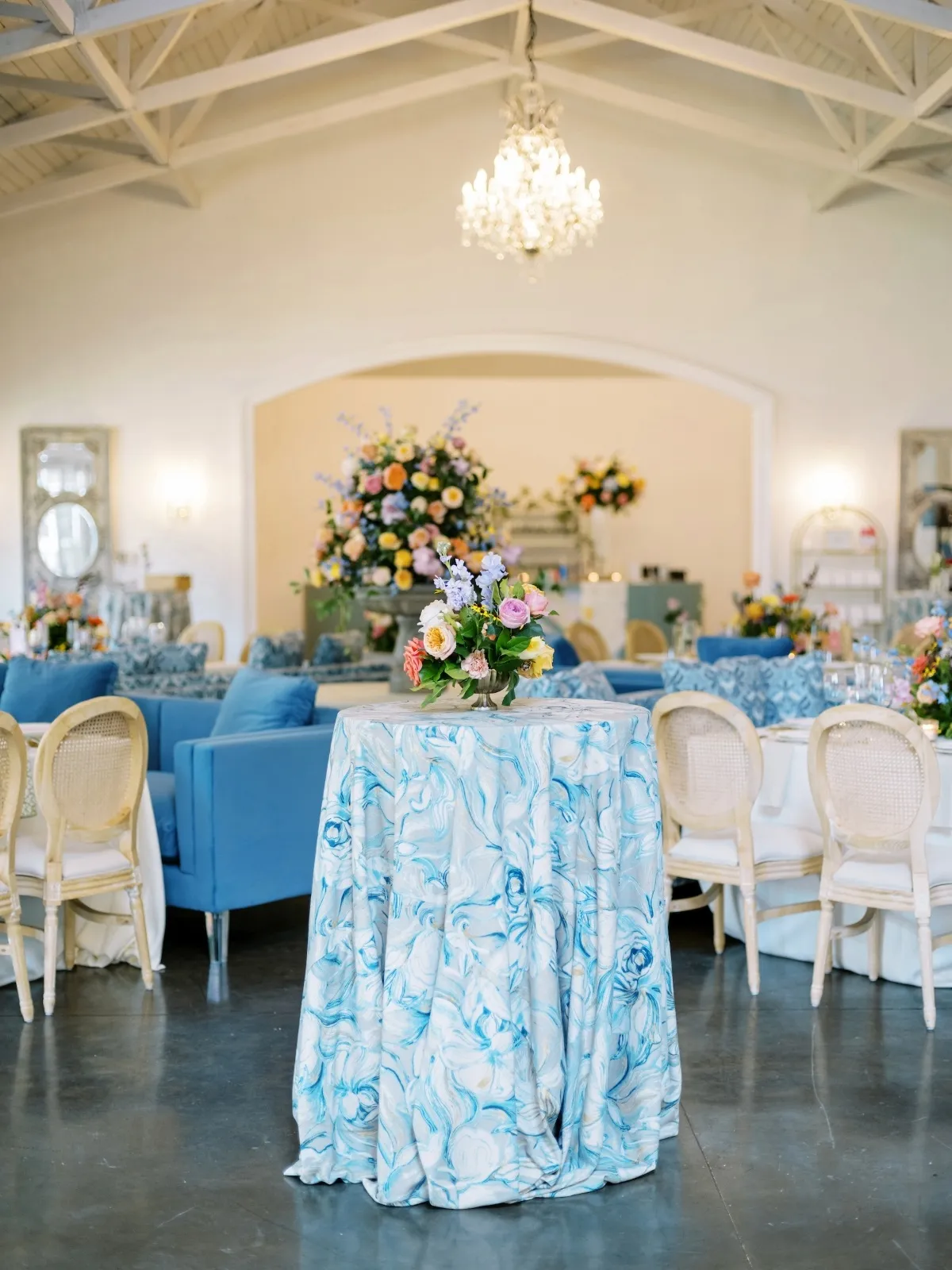
In black-tie environments, direction is shaped less by fleeting trends and more by evolving approaches to custom surface design and fabrication. Current refinement in 2026 centers on original pattern development, disciplined color layering, and textiles engineered specifically for the scale of grand interiors.
Large-scale prints designed for extended banquet tables are gaining prominence, particularly when the artwork is developed to align with architectural features such as coffered ceilings, ornate moldings, or contemporary structural lines. Tonal patterns that reveal depth under candlelight and layered neutrals calibrated for evening illumination create dimension without visual excess. Subtle textural variation within custom-printed fabrics, achieved through weave selection and finish control, enhances the sensory richness expected in formal settings.
The emphasis remains on cohesion. Textiles are increasingly developed as part of a comprehensive design strategy that extends beyond reception tables to bars, staging, and surrounding installations. This integrated approach reinforces clarity and continuity throughout the event environment.
The Role of Personalized Monogramming in Custom Textiles
Personalization in luxury linens is most effective when integrated into the surface design rather than applied as an afterthought. Engineered monograms, symbolic motifs, or custom borders can be incorporated into the original pattern during the design phase, allowing them to read as intentional elements within the overall composition.
Scale and placement require careful calibration. A discreet tonal monogram integrated into a corner placement or woven subtly into a repeating motif preserves formality. Larger expressions, when positioned along a runner or border, should align proportionally with the table dimensions and surrounding décor. Thread selection, stitch density, and application timing within the finishing process all influence durability and visual precision.
When personalization is approached through custom pattern development and disciplined fabrication, it enhances the event’s exclusivity while maintaining architectural balance and refinement.
Frequently Asked Questions
What Are the Key Factors to Consider When Choosing Luxury Wedding Linens?
Prioritize material quality, color cohesion, and precise sizing. Fabric selection influences drape and light interaction, while engineered pattern scale ensures proportion across each table format. Linens should be developed in alignment with florals, tableware, and the architectural context of the venue to achieve a cohesive presentation.
Early confirmation of table dimensions, layout, and lighting conditions allows for accurate sampling and fabrication planning.
How Can Seasonal Influence Be Reflected in Linen Design?
Seasonal influence is best expressed through calibrated color direction and texture selection rather than overt thematic motifs. Soft tonal palettes and lighter constructions complement spring and summer environments, while saturated hues and structured fabrics support autumn and winter interiors. Material performance should also respond to climate and venue conditions so that drape and finish remain consistent throughout the event.
What Are Effective Approaches to Layering Linens?
Layering should be guided by proportion and surface contrast. A tailored base cloth establishes the primary color field, while a coordinating runner or engineered border introduces depth. Combining matte and lightly luminous finishes adds dimension without disrupting visual restraint.
Consistency in alignment and spacing across tables ensures that the composition reads unified in person and in photography.
How Can Sustainability Be Considered in Luxury Linens?
Sustainability can be addressed through responsible material sourcing, durable fabrication, and thoughtful production planning. Selecting high-quality textiles designed for longevity reduces unnecessary waste, while precise fabrication minimizes excess yardage.
Engaging a textile partner with transparent production practices further supports responsible design choices.
What Is the Value of Personalized Linens in a Black-Tie Wedding?
Personalization, when integrated into custom pattern development or engineered detailing, reinforces exclusivity and narrative continuity. Monograms, symbolic motifs, or custom borders can be incorporated into the textile design to feel intentional and proportionate within the overall composition.
Careful calibration of scale, placement, and finish preserves formality while enhancing distinction.
How Should Planners Evaluate a Textile Partner for a Black-Tie Event?
A qualified textile partner should demonstrate expertise in pattern development, color refinement, and tailored fabrication. Review past installations to assess scale execution, seam alignment, and overall finish quality.
Clear production timelines, sampling processes, and coordination with the broader design team ensure that linens integrate seamlessly into the event build.
Conclusion
Designing linens for a black-tie wedding demands a deliberate approach to material selection, color engineering, pattern scale, and fabrication detail. When textiles are conceived as a foundational design element and developed through a structured creative process, they define the visual architecture of the celebration.
Through original pattern ideation, precise printing, and tailored finishing, custom linens establish cohesion across tablescapes and surrounding installations. Early collaboration and disciplined execution ensure that every textile contributes to an environment defined by clarity, proportion, and enduring elegance.