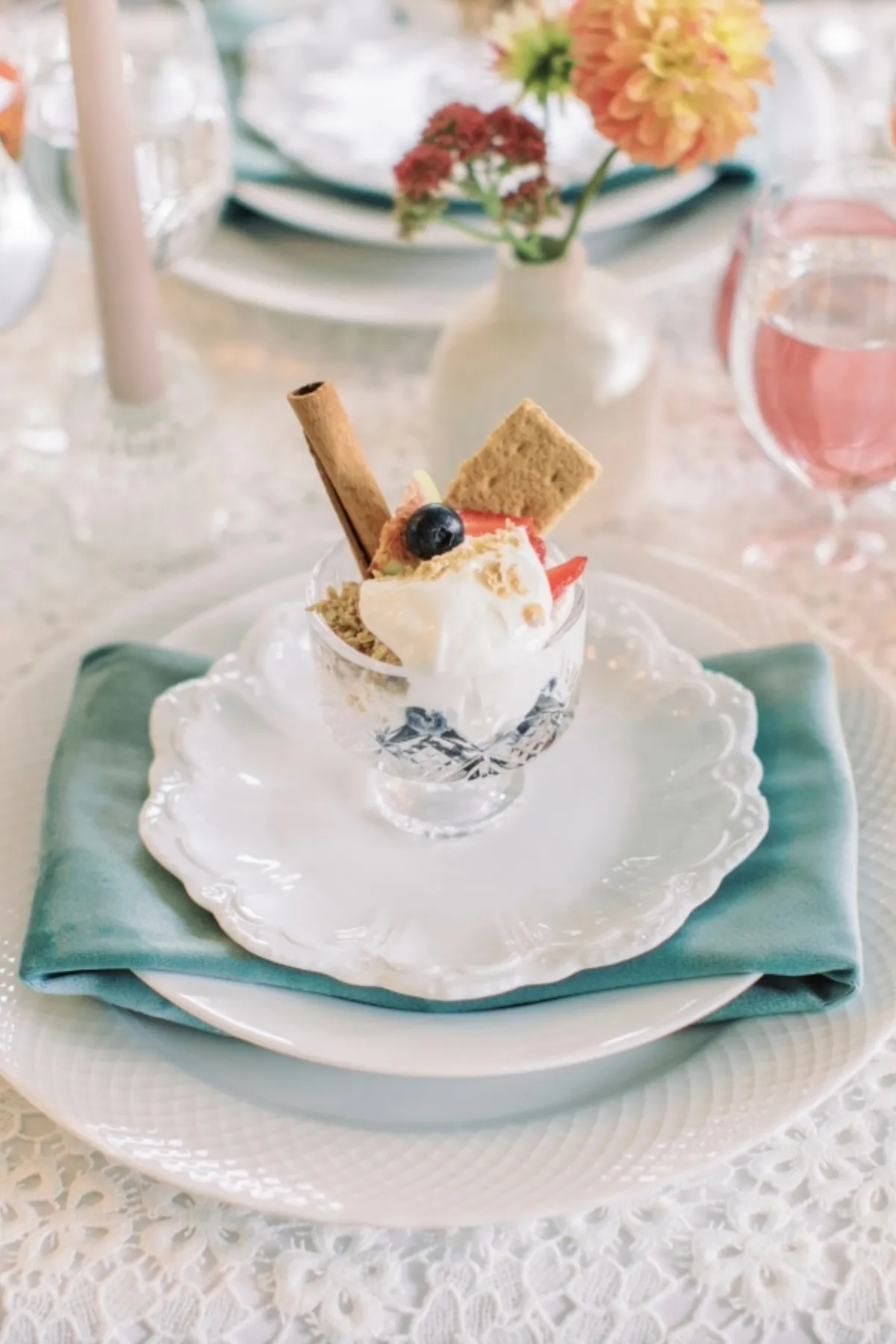
Luxury wedding linens shape the visual architecture of a celebration by establishing cohesion, depth, and material richness across the event environment. Thoughtfully developed textiles guide the interplay of color, pattern, and proportion, creating a unified design language that carries from tablescapes to surrounding installations. When linens are conceived as part of the overall creative direction, they anchor the aesthetic identity of the wedding and reinforce its sense of refinement.
This article explores the defining qualities of luxury wedding linens through the lens of custom design and fabrication. From original pattern ideation and precise color development to fabric printing and tailored finishing, each stage of production contributes to the integrity of the final presentation. We examine how material selection, engineered scale, and layered styling techniques support sophisticated tablescapes and immersive guest experiences.
By approaching linens as a foundational design element rather than a decorative accessory, planners and couples can create environments that feel cohesive, intentional, and distinctly personal.
What Defines Luxury Wedding Linens and Their Role in Event Design?
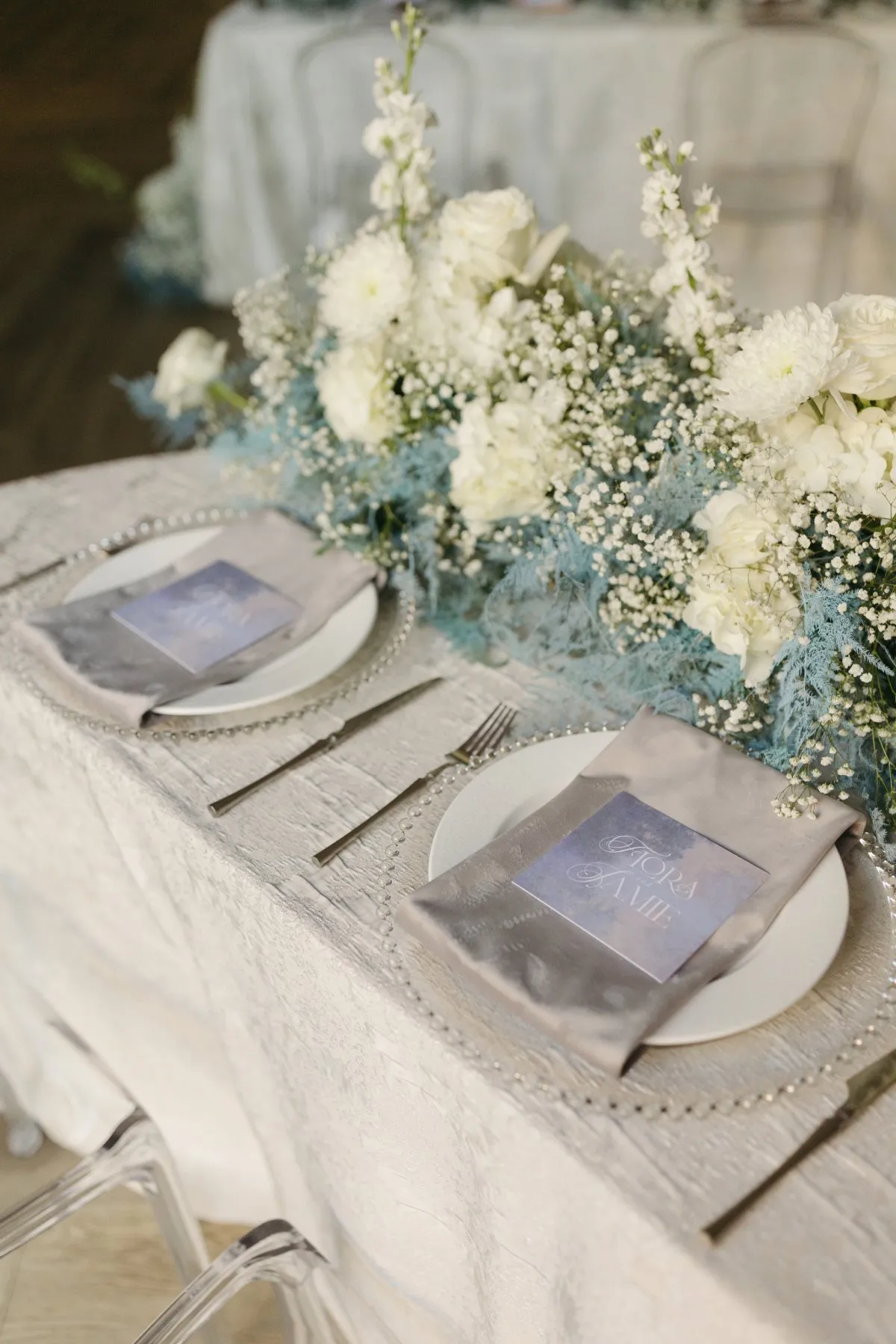
Luxury wedding linens are defined by intentional design, precision fabrication, and material integrity. Their role extends beyond surface coverage to establishing the visual structure of the event environment. Through engineered pattern placement, disciplined color composition, and tailored construction, these textiles anchor the aesthetic direction of the celebration and unify the surrounding design elements.
Within a thoughtfully planned reception, linens create continuity across tables, bars, staging, and architectural features. Print scale, border placement, and drape length are determined in response to table dimensions and room proportions, ensuring visual balance throughout the space. Details such as hem finish, seam alignment, and fabric weight contribute to a composed presentation that signals quality at every vantage point.
When textiles are developed as part of the overall design strategy, they reinforce the event’s identity with clarity and cohesion, shaping both atmosphere and perception.
Premium Materials and Textile Finishes in High-End Wedding Linens
High-end wedding linens are distinguished by refined materials and specialized finishes selected for both aesthetic impact and structural performance. Custom-printed natural linens, silk blends, and woven jacquards provide varied surface depth, while matte and lightly luminous finishes influence how the fabric interacts with ambient lighting.
Material selection determines how color is absorbed and reflected, how the fabric drapes across extended banquet runs, and how it performs during service. Structured textiles maintain crisp lines in formal interiors, while softer constructions introduce fluidity in open-air or tented environments. Finishes such as brushed surfaces, subtle slub textures, or calibrated sheens add dimension without overpowering the overall composition.
The relationship between material, print method, and finishing technique ensures that the final textile reads as intentional and refined within the larger design framework.
How Custom Luxury Linens Express a Personal Design Narrative
Custom luxury linens allow couples and planners to translate inspiration into original surface design. Through pattern ideation and precise color development, meaningful references can be interpreted into prints that align seamlessly with the wedding’s theme and setting. This process ensures that textiles support the narrative of the celebration with authenticity and sophistication.
Personalization may appear through engineered borders, symbolic motifs integrated into repeating patterns, or coordinated accessories developed from the same custom yardage. Sampling and strike-offs allow scale, saturation, and drape to be evaluated prior to full production, ensuring that the final result aligns with the intended vision.
By embedding personal elements within a disciplined design and fabrication process, custom linens contribute to a cohesive and distinctive environment that reflects the character of the celebration with refinement and precision.
How Layered Styling Techniques Create Sophisticated Tablescapes
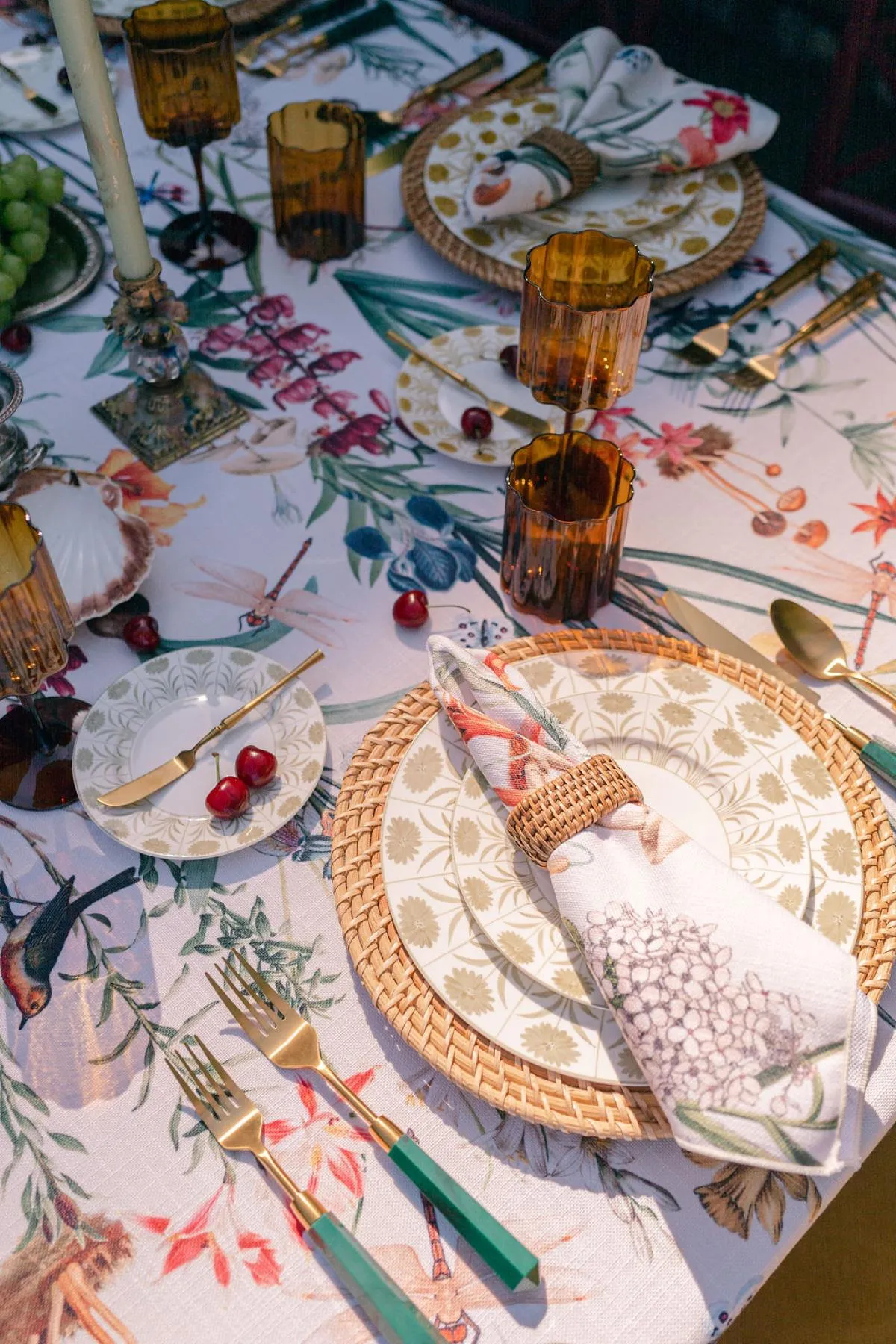
Layered styling introduces dimension, structure, and visual rhythm to a wedding tablescape. When linens are developed through custom pattern and fabrication, layering becomes a strategic design tool rather than a decorative addition. The interplay of scale, texture, and color establishes hierarchy across the table and strengthens the overall composition.
A well-composed tablescape begins with a foundational textile that defines the primary color story and surface character. This base may feature a custom print engineered to suit the table’s dimensions or a refined solid selected to anchor surrounding elements. Additional layers are introduced with intention, whether through a coordinating runner developed from the same yardage or a complementary textile that reinforces the established palette.
Accents such as napkins, engineered borders, or specialty overlays should relate proportionally to the base layer. Pattern scale and placement must remain balanced so that the eye moves fluidly across the table without visual interruption. Smaller round tables often benefit from restrained layering that preserves clarity, while extended banquet tables can accommodate more expansive compositions with varied textile elements distributed along their length.
The Influence of Layering on Atmosphere and Perception
Layered styling contributes directly to the atmosphere of a luxury wedding by adding depth and material richness to the dining environment. Tonal layering can produce a sense of softness and intimacy, while structured contrasts between matte and lightly luminous finishes create a more dramatic and architectural effect.
Texture and color combinations shape how guests perceive the space upon arrival. Coordinated layering supports lighting design, enhances floral installations, and frames tabletop details with cohesion. When textiles are developed as part of an integrated design plan, layering reinforces continuity across the event and heightens the overall impression of refinement and intentionality.
Contemporary Direction in Custom Wedding Tablecloths and Linen Textures
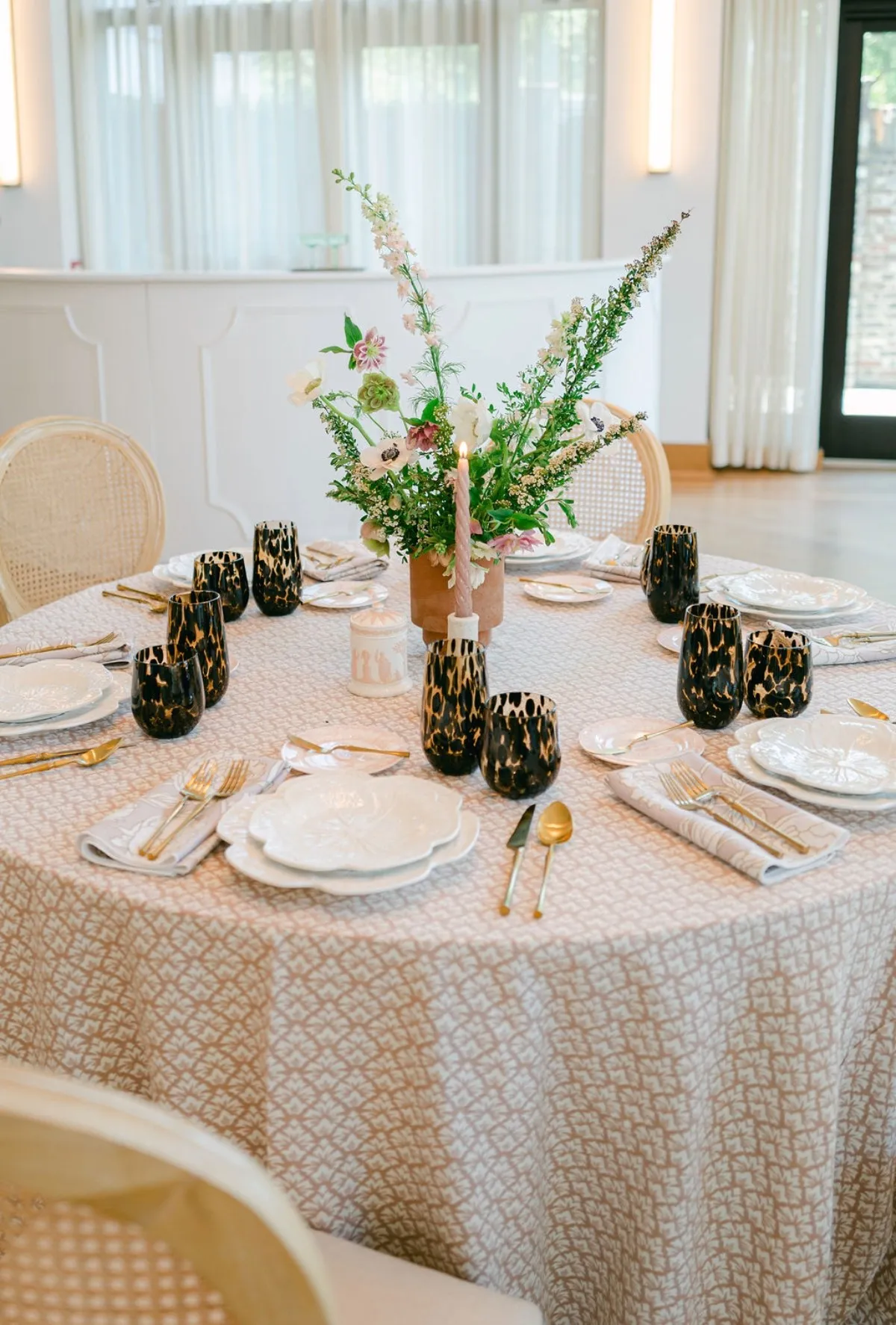
In luxury event design, direction is shaped less by fleeting trends and more by evolving approaches to surface design, material development, and spatial integration. Current movement within high-end weddings reflects a growing emphasis on custom pattern creation, intentional scale engineering, and immersive textile environments that extend beyond the tabletop.
Designers are increasingly commissioning original prints that reference architecture, landscape, or personal symbolism. Large-scale motifs designed specifically for banquet runs, tonal layered patterns that read subtly in candlelight, and engineered borders that frame each table setting demonstrate a refined approach to textile storytelling. The focus rests on cohesion and depth rather than novelty.
Material exploration continues to prioritize tactile richness and structural integrity. Textiles with nuanced surface variation, calibrated sheens, and dimensional weaves interact thoughtfully with lighting and surrounding décor. Color palettes are becoming more deliberate and grounded, with saturated jewel tones, mineral-inspired hues, and complex neutrals developed through precise color matching to ensure consistency across the event environment.
Why Commission Custom-Designed Linens for Upscale Weddings
For upscale weddings, commissioning custom-designed linens allows the textile concept to align fully with the creative direction of the event. Original pattern ideation, professional color development, and tailored fabrication ensure that every surface reflects the intended narrative without compromise.
Unlike pre-existing inventory selections, custom production allows designers to determine exact scale, placement, and proportion. Table dimensions, room layout, and sightlines inform print engineering and seam construction so that the finished linens integrate seamlessly across reception tables, bars, stages, and additional installations. This approach supports architectural continuity throughout the space.
How a Custom Textile Process Supports Exclusive Event Design
A collaborative textile process begins with concept development and continues through sampling, print refinement, and fabrication. Designers and planners work directly with the production team to translate inspiration into engineered yardage suited to the event’s spatial requirements. Strike-offs and material samples confirm color accuracy, scale, and drape prior to final production.
This integrated method ensures that textiles are not selected as isolated elements but developed as part of a comprehensive design strategy. Custom-printed fabrics can extend beyond reception tables to bar façades, escort displays, lounge elements, and stage treatments, reinforcing a cohesive visual identity across the entire celebration.
By approaching linens through a design and fabrication lens, the event environment gains clarity, continuity, and a level of refinement that distinguishes truly bespoke celebrations.
How Luxury Wedding Table Settings Integrate Linens to Elevate Guest Experience
Luxury wedding table settings rely on linens as a structural design layer that shapes both visual cohesion and guest perception. When textiles are custom-developed for the event, they establish a consistent surface language that frames florals, place settings, and decorative accents with clarity and intention. Guests encounter this textile foundation immediately, and it informs their understanding of the event’s level of refinement.
Engineered scale, tailored drape, and disciplined color composition ensure that each table feels proportionate within the larger room. Across long banquet tables or intimate rounds, the linen anchors the arrangement and supports a composed presentation that enhances the dining experience.
The Role of Texture and Color in Refined Tablescapes
Texture and color define how a tablescape reads in natural light, candlelight, and photography. Matte surfaces create softness and subtle depth, while fabrics with calibrated sheen introduce dimension and gentle luminosity. These material decisions influence how tableware, glassware, and florals interact with the surface beneath them.
Color development plays an equally significant role. Tonal palettes foster cohesion and calm, while saturated hues introduce intensity and contrast within a controlled framework. When colors are professionally matched and integrated into custom prints, the tablescape maintains visual continuity across linens, stationery, and floral elements.
Tactile quality further contributes to the guest experience. The weight and hand of a well-fabricated textile reinforce the event’s attention to detail and elevate the sensory presence of the table.
Coordinating Linens With Florals and Tabletop Design
Linen selection should respond directly to the scale, density, and palette of floral installations and tabletop décor. A patterned or richly colored textile may pair effectively with restrained floral compositions that allow the surface design to remain visible. Conversely, a refined solid or tonal print provides a composed base for sculptural or abundant arrangements.
Proportion and placement remain essential. Engineered borders can frame centerpieces, while consistent color alignment between textiles and blooms reinforces the visual narrative. Chargers, flatware finishes, and glassware should be selected in relation to the linen’s tone and texture so that each element contributes to a cohesive composition.
When linens are developed in coordination with floral and tabletop design, the entire setting reads as an integrated and intentional environment, enhancing both aesthetic impact and guest experience.
How Event Planners Leverage Custom Luxury Linens for Timeless Wedding Design
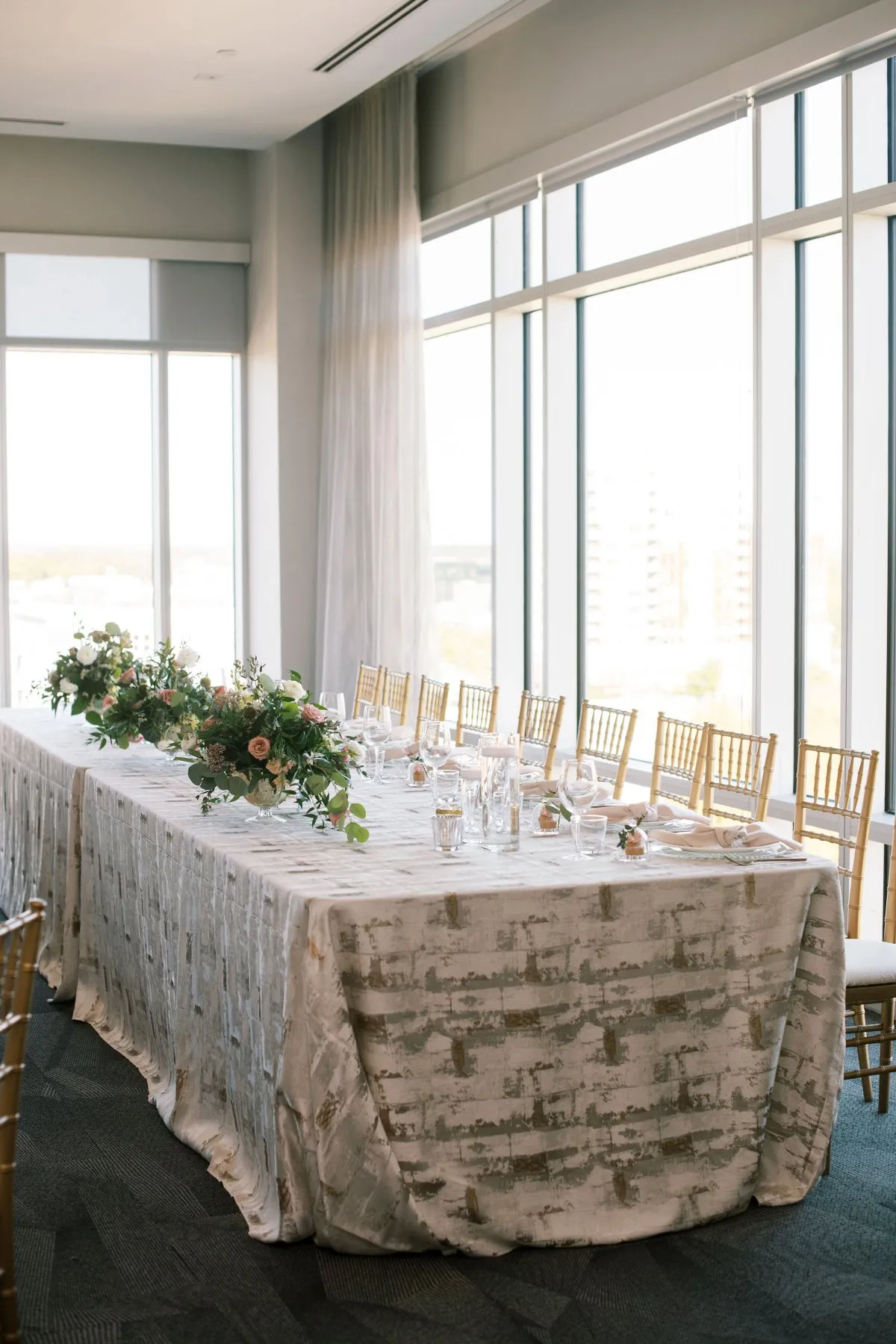
Event planners use custom luxury linens as a foundational design element that establishes continuity, proportion, and visual clarity throughout a celebration. When textiles are developed through original pattern ideation and precise fabrication, they provide a structured framework that supports florals, lighting, stationery, and architectural features within a unified aesthetic.
Timeless design emerges from disciplined color development, intentional scale, and refined construction. By integrating custom-printed fabrics early in the planning process, planners can ensure that textiles align seamlessly with the venue context and overall creative direction. This approach results in ceremonies and receptions that feel cohesive, balanced, and enduring.
Incorporating Bespoke Linens Into Event Themes
Successful integration of bespoke linens begins with a clearly defined design narrative. The textile concept should reflect the established palette, spatial environment, and stylistic intent of the celebration. Through custom pattern development, planners can translate architectural references, destination influences, or symbolic motifs into engineered surface designs that support the theme with precision.
Layering remains an effective strategy when guided by proportion and material harmony. Coordinated runners, napkins, and tailored accents developed from the same custom yardage strengthen visual continuity. Personal elements such as engineered monograms, symbolic borders, or custom color stories can be embedded into the print itself, ensuring that personalization remains refined and cohesive.
Mock installations or scaled previews allow planners to evaluate print placement, drape, and lighting interaction before final production. This level of preparation ensures that the finished textiles perform exactly as intended within the venue.
Essential Considerations When Selecting Custom Luxury Wedding Linens
Selecting custom linens requires attention to material performance, scale, and fabrication detail. Fabric type influences drape, light interaction, and structural stability across long banquet tables or specialty shapes. Texture contributes depth and dimension, particularly under layered lighting conditions.
Accurate sizing and construction planning are critical. Confirming table dimensions, desired drop length, and seam placement ensures that prints remain proportionate and uninterrupted across the surface. Engineered borders and balanced paneling preserve symmetry within the overall layout.
Early coordination between planners and the textile studio allows sufficient time for pattern development, color refinement, sampling, and fabrication. A structured production timeline supports precision and ensures the textiles integrate seamlessly into the broader event schedule.
Frequently Asked Questions
What Are the Key Factors to Consider When Choosing Luxury Wedding Linens?
Focus on material quality, print design, scale, and precise sizing. Fabric selection influences drape and light interaction, while engineered pattern placement ensures proportion across each table format. Accurate measurements and tailored construction are essential for a cohesive presentation.
How Can Couples Ensure Their Linen Choices Reflect Their Personal Style?
Personal style is expressed through custom pattern development and intentional color direction. Meaningful motifs, engineered borders, and coordinated accessories can be integrated into the textile design so that personalization feels refined and cohesive within the overall event concept.
What Design Directions Are Influencing Luxury Wedding Linens in 2026?
Current direction emphasizes custom surface design, immersive color stories, and tactile depth. Large-scale prints engineered for banquet layouts, tonal layering, and nuanced textures developed through specialized printing techniques define contemporary luxury more than trend-driven fabric shifts.
How Do Luxury Linens Influence the Guest Experience?
Luxury linens shape the visual structure of the reception and contribute to a composed, elevated dining environment. Material weight, surface finish, and disciplined color integration enhance both aesthetic cohesion and the tactile quality of the table setting.
Why Commission Custom Linens Instead of Selecting Pre-Existing Inventory?
Commissioning custom linens allows complete control over pattern, scale, color, and fabrication. Textiles are produced to exact specifications, ensuring alignment with the venue, floor plan, and broader design strategy without compromise.
How Can Event Planners Showcase Custom Linens in Their Portfolios?
Professional photography that captures texture, scale, and print placement communicates the sophistication of custom textiles. Including details of the design process, from concept sketches to finished installation, reinforces expertise in pattern development and fabrication.
Conclusion
Luxury wedding linens define the visual architecture of a celebration through original pattern ideation, disciplined color development, and precise fabrication. When textiles are conceived as an integral component of the design strategy, they establish continuity across tablescapes and surrounding installations with clarity and refinement.
Through collaborative development, custom printing, and tailored finishing, textiles become a unifying element that supports both atmosphere and guest experience. Engaging a design-led textile studio early in the planning process ensures that each fabric is engineered to reflect the event’s vision and executed with craftsmanship that elevates the entire celebration.