Entryways and transition zones set the tone before guests reach the main event space. A welcome table, escort display, cocktail table, bar, or lounge area should feel just as considered as the dining tables. With the right linens, these high-visibility spaces can introduce the event’s color palette, texture, pattern, and overall design direction from the moment guests arrive.
Curated Linen Collection offers luxury linen rentals and custom linen design options for planners who want every guest-facing detail to feel polished and cohesive. From tailored tablecloths and textured runners to patterned overlays and custom-printed accents, curated linens help connect entryways, cocktail hour spaces, and focal displays to the full event aesthetic.
Why Do Entryways and Transition Zones Matter in Event Design?
Entryways and transition zones shape how guests move through an event, but they also influence how the event is first perceived. These areas create visual cues, guide movement, and connect one part of the celebration to the next. When styled thoughtfully, they help the event feel immersive rather than divided into separate rooms or moments.
Linen styling gives these spaces structure and refinement. A polished linen on a welcome table, a custom runner on an escort display, or a patterned accent on a cocktail table can make the guest experience feel more intentional from the beginning. Instead of serving only a practical function, these areas become part of the event’s design narrative.
They create the first impression
The first few moments of an event carry significant visual weight. A guest may encounter a welcome table, check-in area, floral arrangement, seating display, or signature drink station before seeing the main reception space. These details help establish the tone, whether the event is romantic, formal, modern, garden-inspired, or highly customized.
Linens help refine that first impression. A clean solid linen can create a graceful foundation for florals and signage, while a patterned or textured linen can introduce personality immediately. When the entryway feels complete, guests understand that the event has been designed with care from the very first touchpoint.
They guide guests through the event experience
Transition zones help guests move naturally from one part of the event to another. This may include the path from ceremony to cocktail hour, cocktail hour to dinner, or dinner to dancing. Linens can create visual continuity between these spaces by repeating a color, texture, pattern, or custom detail from the main tablescape.
This kind of repetition makes the event feel cohesive. A custom print used on cocktail tables can reappear as a napkin at dinner, or a textured runner from the escort display can echo the linen direction used on focal tables. These subtle connections help guests experience the event as one complete design rather than a series of disconnected areas.
Which Entryway and Transition Areas Should Include Linens?
Entryway and transition spaces often include smaller tables and display areas, but these moments have a major effect on the overall event design. Linens help these areas feel finished, intentional, and visually connected to the main tablescape. Instead of reserving specialty linens only for guest dining tables, planners can use them throughout the event to create a more cohesive guest experience.
The best approach is to identify every guest-facing surface before the rental order is finalized. Welcome tables, escort displays, cocktail tables, bars, cake tables, lounge pieces, and specialty displays may each need a different linen style, depending on the purpose and visibility of the space.
Welcome tables and check-in areas
Welcome tables and check-in areas are often the first styled surfaces guests encounter. A tailored linen can make these areas feel elevated rather than administrative, especially when paired with florals, signage, guest books, welcome drinks, or event programs.
For a refined look, planners can use a solid linen that coordinates with the event palette or introduce a subtle pattern that previews the design direction used later in the reception. The goal is to make the arrival moment feel polished without overcrowding the table.
Escort card and seating displays
Escort card and seating displays are strong opportunities for statement linens. These areas naturally draw guest attention, making them ideal for a patterned tablecloth, custom runner, textured overlay, or linen detail that reflects the event’s color story.
A linen in this space should support the escort cards, signage, florals, and candles without competing with them. If the display is already detailed, a refined solid or tonal texture may be the best choice. If the display is minimal, a bolder linen can create a more memorable focal point.
Cocktail tables, bars, and lounge areas
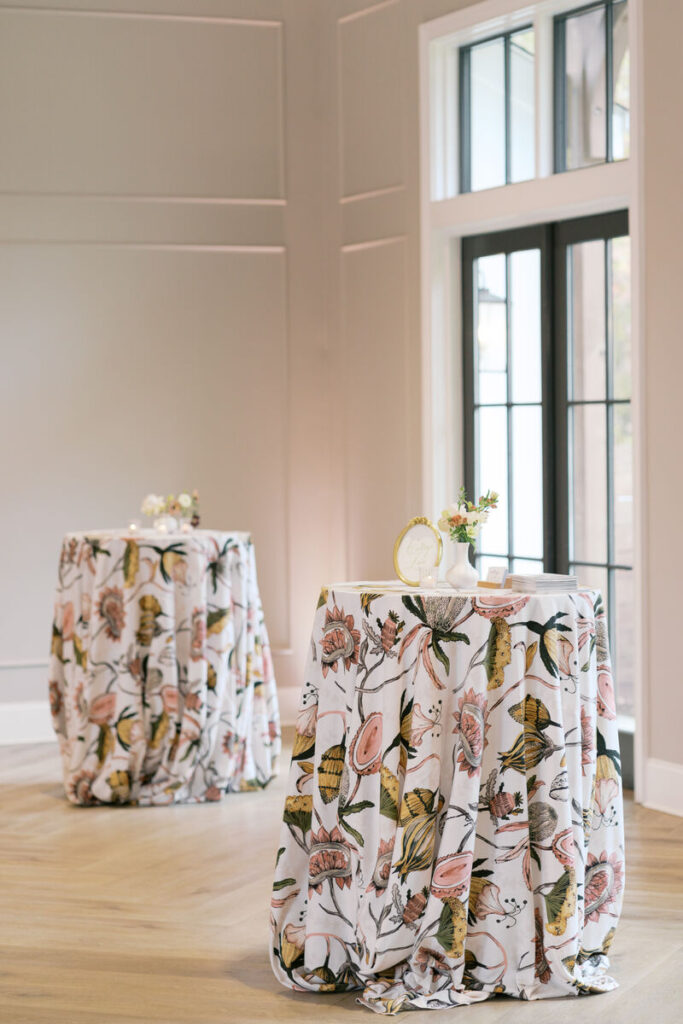
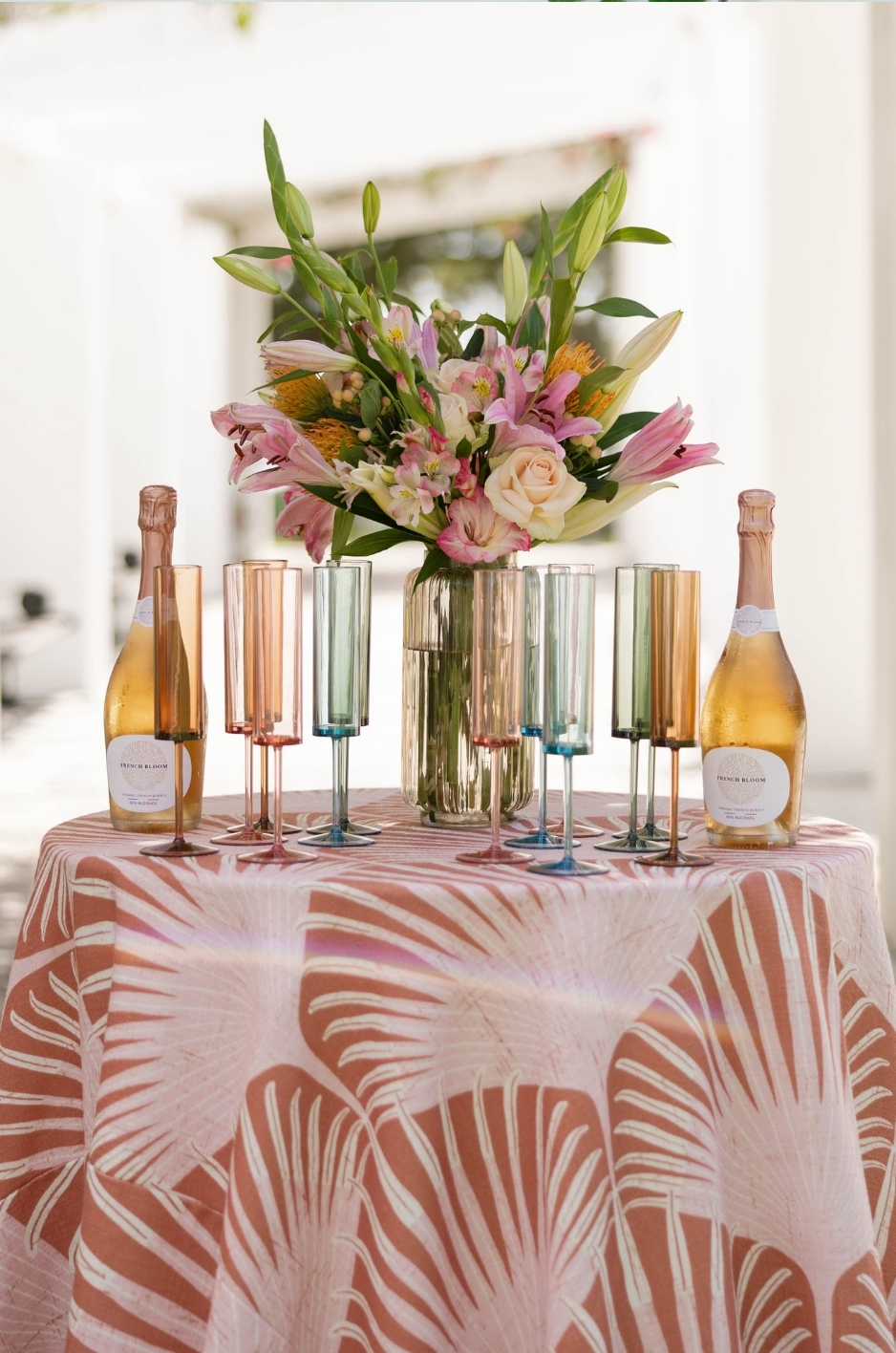
Cocktail hour spaces should feel connected to the main event design. Cocktail tables, bars, and lounge tables are often used before guests enter the dining area, so they should introduce the same colors, textures, or patterns that will appear later in the event.
A printed cocktail table linen, textured bar linen, or small accent cloth on a lounge table can help the space feel styled rather than temporary. These details are especially useful for creating continuity between arrival, cocktail hour, and dinner.
Cake tables, gift tables, and specialty displays
Cake tables, gift tables, dessert displays, and other specialty areas are often photographed and should be treated as design moments. A specialty overlay, patterned linen, or custom-printed detail can help these tables stand out while still coordinating with the broader linen plan.
These areas are also good places to use richer colors, unique textures, or more decorative patterns. Since they are usually smaller than guest tables, they can carry a stronger design detail without overwhelming the full event space.
How Should Planners Choose Linens for Entryway and Transition Spaces?
Linens for entryways and transition zones should be selected with purpose. These areas need to look beautiful, but they also need to support signage, florals, guest movement, and the function of the space. The right linen choice depends on the table size, location, lighting, surrounding decor, and how visible the area will be during the event.
A strong transition-zone linen plan should feel connected to the main tablescape while still giving each area its own role. Some spaces may call for quiet, supportive linens, while others can carry a statement color, pattern, or custom detail.
Consider proportion and scale
Entryway and transition tables are often smaller than dining tables, so proportion matters. A heavy pattern or oversized print may feel overwhelming on a narrow welcome table, while a subtle texture or tailored solid may create a cleaner result.
Planners should confirm table dimensions, linen drop, and surface needs before choosing a fabric. The linen should frame the display, not overpower it. Florals, candles, signage, menus, escort cards, and decorative objects all need room to sit comfortably on the table.
Match the linen to the purpose of the space
Each transition area has a different function. A welcome table may need a polished foundation for signage and guest materials, while an escort display may need a more distinctive linen to draw attention. A bar may benefit from a richer texture, while cocktail tables may only need a small patterned accent to connect them to the larger event design.
Choosing linens by function helps the overall setup feel more intentional. It also prevents every space from competing for attention at the same time.
Balance statement moments with restraint
Not every transition area needs a bold linen. A successful linen plan creates rhythm by mixing statement moments with quieter supporting details. For example, a patterned escort table can be balanced with solid cocktail linens, or a custom bar linen can be paired with understated welcome table styling.
This balance keeps the event polished and cohesive. Statement linens should be placed where they will have the most impact, while simpler linens can support florals, signage, and other decorative elements without visual clutter.
Coordinate with the main tablescape
Entryway and transition linens should feel related to the dining tables, even if they are not identical. Planners can repeat a color, fabric texture, pattern style, or custom detail from the reception design to create visual continuity.
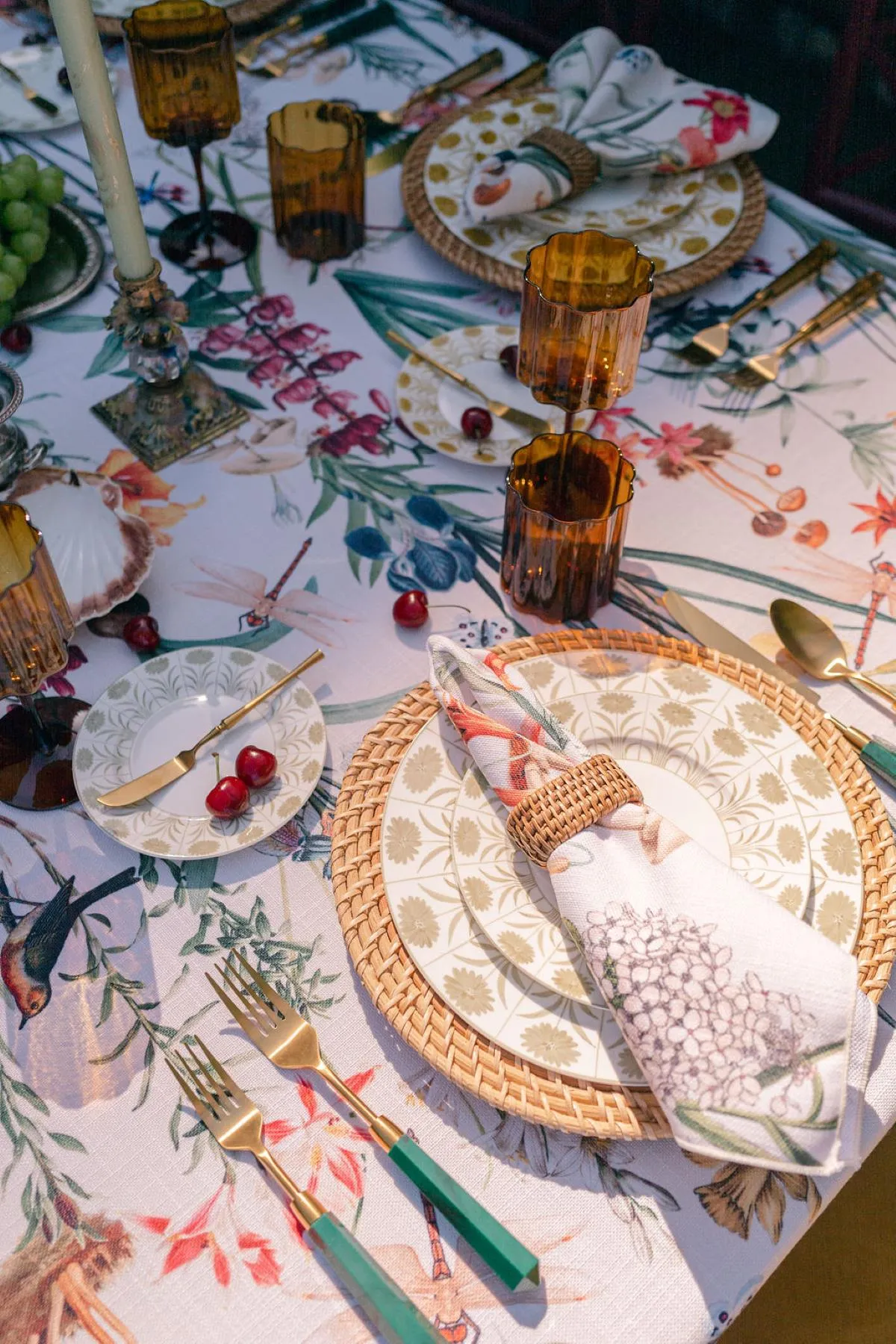
For example, a pattern used on dinner napkins can appear as a runner on the welcome table, or a color from the guest table linens can be repeated on cocktail tables. These subtle connections help the full event feel curated from arrival through the final celebration.
How Can Custom Linen Design Elevate Entryway and Transition Zones?
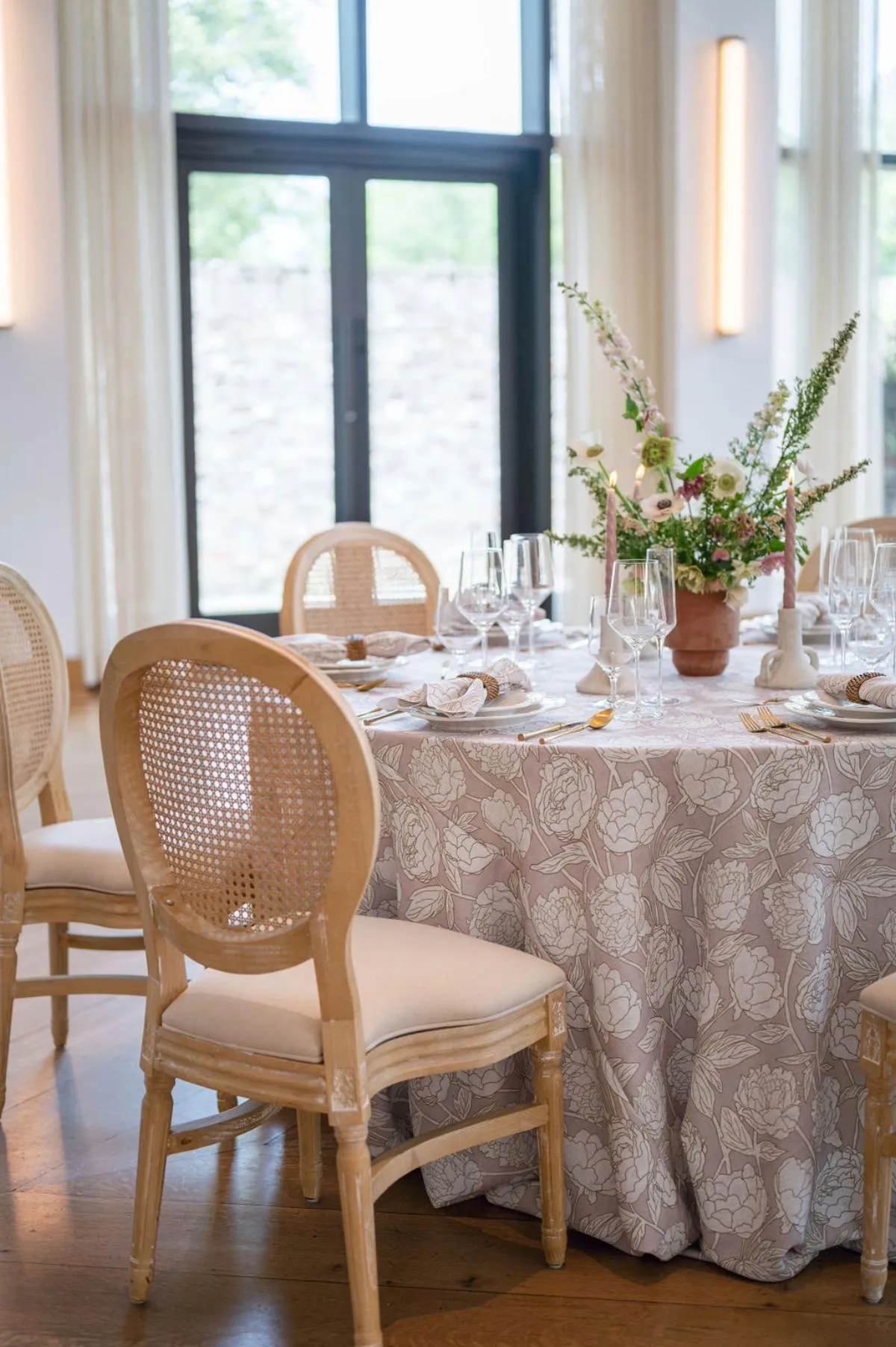
Custom linen design allows entryways and transition zones to feel more personal, refined, and connected to the event’s overall story. These spaces are ideal for custom details because they are highly visible, frequently photographed, and often serve as the first design touchpoints guests encounter. A custom runner, patterned overlay, printed napkin, or tailored table linen can make a welcome table, escort display, bar, or specialty display feel intentional rather than purely functional.
Custom linens are especially effective when they connect to another part of the event design. A venue-inspired linen design may translate architectural details into a custom print, while colors or motifs from the invitation suite, floral palette, monogram, or brand identity can introduce the event’s visual language before guests enter the main reception space.
Create a custom design story from the first guest touchpoint
The entryway is a natural place to introduce a custom design element. A welcome table or escort display can feature a custom-printed linen that reflects the event’s theme, color palette, or personal details. This creates an immediate sense of cohesion and gives guests a preview of the design direction they will see throughout the event.
For weddings, custom linen details might draw from florals, paper goods, or a meaningful motif. For corporate or branded events, custom linens can incorporate brand colors, subtle patterns, or elevated printed details without making the space feel overly promotional.
Use custom details in strategic places
Custom linens do not need to appear on every surface to make an impact. In many cases, they are most effective when used in focused moments, such as the welcome table, escort card display, bar, cake table, or cocktail tables. These areas naturally attract attention and can carry a stronger design detail than a larger dining area.
This approach also keeps the full event design balanced. A custom runner on an escort display or a custom linen on a bar can create a strong focal point, while simpler linens in surrounding areas keep the look refined and cohesive.
How Should Linens Be Styled for Cocktail Hour Tablescapes?
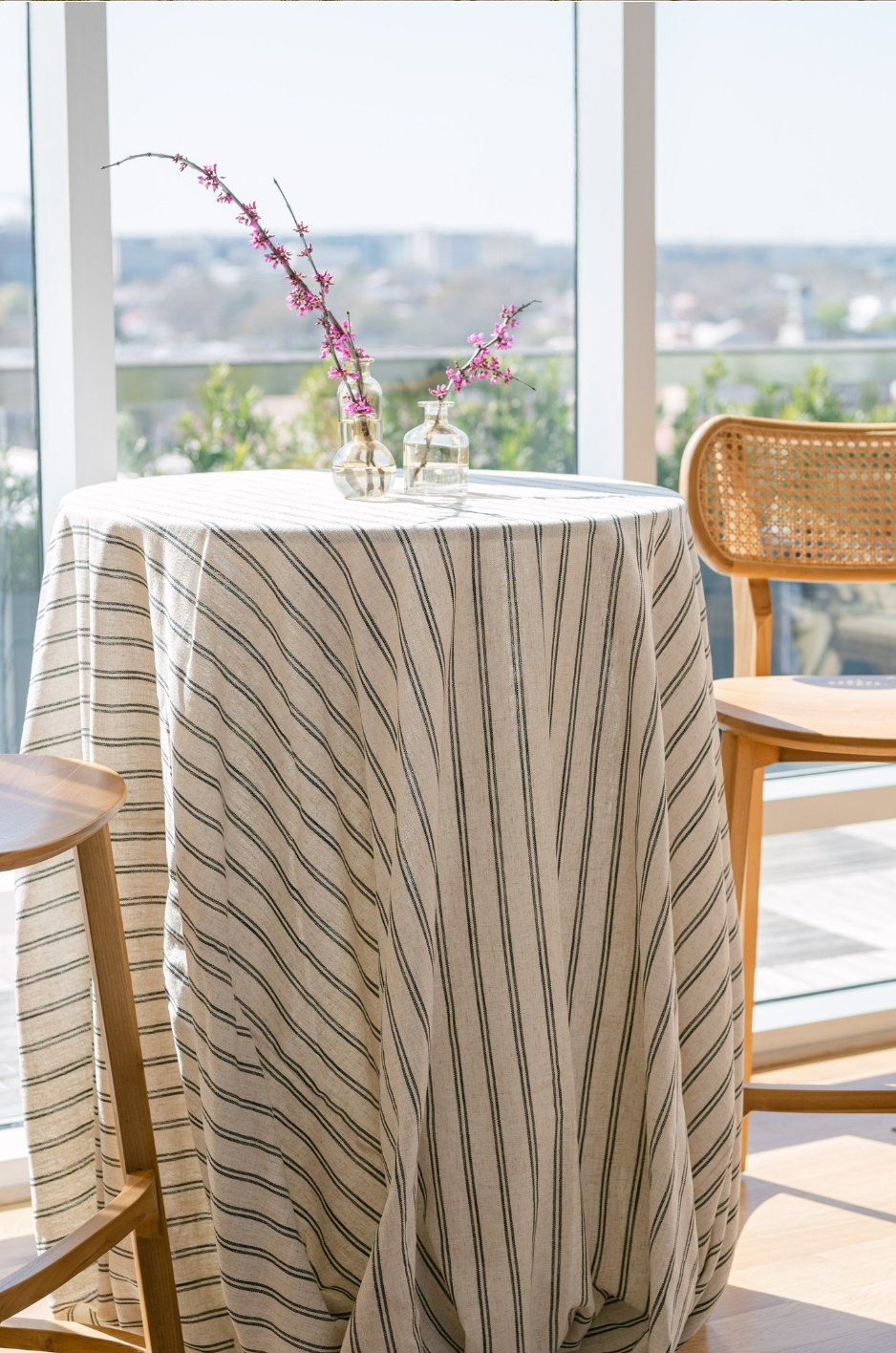
Cocktail hour is one of the most important transition points in an event. Guests are moving from arrival or ceremony into a more social setting, and the linens in this area help establish continuity between the entryway and the main reception. Cocktail tables, bars, lounge tables, and small accent tables should feel styled with the same care as the dining tables.
Because cocktail hour spaces often include smaller surfaces, linen choices should be thoughtful and proportional. A patterned cocktail linen, textured bar linen, or tailored accent cloth can add polish without overwhelming the space.
Dress cocktail tables with intention
Cocktail tables are often used heavily during arrival and pre-dinner service, so they should feel designed rather than temporary. A linen on a cocktail table can introduce color, pattern, or texture in a compact way, especially when paired with small floral arrangements, candles, or custom signage.
For a subtle look, planners can choose a solid linen that coordinates with the main reception palette. For a more expressive design, cocktail tables can carry a patterned or custom-printed linen that previews details guests will see later at dinner.
Pair cocktail linens with floral and candle accents
Cocktail tables usually have limited surface area, so decor should be scaled carefully. Small bud vases, petite floral arrangements, votive candles, or minimal signage can enhance the linen without crowding the tabletop. The linen should remain visible and should feel like part of the design, not just a background layer.
If the linen has a strong pattern, keep floral and candle styling more restrained. If the linen is solid or tonal, the floral or decorative elements can carry more color and texture.
Use bar linens as focal design moments
Bars are natural gathering points during cocktail hour, making them strong candidates for elevated linen styling. A textured linen, patterned overlay, or custom-printed bar detail can make the bar feel integrated into the event design rather than separate from it.
A bar linen can also repeat a color or motif from the welcome table, escort display, or dining tables. This repetition helps guide guests visually from one part of the event to the next.
Connect cocktail hour to the reception design
Cocktail hour linens should not feel disconnected from the main reception. Planners can repeat a texture, color, pattern, or custom detail from the dining tables in a smaller way. For example, a dinner napkin pattern can appear on cocktail table linens, or a reception accent color can be used on bar or lounge table linens.
These small connections create a smoother transition between spaces. Guests may not consciously identify each repeated detail, but the overall event will feel more cohesive and carefully styled.
How Can Layering Create Depth in Transition Zone Styling?
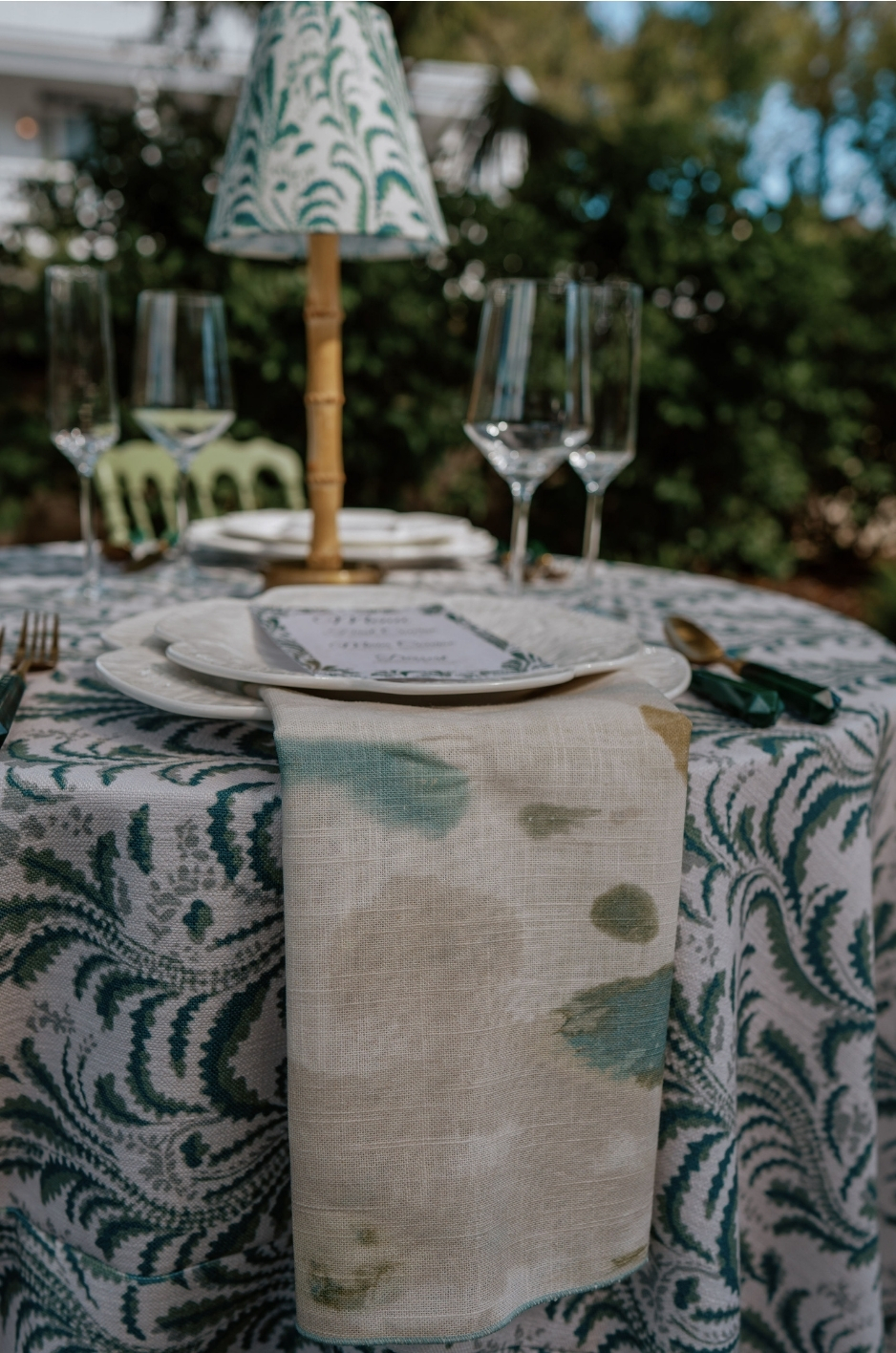
Layering is what makes entryway and transition-zone styling feel finished. These spaces often include smaller tables, narrow surfaces, or temporary display pieces, so linens need to add depth without creating visual clutter. A thoughtful combination of base linens, runners, overlays, and decorative accents can make these areas feel refined and connected to the larger event design.
The strongest layered looks begin with a clear foundation. From there, planners can introduce texture, pattern, or contrast in measured ways. Each layer should have a purpose, whether it is grounding the display, framing signage, highlighting florals, or connecting the space to the main tablescape.
Start with a refined base linen
A base linen gives the table or display structure. For entryways, welcome tables, gift tables, and escort displays, a tailored solid linen often creates the cleanest foundation. It allows signage, florals, candles, and guest-facing materials to stand out while still giving the table a polished finish.
The base linen should be chosen with the size and shape of the table in mind. A proper drop, clean edge, and well-scaled fabric choice can make even a simple display feel elevated. If the surrounding decor is already detailed, a quieter base linen may be the strongest choice.
Add texture through overlays, runners, or accent pieces
Once the base linen is selected, overlays and runners can add dimension. A runner can frame an escort display, define the center of a welcome table, or add movement to a long bar or lounge table. An overlay can introduce texture, color, or pattern without requiring the entire table to carry a bold design.
These pieces are especially useful in transition zones because they allow planners to create impact in smaller areas. A textured overlay on a cake table or a patterned runner on a seating display can make the space feel custom while still coordinating with the broader linen plan.
Keep florals and decor proportional
Layering works best when linens and decor are scaled together. Entryway and transition tables often have limited surface area, so florals, candles, signage, escort cards, and decorative objects should not cover the linen completely. The linen should remain visible as part of the design.
If the linen has a bold pattern, the decor should be more restrained. If the linen is solid or tonal, florals and signage can carry more visual weight. This balance keeps the display elegant, functional, and easy for guests to navigate.
Repeat details for visual continuity
A layered transition-zone design should connect to the rest of the event. Planners can repeat a linen color, fabric texture, border detail, or custom pattern from the dining tables in smaller doses throughout the entryway and cocktail hour spaces.
For example, a patterned napkin from the reception can inspire a runner on the welcome table, or a textured overlay used on the cake table can echo the accent linens used in lounge areas. These repetitions create a subtle sense of flow from one space to the next.
Frequently Asked Questions
Can I use a statement linen only on the welcome or escort table?
Yes. A statement linen does not need to appear throughout the entire event to make an impact. Welcome tables and escort displays are ideal places for a bold pattern, textured overlay, custom runner, or custom-printed linen because these areas naturally draw guest attention.
Using a statement linen in one focused location can create a memorable design moment while keeping the rest of the event balanced. Pairing that statement piece with quieter linens in surrounding areas helps the overall design feel refined rather than overwhelming.
How do I coordinate entryway linens with reception linens?
Entryway linens should relate to the reception linens through color, texture, pattern, or design detail. They do not need to match exactly, but they should feel like part of the same visual story. For example, a color used in the dinner napkins can appear on the welcome table, or a pattern from the escort display can be repeated in a smaller way during cocktail hour.
This kind of coordination creates a more seamless guest experience. From the moment guests arrive to the time they sit for dinner, the linen plan should feel intentional and connected.
Are custom linens useful for branded or private events?
Custom linens are especially useful for branded events, weddings, milestone celebrations, and private gatherings with a strong design direction. A custom print, border, colorway, or motif can help reflect the event’s identity in a polished and elevated way.
For branded events, custom linens can incorporate brand colors or subtle pattern work without making the design feel overly promotional. For weddings and private events, custom details can be inspired by florals, invitations, monograms, venue architecture, or a personal design element.
What linen styles work best for cocktail hour tables?
Cocktail hour tables work well with linens that are proportional, durable-looking, and visually connected to the broader event palette. A tailored solid linen can create a clean, elegant look, while a patterned or textured linen can add personality in a compact space.
Because cocktail tables are smaller, planners should be careful with scale. A large pattern may feel too busy on a small surface, while a refined print, subtle texture, or coordinated color can create just enough visual interest. Small florals, candles, or signage can be added without covering the linen completely.
Conclusion
Entryways and transition zones are more than functional spaces. They introduce the event’s design, guide guests through the experience, and create visual continuity between arrival, cocktail hour, dinner, and celebration moments. With the right linens, these areas can feel polished, intentional, and fully connected to the main tablescape.
A curated linen plan can bring color, texture, pattern, and personality to welcome tables, escort displays, cocktail tables, bars, cake tables, lounge areas, and specialty installations. Whether the design calls for understated solids, rich textures, statement patterns, or custom-printed details, thoughtful linen styling helps each guest-facing space feel complete.
Curated Linen Collection offers luxury linen rentals and custom design options for planners and hosts who want every event detail to feel cohesive. Explore the collection or begin a custom linen inquiry to create entryway and transition-zone styling that feels refined from the first guest arrival to the final celebration moment.