
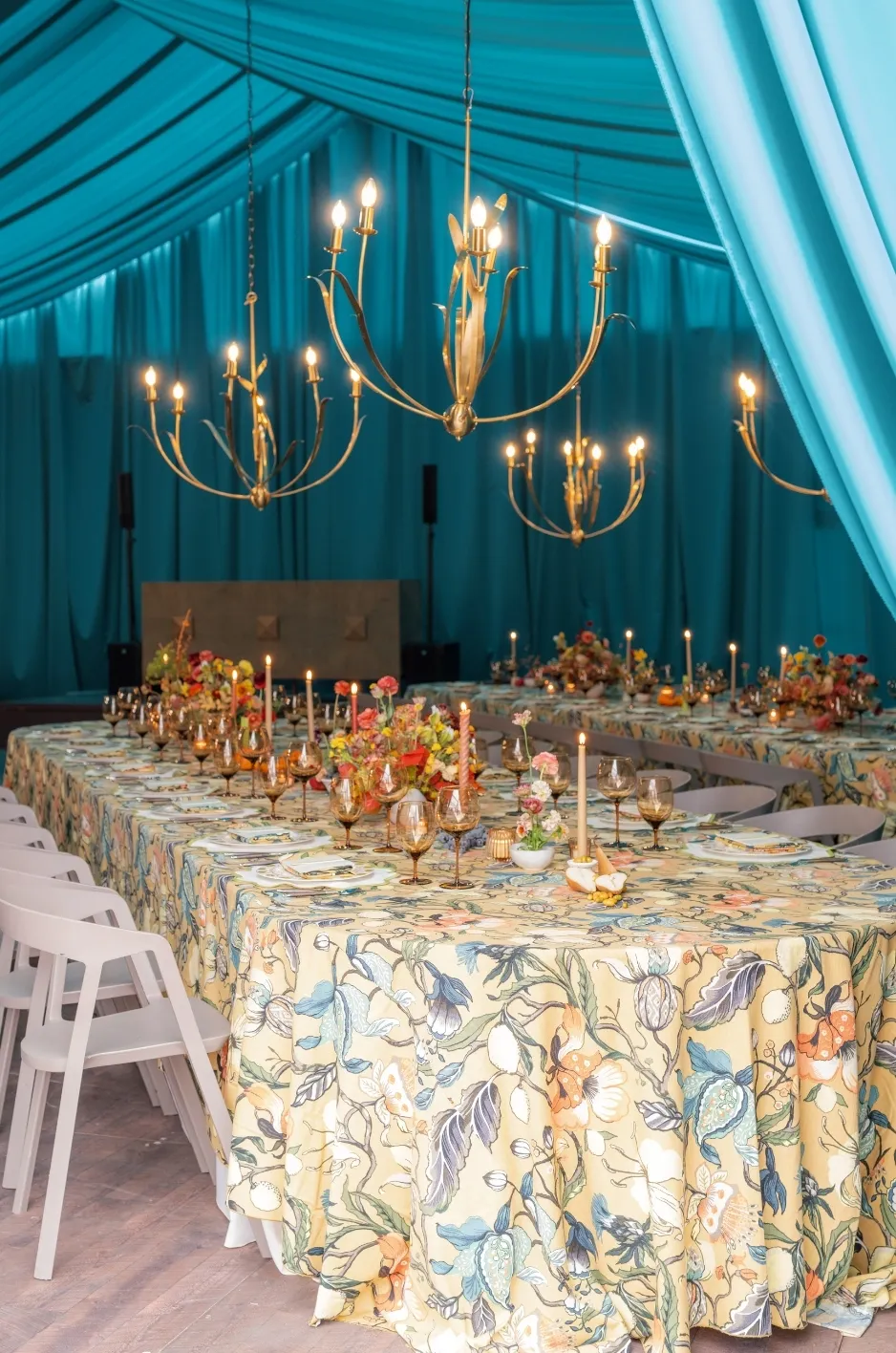
Wedding linens are experienced in person, but they also become part of the wedding gallery. They appear in room reveal images, close-up tablescape photos, invitation flat lays, reception portraits, cake-cutting moments, and candid guest shots throughout the evening. Because linens sit beneath so many of the event’s most photographed details, they should be selected with both the live experience and the camera in mind.
A beautiful linen choice can add softness, depth, texture, and polish to the final gallery. It can help frame flowers, menus, candles, glassware, flatware, and stationery so every image feels more intentional. The right linen should support the wedding design without distracting from the couple, the venue, or the details that matter most.
Curated Linen Collection offers premium tabletop linens and accessories for refined celebrations, including table linens, napkins, runners, specialty overlays, patterned options, solid linens, and custom-printed details. For couples, planners, and designers, these linen pieces can help create wedding details that feel elevated in the room and photograph beautifully from every angle.
Why Wedding Linens Matter in Photography
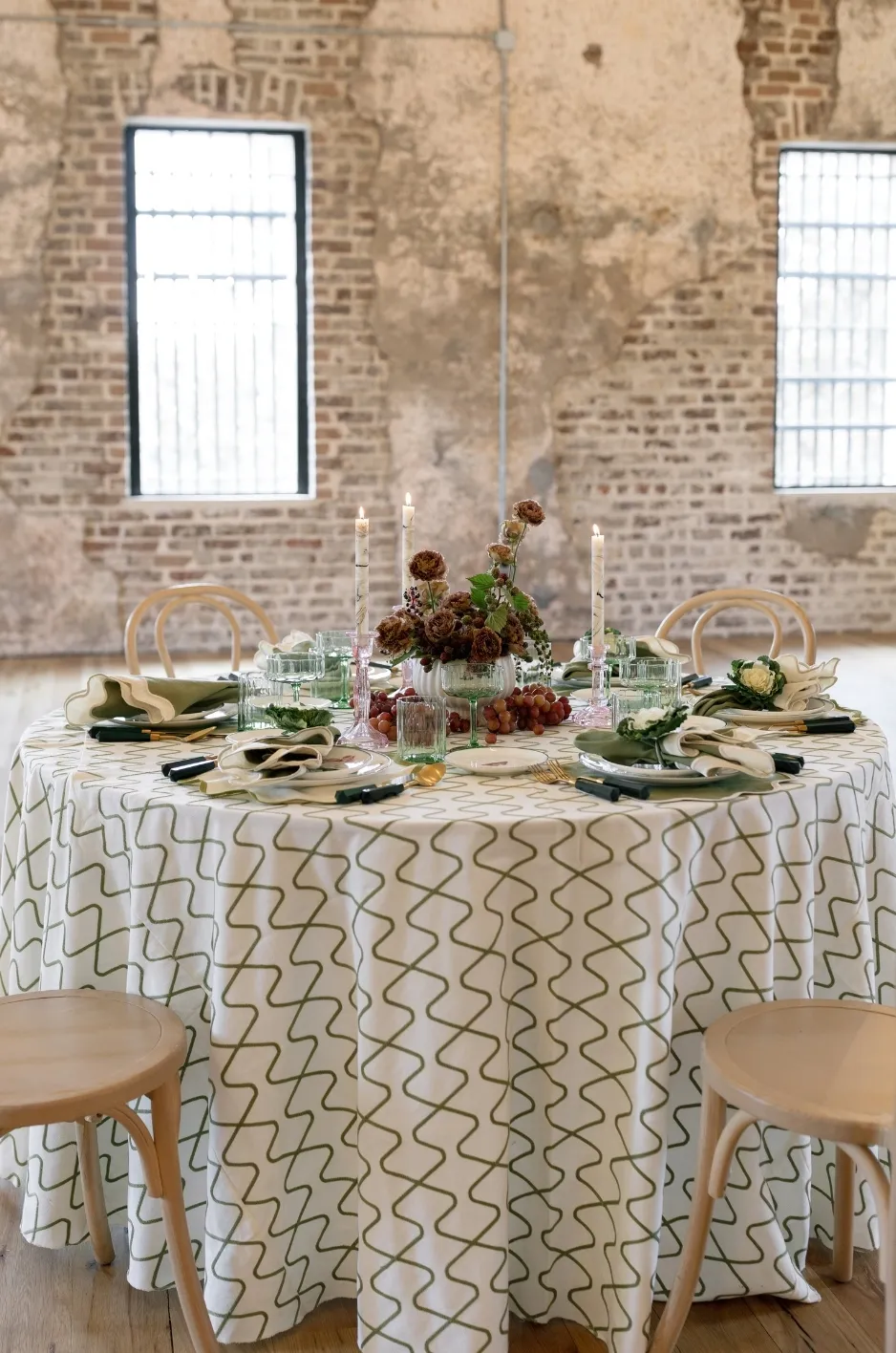
Wedding photography captures more than portraits and ceremony moments. It preserves the visual atmosphere of the celebration, including the textures, colors, and details that shape the reception. Linens often appear in the background of wide shots and in the foreground of close-up images, which makes them an important part of the photographic story.
A linen may look subtle in person, but it can have a strong effect on how the final images feel. The texture beneath a menu, the fold of a napkin, the drape of a tablecloth, or the pattern of a runner can all add dimension to a wedding gallery.
Linens Shape the First Room Reveal
The room reveal is often one of the most important reception images. Before guests enter, the photographer captures the full space: tables, chairs, florals, lighting, candles, place settings, and linens working together.
In these wide-angle images, repeated linens create visual rhythm. A consistent linen choice across guest tables can make the room feel polished and cohesive. A specialty linen on a head table or feature table can create a natural focal point. When the linen plan is thoughtful, the room reveal feels complete rather than simply arranged.
Linens Create Texture in Detail Shots
Detail shots often bring the camera close to the tabletop. Menus, napkins, place cards, chargers, rings, stationery, floral stems, glassware, and flatware may all be photographed against or near linen surfaces.
This is where texture matters. A soft napkin fold, a patterned overlay, a refined runner, or a textured table linen can add depth to the image. Without that textile layer, close-up photos may feel flat, especially when the rest of the tabletop is minimal.
Linens Influence How Color Reads on Camera
Linen color can shift depending on the lighting and photography style. Natural light, candlelight, reception lighting, and flash can all affect how a fabric appears in the final gallery.
A soft neutral may look warmer in candlelight. A deeper tone may feel richer during an evening reception. A reflective finish may appear brighter under flash. Because linens cover large surfaces and appear in many images, their color and finish should be considered in relation to the wedding’s lighting environment.
Build Linen Choices Around the Wedding Shot List
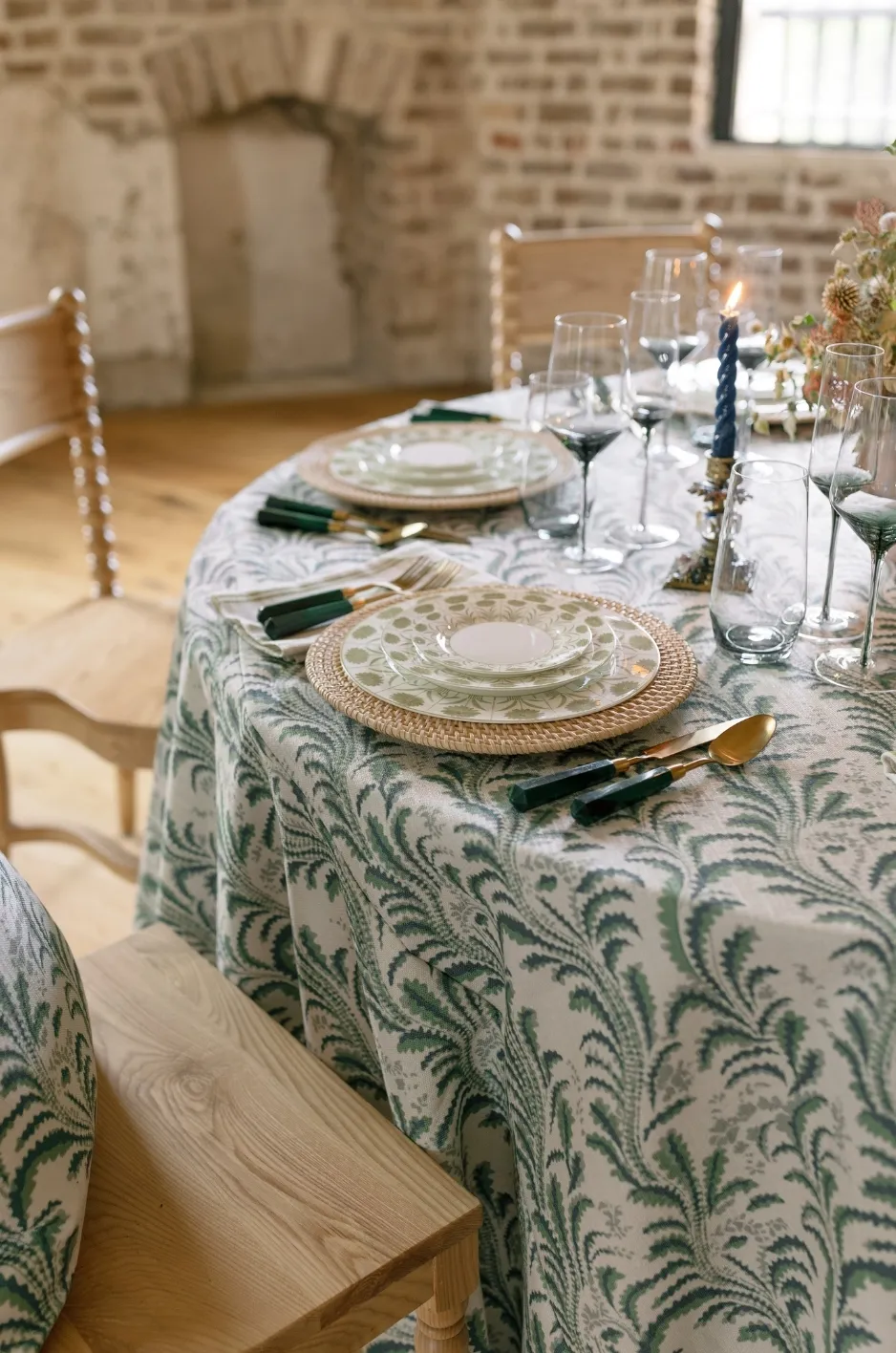
Linen planning becomes more intentional when couples and planners think about where linens will appear in the final gallery. The goal is not to choose linens only for the camera, but to understand which details are likely to be documented most often.
Room reveals, place-setting photos, seated portraits, cake table images, and styled flat lays all benefit from linens that look refined in context. When those photo moments are considered early, the final design feels more cohesive both in person and in images.
Room Reveal Photos
Room reveal photos show the reception before guests arrive. In these images, table linens often create the strongest visual foundation. They affect the way the room feels at first glance and influence how the florals, lighting, chairs, and place settings appear together.
For larger receptions, repeated linens can help create order across the room. For more intimate weddings, a distinctive linen treatment can make each table feel more detailed and personal. Either way, the linen should support the scale and mood of the full space.
Place-Setting Details
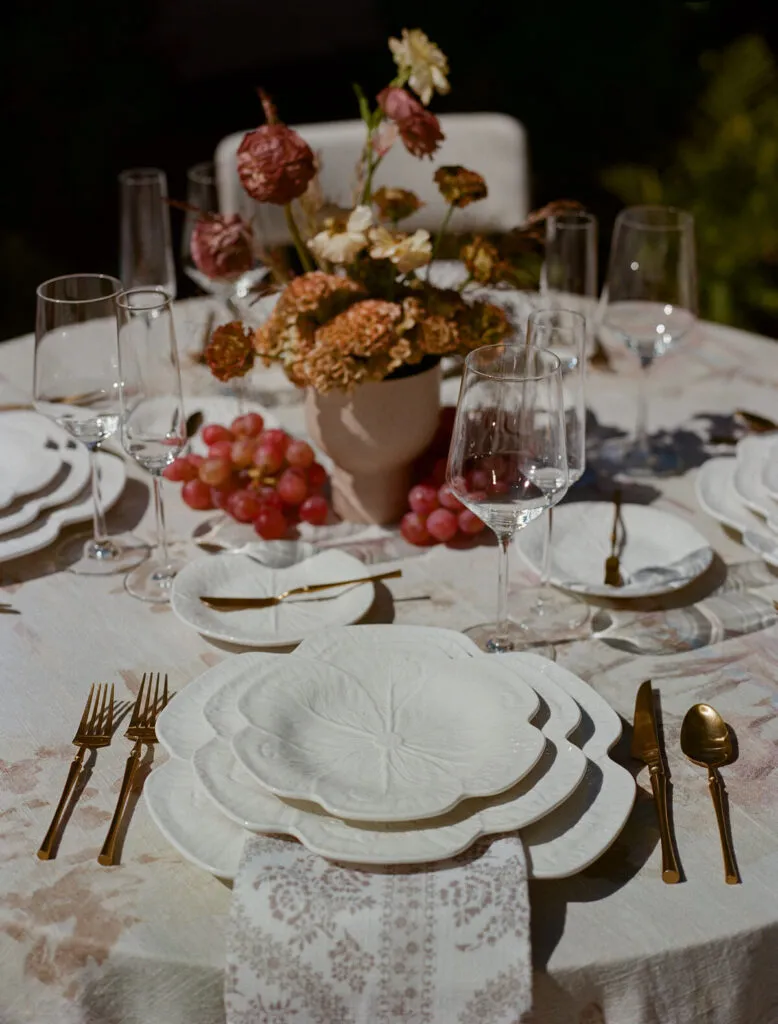
Place-setting photos capture the guest’s view of the table. These images often include chargers, plates, napkins, menus, flatware, glassware, candles, and floral details. The linen beneath those pieces becomes part of the composition.
A textured napkin can add softness. A patterned runner can add movement. A specialty overlay can create dimension beneath the plate and menu. These details help place-setting photos feel layered without needing the table to be overly decorated.
Couple and Family Reception Portraits
Sweetheart tables, head tables, and family tables often appear in reception portraits, speeches, toasts, and candid dinner images. The linens in these areas should be chosen carefully because they may remain visible throughout the gallery.
The linen should support the couple or family members in the frame. It should work with the chairs, florals, candles, and backdrop without becoming visually distracting. A polished linen choice can make seated images feel more refined and complete.
Choose Linens That Support Close-Up Styling
Close-up styling is where linen texture, scale, and pattern become especially important. The camera captures small details that guests may only notice briefly, so every visible layer should feel intentional.
Napkins, overlays, runners, and table linens can all help close-up images feel more editorial and finished. The key is balance. A linen should add visual interest without crowding the frame or competing with the main detail being photographed.
Use Napkins to Add a Finished Layer
Napkins are one of the most useful linen details for close-up photography. They can frame a menu, sit beneath a place card, wrap around flatware, or add a soft layer to each place setting.
A napkin does not need to be bold to make an impact. A refined texture, thoughtful fold, or coordinated color can add enough polish to make the setting feel complete. Since guests also interact with napkins directly, this detail should feel as elegant up close as it looks in photos.
Use Overlays to Add Softness Under Details
Specialty overlays can create depth beneath tabletop details. They can soften a base linen, add a subtle pattern, or introduce a delicate layer under florals, candles, or place settings.
In close-up photography, overlays can help prevent the image from feeling too flat. They provide texture without requiring the entire table to feel heavily decorated. This makes them useful for feature tables, cake tables, head tables, or styled reception details.
Use Pattern Carefully in Tight Frames
Patterned linens can photograph beautifully, but they need to be used with restraint. In tight frames, a strong pattern can become dominant quickly, especially when paired with detailed stationery, colorful florals, or ornate tabletop rentals.
If the linen has a bold pattern, surrounding details should be more edited. If the stationery or place setting already carries strong detail, a softer linen may work better. The goal is to let each element have enough space to be seen clearly.
Plan Linen Texture for Different Lighting Conditions
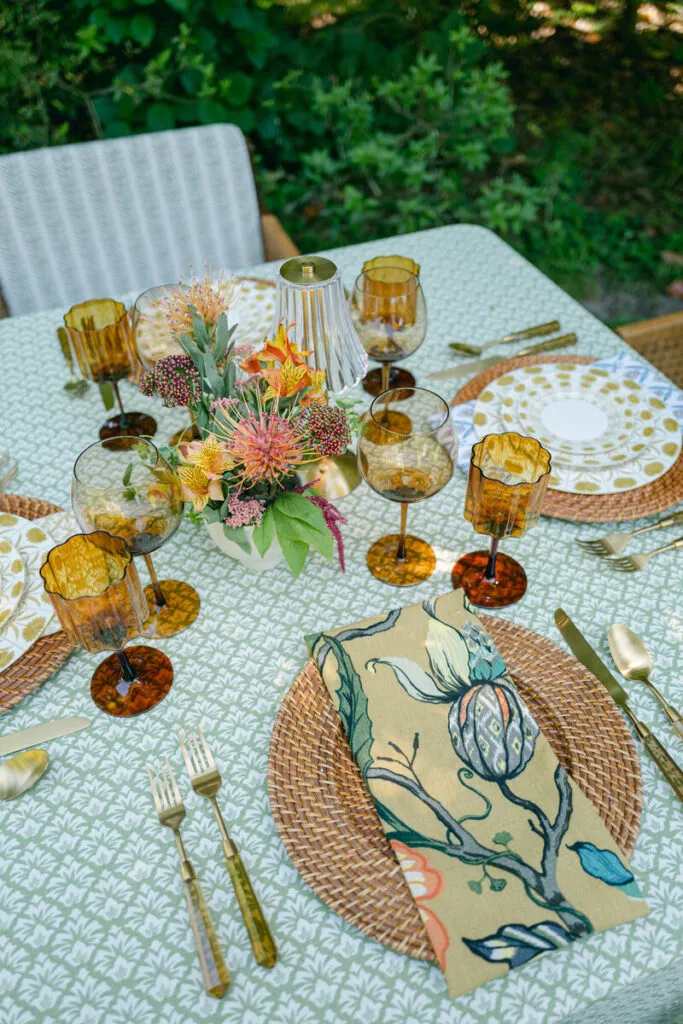
Lighting changes how linens appear in person and on camera. A fabric that looks soft in daylight may read differently under candlelight. A polished surface may reflect more strongly with flash. A darker texture may create drama in one setting but feel too heavy in another.
For a photo-ready linen plan, texture should be considered alongside the wedding’s lighting conditions. This helps ensure the linens photograph well throughout the event, from daytime setup images to evening reception moments.
Candlelit Receptions
Candlelit receptions can support richer textures and deeper linen tones. Fabrics with dimension can help create warmth in low light, especially when paired with taper candles, votives, and layered florals.
A textured linen or specialty overlay can prevent the table from feeling flat in evening photography. The goal is to create depth that the camera can capture without making the table feel heavy or crowded.
Daytime or Tent Weddings
Daytime weddings and tented receptions often benefit from lighter textures and softer finishes. Natural light can make details appear brighter and more visible, so the linen should feel refined without overpowering the setting.
A linen with a softer finish can work well in daylight because it adds texture without feeling too formal. In tented settings, linens can also help bring warmth and dimension to an otherwise clean or neutral space.
Ballroom and Flash Photography
Ballroom lighting and flash photography can change the way linens appear. Highly reflective finishes may read brighter in photos, while certain textures may catch light more strongly than expected.
This does not mean polished linens should be avoided. It means they should be selected with the full lighting environment in mind. The linen should photograph cleanly beneath florals, plates, glassware, and candles without creating unwanted glare or distraction.
Make Feature Linen Moments Camera-Ready
Some linen moments appear more often in the wedding gallery than others. Sweetheart tables, head tables, cake tables, welcome displays, and detail tables often receive extra photographic attention. These areas should be styled with the camera in mind while still feeling connected to the overall event design.
Feature linens do not always need to be dramatic. Sometimes the most photo-ready choice is a linen that quietly frames the moment and allows the main detail to stand out.
Sweetheart or Head Table Backdrop
The sweetheart or head table often appears throughout the reception gallery. It may be photographed during speeches, dinner, portraits, and candid moments. The linen should work with the full backdrop, including chairs, florals, candles, lighting, and any installation behind the table.
A specialty linen, textured overlay, custom runner, or more refined fabric choice can help distinguish this area. It should feel elevated without pulling attention away from the couple.
Cake-Cutting Area
The cake-cutting moment is one of the most photographed parts of the reception. The linen beneath or near the cake should support the cake design, floral accents, and surrounding decor.
If the cake is highly detailed, the linen may need to stay quieter. If the cake design is minimal, a textured or subtly patterned linen can add interest to the display. The goal is to frame the cake beautifully without competing with it.
Welcome and Detail Display Photos
Welcome tables, guest book displays, escort card tables, and seating displays are often photographed before guests interact with them. These surfaces can benefit from refined linen details because they help set the visual tone for the event.
A specialty overlay, patterned linen, or coordinated runner can make a practical display feel more polished. The linen should support the stationery, signage, florals, and trays so the full display feels intentional in photos.
Coordinate Linens With the Photographer’s Detail Styling
Wedding photographers often style detail images before the ceremony or reception begins. Invitations, rings, perfume, shoes, vow books, menus, place cards, and other personal details may be arranged for flat lays or editorial images.
Linens can support this styling when they are planned thoughtfully. A napkin, runner, or textured linen piece can create a refined background that connects the detail photos to the reception design.
Ask What Details Will Be Styled
Couples and planners should know which details the photographer intends to style. This may include the invitation suite, rings, jewelry, shoes, vow books, perfume, menus, place cards, or floral clippings.
Knowing this ahead of time helps the design team prepare appropriate linen elements. It also ensures that the detail photos feel consistent with the wedding’s visual direction.
Provide Linen or Napkin Details for Flat Lays
A napkin, runner section, or small linen detail can create a polished surface for flat lay photography. This can be especially useful when the linen texture or pattern is part of the wedding design.
A linen backdrop should support the styled objects, not overpower them. If the invitation suite is detailed, a simple textured napkin may be best. If the stationery is minimal, a patterned or custom linen detail may add the right amount of depth.
Keep Detail Styling Consistent With the Reception Design
Flat lays and styled detail images should feel connected to the actual event. If the reception uses soft neutral linens, the detail styling should not introduce a completely different textile direction. If the wedding includes a custom pattern, a small piece of that linen or a coordinating napkin may help bring the design story into the flat lay.
Consistency matters because the final gallery should feel cohesive from the getting-ready details to the reception images.
How Curated Linen Collection Supports Photo-Ready Wedding Design
Curated Linen Collection supports couples, planners, and designers who want linen details that feel elevated in person and through the camera. With premium tabletop linens and coordinating accessories, the collection can help shape the visual story of the wedding from wide room images to close-up detail shots.
The right linen plan can support photography without making the event feel over-styled. Table linens, napkins, runners, overlays, patterned options, solid linens, and custom-printed details all give wedding teams flexible ways to create polished visual moments.
Premium Linens for Tablescape and Detail Moments
Curated Linen Collection offers linen pieces that can support both full-room design and smaller detail styling. Table linens can shape the room reveal. Napkins can refine place-setting images. Runners can guide the centerline of a table. Specialty overlays can add depth beneath florals, menus, or cake displays.
These pieces help create visual cohesion across the event while giving photographers refined surfaces and textures to capture.
Patterned, Solid, and Custom-Printed Options
Some weddings need a quiet linen foundation. Others call for pattern, texture, or a custom-printed detail that gives the gallery a more distinctive look. Curated Linen Collection offers patterned and solid linen options, along with custom-printed possibilities for events that need a more specific visual signature.
Custom-printed details can be especially useful when the wedding includes a motif, stationery pattern, crest, or design concept that should appear in a refined way throughout the event.
Nationwide Access for Wedding Teams
Curated Linen Collection ships nationwide, making its linen options available to couples, planners, and designers beyond one local market. This is useful for destination weddings, multi-location planning teams, and events that need a more curated linen source.
With thoughtful planning, wedding teams can use premium linens to support both the live guest experience and the final photographic story.
Frequently Asked Questions
What makes wedding linens photo-ready?
Wedding linens are photo-ready when they support the room design, look refined in close-up shots, coordinate with tabletop details, and respond well to the event’s lighting. They should add texture and polish without distracting from the couple, florals, stationery, or venue.
Which linen details appear most often in wedding photos?
Table linens, napkins, runners, overlays, sweetheart table linens, cake table linens, and welcome table linens often appear in wedding galleries. These details may show up in room reveals, place-setting photos, flat lays, cake-cutting images, and candid reception moments.
Should linens be chosen differently for daytime and evening weddings?
Yes. Daytime weddings may need softer finishes and lighter visual weight, while evening receptions can often support richer texture, deeper tones, and more dramatic layering. The linen choice should reflect how the fabric will appear in the event’s actual lighting.
Can patterned linens work well in wedding photography?
Yes. Patterned linens can photograph beautifully when they are balanced with simpler florals, tabletop pieces, and stationery details. The pattern should have enough space to be appreciated without making the image feel crowded.
Can napkins be used in wedding detail photos?
Yes. Napkins can add color, texture, and polish to place-setting images or flat lay styling. They are especially useful when they coordinate with the reception design and provide a refined background for menus, place cards, or small personal details.
Should the cake table linen be photo-ready?
Yes. The cake table is often photographed during detail shots and the cake-cutting moment. The linen should support the cake design, coordinate with nearby florals, and help the display feel finished without competing for attention.
Does Curated Linen Collection offer custom linen options?
Yes. Curated Linen Collection offers patterned and solid linens and can support custom-printed details for weddings that need a more distinctive visual direction.
Conclusion
Luxury wedding linens should be chosen with both the live event and the final gallery in mind. The right linens can support room reveals, close-up detail shots, reception portraits, flat lays, cake-cutting moments, and guest-facing design details without overwhelming the overall wedding aesthetic.
With thoughtful attention to texture, lighting, pattern, and placement, couples and planners can create linen details that feel polished in person and photograph beautifully. Curated Linen Collection supports that approach with premium tabletop linens, coordinating accessories, patterned and solid options, custom-printed possibilities, and nationwide access for wedding teams