
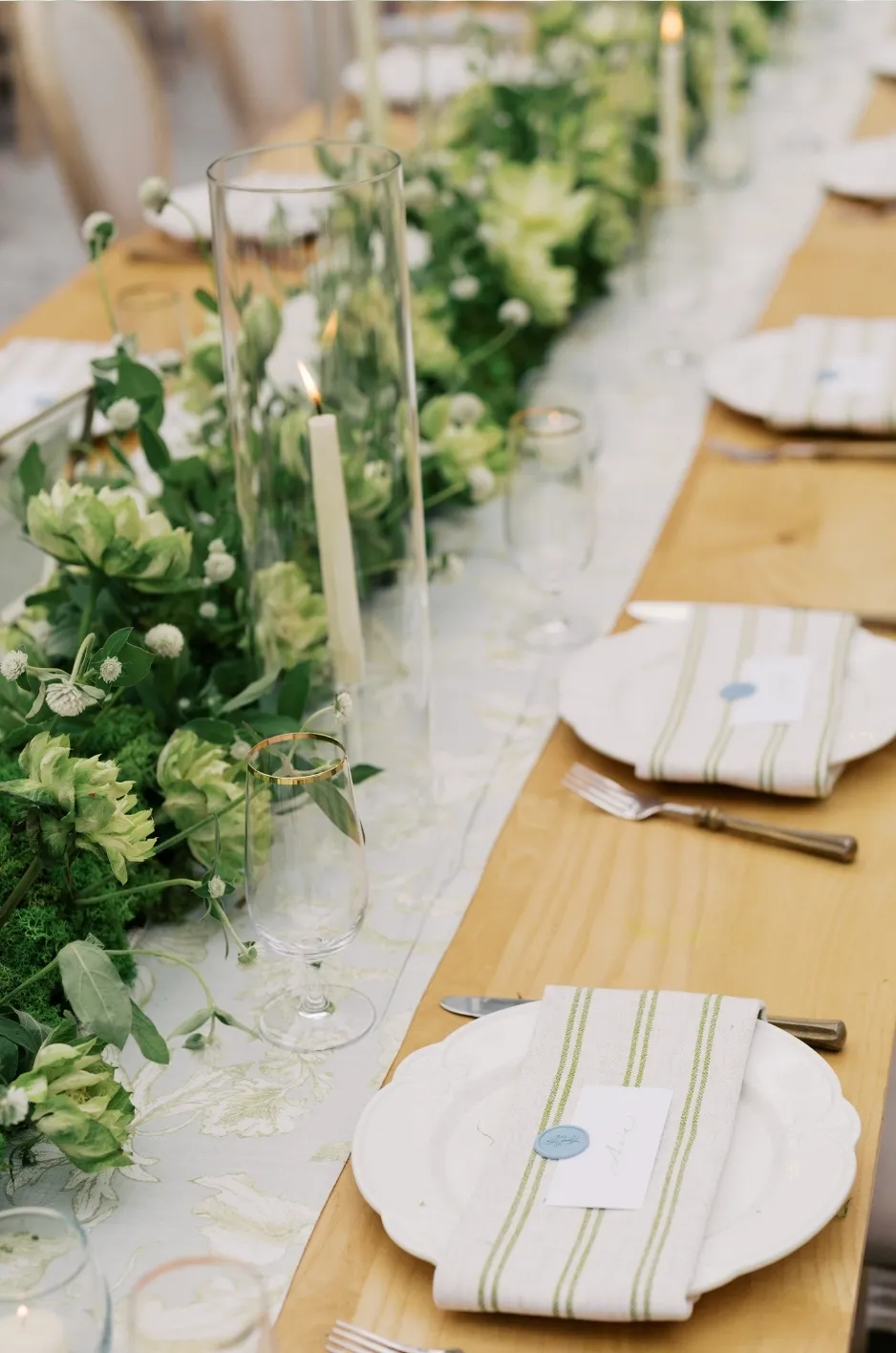
Seasonal wedding linen planning should go beyond choosing colors that traditionally belong to a certain time of year. Spring does not always require pastels. Autumn does not always need rust or orange. Winter does not have to rely on jewel tones. A refined linen plan considers the setting, the weather, the venue, the table layout, the lighting, and how guests will experience the celebration from arrival through the final reception moments.
The right seasonal linens should feel natural within the event environment. They should support the table design without making the wedding feel overly themed. A garden wedding, tented reception, coastal celebration, estate dinner, and ballroom event may each call for a different linen approach, even if they take place in the same season.
Curated Linen Collection offers premium table linens and coordinating accessories for high-end weddings, including table linens, napkins, runners, pillows, specialty overlays, patterned styles, solid options, and custom linen possibilities. With thoughtful styling, these pieces can help couples and planners create seasonal wedding tables that feel polished, comfortable, and appropriate for the setting.
Rethink Seasonal Linens Beyond Color Palettes
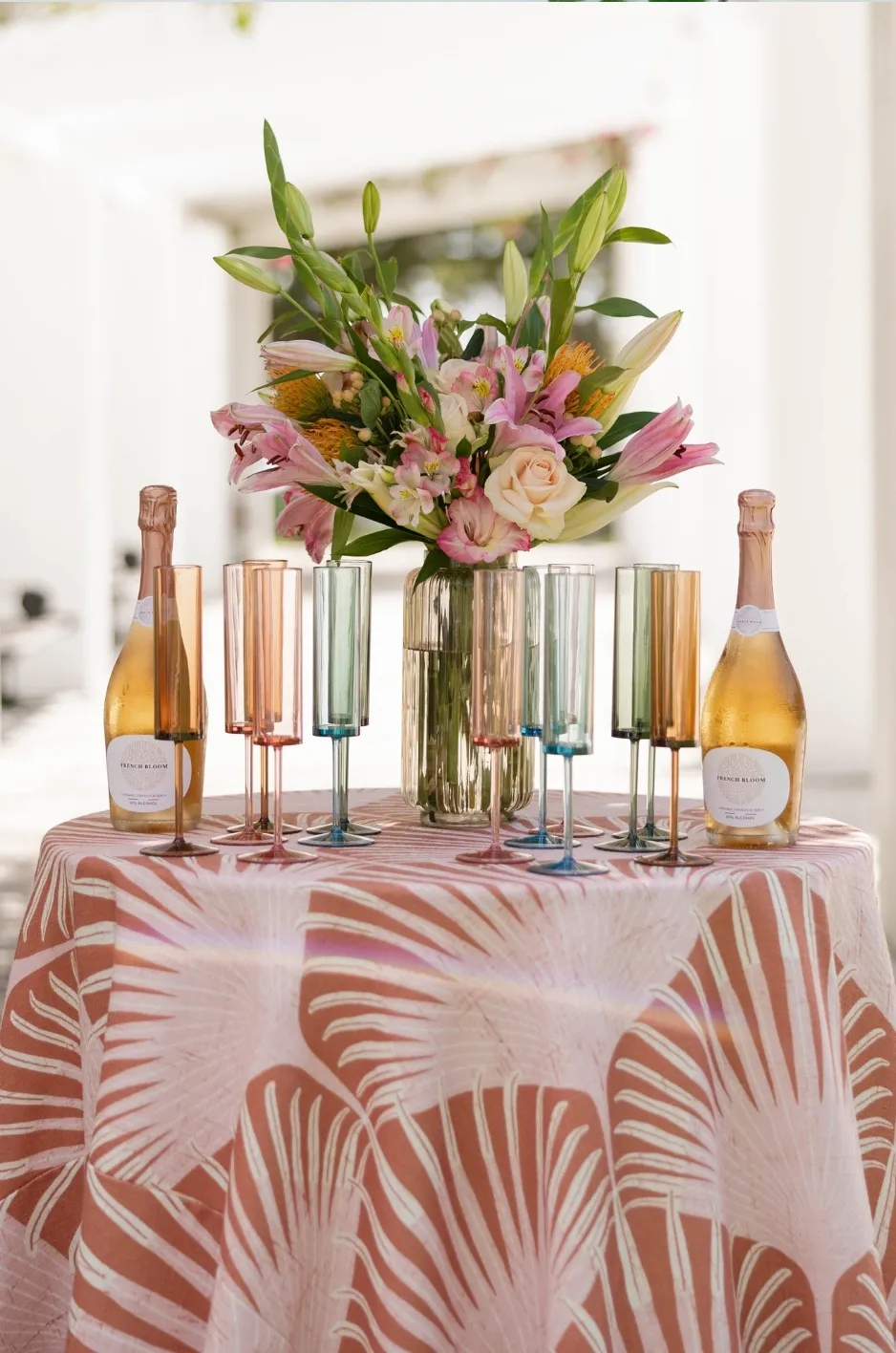
Seasonal design is often reduced to color. While color matters, it is only one part of the linen decision. A wedding can feel seasonal through texture, proportion, table coverage, layering, pattern restraint, and how the linens interact with the venue.
The strongest seasonal linen plans feel intentional rather than obvious. They reference the season through atmosphere, not decoration alone. Instead of building the table around expected seasonal colors, couples and planners can begin with the location, time of day, guest experience, and level of formality.
Avoid Literal Seasonal Styling
Literal seasonal styling can make a wedding feel predictable. Spring linens do not have to be pale pink or lavender. Summer linens do not have to be bright. Autumn linens do not have to lean heavily into orange or brown. Winter linens do not have to be dark or dramatic.
A more refined approach is to ask what the season should feel like in the context of the wedding. A spring wedding may feel fresh through airy layers and soft texture rather than pastel color. A fall wedding may feel warm through candlelight, richer napkins, and layered table settings rather than obvious harvest tones. A winter wedding may feel elegant through structure and contrast rather than heavy fabrics on every surface.
The season should inform the design, not limit it.
Let the Venue Influence the Seasonal Direction
The venue often matters more than the month. A garden venue, coastal property, ballroom, tent, estate, private home, or destination setting will shape how the linens should feel.
An outdoor garden reception may call for linens that feel light, relaxed, and connected to the natural setting. A formal ballroom may require more edited linen choices because the room may already include decorative details, lighting, or architectural features. A tented wedding may need linens that add warmth and definition to a more open environment.
When the linen plan responds to the venue, the seasonal design feels more organic. Summer events make this venue-first approach especially useful because gardens, ballrooms, coastal settings, rooftops, tents, and estates each create a different visual environment. This guide to summer event linens by venue type offers a more detailed framework for adapting color, texture, pattern, and formality to each setting.
Choose Linen Details That Feel Timeless First
Timeless linen choices can still feel seasonal. A neutral table linen, refined napkin, subtle runner, or specialty overlay can shift with the season depending on how it is styled.
Florals, candles, glassware, menus, chairs, and lighting can all bring seasonal character to the table. The linen does not always need to carry the full seasonal message. In many cases, the most elegant seasonal table begins with a timeless linen foundation and uses supporting details to create the appropriate mood.
Match Linen Weight to the Event Environment
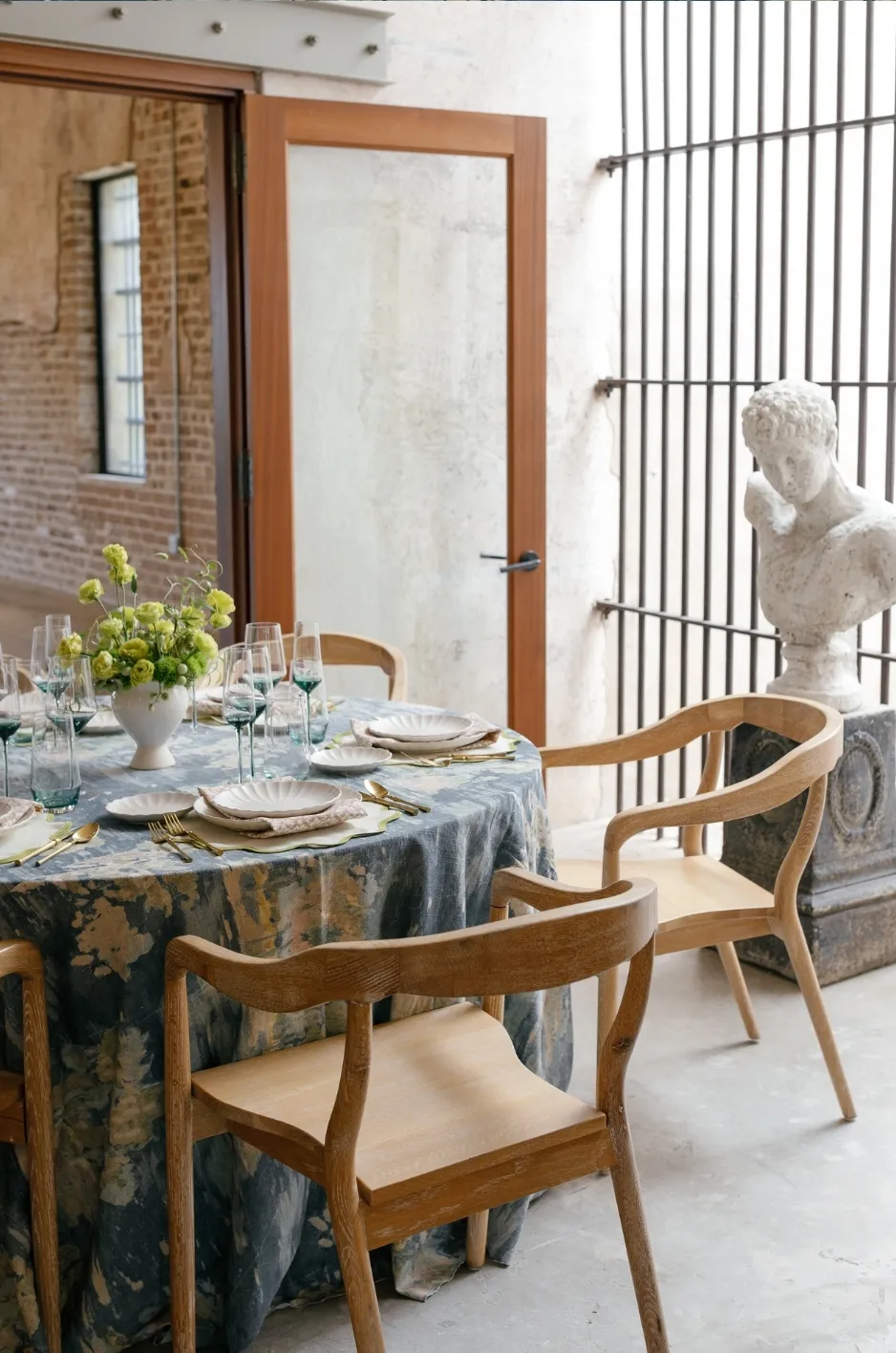
Seasonal linen selection should account for the event environment. Linen weight is not only about fabric thickness. It is also about visual presence. Some linens feel airy and understated, while others feel rich, structured, or more formal.
The best choice depends on the venue, time of day, table surface, guest comfort, and overall event style. A linen that feels beautiful in one setting may feel too heavy or too minimal in another.
Use Lighter Visual Weight for Open-Air Settings
Outdoor, garden, tented, and daytime weddings often benefit from linens with lighter visual weight. These selections can still feel luxurious, but they should not make the table feel overly dense or formal for the setting.
A lighter linen approach may include soft base linens, refined napkins, subtle runners, or understated overlays. The goal is to create a polished table that still feels easy within the environment. For open-air settings, the linen should work with natural light, movement, florals, and the surrounding landscape.
Use More Presence for Formal Indoor Settings
Formal indoor settings can often support linens with more presence. Ballrooms, estate interiors, private clubs, and evening receptions may benefit from richer textures, stronger layering, or more structured linen details.
This does not mean every surface needs a heavy or dramatic linen. It means the room can often carry more depth. A textured napkin, specialty overlay, or refined runner can help the table feel complete in a formal setting where the overall atmosphere is more elevated.
Avoid Linens That Feel Too Heavy for the Space
Some linens are beautiful on their own but not right for the setting. A dense texture may feel too formal for a daytime garden wedding. A bold pattern may feel too strong in a warm outdoor space. A layered look may feel crowded if the tables are narrow or the place settings are full.
The linen should support the environment rather than overpower it. Seasonal styling works best when the table feels appropriate for where guests are actually seated.
Plan Linens Around Indoor and Outdoor Transitions
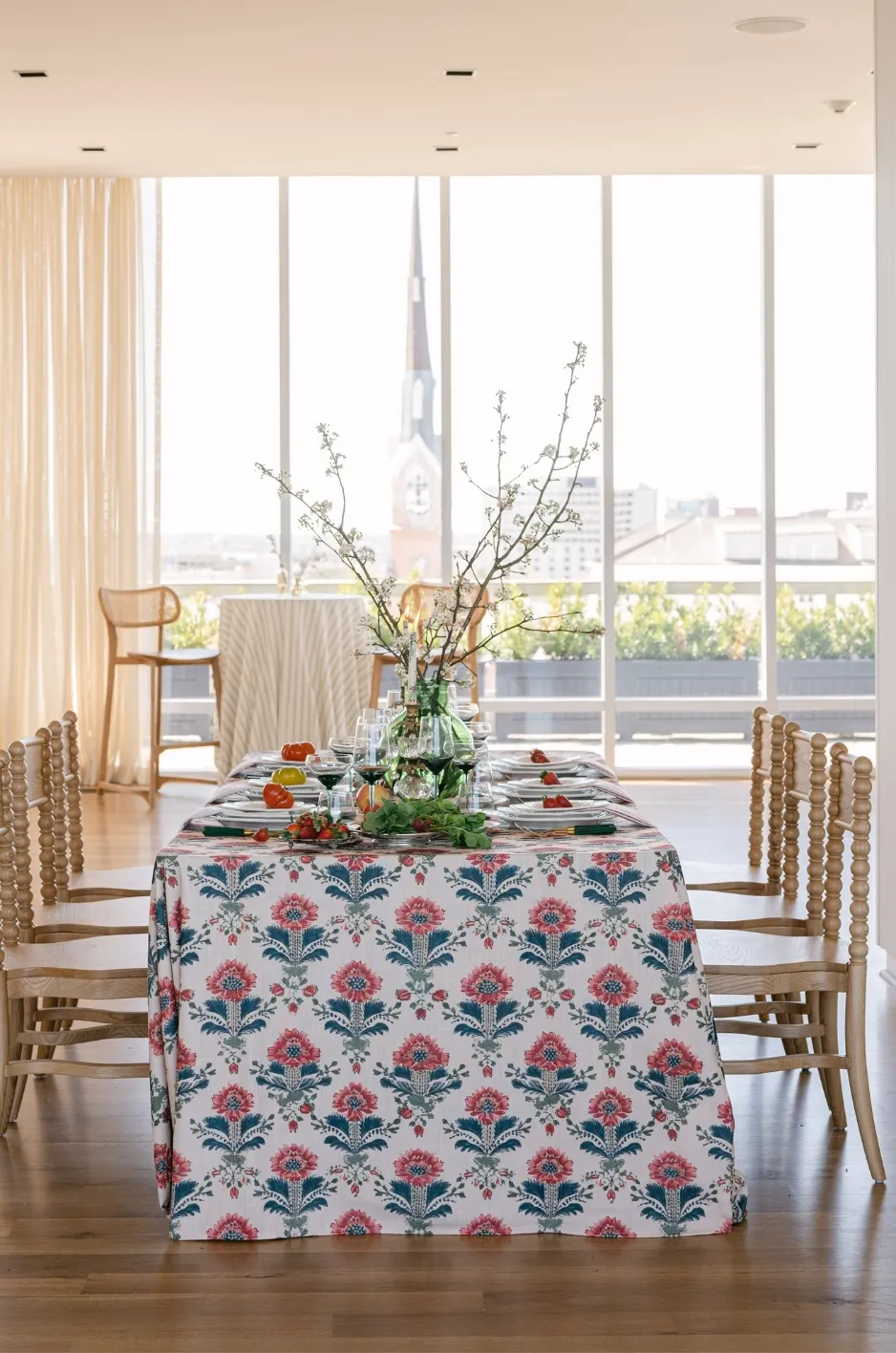
Many weddings move through several environments. Guests may attend an outdoor ceremony, enjoy cocktails on a terrace, enter a tent or ballroom for dinner, and move to a lounge or dance floor later in the evening. The linen plan should support that flow.
Rather than treating each space as separate, linens can help connect the full experience. Small textile details can carry the design from one area to the next while still allowing each setting to have its own mood.
Connect Outdoor Cocktail Areas to Indoor Dinner Spaces
Cocktail hour often introduces guests to the event design before they see the full reception. Linens in this space should feel connected to the dinner design, even if they are used in smaller ways.
Cocktail table linens, napkins, pillows, or accent textiles can echo the reception palette or texture. This creates continuity without requiring every piece to match exactly. When guests move from outdoor cocktails to indoor dinner, the design transition feels smoother.
Use Linen Layers to Adjust the Mood After Sunset
Seasonal weddings often change dramatically once the sun sets. A daytime ceremony may feel light and open, while the dinner or dancing portion may feel warmer and more intimate.
Linen layers can support that shift. A runner, overlay, richer napkin, or lounge textile can add depth for the evening portion of the event. The linen plan can stay cohesive while allowing the mood to become more intimate later in the celebration.
Keep the Linen Plan Consistent Across Changing Settings
A wedding can move through multiple spaces without feeling disconnected. The key is to repeat certain linen details with intention.
A napkin color may appear at dinner and again in lounge pillows. A runner texture may connect the head table to the escort display. A specialty overlay may appear only in focal areas but still relate to the guest table linens. These connections help the event feel unified from start to finish.
Choose Seasonal Linens by Guest Comfort and Use
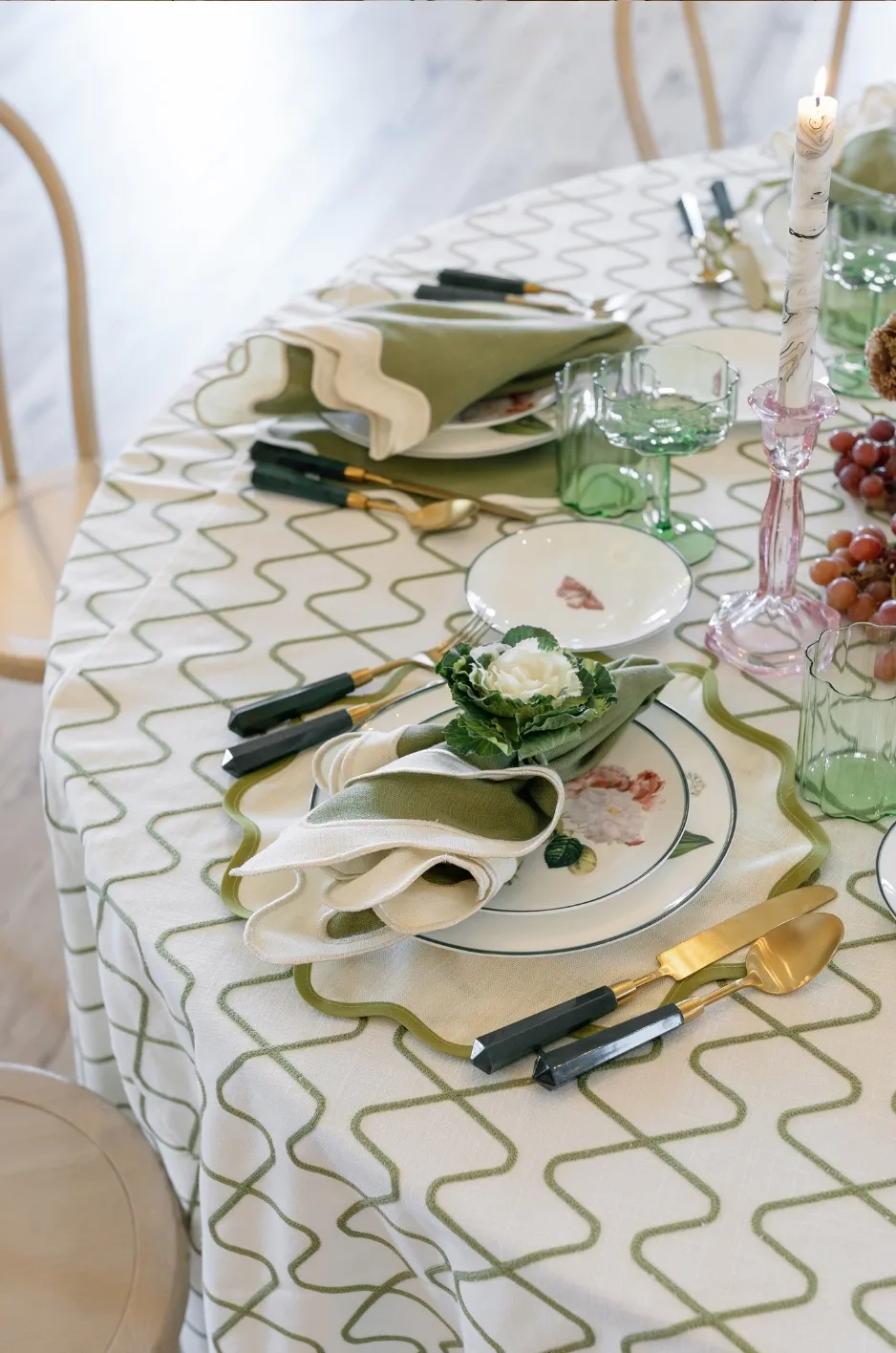
Luxury linens should look beautiful, but they also need to work for the people sitting at the table. Guest comfort matters, especially during seasonal weddings where temperature, meal style, and outdoor conditions can influence the table experience.
A seasonal linen plan should consider how guests will interact with the table, how long they will be seated, and how much space the place setting requires.
Consider How Guests Will Use the Table
A formal plated dinner, family-style meal, cocktail-style reception, and outdoor dinner all place different demands on the table. Linens should be selected with those details in mind.
If the table will hold shared platters, wine bottles, candles, menus, glassware, and florals, the linen plan should leave enough room for practical use. If guests will be seated for a long dinner, the tabletop should feel comfortable and not overcrowded. A beautiful table should still function well.
Keep Place Settings Comfortable in Warmer Settings
Warm-weather or outdoor weddings often benefit from cleaner, less crowded table styling. Guests may be seated in open-air settings, under a tent, or in a garden environment where comfort and ease matter.
In these settings, linens should feel refined but not overly layered. A clean base linen, thoughtfully chosen napkin, or subtle runner can add polish without making the table feel heavy. The goal is to create a table that feels elevated and comfortable at the same time.
Add Softness for Longer Seated Receptions
Longer seated receptions can support more textile detail. If guests will spend several hours at the table, the linens help shape the atmosphere and comfort of the experience.
A soft napkin, layered overlay, or richer table texture can make the setting feel more complete. These details help the table feel inviting during dinner, speeches, and conversation. For formal or extended receptions, the linen plan should bring softness without clutter.
Use Pattern to Suggest the Season Subtly
Pattern can make seasonal wedding linens feel more personal, but it should be used with restraint. A seasonal pattern does not need to be literal. It can reference the setting, the venue, or the feeling of the event through movement, scale, and texture.
The most elevated seasonal patterns suggest the environment rather than announce it.
Choose Patterns That Reference the Setting
A botanical pattern may suit a garden wedding. A soft wave-like pattern may feel appropriate for a coastal celebration. A tonal architectural pattern may work well in a historic estate or formal venue. A subtle organic pattern may bring warmth to an outdoor dinner.
These choices feel seasonal because they relate to the setting, not because they rely on obvious seasonal symbols. Pattern should support the wedding’s atmosphere and location.
Keep Seasonal Motifs Refined
Leaves, florals, palms, vines, and garden-inspired details can work beautifully when they are handled with restraint. The scale, color, and placement of the pattern matter.
A large motif may be best on a runner or feature table. A smaller tonal pattern may work across guest tables. A custom-printed detail may be most effective when used on napkins or selected accent pieces. The key is to avoid making the table feel overly themed.
Balance Pattern With Simpler Tabletop Pieces
If the linen carries a seasonal pattern, the rest of the table should be edited. Clean plates, restrained florals, simple menus, and thoughtful candle placement can give the pattern space to be appreciated.
When every element is detailed, the table can feel crowded. When one element leads and the rest support it, the design feels more intentional.
Refine Seasonal Styling for Tents, Ballrooms, and Outdoor Venues
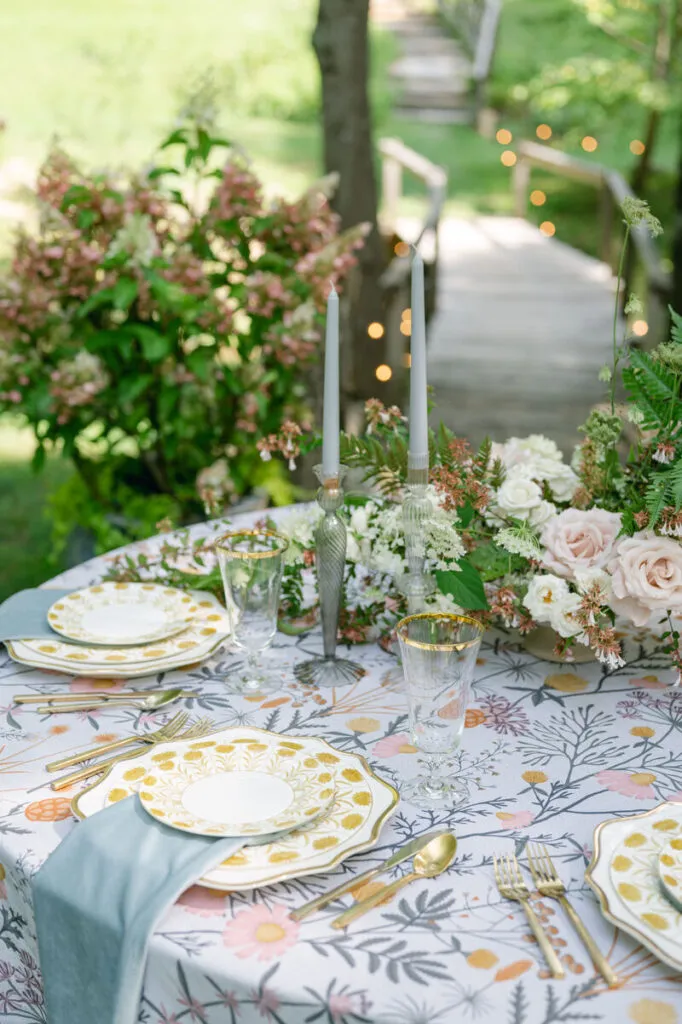
Different venues require different seasonal linen decisions. A tent, ballroom, and outdoor setting may all host weddings in the same season, but they should not necessarily use the same linen approach.
The venue should guide the level of structure, softness, layering, and restraint.
Tented Weddings Need Warmth and Definition
Tents can feel open, minimal, or blank without the right design layers. Linens can help bring warmth, softness, and definition to the dining area.
A tented wedding may benefit from table linens that create visual structure, napkins that add depth, runners that guide long tables, or overlays that make feature tables feel more finished. These textile choices can make the tent feel more intimate and complete.
Ballrooms Need Editing and Restraint
Ballrooms often include existing design elements such as patterned carpet, chandeliers, wall treatments, drapery, or architectural details. In these spaces, seasonal linens should be selected carefully.
If the room already has visual complexity, the linen plan may need to stay more restrained. A clean foundation, polished napkins, or subtle texture can feel more elegant than adding too many seasonal colors or patterns. The goal is to complement the ballroom, not compete with it.
Outdoor Venues Need Practical Elegance
Outdoor venues benefit from linen choices that feel refined but appropriate for the setting. The linens should work with natural surroundings, guest movement, weather considerations, and the overall style of the event.
A linen that feels too formal may look disconnected from an outdoor space. A linen that feels too casual may not support the wedding’s level of refinement. Practical elegance means finding the right balance between polish, comfort, and environmental fit.
Use Accessories to Carry Seasonal Texture Without Overdesigning
Seasonal styling does not have to rely on full table linens alone. Accessories such as napkins, runners, pillows, and specialty overlays can add seasonal texture or tone in a more controlled way.
This approach is useful when the couple wants the wedding to feel seasonally appropriate but not overly themed. Smaller linen pieces can shift the mood without changing the entire table foundation.
Napkins Can Add a Seasonal Accent
Napkins are one of the easiest ways to adjust the seasonal feeling of a table. They can add a warmer tone, softer texture, deeper contrast, or more tailored finish at each place setting.
A napkin can be subtle but still effective. It may echo floral tones, contrast with the base linen, or introduce a texture that makes the table feel more appropriate for the setting.
Runners Can Add Controlled Texture
Runners can bring seasonal depth to long tables, head tables, or feature displays without full coverage. They are especially useful when the table surface or base linen should remain visible.
A runner can add softness to a tented dinner, warmth to an evening table, or movement to an outdoor setting. Because it occupies a defined area, it can create impact without overwhelming the table.
Pillows and Accent Textiles Can Extend the Mood
Seasonal linen planning can extend beyond the dining table. Pillows and accent textiles can help connect lounge areas, cocktail settings, and hospitality spaces to the main event design.
These details should be used with restraint. A few well-selected accent textiles can help the event feel complete without making the design feel overly decorated.
Avoid Seasonal Linen Choices That Date the Wedding Design
Seasonal styling can quickly feel dated when it relies too heavily on trend-driven colors or obvious motifs. A more refined approach is to use the season as a guide, not as the entire theme.
The best seasonal linen choices feel appropriate now and still look polished in photographs years later.
Avoid Overly Trend-Driven Seasonal Colors
Seasonal color trends can be useful for inspiration, but they should not control the entire linen plan. A trend-heavy palette may feel current for a short time but less timeless later.
Instead, choose linen colors and textures that support the venue, florals, lighting, and guest experience. A more restrained palette often feels more elevated and lasting.
Avoid Making the Season the Entire Theme
The season should support the wedding design, not dominate it. A wedding can feel like autumn without using obvious fall colors everywhere. A summer wedding can feel fresh without using bright colors on every table. A winter wedding can feel elegant without relying on heavy fabrics throughout the room.
The couple’s style, the venue, and the event atmosphere should remain the focus.
Avoid Choosing Linens Without Considering the Full Event Flow
A linen may work beautifully for one table moment but feel disconnected from the rest of the event. Seasonal linens should be considered across arrival, cocktail hour, dinner, dancing, lounge areas, and late-night spaces.
When the linen plan supports the full event flow, the celebration feels more cohesive. Guests experience one polished design story rather than a series of separate styling decisions.
How Curated Linen Collection Supports Seasonal Wedding Styling
Curated Linen Collection offers premium linen pieces that can support seasonal weddings across many settings, from tented receptions and garden celebrations to formal ballrooms and destination-style events. The collection includes table linens, napkins, runners, pillows, specialty overlays, patterned styles, solid options, and custom linen possibilities.
This range allows couples, planners, and designers to create seasonal linen plans that feel refined, layered, and appropriate for the setting.
Premium Linens for Different Seasonal Settings
Different seasonal settings require different linen decisions. A tented wedding may need warmth and definition. A garden reception may need softness and ease. A ballroom may need restraint and polish. An estate dinner may benefit from a layered but timeless linen approach.
Curated Linen Collection’s range of table linens, napkins, runners, and overlays gives wedding teams flexible ways to adapt the linen plan to the venue and guest experience.
Patterned, Solid, and Custom Linen Possibilities
Some seasonal weddings are best supported by solid linens and subtle texture. Others may benefit from patterned details, custom-printed accents, or specialty overlays that reference the setting in a more distinctive way.
Curated Linen Collection offers existing patterned and solid options, along with custom linen possibilities for weddings that require a more specific design direction. This flexibility helps seasonal styling feel personal without becoming predictable.
Nationwide Access for Wedding Teams
Curated Linen Collection ships nationwide, making its linen options available to couples, planners, and designers beyond one local market. This is especially helpful for destination weddings, multi-market planning teams, and events where a more curated linen source is needed.
With the right linen plan, seasonal styling can feel polished, intentional, and connected to the full wedding experience.
Frequently Asked Questions
How do you choose seasonal wedding linens without making the design feel themed?
Choose linens based on the venue, event setting, guest experience, and level of formality rather than relying only on obvious seasonal colors or motifs. The design should feel appropriate for the season without becoming predictable.
Do seasonal wedding linens have to follow traditional color palettes?
No. Seasonal linens can feel appropriate through texture, proportion, pattern restraint, layering, and how they work with the venue and florals. A seasonal design does not need to follow standard color formulas.
What linen details are easiest to adjust by season?
Napkins, runners, overlays, and accent textiles are flexible ways to adjust the seasonal feeling without changing the entire table foundation. These details can add texture, tone, or softness in a controlled way.
Are heavier linens better for winter weddings?
Not always. Heavier or richer linens can work well for some formal indoor settings, but the best choice depends on the venue, lighting, table design, and overall event style.
Can outdoor weddings use luxury linens?
Yes. Outdoor weddings can use luxury linens when the selections feel appropriate for the setting, guest comfort, and table layout. The linens should feel refined without becoming too heavy or formal for the environment.
How can linens connect indoor and outdoor wedding spaces?
Linens can connect indoor and outdoor spaces through repeated textures, coordinated napkins, accent textiles, runners, or specialty overlays. These details help the event feel cohesive as guests move between ceremony, cocktail hour, dinner, and lounge areas.
Does Curated Linen Collection offer seasonal linen options?
Curated Linen Collection offers a range of premium linens, runners, napkins, pillows, and specialty overlays that can be styled for different wedding seasons and settings.
Conclusion
Seasonal wedding linens should feel connected to the setting, not confined to predictable color formulas. A refined linen plan considers the venue, guest comfort, indoor-outdoor transitions, texture, proportion, and how the event will feel from arrival through the final reception moments.
With thoughtful selections, seasonal linens can enhance the wedding’s atmosphere without making the design feel overly themed. Curated Linen Collection helps couples, planners, and designers build a polished seasonal linen plan with premium table linens, coordinating accessories, patterned and solid options, custom linen options, and nationwide access.