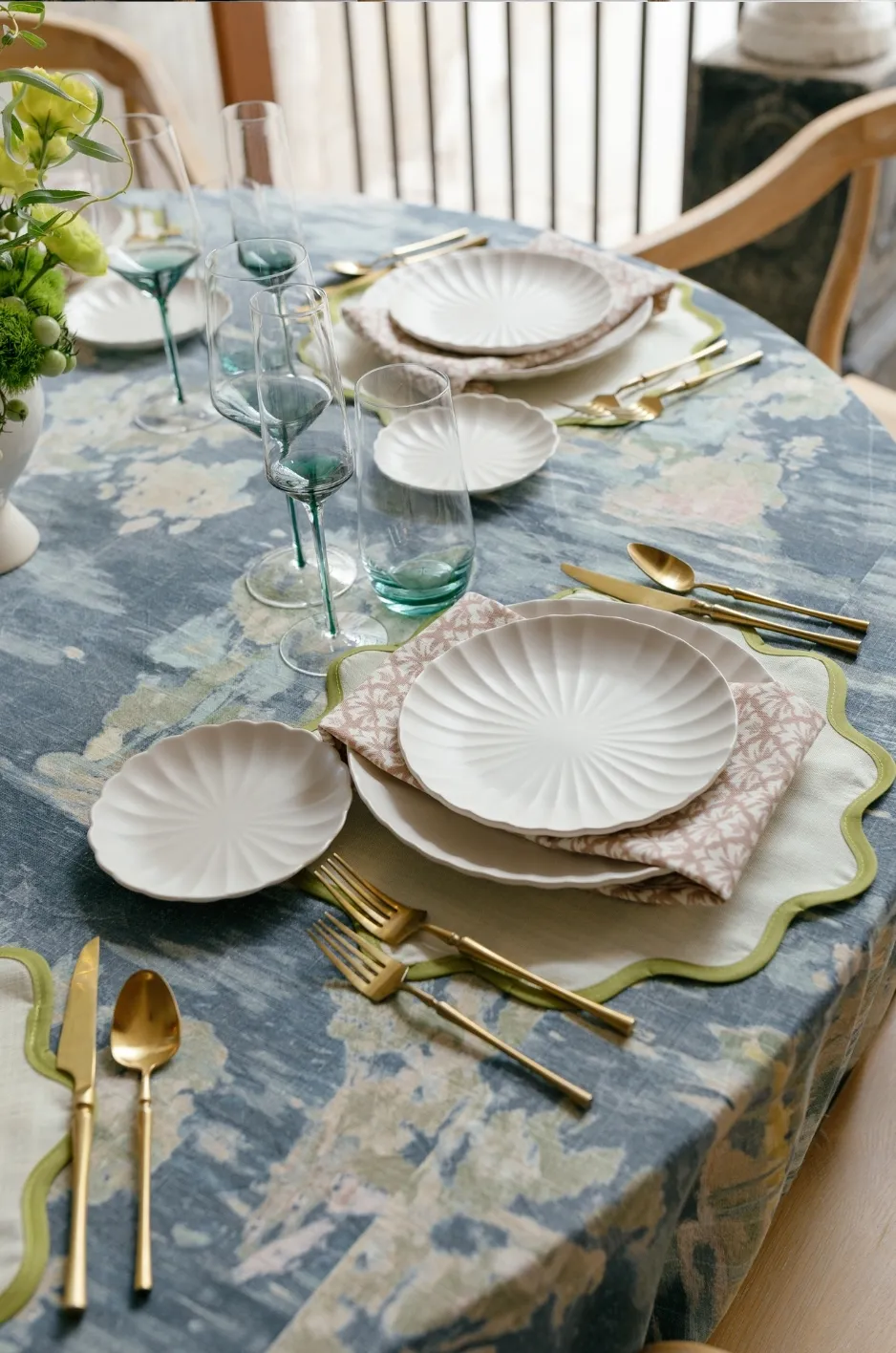
The most personal event designs are not always the most elaborate. A meaningful color, a distinctive pattern, or a carefully selected textile can communicate something about the occasion without relying on obvious themes or repeated decorative elements. Often, the details that feel most personal are those that belong naturally within the overall design.
For wedding planners, event designers, and private hosts, personalized event linens offer an opportunity to express individual style through the tablescape. Whether that means selecting a linen with a particular character or developing a custom textile, the goal is not simply to make the table different. It is to create a setting where personal details feel considered, cohesive, and appropriate to the occasion.
What Makes an Event Detail Feel Personal Rather Than Decorative?
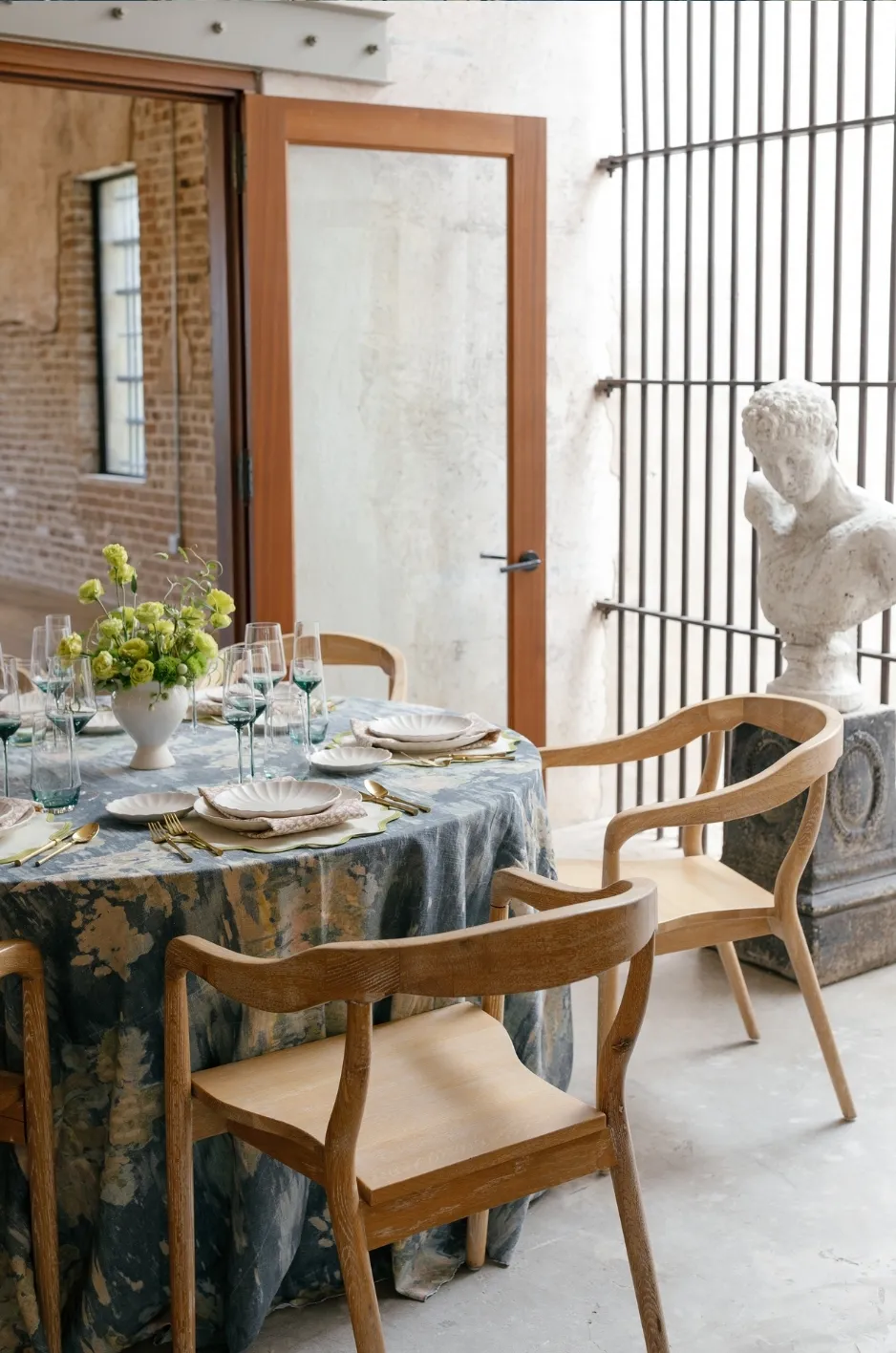
A beautiful detail and a personal detail are not necessarily the same thing. Decorative choices contribute to the appearance of an event, while personal choices introduce a connection to the people, place, or purpose behind it. The distinction does not need to be immediately apparent to every guest. Sometimes, the significance of a color or pattern is known only to the host, yet it still gives the design a more individual direction.
The challenge is translating that meaning into something visually compelling without allowing the reference to dictate every decision.
Begin With a Reference That Has Meaning
Personalization often begins with something familiar: a favorite color, a meaningful destination, an artistic influence, or a particular detail associated with the occasion. These references can provide direction without becoming literal themes.
For example, a celebration inspired by a coastal setting does not necessarily need nautical motifs. Instead, the reference might inform a muted palette, a flowing textile, or a pattern that subtly suggests movement. Similarly, a garden-inspired wedding might draw from the colors and shapes of a favorite landscape without reproducing botanical imagery across every surface.
The most useful references are those that provide a starting point for design decisions rather than a collection of decorative elements that must all be included.
Allow the Reference to Influence the Design, Not Dominate It
A meaningful detail can lose some of its impact when repeated too frequently. If the same motif appears on linens, stationery, menus, signage, and decorative accessories, the repetition may begin to feel more thematic than personal.
A more refined approach is to identify where the reference translates most naturally. A distinctive botanical print might be beautiful on a tablecloth, while the accompanying napkins, florals, and tabletop pieces remain understated.
This allows the personal element to have a clear presence without requiring every part of the design to reinforce it.
Where Can Personalized Linens Make the Greatest Impression?
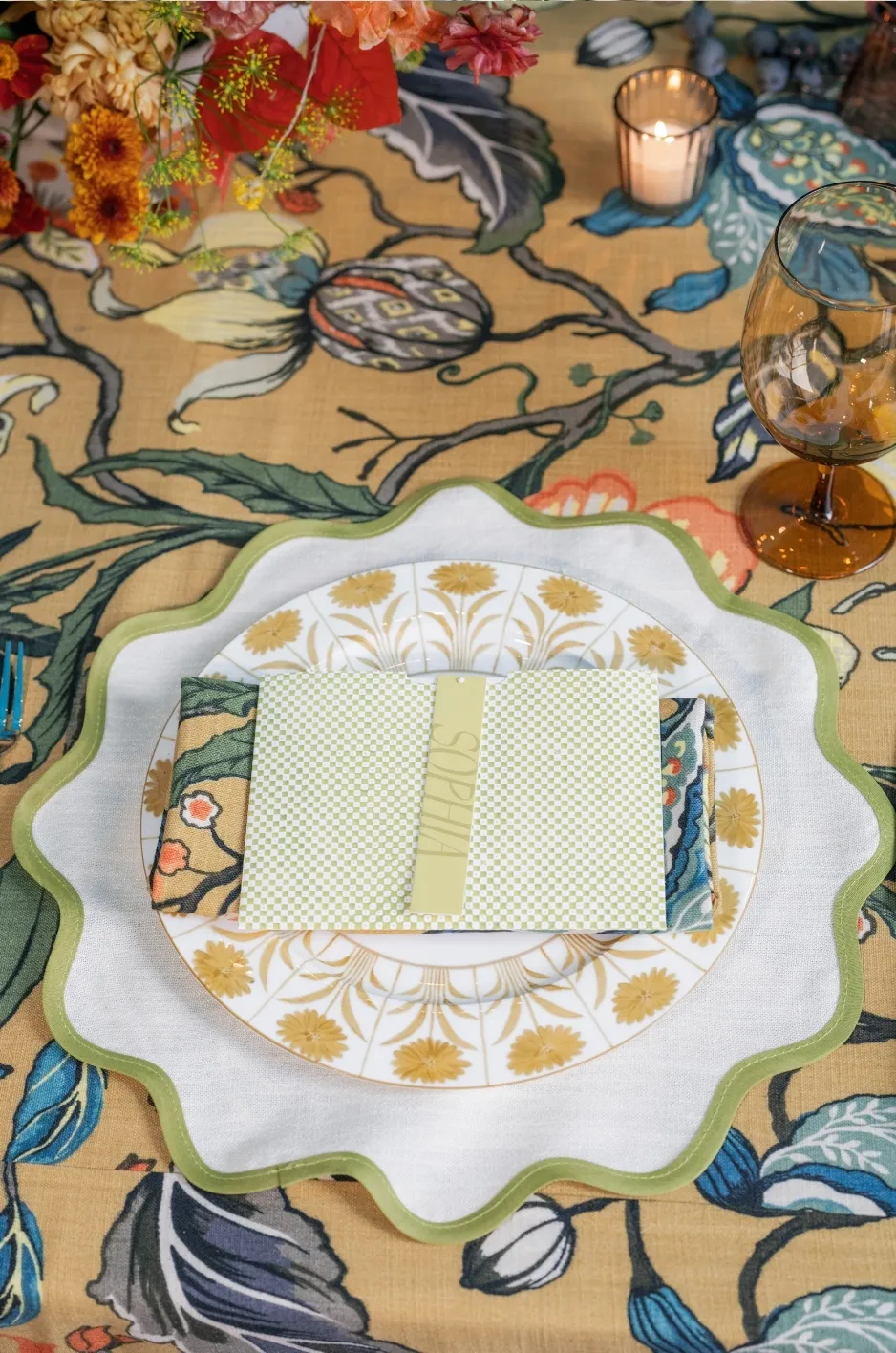
Not every linen needs to be personalized for a tablescape to feel distinctive. In fact, choosing one or two surfaces for a custom or meaningful detail can create greater visual impact than extending the same treatment across an entire setting.
The appropriate placement depends on the scale of the event, the surrounding design, and the role the textile is intended to play. A full tablecloth creates a different impression from a patterned napkin or a carefully placed runner, even when each carries the same design reference.
A Signature Table Linen
A tablecloth occupies a substantial portion of the tablescape, making it a natural place to introduce a distinctive color, texture, or print. When the linen is the primary design feature, it can establish the character of the table before additional elements are introduced.
A custom-printed tablecloth, for example, may reflect an artistic reference or personal color story. The surrounding pieces can then be selected to complement the textile rather than compete with it.
This approach is particularly effective when the linen has enough visual interest to stand independently. Simple place settings, thoughtfully selected florals, and restrained accessories allow the fabric to remain the focal point.
A Custom Napkin or Runner
Personalization can also work on a smaller scale. A custom napkin or distinctive runner introduces character without changing the foundation of the table.
A patterned napkin against a solid tablecloth can create a deliberate contrast, particularly when its colors connect with other elements of the event. Likewise, a runner may introduce a meaningful print or texture while leaving much of the table surface relatively quiet.
These smaller applications are worth considering when the surrounding design already has a strong presence. Rather than introducing another full-scale statement, they provide a controlled way to include something individual.
A Selective Detail at a Feature Table
Sometimes, personalization is most effective when reserved for a particular area of the event.
A sweetheart table, head table, cake table, or another focal surface may provide an opportunity to introduce a distinctive textile without carrying the same treatment across every guest table. This creates a relationship between the personalized detail and the importance of that particular setting.
For example, guest tables might feature a consistent neutral linen, while the sweetheart table introduces a subtle custom pattern drawn from the couple’s design inspiration.
The contrast gives the personalized element a clear purpose while preserving cohesion throughout the event.
How Can Color and Pattern Express Personal Style Without Being Literal?
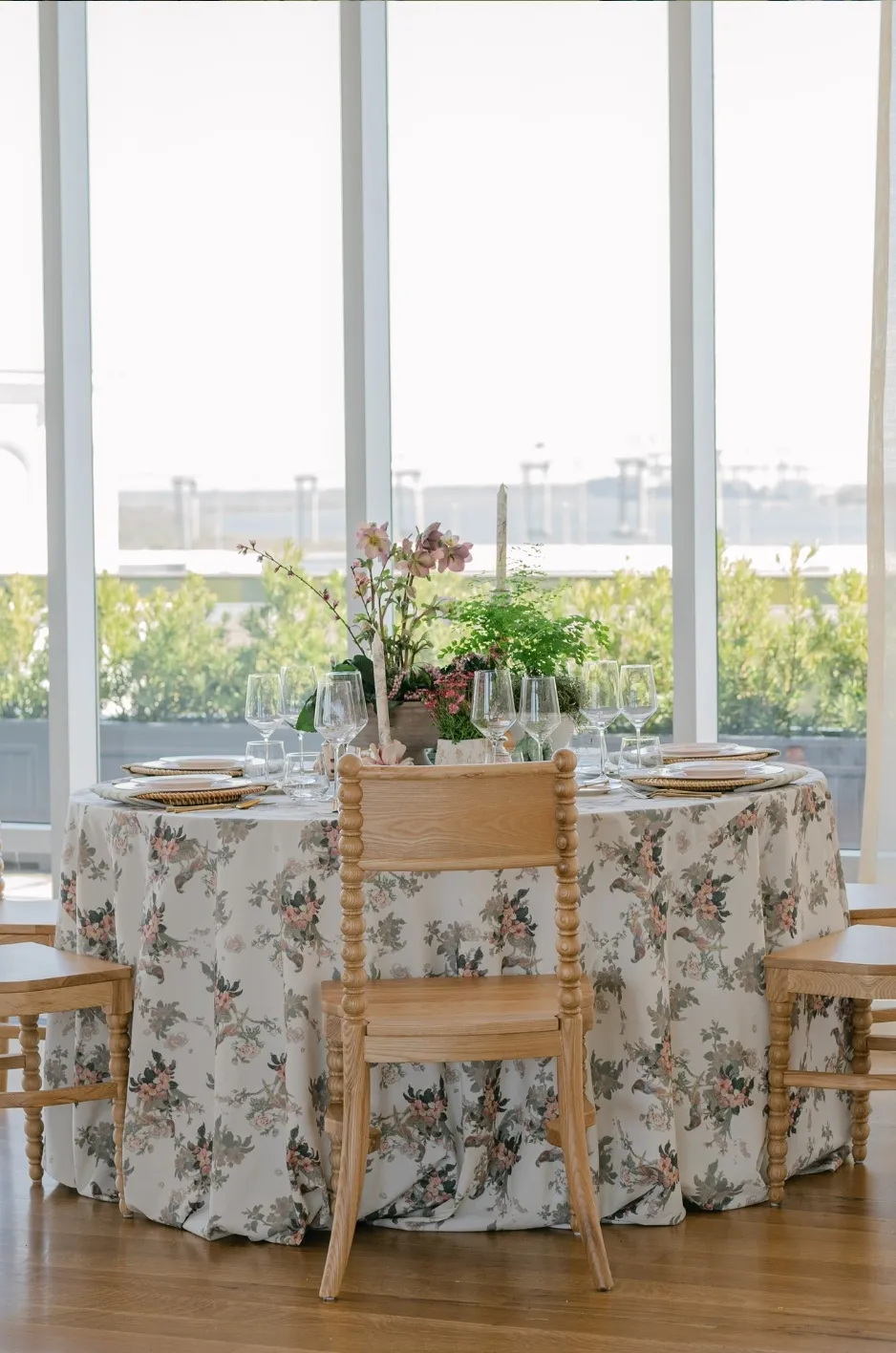
Personalization does not always require a recognizable symbol, monogram, or custom illustration. Color and pattern can communicate individual taste in ways that feel more integrated with the overall design.
The key is interpretation. A meaningful reference can inform the appearance of a textile without being reproduced exactly, allowing the result to feel personal while remaining visually appropriate to the setting.
Translate Personal References Into a Color Story
A color palette may carry personal significance even when that meaning is not immediately visible.
The tones of a favorite destination, the colors associated with a family celebration, or a shade that has particular meaning to the host can all provide a starting point for linen selection.
Rather than matching a reference exactly, designers can consider how its colors might be adapted to the event environment. A landscape defined by rich greens and warm stone tones, for instance, might inspire a palette of softened olive, ivory, and muted gold.
The resulting combination can feel connected to the original inspiration without making the tablescape dependent on an obvious theme.
Choose a Pattern That Feels Connected to the Occasion
Pattern provides another opportunity to introduce individuality. A distinctive print might draw from artwork, architecture, nature, or a design tradition that holds meaning for the host.
However, a pattern should be evaluated for more than its personal significance. It also needs to work with the table’s proportions, the surrounding décor, and the formality of the occasion.
A large, expressive print may be appropriate when the rest of the tablescape is restrained. A finer, less prominent pattern may work better when florals, glassware, and other decorative elements already introduce visual complexity.
The objective is not to reproduce the inspiration as literally as possible, but to select a textile that communicates its character while contributing to the broader composition.
Let Supporting Linens Remain Quiet
Once a personalized color or pattern has been established, the remaining linens do not need to compete for attention.
Solid napkins can complement a patterned tablecloth, while a simple base linen can provide balance beneath a more distinctive runner. Supporting pieces may also reference a color within the primary textile without repeating its entire design.
This relationship allows personalization to remain noticeable without becoming repetitive. The supporting linens still contribute to the finished setting, but their purpose is to give the most distinctive element room to be appreciated.
When Does Personalization Become Too Much?
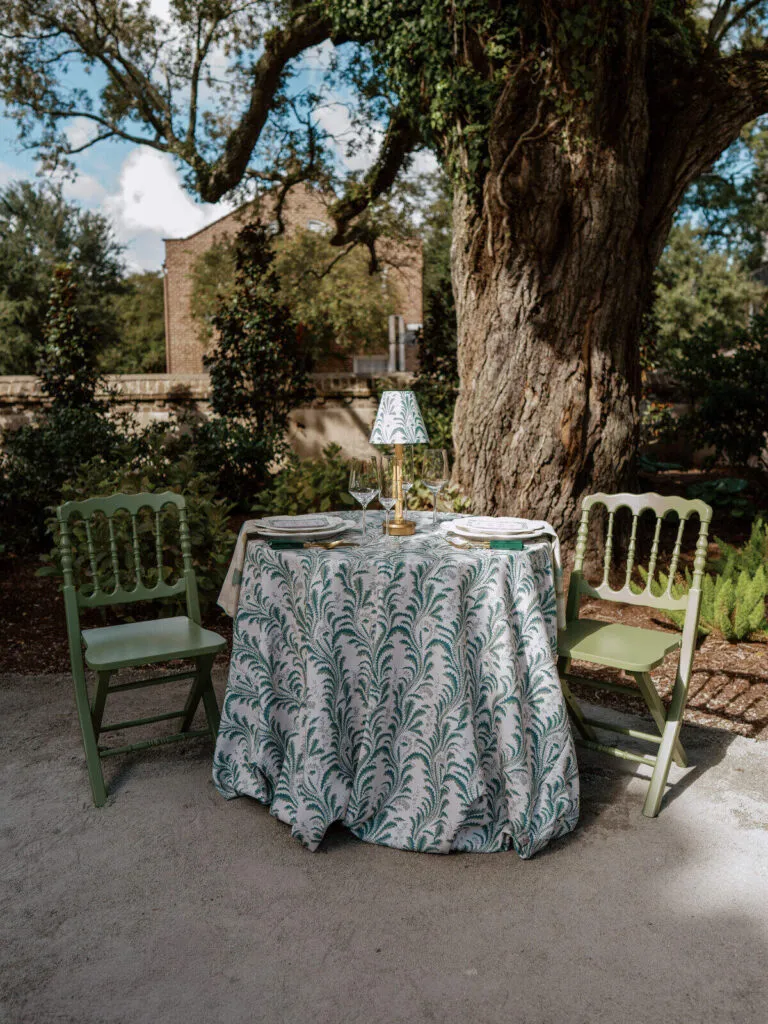
Personalization becomes less effective when the desire to include meaningful details begins to outweigh the needs of the overall design. Each individual choice may be attractive or significant, but that does not mean every choice belongs on the same table.
Refinement often depends on recognizing which elements deserve attention and which should remain secondary. The goal is not to remove personality from the setting, but to present it with enough clarity that the design feels composed rather than crowded.
When Every Detail Competes for Attention
A custom tablecloth, embroidered napkins, decorative chargers, patterned stationery, and elaborate floral arrangements can each contribute something beautiful. Introduced together, however, they may create several competing focal points.
This is particularly important when personalized pieces carry different colors, patterns, or visual references. Even when the details are individually meaningful, their combination may weaken the overall composition.
A useful approach is to identify the strongest personalized element first, then evaluate whether the surrounding pieces support it. If a patterned linen already communicates the event’s character, additional customized accessories may offer little visual benefit.
When the Personal Reference Is Too Literal
A meaningful reference does not always translate elegantly when reproduced exactly.
For example, incorporating a favorite destination into a wedding design does not require recognizable imagery of that location throughout the tablescape. Similarly, a floral inspiration does not need to appear as an identical illustration across the linens and every accompanying detail.
Subtle interpretation often creates more flexibility. The reference might influence the palette, suggest a textile pattern, or guide the selection of a particular fabric finish.
This allows the design to reflect something personal without making the entire setting revolve around explaining that reference.
When the Original Design No Longer Has Room to Breathe
Personalized details should contribute to the event environment rather than overwhelm it.
Before introducing another custom element, consider what is already happening within the room. Architectural features, florals, lighting, glassware, and decorative pieces all contribute to the finished composition. A venue with ornate interiors or a tablescape with substantial floral arrangements may benefit from a more understated textile treatment.
The most effective decision may be to simplify another part of the table rather than add something new.
When a personalized linen has enough space to stand on its own, its significance can feel more deliberate and its visual effect more enduring.
How Do You Decide Which Details Are Worth Personalizing?
Selecting personalized linens becomes easier when the purpose of each detail is established before specific fabrics or prints are chosen.
Rather than beginning with everything that could be customized, planners can consider what the event should communicate and where a personal reference would have the greatest relevance. This creates a more focused design process and helps distinguish meaningful additions from unnecessary decoration.
Identify the Detail That Best Represents the Occasion
Begin by considering what genuinely distinguishes the event. It might be a particular color associated with the host, an artistic influence, or a visual reference connected to the celebration’s setting.
Not every inspiration needs to become a physical detail. The strongest reference is often the one that can be translated naturally into the overall design.
Once that direction is established, linen selection can become more purposeful. Instead of choosing several unrelated personalized elements, the designer can explore one textile treatment that captures the intended character.
Consider Where the Detail Will Be Most Visible
The same textile can create different impressions depending on its placement.
A distinctive tablecloth repeated across a room creates a strong, consistent visual presence. A custom napkin introduces the design at a more intimate scale, while a patterned linen reserved for a focal table creates a moment of contrast.
Consider how guests will encounter the detail and how much prominence it should have within the overall setting. A subtle reference may be better suited to a napkin, while an expressive custom print may deserve a larger uninterrupted surface.
Visibility should support the purpose of the personalization, not simply maximize its presence.
Edit Before Adding Another Layer
Before introducing another customized piece, evaluate what it contributes to the table.
Does it communicate something not already expressed? Does it strengthen the relationship between the linens and the surrounding design? Or does it repeat a reference that is already clear?
These questions help preserve the distinction between personalization and excess.
A table does not become more personal with every additional customized element. Sometimes, removing one detail allows the remaining choices to feel more deliberate.
Creating Personal Linen Details With Curated Linen Collection
Personalization does not always begin with creating something entirely new. The right combination of color, pattern, and texture from an existing collection may already reflect the character of the occasion.
For designs that call for a more specific expression, custom textile options can offer another way to translate an idea into the tablescape.
Curated Linen Collection brings these possibilities together through its selection of luxury event linens and custom textile capabilities, allowing planners and designers to consider both existing pieces and more individualized applications.
Explore Existing Linens With Distinctive Character
An existing textile may provide the right personal connection without requiring a custom design.
A particular shade might reflect the host’s preferences, while a distinctive pattern may complement an artistic reference or the event’s wider aesthetic. The way that linen interacts with florals, lighting, and tabletop details can make the finished composition feel individual even when the textile itself was not created specifically for the occasion.
Exploring the collection with a clear design direction can reveal possibilities that feel personal without adding unnecessary complexity.
Develop a Custom Textile When the Design Calls for One
Some occasions call for a particular pattern, color combination, or textile detail that cannot be achieved through existing options.
Custom printing offers an opportunity to develop a fabric around that specific vision. Curated Linen Collection’s custom textile capabilities include design development, fabric printing, and finishing, supporting the translation of a creative reference into a finished linen.
The decision to pursue a custom design should begin with its purpose. A personalized print may be appropriate when it introduces a meaningful visual element that contributes something distinctive to the setting.
By approaching customization as part of the overall composition rather than an additional decorative requirement, planners can create table designs that feel individual without sacrificing refinement.
Frequently Asked Questions
Do personalized event linens always need to be custom-printed?
No. Personalized event linens can be selected from an existing collection when their color, pattern, or texture reflects the host’s preferences or the character of the celebration. Custom printing is an option when the design calls for a more specific textile treatment.
Can one personalized linen detail be enough for an event?
Yes. A single distinctive tablecloth, custom napkin, or carefully selected feature-table linen can introduce a meaningful reference without requiring personalization throughout the entire event. Its effectiveness depends on placement and how well it complements the surrounding design.
How can personalized linens work with an existing event design?
Personalized linens should be considered alongside the established color palette, floral arrangements, lighting, and tabletop selections. A custom or distinctive textile can introduce individuality while maintaining a visual relationship with the other elements of the event.
What should planners prepare before requesting custom linen details?
It is helpful to gather relevant design references, preferred colors, potential patterns, and information about the surfaces where the linens will be used. Table dimensions, event quantities, and the overall design direction can also help guide discussions about appropriate textile options.
Personal Design Is Often a Matter of Restraint
The most memorable personalized details are not necessarily the most elaborate. A meaningful color, an expressive textile, or a custom pattern used in the right place can communicate individuality without becoming the dominant feature of an entire event.
When personal references are translated thoughtfully into the tablescape, they become part of a cohesive design rather than a collection of separate statements. The result is a setting that feels distinctive because its details belong together.
With a considered selection of premium linens and opportunities for custom textile design, Curated Linen Collection provides options for planners seeking a more personal expression of their event vision. Explore the collection or connect with the team to consider which linen details will contribute most meaningfully to the finished design.