
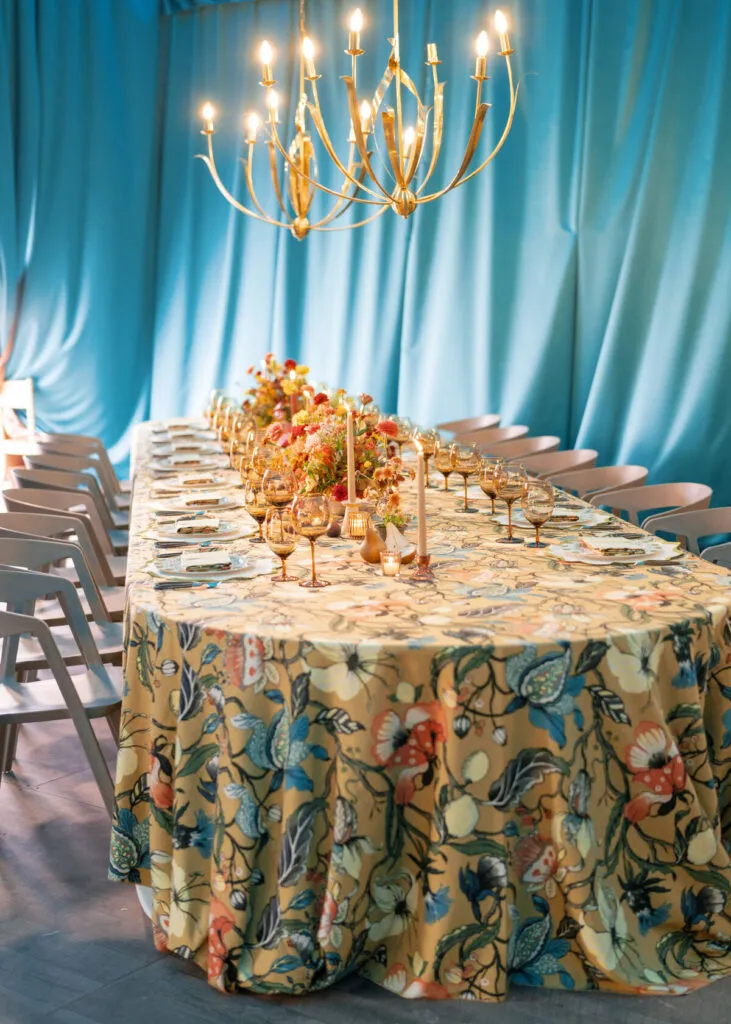
A formal place setting is a small composition within a larger tablescape. The position of a napkin, the relationship between a charger and dinner plate, and the space surrounding the flatware all influence how the arrangement is perceived. Even when the tablecloth, florals, and color palette have already been selected, these smaller decisions can determine whether the finished setting feels cohesive or unnecessarily crowded.
For wedding planners and event designers, formal place setting composition involves more than arranging beautiful tableware. It requires an understanding of proportion, alignment, and visual hierarchy, with each element contributing to the overall presentation. Luxury linens play an important role in this relationship, providing both the foundation beneath the setting and the textile details that connect its individual components.
A refined place setting does not necessarily require elaborate decoration. Often, its character emerges from the way familiar elements are positioned and given enough space to be appreciated.
What Defines Formal Place Setting Composition?
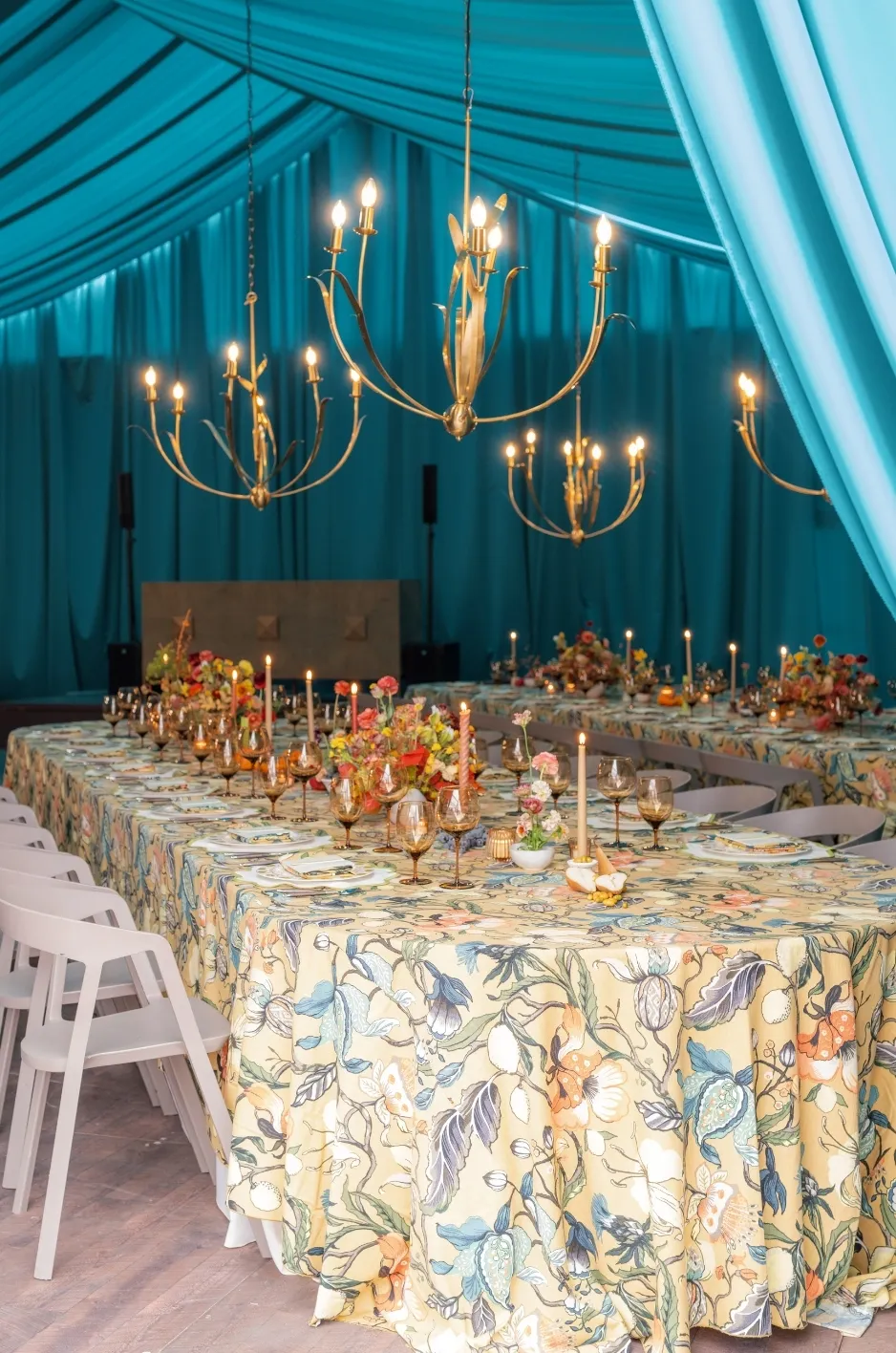
A composed formal place setting has a recognizable structure. Plates, flatware, glassware, and linens are arranged so their relationships feel deliberate, with no single element appearing disconnected from the rest.
The objective is not to create perfect symmetry at the expense of character. Instead, a successful composition balances the practical requirements of dining with a clear visual arrangement that complements the surrounding tablescape.
A Clear Visual Center Establishes Order
The dinner plate or charger typically establishes the central reference point of a formal place setting. Other elements are positioned around it, creating a recognizable arrangement that gives the setting its structure.
When the plate occupies a clear central position, the surrounding flatware and glassware can be arranged in relation to that point. A napkin placed directly on the plate reinforces this central emphasis, while one positioned beside it creates a different distribution of visual weight.
This relationship becomes particularly important when decorative dinnerware is involved. A distinctive charger may already establish the visual center, making an elaborate napkin presentation unnecessary.
A clear focal area allows the setting to feel organized without requiring every detail to attract equal attention.
Proportion Matters More Than the Number of Pieces
A formal place setting can include several dining elements without appearing crowded, provided their proportions work together.
The diameter of the charger, the size of the dinner plate, the dimensions of the napkin, and the space occupied by flatware all influence the overall arrangement. When one component is disproportionately large, it may reduce the visual space available to the others.
For example, an oversized napkin fold placed on a decorative charger may conceal much of the plate while extending into the surrounding dining area. A flatter presentation could preserve the same textile presence while creating a more balanced composition.
The objective is not to limit the number of pieces arbitrarily. Each element should have sufficient room to fulfill its purpose while remaining visually connected to the rest of the setting.
Consistency Creates Rhythm Across the Table
An individual place setting may look beautiful on its own, but formal dining arrangements are usually repeated across several seats.
Consistent positioning creates a visual rhythm along the table. When chargers align, napkins follow a recognizable placement, and flatware maintains similar spacing, the repeated settings form a continuous composition.
Small inconsistencies become more apparent when several arrangements are viewed together. A napkin positioned differently at one seat or a charger noticeably out of alignment can interrupt the overall presentation.
This does not mean every detail must be identical. Carefully planned variations may be appropriate, but the underlying organization should remain recognizable throughout the table.
Where Should the Napkin Sit Within the Composition?
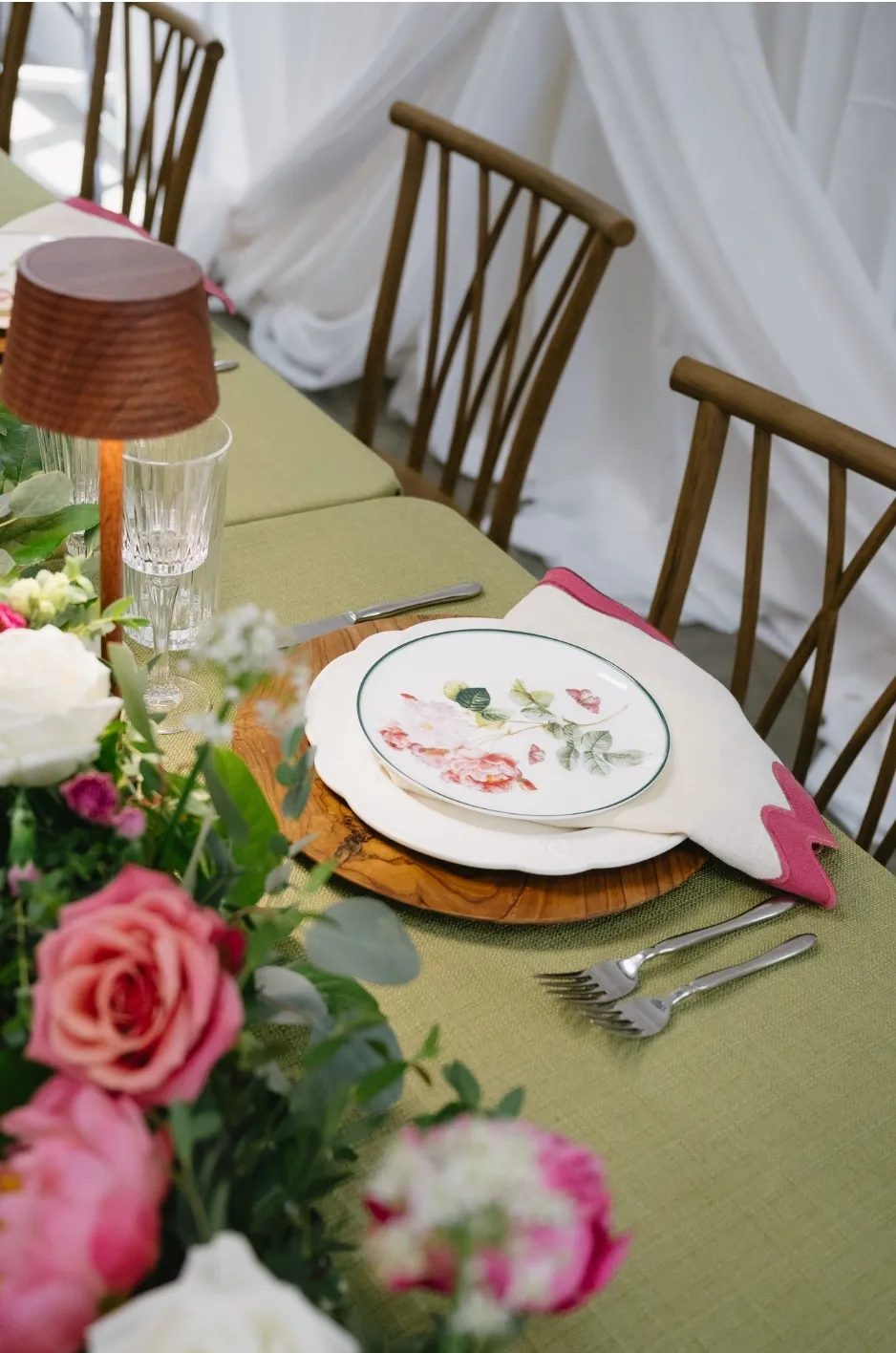
The napkin is one of the most adaptable elements in a formal place setting. Beyond its practical role, it introduces fabric directly into the arrangement, creating a relationship between the table linen, dinnerware, and surrounding accessories.
Its position can reinforce the visual center, introduce contrast, or preserve the visibility of decorative pieces. Selecting the right placement begins with understanding what the napkin should contribute to the completed setting.
Centered Napkins Create a Defined Focal Area
A napkin positioned on the dinner plate or charger draws attention toward the center of the setting.
This placement can be particularly effective when the napkin provides the main textile accent. A richly colored or subtly patterned fabric becomes more noticeable against understated dinnerware, while a simple fold creates a clean, recognizable shape.
The presentation does not need to be elaborate. A neatly folded rectangular napkin can introduce sufficient structure, especially when the surrounding plates and flatware already establish a formal arrangement.
Centered placement may also work when the charger has a relatively simple finish and the napkin is intended to provide additional visual character.
However, if the dinnerware features a distinctive illustration, border, or decorative surface, placing the napkin directly over it may conceal an important part of the design.
Side Placement Creates a Different Visual Relationship
Positioning the napkin beside the plate shifts the composition away from a strictly centered arrangement.
A napkin placed to the left of the setting, for example, introduces a fabric element alongside the flatware while allowing the dinnerware to remain visible. Depending on the intended presentation, the napkin may sit beneath selected utensils or be arranged independently beside the plate.
This approach can be particularly useful when the charger or dinner plate carries the strongest decorative detail.
Side placement also changes the distribution of color. Instead of concentrating the textile at the center, the fabric becomes part of the surrounding arrangement, creating a different relationship between the plate and its supporting elements.
The decision should consider available space and the practical requirements of the dining setup. A beautifully positioned napkin should not interfere with the use of flatware or crowd neighboring place settings.
The Napkin Fold Should Complement the Arrangement
Napkin folds influence both the shape and amount of fabric visible within a place setting.
A simple rectangular fold creates defined lines and can sit comfortably on a plate or beside the flatware. A softer fold introduces movement, while a more structured presentation creates a stronger visual feature.
The most suitable choice depends on the surrounding dinnerware and the character of the event.
A formal setting with decorative chargers and detailed glassware may benefit from a restrained napkin fold that preserves the visual clarity of the arrangement. In contrast, a simpler place setting may accommodate a more expressive textile presentation.
The fold should also suit the fabric itself. Some textiles hold crisp shapes more readily, while others create a softer appearance through their natural drape.
Rather than selecting a fold solely because it is decorative, planners can consider how its shape contributes to the complete composition.
How Much Visual Detail Belongs Around the Plate?
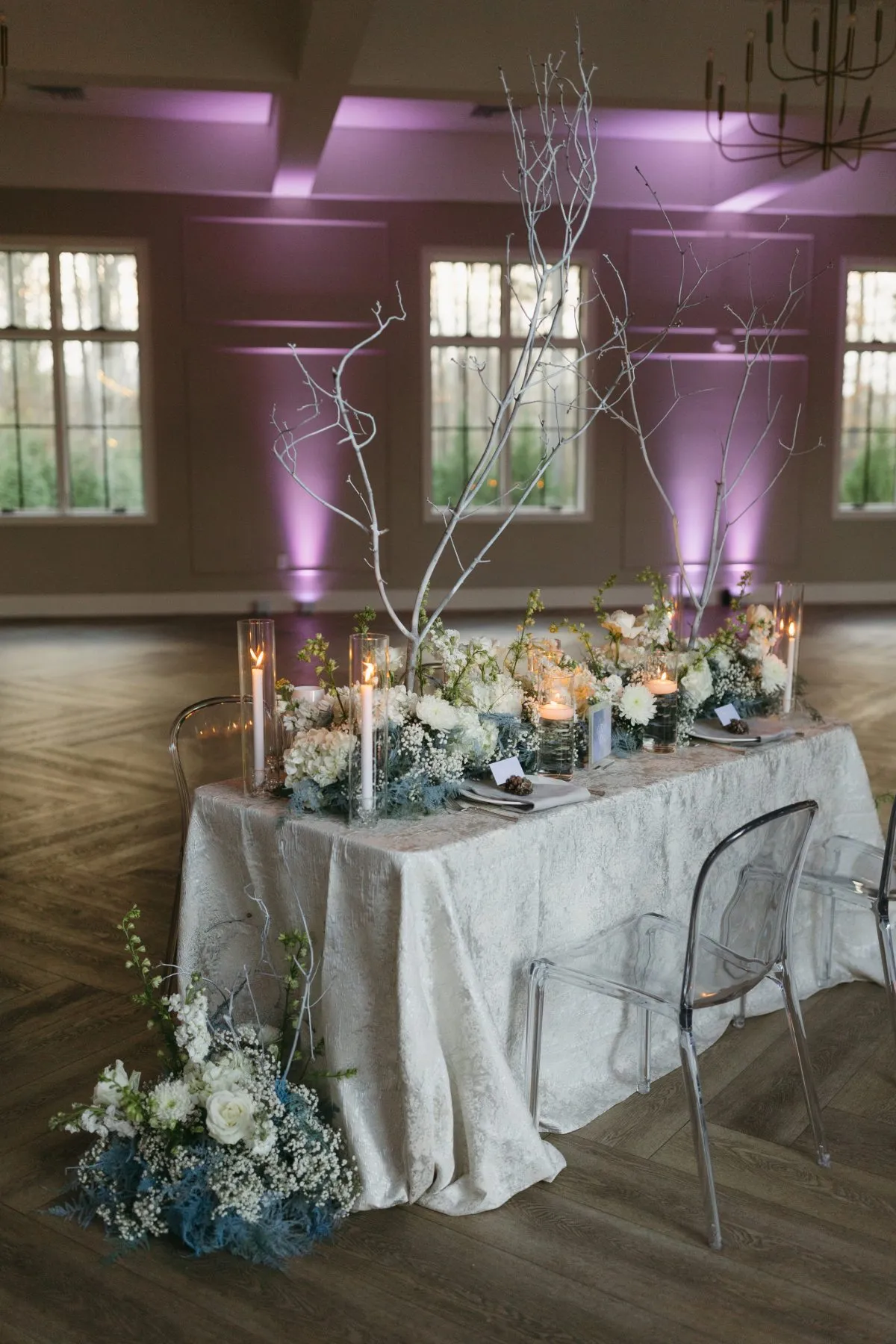
Formal place settings often incorporate decorative dinnerware, menu cards, place cards, and other details. These pieces can contribute to the setting’s character, but their placement deserves the same consideration as the essential dining elements.
The objective is to determine where decorative detail adds value and where the composition is already complete.
Let Decorative Dinnerware Remain Visible
Distinctive dinnerware can provide much of the visual interest within a formal setting.
A charger with a decorative border, a patterned dinner plate, or a piece featuring an unusual shape may already create a recognizable focal point.
Covering these details with a large napkin fold or several accessories can diminish their contribution to the composition.
When the dinnerware is intended to remain prominent, a side-positioned napkin or a smaller, simpler fold may be more appropriate.
The relationship can also work in reverse. If the dinnerware is understated, a distinctive napkin may provide the visual interest needed to complete the setting.
Neither approach requires additional decoration. The decision depends on which element should remain most noticeable.
Use Smaller Details With a Clear Purpose
Menu cards and place cards can be integrated into formal place settings without becoming separate decorative statements.
Their position should relate naturally to the plate, napkin, and surrounding space. A menu card placed centrally on a simple napkin, for example, may establish a clean vertical arrangement. A smaller place card positioned above the plate can introduce detail while leaving the primary composition undisturbed.
The size and presentation of these pieces matter.
A large menu card may conceal a carefully selected textile, while several small decorative objects placed around the dinnerware can create visual competition.
The most effective arrangement gives each detail a clear position and purpose. When an accessory does not improve the visual relationship or serve a practical function, it may not be necessary.
Recognize When the Setting Already Feels Complete
A formal place setting does not require additional decorative pieces simply because space remains available.
A well-proportioned charger, carefully positioned napkin, appropriate flatware, and glassware can establish a complete composition on their own.
In some cases, introducing another element may disrupt an arrangement that already feels balanced.
This is particularly relevant when the surrounding table includes elaborate florals or distinctive linens. Those broader design elements contribute to the setting’s visual character even when they do not occupy the individual place setting.
Recognizing when the essential components already create a convincing arrangement allows their materials and proportions to remain the focus.
How Do Linens Frame a Formal Place Setting?
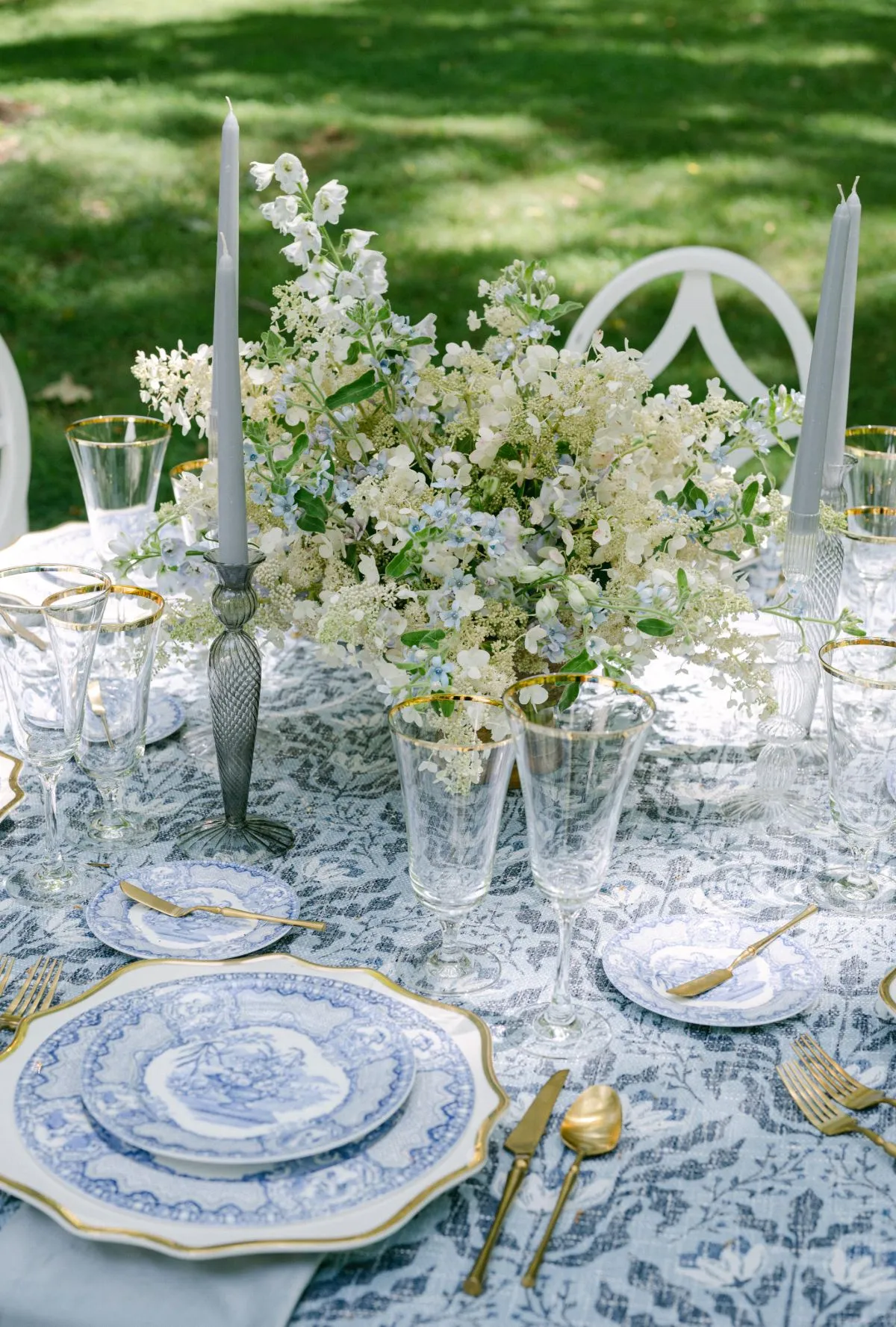
The table linen establishes the surface on which the place setting is composed. Its visible areas influence how the individual elements are separated, while the napkin introduces a second textile directly into the arrangement.
Together, these fabrics help establish the relationship between the dining pieces and the surrounding tablescape.
The focus is not simply on whether the textiles match, but on how they contribute to the appearance of the completed setting.
The Visible Linen Creates Space Around the Setting
The areas of tablecloth visible around a charger, flatware, and glassware are part of the composition.
These spaces separate individual elements and allow their forms to remain recognizable. When a place setting contains several overlapping pieces, the linen beneath them may become less visible, reducing the visual distinction between components.
A generous expanse of fabric around an understated setting can create a composed appearance without additional decoration.
This becomes particularly important when the table linen has a distinctive color or pattern. Allowing portions of the fabric to remain visible gives the textile a meaningful presence rather than treating it only as a background surface.
The amount of exposed linen should reflect the practical dimensions of the table and the space allocated to each guest.
Napkin Placement Connects Fabric and Tableware
The napkin creates a direct visual connection between textile and dinnerware.
A solid napkin placed against decorative plates can introduce a quiet contrast, while a distinctive napkin beside simple dinnerware may provide the primary source of color or pattern within the setting.
Its position influences how these elements are perceived together.
A centered napkin brings the fabric into the focal area, making it part of the main visual statement. Side placement creates a relationship between the fabric and the surrounding flatware while allowing the plate to retain its prominence.
Both approaches can be effective when the textile’s color, dimensions, and fold are considered alongside the other components.
The Relationship Between Materials Should Feel Deliberate
A formal place setting commonly brings together fabric, ceramic, glass, and metal. Each material has a different visual character, which contributes to the finished composition.
A smooth dinner plate may sit against a softly woven napkin, while polished flatware introduces narrow linear forms around the setting. Glassware adds transparency and height, creating another distinction within the arrangement.
These materials do not need to match in finish or color to feel connected.
Their placement can establish cohesion by creating a clear visual sequence from the central plate to the supporting elements.
When their positions and proportions are considered together, the setting can accommodate different materials without feeling fragmented.
How Does Spacing Influence the Appearance of Formal Place Settings?
Spacing determines how individual elements relate to one another and how easily their forms can be distinguished.
In formal dining settings, where several pieces may occupy a relatively compact area, spacing also has a practical purpose. Plates, utensils, glassware, and linens should be positioned so guests can use them comfortably.
The most refined arrangements accommodate both visual balance and dining function.
Give Each Element Enough Visual Separation
When flatware sits too close to the charger or decorative elements crowd the surrounding space, individual pieces can become difficult to distinguish.
Appropriate separation allows the shape of the plate, the arrangement of utensils, and the position of the napkin to remain clear.
This does not require exaggerated gaps between components. Instead, the spacing should reflect the scale of the dinnerware and the dimensions available at each seat.
A larger charger may require a different relationship with the flatware than a smaller dinner plate. Similarly, a broad napkin fold may need more surrounding space than a compact presentation.
The arrangement should feel comfortably proportioned rather than compressed or unnecessarily spread out.
Maintain Alignment Without Making the Setting Feel Rigid
Alignment creates consistency across repeated place settings, but it does not require every component to form a perfectly symmetrical composition.
A plate may remain centered while the napkin is positioned to one side. Glassware can follow the practical conventions of formal dining without mirroring the flatware arrangement.
These differences can create a balanced setting because each component occupies an appropriate position relative to the whole.
A softer napkin presentation may also introduce movement within an otherwise structured arrangement.
The objective is to maintain recognizable organization while allowing the materials and individual details to retain their character.
Consider the Relationship With the Centerpiece
An individual place setting does not exist independently of the rest of the table.
Floral arrangements, candles, and other central decorative elements influence the amount of available space and the overall visual composition.
A substantial centerpiece may already introduce considerable detail immediately beyond the place setting. In that context, keeping the arrangement around the plate relatively clear can create a more comfortable balance.
The practical relationship also matters. Decorative pieces should not interfere with dining, access to glassware, or the comfortable use of utensils.
Considering these factors together helps ensure the place setting functions as part of the complete table rather than a separate decorative arrangement.
When Should a Formal Place Setting Feel More Expressive?
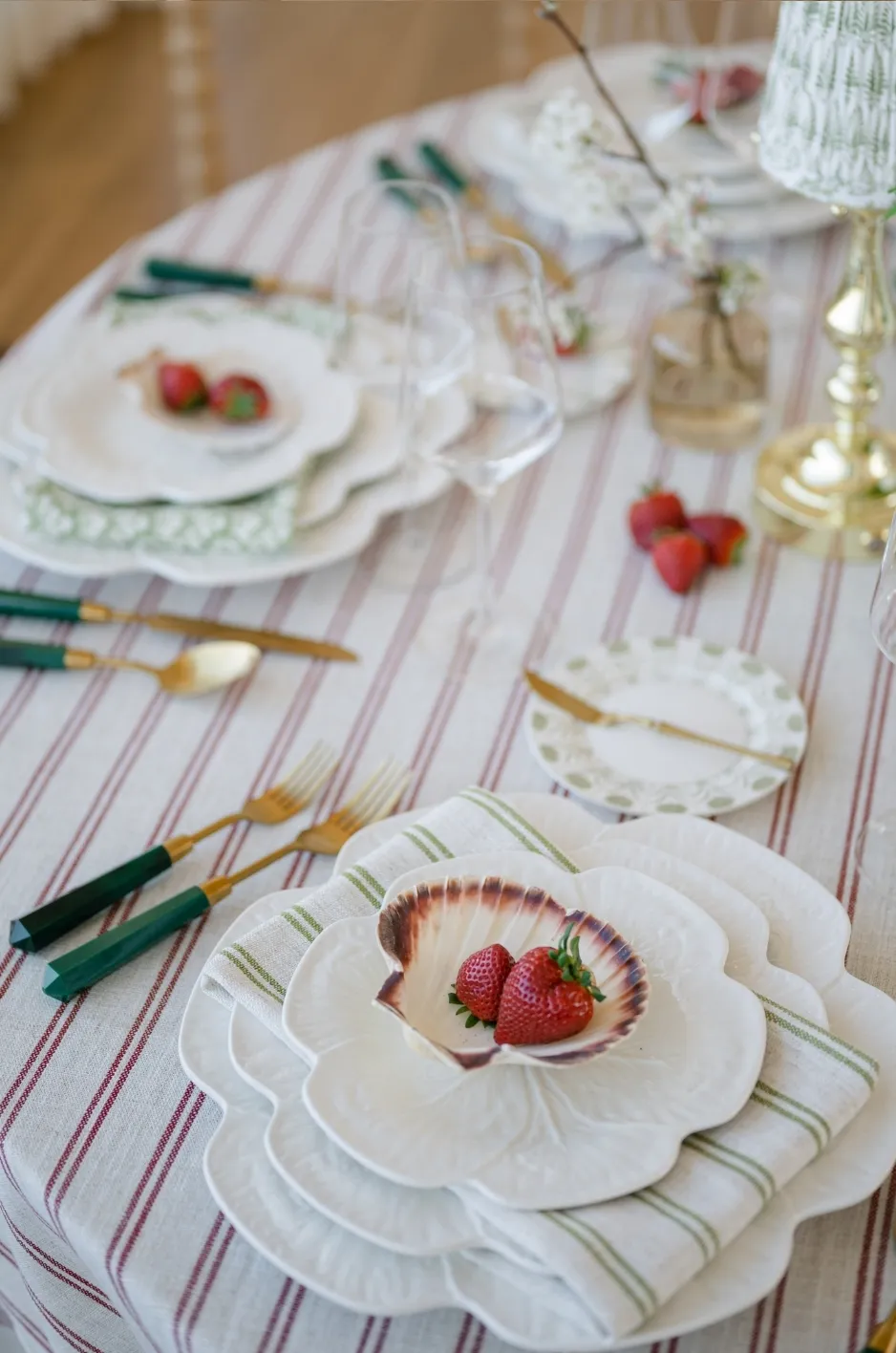
Formal design does not always require a restrained or understated presentation. Some occasions call for more expressive place settings, particularly when a distinctive textile or piece of dinnerware is intended to contribute significant visual character.
The difference lies in how that detail is integrated.
An expressive element is most effective when its position feels deliberate and the surrounding components support its presence.
When the Napkin Becomes the Main Decorative Element
A richly colored or patterned napkin can provide an important visual feature within a formal place setting.
Against simple dinnerware and a relatively understated tablecloth, a distinctive napkin may establish much of the arrangement’s character.
Its presentation can remain straightforward. A neatly folded textile placed across the plate may allow the color or pattern to remain visible without requiring an elaborate decorative fold.
The fabric itself becomes the point of interest.
This approach is especially useful when the broader tablescape calls for a recognizable accent at each seat but does not require additional accessories.
When the Dinnerware Establishes the Design Character
Some formal settings are built around distinctive dinnerware.
Decorative chargers, patterned plates, or unusual ceramic forms may provide enough visual interest that the surrounding textiles can remain quieter.
A simple napkin positioned beside the plate allows the dinnerware to remain visible while adding softness to the arrangement.
The composition can still feel expressive because the central piece provides the defining detail.
Rather than introducing a competing napkin pattern or elaborate accessory, the supporting components reinforce the dinnerware’s role within the setting.
When the Occasion Calls for Additional Detail
Formal wedding receptions, galas, and other special events may include menu cards, place cards, or additional presentation elements.
These details can contribute to a more distinctive place setting when their positions are considered as part of the arrangement.
A menu card may sit above a folded napkin, creating a central composition, while a place card can occupy a smaller area near the plate.
The appropriate treatment depends on the available space and the existing visual detail.
Even when the occasion calls for a more elaborate presentation, each element should maintain a clear relationship with the surrounding dinnerware and linens.
How Can Planners Review a Formal Place Setting Before Finalizing It?
Evaluating a formal place setting before an event provides an opportunity to assess proportion, placement, and practical functionality.
A composition that appears balanced in a photograph may feel different when viewed from the guest’s seat or repeated along a full dining table.
Reviewing the arrangement in context helps ensure the intended visual effect remains consistent.
Begin With the Essential Dining Elements
Start with the pieces required for the meal, including the appropriate dinnerware, flatware, glassware, and napkin.
Position the central plate or charger, then arrange the surrounding elements according to the intended service.
This establishes the practical structure of the setting before decorative details are introduced.
Once those components are in place, planners can evaluate whether the napkin should reinforce the center or occupy a supporting position beside the plate.
Additional accessories can then be considered based on how they contribute to the existing arrangement.
Beginning with the essentials keeps the composition connected to its primary purpose as a dining setting.
Evaluate the Setting From a Seated Perspective
The guest’s perspective can reveal details that may not be immediately apparent when viewing a table from above.
A decorative accessory might appear well positioned in a styled photograph but obstruct access to the dinnerware. A large napkin presentation may conceal more of the charger than intended when viewed from a seated position.
Reviewing the setting at table height helps identify these issues.
It also allows planners to consider how the napkin, plate, flatware, and glassware appear together during the dining experience rather than solely as a visual arrangement.
The objective is a setting that feels considered while remaining comfortable and functional.
Review Several Place Settings Together
An individual setting may appear well proportioned, but repetition can change its overall effect.
Viewing several completed arrangements along the table makes it easier to evaluate alignment, spacing, and the consistency of textile placement.
A strongly colored napkin, for example, may appear understated at one seat but become a prominent repeated feature across a long dining table.
Similarly, several decorative details may create a denser visual composition when multiplied across the full setting.
Reviewing the repeated arrangement allows planners to determine whether the chosen presentation maintains the intended balance.
Completing Formal Place Settings With Curated Linen Collection
The visual character of a formal place setting is influenced by both the arrangement of its components and the textiles selected to accompany them.
Napkins can introduce a defining color or pattern, while the surrounding table linen establishes the foundation that connects individual settings across the table.
Curated Linen Collection offers premium event linens in a range of colors, patterns, and textures, providing options for planners developing considered formal tabletop compositions.
Explore Napkins That Support the Intended Composition
Napkin selection should account for the role the fabric will play within the individual arrangement.
A smooth, understated napkin may complement decorative dinnerware, while a distinctive color or pattern can become the primary visual feature of a simpler setting.
Fabric dimensions and drape also influence presentation. A textile that holds a structured fold creates a different effect from one with a softer finish.
Exploring these qualities allows planners to choose napkins that support the intended composition rather than selecting them independently from the surrounding pieces.
Create Continuity Between the Table Linen and Place Setting
The relationship between the tablecloth and napkin helps connect individual place settings to the larger tablescape.
The fabrics do not need to match exactly. A coordinating color, compatible pattern, or complementary surface finish may provide sufficient continuity.
A distinctive napkin can introduce contrast against a quieter base linen, while a solid napkin may offer a more understated relationship with a patterned tablecloth.
The most appropriate combination depends on the role each textile should play within the design.
Through its selection of luxury table linens and napkins, Curated Linen Collection provides opportunities to develop formal settings where fabric and tableware work together as part of a complete composition.
Frequently Asked Questions
What Is Formal Place Setting Composition?
Formal place setting composition refers to the arrangement of dinnerware, flatware, glassware, napkins, and supporting details with attention to proportion, alignment, and visual balance. The objective is to create a setting that feels cohesive while accommodating the practical requirements of dining.
Should a Napkin Be Placed on the Plate or Beside It?
Both placements can work, depending on the intended arrangement. A napkin centered on the plate creates a focal point, while side placement allows decorative dinnerware to remain visible and changes the distribution of visual detail. The most appropriate position also depends on the table’s available space and service requirements.
How Can a Formal Place Setting Look Elegant Without Extra Decorations?
A formal place setting can feel complete through well-proportioned dinnerware, deliberate spacing, consistent alignment, and thoughtfully selected linens. Allowing the essential elements to remain visible often creates a more composed appearance than adding accessories that do not contribute to the arrangement.
Can a Distinctive Napkin Become the Focal Point of a Place Setting?
Yes. A patterned or richly colored napkin can establish the primary visual detail, particularly when paired with understated dinnerware and a complementary tablecloth. Its placement and fold should allow the fabric to remain noticeable without crowding the surrounding components.
Give Every Detail Its Place
A formal place setting is defined by the relationship between its components rather than the number of decorative elements it contains. The position of a napkin, the proportion of the dinnerware, and the spacing around each piece all influence whether the arrangement feels complete.
When these details are considered together, even a relatively understated setting can have a distinctive visual character. More expressive arrangements can be equally successful when their strongest elements are supported by clear proportions and purposeful placement.
Thoughtful formal place setting composition brings practical dining requirements and visual design into one cohesive arrangement. With its selection of premium napkins and table linens, Curated Linen Collection offers textile options that help planners create refined settings where every detail contributes to the finished table.