Exposed wood tables bring their own character to an event setting. Natural grain, tonal variation, and surface finishes introduce visual interest before any linens, florals, or tableware are added. Whether the table features polished walnut, pale oak, or a more pronounced reclaimed wood finish, its appearance can influence the direction of the entire tablescape.
For wedding planners and event designers, wood table linen styling is about determining how much of that existing character should remain visible. A carefully selected runner or distinctive napkin can introduce softness and color without concealing the surface beneath. In other settings, a full tablecloth may create a more appropriate foundation.
The most effective approach considers the wood and textiles together, allowing both materials to contribute to a cohesive design rather than treating linens as an automatic finishing layer.
What Does Exposed Wood Contribute to a Tablescape?
A wood table is more than a structural surface for place settings and floral arrangements. Its color, grain, and finish become part of the design when left visible, influencing how surrounding materials are perceived.
Unlike a fully covered table, where the linen establishes most of the visible foundation, an exposed wood surface already introduces its own pattern and texture. Recognizing these qualities can help determine whether additional textiles should provide contrast, reinforce the existing character, or cover more of the surface.
Wood Grain Creates Its Own Pattern and Texture
Natural wood grain introduces movement through lines, knots, and variations in tone. Some finishes reveal subtle, closely spaced details, while others feature more pronounced markings that become a defining part of the table’s appearance.
These characteristics function much like a pattern within a textile. A table with prominent grain already contains visual variation, which can influence whether the surrounding linens should be smooth, textured, or patterned.
For example, a strongly figured wood surface may look particularly balanced with a solid runner that introduces a clear area of color. A more uniform finish may accommodate a patterned textile without creating the same degree of visual competition.
The important consideration is how the two materials relate. The wood grain does not need to be concealed simply because another patterned or textured element is introduced, but its presence should be acknowledged within the composition.
Not Every Wood Table Has a Rustic Character
Exposed wood is frequently associated with rustic weddings and farmhouse-style receptions, but the material can support a much broader range of event aesthetics.
A polished walnut table may have a formal, architectural presence, particularly when paired with refined tableware and understated floral arrangements. Pale oak can feel light and contemporary, while darker stained wood may establish a more dramatic foundation.
Reclaimed wood introduces another character through visible grain, markings, and variations in finish. These qualities may suit a relaxed setting, but they can also create an appealing contrast within a more formal event design.
The surrounding materials ultimately influence how the wood is perceived. Fine linens, elegant glassware, and carefully selected tabletop details can create a sophisticated setting without requiring the table to be fully covered.
Rather than treating exposed wood as inherently casual, planners can consider how its particular finish contributes to the intended atmosphere.
The Wood Surface Can Become Part of the Color Palette
When a table remains visible, its color becomes an important part of the overall palette.
Honey-toned wood introduces warmth, dark walnut creates depth, and pale or gray-washed finishes establish a more muted foundation. These tones interact with linens in much the same way that wall colors or architectural finishes influence an event’s design.
A warm wood surface may complement similarly warm textiles, while a cooler linen shade can establish contrast. Darker wood may provide an effective background for ivory or cream napkins, allowing the textiles to become more noticeable.
Treating the wood as an existing color helps planners develop a more complete palette. Instead of choosing linens independently and placing them on the table afterward, the surface itself becomes part of the original design consideration.
When Is It Better to Leave More Wood Visible?
The decision to expose a wood table should reflect the character of the surface and the overall tabletop composition. Some tables provide enough visual interest that substantial linen coverage may be unnecessary, while others benefit from greater textile presence.
Leaving wood visible can be particularly effective when its finish contributes something meaningful to the design or when the surrounding materials already establish a strong visual direction.
When the Wood Has a Distinctive Grain or Finish
A table with a pronounced grain, unusual coloration, or carefully finished surface may already serve as an important design feature.
Covering the entire tabletop can conceal those characteristics, removing one of the materials that distinguishes the setting.
A narrower runner or a collection of thoughtfully selected napkins may offer a more appropriate approach. These textiles introduce softness and color while preserving enough exposed surface for the wood to remain recognizable.
The amount of visible wood matters. A runner that covers nearly the entire tabletop may reduce the impact of the grain, while a more restrained width can create a clearer relationship between the textile and the surrounding material.
The objective is not necessarily to expose as much wood as possible. It is to determine how much visibility allows the surface to contribute to the design.
When the Tabletop Design Is Already Detailed
Elaborate floral arrangements, decorative chargers, distinctive glassware, and sculptural accessories can introduce considerable visual interest.
When these elements are placed on a table with a strong natural grain, the setting may already contain several different textures and finishes.
Adding multiple textile layers can create further complexity without necessarily improving the composition.
In these situations, exposed wood may provide a useful foundation for the decorative elements. A solid runner can establish a defined area beneath the centerpiece, while napkins introduce softness at individual place settings.
This allows the materials to remain distinct rather than competing for attention.
When the Design Calls for an Architectural Look
Exposed wood can be especially effective in event designs that emphasize material, proportion, and clean lines.
Long rectangular tables with polished wood surfaces, for example, can create a strong architectural presence. Leaving the surface visible reinforces those proportions and allows the material itself to become part of the design.
A restrained runner may introduce contrast along the table’s length without interrupting its overall form. In some settings, napkins may provide sufficient textile detail on their own.
This approach can work in contemporary venues, estate settings, or spaces where natural materials complement the surrounding architecture.
The result does not depend on minimal decoration. Rather, it allows the structure and finish of the table to remain an identifiable part of the completed setting.
How Can Linens Complement Wood Without Covering It?
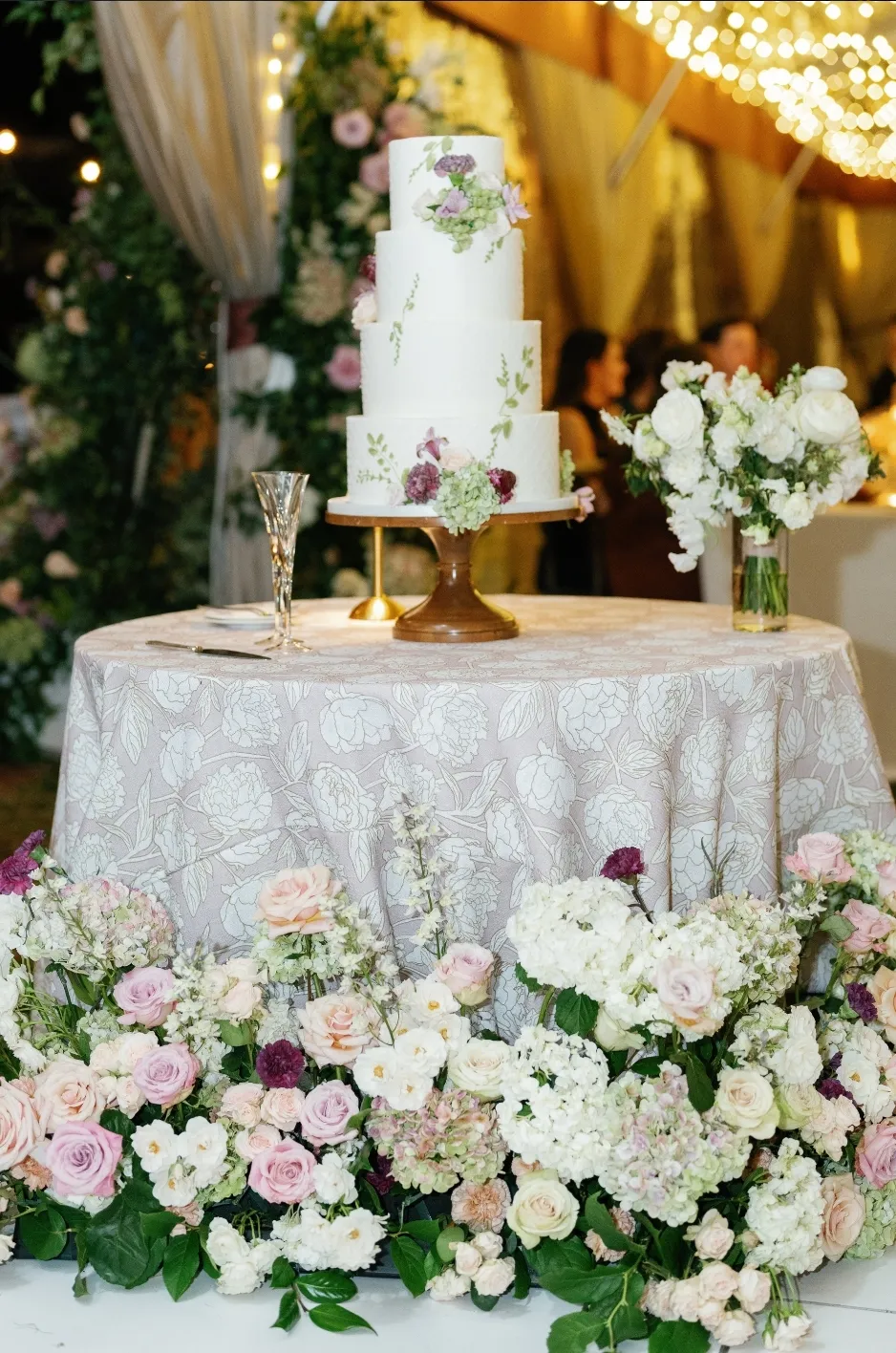
Linens can introduce softness, color, and formality to an exposed wood table without concealing its natural characteristics. Their placement determines how much of the surface remains visible and how strongly the textile contributes to the overall composition.
A runner, napkin, or carefully selected overlay can each serve a different purpose. The most appropriate choice depends on what the wood already contributes and whether the design would benefit from another visible material.
Use a Runner When the Center Needs Definition
A runner can create a defined textile surface along the center of a table while leaving the surrounding wood exposed.
This is particularly effective on rectangular dining tables, where the runner follows the table’s length and establishes a visual relationship with centerpieces, candles, and other decorative elements.
The width of the runner influences its impact. A narrow treatment allows more of the wood to remain visible, while a wider runner introduces a stronger textile presence.
Neither approach is inherently preferable. A pronounced wood grain may benefit from a narrower runner that preserves the surface’s character, while a more uniform wood finish may accommodate a broader textile treatment.
Fabric selection also matters. A smooth runner can contrast with strongly textured wood, while a softer or more dimensional fabric may introduce depth against a polished surface.
The runner should feel connected to the table rather than simply placed on top of it.
Let Napkins Provide the Primary Textile Accent
Napkins offer another way to introduce fine textiles without covering the tabletop.
Because they occupy a relatively small area at each place setting, they can contribute a distinctive color or texture while allowing the wood surface to remain prominent.
A deep-colored napkin against pale oak, for example, may create a recognizable contrast. An ivory or cream napkin on dark walnut can introduce a softer visual distinction.
The fabric’s finish can also influence the appearance of the setting. A smooth napkin may complement pronounced grain, while a subtly textured textile can add interest to a more uniform wood surface.
Napkins do not necessarily need to match a runner or another textile element. Their relationship can come through shared undertones, compatible fabric finishes, or a consistent connection to the surrounding tableware.
When the wood and decorative elements already create a complete composition, napkins may be the only additional textile detail required.
Consider Whether an Overlay Adds Something Meaningful
An overlay can introduce more substantial textile coverage than a runner, making it useful when the design calls for a stronger fabric presence.
However, its dimensions and placement influence how much of the wood remains visible.
A smaller overlay may create a defined central area while allowing the table’s perimeter to remain exposed. Depending on the table shape, the fabric may also introduce a different silhouette through its drape.
The decision should begin with the visual purpose of the overlay. If it creates a useful contrast or helps establish the intended design, it may be appropriate.
If the wood already provides the desired foundation and a runner or napkin introduces sufficient textile detail, another layer may not contribute anything meaningful.
The objective is to preserve a clear relationship between the materials rather than adding fabric simply because additional linen options are available.
Which Linen Textures Work Best Against Different Wood Finishes?
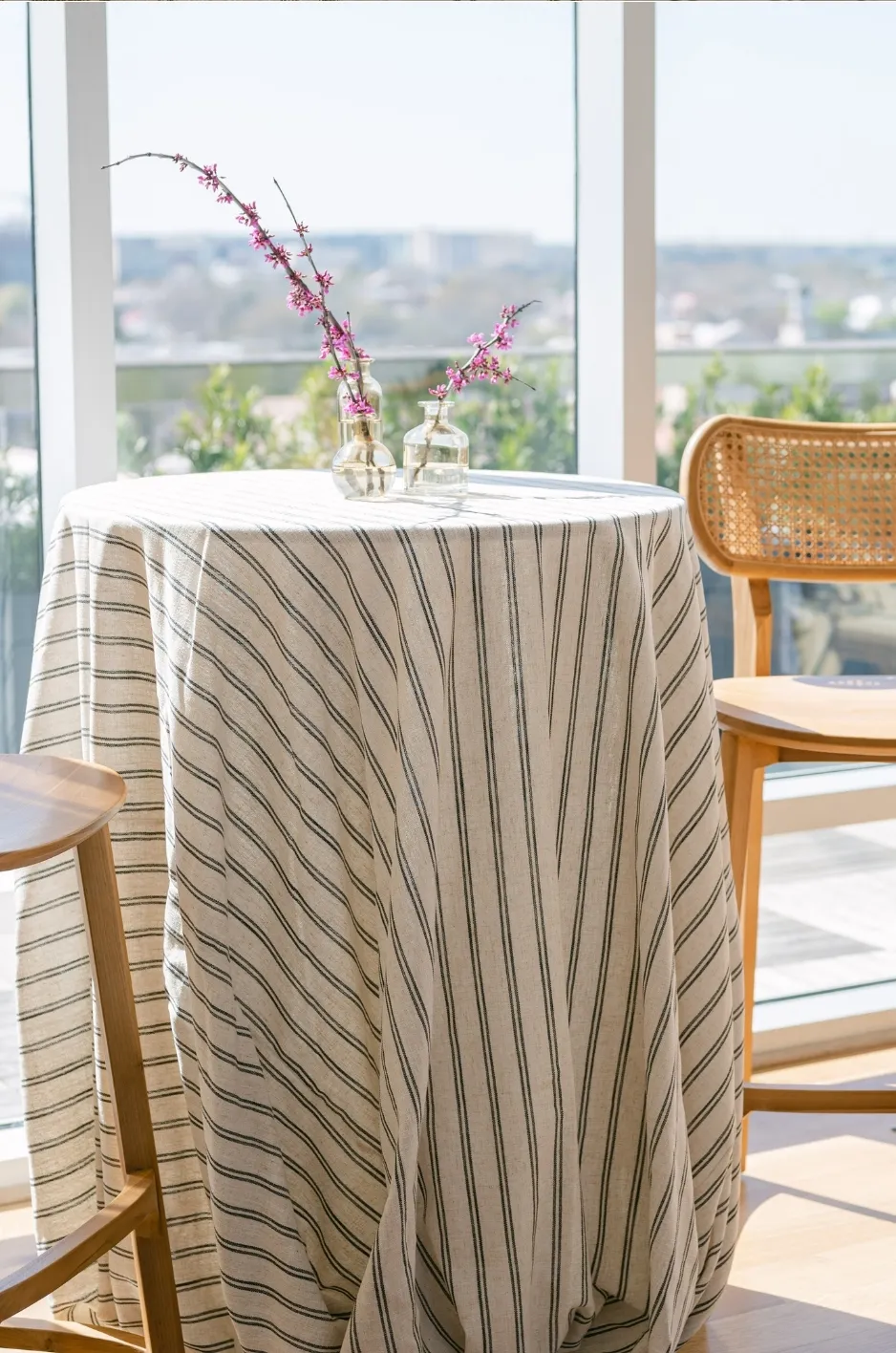
Wood and fabric both contribute texture, but they do so in different ways. Wood grain introduces natural variation, while textiles create surface interest through weave, pile, finish, and drape.
Considering these characteristics together allows planners to establish contrast without relying exclusively on color.
The most effective combination depends on the particular wood finish and the role the linen is intended to play within the design.
Smooth Linens Against Pronounced Wood Grain
A wood table with strong grain or visible markings already provides substantial surface detail.
Pairing it with a smoother linen can create a useful contrast, allowing the textile to introduce softness without adding another pronounced pattern.
A solid runner in a smooth finish, for example, may provide a quiet visual area against richly figured wood. The relationship highlights the differences between the two materials while allowing both to remain recognizable.
This approach can be particularly effective when the table also features decorative chargers or elaborate floral arrangements.
The smooth textile supports the composition without requiring another prominent surface treatment.
Velvet and Richer Fabrics Against Polished Wood
Polished wood surfaces often have a more uniform appearance, even when their grain remains visible.
Against these finishes, velvet or another richly textured fabric can introduce depth and softness.
A velvet runner on a dark, polished table may create variations in light and shadow that contrast with the smoother wood surface. Similarly, a velvet napkin can provide a tactile detail at each place setting without changing the overall coverage of the table.
The combination may be especially compelling in formal evening settings where ambient lighting emphasizes the differences between materials.
However, the effect depends on the fabric color, wood finish, and surrounding decorative elements. A richly textured linen may be appropriate when the table needs additional depth, but it is not automatically the strongest choice for every polished wood surface.
Textured Linens Against Subtle Wood Finishes
Some wood tables have relatively understated grain patterns or finishes that appear nearly uniform.
In these settings, a linen with a more noticeable weave may provide the visual interest that the wood itself does not strongly express.
A textured runner against pale, smoothly finished wood can introduce contrast without relying on a bold color. A woven napkin may achieve a similar effect at the individual place setting.
The relationship can also work through closely related colors, allowing differences in material to become more noticeable.
As with any textile combination, the finished appearance should be considered alongside the other tabletop details. The fabric should contribute to the setting rather than compete with the materials already present.
How Should Linen Color Relate to the Wood Tone?
Selecting linens for exposed wood tables requires consideration of the wood’s color and undertones. Unlike a fully covered table, where the linen establishes most of the visible foundation, an exposed surface remains part of the palette.
The relationship between wood and fabric can create contrast, reinforce warmth, or introduce a different color direction.
There is no universal pairing that works for every finish. The most appropriate choice depends on the specific wood tone and the surrounding event design.
Warm Wood Tones and Related Linen Colors
Honey, amber, and reddish wood finishes already contribute warmth to the setting.
Linens with related undertones can reinforce that character, creating a relatively cohesive composition. Warm ivory, muted ochre, and certain earthy shades may complement these surfaces, depending on their intensity.
However, similar colors should not automatically be assumed to work together.
A fabric with strong yellow undertones may create a different effect against honey-colored wood than a more muted neutral. The relationship may become overly warm if several similarly saturated materials appear together.
Introducing a cooler or more subdued linen can provide contrast when the wood already establishes enough warmth.
Dark Wood and Lighter Textile Contrast
Dark walnut and other deep wood finishes can provide a distinctive background for lighter textiles.
Ivory, cream, and softened neutral linens may create clear contrast while allowing the wood’s depth to remain visible.
A light runner across a dark rectangular table, for example, can establish a defined central surface without concealing the wood on either side.
Lighter napkins can create a similar relationship at each place setting.
Deeper linen shades may also work against dark wood, particularly when the design calls for a more dramatic or tonal composition. In those cases, differences in texture and finish become especially important because the colors may be closely related.
The decision should reflect how much contrast the table requires rather than assuming that dark wood must always be paired with light fabrics.
Pale or Gray-Washed Wood With Richer Colors
Pale oak, ash, and gray-washed finishes provide a lighter foundation that can accommodate deeper textile colors.
A dark green, plum, or muted blue runner may establish a strong contrast against pale wood, allowing the fabric to become a more prominent design element.
Softer shades can create a different relationship. A muted neutral or closely related cool tone may preserve the light character of the table while introducing subtle variation.
Gray-washed wood deserves particular attention because its undertones may differ from those of naturally warm wood finishes.
A linen that appears balanced against honey-toned oak may feel less cohesive against a cooler gray surface.
Viewing the textile directly on the intended table, when possible, helps reveal these differences before the design is finalized.
When Does a Wood Table Benefit From More Linen Coverage?
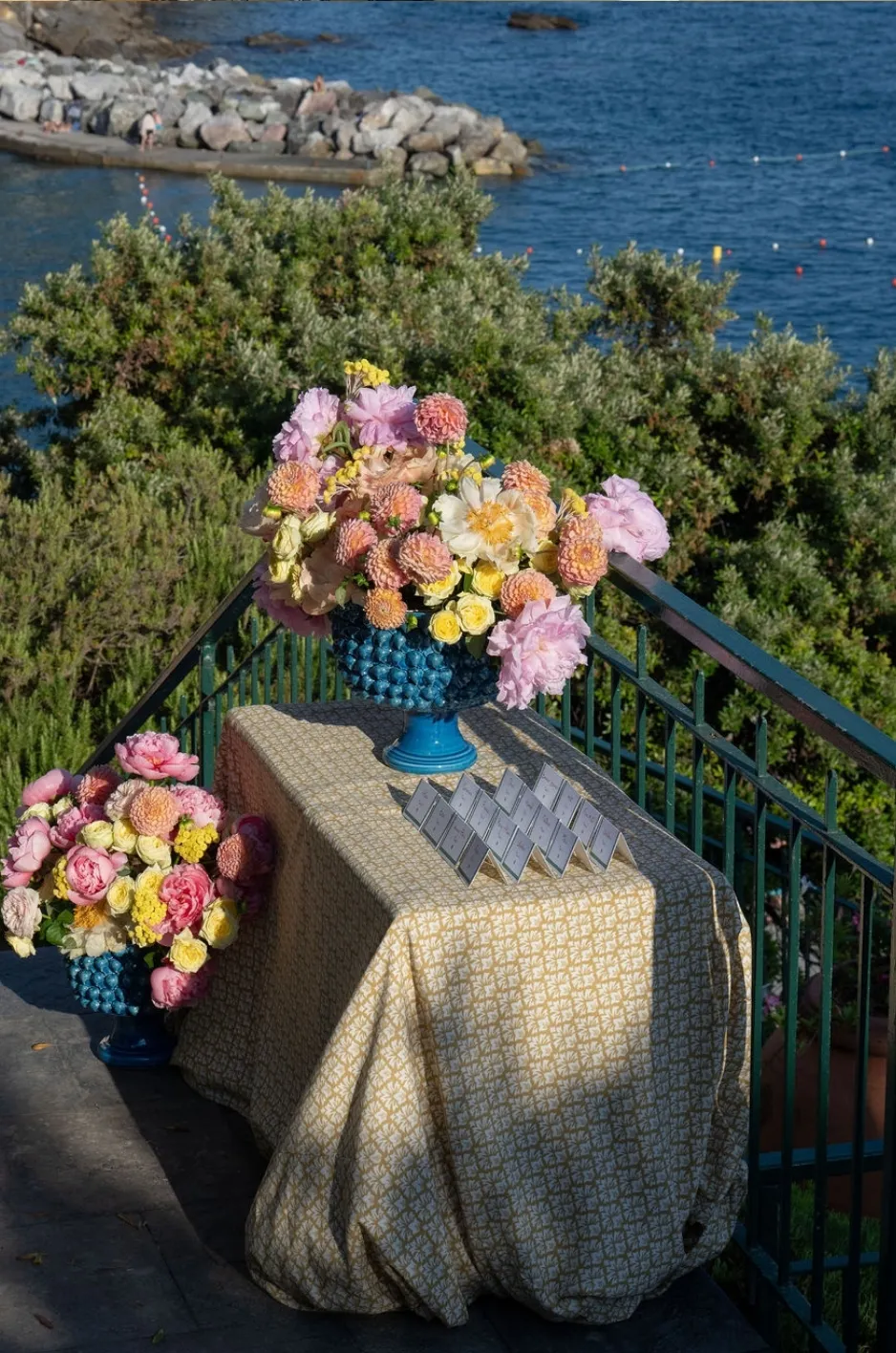
Although exposed wood can contribute considerable character, leaving it visible is not always the strongest design choice.
Some event concepts benefit from a more substantial textile foundation, particularly when the wood’s color or finish does not support the intended palette.
A full tablecloth can also establish greater continuity across different tables or create a specific formal presentation that selective coverage cannot achieve.
When the Wood Finish Conflicts With the Event Palette
A wood surface may introduce undertones or visual details that do not complement the broader design.
For example, a strongly reddish table finish may create an unwanted contrast with a carefully developed cool-toned palette. Similarly, a heavily distressed surface may introduce a visual character that does not align with the intended aesthetic.
In these situations, attempting to balance the wood with additional runners or decorative details may create unnecessary complexity.
A full tablecloth provides a more consistent foundation, allowing the chosen textile to establish the intended color direction without competing with the furniture’s existing finish.
The decision is not a rejection of natural materials. It recognizes that the table should support the overall design rather than determine it.
When the Event Calls for a More Formal Textile Foundation
Exposed wood can work beautifully in formal settings, but some event concepts call for the visual continuity of fully draped tables.
A floor-length linen can create a softer and more unified silhouette, particularly in formal dining environments where the table itself is not intended to be a design feature.
This may be appropriate for events with elaborate floral arrangements, coordinated table settings, or a particular architectural atmosphere.
The distinction is not that wood is inherently informal. Rather, a full tablecloth creates a different visual effect, one that may better complement the intended event design.
When Consistency Across Different Tables Matters More
An event may incorporate wood tables with different finishes, colors, or levels of wear.
When those differences are substantial, leaving every surface exposed can create a fragmented appearance, particularly if the tables are positioned within the same dining area.
Coordinated tablecloths can establish a consistent textile foundation while allowing the furniture to serve its practical purpose.
This approach can also help connect different table shapes or styles that would otherwise introduce conflicting visual characteristics.
In these circumstances, greater linen coverage becomes a tool for continuity rather than simply an additional decorative element.
How Can Planners Evaluate the Balance Between Wood and Linen?
The relationship between wood and textile becomes clearer when the complete table is considered. A runner may look beautiful against an empty wood surface but create a different impression once place settings, florals, and glassware are introduced.
Evaluating the materials together helps determine whether the wood should remain prominent or whether greater textile coverage would better support the composition.
Review the Table With Its Actual Place Settings
Chargers, plates, flatware, and glassware all introduce their own colors and finishes.
These materials can change how wood and linen appear together, particularly when the table contains several reflective or patterned elements.
For example, a richly grained wood surface paired with decorative chargers may already provide considerable visual detail. A smooth runner could create enough contrast, while a heavily patterned textile might make the setting feel unnecessarily complex.
Reviewing a representative place setting allows planners to assess whether the selected linen contributes to the intended effect.
Consider How Lighting Affects Wood and Fabric
Lighting influences both wood and textile appearance.
Warm ambient light may emphasize golden or reddish undertones in wood, while directional lighting can reveal surface grain and differences in fabric texture.
A linen that appears neutral in daylight may take on a warmer character under evening illumination. Similarly, dark wood can appear richer or more subdued depending on the surrounding light.
Reviewing fabric samples alongside the actual wood finish under representative lighting conditions, when practical, provides a clearer understanding of their relationship.
This can be particularly valuable for fall and evening events, where lighting may change considerably between the beginning of the reception and dinner service.
Step Back and Consider the Overall Room
The amount of exposed wood influences more than an individual table. When repeated throughout a reception, visible wood surfaces can become a defining part of the room’s overall palette.
A single dark wood table may create an attractive contrast with lighter linens, but several dark tables positioned throughout a space may produce a stronger visual effect than anticipated.
The same principle applies to lighter wood finishes and strongly colored textile accents.
Considering the room as one composition helps planners determine whether selective coverage provides the desired balance or whether fuller linens would create greater continuity.
The goal is to allow the tables to contribute to the setting without making their wood surfaces the only defining feature.
Styling Wood Tables With Curated Linen Collection
Exposed wood tables offer opportunities to create distinctive relationships between natural materials and fine textiles. Whether the design calls for a restrained runner, coordinating napkins, or fuller linen coverage, the selection should reflect the character of the table and the intended event aesthetic.
Curated Linen Collection offers premium event linens in a range of colors, patterns, and textures, providing options for planners seeking to complement different wood finishes and tabletop compositions.
Explore Runners and Napkins for Selective Coverage
Runners and napkins can introduce color, texture, and softness while allowing much of the wood surface to remain visible.
A smooth runner may provide contrast against pronounced grain, while a richly textured napkin can introduce depth beside a more polished finish.
The appropriate combination depends on the visual character of the wood and the surrounding tableware.
Exploring coordinating textile options allows planners to develop a considered relationship between the natural surface and the selected linens without requiring extensive coverage.
Consider Full Linens When the Design Calls for Them
In some settings, a full tablecloth provides a more suitable foundation than exposed wood.
A coordinated linen treatment can establish a consistent palette, soften the appearance of the tables, or bring different furniture finishes together within one event space.
The decision should begin with the intended composition rather than a preference for covering or exposing the table.
Curated Linen Collection’s selection of tablecloths and complementary textile options allows planners to consider both approaches, selecting fabrics that contribute to the overall design with an appropriate balance of color, texture, and coverage.
Frequently Asked Questions
Do Wood Tables Need Tablecloths for Formal Events?
Not necessarily. Exposed wood tables can work well in formal settings when their finish and surrounding design support the intended aesthetic. A polished wood table with refined tableware, florals, and carefully selected linens can create a sophisticated setting without full coverage.
What Linen Colors Work Best With Dark Wood Tables?
Ivory, cream, and other lighter neutrals can create contrast against dark wood, while deeper shades may support a more dramatic or tonal composition. The most appropriate color depends on the wood’s undertones, the surrounding palette, and the desired visual effect.
Should a Runner Cover Most of a Wood Table?
A runner does not need to cover most of the tabletop. Its width should reflect how much of the wood the design intends to reveal. A narrower runner preserves more of the surface, while a broader treatment introduces a stronger textile presence.
Can Velvet Linens Work With Exposed Wood Tables?
Yes. Velvet can create an appealing contrast against wood, particularly when the table has a smooth or polished finish. Its dimensional surface introduces softness and depth, although the final effect depends on the fabric color, wood tone, and surrounding decorative elements.
Let the Wood Influence the Linen Decision
Exposed wood tables already contribute color, pattern, and texture to an event setting. Their natural character can provide a compelling foundation, but the decision to leave them visible should reflect the overall design rather than an assumption that less linen is always better.
A runner may introduce enough softness while preserving the beauty of the wood, and carefully selected napkins can provide color without extensive coverage. In other settings, a full tablecloth may establish a more cohesive palette or create the formal presentation the event requires.
The most effective approach considers what the wood already contributes and what the selected textiles can add. Through its range of premium event linens, Curated Linen Collection offers opportunities to explore both selective and full-coverage treatments, allowing wood and fabric to work together within a considered tablescape.