
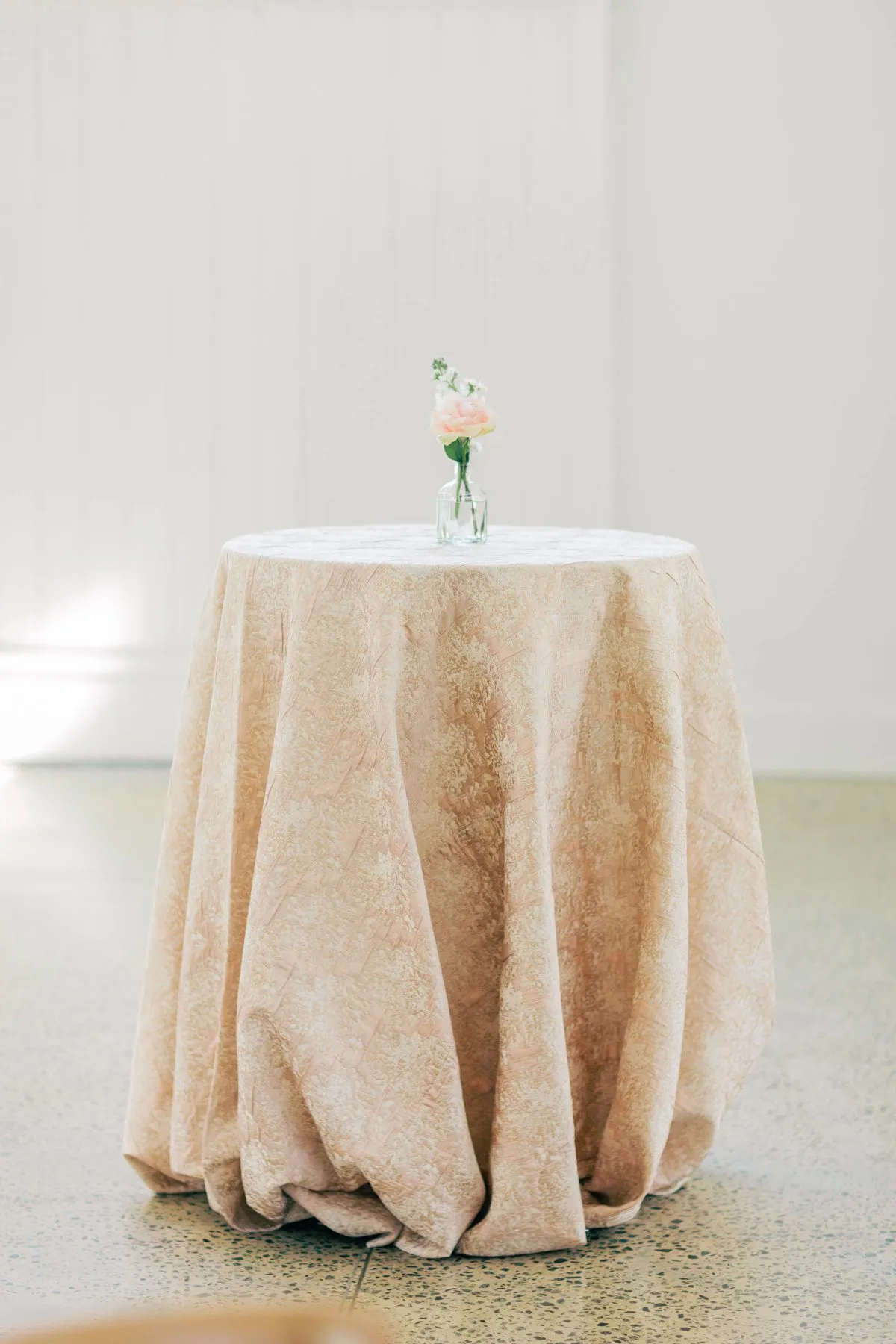
Custom table linens shape the atmosphere of a wedding long before guests take their seats. Fabric choice, color, and layering influence how a space feels, how it photographs, and how the design is remembered.
Curated Linen Collection approaches table linens as a foundational design element. Each selection contributes to the visual rhythm of the event, from the scale of the tablescape to the way light interacts with texture. This guide explores essential linen types and fabrics, color direction and 2026 trends, layering techniques, and personalization options that support cohesive, elevated design.
Throughout, the focus remains on decisions with visible impact. Fabric weight and drape. Color harmony. Proportion and placement. These elements ensure linens feel intentional within the larger design story rather than decorative additions.
What Are The Essential Types And Fabrics Of Custom Wedding Table Linens?

Wedding table linens come in a range of types and fibers, each shaping the look and feel of your tablescape. Fabric affects how light, texture, and movement read in a room, so knowing your options makes it easier to match linens to your theme and priorities.
Beyond fabric content, consider weave and finish: a slub linen has visible irregularities that read as rustic and tactile, while a mercerized cotton presents a smoother, more formal surface. Fabric weight affects how a cloth falls over the table edge and how it photographs, heavier fabrics create pronounced, elegant folds; lighter fabrics move with air and add softness to outdoor receptions.
Which Luxury Fabrics Best Enhance Wedding Tablescapes?
Velvet, satin, and linen remain cornerstone fabrics in luxury wedding design. Each brings a distinct visual and tactile quality to the table.
Velvet introduces depth and richness, creating a sense of intimacy and warmth. Satin offers a refined surface with soft light reflection that suits formal environments. Linen provides an organic texture that adapts easily to modern, rustic, and classic settings.
Fabric selection is guided by mood, setting, and season. Silk blends and high-thread-count cottons support graceful drape with added durability. Outdoor environments benefit from fabrics engineered for stability and performance while maintaining a polished appearance. Swatches tested under venue lighting provide clarity before final selection.
How Do Fabric Textures And Patterns Influence Tablescape Design?
Texture and pattern set the visual rhythm of the table. Embroidered or textured linens add dimension and invite closer looks; patterns, floral, geometric, or abstract, can reinforce your theme or add contrast. A patterned tablecloth paired with solid napkins, for example, keeps the design grounded while letting the pattern be the star. Thoughtful mixing and matching creates harmony without noise.
When layering pattern and texture, consider scale: large-scale prints suit roomy banquet tables or rectangular layouts, while small, delicate patterns work well on intimate rounds. Textured overlays like lace or macramé can tone down a bright print and add vintage character. Use texture to guide attention to focal points such as place settings or a runner-centered centerpiece.
How Can You Choose The Perfect Color Palettes And Trends For Wedding Linens?
Color determines mood. Your linen palette should support the atmosphere you want, soft and romantic, natural and earthy, or richly dramatic, while staying current with design trends.
Beyond seasonal trends, consider how colors read across different materials. The same shade on velvet and on linen will behave differently under lights and in photographs. Create a small palette of primary, secondary, and accent colors to ensure linens coordinate with stationery, signage, and bridesmaid attire. Swatches placed next to floral samples reveal unexpected contrasts or harmonies before you commit.
What Are The Top 2026 Wedding Linen Color Trends?
In 2026, expect to see soft pastels, warm earthy tones, and deep jewel shades. Blush and lavender read romantic and delicate; terracotta and sage feel organic and grounded; emerald and sapphire lend a luxe, dramatic edge. We recommend choosing colors that complement your venue and florals so the whole room reads as a cohesive design.
When selecting a trend-forward shade, keep longevity in mind: bold hues can feel dated if they dominate every surface. Consider using a trendy color as an accent in napkins, runners, or overlays, while keeping base cloths in more timeless neutrals. This approach gives visual interest without risking a mismatched look if trends shift.
How Do Muted Neutrals And Bold Color Pops Transform Tablescape Aesthetics?
Neutral linens create a calm backdrop that makes accent colors sing. Use a neutral tablecloth to anchor the space, then introduce vibrant napkins, centerpieces, or chargers to draw the eye. This balance keeps the overall look elegant while letting personality and detail shine.
Practical pairings to test: a warm greige base with terracotta napkins and olive-green foliage for an autumnal palette; a cool stone cloth with sapphire accents and brass flatware for a modern, moody look. Small pops, colored glassware, patterned napkin rings, or painted chargers, can achieve the same effect as fully colored linens with lower cost and more flexibility.
What Are Effective Layering And Styling Techniques For Custom Wedding Linens?
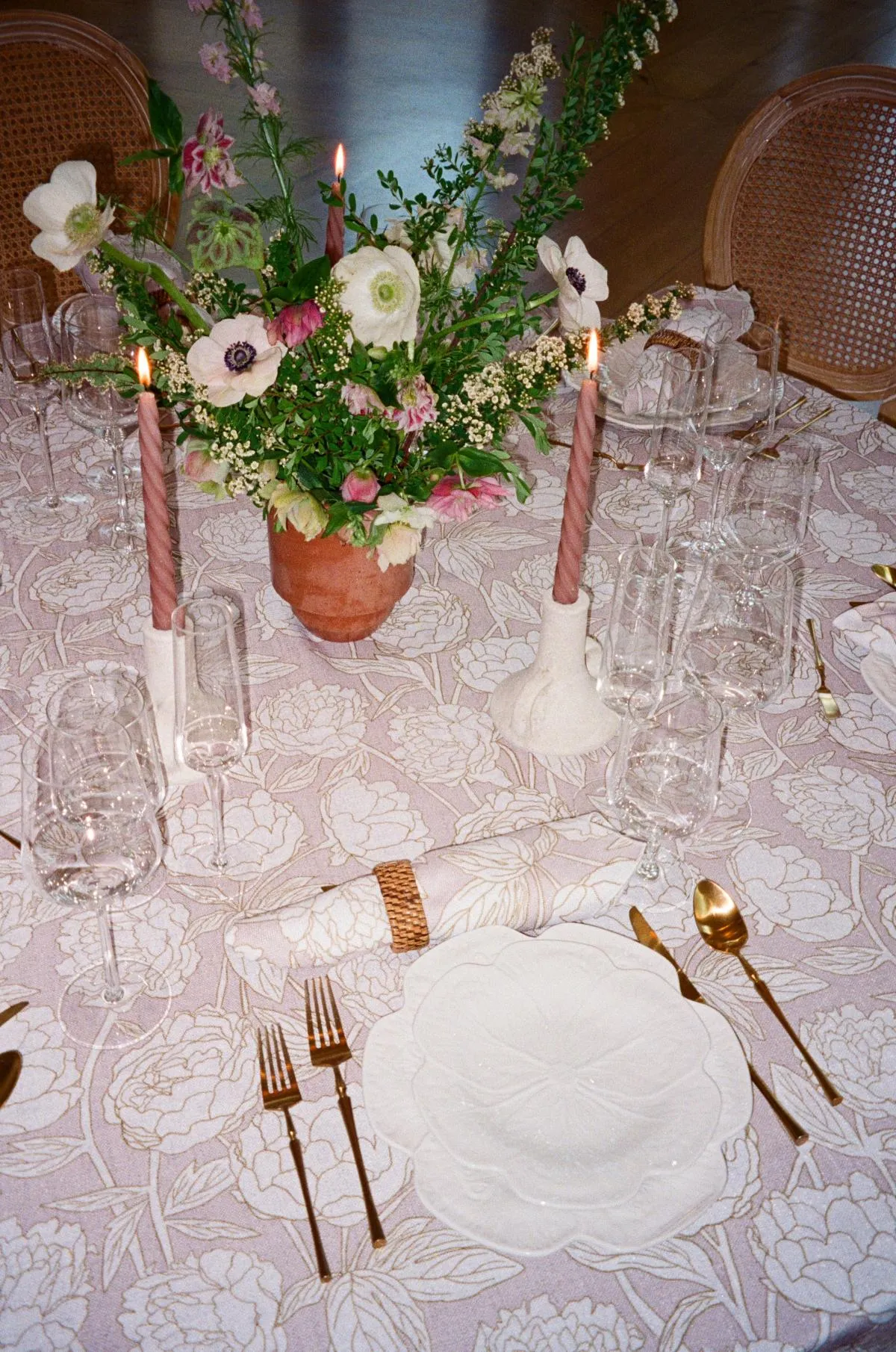
Layering is an easy way to introduce depth and tactile interest. Mixing fabrics and finishes creates a curated, intentional look that photographs beautifully.
Think of layering as choreography: each layer should have a reason and a place. Start with the base cloth for scale and shape, add an overlay or runner for rhythm, and finish with napkins and placemats for individual place settings. When layered thoughtfully, linens guide guests’ hands and cameras toward the most important elements on the table.
How Do Layering Linens Create Dimensional And Tactile Tablescapes?
Layering uses contrasts, weight, weave, and opacity, to build dimension. A velvet base with a lace overlay reads romantic; a crisp linen cloth topped with a soft-runner adds motion and visual flow. Runners, overlays, and placemats guide the eye along the table and help define place settings.
To plan layers, visualize the table from above and at eye level. Wide runners on long banquet tables create a sense of length and continuity; individual overlays or chargers at each plate emphasize place settings and can coordinate with menu cards or favors. Adjust the proportions depending on plate size and charger dimensions so that each layer remains visible and complementary.
What Are The Best Practices For Combining Runners, Overlays, And Napkins?
Prioritize color harmony and textural balance. Choose a runner that complements, not competes with, your base cloth. Pair a satin runner with a textured linen for subtle contrast. Napkins can match the cloth or act as a small pop of color. Keep patterns restrained: let one patterned element lead while the rest support it.
Practical tips:
- Test a few napkin folds and placements, beside the plate, on top of the plate, or folded into a pocket for place cards, to see what creates the cleanest silhouette for photos.
- If you use multiple textures, repeat one texture elsewhere on the table (for example, linen napkins with a linen ribbon on floral arrangements) to unify the look.
- When using metallic chargers or flatware, let linens be a softer counterpoint so metal details read as accents rather than competing surfaces.
How Can Customization And Personalization Elevate Wedding Table Decor?
Personalized linens turn decor into storytelling. Small bespoke details make guests feel seen and create keepsakes you’ll treasure after the day is over.
Personalization need not be expensive. Strategically choose a few items to personalize, such as napkins at head table settings or a monogrammed runner for the sweetheart table, so you preserve budget while amplifying emotional value. Custom choices also signal intentional design and photograph particularly well when placement is thoughtful.
What Bespoke Options Are Available For Personalized Wedding Linens?
Popular bespoke options include embroidery, monogramming, and selecting signature fabrics or colors. Adding initials, a wedding date, or a meaningful motif to napkins or runners is subtle yet memorable. Custom fabrics and trims can also reflect cultural touches or personal style for a truly one‑of‑a‑kind tablescape.
Other bespoke touches to consider: printed fabric panels that echo invitation graphics, hand-stitched trims that match bridal attire, or custom fringe and tassels that nod to a venue’s architectural details. When requesting bespoke work, allow extra lead time: custom embroidery and dyeing can add weeks to production schedules.
How Does Custom Embroidery And Monogramming Add Unique Narratives?
Embroidery and monograms weave personal details into the design, creating emotional resonance. A favorite quote, your initials, or the wedding date can become a tactile keepsake. These touches elevate linens from functional to sentimental, letting décor carry the couple’s story.
Consider placement and scale for embroidered pieces. A small, tastefully placed monogram on napkins reads as a personal detail; a larger motif on a head table runner creates a focal point. Choose thread colors that complement the linens rather than compete, and request sample stitches to confirm texture and readability under event lighting.
How Do You Match Custom Linens With Wedding Decor Elements?
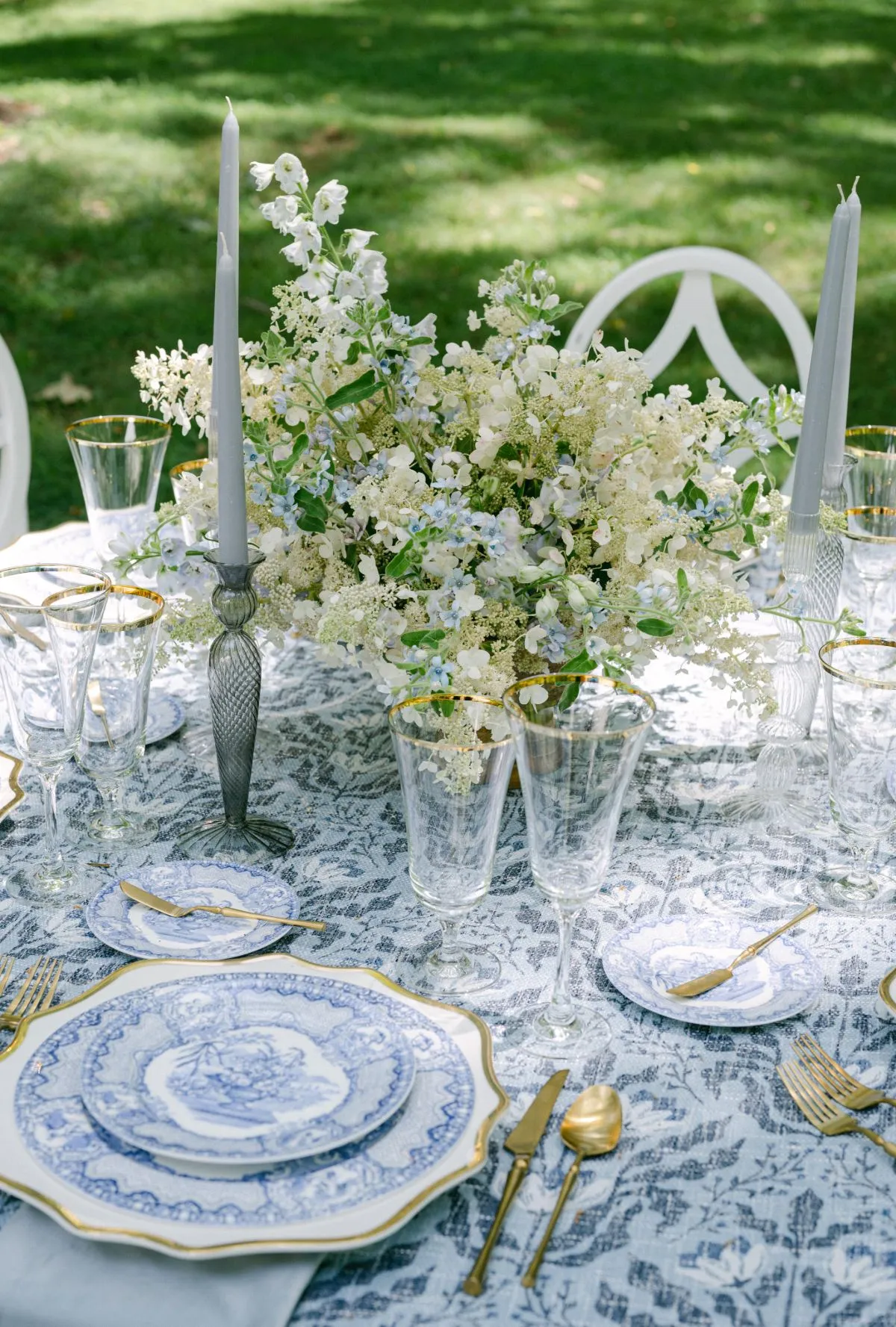
Linens should feel like part of the room’s design, coordinated with centerpieces, tableware, and lighting so every element supports the overall vision.
When coordinating, create a shared visual reference for your team: a single mood board or a digital folder with images of linens, florals, tableware, and the venue. Share this reference with vendors so everyone interprets color and texture identically. This reduces last-minute surprises and supports consistent sourcing.
What Are The Best Ways To Coordinate Linens With Centerpieces And Tableware?
Start with your color story and the dominant style of your tableware. If florals are bold, choose subdued linens to let blooms stand out. Rustic tableware pairs best with natural textures; fine china and crystal benefit from refined, elegant linens. Think in layers: base cloth, runner, napkin, and then tabletop accents.
Balance is key. If centerpieces are low and sprawling, allow more visible table surface by minimizing overlays. If centerpieces are tall and sculptural, use richer linens to ground the vertical drama. Consider the visual “resting” points for the eye and let linens act as the stabilizing element in a complex tabletop composition.
How Does Lighting And Floral Arrangement Influence Linen Selection?
Lighting changes how colors read. Warm lighting amplifies rich hues; bright light can flatten soft tones. Consider the venue’s light and the scale and color of your floral designs when choosing linen shades and textures so everything photographs and feels harmonious.
For evening receptions with candlelight, textures that catch and hold light (like subtle metallic threads or satin runners) can add warmth and depth. For outdoor daytime events, prioritize breathable, matte fabrics that minimize glare and shift color less dramatically in natural light. If possible, test your final linen selection under the actual venue lighting before confirming orders.
What Resources And Tips Do Event Planners Need For Custom Linen Rentals?
Event planners rely on structured coordination and trusted partners when specifying custom linens. Clear documentation and early alignment allow the design to translate accurately from concept to installation.
Accurate table measurements support proper scale and proportion across the room. Recording dimensions for rounds, rectangular tables, banquet layouts, and specialty furniture ensures linens drape cleanly and maintain visual consistency. Shared planning documents help teams execute efficiently during setup.
How Does The Rental And Design Consultation Process Work For Luxury Linens?
Design consultations begin with a conversation around aesthetic direction, venue context, and event flow. Fabric, color, and layering selections follow, supported by curated swatches and reference imagery that clarify texture and tone.
Once selections are confirmed, the rental partner coordinates production timelines, delivery scheduling, and handling guidance. This structured approach allows planners to focus on the broader event composition while preserving the intended tabletop design.
What Are Common Challenges And Solutions In Planning With Custom Linens?
Successful planning centers on alignment across color, timing, and fabrication details. Early swatch review supports accurate color matching, while advance scheduling ensures availability during peak seasons.
Visual references guide consistent execution. Table mockups, reference photos, and clear placement notes allow setup teams to replicate the intended design with precision. Preparedness on site supports smooth installation and maintains fabric presentation throughout the event.
Frequently Asked Questions
What should be considered when selecting table linens for different wedding themes?
Linen selection begins with fabric, finish, and overall aesthetic direction. Natural fibers such as linen suit organic and rustic environments, while satin and velvet support formal and architectural settings. Color and texture should align with the broader palette so linens contribute to visual continuity across the table.
Venue context shapes these choices as well. Outdoor locations benefit from breathable fabrics, while historic or formal spaces often call for materials with structure and sheen. Subtle details such as the surface finish of a runner or the hand of a napkin influence how the theme reads without altering the core design.
How can table linens support guest comfort?
Comfort starts with fabric choice. Soft, breathable materials such as cotton and linen perform well during long meals and warm-weather celebrations. Fabric weight also plays a role, with lighter textiles offering ease and movement and heavier cloths providing structure in cooler or indoor settings.
Proportion contributes to comfort at the table. Well-sized linens support service flow and prevent crowding, while napkins with a generous hand feel enhance the dining experience through both function and texture.
How is the quality of rented linens preserved throughout an event?
Careful handling during setup and breakdown protects fabric integrity and finish. Linens benefit from smooth placement, mindful movement around tabletops, and prompt attention to spills to maintain appearance throughout the event.
Clear coordination with the rental partner supports consistent quality. Inspection upon delivery and communication around any concerns ensure linens perform as intended from installation through conclusion.
How can seasonal elements be incorporated into table linen design?
Seasonal design is expressed through color, texture, and material weight. Lighter hues and airy fabrics complement spring and summer settings, while warmer tones, layered textures, and richer materials support fall and winter environments.
Linens also interact with seasonal décor elements. Neutral textures allow florals and natural accents to stand out, while selective use of deeper or more saturated hues adds seasonal character without overpowering the table.
What advantages do rental services offer for custom table linens?
Luxury linen rentals provide access to premium materials and a wide range of styles curated for design-forward events. This approach allows for flexibility across venues, seasons, and aesthetics while maintaining consistent quality and presentation.
Rental partners also offer design guidance that supports cohesive selection. Fabric recommendations, sizing insight, and pairing suggestions streamline the process and elevate the final result.
How can table linens be personalized with intention?
Personalization works best when applied selectively. Monogrammed napkins, a custom runner, or a signature color choice introduce distinction while preserving balance across the table.
Thoughtful placement enhances impact. A single customized element placed at a focal table or within key guest moments creates visual interest and emotional resonance without overwhelming the overall design.
Conclusion
Custom linens play a defining role in the overall wedding design. Thoughtfully selected fabrics, cohesive color palettes, and intentional layering create tablescapes that feel complete and visually balanced.
Curated Linen Collection offers both curated rental selections and bespoke design services that support refined, personalized events. Through material expertise and collaborative guidance, linens become an integrated part of the celebration rather than a final detail.
Early planning, clear coordination, and a focused design vision allow linens to deliver their full impact. When treated as a core design element, they bring clarity, depth, and lasting visual presence to the wedding day.