
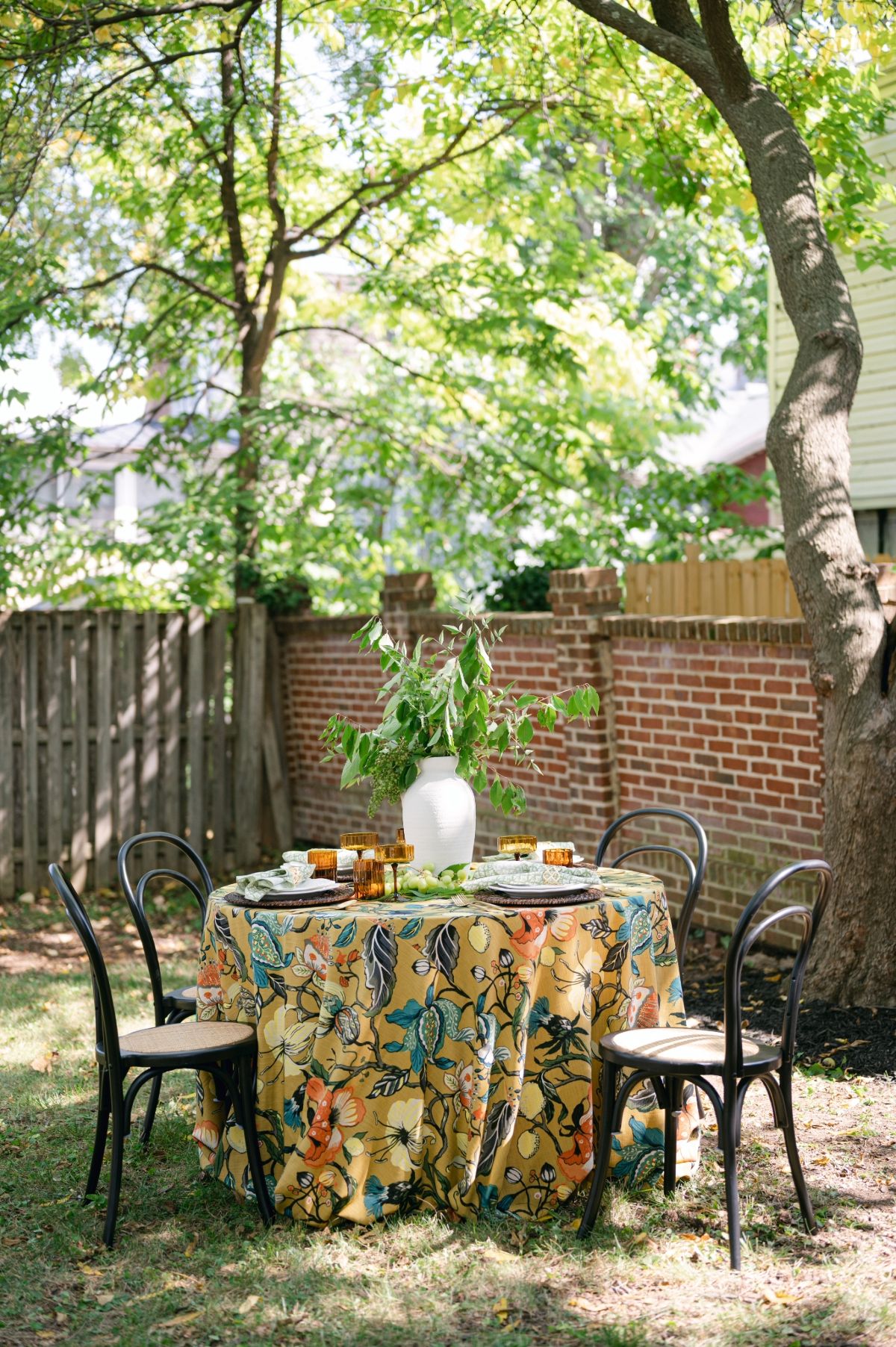
Creating a stunning tablescape for luxury events requires a keen eye for detail and an understanding of how various elements come together to create a cohesive aesthetic. This article delves into the art of bespoke linen curation, focusing on how to design custom tablescapes that elevate the overall ambiance of high-end gatherings. Readers will learn about essential aspects such as material selection, color coordination, and styling techniques, all of which contribute to a memorable guest experience. The challenge many event planners face is ensuring that every detail aligns with the event’s theme while also providing a unique touch that reflects the host’s personality. This guide will explore key elements of linen curation, the importance of texture, and practical tips for creating visually stunning arrangements.
Key Elements To Design Custom Tablescapes for Luxury Events
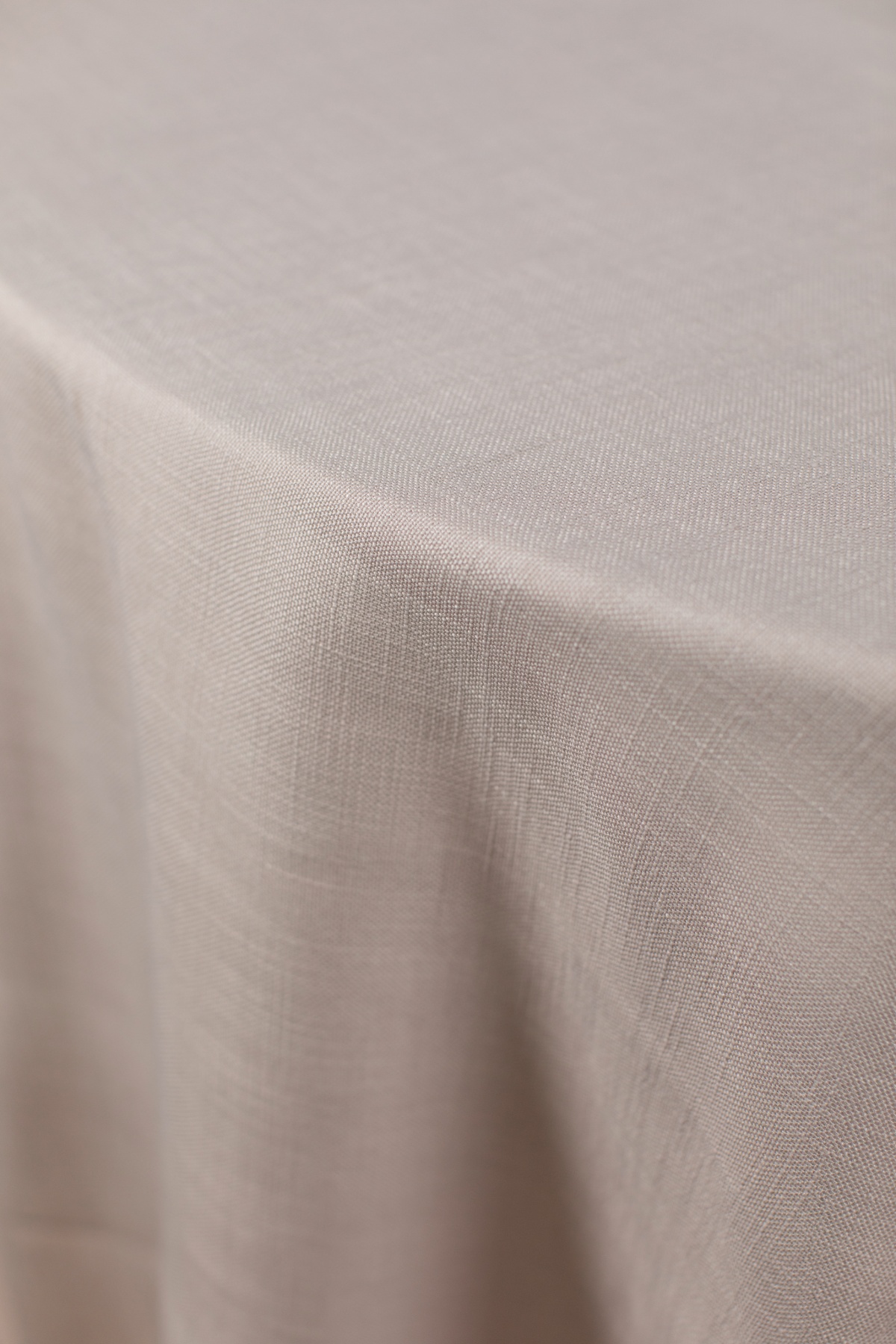
Designing custom tablescapes involves several critical components that work together to create an inviting and elegant atmosphere. By focusing on material selection, color coordination, styling techniques, attention to detail, and integration with the overall design, event planners can craft tablescapes that not only look beautiful but also resonate with the event’s theme.
Material Selection
Choosing the right fabrics for tablescapes is essential in establishing the desired atmosphere. High-quality fabrics such as silk, velvet, and linen can significantly impact the overall look and feel of the event. The choice of material should align with the event’s theme and the mood the host wishes to convey. For instance, luxurious silk can create an opulent feel, while breathable linen is perfect for a relaxed outdoor gathering. Additionally, the interaction of these fabrics with other design elements, such as centerpieces and tableware, can enhance the overall aesthetic.
Color Coordination
Developing a cohesive color palette is vital for creating a harmonious visual experience. Color theory plays a significant role in event design as different colors evoke various emotions and set the mood for the occasion. Aligning the color scheme with the event’s theme can help create a unified look. For example, soft pastels may be suitable for a spring wedding, while rich jewel tones can enhance a winter gala. The key is to ensure the chosen colors complement each other and create a visually appealing arrangement.
Styling Techniques
Implementing layering techniques adds depth and interest to tablescapes. By combining different textures and heights, planners can create visually stunning arrangements that draw the eye. For instance, using a mix of table runners, placemats, and decorative elements can enhance the overall design. The scale of centerpieces should also be considered, as larger arrangements can serve as focal points, while smaller accents can provide balance. Effective styling techniques ensure that each element contributes to the overall aesthetic without overwhelming the table.
Attention to Detail
Incorporating bespoke detailing is what sets luxury tablescapes apart. Custom prints, embroidery, and unique finishing techniques can elevate the design and make it truly one-of-a-kind. Attention to detail not only enhances the visual appeal but also reflects the host’s personality and style. Small touches, such as personalized place cards or custom napkin folds, can leave a lasting impression on guests and create a memorable experience.
Integration with Overall Design
Ensuring that linens work seamlessly with other design components is crucial for a cohesive look. The linens should complement the overall narrative of the event, from the color scheme to the decor style. This integration helps create a memorable guest experience, as every element feels intentional and thoughtfully curated. By considering how linens interact with lighting, tableware, and floral arrangements, planners can achieve a harmonious design that captivates attendees.
Further research emphasizes the importance of narrative theory in designing luxury spaces, ensuring every element contributes to a cohesive story.
Narrative Design for Luxury Event Spaces
This thesis will take the narrative theory as the foundation, analyzing the narrative method of luxury display space. The author adopts the literature research method, systematic analysis method, and interdisciplinary research method to study the luxury display space. By discussing the relationship between the narrative theory and luxury exhibition space, and combining with the cases of luxury brand exhibition space, this paper explores how to apply the narrative theory to the design of luxury exhibition space.
Study on the Design of Luxury Exhibition Space Based on Narrative Theory, 2021
The Art of Bespoke Linen Curation for High-End Events
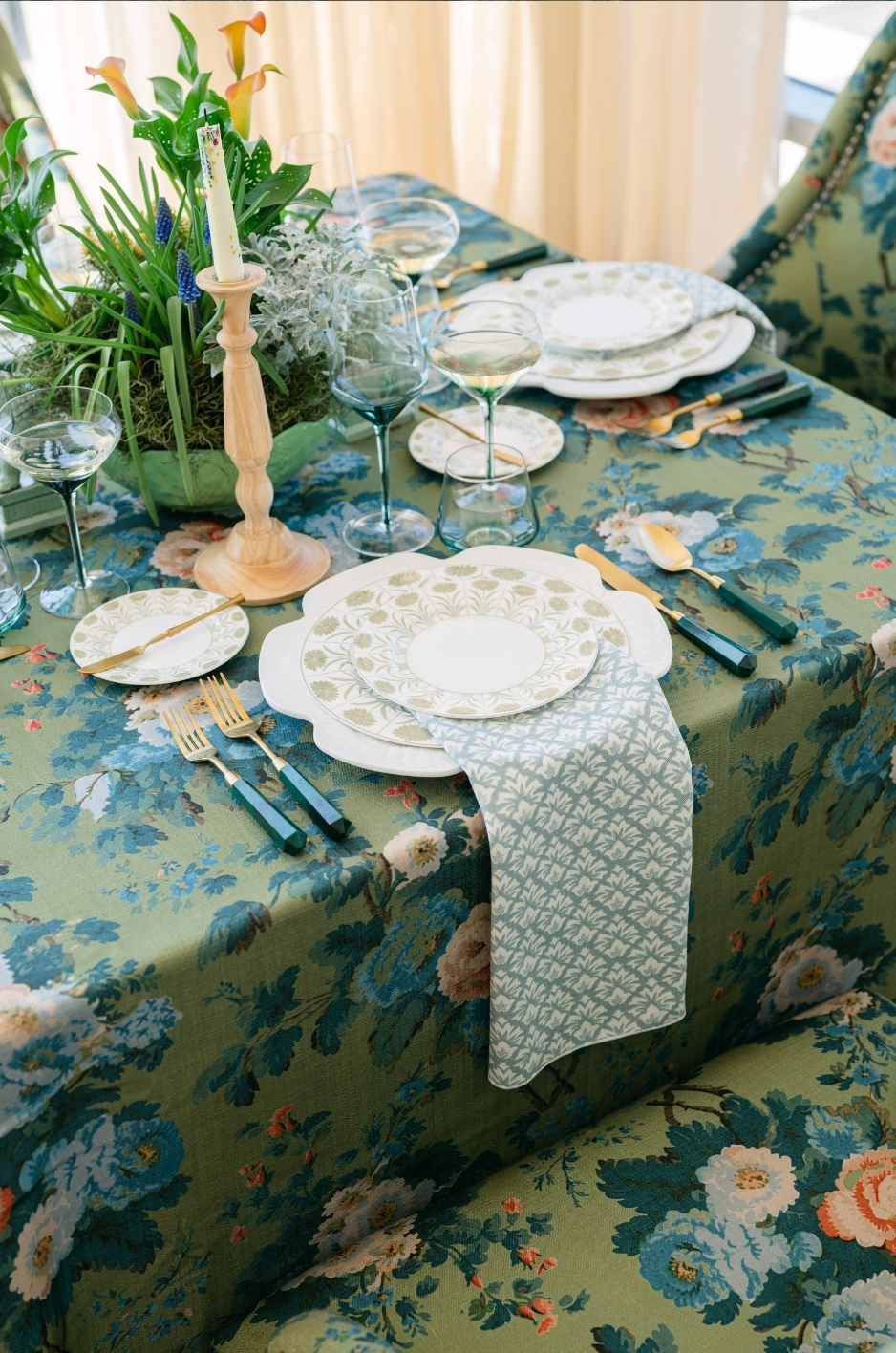
Bespoke linen curation is an art form that requires a deep understanding of aesthetics and functionality. It goes beyond simply selecting fabrics; it involves creating a curated aesthetic that reflects the event’s theme and the host’s vision.
Beyond the Basics: Defining the “Curated” Aesthetic
The curated aesthetic is characterized by a thoughtful selection of textiles that work together to create visual harmony. This approach involves not only choosing fabrics but also considering their textures, patterns, and colors. A refined assortment of linens can elevate the overall design, making it feel intentional and sophisticated. By focusing on the curated aesthetic, planners can ensure that every element contributes to a cohesive look that resonates with guests.
Why Texture Storytelling Matters in Luxury Event Design
Texture storytelling plays a crucial role in luxury event design, as it enhances the visual and tactile experience for guests. Layering different textures can create depth and intrigue, making the tablescape more engaging. For instance, combining smooth silk with rough linen can evoke a sense of contrast that draws the eye. This layering of textures not only adds visual interest but also fosters emotional engagement, as guests are invited to explore the various elements of the design.
Designing Custom Tablescapes: A Planner’s Guide to Fabric and Form
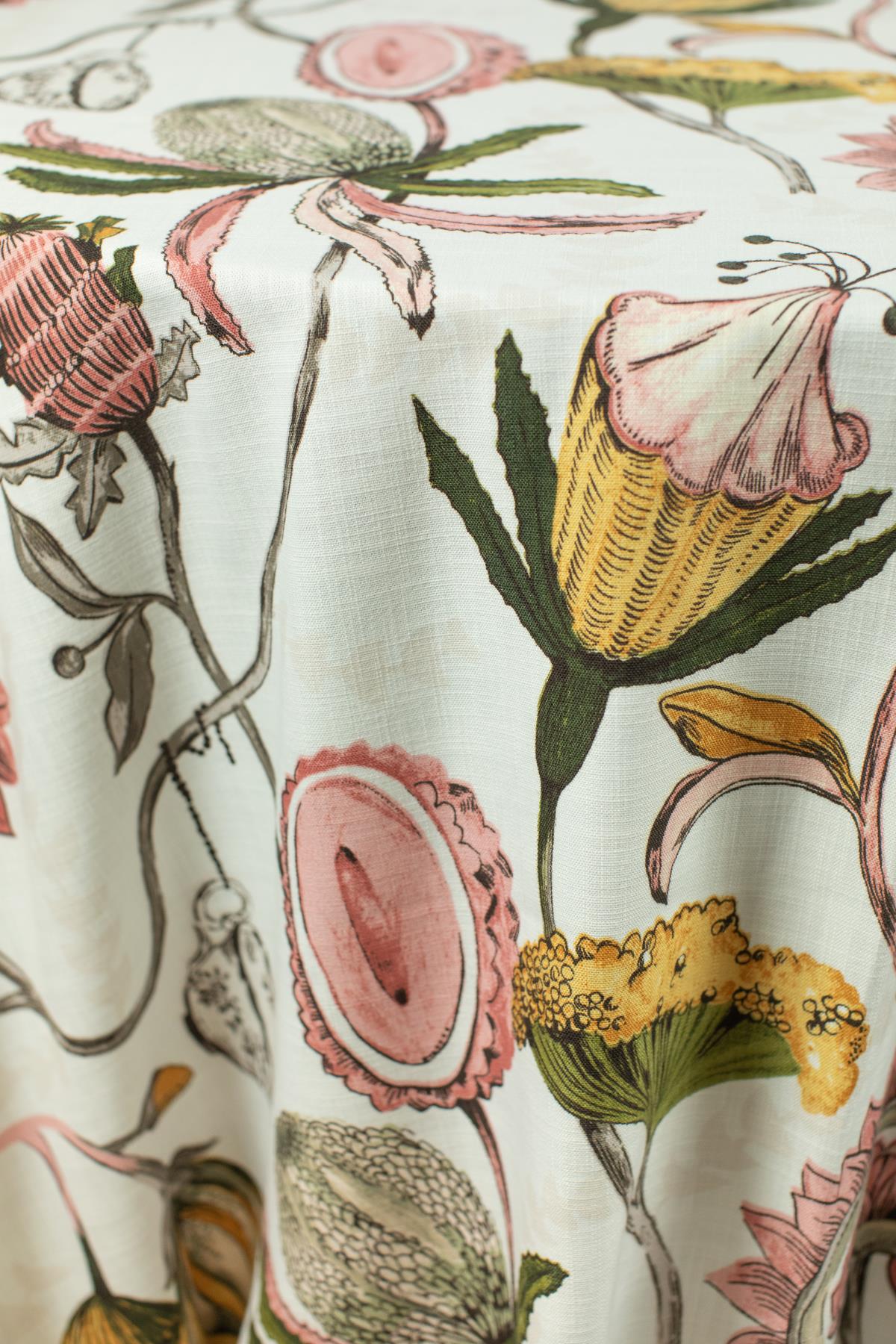
For event planners, understanding fabric choices and design principles is essential for creating stunning tablescapes. This section provides guidance on essential fabric types, core design principles, and practical tips for achieving visually appealing arrangements.
Essential Fabric Choices
Key fabric types for events include silk, velvet, and linen, each offering unique benefits. Silk is known for its luxurious appearance and smooth texture, making it ideal for formal events. Velvet adds richness and depth, while linen is versatile and breathable, perfect for outdoor gatherings. Custom prints can also be incorporated to add a personal touch, allowing hosts to express their style through their tablescapes.
Design Principles
Core principles for effective design include proportion and scale, color harmony, and layering techniques. Understanding how these principles interact can help planners create balanced and visually appealing arrangements. For example, ensuring that centerpieces are proportionate to the table size can prevent overwhelming the space. Additionally, maintaining color harmony throughout the design ensures that all elements work together cohesively.
Tips for Creating Visually Stunning Arrangements
Practical tips for planners include starting with a cohesive design concept, experimenting with texture combinations, and planning early. A cohesive design concept serves as a foundation for all decisions, ensuring that every element aligns with the overall vision. Experimenting with different textures can lead to unexpected and beautiful results, while early planning allows for thoughtful consideration of all design aspects.
How to Curate Tablescapes for Summer Galas, Weddings, and Corporate Retreats
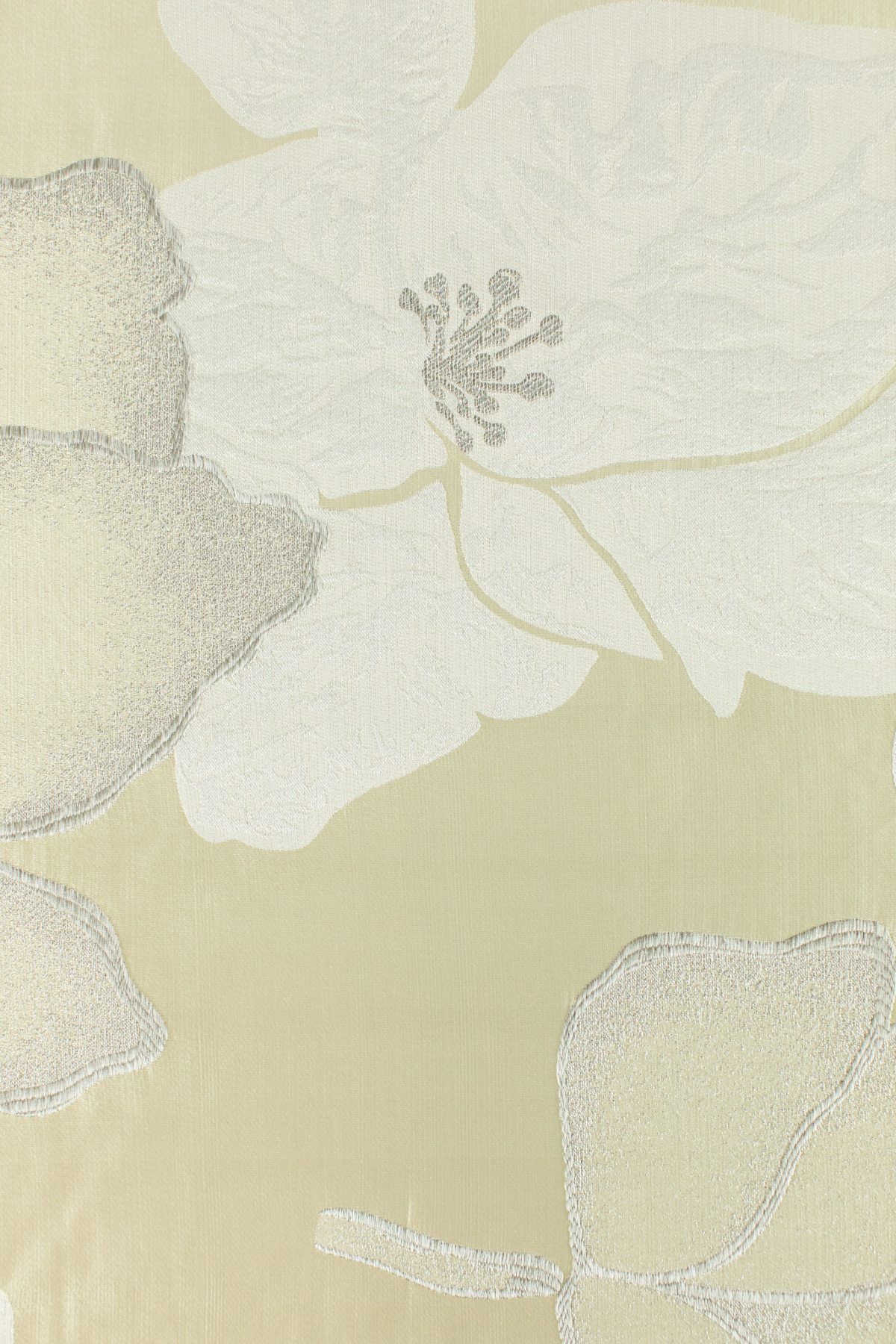
Curating tablescapes for various events requires an understanding of design themes, color palettes, and linen selection tips. Each event type has its unique requirements, and planners must adapt their approach accordingly.
Breathable Elegance: Selecting Linens for Outdoor Summer Venues
Choosing linens for outdoor events involves considering fabric types, color choices, and maintenance tips. Breathable fabrics like linen are ideal for warm weather, as they allow for airflow and comfort. Light colors can help reflect sunlight, creating a fresh and inviting atmosphere. Additionally, planners should consider how to maintain the linens throughout the event, ensuring they remain pristine for guests.
Transitioning from Day to Night: Lighting and Linen Interaction
Understanding lighting’s impact on linen design is crucial for creating a seamless transition from day to night. Different lighting conditions can alter the appearance of fabrics, making it essential to consider how linens will look under various lighting scenarios. For instance, soft, warm lighting can enhance the richness of velvet, while bright daylight may highlight the texture of linen. Planners should experiment with different lighting setups to ensure that the linens complement the overall design throughout the event.
The Strategic Advantage of Design Consultations for Event Planners
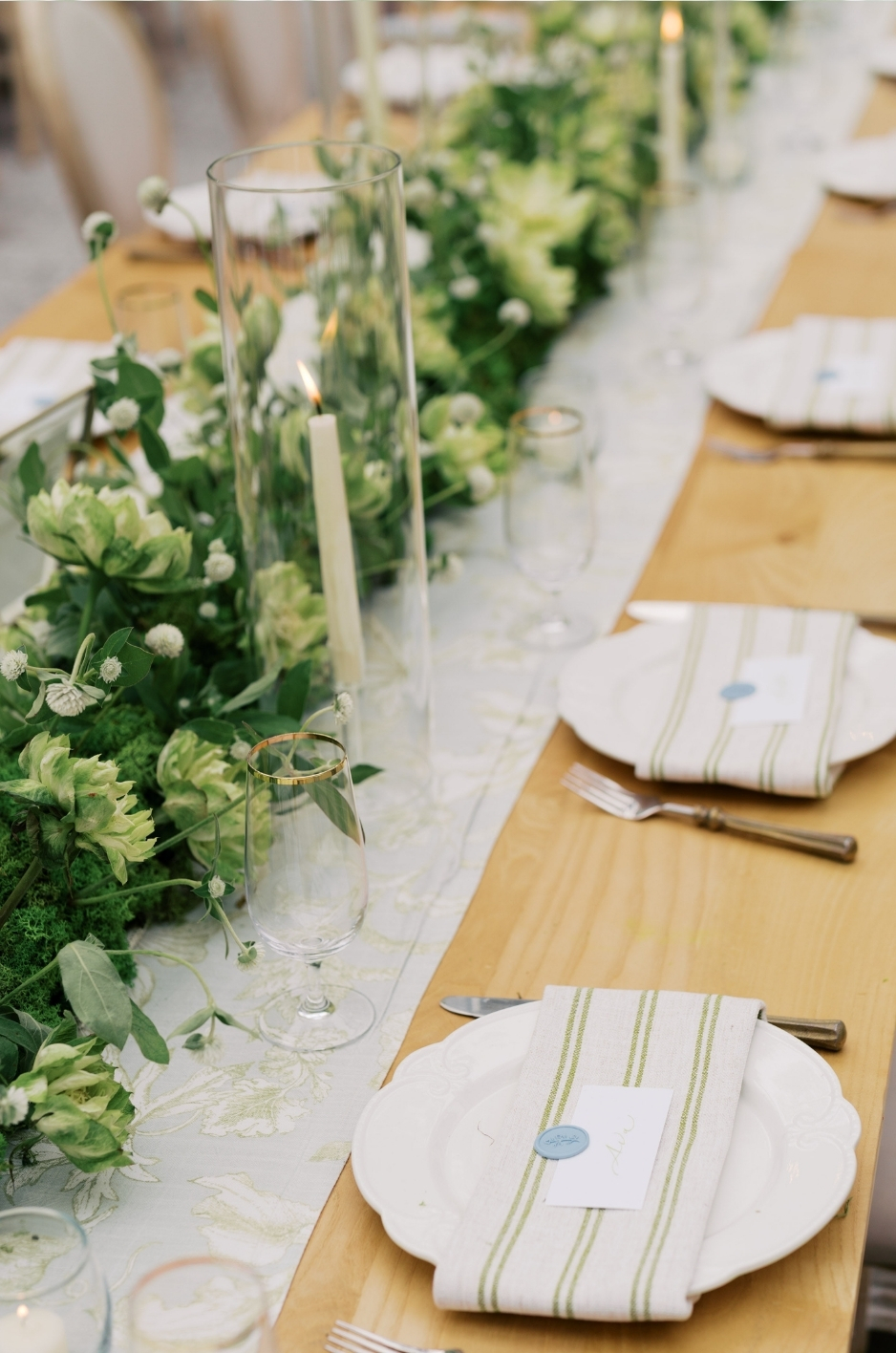
Design consultations offer significant benefits for event planners, enhancing event aesthetics and improving client satisfaction. By collaborating with linen curation experts, planners can access personalized linen selection and expert design consultation, ensuring that every detail aligns with the event’s vision. This strategic advantage streamlines the planning process, allowing for a more efficient and effective approach to event design.
Selecting Event Linen Colors That Complement Your Theme and Atmosphere
Choosing the right linen colors helps define the mood and overall ambiance of your event while bringing the entire décor design together. Soft pastel shades are commonly used for spring weddings, garden parties, and romantic celebrations because they create a bright and elegant atmosphere. Rich jewel tones, deep neutrals, and darker color palettes work especially well for winter events and formal evening gatherings, adding warmth, sophistication, and visual depth to the venue.
Choosing Proper Linen Sizes for a Clean and Professionally Styled Event Setup
Properly sized linens are essential for achieving a polished and visually balanced event presentation. Oversized table linens can appear bulky or overwhelming, while linens that are too small may look incomplete and disrupt the overall design flow. Well-fitted tablecloths, runners, and overlays help create cleaner lines, improve table symmetry, and contribute to a more refined and professional appearance throughout the event space.
Using Coordinated Color Palettes and Accurate Measurements for a Cohesive Presentation
Thoughtful planning and accurate measurements can make event linen selection far more effective and visually appealing. Using a color wheel can help identify complementary shades that align with your event palette and enhance the overall décor aesthetic. Carefully measuring tables before selecting linens also ensures proper coverage and elegant draping for every table style. Combining coordinated colors with precise sizing helps create a cohesive, organized, and professionally styled event setup.
Frequently Asked Questions
What are some common mistakes to avoid when designing tablescapes for luxury events?
Common mistakes include neglecting scale and proportion, leading to either overwhelming or underwhelming designs. Additionally, failing to coordinate colors and textures can result in a disjointed look. It’s also crucial to avoid overcrowding the table with too many elements, which can detract from the overall aesthetic. Lastly, not considering the event’s theme and the host’s personality can lead to a lack of cohesion in the design.
How can I ensure my tablescape is both beautiful and functional?
To balance beauty and functionality, prioritize the arrangement of elements to allow for easy movement and conversation among guests. Choose linens that are not only visually appealing but also durable and easy to clean. Incorporate practical elements like adequate space for dining and serving. Additionally, consider the comfort of guests by ensuring that centerpieces do not obstruct views or conversations, allowing for an enjoyable dining experience.
What role does lighting play in enhancing a tablescape design?
Lighting significantly impacts the ambiance and visual appeal of a tablescape. It can highlight textures and colors, creating a warm and inviting atmosphere. Soft, warm lighting enhances the richness of fabrics like velvet, while brighter lights can accentuate the freshness of linens. Planners should experiment with different lighting setups to see how they interact with the chosen materials, ensuring that the tablescape looks stunning both during the day and at night.
How can I personalize my tablescape to reflect my style or theme?
Personalization can be achieved through custom prints, unique color palettes, and bespoke detailing. Incorporate elements that resonate with your personality, such as monogrammed linens or themed centerpieces that reflect your interests. Additionally, consider using personalized place cards or custom napkin folds to add a unique touch. By thoughtfully curating these details, you can create a tablescape that not only looks beautiful but also tells your story.
What are some tips for maintaining linens during an event?
To maintain linens throughout an event, choose fabrics that are stain-resistant and easy to clean. Have backup linens on hand in case of spills or accidents. Regularly check the condition of the linens during the event to ensure they remain pristine. Additionally, consider the placement of food and drinks to minimize the risk of stains. Proper planning and attention to detail can help keep your tablescape looking its best from start to finish.
How do I choose the right size linens for my tables?
Selecting the right size linens is crucial for achieving a polished look. Measure your tables accurately to determine the appropriate dimensions for tablecloths, runners, and overlays. Oversized linens can appear bulky, while those that are too small may disrupt the design flow. Aim for a clean drape that complements the table’s shape and size, ensuring a professional and visually balanced presentation that enhances the overall aesthetic of the event.
What are the benefits of hiring a design consultant for my event?
Hiring a design consultant can provide valuable expertise in creating cohesive and visually stunning tablescapes. They can offer personalized advice on fabric selection, color coordination, and styling techniques that align with your vision. Additionally, consultants can streamline the planning process, helping to avoid common pitfalls and ensuring that every detail is thoughtfully curated. Their experience can enhance the overall aesthetic and improve client satisfaction, making your event truly memorable.