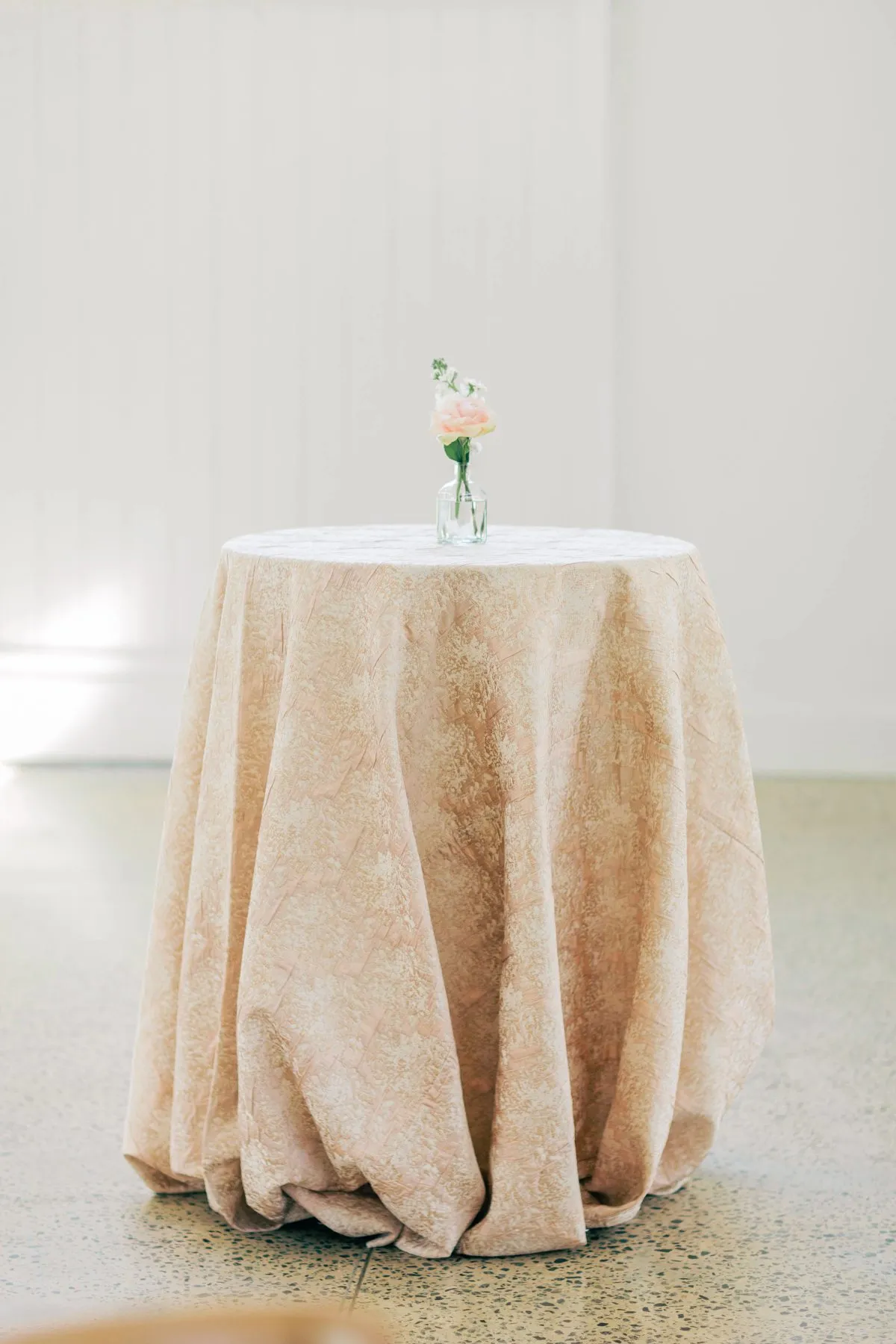
Impeccably crafted wedding linens shape the visual atmosphere and sensory experience of a celebration. Exceptional materials, refined craftsmanship, and meticulous attention to detail define true luxury linens and establish a sophisticated tone across the entire tablescape. Premium fabrics, precise tailoring, and carefully considered design details contribute to linens that feel elegant, cohesive, and enduring. Growing interest in responsibly sourced textiles further enhances modern luxury, allowing couples to incorporate sustainability while maintaining a refined aesthetic.
Selecting luxury linens involves both visual judgment and tactile evaluation.
Fabric samples reveal important qualities such as hand, drape, and structural integrity, while venue lighting and surrounding décor influence how textiles appear within the setting. Tableware, florals, and decorative accents interact with linen textures and colors, shaping the overall composition of the table. Early planning allows couples to incorporate bespoke dimensions, tailored finishes, and layered linen styling that create balance and visual harmony. Thoughtfully chosen linens establish the foundation of a polished tablescape and contribute to an atmosphere defined by elegance, cohesion, and lasting impression.
What Constitutes Premium Linen Fabric for Weddings?
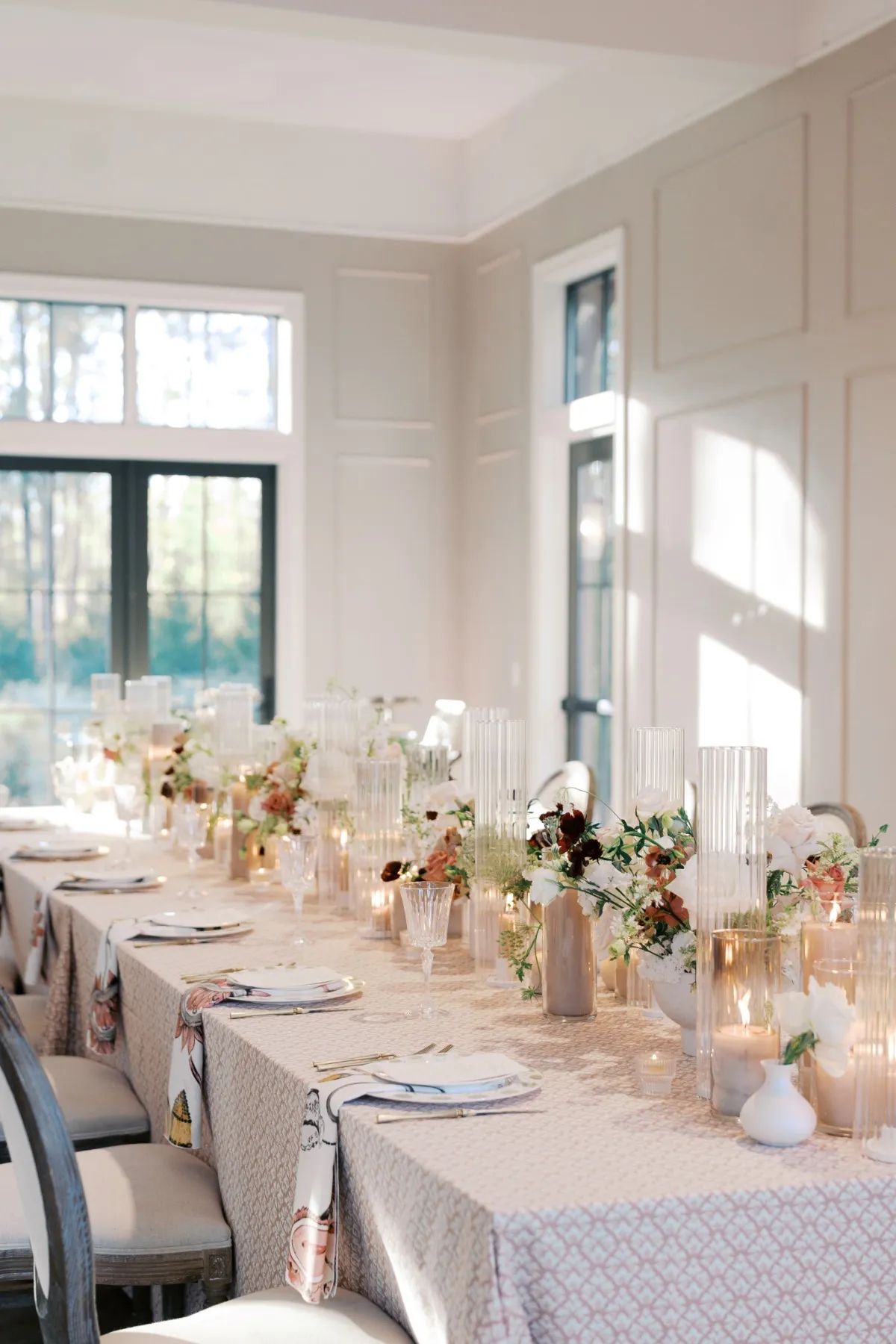
Premium wedding linens are defined by superior tactile quality, structural integrity, and refined finishing. A luxurious textile reveals a smooth, balanced hand, a well-constructed weave, and a finish that preserves both beauty and durability throughout the event. Fabric selection shapes the entire tablescape, influencing how light reflects across the surface, how the cloth drapes over the table, and how the linen complements surrounding décor. Among the most sought-after materials are silk, fine European linen, and carefully woven cotton blends, each valued for distinct visual and tactile characteristics that elevate a wedding setting.
Beyond fiber composition, finishing processes and textile construction influence the performance and appearance of a fabric. Techniques such as mercerization, gentle calendaring, and enzyme finishing enhance luster, softness, and resilience while maintaining the natural character of the material. Precision weaving and consistent dye application ensure depth of color and uniform texture across the cloth. These details distinguish premium linens from standard event textiles and contribute to the polished appearance associated with luxury tablescapes.
Which High-End Wedding Fabric Types Exemplify Luxury and Quality?
Certain fabrics consistently appear in refined wedding tablescapes because of their visual richness and tactile appeal. Silk offers a luminous surface and graceful drape that reflects light elegantly across the table. Linen presents a distinctive natural texture and breathable structure that conveys understated sophistication. Cotton blends provide softness and durability while maintaining versatility across both formal and contemporary design styles. Each material introduces unique qualities that allow designers and couples to craft a cohesive visual experience.
When reviewing fabric samples, attention to weight and weave structure helps determine how the linen will fall across the table and how it will interact with place settings and decorative elements. Heavier silk or sateen-woven cotton fabrics produce a structured, formal drape, while lighter linens create an airy and relaxed aesthetic. Thoughtfully constructed blends such as silk–cotton or linen–cotton combine sheen with structure, offering both elegance and practicality while maintaining the refined character expected of luxury linens.
How Does Fabric Provenance Influence the Prestige of Wedding Linens?
The origin of a textile often contributes to its prestige and cultural significance. Regions known for their historic textile traditions, including Italian silk producers and Belgian linen mills, represent generations of craftsmanship and technical expertise. These weaving centers maintain rigorous production standards and continue to shape many of the world’s most respected luxury fabrics.
Provenance also reflects transparency and responsible production practices within the supply chain. Information about the mill, fiber sourcing, and small-batch weaving methods provides insight into the craftsmanship behind the finished linen. Couples who value heritage and artistry often find deeper meaning in textiles connected to established weaving traditions, where each fabric carries the legacy of place, skill, and enduring craftsmanship.
How Do Weave Techniques Elevate the Texture and Appearance of Designer Wedding Tablecloths?
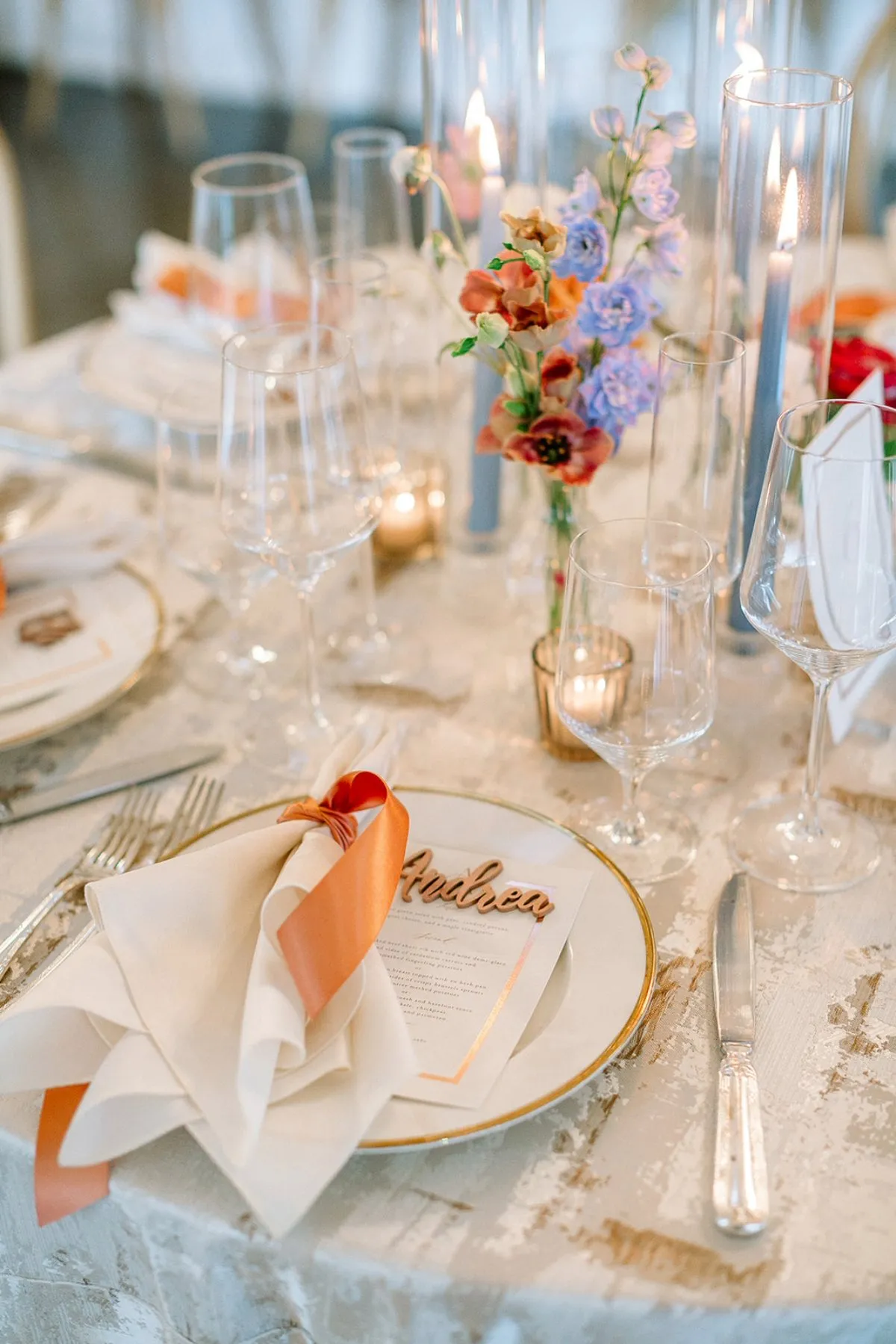
Weave technique shapes the surface character, structure, and light reflection of a fabric. Each weaving method produces a distinct texture and visual depth that influences how a tablecloth appears within a wedding setting. The weave determines how a linen drapes across the table, how it interacts with surrounding décor, and how it holds its structure throughout the event. A carefully selected weave contributes both visual elegance and lasting durability, allowing designer tablecloths to maintain their refined appearance during service.
The relationship between weave and table styling also plays an important role in overall presentation. Damask fabrics feature subtle woven motifs that respond beautifully to layered lighting and formal dining settings. Sateen weaves produce a soft sheen that complements metallic flatware and polished table elements. Denser weave structures offer increased resilience and maintain their appearance through frequent handling and laundering. Thoughtful weave selection allows designers and couples to align aesthetic goals with practical performance.
What Are the Distinctive Characteristics of Damask, Sateen, and Plain Weaves?
Each weave structure introduces its own visual identity and tactile quality. Damask displays intricate woven patterns that create depth and visual richness, making it particularly well suited for traditional and formal celebrations. Sateen produces a smooth, satin-like surface that reflects light with a gentle glow and enhances the richness of color across the table. Plain weave fabrics present a clean, balanced texture that brings understated elegance and pairs easily with decorative overlays or textured runners.
Practical characteristics also influence fabric selection. Damask fabrics woven from long-staple fibers maintain clarity in their patterns and offer durability for repeated use. Sateen weaves intensify color saturation and produce a polished surface that enhances luxurious tablescapes. Plain weaves provide versatility and blend seamlessly with layered table styling. Viewing swatches under venue lighting and alongside table décor helps confirm how each weave will contribute to the final aesthetic.
How Does Weave Intricacy Impact the Durability and Aesthetic of Luxury Linens?
The intricacy of a weave influences both the visual richness and the structural strength of a textile. Finely constructed weaves often incorporate high-quality yarns and balanced thread structures that produce smooth surfaces and enhanced durability. This level of craftsmanship contributes to the elegant texture and refined drape associated with luxury linens.
Intricate fabrics benefit from attentive finishing and proper care to preserve their structure and appearance. Reinforced hems, carefully finished corners, and precise stitching support the longevity of finely woven table linens. With thoughtful maintenance and professional care, these textiles retain their elegance across multiple events while preserving the qualities that define premium craftsmanship.
In What Ways Does Bespoke Tailoring Define the Excellence of Wedding Table Linens?
Bespoke tailoring ensures that wedding linens fit each table with precision and grace. Custom-cut linens follow the exact dimensions of round, rectangular, or banquet tables, allowing the fabric to fall evenly and create balanced proportions throughout the tablescape. This tailored approach contributes to a cohesive visual environment where every table reflects the same level of refinement.
Tailoring details influence how a linen performs and appears during an event. Corner treatments such as mitered or softly rounded finishes create clean lines that frame the table elegantly. Accurate measurement of table dimensions and preferred linen drop allows fabrics to drape smoothly without excess bulk or uneven folds. These careful adjustments transform high-quality textiles into linens that feel deliberately crafted for the setting.
What Customization Processes Enhance Fabric Fit and Finish?
Customization refines both the appearance and performance of luxury linens. Precision cutting and expert stitching create balanced proportions and ensure that fabrics settle naturally across the table surface. Finishing techniques such as hemstitching, subtle piping, or hand-finished edges introduce refined details that elevate the overall presentation.
Additional customization choices include coordinating thread colors with the base fabric, adjusting stitch density for durability, and reinforcing key areas such as table corners or edges. These small refinements strengthen the structure of the linen while maintaining the clean visual lines expected in a luxury tablescape.
How Do Exclusive Design Elements Contribute to Event Sophistication?
Decorative details introduce depth, personality, and artistry into wedding linens. Embroidery, lace accents, and bespoke monograms add texture and visual interest while reflecting the couple’s aesthetic and story. These elements transform linens into distinctive design features that contribute to the atmosphere of the celebration.
Placement and scale guide the effectiveness of decorative work. A subtle tonal monogram on a napkin introduces quiet elegance, while a decorative motif along the edge of a tablecloth draws attention to the structure of the table. Carefully selected thread types and embroidery techniques ensure that embellishments complement the fabric’s natural texture and integrate seamlessly into the overall tablescape design.
Which Design Details Distinguish True Luxury Wedding Linens?
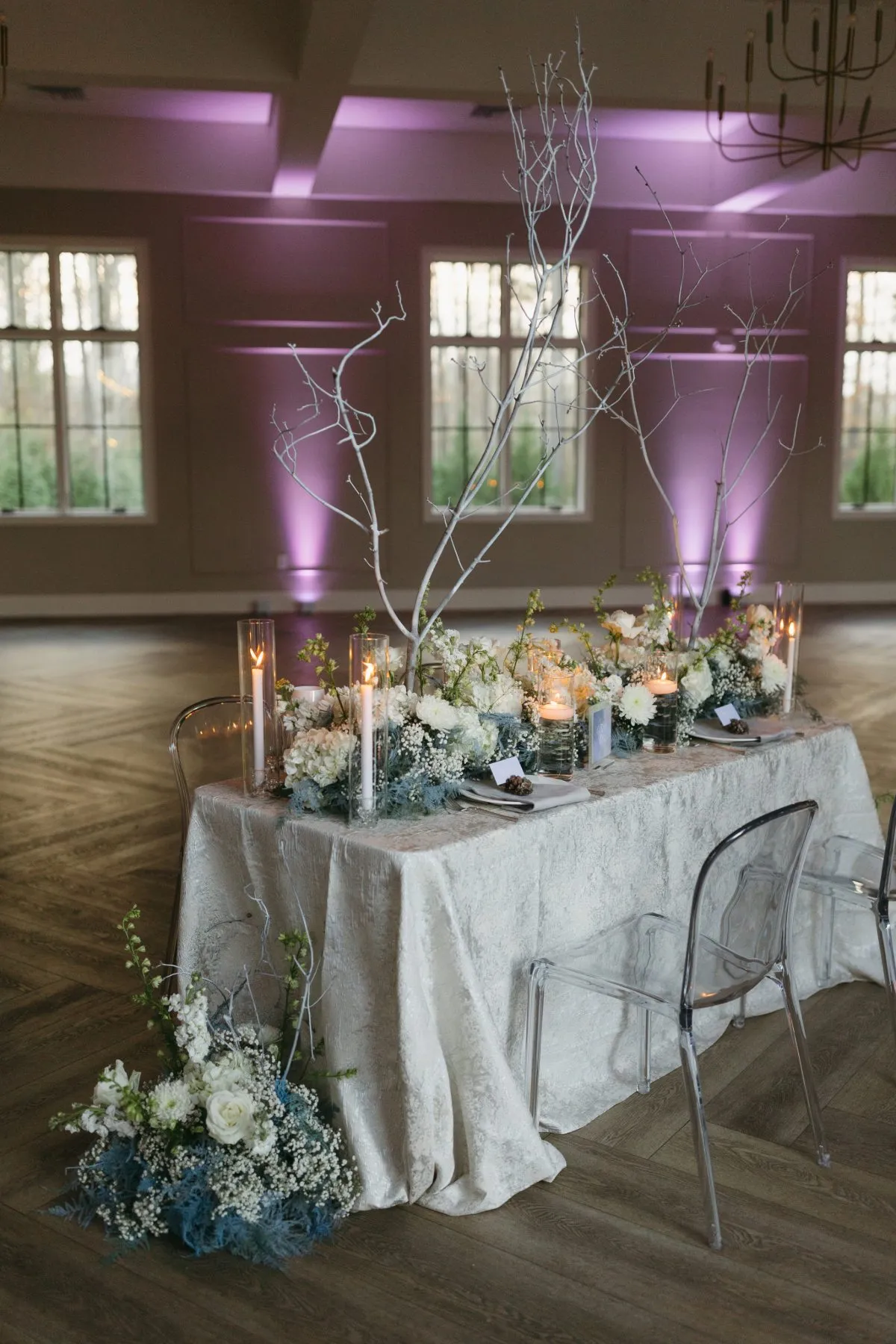
Refined design details reveal the craftsmanship behind luxury wedding linens. Meticulously executed embroidery, delicate lace accents, and personalized monograms introduce texture and individuality while highlighting the care invested in each piece. These elements contribute subtle depth to the tablescape and signal a level of artistry that distinguishes premium linens from standard event textiles.
Finishing techniques also shape the perception of quality. Hand-finished hems, covered edges, and discreet piping create clean lines and polished structure across the table. Careful color coordination among table linens, runners, and napkins strengthens visual harmony and allows the entire tablescape to appear cohesive in both the setting and professional photography. Attention to these finishing touches produces linens that feel thoughtfully designed and visually balanced.
How Do Embroidery, Lace, and Monogramming Elevate Linen Elegance?
Decorative detailing enhances both the texture and character of luxury linens. Embroidery introduces dimension and pattern through carefully placed stitching that adds visual interest without overwhelming the fabric. Lace elements contribute softness and romantic texture, often framing the linen with graceful movement and intricate detail. Monogramming provides a personalized element that connects the linens to the couple’s story and creates a lasting keepsake from the celebration.
The technique used for these embellishments influences the final appearance. Hand embroidery provides subtle variation and tactile richness that reflects traditional craftsmanship. Precision embroidery techniques deliver consistency across repeated motifs and maintain clarity in complex designs. Collaboration with a skilled textile specialist ensures that thread type, stitch style, and placement complement the structure of the chosen fabric and integrate naturally into the overall tablescape.
What Role Does Timeless Aesthetic Play in Designer Linen Selection?
A timeless aesthetic allows luxury linens to maintain their elegance across changing design trends. Balanced patterns, refined textures, and understated color palettes create a foundation that adapts gracefully to a wide range of wedding styles. Neutral tones and subtle woven motifs support sophisticated tablescapes while allowing florals, tableware, and decorative accents to stand out.
Long-term versatility often comes from combining classic base linens with carefully chosen accent pieces. Neutral tablecloths establish a refined canvas, while patterned runners, textured overlays, or seasonal napkin colors introduce visual interest. This layered approach preserves elegance while allowing couples and designers to shape the atmosphere of each event with thoughtful styling.
What Are the Best Practices for Care and Maintenance of Premium Wedding Linens?
Proper care preserves the beauty, structure, and longevity of premium wedding linens. Careful cleaning, precise pressing, and appropriate storage protect delicate fibers and maintain the smooth appearance expected of luxury textiles. Consistent maintenance allows linens to retain their refined texture and balanced drape across repeated use.
A structured care routine supports long-term preservation. Fiber-specific laundering methods, gentle detergents, and controlled pressing temperatures help maintain the integrity of silk, linen, and cotton fabrics. Documentation of supplier care recommendations ensures that each textile receives appropriate treatment, while occasional inspection and airing during storage help maintain freshness and prevent fabric deterioration.
How Should Luxury Linens Be Washed, Ironed, and Stored to Preserve Quality?
Luxury linens benefit from cleaning methods that protect delicate fibers and preserve color clarity. Gentle detergents and cool water cycles help maintain the natural structure of the fabric, while controlled heat during pressing keeps surfaces smooth without damaging the weave. Storage in a cool, dry environment protects linens from moisture and environmental wear.
Protective storage materials also play an important role in preservation. Wrapping linens in acid-free tissue or storing them within breathable fabric bags helps maintain color stability and prevents yellowing over time. Prompt treatment of spills through careful blotting and fiber-appropriate cleaning solutions protects the textile surface and maintains the pristine appearance of the linen.
What Sustainable Care Methods Align with Modern Luxury Linen Trends?
Responsible care practices align with the growing emphasis on sustainability within luxury textiles. Biodegradable detergents, energy-efficient laundering methods, and careful water usage support environmentally conscious maintenance without compromising fabric quality. These approaches extend the life of premium linens while reducing environmental impact.
Longevity itself reflects a sustainable approach to luxury. Durable construction, repairable finishes, and thoughtful maintenance allow high-quality linens to remain part of multiple celebrations. Many premium textile specialists also offer restoration or repair services that preserve the beauty and usability of heirloom-quality linens for years to come.
Why Is Fabric Quality Paramount in Curating Bespoke Wedding Table Linens?
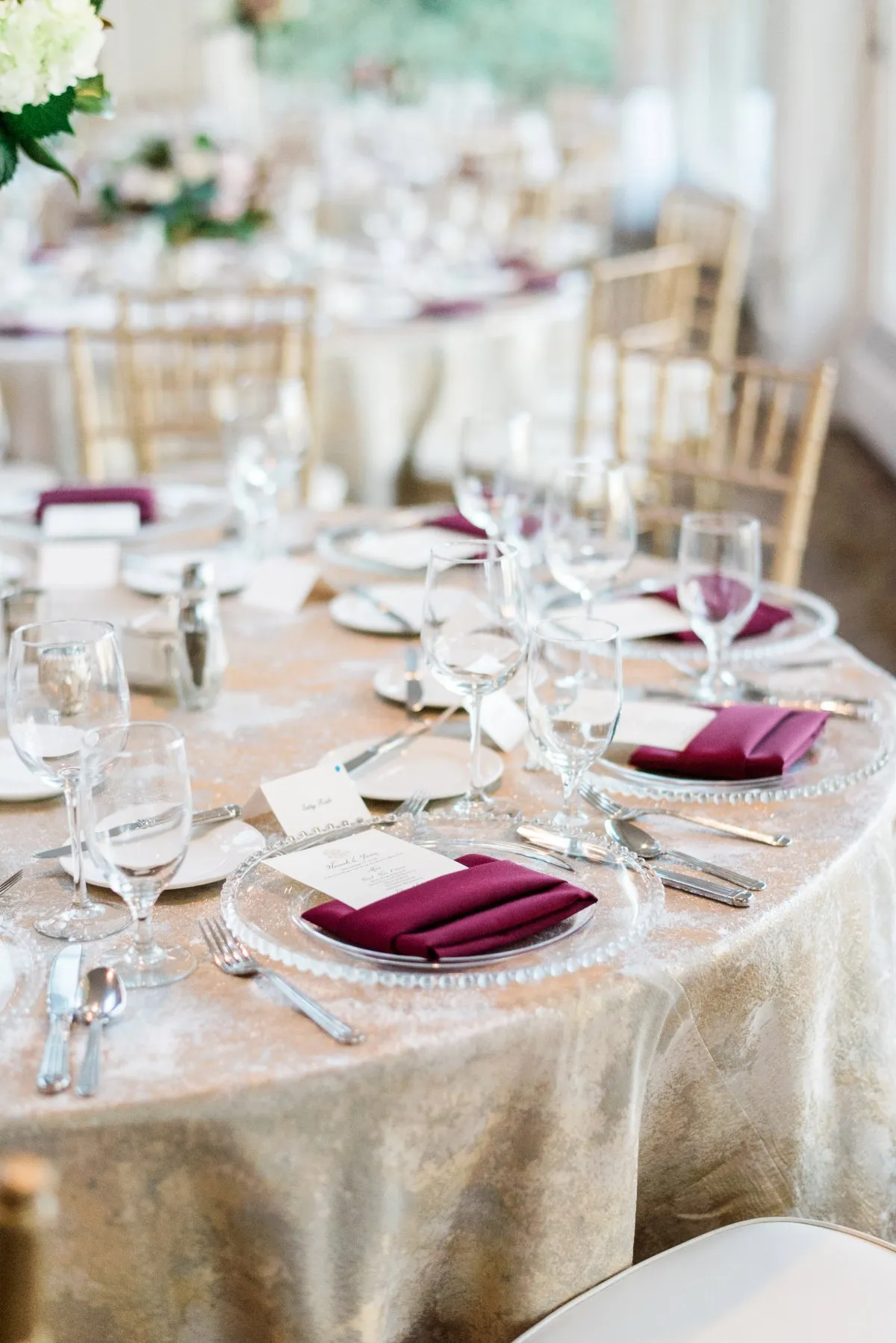
Fabric quality defines the visual elegance, tactile richness, and durability of bespoke wedding table linens. Superior textiles create graceful drape, refined texture, and consistent color that elevate the entire tablescape. Carefully selected fabrics maintain their structure throughout the event and continue to perform beautifully with proper care, making them suitable for future celebrations or heirloom use.
When curating a linen collection, foundational pieces benefit from the highest-quality base fabrics that establish the visual standard of the table. Decorative elements such as overlays, runners, and specialty napkins introduce variation in texture and color while complementing the core linen. This layered approach produces depth within the tablescape and allows each design element to contribute to a cohesive and elegant composition.
How Do Thread Count and Material Composition Affect Linen Luxury?
Thread count and fiber composition both influence the refinement and durability of a textile. Higher thread counts typically produce smoother surfaces and denser fabric structures that drape elegantly across the table. These qualities contribute to the polished appearance associated with luxury linens and support long-lasting performance.
Material composition plays an equally important role in shaping the character of the fabric. Pure silk provides luminous sheen and fluid movement. Fine linen offers natural texture and breathable structure. Balanced blends such as silk–cotton or linen–cotton combine softness, strength, and visual richness. Additional factors including yarn length, fiber quality, and finishing methods further influence the smoothness, resilience, and overall elegance of the textile.
What Fabric Selection Criteria Define the Pinnacle of Wedding Linen Excellence?
Exceptional wedding linens reflect thoughtful evaluation of several key characteristics. Fabric type, thread density, weave structure, and textile provenance each contribute to the overall quality of the linen. These elements shape the appearance, durability, and tactile appeal of the fabric while supporting a cohesive design vision for the tablescape.
Additional considerations include color stability, precise seam construction, and finely finished hems that maintain structure during service. Suppliers who provide detailed fabric information, care guidance, and long-term textile support demonstrate a commitment to craftsmanship and product longevity. These qualities help ensure that the selected linens maintain their beauty and performance well beyond the event itself.
What Are the Latest Trends and Innovations in Luxury Wedding Linens for 2026?
Luxury wedding linens continue to evolve as designers explore new textile techniques, refined finishes, and advanced fabric treatments. Recent developments emphasize elegant textures, improved durability, and sophisticated color depth that support contemporary wedding design.
Innovations in textile finishing allow fabrics to maintain structure and smoothness throughout an event while preserving softness and breathability. Advances in dyeing techniques produce rich, consistent color with improved longevity. These developments expand the creative possibilities available to event designers while maintaining the craftsmanship and visual refinement expected in luxury linens.
How Are Designer Wedding Tablecloths Adapting to Evolving Event Sophistication?
Modern wedding tablescapes increasingly feature layered textures, refined patterns, and carefully curated color palettes. Designer tablecloths incorporate subtle woven details, tonal patterns, and structured fabrics that enhance visual depth without overwhelming surrounding décor.
Many designers now develop coordinated linen collections that include complementary tablecloths, runners, and napery. These coordinated elements allow for creative variation across tables while preserving harmony throughout the venue. The result is a sophisticated visual environment in which each table contributes to a cohesive and carefully styled event design.
What Role Do Tailoring Techniques Play in Shaping Future Bespoke Linen Designs?
Tailoring techniques continue to advance as traditional craftsmanship meets modern precision. Skilled artisans combine hand-finishing methods with refined pattern development to produce linens that fit tables with exceptional accuracy. This balance of craftsmanship and precision allows designers to create linens that feel both bespoke and consistently executed.
Advances in patterning technologies support intricate design work while preserving the tactile qualities associated with handcrafted textiles. These developments expand the possibilities for custom linen designs that reflect personal style while maintaining the structure, balance, and elegance expected in luxury wedding tablescapes.
Frequently Asked Questions
What Are The Benefits Of Using Luxury Wedding Linens Over Standard Options?
Luxury wedding linens feature superior fabrics, refined craftsmanship, and precise tailoring that enhance the elegance of the tablescape. Premium textiles drape beautifully, photograph well, and maintain their structure throughout the event.
How Can Couples Choose The Right Color Palette For Their Wedding Linens?
Start with a dominant color that reflects the wedding aesthetic, then introduce complementary tones that coordinate with florals, tableware, and décor. Testing fabric swatches in the venue lighting helps confirm the final palette.
What Are Some Popular Trends In Luxury Wedding Linens For 2024?
Current trends include layered textures, tonal color palettes, and responsibly sourced fabrics. Designers are also incorporating subtle woven patterns and sculptural linen details that add depth to the tablescape.
How Can Couples Ensure Their Luxury Linens Are Eco-Friendly?
Choose linens made from responsibly sourced natural fibers such as fine linen or organic cotton. Many premium suppliers also provide transparency about dyeing methods, textile mills, and sustainable production practices.
What Should Couples Consider When Renting Luxury Wedding Linens?
Review fabric quality, available designs, and finishing details to ensure alignment with the event aesthetic. Confirm delivery logistics, setup support, and care procedures with the provider.
How Can Couples Personalize Their Wedding Linens?
Personalization often includes monograms, embroidered motifs, or bespoke color accents. Subtle details on napkins or linen edges add individuality while maintaining a refined appearance.
Conclusion
Choosing luxury wedding table linens is an investment in atmosphere and lasting quality. Thoughtful selection of premium fabrics and bespoke tailoring produces a sophisticated setting that endures in memory. Embracing sustainable luxury further aligns the occasion with contemporary values. Explore our curated collection of exquisite linens to elevate your special day today.
In summary, approach linen selection as a process: request swatches, confirm care and repair services, discuss bespoke options and consider the lifecycle of each piece. This methodical approach ensures a harmonious tablescape that reflects both personal taste and considered craftsmanship.