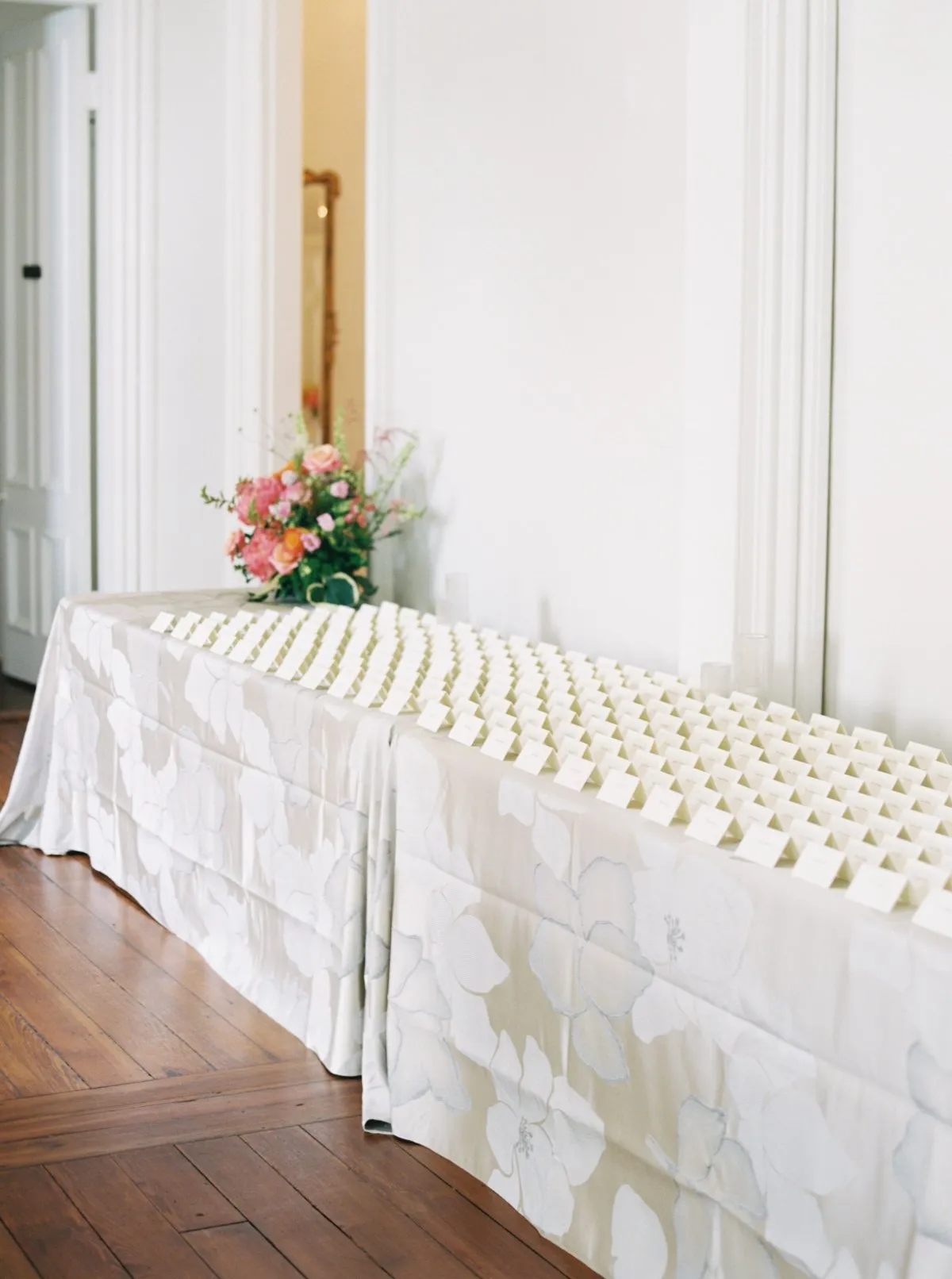
Wedding linens do far more than cover tables. They introduce color, texture, pattern, and movement into a reception while creating a visual foundation for florals, tableware, candles, stationery, and other carefully selected details. When chosen thoughtfully, luxury wedding linen rentals can transform individual tables and help the entire celebration feel cohesive.
The right linen plan considers more than a single tablecloth or napkin color. It accounts for the venue, table dimensions, lighting, floral direction, guest experience, and the role each surface plays within the reception. Guest tables may establish the room’s primary design language, while sweetheart tables, cake displays, bars, cocktail tables, and welcome areas create opportunities for more distinctive textile moments.
Curated Linen Collection focuses solely on tailored tabletop linens and accessories for elevated events. Its collection includes patterned and solid linens, runners, napkins, pillows, specialty overlays, custom sizes, and custom designs, with nationwide shipping available for celebrations across the country.
This guide explains how to select, coordinate, customize, reserve, receive, and return luxury linens for a polished wedding design.
What Are Luxury Wedding Linen Rentals?
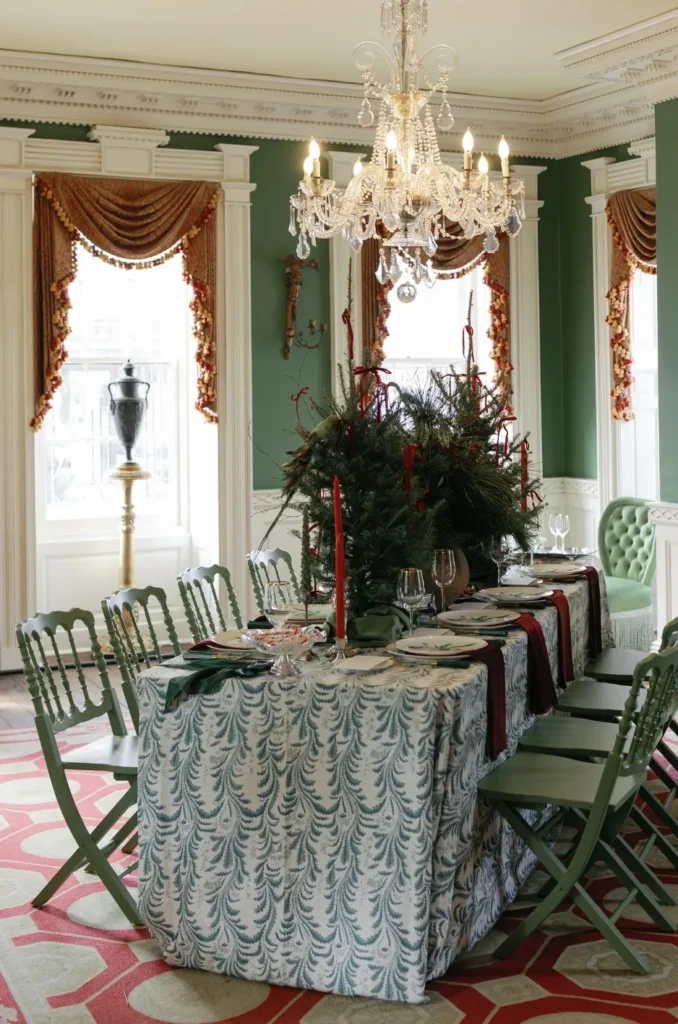
Luxury wedding linen rentals are premium textiles selected to support the visual direction and level of refinement intended for a wedding. Rather than functioning as background coverings, they become active design elements that influence how the tables, florals, tableware, and venue appear together.
A luxury linen plan may combine full tablecloths, runners, napkins, placemats, specialty overlays, and textile accents. The strongest selections are not based solely on whether a fabric is attractive on its own. They are based on how the fabric interacts with the room, reflects light, drapes over the table, supports the color palette, and contributes to the complete guest experience.
How Luxury Linens Shape the Wedding Design
Linens usually create one of the largest visual surfaces in a reception. This gives them considerable influence over the room’s color balance and atmosphere.
A quiet solid linen can provide a refined foundation for detailed florals and decorative china. A richly textured tablecloth can introduce depth without adding a competing pattern. A distinctive printed linen can establish the wedding’s central color story and provide inspiration for napkins, stationery, floral accents, and lounge textiles.
Because linens sit beneath nearly every tabletop element, their tone and texture affect how those details are perceived. Warm fabrics can soften a large room, while crisp tailored linens can reinforce a more structured design. Deep shades may create intimacy and drama, while light neutrals can make florals and tableware appear more prominent.
The Difference Between Foundational and Statement Linens
Foundational linens establish consistency across the reception. They are often used on guest tables or throughout the primary dining space, where a repeated color, fabric, or finish helps the room feel unified.
Statement linens are used more selectively. A custom print, expressive pattern, contrasting trim, or distinctive texture can distinguish a sweetheart table, cake display, welcome table, or another focal area. These pieces introduce personality without requiring every surface to use the same attention-grabbing design.
A balanced linen plan often combines both approaches. Foundational pieces create visual order, while statement pieces direct attention to meaningful areas of the celebration.
Why Renting Offers Greater Design Flexibility
Renting gives couples and planners access to a broader range of fabrics, patterns, sizes, and specialty pieces than they might otherwise source for a single event. It also allows the linen selection to be tailored to the specific venue, table layout, and wedding concept.
The rental approach is especially useful when a reception requires different textile treatments for multiple surfaces. Guest tables may use one linen, while cocktail tables, bars, welcome displays, and focal tables receive coordinated alternatives. This creates a layered environment without forcing every table to look identical.
Which Wedding Linen Products Are Available?
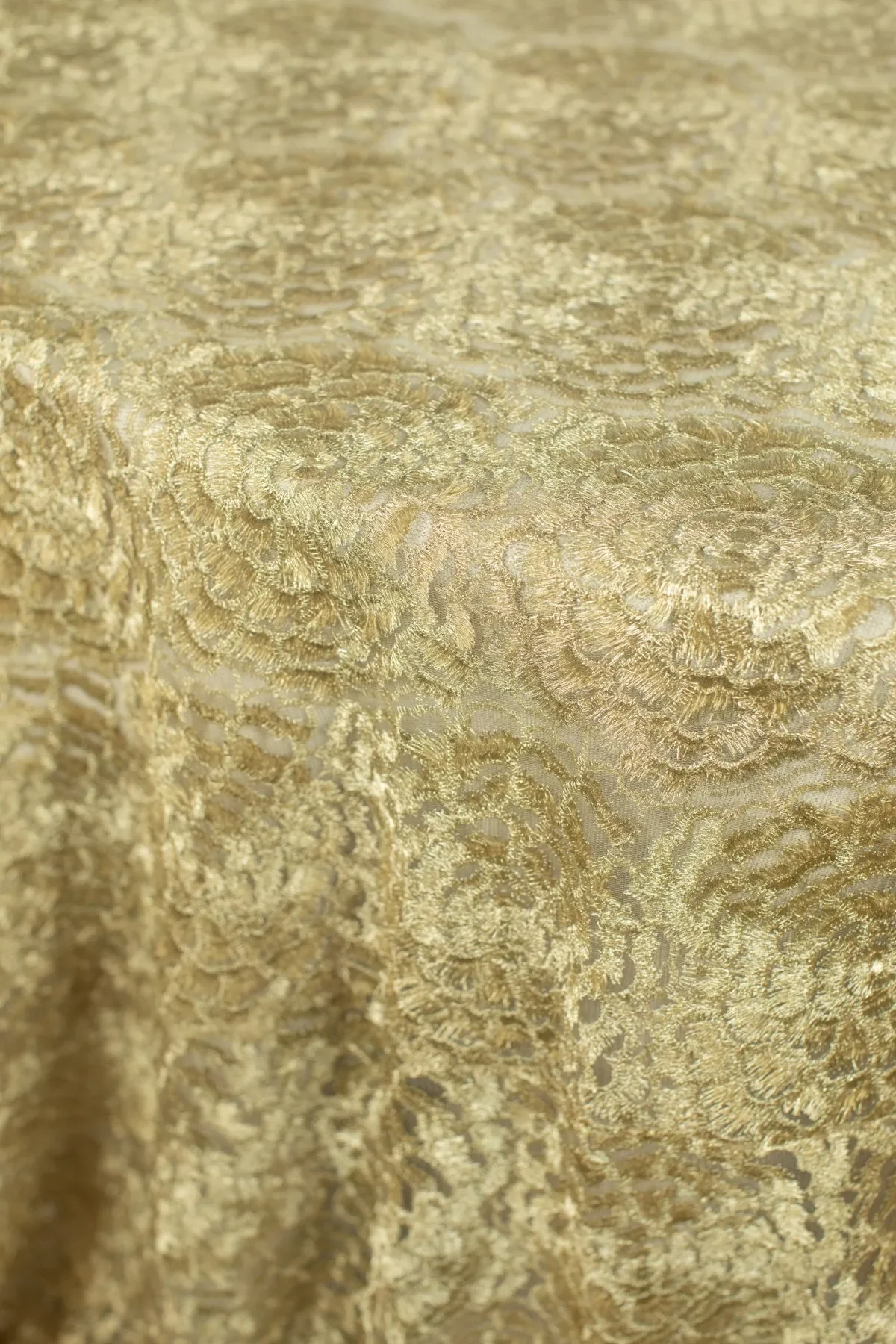
A complete wedding linen plan may include several product categories, each serving a different functional and visual purpose. Curated Linen Collection offers linen sizes for standard and specialty tables, along with runners, napkins, pillows, specialty overlays, and fabrics that include velvet, linen, and custom blends. Custom sizes and one-of-a-kind designs are also available.
Understanding these options makes it easier to choose products that suit each part of the wedding.
Tablecloths for Guest and Feature Tables
Tablecloths create one of the broadest textile surfaces in the reception and often establish the room’s primary visual direction. When selecting premium tablecloth rentals, table shape, desired drop, fabric texture, surrounding décor, and the role of each table should all influence the final choice. Guest tables generally benefit from a repeatable treatment, while feature tables can support stronger patterns, textures, or custom details.
A full-length tablecloth creates a finished appearance and conceals the table structure beneath it. A more tailored drop can produce a different silhouette when the table itself is intended to remain partially visible. The best choice depends on the formality of the event, the table shape, and how the fabric is expected to drape.
Guest tables generally benefit from a repeatable linen treatment that looks cohesive across the room. Feature tables can support stronger patterns, richer textures, or custom details because they occupy smaller, more concentrated areas.
Table Runners and Specialty Overlays
Runners introduce color, pattern, or texture without covering the full tabletop. They work particularly well on long banquet tables, where they can create direction and visually connect multiple place settings.
A runner can be placed over a complementary tablecloth or styled directly on an exposed table surface. When layering textiles, pairing table runners with textured base linens requires attention to differences in weave, weight, color, and pattern so that the two materials add depth without competing for attention.
Specialty overlays create another opportunity for thoughtful layering. The way specialty table overlays are shaped, draped, and proportioned can influence whether they subtly soften the table or become a more noticeable design feature, particularly on sweetheart, cake, and other focal tables.
Napkins and Personalized Details
Napkins are among the most visible linen details because they appear at every place setting. Their color, texture, fold, and placement affect how the plate, menu, flatware, and other tabletop elements appear together.
A solid napkin can balance a patterned tablecloth, while a printed or bordered napkin can bring personality to a quieter foundation. Monograms and custom designs may also be incorporated when the couple wants a more individualized element.
Napkins do not need to match the tablecloth exactly. A coordinated contrast often produces a more layered result. The connection may come from a shared undertone, a repeated accent color, or a relationship between the patterns.
Placemats and Tabletop Accents
Placemats provide definition at each seat and can introduce an additional material, edge treatment, shape, or color. They are particularly effective when the table design benefits from more structure around the place settings.
A scalloped placemat may soften a formal tablescape, while a clean-edged design can support a modern concept. Placemats can also help separate tableware visually from a patterned tablecloth, preventing the individual place settings from becoming lost in the larger design. You may also find Luxury Tablecloth Rentals for Weddings and Formal Events helpful.
Decorative Pillows for Coordinated Lounge Areas
Textile planning can extend beyond dining tables. Decorative pillows offer an opportunity to repeat selected colors or patterns in lounge areas without reproducing the table design exactly.
A color used in the guest-table napkins might reappear in pillows, or a pattern from a runner could be referenced through a related print with a different scale. This creates continuity between dining and seating areas while allowing each space to maintain its own identity.
Curated Linen Collection includes pillows among its textile offerings, enabling planners to carry the linen story into other parts of the celebration.
How Should Linens Be Selected for Different Wedding Tables?
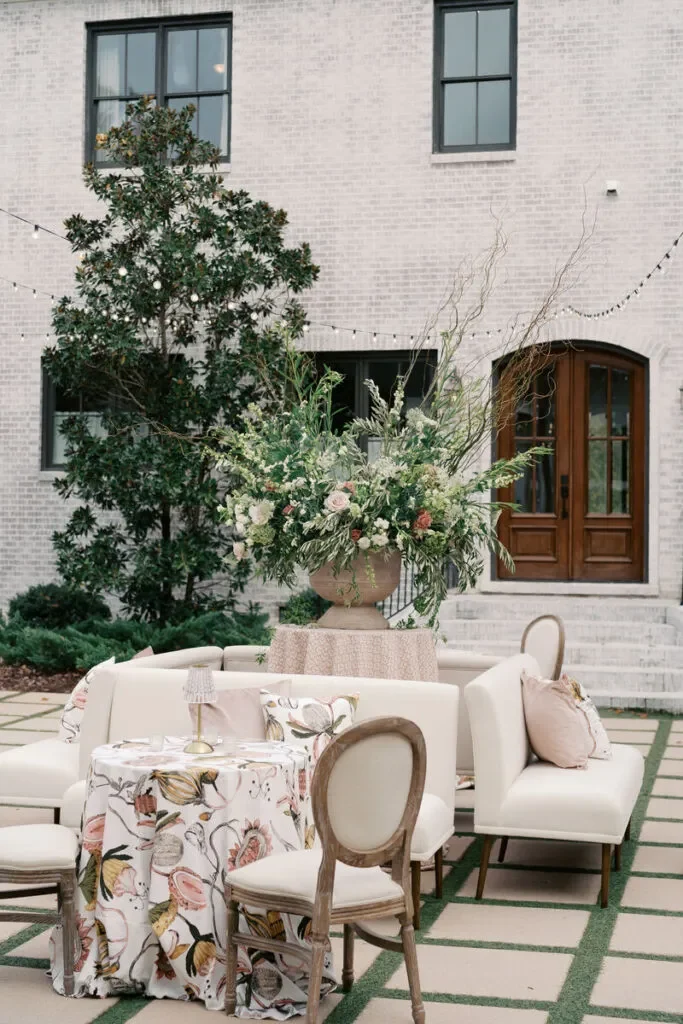
A cohesive wedding does not require one linen to be repeated on every surface. In fact, using table-specific linen treatments can create visual hierarchy and help guests understand which areas are meant to serve as focal points.
The goal is not to make every table different. Instead, each selection should feel related through color, pattern, texture, proportion, or finishing details. Curated Linen Collection’s published wedding guidance similarly recommends treating guest tables, specialty tables, cocktail areas, bars, cake displays, and lounges as connected but distinct design opportunities.
Guest Tables
Guest tables occupy much of the reception space, so their linens usually establish the dominant mood of the room. The selected fabric must work well at scale and support repeated centerpieces, place settings, candles, and chairs.
A patterned guest-table linen can create a memorable room when the remaining elements are carefully edited. Alternatively, a solid or lightly textured foundation can allow detailed florals, layered tableware, or sculptural centerpieces to command more attention.
When evaluating guest-table linens, consider how the fabric looks from across the room as well as from a seated position. A pattern that appears subtle in a swatch may become more pronounced when repeated across twenty tables.
Sweetheart and Head Tables
The sweetheart or head table should remain connected to the broader reception design while carrying an additional level of distinction. Couples and planners can make the sweetheart table stand out through a richer texture, custom pattern, contrasting overlay, tailored size, or specialty finish that builds on details already established throughout the room.
That distinction might come from a richer texture, custom pattern, contrasting overlay, tailored size, or specialty finish. A color used subtly on guest tables can become more concentrated at the sweetheart table, creating a focal point without introducing an unrelated design direction.
The floral arrangement, chairs, backdrop, lighting, and table shape should all be considered before finalizing this linen.
Cake, Dessert, and Gift Tables
Smaller display tables are ideal places to introduce a statement linen. Because they occupy less visual space, they can support a more expressive pattern or detail without overwhelming the reception.
A cake table linen should complement the cake rather than compete with it. If the cake includes intricate decoration, a textured solid or restrained print may provide the best foundation. A simpler cake design may sit successfully against a more distinctive pattern.
Gift, favor, and dessert tables should still feel connected to the broader textile plan. Repeating a guest-table color, sweetheart-table trim, or selected pattern can prevent these areas from appearing visually separate.
Cocktail Tables, Bars, and Welcome Displays
Cocktail tables, bars, escort-card displays, and welcome areas shape the guest experience before dinner begins. Their linens help extend the wedding design into transitional spaces that might otherwise feel purely functional.
A cocktail table can repeat the guest-table linen or introduce a coordinated solid. Welcome and escort displays may use a custom runner or statement tablecloth that supports the stationery design. Bar and beverage areas can be visually connected through textiles without implying that the linen provider supplies the bar, glassware, or catering equipment.
These smaller surfaces are especially useful for repeating design details across the venue.
How Do Fabric, Texture, and Finish Affect the Tablescape?
Color is only one part of linen selection. The relationship between texture, weight, and drape can significantly change how a textile looks on the table, responds to lighting, and interacts with florals, tableware, and surrounding furnishings. Two fabrics in a similar color can therefore create very different results.
A fabric should be evaluated in relation to the table shape, venue conditions, lighting, surrounding furnishings, and decorative elements. Two linens in the same color may create entirely different impressions if one is matte and structured while the other is soft and reflective.
Smooth, Textured, Matte, and Luminous Fabrics
Smooth fabrics create a clean visual surface and can support detailed place settings or prominent floral arrangements. Textured fabrics introduce dimension, making even a restrained color feel layered and intentional.
Matte finishes absorb more light and generally create a softer appearance. Luminous or gently reflective fabrics respond more visibly to candlelight, overhead fixtures, and natural light. They can add depth to an evening reception but should be reviewed carefully to ensure the finish supports the intended mood.
Velvets, linens, and custom blends are among the fabric types available through Curated Linen Collection. Each material should be selected for its visual effect rather than according to a rigid seasonal rule.
Choosing the Right Drape for Each Table Shape
Fabric weight and construction affect how a linen falls over a table. Some materials create a fluid silhouette, while others hold a more structured shape.
Round tables require enough fullness for an even drop around the circumference. Long rectangular tables make fabric seams, pattern direction, and runner placement more noticeable. Cocktail tables may require tailored sizing to avoid excess fabric around the base, while specialty tables often need measurements confirmed individually.
For patterned linens, the relationship between the print and table shape also matters. A large motif may appear differently on a small cocktail table than it does on a wide guest table.
Evaluating Linens Under Venue Lighting
Lighting can significantly alter how a linen color or finish appears. Natural daylight may reveal undertones that are less visible under warm evening lighting. Reflective fabrics can become more pronounced near candles or uplighting, while deep colors may appear nearly black in dim areas.
Whenever possible, fabric samples should be reviewed under lighting conditions similar to those expected during the wedding. Consider the event timeline as well. A reception beginning in daylight and continuing into the evening requires linens that remain visually effective under both conditions. You may also find How Wedding Linen Rentals Transform Ceremony & Receptions helpful.
Balancing Linen Texture With Other Décor
Every table has a limited amount of visual space. When the linen carries a strong pattern or texture, the surrounding elements may need greater restraint. Conversely, a quieter linen can support fuller florals, decorative chargers, layered stationery, or detailed china.
Balance does not require minimalism. It requires deciding which elements should lead and which should support. A heavily patterned tablecloth, elaborate floral arrangement, highly decorative plate, and bold napkin may compete when used together. Editing one or two of those features can create a clearer hierarchy.
How Can Colors and Patterns Be Coordinated?
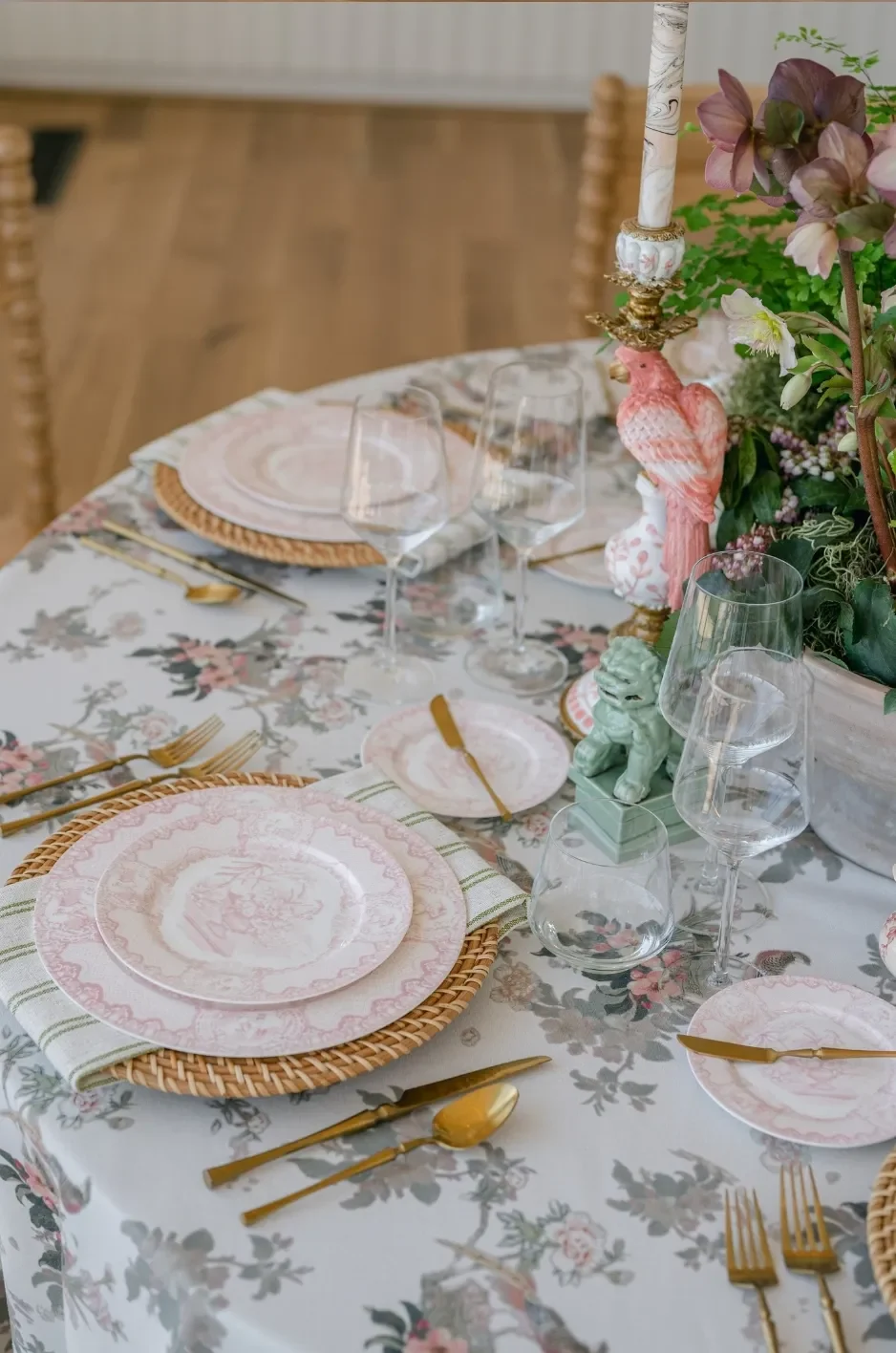
Successful linen coordination begins with relationships rather than exact matches. The colors do not need to be identical, and every pattern does not need to appear throughout the reception. Instead, the textile plan should repeat selected ideas with enough consistency that the spaces feel connected. We cover this further in Wedding Linen Rentals That Instantly Elevate Your Reception.
Venue finishes, floral colors, stationery, lighting, tableware, and the couple’s broader aesthetic should all contribute to the decision.
Establishing a Primary and Supporting Color Palette
A well-developed palette typically includes a dominant color, one or more supporting shades, and a controlled set of accents. Seasonal celebrations can also draw from autumn wedding color palettes that extend beyond expected fall tones, allowing linens, florals, and tabletop details to reference the season without relying on a narrow set of colors.
The dominant color may appear across guest-table linens or another large surface. Supporting colors can enter through napkins, runners, overlays, or pillows. Accent colors can be reserved for trim, stationery, floral details, or selected focal tables.
This approach provides flexibility while keeping the design disciplined. It also prevents the tablescape from relying on one exact color match across every material.
Pairing Patterned Linens With Solid Pieces
Patterned linens often work best when balanced with quieter solids, while a primarily solid design can use color variation to create depth. Custom color wedding tablecloths can establish a more specific foundation when standard shades do not fully support the wedding palette, with runners, napkins, and other accents adding contrast around them.
The reverse approach also works. Solid guest-table cloths can be paired with printed napkins, patterned placemats, or a statement linen reserved for the sweetheart table.
Curated Linen Collection carries both patterned and solid linens, allowing the two categories to be coordinated within a single textile plan.
Mixing Patterns Without Overwhelming the Design
Patterns can be combined when their scale, color, and visual weight are controlled. A large botanical print might coordinate with a smaller geometric motif when both share a limited palette. Two highly detailed patterns of the same scale are more likely to compete.
Spacing also matters. Patterns do not always need to sit directly beside one another. A statement print at the welcome table may relate to a patterned pillow across the room, while the dining tables use quieter linens between those moments.
Repeating one color across different prints is often enough to establish a connection.
Accounting for Undertones and Lighting
Colors that appear similar at first may carry different undertones. One ivory may lean warm and creamy, while another appears cooler or grayer. Green may shift toward olive, sage, blue, or yellow depending on the fabric and surrounding light.
These distinctions become important when linens are placed near floral arrangements, walls, flooring, wood finishes, and upholstered furniture. Samples should be evaluated alongside the other design materials rather than selected in isolation.
How Does the Custom Linen Design Process Work?
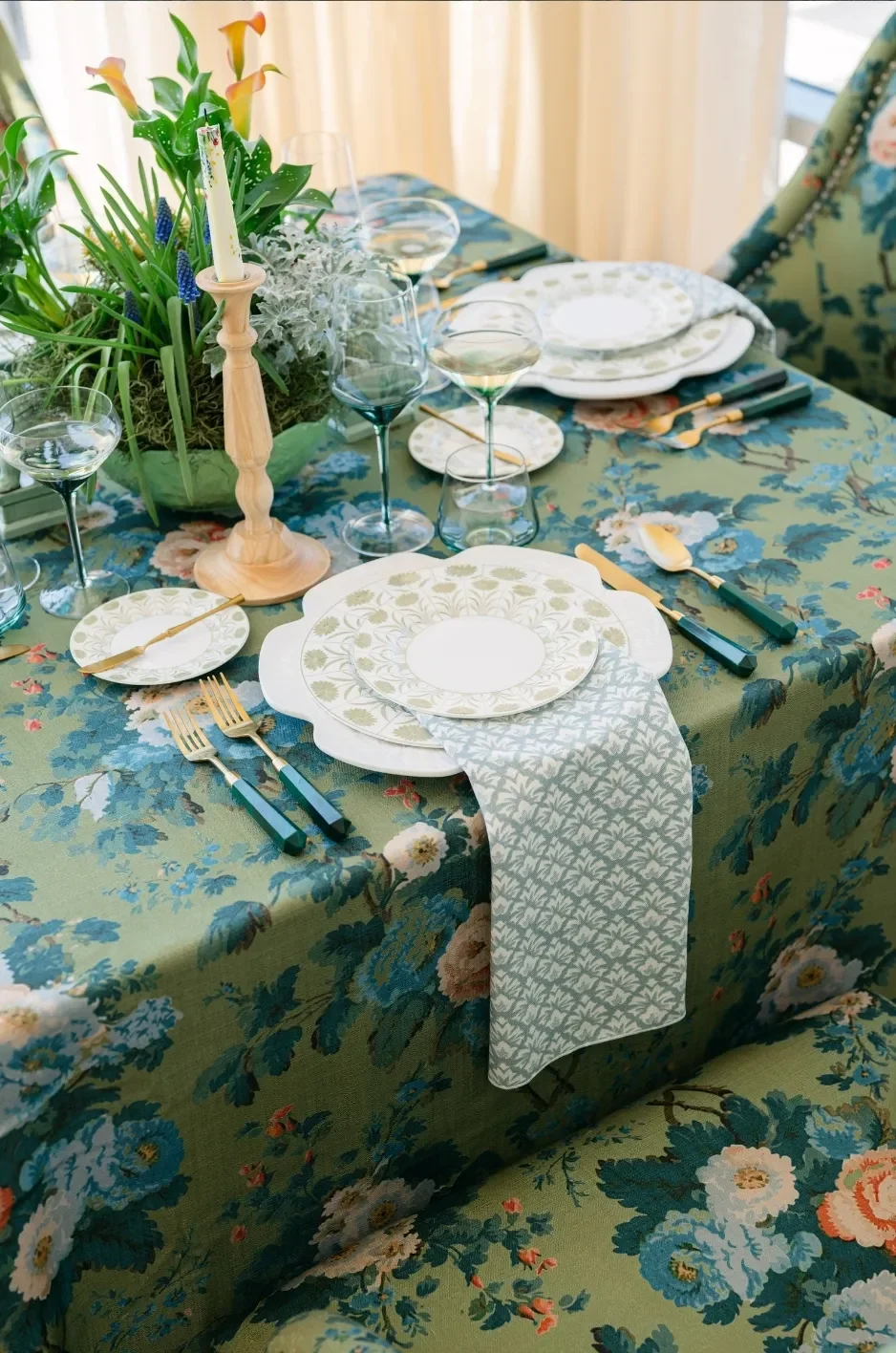
Custom linen projects involve more stages than selecting an existing rental design. Beginning early allows sufficient time for creative development, approvals, printing, sewing, finishing, and shipping.
Custom linen design may begin with an existing color story, artwork, stationery, floral concept, or another visual reference. Developing a bespoke linen palette allows those influences to be translated into a coordinated textile direction rather than selecting each tablecloth, runner, or napkin independently.
Curated Linen Collection’s custom capabilities span the process from initial pattern design and color selection through fabric production and finishing.
Initial Design Consultation
The process begins with a clear description of the wedding. Couples or planners should be prepared to share: We cover this further in Luxury Wedding Linen Styles Designers Love.
- The wedding date and venue
- Table shapes, sizes, and quantities
- Inspiration images
- The intended color palette
- Floral and stationery references
- The desired design style
- Specific focal tables or textile moments
- Shipping and receiving information
The more complete the information, the easier it becomes to recommend fabrics, products, and design directions that support the event.
Fabric and Design Selection
After the initial direction is established, the fabric, pattern, colors, and intended products can be refined. This stage considers how the textile will drape, how the print will repeat, and how the design will coordinate with the rest of the reception.
The team may also determine whether the custom concept should be used across all guest tables or reserved for selected areas.
Sample and Specification Approval
Before production, the client or planner should approve the design proof, color direction, fabric, measurements, quantities, edge treatments, and any personalized details.
This is also the time to verify the spelling of monograms, confirm pattern orientation, and ensure that the dimensions correspond with the final table inventory.
Printing, Sewing, and Finishing
Once approved, the fabric moves through the relevant production stages. These may include fabric printing, cutting, sewing, and application of the selected finishing details.
Each stage contributes to the final appearance. Precise cutting affects pattern alignment, while sewing and edge finishing influence the linen’s shape and drape.
Final Order Confirmation and Shipping Coordination
Before shipment, quantities, products, destination information, timing, and receiving contacts should be confirmed.
The planner, venue, hotel, or designated recipient should understand when the linens are expected and where they will be stored before the wedding. Return responsibilities should also be assigned before the event rather than addressed during breakdown.
The operational side of the order deserves the same attention as the design. A clear approach to linen rental logistics should account for final quantities, measurements, shipping information, receiving responsibilities, storage before setup, and the return process after the celebration.
When Should Wedding Linens Be Reserved?
Wedding linens should be selected early enough to confirm availability, measurements, design coordination, and shipping. Custom pieces require additional time because they must move through development, approval, and production before the rental order can be prepared. For more detail, see our article Wedding Linen Rental Ideas for Elegant Tablescapes.
Curated Linen Collection recommends placing standard orders at least four to six weeks before the event and allowing a minimum of eight to twelve weeks for custom designs. Availability may permit shorter timelines in some circumstances, but early planning provides greater flexibility.
Timeline for Standard Linen Rentals
Standard rental orders should begin once the wedding date, venue, approximate guest count, and design direction are established. You may also find Luxury vs Standard Wedding Linen Rentals: What’s the Difference helpful.
Early selection allows couples and planners to review available patterns, confirm dimensions, coordinate with florals and tableware, and make adjustments before final confirmation. It is particularly important when the wedding requires a large quantity of one design or several coordinated linen categories.
Timeline for Custom Linen Designs
Custom printing, tailored sizing, sampling, approvals, cutting, sewing, and finishing require a longer planning window. The design phase itself may involve several rounds of refinement before production begins.
Starting early also provides time to evaluate physical samples and coordinate the custom textile with stationery, floral proposals, or other design materials.
Final Quantity and Measurement Confirmations
Table counts and layouts may change during the planning process. Establish a final confirmation point with the planner, venue, or rental provider so that the linen order reflects the most current information.
At this stage, verify table shapes, sizes, quantities, drop preferences, focal tables, shipping addresses, and receiving contacts.
Planning Around the Wedding Date and Venue Access
The shipment should arrive with enough time for the designated recipient to inspect the order before the event. Venue access rules, hotel receiving procedures, planner schedules, and storage availability may influence the most appropriate destination.
The receiving contact should know that the shipment is expected and understand where it should be kept until setup.
How Can Linens Create a Cohesive Wedding Tablescape?
A cohesive tablescape does not come from matching every item. It comes from creating clear relationships among the venue, linens, florals, chairs, china, glassware, stationery, lighting, and decorative elements.
Linens provide the surface that connects many of these details, making them one of the most influential components of the reception design.
Begin With the Venue and Overall Design Direction
The venue provides the visual context for every linen decision, including architecture, flooring, furnishings, lighting, and surrounding finishes. Thinking about using custom linens within the event space can help planners select textiles that respond to the room itself rather than treating each table as an isolated design element.
A fabric should either complement these features or create intentional contrast. It should not appear unrelated to the room. A garden-inspired pattern may feel natural in an estate or outdoor setting, while a structured textile may provide useful contrast in a softer environment.
The level of formality should also guide the selection. The goal is not simply to choose the most decorative option but to choose one that feels appropriate to the space and occasion.
Coordinate Linens With Florals and Centerpieces
Florals and linens occupy much of the same visual field, so their scale, colors, and textures should be considered together. Understanding how to coordinate linens, florals, and tableware can help determine which element should carry the strongest color or pattern and which pieces should provide quieter visual support.
A dense floral pattern may compete with a full, colorful centerpiece unless the palette is carefully controlled. A quieter tablecloth can give elaborate florals more room, while a patterned linen can bring interest to tables using simpler arrangements.
The relationship should feel deliberate whether the linen echoes the florals or provides a contrasting foundation.
Layer Textiles With China, Glassware, and Flatware
Hard tabletop materials create visual contrast against soft textiles. China, chargers, glassware, and flatware can appear more defined when the linen provides an appropriate background.
Light plates may stand out against deep or patterned linens, while decorative china may benefit from a quieter foundation. Glassware can pick up colors from the tablecloth or napkins, and metallic flatware can respond differently depending on whether the linen is matte or luminous.
Reviewing these elements together creates a more reliable design than choosing each category separately.
Use Statement Linens Strategically
A bold or custom linen does not need to cover every table to influence the reception. Strategic placement can create memorable design moments while maintaining visual balance.
Sweetheart tables, cake tables, escort displays, bars, and welcome areas are useful locations for statement patterns or custom details. These surfaces are frequently photographed and can support a more concentrated expression of the wedding concept.
Repeat Key Colors and Textures Across the Reception
Repetition creates continuity. A color used in guest-table napkins can reappear in cocktail-table linens. A custom pattern at the sweetheart table can be referenced through a runner or pillow. A textured overlay can relate to another fabric used at the cake display.
The repetition should be noticeable enough to create a relationship but not so exact that the room feels formulaic. This layered approach allows the wedding to feel curated rather than matched.
Frequently Asked Questions
How far in advance should wedding linens be reserved?
Curated Linen Collection recommends placing standard orders at least four to six weeks before the wedding. Custom designs should generally be started at least eight to twelve weeks in advance to allow time for development, approval, production, and shipping.
Beginning earlier is advisable for large orders, specialty sizing, or designs requiring several coordinated custom pieces.
Can linens be customized to match wedding stationery or florals?
Yes. A custom design can be developed around a color palette, illustration, pattern, floral direction, stationery element, venue detail, or another source of inspiration.
The design should be adapted for fabric and reviewed for pattern scale, repeat, color, and placement before production.
Are custom sizes available for specialty tables?
Yes. Curated Linen Collection offers a range of standard sizes as well as custom sizing for specialty tables. Accurate table dimensions and the desired linen drop should be provided before the order is finalized.
Can patterned and solid linens be used together?
Patterned and solid linens often work especially well together. Solids can balance a statement print, while patterns can add personality to a restrained foundation.
They may be combined on the same table through tablecloths, runners, napkins, and placemats or distributed across different tables throughout the reception.
How should table measurements be provided?
Provide the table shape, width, length or diameter, and height. Include the desired drop and note whether the linen should reach the floor.
For unusual tables, photographs, diagrams, or manufacturer specifications may help confirm the correct size.
Can linen samples or swatches be reviewed before ordering?
Fabric samples and design proofs are useful for evaluating color, texture, print scale, and coordination with other wedding materials. Sample availability and the appropriate approval process should be discussed with the design team, particularly for custom projects.
Create a Distinctive Wedding Design With Luxury Linens
Luxury wedding linen rentals help define the reception from the largest guest-table surfaces to the smallest place-setting details. Through color, pattern, texture, drape, and thoughtful repetition, linens can connect the venue, florals, tableware, lighting, stationery, and focal displays into a single cohesive design story.
A successful linen plan begins with accurate table information and a strong understanding of the wedding’s visual direction. It considers how guest tables establish the primary atmosphere, how statement linens draw attention to important areas, and how napkins, runners, overlays, placemats, and pillows create continuity throughout the venue. Read more in How to Plan Wedding Linen Rentals.
Curated Linen Collection offers premium tabletop linens and accessories, including patterned and solid fabrics, runners, napkins, pillows, specialty overlays, custom sizing, and fully custom design capabilities. From pattern ideation and color development to printing, sewing, finishing, and nationwide shipping, the collection supports couples and planners seeking a wedding environment that feels polished, personal, and intentionally composed.
Explore Curated Linen Collection’s luxury wedding linens or connect with the design team to begin developing a coordinated linen plan for the celebration. You can view every fabric in our luxury linen rentals collection.