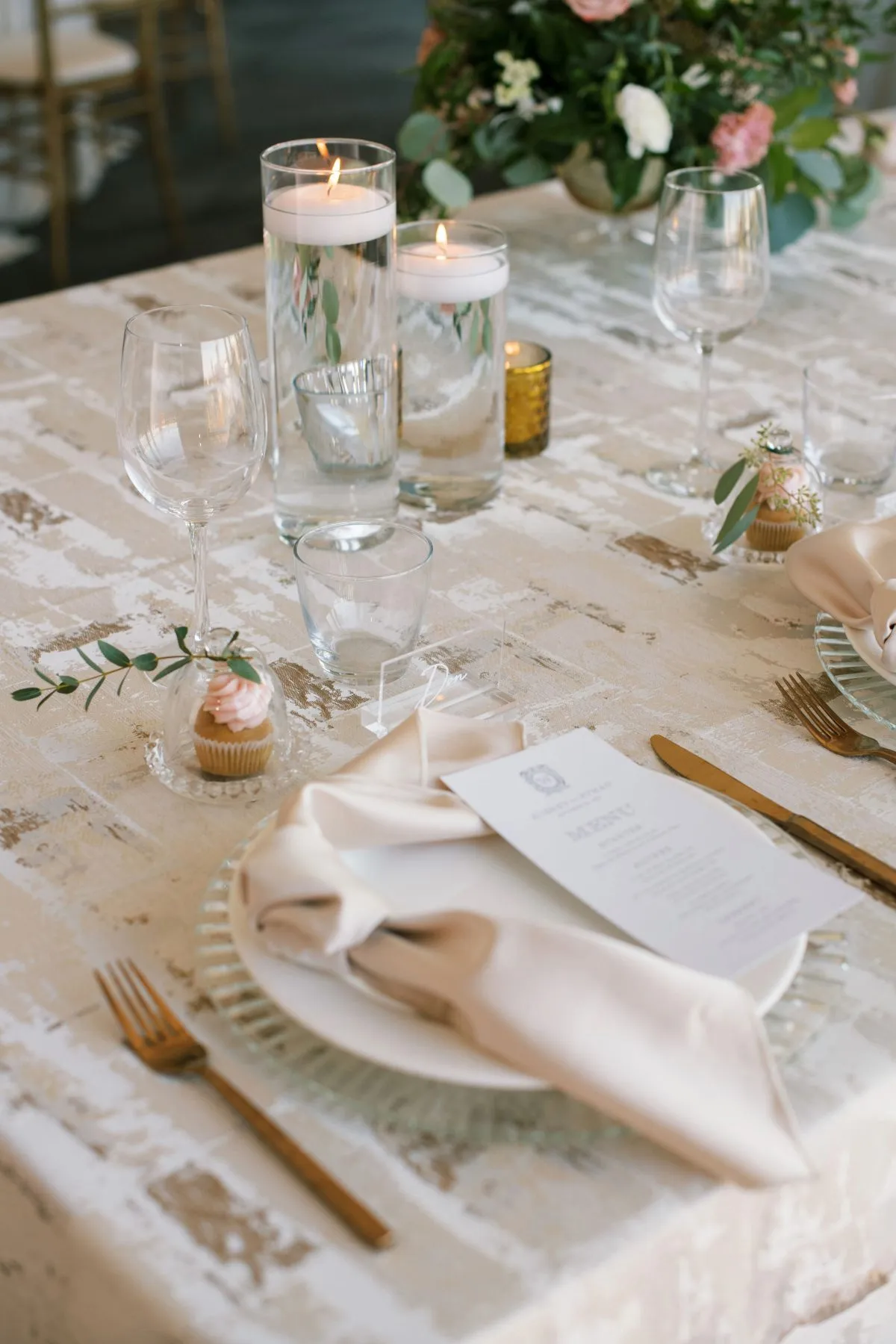
Linen is prized for its natural texture and long-lasting quality, perfect for events and refined home settings. To keep it looking its best, linen needs a little thoughtful care. This guide walks you through practical, expert-tested steps for washing, treating stains, drying, ironing, and storing premium linen so it stays soft, strong, and beautiful. Read on for straightforward tips you can use now and every time you care for your pieces.
How should you wash premium linen to keep it in top condition?
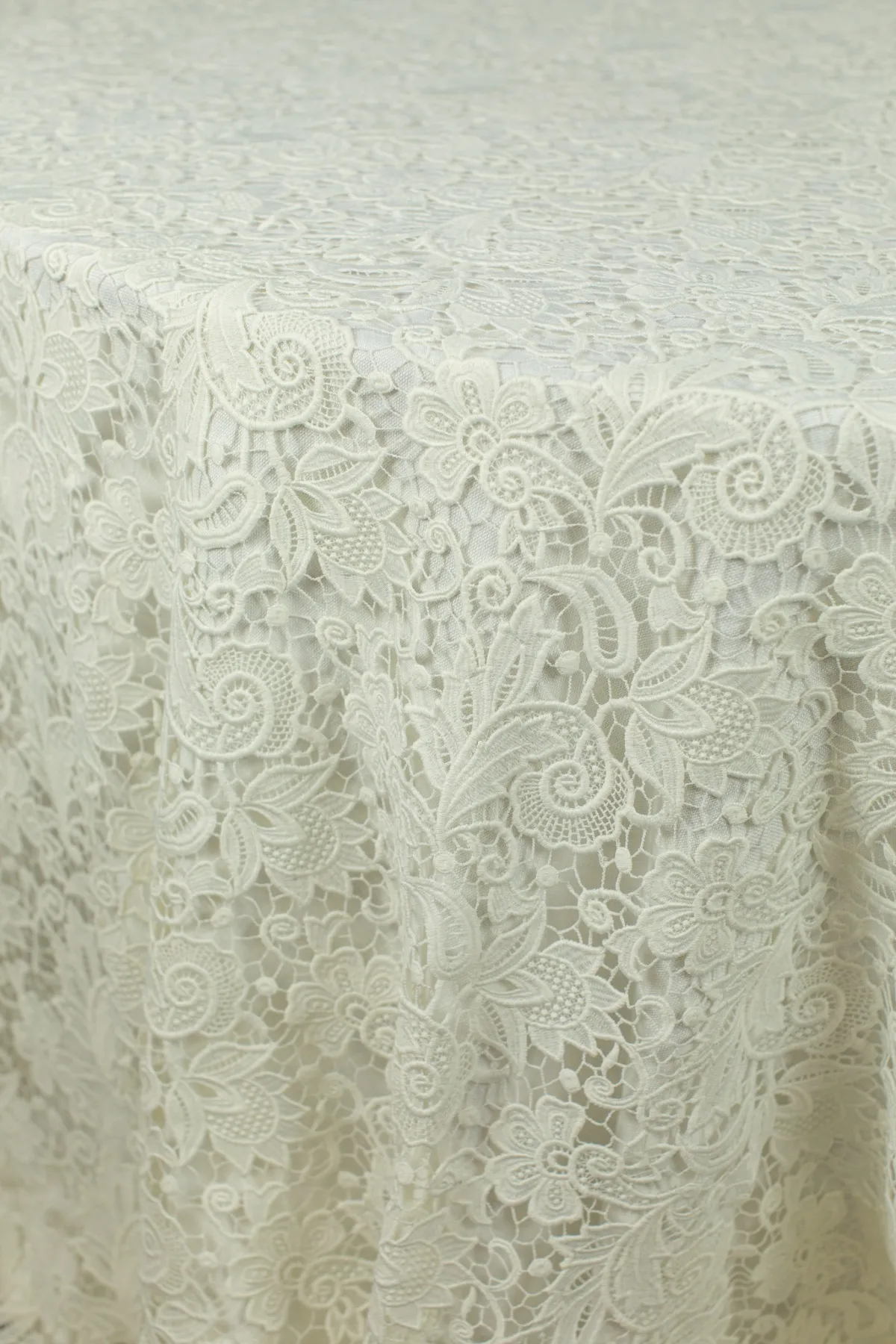
Gentle handling and the right temperature make the biggest difference. Linen is a natural fiber that responds well to mild treatment: the right wash settings prevent shrinkage, protect color, and keep the weave intact. Follow the guidance below to maintain both feel and appearance.
What washing methods and temperatures work best for linen?
We recommend washing linen on a gentle cycle using cold to lukewarm water, about 30°C to 40°C (86°F to 104°F). That range limits shrinkage and keeps fibers resilient. For delicate or custom pieces, handwashing reduces agitation and provides the fabric with extra care.
- Gentle Cycle: Choose the delicate or gentle machine setting to lower wear.
- Cold or Lukewarm Water: Use water between 30°C–40°C (86°F–104°F) to protect shape and color.
- Hand Washing: For fragile or heavily embellished items, hand-wash to minimize stress on the fabric.
Sort linens before washing: keep light and dark colors separate to avoid dye transfer. Remove loose debris and shake out crumbs, then fasten buttons or ties and turn items inside out to protect surface texture. Small or embroidered pieces do well in a mesh laundry bag to reduce friction and catching during the cycle.
Balance loads to avoid heavy agitation from an unbalanced drum. Overfilling the machine increases rubbing and can cause creasing; aim for loose, even loads so water and detergent circulate freely. When using a front-loader, select a moderate spin speed — high spin reduces drying time but can leave very wet spots that require reshaping.
Which detergents are best for gentle, effective linen cleaning?
Pick a mild detergent free of bleach and harsh enzymes. Eco-friendly, biodegradable formulas clean well without stripping natural fibers, a simple way to extend the life of your linens.
- Mild Detergents: Use products made for delicates or natural fibers.
- Eco-Friendly Choices: Biodegradable detergents clean effectively while reducing environmental impact.
- Avoid Bleach: Skip bleach and heavy fabric softeners; they can weaken linen’s natural structure.
Measure detergent carefully; more is not better. Excess detergent can leave residue that stiffens fibers; use smaller doses recommended for delicate fabrics or for soft water. If your water is hard, consider a water-softening additive compatible with delicates, or slightly increase detergent only if rinses remain clear. Always avoid enzyme-heavy products on antique or embroidered linens.
What are the most effective ways to remove stains from linen?
Quick, calm action prevents stains from setting. Different stains need different treatments — below are reliable, gentle methods that preserve the fabric while removing marks.
How do you treat wine, oil and ink stains on linen?
Address stains as soon as you can. The following step-by-step approaches work well for common spills:
- Wine Stains: Blot immediately with a clean cloth, sprinkle salt to lift liquid, rinse with cold water and launder as usual.
- Oil Stains: Dust cornstarch or talc onto the spot to absorb oil, wait about 15 minutes, brush off, then wash with a mild detergent.
- Ink Stains: Gently dab with rubbing alcohol on a cotton pad, rinse, then launder. Always test first on a hidden seam.
For protein-based stains such as blood or egg, rinse first in cold water (hot water can set protein stains). Use a gentle enzyme-free detergent or a mild soak; do not rub aggressively. Coffee and tea respond well to cold-water flushing and a light pre-soak with a gentle stain solution. For pet stains, blot and rinse quickly, then air dry while checking for lingering odor before laundering.
Which eco-friendly stain removers are safe for premium linen?
Natural or plant-based removers are both effective and gentle. When using any product, test a small, hidden area first to confirm colorfastness.
- Natural Stain Removers: Choose plant-based formulas designed for delicate textiles.
- Simple Home Solutions: A diluted vinegar-and-water mix can lift many common spots without harming fibers.
- Spot-Test First: Always try products on an inconspicuous area before applying widely.
When treating embroidered or trimmed linen, apply stain remover to a cloth first and blot the stain rather than saturating the embellishment. After spot treatment, rinse thoroughly and follow the usual mild wash cycle to remove any cleaning residues that could attract dirt later.
What are the recommended drying methods to protect linen?
Drying affects texture and longevity. Air-drying preserves softness and reduces shrinkage, while careful tumble-drying can be used when needed.
Can linen be machine dried or should it be air-dried?
Air-drying is ideal: hang items in the shade and let them dry naturally to protect color and hand. If you use a dryer, choose a low heat setting and remove items while still slightly damp to avoid over-drying.
- Air Drying: Hang in a shaded, well-ventilated spot to maintain texture and color.
- Machine Drying: Use low heat and stop while slightly damp to prevent stiffness and shrinkage.
- Avoid Direct Sunlight: Long sun exposure can fade color and weaken fibers over time.
Before drying, gently reshape damp linen to its original dimensions and smooth out major creases by hand; this reduces the amount of ironing needed later. Use drying racks or padded hangers to evenly support heavy pieces and prevent seam stretching. If tumble-drying, add dryer balls to help separate fibers, reduce drying time, and maintain loft.
How does drying method affect linen’s durability and softness?
Drying choices influence how linen feels and wears. Air drying keeps linen pliable, while excessive heat shortens fiber life and can make fabric feel harsh.
- Preserving Softness: Air drying helps linen retain its soft, natural hand.
- Protecting Durability: High heat gradually weakens fibers; use it sparingly.
- Wrinkle Control: Iron or press slightly damp linen for a crisp finish without overworking the fabric.
Removing linens from the dryer or line promptly and folding or hanging them while still slightly damp reduces deep-set wrinkles. For table linens, smooth and fold them into their storage shape while warm or slightly damp to minimize creases that require heavy pressing later.
How should you iron and store premium linen to avoid damage?
Proper ironing and storage keep linen ready for use and extend its lifespan. A few simple habits prevent wrinkles and preserve fabric integrity.
What are the best ironing practices for luxury linen?
Iron linen while it’s still a touch damp, using steam or a hot setting. A pressing cloth will protect delicate weaves from direct heat, resulting in a clean, smooth finish.
- Use Steam and Heat: A high-heat iron with steam removes wrinkles efficiently.
- Iron Damp: Press linen when slightly damp for best results and fewer passes.
- Protect with a Cloth: A thin pressing cloth prevents shine and direct scorching.
Work in sections and use the iron’s steam burst for stubborn creases. For heavy linens like duvet covers, press one area at a time and let the fabric cool on a flat surface to lock in a smooth finish. Where extra protection is needed, place a cotton cloth between the iron and the linen.
How should linen be stored to stay fresh and maintain shape?
Store linens clean and fully dry in a cool, dry place. Breathable storage prevents mustiness and helps fabrics rest without distortion.
- Cool, Dry Storage: Keep linens away from humidity to avoid mildew and odors.
- Avoid Plastic: Use cotton bags or boxes that let air circulate rather than sealed plastic.
- Fold Neatly: Fold or roll gently to reduce sharp creases; if possible, store flat for the best preservation.
For long-term storage, layer tissue paper between folds to prevent permanent creasing and to reduce pressure marks. Avoid scented mothballs; cedar blocks are acceptable for light scenting, but replace them periodically and ensure they don’t touch linens directly. Rotate stored linens occasionally and air them in a shaded space to keep them fresh.
Are there special care steps for custom linen used in event rentals?
Custom or rental linens often face heavier use and need attentive care. Quick response and thoughtful handling keep these pieces guest-ready and long-lived.
How does rental duration affect linen care and maintenance?
Short events usually need light, immediate spot care; long-term use requires deeper cleaning and closer inspection between uses. Adjust your routine to the length and intensity of use.
- Short-Term Rentals: Prompt spot cleaning typically suffices for brief use.
- Long-Term Rentals: Schedule full cleanings and careful inspections for extended use.
- Regular Checks: Inspect items frequently for stains or wear during the rental period.
Maintain an inventory and tagging system to track individual items through rental cycles. Bag or roll linens with protective paper between shows, especially if they are stacked for transport. For high-turnover rentals, set aside a small set of spares to manage last-minute damage without overworking your core pieces.
What handling and cleaning practices do we recommend for event linens?
Handle custom linens with clean hands, treat spills quickly, and call in professional cleaners for intricate or heavily soiled pieces to preserve appearance and fabric life.
- Gentle Handling: Always handle with clean hands to avoid transferring oil or dirt.
- Fast Stain Response: Treat spots as soon as they occur to prevent settling.
- Professional Cleaning: For ornate or badly stained items, professional service is the safest choice.
For laundry turnaround, bag soiled items by type and color, and include basic notes (stain type, location) for the cleaning team. Keep a compact on-site stain kit with cloths, a mild spot cleaner, and a soft-bristled brush for immediate attention during events.
Which sustainable products and practices improve linen care?
Choosing eco-friendly detergents and energy-smart routines helps your linens and the planet last longer. Small changes in products and habits reduce environmental impact while preserving fabric quality.
What are the benefits of using eco-friendly detergents for linen?
Biodegradable, non-toxic detergents clean effectively without harsh residue. They’re gentler on fibers and better for both home and environment.
- Biodegradable Ingredients: These formulas break down naturally, lowering pollution.
- Fabric-Friendly: They’re less likely to damage delicate linen fibers.
- Healthier Home: Non-toxic cleaners reduce irritants in your living space.
Wash full loads when appropriate to maximize energy and water efficiency, but don’t overload. Linens need room to move for effective cleaning. Choosing cold-water detergents and line-drying when possible reduces energy use while keeping linen softer and less stressed by heat.
How do wrinkle-resistant linen blends change care routines?
Modern blends with durable-press finishes reduce ironing and speed up laundering while conserving energy, a practical option when ease-of-care matters.
- Less Ironing: New blends often need fewer touch-ups, saving time.
- Improved Durability: Technology can strengthen fibers and extend usable life.
- More Sustainable Choices: Many blends combine performance with eco-conscious materials.
Frequently Asked Questions
What is the best way to remove stubborn stains from linen fabric?
Act quickly: blot excess, then treat with an eco-friendly stain remover or a vinegar-and-water mix. Let it sit briefly, rinse in cold water, and launder as usual. Always test in an inconspicuous spot first to ensure color and fiber safety.
How can I prevent my linen from wrinkling during storage?
Make sure linens are completely dry before storing. Use breathable cotton storage bags or boxes and avoid tight packing. Rolling can reduce sharp folds — storing flat is best when space allows.
Are there specific tips for washing colored linen?
Wash colored linens in cold water and separately from whites to prevent transfer. Use a mild, color-safe detergent and, if you like, a cup of white vinegar in the rinse to help set and brighten colors. Avoid bleach and harsh chemicals.
What should I do if my linen shrinks after washing?
If shrinkage happens, try gently stretching the damp fabric back into shape. A lukewarm soak with a mild conditioner for about 30 minutes can relax fibers before rinsing and air-drying. To avoid shrinkage, prefer cold washes and low-heat or air drying.
How often should I wash linen items to keep them in good condition?
Wash bedding and frequently used table linens every 1–2 weeks. Decorative or rarely used pieces can be cleaned less often — every few months — unless they show stains or odors. Avoid over-washing; clean when needed to preserve fabric life.
Can I use fabric softeners on linen fabrics?
We don’t recommend fabric softeners; they can coat fibers and reduce linen’s natural breathability and absorbency. For a softer feel, air dry and press while slightly damp, or choose detergents formulated for softness without residue.
How do you prevent shrinkage and color fading in linen fabrics?
Protect color and size with cool washes, shade drying and gentle detergents — simple habits that keep linen looking cared-for over time.
- Cold Water Washing: Use cold or lukewarm water to help prevent shrinkage.
- Avoid Direct Sunlight: Dry and store away from strong sun to protect dyes and fibers.
- Gentle Detergents: Mild formulas help preserve color and strength.
Additionally, when laundering new colored linens, wash them separately for the first few cycles to reduce the chance of running. If a color looks slightly dull after use, a rinse with a splash of white vinegar can help refresh dyes without harsh chemicals.
What are quick tips for emergency stain removal during events?
Keep a small stain kit on hand and respond calmly — quick steps make the biggest difference:
- Blot, Don’t Rub: Gently blot to lift the stain without spreading it.
- Club Soda for Wine: Club soda can help lift fresh wine stains fast.
- Stain Kit: Carry eco-friendly spot treatments and clean cloths for immediate action.
When treating a fresh spill at an event, prioritize blotting and using plain water or club soda before applying any cleaning solution. For oil-based marks, apply absorbent powder and replace it as it darkens to draw out more oil. Keep a small, labeled bag with cotton pads, clean towels, and a mild spot solution for on-the-spot care.
| Care Aspect | Recommended Practice | Benefits |
|---|---|---|
| Washing | Cold water, gentle cycle | Prevents shrinkage and damage |
| Stain Removal | Immediate action, eco-friendly products | Maintains fabric integrity |
| Drying | Air dry, avoid direct sunlight | Preserves softness and color |
| Ironing | High heat, damp fabric | Effective wrinkle removal |
| Storage | Cool, dry place, breathable bags | Prevents mildew and odors |
This quick reference sums up essential care steps for premium linen. Follow these simple practices and your linens will retain their beauty and performance for years.
Conclusion
With a few consistent habits, gentle washing, rapid stain attention, mindful drying, careful ironing, and breathable storage, your premium linens will stay elegant and durable. Treat them thoughtfully, and they’ll reward you with lasting beauty. Explore our collection to find pieces designed for both style and long-term care.