Linen weight and fabric thickness directly impact both the visual appeal and functionality of your event setup. Heavier linens create a structured, luxurious drape that works best for formal settings, while lighter fabrics offer a softer, more breathable feel ideal for casual or outdoor events. The right choice depends on factors like event type, duration, venue, and desired aesthetic. By selecting the appropriate weight and thickness, you ensure your linens not only look refined but also perform well throughout the event, maintaining a polished and cohesive presentation from start to finish.
Linen Weight Impact on Event Aesthetics and Setup
Linen weight plays a defining role in how an event looks and feels. It influences drape, structure, and the overall visual impression, making it a key factor in event design decisions. The choice of linen weight can transform a simple table setting into a statement of elegance or casual comfort, depending on the event’s theme and atmosphere.
Beyond aesthetics, linen weight also affects the practical aspects of event setup, such as ease of handling, transportation, and maintenance during the event. Heavier linens may require more effort to arrange but provide a stable and polished look, while lighter linens offer flexibility and quick adjustments.
Linen Texture and Visual Appeal
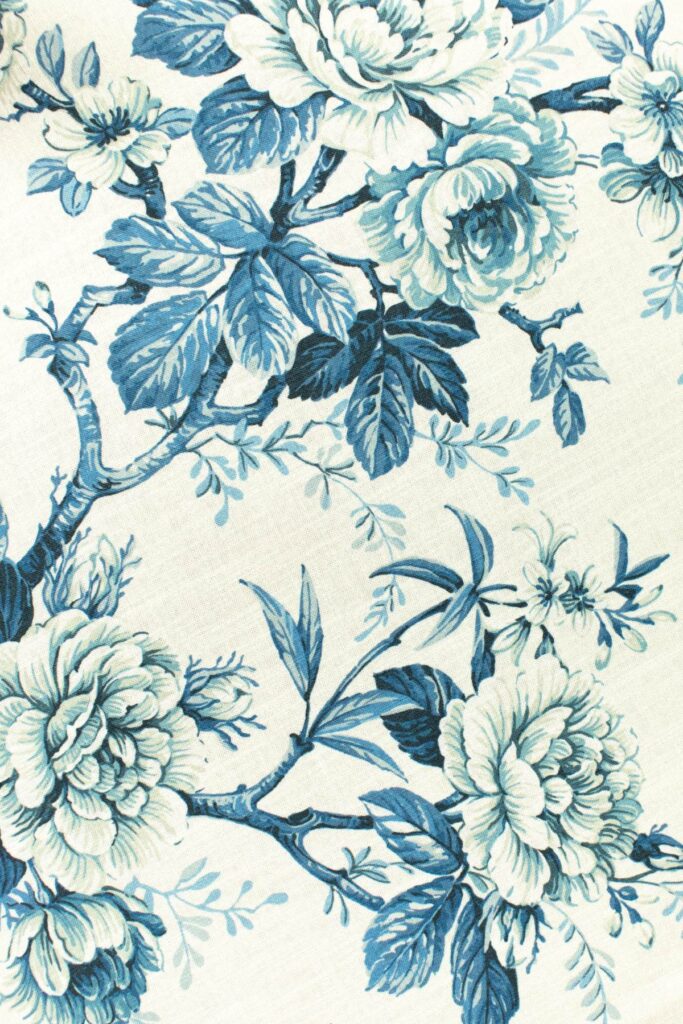
The texture created by different linen weights directly shapes the atmosphere of an event. Lightweight linens create a soft, flowing look, while heavier fabrics add structure and depth. The tactile experience of linen also contributes to guest perception, as the feel of the fabric under their hands or against their skin can enhance comfort and luxury.
Heavier linens naturally appear more refined and formal, making them ideal for luxury settings. Lighter linens feel relaxed and breathable, working well for outdoor or casual events. The interplay between texture and weight allows designers to tailor the ambiance precisely, whether aiming for understated elegance or vibrant informality.
- Lightweight linens create an airy, effortless appearance
- Mid-weight linens balance structure with flexibility
- Heavyweight linens deliver a rich, polished finish
The right texture elevates the overall visual harmony of the setup. It also influences lighting effects, as heavier linens absorb light differently than lighter ones, affecting the mood and photographic outcomes of the event.
Linen Layering for Depth
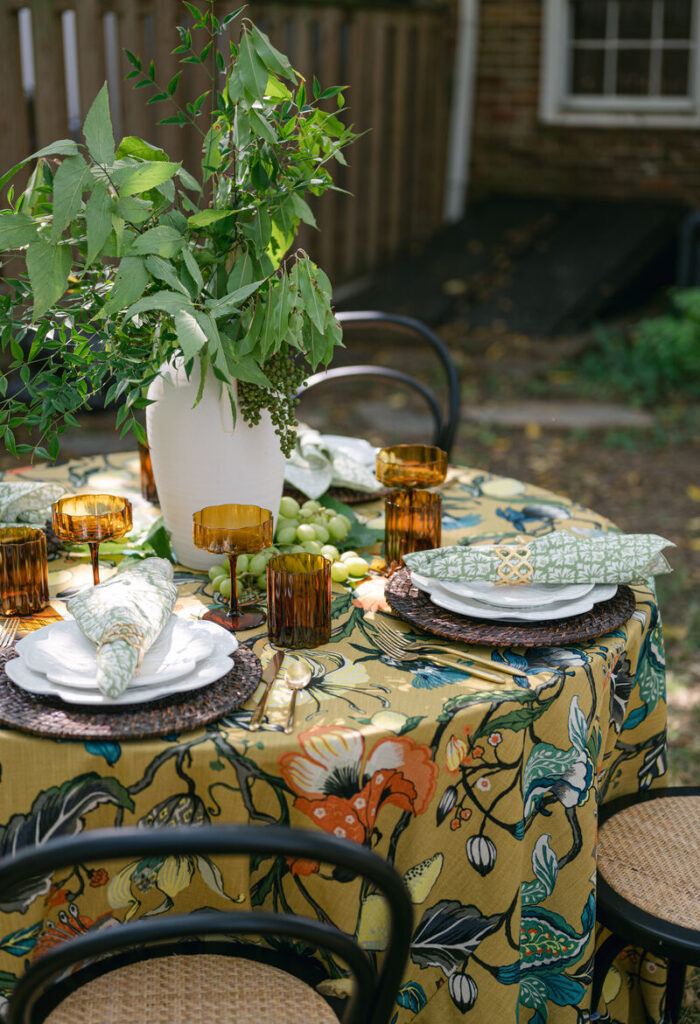
Layering different linen weights adds dimension and sophistication to table styling. Combining textures creates contrast without overwhelming the design. This technique allows for creative expression, enabling event planners to mix and match linens to complement floral arrangements, tableware, and other decorative elements.
A structured base layer paired with a lighter overlay creates visual interest while maintaining balance. Coordinating linens with centerpieces enhances cohesion and detail. For example, a heavy linen base can ground the table visually, while a sheer or lightweight runner adds delicacy and movement.
Layering is especially effective for weddings and high-end events where depth and styling matter. It also provides functional benefits, such as protecting delicate surfaces or adding warmth in cooler venues.
Linen Fabric Weight Selection for Event Styling
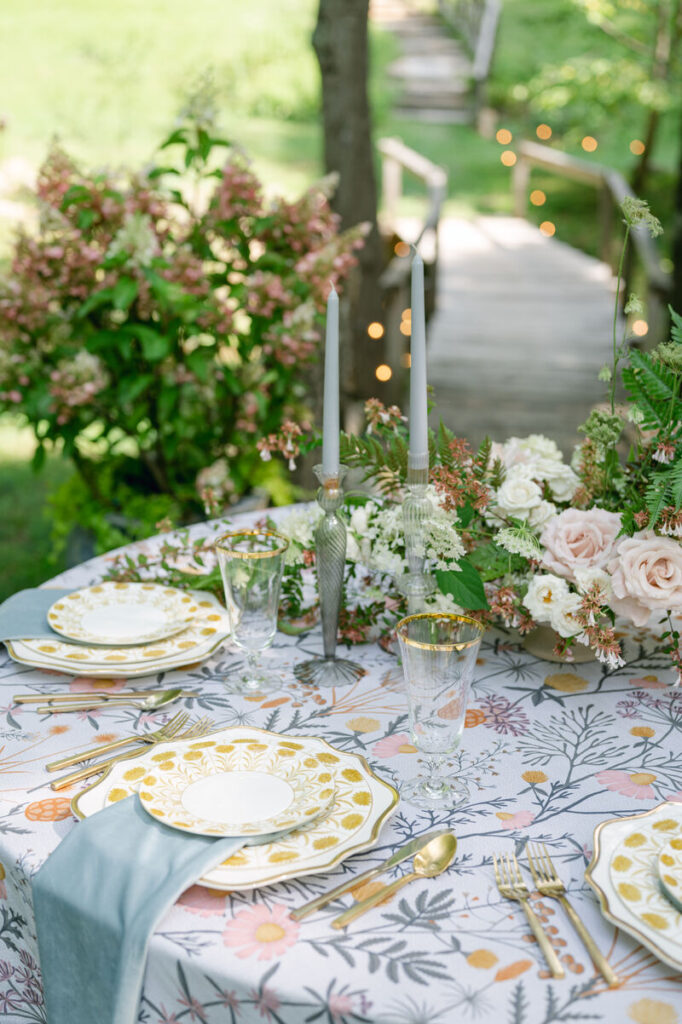
Understanding fabric weight helps in choosing linens that match both the event style and functional needs. Fabric weight is measured in grams per square meter (GSM) or ounces per square yard, providing a quantifiable way to compare options.
Choosing the appropriate weight involves considering factors such as event duration, location, expected guest interaction, and desired aesthetic. For instance, a long banquet may benefit from heavier linens that resist wrinkles, while a short outdoor gathering might prioritize lightweight, breathable fabrics.
Lightweight vs Heavyweight Linen
Linen fabrics are typically categorized by weight, which determines how they behave in different settings. Lightweight linens are often under 150 GSM, mid-weight range from 150 to 250 GSM, and heavyweight linens exceed 250 GSM.
Lightweight linens are easier to manage and ideal for warm environments. Heavyweight linens provide structure and a more formal appearance. Mid-weight linens offer a versatile middle ground, suitable for a wide range of event types and conditions.
- Lightweight linens work best for outdoor and casual events
- Mid-weight linens offer versatility across event types
- Heavyweight linens suit formal and luxury settings
Selecting the right category ensures both visual and practical balance. It also impacts cost considerations, as heavier linens typically require more material and may involve higher production expenses.
Linen Durability and Performance
Fabric weight also affects durability and long-term performance. Heavier linens tend to resist wear better and maintain their shape over time. This makes them suitable for events with high traffic or where linens may be reused multiple times.
Lightweight linens may require more careful handling but offer flexibility and ease of use. Proper care can extend the lifespan of all linen types. The choice of weave and finishing techniques also plays a role in durability, with tighter weaves generally providing greater resistance to damage.
Balancing durability with design ensures linens perform well throughout the event. Event planners should consider the expected level of use and potential for spills or stains when selecting linen weight.
Linen Thickness Effects on Event Design
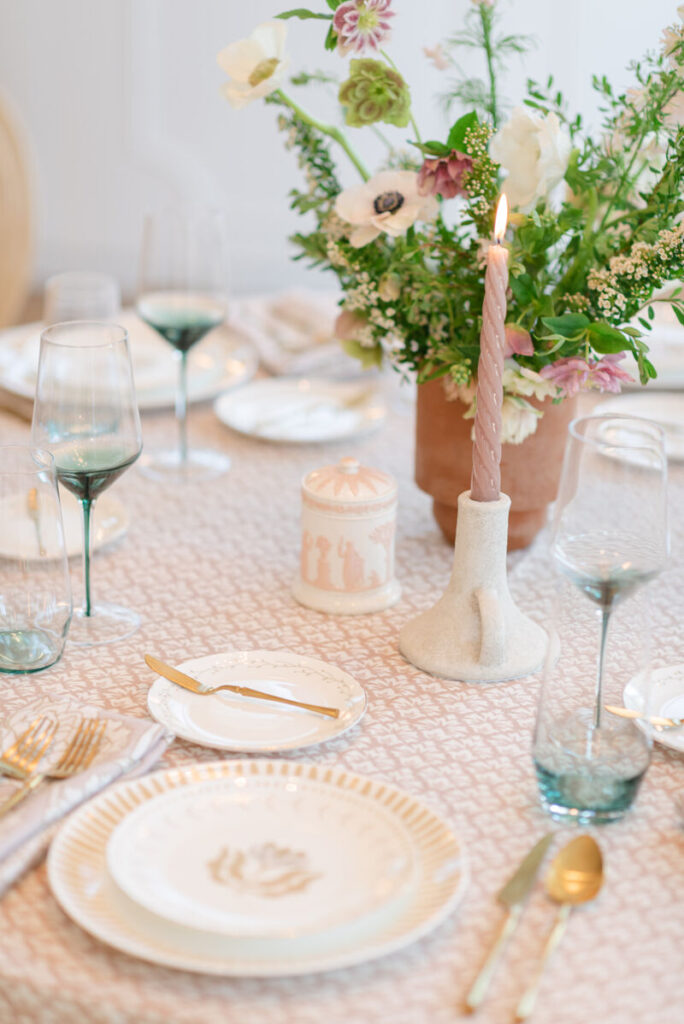
Fabric thickness influences both the feel and structural quality of linens, making it an essential consideration. Thickness is closely related to weight but also depends on the type of weave and fiber density.
Thicker linens provide insulation and a sense of luxury, often preferred in cooler climates or indoor venues where a substantial presence is desired. Thinner linens allow for layering and can be used to create delicate accents or overlays.
Linen Thickness and Texture
Thicker fabrics create a more substantial, premium feel that enhances the perceived quality of the setup. They provide better coverage and reduce visibility of table surfaces underneath, creating a cleaner and more refined look. This is particularly important when tables have imperfections or when a uniform appearance is critical.
Thinner fabrics are better suited for layering and decorative elements where flexibility is needed. They can be draped or gathered to add softness and movement, contributing to a dynamic visual effect.
Linen Thickness and Longevity
Thickness directly contributes to how long linens maintain their quality over repeated use. Thicker linens resist damage and last longer, making them a cost-effective choice for frequent events.
- Thicker linens resist damage and last longer
- Medium thickness offers balance between durability and styling
- Thinner fabrics are best for decorative layering
Choosing the right thickness ensures linens remain functional and visually consistent. It also affects how linens respond to cleaning processes, with thicker fabrics generally tolerating more rigorous care.
Choosing Linen Weight for Different Events
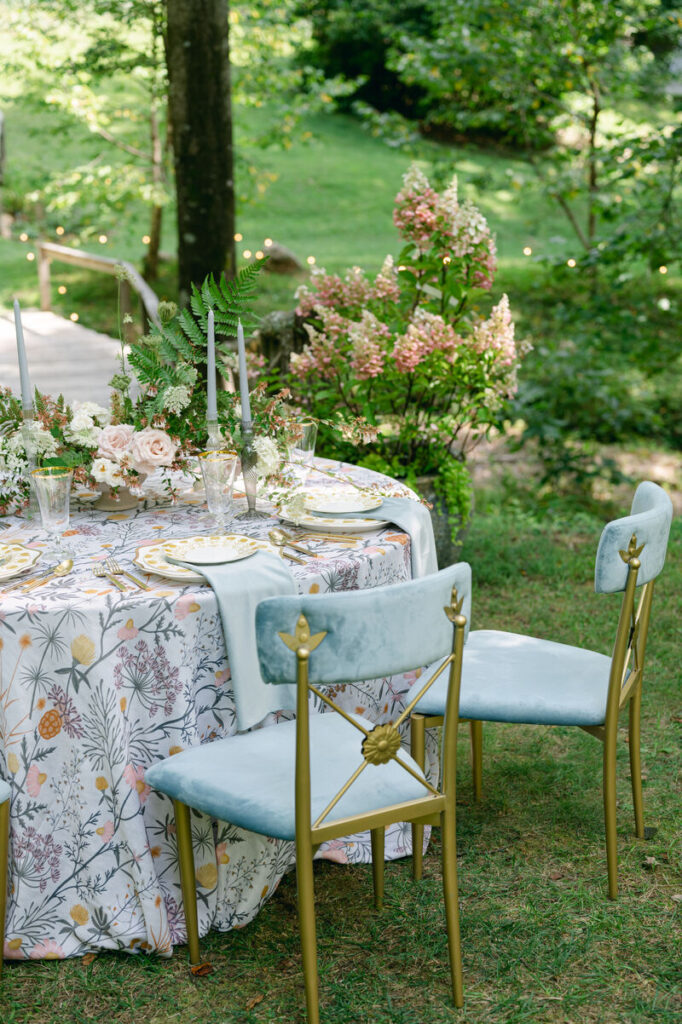
Different events require different linen characteristics to achieve the desired look and functionality. The nature of the event, guest expectations, and venue conditions all influence linen selection.
Linen Weight for Weddings
Weddings often require a more refined and elevated aesthetic. Linen weight plays a major role in achieving this look. Heavier linens create a structured, elegant appearance that aligns with formal settings. For outdoor weddings, lighter fabrics may be used to maintain comfort and flow.
In addition to weight, color and pattern choices complement the linen’s role in setting the tone. Soft pastels and neutral tones in heavier linens can evoke timeless sophistication, while vibrant colors in lighter linens add a playful, romantic touch.
Selecting the right weight ensures the design feels intentional and cohesive. It also supports practical needs such as ease of movement for servers and comfort for guests.
Linen Weight for Corporate Events
Corporate events require a balance between professionalism and practicality. Mid-weight and heavyweight linens are typically preferred as they maintain structure while handling frequent use. These linens contribute to a polished environment that reflects the company’s brand values.
Consistency in linen selection helps reinforce a clean and polished brand presentation. Neutral colors and subtle textures are often chosen to avoid distraction and maintain focus on the event’s purpose.
Durability is also critical, as corporate events may involve multiple sessions or extended hours. Linens that resist wrinkles and stains help maintain a fresh appearance throughout.
Linen Care and Sustainability Considerations
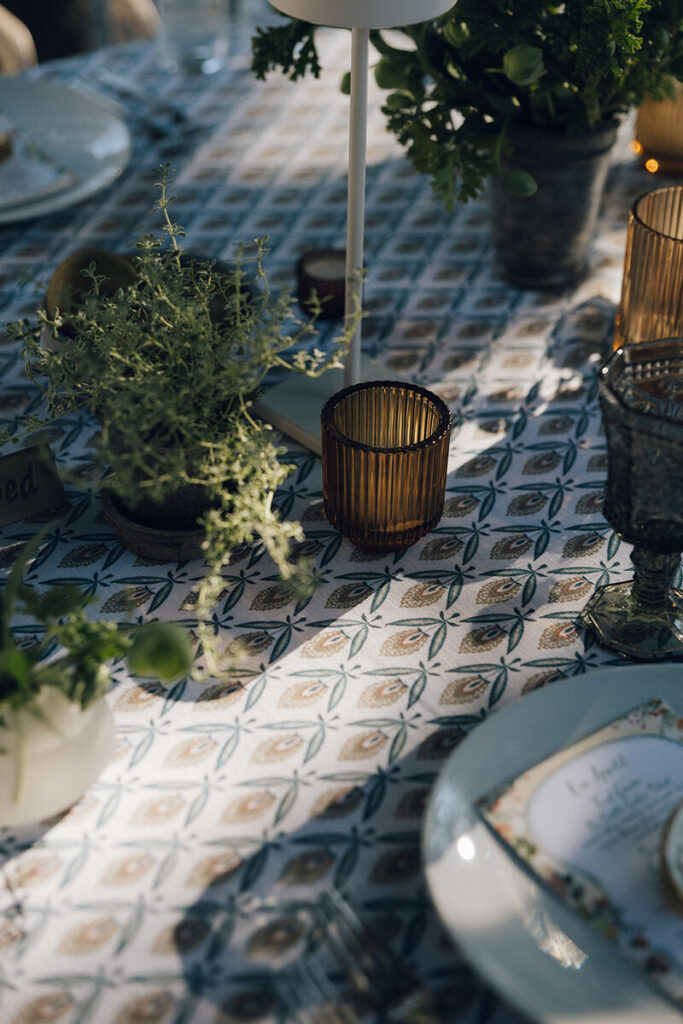
Proper care and sustainable choices help maintain linen quality while supporting long-term use. Sustainable practices are increasingly important in event planning, reflecting broader environmental concerns.
Linen Care and Maintenance
Maintaining linens correctly ensures they retain their appearance and performance across events. Care routines vary depending on fabric weight and thickness but generally include gentle washing and careful storage.
- Use gentle washing methods to protect fabric structure
- Avoid high heat to prevent damage and shrinkage
- Store linens properly to maintain shape and texture
Consistent care extends the life of both lightweight and heavyweight linens. It also preserves color vibrancy and texture, which are essential for maintaining the intended event aesthetic.
Sustainable Linen Fabric Choices
Sustainability is becoming a key factor in linen selection for modern events. Eco-friendly fabrics made from organic or recycled materials offer both performance and environmental benefits. Advances in textile production are making sustainable options more durable and visually refined.
Choosing sustainable linens supports both design goals and responsible sourcing. It also aligns with growing consumer demand for environmentally conscious event practices, enhancing the event’s reputation and appeal.
Event planners can look for certifications such as GOTS (Global Organic Textile Standard) or OEKO-TEX to ensure linens meet high sustainability standards. Incorporating sustainable linens into event design demonstrates a commitment to reducing environmental impact without compromising quality.
FAQs
What is linen weight in event fabrics?
It refers to the fabric’s density, which affects drape, durability, and overall appearance.
Which linen weight is best for formal events?
Heavyweight linens are ideal as they provide structure and a more luxurious look.
Does fabric thickness affect linen durability?
Yes, thicker fabrics generally last longer and handle wear better over time.
Are lightweight linens suitable for outdoor events?
Yes, they are breathable and easier to manage, making them perfect for outdoor setups.
Conclusion
Linen weight and fabric thickness are key elements that shape both the visual and functional success of an event. From how fabrics drape to how they perform under different conditions, every detail contributes to the overall experience. Thoughtful selection of linen weight and thickness enhances not only the aesthetic appeal but also the comfort and practicality of event settings.
For those seeking linens that combine refined texture, durability, and thoughtful design, Curated Linen Collection offers a carefully curated selection crafted to elevate every event setting with elegance and precision. Their range includes options tailored to diverse event types, ensuring that every detail aligns with the vision and requirements of the occasion.