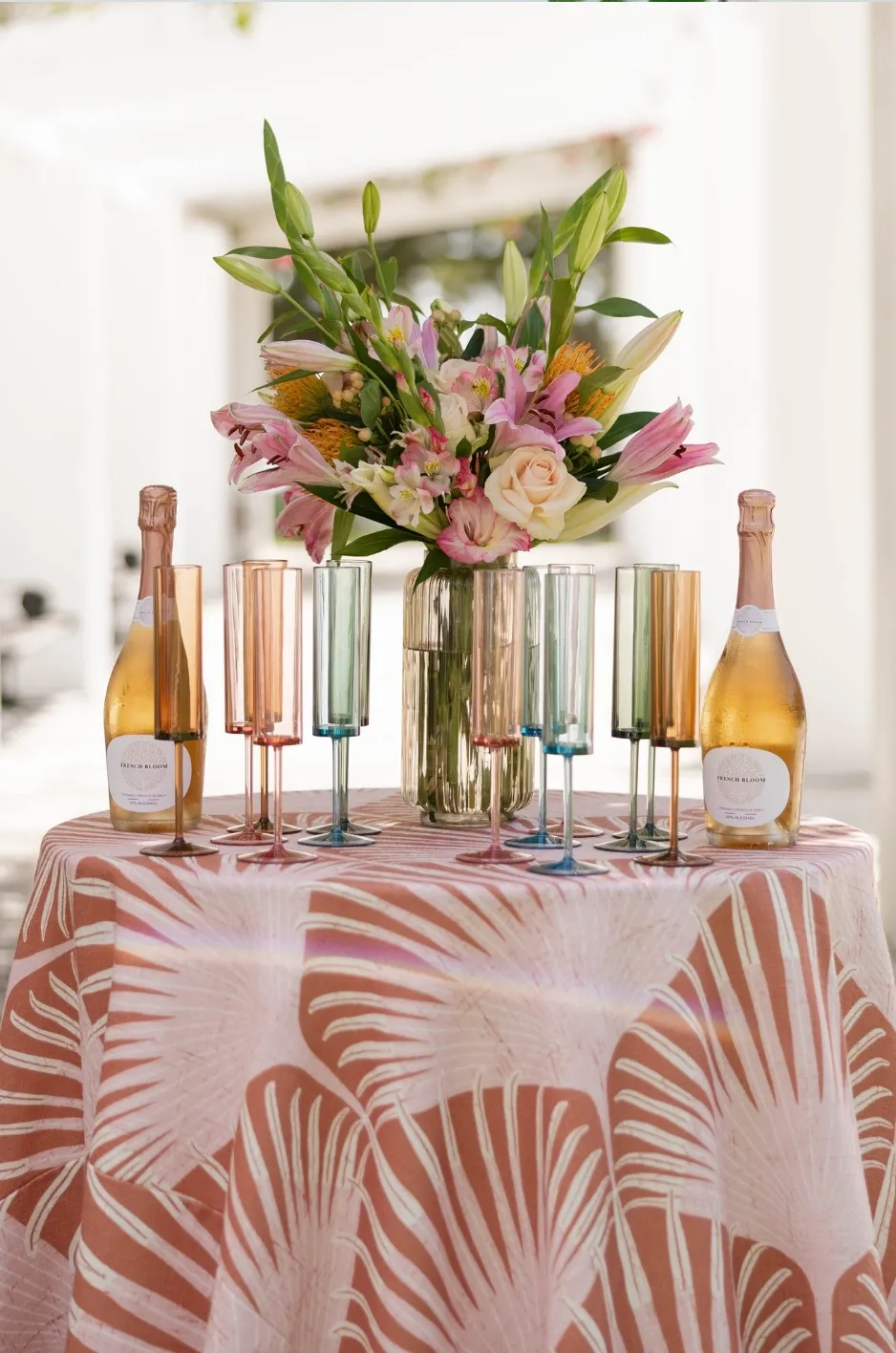
Luxury table linens establish the visual foundation of a well-designed tablescape. Their color, texture, pattern, and drape influence how floral arrangements, tableware, lighting, and decorative details come together throughout the room. When linens are properly selected and installed, they create a refined backdrop that allows every other design element to feel intentional.
Even professionally prepared rental linens can develop light fold lines during packing, shipping, staging, or installation. Careful planning can minimize these lines while protecting the fabric’s texture and finish. Accurate measurements, controlled handling, fabric-approved touch-ups, and a final styling inspection all contribute to a polished event-day presentation.
The following guidance can help event planners, designers, venues, and production teams keep luxury table linens looking composed from installation through the final guest experience.
Start With Linens Selected for the Event Design
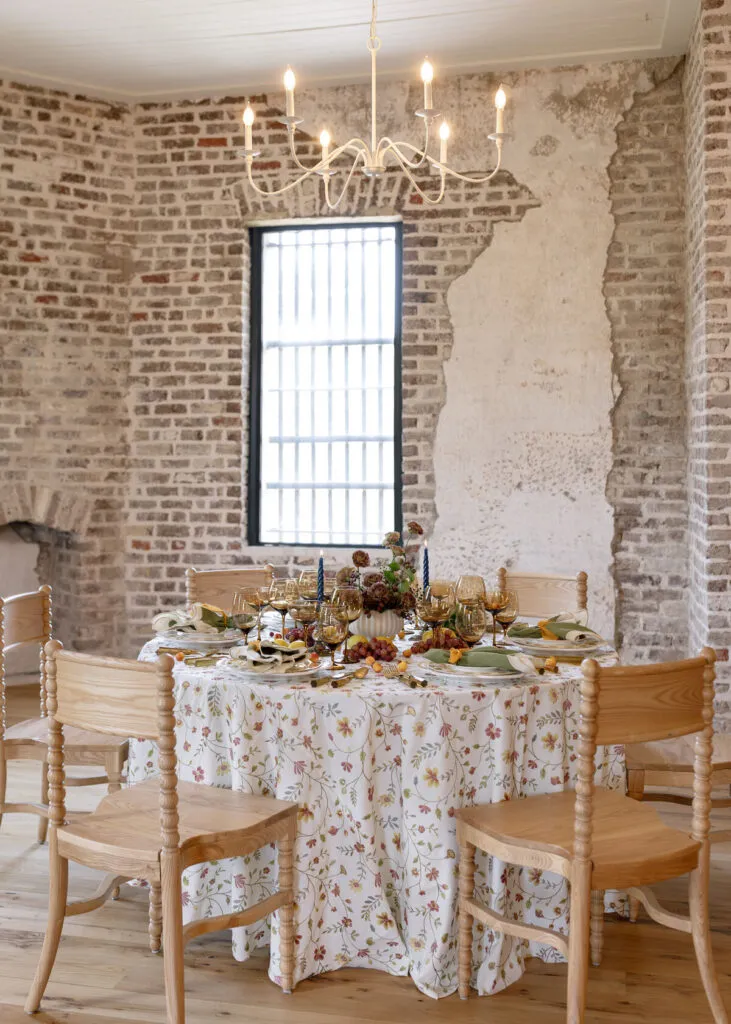
A polished table begins with the right textile. Fabric weight, weave, finish, texture, and pattern all influence how a linen falls over the table and responds to handling. The selection should support the event’s design direction while working with the table shape, venue conditions, and installation plan.
Choosing linens based only on color can lead to an unexpected drape or visual effect. A complete selection process considers how the textile will look under event lighting, how it will interact with surrounding materials, and how its structure will support the intended silhouette.
Consider Fabric Weight and Structure
Structured textiles tend to create a tailored, defined appearance. They can work well for formal dining tables, head tables, bars, and other installations where clean lines are central to the design.
Softer textiles produce a more fluid drape. They may be selected for romantic celebrations, layered tablescapes, private dinners, or designs that call for gentle movement and a less rigid silhouette.
Neither approach is inherently more luxurious than the other. The most appropriate option is the one that supports the creative direction and performs well within the event environment.
Evaluate Texture, Pattern, and Finish
Texture can add depth to a tablescape while making subtle fabric variations less noticeable. Velvet, linen-inspired weaves, specialty overlays, dimensional patterns, and satin-finish textiles each interact with light differently.
Patterns also affect how the linen is perceived across the room. An expressive print can establish the event’s color story, while a refined solid may create a quieter foundation for floral design and tabletop details.
When reviewing samples, consider the material from both a close distance and across the room. A fabric that appears understated in hand may become more dramatic when used across multiple tables.
Match the Linen to the Venue and Table Style
Venue architecture, lighting, flooring, and table placement should all influence the final selection. A linen used in a softly lit ballroom may appear different in a bright glass conservatory or an outdoor tent.
The table’s purpose also matters. Guest dining tables, cocktail tables, cake displays, communal tables, bars, and escort card installations may require different levels of structure and visual emphasis.
Outdoor events introduce additional considerations, including wind, humidity, surface conditions, and changing light. Linen selection should account for these practical factors without compromising the design concept.
Use Accurate Measurements for a Tailored Drape
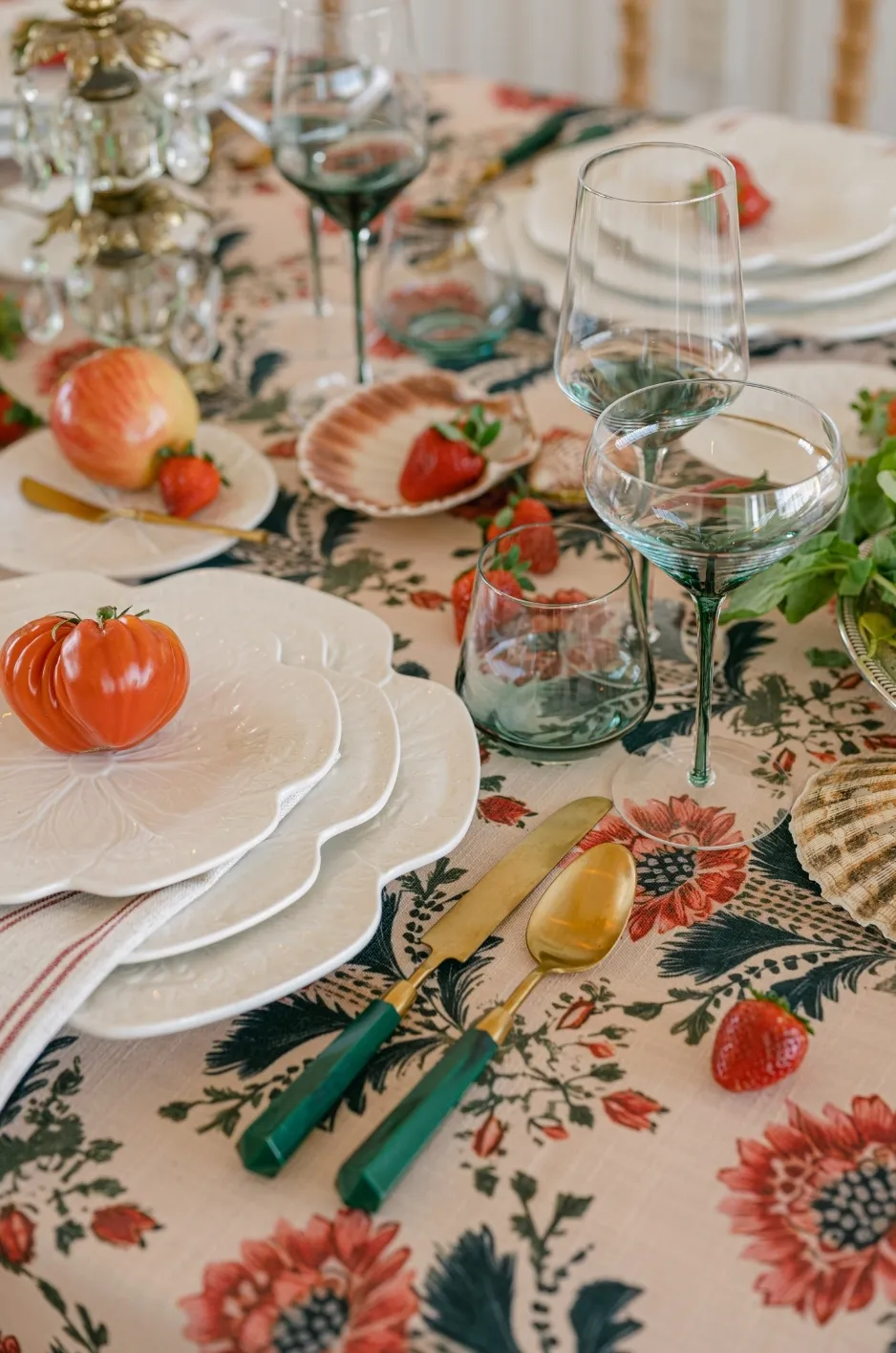
Even the most distinctive fabric can appear unfinished when the sizing is incorrect. A tablecloth that is too short may interrupt the intended silhouette, while excessive fabric can gather unevenly or interfere with service.
Accurate dimensions allow the linen to fall evenly and support the desired level of formality. Measurements should be confirmed before ordering rather than based solely on common table descriptions.
Confirm Table Shape and Dimensions
Measure the length, width, diameter, and height of every table type used in the event. Round, rectangular, square, serpentine, oval, and custom-built tables can vary between venues and rental providers.
A table described as a standard banquet table may not match the dimensions used at a previous event. Confirming the exact measurements helps prevent uneven drops and last-minute adjustments.
Specialty bases, extensions, or joined tables should also be documented. When several tables are combined to create one long dining arrangement, the full surface should be measured as a single installation.
Determine the Appropriate Drop Length
The drop refers to the distance the linen extends from the tabletop toward the floor. Floor-length linens create a formal, complete silhouette and conceal table legs or bases. Partial drops can produce a lighter appearance and may be suitable for specific design concepts.
Puddled linens create a more dramatic effect but require deliberate styling. Excess fabric should appear intentional rather than uneven or compressed around the table.
The venue surface should also be considered. A floor-length linen may sit differently on carpet, wood, stone, grass, or temporary event flooring.
Account for Specialty and Statement Tables
Sweetheart tables, cake tables, head tables, bars, dessert displays, escort card stations, and custom installations often receive greater visual attention. Their linens should be measured and selected with the same precision as the primary dining tables.
Custom sizing can be especially valuable for unusual table shapes or statement installations. A tailored linen creates a cleaner silhouette and helps the design feel integrated with the surrounding environment.
Coordinate Linen Delivery With the Setup Schedule
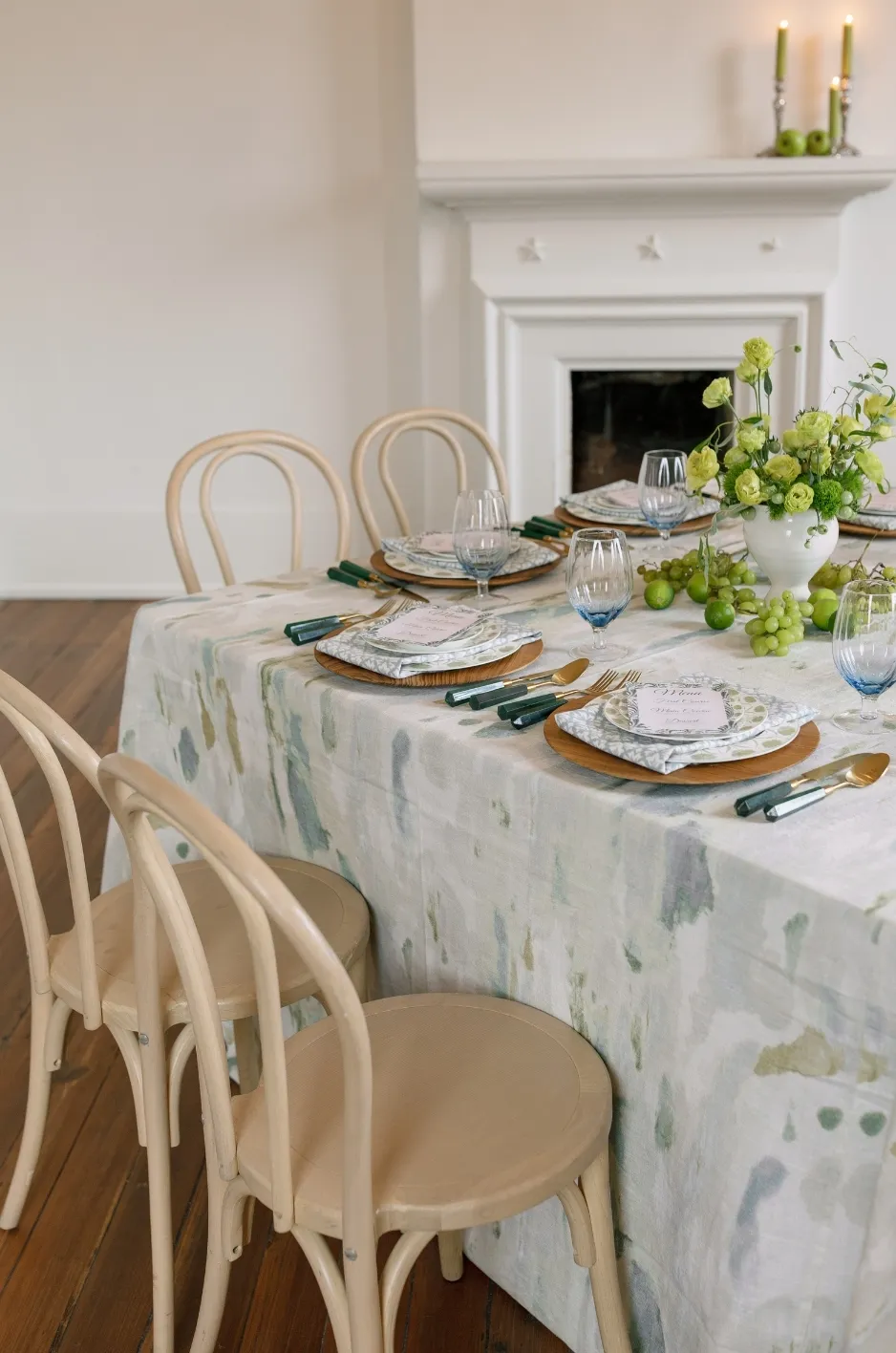
Luxury linens should be included in the production timeline from the beginning. Adequate preparation time allows the team to receive, inspect, stage, and install the collection without rushing.
When linens arrive too close to guest arrival, the setup team may have limited time to address alignment, fold lines, or pattern placement. A coordinated schedule supports both the condition of the fabric and the efficiency of the overall installation.
Schedule Delivery With Enough Preparation Time
Arrange delivery early enough to complete an inventory check and identify where each linen will be used. The team should have time to review labels, table assignments, and any fabric-specific handling instructions.
Linens do not need to remain exposed in the venue for long periods. They should be unpacked according to the setup schedule and moved directly into a protected staging or installation area.
For complex events, grouping linens by room, table type, or design zone can reduce confusion during setup.
Create a Clean Linen Staging Area
Designate a clean, dry, low-traffic space for the linen collection. The area should be separated from food preparation, floral processing, construction work, loading activity, and waste removal.
Avoid placing linens directly on the floor or on surfaces that may contain dust, moisture, wax, or cleaning residue. The staging area should remain organized throughout the installation so fabrics are not repeatedly moved or compressed.
Keep Packaging and Return Materials Organized
Original packaging, labels, and return materials should remain together in a designated location. This makes the strike process easier and reduces the possibility of missing or misplacing important materials.
Clear organization is particularly important when the rental includes several linen sizes, patterns, napkins, runners, pillows, or overlays.
Handle Luxury Linens Carefully During Installation
Careful handling helps preserve the fabric’s finish and reduces the creation of new fold lines. Linens should be moved from the staging area to their assigned tables with as little unnecessary folding or compression as possible.
The installation team should understand that specialty textiles may respond differently to pulling, heat, moisture, and repeated handling.
Use Clean, Dry Hands
Installers should wash and thoroughly dry their hands before handling light-colored, delicate, or highly textured fabrics. Lotions, oils, makeup, food residue, and moisture can transfer to the textile.
Handling gloves may be appropriate for certain materials, although they should only be used when they allow the installer to maintain a secure grip without snagging the fabric.
Avoid Unnecessary Folding and Compression
Repeated folding can create additional lines that were not present when the linen arrived. Move each piece directly to its assigned table whenever possible.
Do not place toolboxes, floral containers, equipment cases, or heavy décor on folded linens. Compression can make fold lines more pronounced and may affect textured or pile fabrics.
Install Linens Before Detailed Tabletop Styling
Tablecloths should be placed, centered, and adjusted before florals, chargers, menus, glassware, candles, and place settings are installed.
Completing the linen installation first gives the team full access to the table and reduces the need to move fragile or completed design elements later.
Center and Smooth Each Linen With Precision
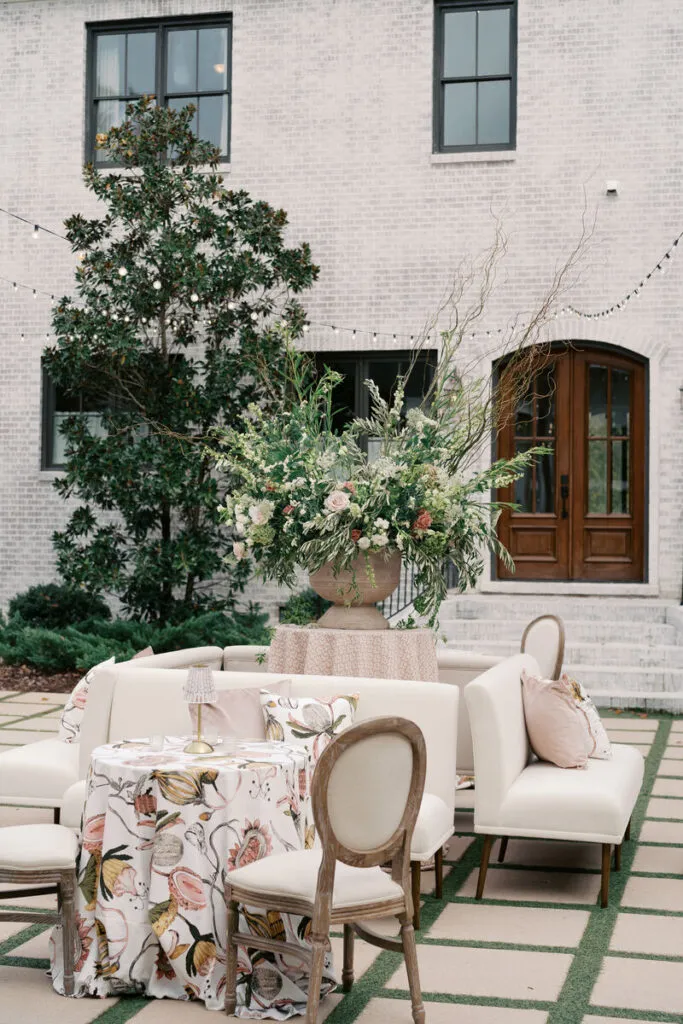
A polished installation depends on alignment as much as fabric condition. A linen may appear uneven because it is slightly off-center rather than because the material is heavily creased.
Each table should be viewed from several directions, especially when it is positioned near a main aisle, entrance, stage, dance floor, or photography location.
Align the Linen With the Table
Identify the center of the linen and align it with the center of the table. Adjust the fabric gradually rather than pulling sharply from one side.
Patterned linens require additional attention. The primary motif or repeat should appear intentionally positioned, particularly on prominent tables or installations.
When several tables use the same pattern, consistent placement can make the entire room feel more cohesive.
Check the Drop From Multiple Angles
Walk around the table and compare the drop on each side. For rectangular tables, check the corners as well as the long and short edges.
A balanced drop creates a more tailored appearance and prevents one side from appearing heavier than the other. Adjustments should be made before tabletop items are installed.
Smooth the Fabric From the Center Outward
Use clean hands to gently smooth the linen from the center of the tabletop toward the edges. This can reduce minor surface lines and help the fabric settle naturally.
Avoid aggressive pulling or stretching. Excessive tension can distort the weave, shift a pattern, or create an unnatural drape around the corners.
Address Visible Fold Lines With Fabric-Approved Methods
Different materials require different care. A method that works well on one textile may damage another, particularly when the fabric includes a specialty finish, custom printing, dimensional texture, or velvet pile.
Always follow the handling guidance provided with the rental. When the approved method is unclear, consult the rental provider before applying heat, moisture, cleaning products, or pressure.
Allow the Fabric Time to Relax
Some fold lines soften naturally after the linen has been unpacked and placed on the table. Gravity and the weight of the fabric can improve the drape without additional treatment.
Install linens early enough to allow this natural settling process when the production schedule permits. The table can then be reviewed during the final styling inspection.
Use Gentle Steam Only When Approved
A fabric-safe steamer may be appropriate for certain textiles. Keep the steamer at the recommended distance and avoid allowing water droplets to collect on the material.
Test an inconspicuous area when permitted, especially when working with deep colors, printed fabrics, or specialty finishes. Velvet and other pile fabrics may require a different technique to protect their surface texture.
Steam should be applied before delicate tabletop elements are installed. This creates a safer workspace and protects flowers, paper goods, candles, and glassware.
Avoid Unapproved Ironing or Spot Treatments
Direct ironing can flatten texture, affect color, alter specialty finishes, or damage heat-sensitive fibers. It should not be used unless the rental provider has confirmed that the specific material can be safely pressed.
Household detergents, stain removers, and improvised cleaning products should also be avoided. Rental linens are professionally maintained, and unapproved treatments may cause permanent discoloration or fabric damage.
Protect Linens While Other Vendors Complete Setup

Once linens are installed, they may remain exposed while florists, caterers, lighting teams, and production crews finish their work. A coordinated setup sequence helps protect completed tables from spills, dust, unnecessary handling, and equipment damage. Clear communication between vendors is essential. Each team should understand when an area has reached its final styling stage.
Establish a Setup Sequence
Whenever possible, complete rigging, furniture placement, electrical work, overhead installations, and major production activity before positioning luxury linens.
This reduces the likelihood of ladders, cables, cases, and tools moving through completed table areas. It also limits dust and debris around the finished textiles.
Coordinate With Floral and Catering Teams
Floral buckets, food containers, preparation tools, and packaging should not be placed directly on installed linens. Vendors should use designated worktables or protective surfaces during setup.
Water from floral arrangements should be checked before centerpieces are positioned. Catering teams should also confirm that serving equipment and beverage stations are stable before the final inspection.
Limit Traffic Around Completed Tables
Once a table is fully styled, communicate that it is ready for final review. Limiting traffic around completed areas reduces accidental contact and repeated repositioning.
For large events, the production team may complete the room in sections so finished tables remain protected while work continues elsewhere.
How Curated Linen Collection Supports a Polished Presentation
Curated Linen Collection approaches table linens as a central part of the event design rather than a background detail. Its collection of distinctive patterns, refined solids, textures, runners, napkins, pillows, and specialty textiles allows planners and designers to create tablescapes with depth and character.
Professional guidance can also help align the linen selection with the venue, table dimensions, floral palette, tabletop rentals, lighting, and overall visual direction.
A Curated Range of Textures and Patterns
A considered collection gives event professionals access to materials suited to a wide range of design concepts. Expressive patterns can become a focal point, while textured solids and layered textiles can provide a sophisticated foundation.
The right selection creates continuity throughout the event and helps connect separate design areas into one cohesive environment.
Custom Design and Tailored Details
Custom pattern development, color coordination, printing, cutting, sewing, and finishing can support events that require a highly specific creative direction.
Tailored sizing and custom details are particularly valuable for statement tables, unusual dimensions, branded celebrations, and installations where standard options do not provide the intended result.
Guidance for a Cohesive Tablescape
Expert linen guidance helps planners move beyond selecting a color in isolation. Fabric, pattern scale, texture, table shape, floral design, and lighting should work together.
This design-led approach supports a polished event-day presentation while allowing each celebration to maintain its own visual identity.
Frequently Asked Questions
How early should luxury rental linens be unpacked before an event?
Linens should be unpacked early enough to complete the installation, allow the fabric to settle, and conduct a final inspection. The exact timing depends on the venue schedule, table count, and complexity of the design.
Can every luxury table linen be steamed?
No. Steam may be appropriate for some textiles but unsuitable for others, including certain velvets, specialty finishes, and custom-printed materials. Follow the rental provider’s care instructions.
Should rental linens be ironed at the venue?
Direct ironing should be avoided unless it has been specifically approved for the material. Excessive heat and pressure can damage texture, color, printing, or fabric finishes.
How can planners prevent tablecloths from becoming uneven during setup?
Confirm the table dimensions, center the linen before styling, compare the drop from every side, and install tabletop elements only after the fabric has been aligned.
What should the event team do if a spill occurs?
Follow the rental provider’s spill guidance. Avoid rubbing the fabric or applying household cleaning products. Gentle blotting may be appropriate when permitted.
How should luxury rental linens be handled after the event?
Separate the linens from waste and equipment, follow the supplied packing instructions, and return them without laundering, ironing, or applying stain treatments.
Create a Polished Foundation for the Entire Tablescape
Keeping luxury table linens polished on event day requires thoughtful preparation rather than constant maintenance. The process begins with selecting a textile that suits the event design, venue, table dimensions, and desired drape. Careful staging, precise installation, approved touch-ups, and a complete final inspection help preserve the fabric’s presentation throughout the event.
Linens should work in harmony with floral design, tableware, lighting, and architecture. When every detail is considered, the tablescape feels balanced and visually complete.
Curated Linen Collection supports this process through distinctive rental linens, tailored design details, custom capabilities, and guidance that helps event professionals create refined, memorable table settings.