

Texture and fabric define the architectural character of luxury wedding linens. Silk, velvet, and damask each carry distinct surface qualities, weight, and light response that influence how a tablescape reads in the room and how it feels to guests in moments of contact. When materials are selected with intention, linens reinforce the design language of the wedding while elevating the dining environment through controlled contrast, depth, and refinement.
This guide examines the signature qualities of silk, velvet, and damask and explains how each fabric performs in real event settings. You will find practical direction on translating terms such as soft, lustrous, and matte into specific textile choices for tablecloths, napkins, runners, and chair treatments. Swatch testing under venue lighting, coordination with florals and tableware, and planning for care and storage are integrated throughout, ensuring aesthetic decisions remain precise, consistent, and executable.
What Characteristics Define Luxury Wedding Linen Fabrics?
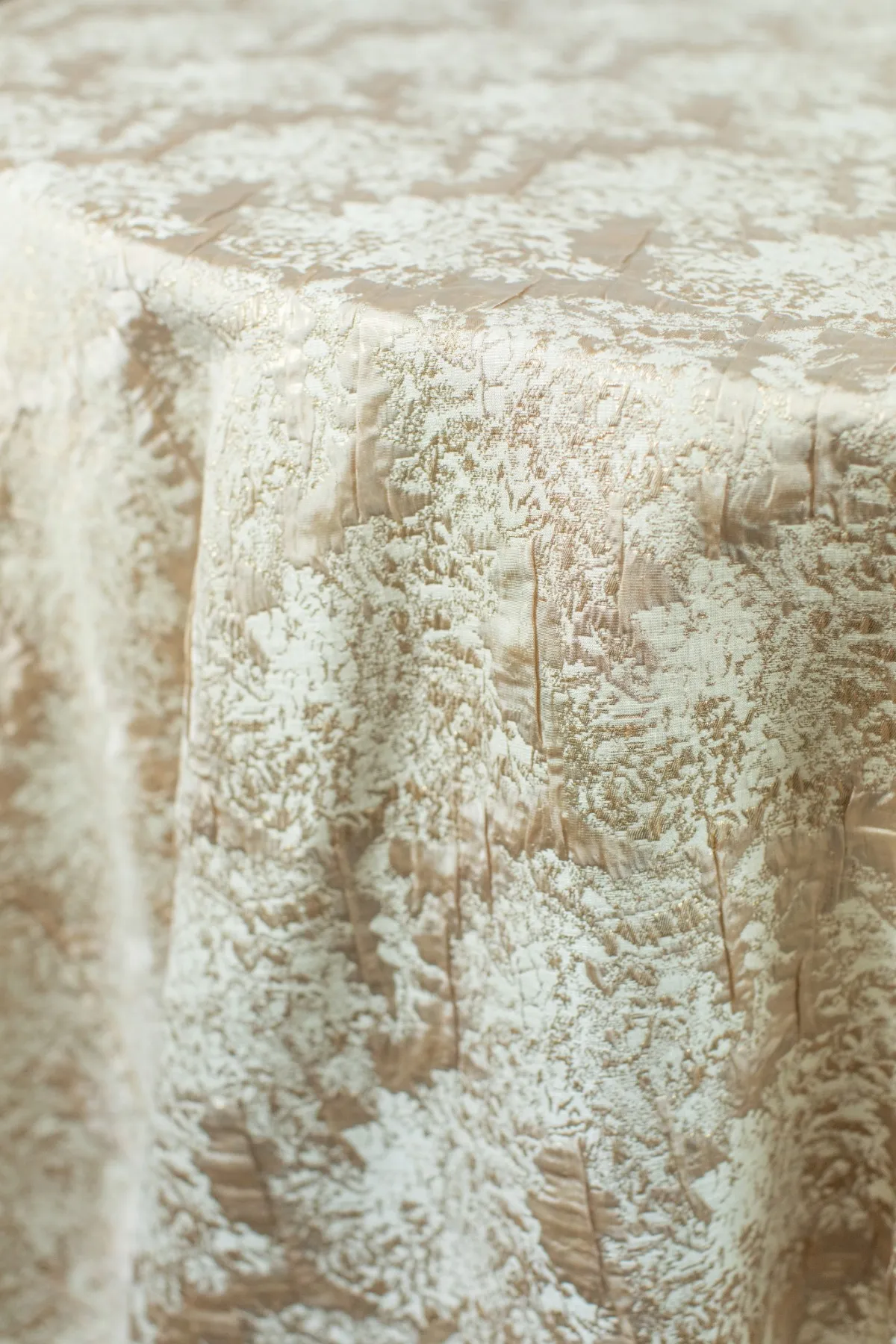
Luxury wedding linens are defined by material integrity, controlled texture, and disciplined construction. Refinement is expressed not only through appearance but through hand, weight, and drape. The way a fabric falls to the floor, folds at a napkin edge, or settles beneath glassware shapes the perception of formality and intention.
Silk, velvet, and damask exemplify these standards through depth of colour, surface articulation, and structural presence. Evaluating linens in person remains essential. Photographs capture hue but not movement, density, or tactile quality. Consider how a textile responds to handling, whether it creases under pressure, and how it interacts with ambient and candlelight. These performance characteristics influence both styling precision and operational reliability.
How Do Silk, Velvet, and Damask Exemplify Premium Textures?
Each of these fabrics carries a distinct sensory and visual language.
- Silk offers a fluid drape and calibrated sheen that introduces luminosity without excess. Its surface reflects light in controlled gradations, enhancing floral colour and polished metals.
- Velvet provides dimensional depth through its plush pile. It absorbs light, intensifies tone, and creates a composed sense of intimacy suited to evening or richly layered settings.
- Damask delivers woven pattern and tonal variation through structure rather than print. Often reversible, it introduces quiet complexity and architectural elegance.
Intentional pairing heightens impact. A silk runner placed over damask reveals contrast in sheen and weave. Velvet napkins against a matte charger clarify texture through opposition. Legibility between surfaces reinforces perceived quality.
What Role Does Fabric Texture Play in Elevating Wedding Décor?
Texture establishes atmosphere. Smooth, structured surfaces communicate restraint and clarity. Raised weaves and plush finishes introduce warmth and depth. These tactile cues shape guest perception as decisively as colour.
Texture also directs visual hierarchy. A textured overlay can anchor a centrepiece without visual competition. A sleek runner can guide the eye along a banquet table. Layering must remain disciplined; depth emerges from contrast and proportion, not accumulation.
When selected with precision, texture enhances both the in-person experience and photographic composition, ensuring the tablescape reads as cohesive, dimensional, and composed.
Why Choose Silk Wedding Linens for an Opulent Celebration?

Silk introduces controlled luminosity and fluid drape that immediately elevate a tablescape. Its softness and refined sheen create a composed sense of luxury that reads clearly in both daylight and candlelight. In naturally lit settings, silk reflects light in subtle gradations, enlivening florals and enhancing tonal variation across the table. Along the edge of a banquet table, its fluid fall produces clean, architectural folds that reinforce formality.
For celebrations that prioritise lightness and polish, silk provides presence without visual heaviness.
What Sensory Qualities of Silk Enhance Table Settings?
Silk’s smooth hand and calibrated luster contribute to both visual clarity and tactile refinement. Its surface interacts with light dynamically, introducing movement without distraction. Guests perceive its softness immediately, which reinforces a sense of attentiveness and care.
From a styling perspective, silk pairs effectively with porcelain, crystal, and polished metals. The contrast between sheen and matte ceramic surfaces creates balance and dimensional interest. When specifying silk, review swatches alongside intended tableware and florals to confirm colour fidelity and sheen under venue lighting.
How Do Durability and Care Influence Silk’s Suitability?
Silk requires disciplined handling to maintain its structure and finish. Professional cleaning and controlled storage preserve drape and colour stability. For purchased pieces, budget for specialised care. For rentals, confirm inspection protocols and laundering standards prior to installation.
Maintaining spare napkins or runners provides practical insurance against staining or last-minute adjustments, allowing the aesthetic to remain intact throughout service.
How Do Velvet Tablecloths Transform Wedding Ambiance?
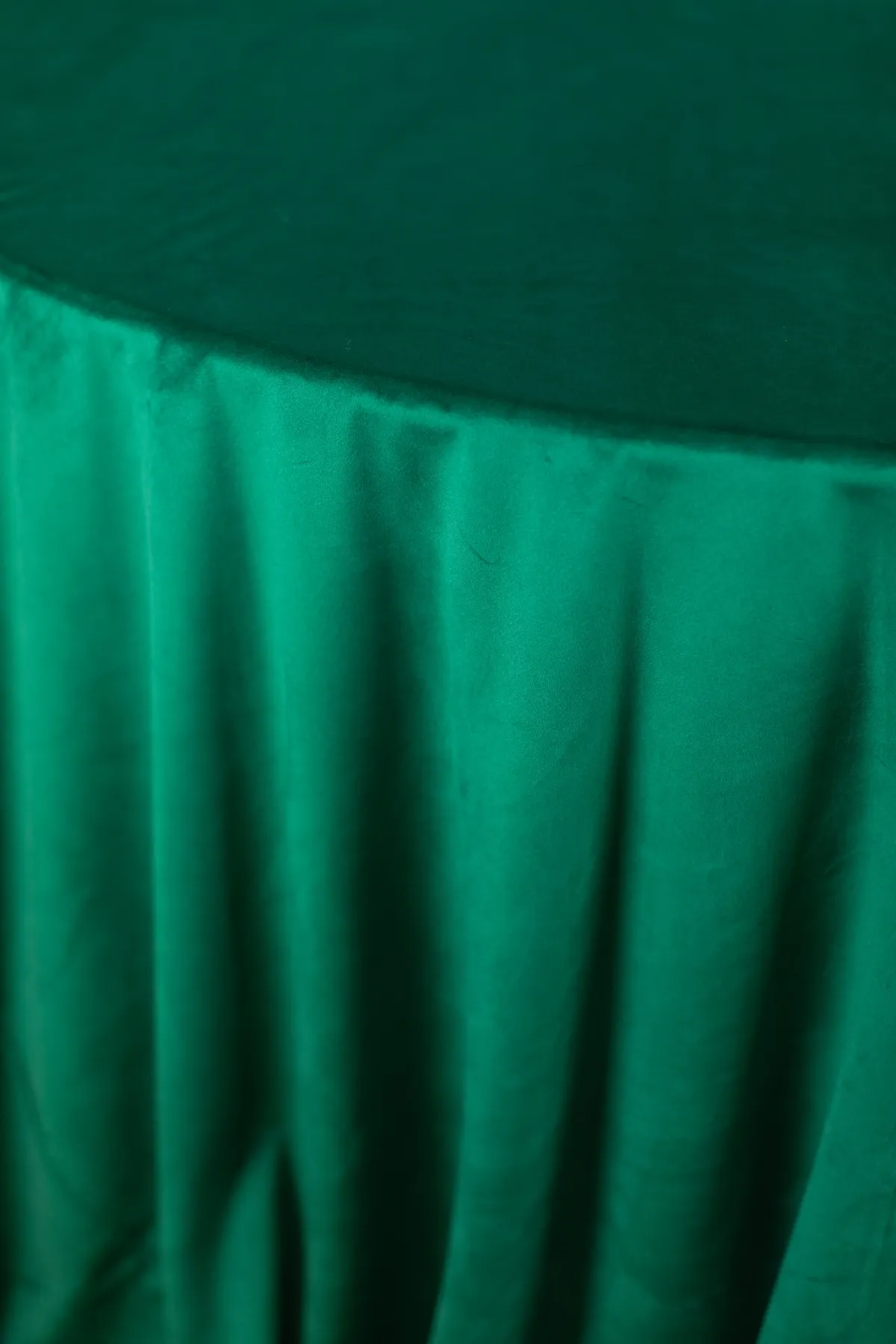
Velvet introduces depth and tonal intensity through its plush pile. Its surface absorbs light, producing richness and a composed atmosphere well suited to evening installations. Under candlelight or low ambient lighting, velvet develops dimensional shadow that enhances intimacy and visual weight.
Used strategically, velvet anchors a room and reinforces a sense of occasion.
What Visual and Tactile Attributes Make Velvet Ideal?
Velvet’s saturated colour and dense hand create a layered, immersive tableau. The directional pile affects how light moves across the surface, subtly shifting tone as guests move around the table. This quality adds dynamic depth without additional ornamentation.
Pairing velvet with reflective elements such as polished cutlery or mirrored accents establishes contrast between soft and luminous surfaces. When selecting velvet, assess pile direction and nap consistency to ensure uniform appearance across multiple tables.
How Should Velvet Linens Be Maintained?
Preserving velvet’s finish requires protection of the pile. Avoid prolonged folding that may compress the surface. Roll or hang using padded supports during transport and storage. Light brushing restores nap between uses, while specialised textile care addresses deeper cleaning needs.
Careful handling ensures velvet retains its dimensional richness across events.
What Distinguishes Damask in Luxury Wedding Décor?
Damask is defined by woven pattern rather than applied print. Its tonal motifs emerge through structure, creating depth without relying on contrasting colour. This construction allows damask to function within both formal and restrained design schemes.
Because pattern is integrated into the weave, the fabric maintains visual complexity while remaining disciplined and cohesive.
How Does Damask Create Depth and Dimension?
Reversible construction expands styling flexibility. One face may present a more pronounced motif, while the reverse offers a subtler ground. This adaptability allows a single textile to serve multiple moments within a celebration.
Woven pattern introduces visual rhythm across the table, supporting centrepieces and place settings without overwhelming them.
Which Damask Patterns Complement High-End Themes?
Pattern scale should align with table size and décor proportion. Traditional floral or geometric motifs reinforce classical environments. Contemporary interpretations suit modern architectural settings.
Large motifs perform best on expansive banquet tables. Fine-scale patterns reward closer inspection and pair effectively with restrained centrepieces. Selecting pattern with proportion in mind preserves clarity and ensures the textile supports, rather than competes with, the overall design language.
How to Select the Perfect Linen Texture for Your Wedding Theme
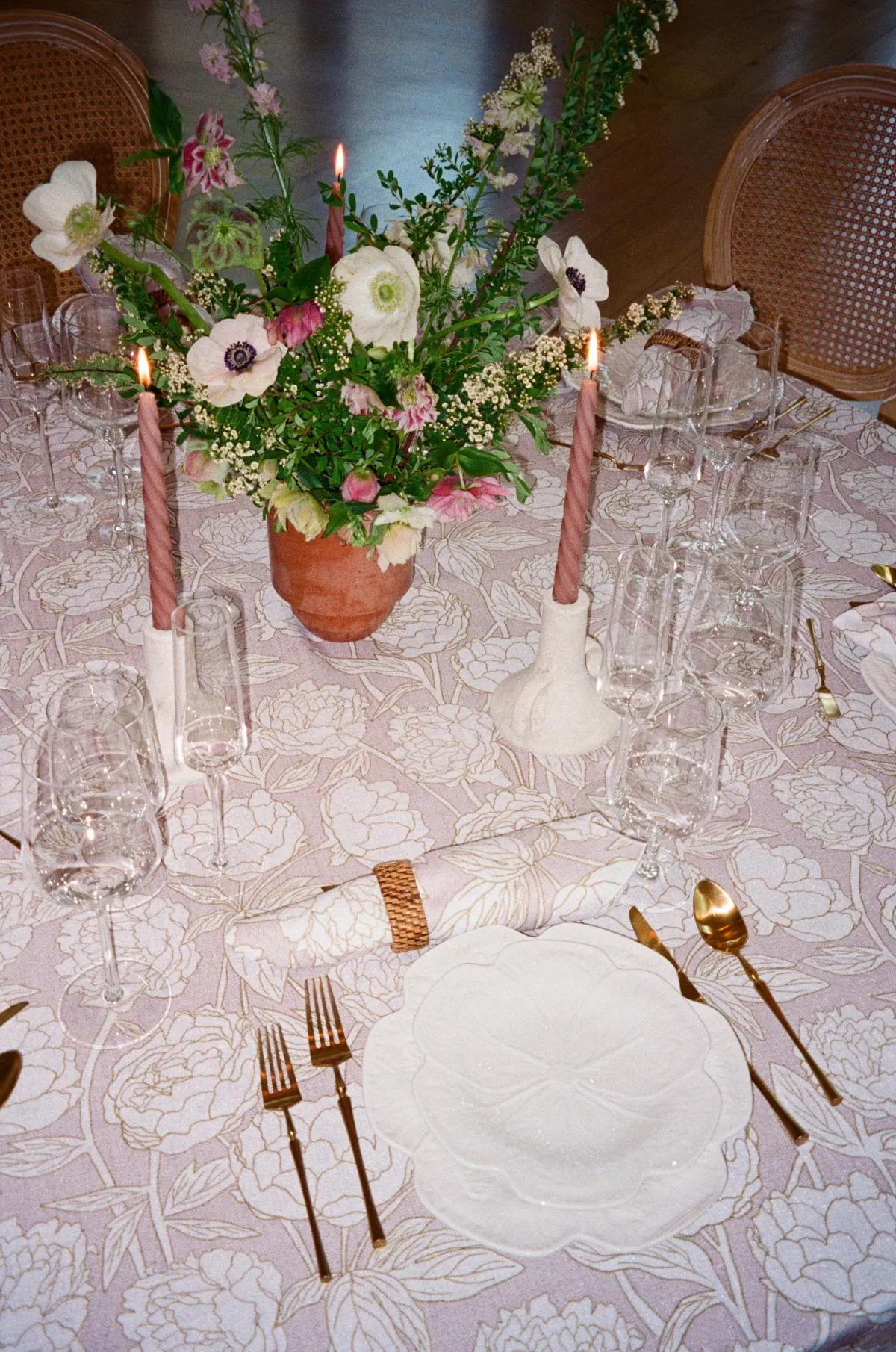
Selecting linen texture is a design decision grounded in proportion, palette, and atmosphere. Evaluate how a fabric’s hand, weight, and surface character interact with the venue’s architecture, lighting conditions, and overall theme. Texture should reinforce the intended mood rather than introduce visual noise.
Request physical swatches and review them under event lighting. Assemble a focused tabletop mock-up with chargers, florals, and glassware to assess cohesion in both natural view and photography. This process clarifies how materials perform in context and prevents misalignment between concept and execution.
What Fabric Textures Align With Classic, Modern, and Rustic Styles?
Texture communicates tone.
- Classic weddings benefit from silk and damask, which provide structured drape and woven depth suited to formal settings.
- Modern celebrations often favour velvet or refined matte weaves that introduce controlled contrast and dimensional presence.
- Rustic environments respond well to natural woven linens that emphasise texture and authenticity without excessive sheen.
Seasonal conditions should inform selection. Lightweight, breathable fabrics suit warmer climates and daytime ceremonies. Heavier weaves with denser structure align with evening receptions and cooler months.
How Do Color and Weave Influence Texture Perception?
Colour intensifies or softens texture. Pale tones emphasise silk’s fluidity and reflectivity. Deep hues amplify velvet’s saturation and depth. Intricate weaves introduce pattern through structure, altering how the fabric reads at distance and up close.
Maintain hierarchy when combining elements. Establish a primary textile to anchor the table composition. Introduce secondary textures in measured proportions to create dimension while preserving clarity. A disciplined balance between colour and weave ensures the tablescape remains cohesive and intentional.
What Are the Best Practices for Caring for Luxury Wedding Linens?
Disciplined care preserves both visual integrity and long-term value. Cleaning, pressing, and storage should be planned with the same precision as installation. Allocating time for professional laundering, air-drying, inspection, and minor repairs between events prevents avoidable wear and protects high-investment textiles.
Integrating care into budgeting and scheduling ensures linens return to service in composed, event-ready condition.
Which Cleaning and Storage Techniques Preserve Fabric Quality?
Follow fabric-specific guidance without deviation.
- Use recommended dry cleaning for delicate fibres such as silk and velvet.
- Hand wash or use gentle cycles for linens suited to laundering.
- Avoid harsh detergents and high heat.
Store textiles in cool, dry, low-light environments to prevent fading and fibre fatigue. Breathable storage containers and acid-free tissue help minimise creasing and chemical degradation. Maintain clear labelling so each piece retains its care instructions and usage history.
Before storage, inspect hems, seams, and surface finishes for minor issues. Early repair prevents structural compromise.
How Does Proper Care Extend the Lifespan of Silk, Velvet, and Damask?
Consistent maintenance preserves drape, colour fidelity, and surface character. Silk retains its fluid sheen. Velvet maintains pile integrity. Damask preserves woven definition. Each fabric benefits from attentive handling that respects its structural properties.
For rental inventories, track usage cycles and rotate pieces to distribute wear evenly. For privately owned collections, consult experienced textile conservators for guidance on preservation, cleaning intervals, and environmental controls.
Systematic care transforms luxury linens from event décor into enduring assets capable of repeated, refined presentation.
Frequently Asked Questions
What are the benefits of using luxury wedding linens?
Luxury linens elevate both the visual composition and tactile experience of a wedding. Fabrics such as silk, velvet, and damask introduce depth, structure, and refined surface character that frame florals and tableware with precision. They also photograph with greater dimension, reinforce a cohesive design language, and can be preserved as keepsakes or heirloom pieces beyond the event.
How can different textures be incorporated effectively?
Establish a primary textile to anchor the table, then introduce one or two contrasting surfaces for dimension. A silk runner layered over damask or velvet napkins placed against a matte charger creates controlled contrast. Limiting the number of textures maintains clarity while allowing depth to emerge through proportion.
What should guide linen color palette selection?
Begin with a dominant hue aligned with the event’s mood and architectural setting. Introduce complementary tones that enhance the selected textures rather than compete with them. Review swatches under venue lighting and alongside tableware to confirm how colour, sheen, and surface interplay in real conditions.
How can linens align with a wedding theme?
Define the stylistic direction first, then match fabric character accordingly. Silk and damask support classical environments. Velvet introduces tonal richness suited to contemporary or evening settings. Natural woven linens complement rustic or organic themes. Coordination with florals, stationery, and architectural finishes ensures a layered and unified result.
What trends are shaping luxury wedding linens?
Current direction favours tactile richness, tonal layering, and responsibly sourced textiles. Nuanced palettes are preferred over singular saturated colours. Subtle personalization, including monograms and refined trims, remains a consistent element in elevated design.
How can linens be personalized?
Personalization may include bespoke embroidery, calibrated colour development, or discreet monograms. Heritage textiles or meaningful motifs can add narrative depth. Confirm placement, scale, and lead times early, and request sampling to ensure precision before full production.
Conclusion
Texture and fabric define the structural character of a wedding tablescape. Silk, velvet, and damask each contribute distinct surface qualities that shape atmosphere, photography, and guest perception.
Through disciplined selection, physical sampling, and attentive care, linens become integral design elements rather than decorative afterthoughts. Thoughtful specification ensures the textiles support both aesthetic ambition and practical execution, resulting in a celebration defined by clarity, depth, and enduring refinement.