A successful summer linen setup begins before the rental order is finalized. For event planners, the venue walkthrough is the moment to confirm the details that shape the full tablescape: table sizes, room layout, lighting, focal areas, guest flow, and any custom linen needs. These details determine how tablecloths, napkins, runners, overlays, and accent linens will look once they are installed in the actual event space.
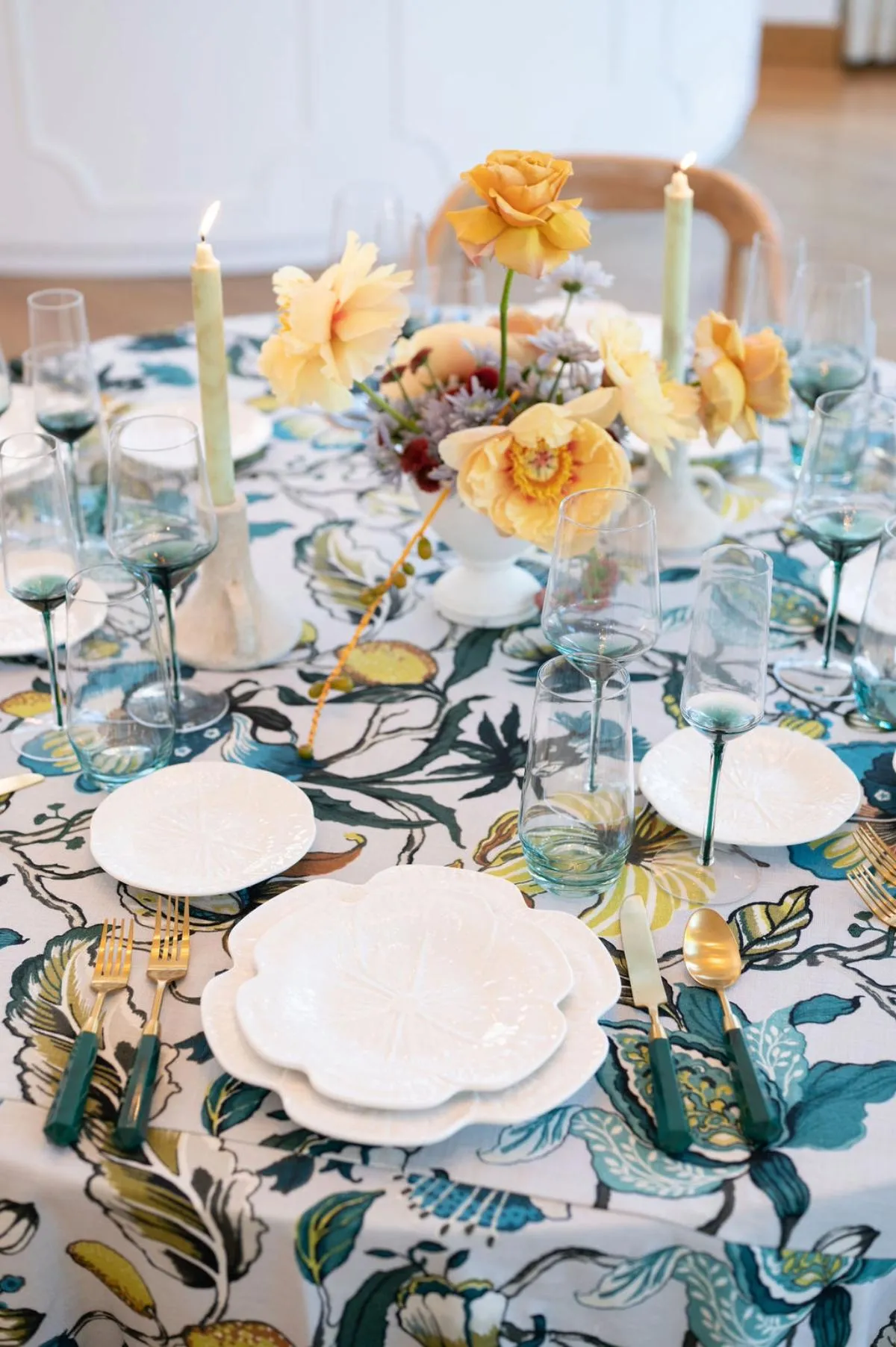
Summer events require linen choices that feel polished, seasonally appropriate, and connected to the venue environment. Natural light, outdoor exposure, tenting, flooring, floral design, and tabletop rentals can all influence how a linen color, texture, or pattern appears on event day. A shade that looks soft in a showroom may feel brighter in direct sunlight, while a subtle texture may become more dimensional under evening lighting.
Curated Linen Collection helps planners create refined linen plans through luxury linen rentals, custom design options, and coordinated tabletop pieces. With the right walkthrough checklist, planners can move from inspiration to execution with greater accuracy, ensuring that every linen detail supports the event’s design, logistics, and guest experience. Read more in Event Linen Rentals for Professional Planners: A Guide.
Why Is a Venue Walkthrough Important for Summer Linen Setup?
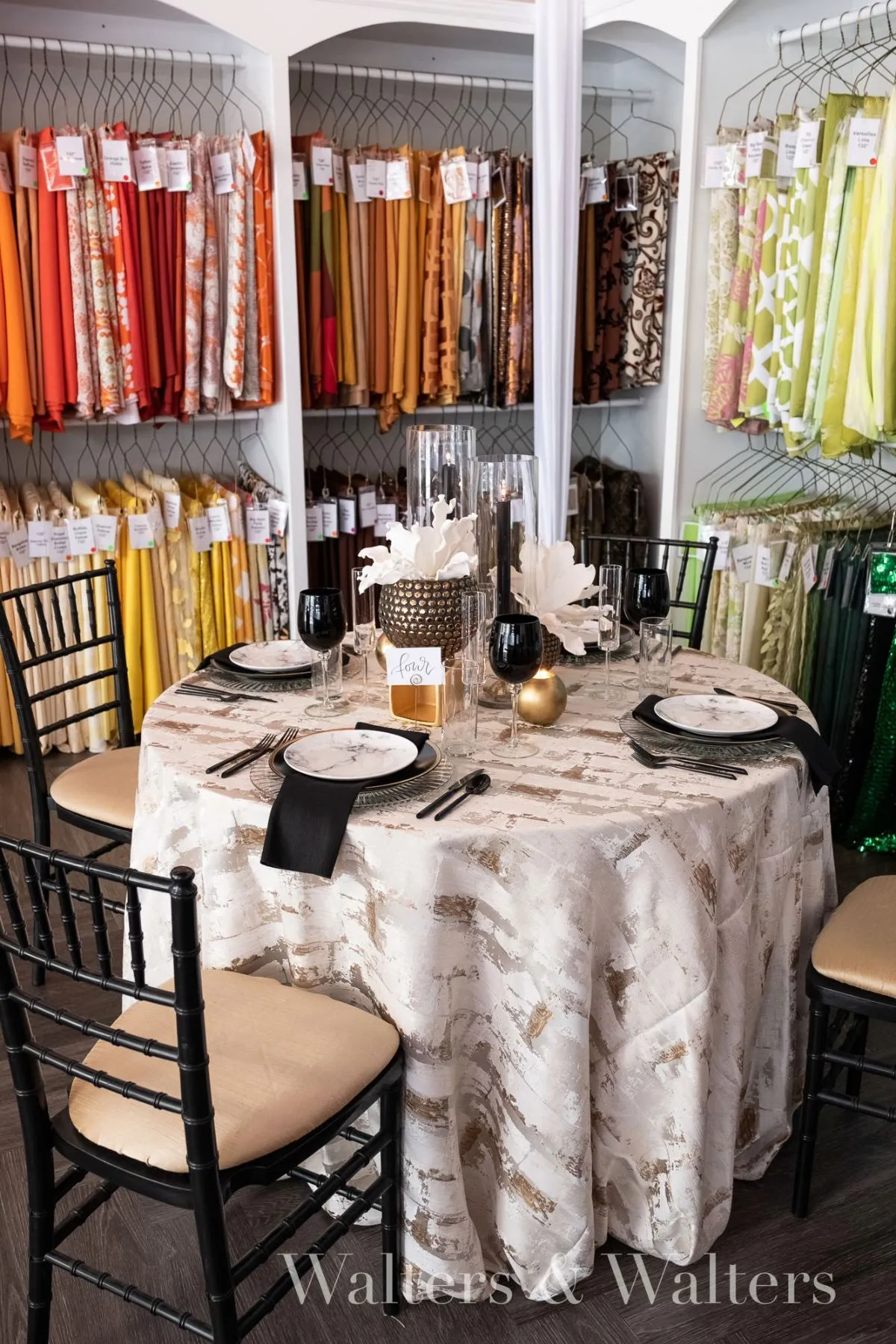
A venue walkthrough gives planners the practical information needed to make confident linen decisions. Rather than selecting linens based only on mood boards or sample images, planners can evaluate how the actual space will affect table placement, linen sizing, color selection, and overall styling. This step is especially important for summer events, where light, heat, outdoor exposure, and guest movement can all influence the final setup.
The walkthrough also helps prevent common event-day issues, such as incorrect linen sizes, missing accent linens, crowded floor plans, or colors that do not photograph as expected. By documenting the right details early, planners can create a more polished and cohesive linen plan.
It Helps Confirm the Full Tablescape Plan
During the walkthrough, planners should identify every area where linens will be used. This includes guest dining tables, cocktail tables, bars, cake tables, buffet stations, escort displays, welcome tables, lounge areas, and any specialty installations. Each area may require a different linen type, size, texture, or design approach.
This full-space view helps the linen plan feel intentional rather than limited to the dining tables. A statement linen on a bar, a custom runner on an escort display, or a specialty overlay on a cake table can help carry the event design throughout the venue.
It Prevents Sizing and Quantity Issues
Accurate measurements are one of the most important outcomes of a venue walkthrough. Planners should confirm table shape, table dimensions, linen drop preferences, runner lengths, napkin counts, and any specialty sizing needs before placing the final order. These details ensure that each table looks properly finished and that the full linen order supports the actual floor plan.
Sizing is especially important for summer events with mixed table types, such as round guest tables, long banquet tables, cocktail tables, bars, and lounge pieces. Confirming quantities early also helps account for service tables, backup linens, and focal areas that may otherwise be missed.
It Connects Linen Choices to the Venue Environment
Linens should be selected with the full venue environment in mind. During the walkthrough, planners should review natural light, shade, flooring, wall colors, tenting, ceiling height, furniture, floral direction, and guest flow. These factors can affect how linen colors, patterns, and textures appear once the event is fully set.
For outdoor or tented summer events, planners should also consider how the space changes throughout the day. A soft pastel may look airy in daylight, while deeper accent linens may add richness once the event moves into evening. Reviewing the venue conditions in advance allows the linen selection to feel more cohesive, practical, and visually aligned with the event’s atmosphere.
What Should Event Planners Measure During the Walkthrough?
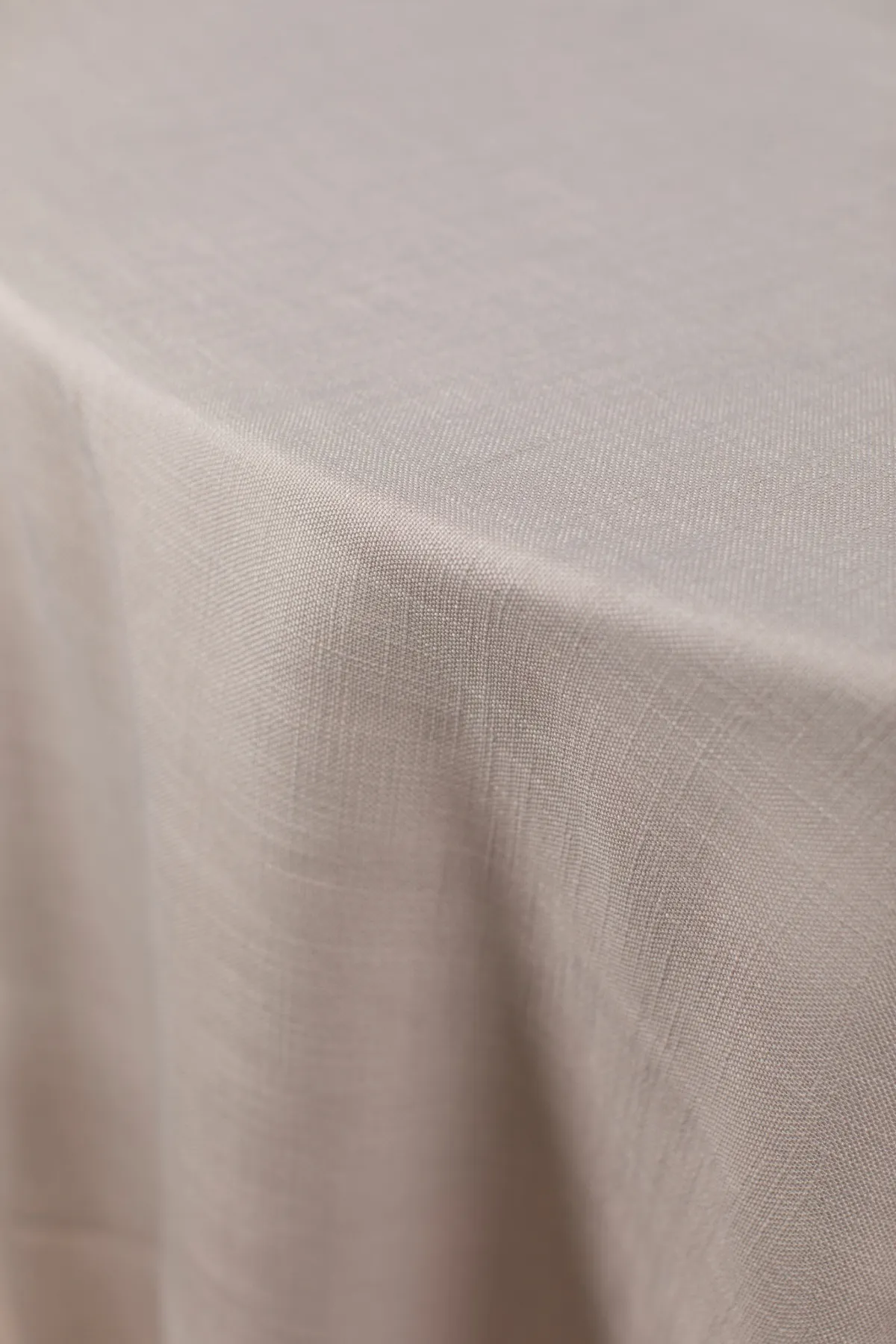
Accurate measurements are essential for a polished linen setup. Before finalizing the rental order, planners should document every table type, table size, and focal area where linens will be used. These details determine the correct tablecloth sizes, runner lengths, napkin quantities, overlay placements, and any custom linen needs.
A strong walkthrough checklist should go beyond the main dining tables. Summer events often include cocktail areas, bars, lounge groupings, welcome tables, escort displays, cake tables, and service stations. Each of these areas can benefit from a thoughtful linen detail, but only if the planner has confirmed the correct dimensions and placement in advance.
Guest Table Sizes and Shapes
Start with the guest dining tables. Confirm whether the event will use round tables, banquet tables, estate tables, square tables, or a mix of table styles. Each shape requires a different linen approach, and the preferred drop length will affect the final size needed.
For formal events, a longer linen drop may create a more elegant, finished look. For outdoor or summer settings, the planner may choose a slightly more relaxed style depending on the venue, table type, and overall design direction. The key is to confirm the table dimensions early so the linen plan feels intentional rather than improvised.
Focal Table Dimensions
Focal tables should be measured separately because they often call for more distinctive linen choices. These may include the head table, sweetheart table, cake table, welcome table, escort card table, bar, buffet, gift table, or dessert display. Since these areas are highly visible and often photographed, they are ideal places for statement linens, specialty overlays, custom runners, or patterned designs.
A focal table does not always need the same linen as the guest tables. In many cases, a bolder pattern, richer texture, or custom-printed detail can help create a more memorable design moment while still coordinating with the full event palette.
Cocktail, Lounge, and Service Areas
Cocktail tables, lounge tables, bars, and service stations should also be included in the linen count. These areas are easy to overlook during early planning, but they have a major effect on how complete the venue feels. A beautifully dressed cocktail table or lounge accent table can help carry the design beyond the main dining area.
Planners should also note any high-traffic areas where linens need to be styled with guest movement in mind. Walkways, catering access points, chair spacing, and bar lines can all influence which linen styles are practical for the space.
How Should Venue Lighting Influence Linen Selection?
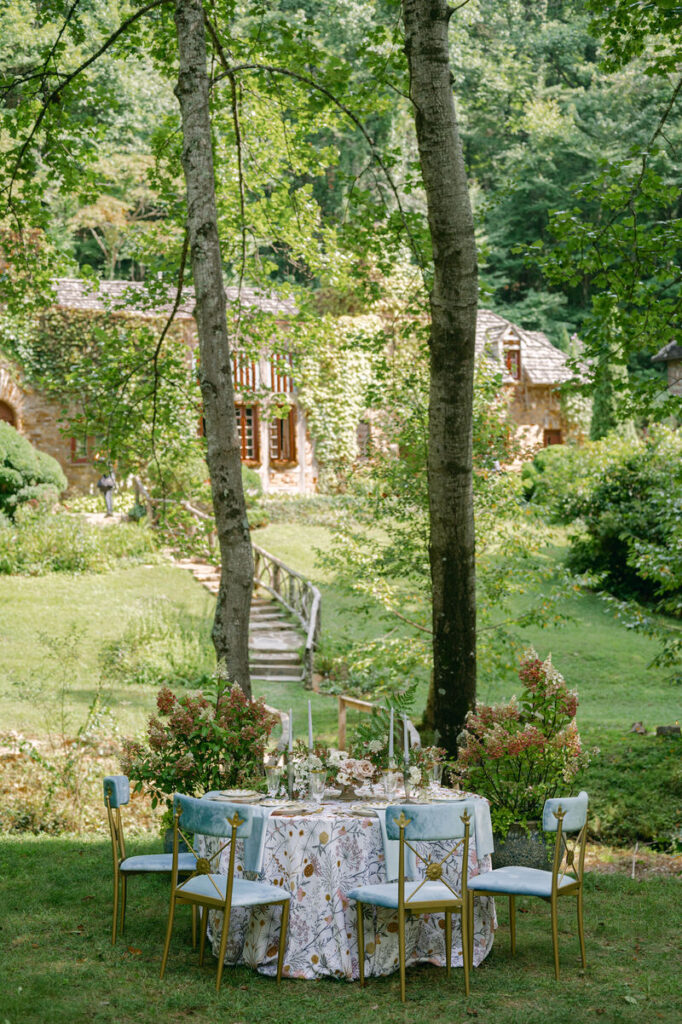
Lighting can dramatically change how linens appear in a venue. A color that feels muted in a sample book may look brighter in direct sunlight, while a subtle texture may become more visible under candlelight or evening uplighting. During the walkthrough, planners should assess how the venue’s light changes across the event timeline.
For summer events, this step is especially important. Many celebrations begin in natural daylight and continue into dusk or evening, so linen colors and textures need to work across multiple lighting conditions. A well-chosen linen palette should feel fresh during the day and refined once the event lighting takes over.
Review Natural Light During the Event Window
Planners should evaluate the venue at or near the same time of day as the event whenever possible. Direct sun, shade, garden light, tent coverage, window placement, and outdoor exposure can all influence how linen colors appear. Soft pastels, warm neutrals, and light-toned patterns may feel especially fresh in daylight, while very bright or highly reflective shades may need to be tested carefully.
Natural light can also affect how patterns are perceived. A subtle print may feel understated in shade but more prominent in strong sun. Reviewing linen samples in the actual venue environment helps avoid surprises on event day.
Consider Evening Lighting and Candlelight
If the event continues into the evening, planners should also consider how linens will look under artificial lighting. Candlelight, chandeliers, string lights, pin spots, and uplighting can bring out texture and deepen the mood of the tablescape. Rich accent colors, layered textures, and patterned napkins can become more impactful once the space shifts into evening.
This is also the moment to think about contrast. A pale linen may create a soft, romantic effect under warm lighting, while a deeper runner or napkin may help define the place setting and add visual depth.
Check How Colors Photograph in the Venue
Because linens appear in many event photos, planners should consider how the selected colors and patterns will photograph in the actual space. Tablecloths, napkins, runners, and overlays often sit beneath florals, menus, glassware, candles, and flatware, so they influence the overall visual tone of the event gallery.
When possible, planners should review swatches or sample combinations near the event’s key areas, such as guest tables, the head table, the ceremony-to-reception transition space, or the cake table. This helps confirm that the linen selection supports the event design both in person and on camera.
Which Linen Fabrics and Textures Work Best for Summer Events?
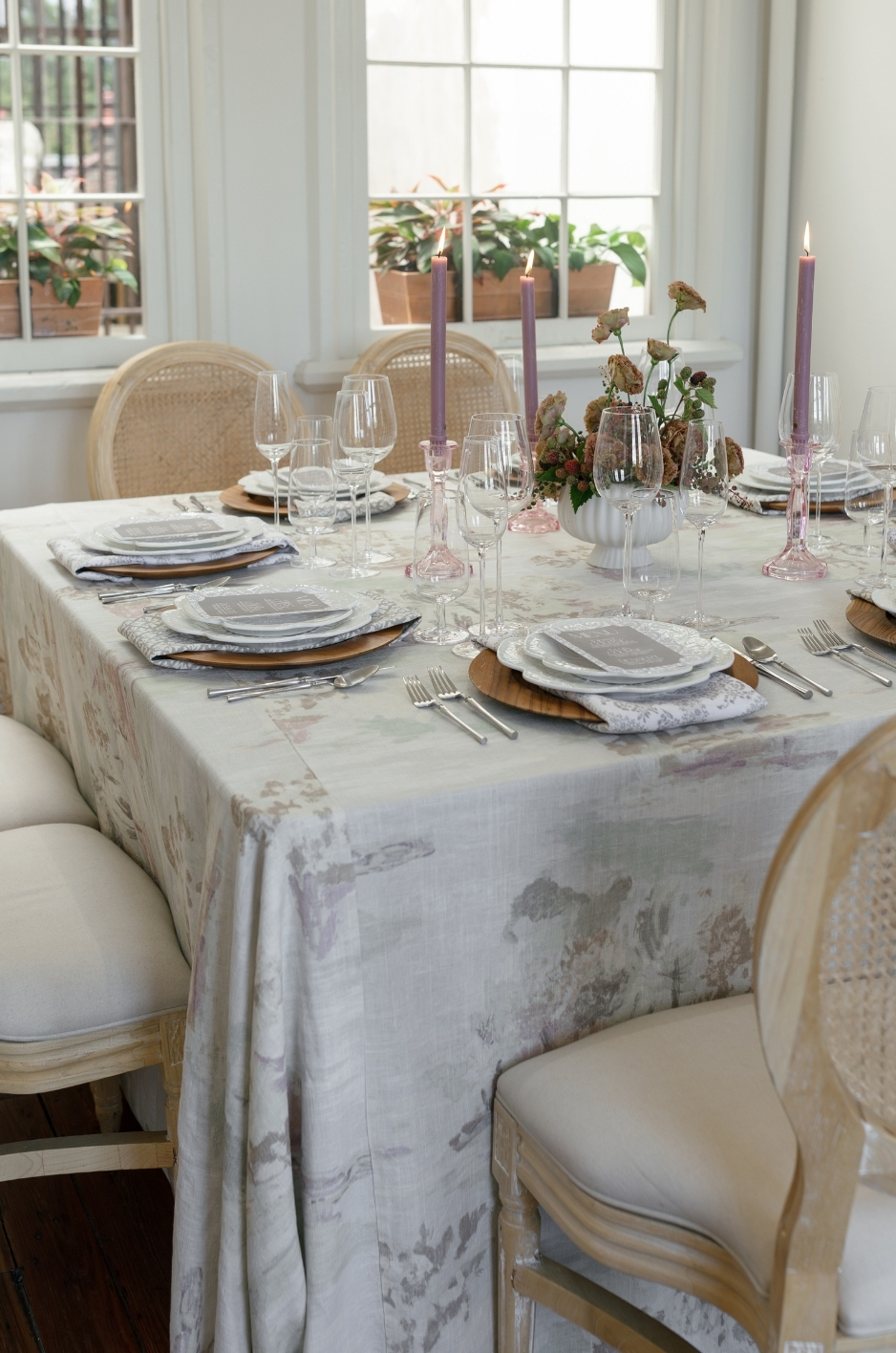
Summer linen selection should feel polished without making the tablescape look heavy or overworked. During the venue walkthrough, planners should consider how fabric weight, texture, drape, and finish will appear in the actual space. A linen that feels formal in one venue may feel relaxed in another, depending on the lighting, table shape, floral plan, and overall event style. Read more in How Linen Weight and Fabric Thickness Affect Event Setup.
Rather than choosing fabrics based only on color, planners should evaluate how each linen contributes to the full table design. Smooth, structured linens can create a crisp and refined foundation, while textured fabrics, patterned napkins, runners, and overlays can add movement and depth. The right combination should feel elevated, seasonally appropriate, and aligned with the event’s design direction.
Choose Textures That Feel Refined and Seasonally Appropriate
Texture has a major impact on the mood of a summer tablescape. A smooth linen can create a clean and classic look, while a woven or textured fabric can bring softness and dimension to the table. For garden events, tented celebrations, rooftop dinners, and outdoor receptions, textures should feel intentional without appearing too heavy for the season.
Planners should also think about how the fabric will interact with florals, glassware, candles, chargers, and menus. If the tabletop design includes layered details or colorful florals, a more restrained linen texture may create balance. If the rest of the table is minimal, a textured or patterned linen can help the design feel more complete.
Use Premium Fabrics to Define the Event Mood
Different linen styles create different design effects. A refined solid tablecloth can feel timeless and formal, while a patterned linen can make the table feel expressive and custom. A specialty overlay can add dimension to a focal table, and a custom-printed napkin can introduce personality without overwhelming the full setup.
During the walkthrough, planners should identify which areas need subtle support and which areas can carry a stronger linen moment. Guest tables may call for a softer foundation, while the head table, bar, cake table, or escort display may benefit from a richer texture, custom detail, or statement pattern.
Balance Polished Surfaces With Relaxed Summer Details
The strongest summer linen plans usually balance structure with ease. A crisp tablecloth can create a polished base, while a printed napkin, soft runner, or specialty overlay can make the setting feel more relaxed and seasonal. This balance is especially important for events that move from daylight into evening, where the tablescape needs to feel fresh early in the event and refined later in the celebration.
Planners should avoid selecting every linen element at the same level of intensity. If the tablecloth is bold, the napkin or runner may need to be quieter. If the tablecloth is neutral, the accent linens can carry more color, pattern, or texture. This approach keeps the design layered without making the table feel crowded. For more detail, see our article Event Linen Mistakes to Avoid for Setup &Presentation.
How Should Planners Choose Summer Linen Colors and Patterns?
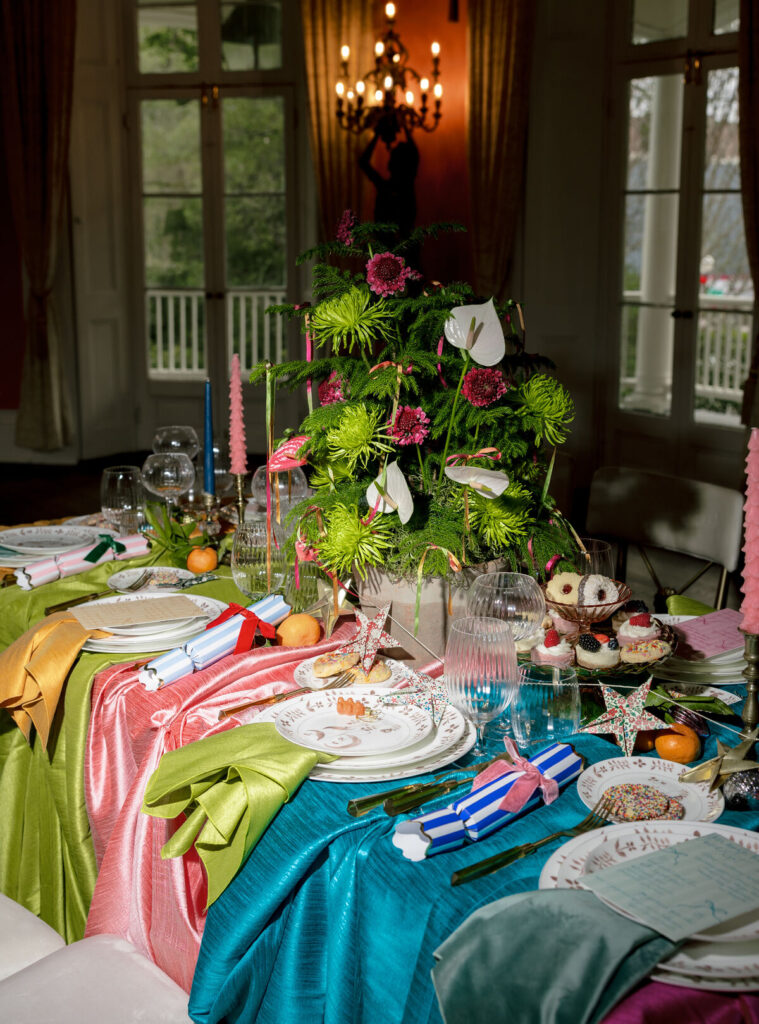
Color and pattern should be selected with the venue, season, and full event design in mind. During the walkthrough, planners should review the architecture, flooring, lighting, landscape, floral palette, tabletop rentals, furniture, and focal areas before finalizing linen colors. These elements can change how a palette feels once installed in the actual space.
For summer events, the goal is to create a palette that feels fresh, elegant, and visually cohesive. Linens should support the overall atmosphere, whether the event calls for soft romance, garden-inspired color, coastal ease, bold celebration, or a more formal evening mood.
Build the Palette Around the Venue and Season
The venue should guide the linen palette. A garden venue may work beautifully with soft greens, blush, pale blue, butter yellow, or floral patterns. A ballroom may call for more polished neutrals, tonal textures, or refined contrast. A tented or outdoor venue may benefit from linens that connect naturally to the surrounding landscape.
Planners should also consider the season’s effect on the design. Summer palettes often feel best when they include light, warm, or nature-inspired tones. However, richer colors can still work well when used intentionally, especially for evening events or focal tables.
Use Light Tones for an Airy Summer Setting
Light tones are a natural choice for summer events because they create a fresh and open atmosphere. Ivory, cream, sand, pale blush, soft blue, sage, butter yellow, and warm white can all help the tablescape feel elegant and seasonally appropriate. These colors also give florals, menus, candles, and tabletop rentals room to stand out.
A light linen palette does not have to feel plain. Texture, napkin folds, patterned accents, specialty overlays, and layered place settings can add dimension while keeping the overall look soft and refined.
Use Richer Accents for Evening Depth
For events that continue into the evening, deeper linen accents can add sophistication and contrast. Navy, forest green, terracotta, wine, plum, espresso, charcoal, and deep taupe can bring richness to the tablescape without overwhelming the summer setting.
These colors are especially effective when used as napkins, runners, overlays, or statement linens on focal tables. A deeper accent can help define the place setting, complement candlelight, and make the event feel more intimate as the lighting shifts.
Balance Solid Linens With Patterned Details
Pattern should be used with purpose. A patterned tablecloth can create a strong design statement, while a patterned napkin, runner, or overlay can add interest in a more controlled way. The right choice depends on the venue scale, floral design, tabletop rentals, and overall event mood.
If the florals are lush or colorful, a solid linen may create the most elegant foundation. If the tabletop design is more restrained, a pattern can bring personality and movement to the table. The best linen plans use solids and patterns together so the event feels curated rather than overly matched.
What Should Planners Confirm Before Ordering Linens?
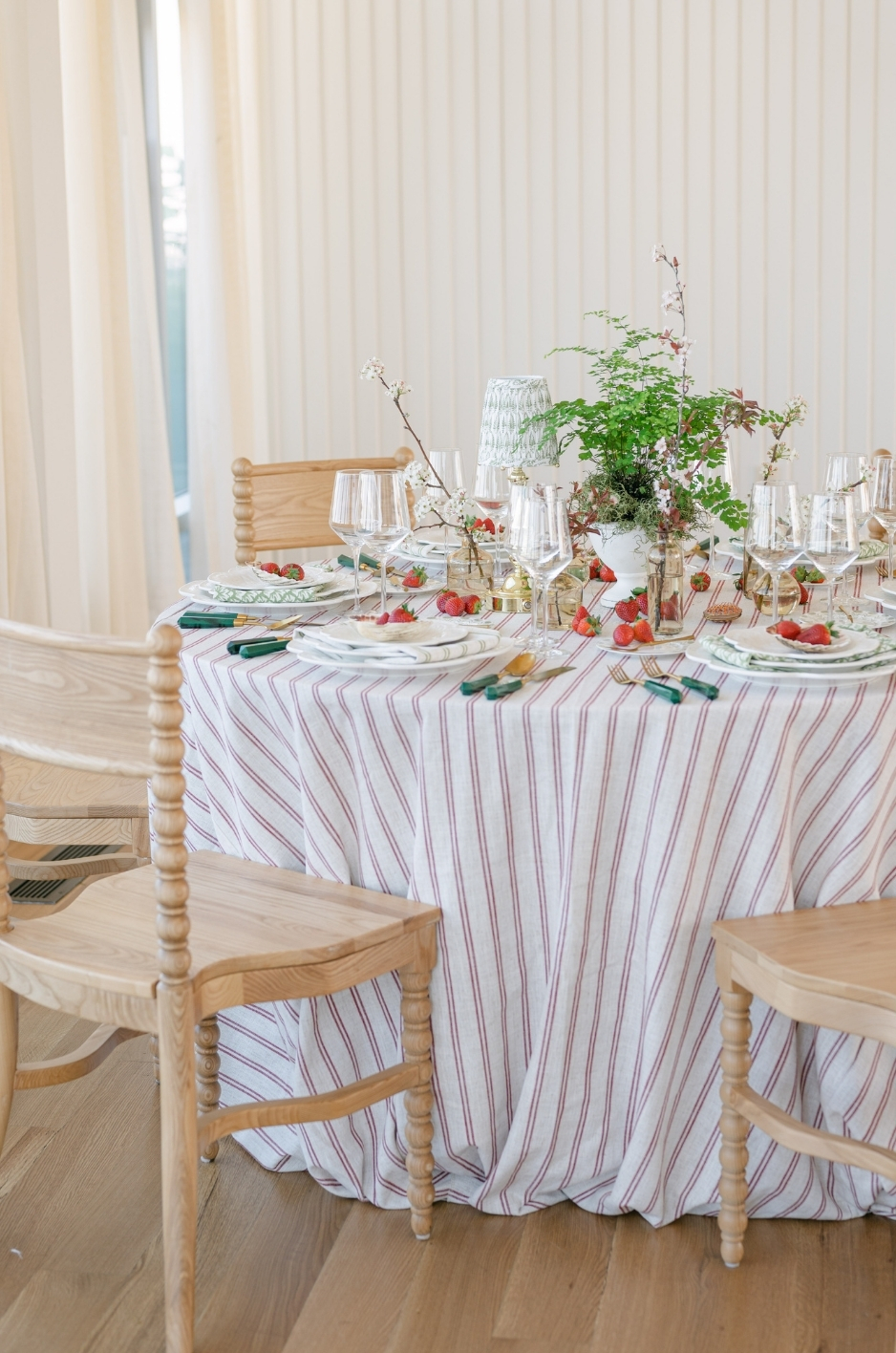
Before placing the linen order, planners should confirm every detail that affects sizing, quantity, availability, and installation. The venue walkthrough should produce a clear checklist that includes the event date, guest count, table plan, linen sizes, napkin quantities, accent linen needs, shipping details, and return instructions. This prevents rushed decisions and helps ensure the setup looks polished on event day. You may also find The Wedding Planner’s Checklist for Linen Rental Logistics helpful.
A complete order should account for more than guest tables. Bars, cocktail tables, lounge areas, cake tables, welcome tables, escort displays, buffet stations, and service areas may all require linens or accent pieces. Reviewing these details before ordering helps the full venue feel cohesive rather than partially styled.
Final Guest Count and Table Plan
The guest count and table plan are the foundation of the linen order. Planners should confirm the number of dining tables, cocktail tables, specialty tables, and any additional areas that need linens. The seating arrangement should also be reviewed, since changes to table quantity or shape can affect the full linen count.
For summer events, planners should also consider whether the layout includes outdoor transitions, tented areas, cocktail-hour spaces, or late-night lounge sections. Each area should be included in the linen plan if it contributes to the guest experience.
Linen Sizes, Drops, and Placement
Linen sizing should be confirmed before the final order is placed. Planners should document table dimensions, preferred linen drop, runner length, overlay size, napkin count, and specialty table requirements. A floor-length linen may be ideal for a formal reception table, while a more tailored drop may work better for cocktail tables or service areas.
Placement matters as much as sizing. Planners should decide where patterned linens, custom runners, textured overlays, and accent pieces will be used before ordering. This helps avoid over-ordering, under-ordering, or placing statement linens in areas where they will not have the intended visual impact.
Delivery, Shipping, and Return Details
Logistics should be confirmed as part of the linen order. Planners should review the delivery or shipping timeline, venue address, receiving contact, installation schedule, and return process. If the venue has specific receiving hours, loading instructions, or storage limitations, those details should be noted before the order ships.
Return instructions should also be reviewed before event day. Rental linens should be packed according to the provider’s guidelines, and damp linens should be allowed to air dry before being returned. Confirming these steps in advance helps the post-event process run smoothly.
Frequently Asked Questions
What Should I Bring to a Venue Walkthrough for Linen Planning?
Bring the event floor plan, guest count, table list, rental proposal, floral direction, color palette, and any inspiration images or sample swatches already approved by the client. If the venue has multiple event areas, note where each linen application may be needed, including guest tables, cocktail tables, bars, cake tables, escort displays, welcome tables, lounge areas, and service stations.
It is also helpful to bring a tape measure, camera, notebook, and checklist so measurements and visual details can be documented accurately. Photos of lighting, flooring, table placement, and focal areas can be useful when finalizing linen colors, patterns, and custom design details.
How Do I Know What Linen Sizes I Need?
Linen sizing depends on the table shape, table dimensions, and preferred drop length. Round tables, banquet tables, cocktail tables, bars, and display tables each require different sizing considerations. During the walkthrough, planners should confirm the exact table measurements rather than relying only on estimated rental descriptions.
The desired look also matters. A floor-length linen creates a more formal and finished effect, while a shorter or more tailored drop may work better for certain cocktail tables, lounge areas, or service stations. Confirming sizing before placing the order helps prevent uneven drops, exposed table legs, or linens that feel poorly fitted to the space.
Should I Choose Linens Before or After Florals and Tabletop Rentals?
Linens should be selected in conversation with the full event design. Ideally, planners should review the venue, florals, tabletop rentals, lighting, furniture, and color palette together before finalizing the linen order. This ensures that tablecloths, napkins, runners, overlays, chargers, glassware, menus, candles, and centerpieces all work as one cohesive tablescape.
If the floral design is bold or highly detailed, a more restrained linen may create balance. If the tabletop design is minimal, a patterned linen, textured runner, or custom napkin can add personality and dimension. The goal is to let each element support the overall design rather than compete for attention.
Can I Use Custom Linens for Only Part of the Event?
Yes. Custom linens do not need to be used on every table to make an impact. Many planners use custom details strategically on focal areas such as the head table, sweetheart table, bar, cake table, escort display, or welcome table. Custom napkins, runners, overlays, or accent linens can also bring a personalized detail to the event without requiring a full custom tablecloth order.
This approach works especially well when the event has a specific design story, brand identity, wedding motif, or color direction. A carefully placed custom linen detail can make the setup feel thoughtful and distinctive while keeping the overall design balanced.
How Far in Advance Should I Order Summer Event Linens?
Planners should begin the linen selection process once the event date, guest count, table plan, and design direction are confirmed. Summer is a busy event season, so earlier planning allows more flexibility with availability, sizing, pattern selection, and specialty pieces.
Custom linen designs require additional time for concept development, color review, fabric selection, printing, production, finishing, and shipping. If custom sizing or custom-printed details are part of the design, those conversations should begin as early as possible in the planning process.
How Can Planners Make the Linen Setup Feel More Polished on Event Day?
A polished linen setup depends on preparation and installation details. Planners should confirm that all linens, napkins, runners, overlays, and accent pieces have arrived before setup begins. Quantities and sizes should be checked against the order list, and each linen should be placed according to the approved floor plan.
Once installed, the team should review table alignment, linen drop, napkin placement, runner positioning, and focal-table styling. Small adjustments before guest arrival can make the full tablescape feel more refined in person and in photography.
Conclusion
A successful summer linen setup begins with a detailed venue walkthrough. By confirming measurements, lighting, table placement, focal areas, guest flow, and return logistics in advance, planners can make more confident decisions about tablecloths, napkins, runners, overlays, and custom linen details.
The right linen plan does more than cover tables. It brings structure, color, texture, and polish to the full event environment. Whether the design calls for soft summer neutrals, patterned napkins, rich evening accents, specialty overlays, or custom-printed details, a thoughtful walkthrough helps ensure that every linen choice supports the venue and the client’s design vision. Answers to common rental questions are in our linen FAQs.
Curated Linen Collection helps planners create elevated event setups through luxury linen rentals, coordinated tabletop pieces, and custom design options. Explore the collection or begin a custom linen inquiry to build a summer linen plan that feels refined, cohesive, and ready for event day. For help choosing linens for your event, request a quote.