
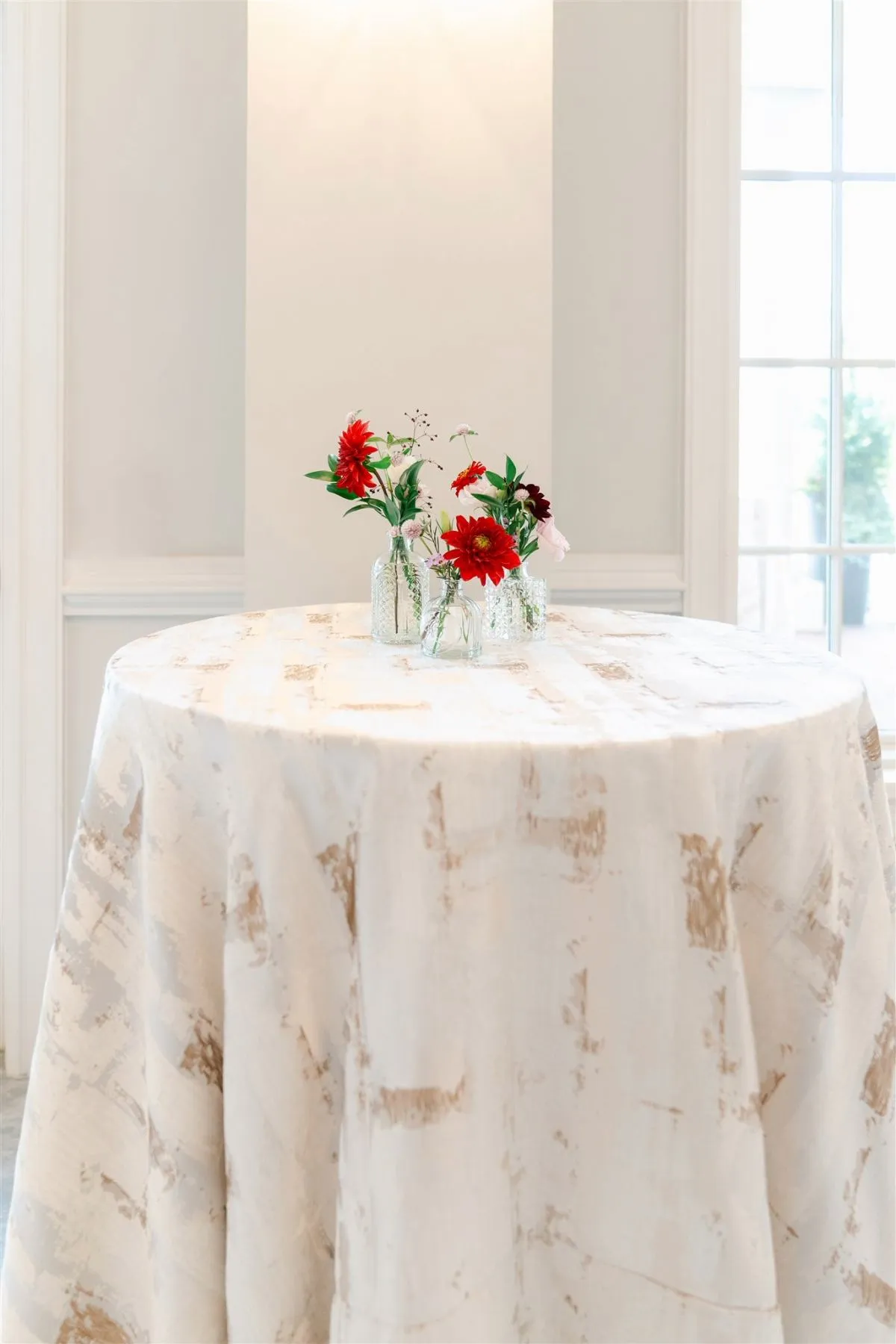
Luxury weddings are shaped by intentional design decisions that unify color, material, scale, and craftsmanship into a cohesive visual experience. Custom table linens establish this foundation by introducing surface design that supports and strengthens the overall event concept. When textiles are conceived with precision and purpose, they guide the aesthetic direction of the reception and reinforce the design narrative across every setting.
At Curated Linen Collection, custom linens originate in pattern ideation and color development, where inspiration is translated into original surface designs tailored to each celebration. From there, fabrics move through specialized printing processes, followed by meticulous cutting, sewing, and finishing to ensure exact proportions and refined drape. Every stage of production is managed with attention to detail so the final textiles align seamlessly with the planner’s vision and the venue’s spatial requirements.
This article explores how fully custom, design-driven linens elevate luxury weddings through bespoke pattern creation, engineered color stories, and thoughtful textile integration throughout the event environment. When textiles are developed as an integral component of the overall design plan, they establish continuity, depth, and a distinctive sense of identity that carries through the entire celebration.
How Custom-Designed Linens Shape Luxury Wedding Tablescapes
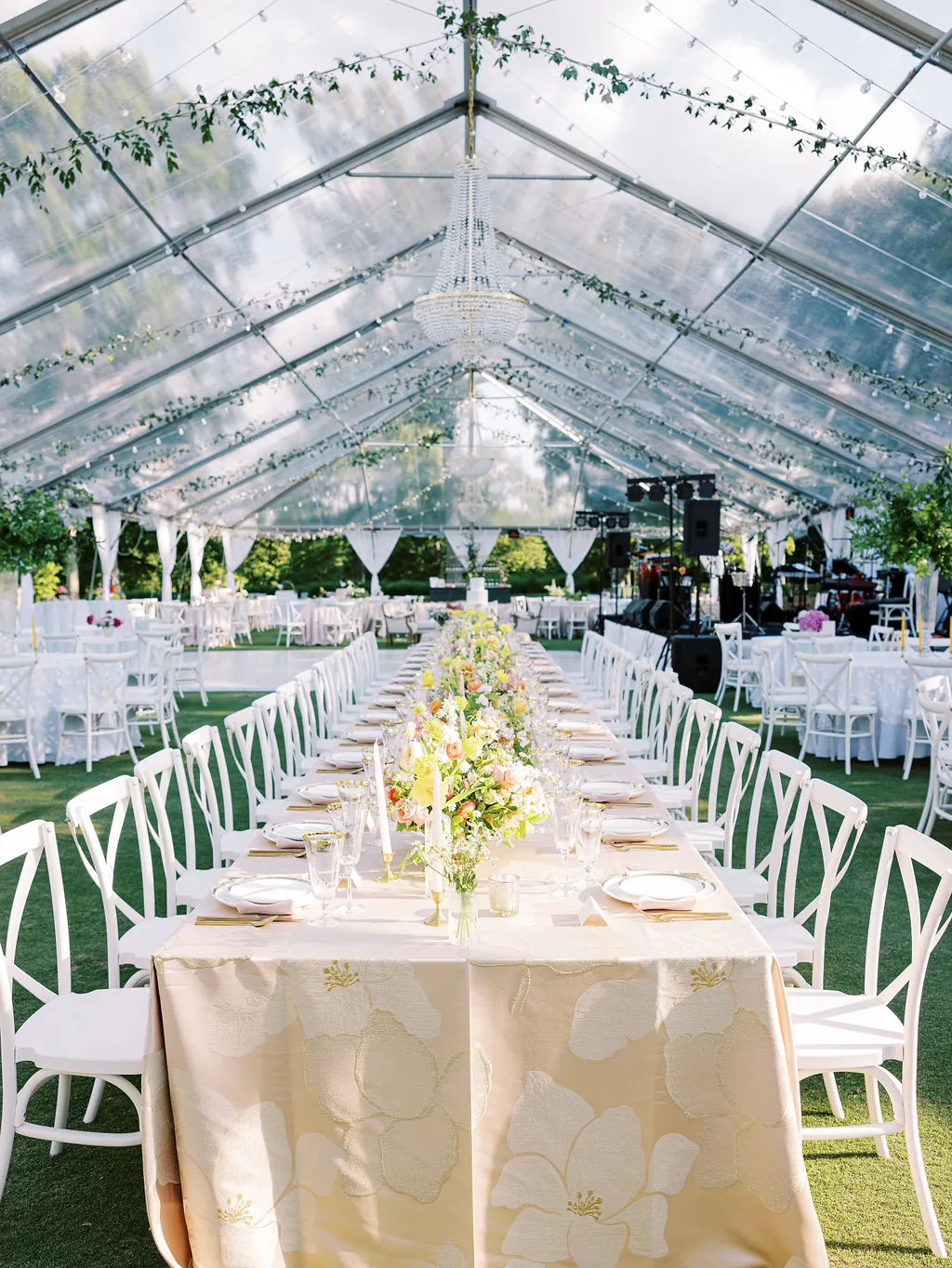
Custom-designed linens establish the visual framework of a luxury wedding reception through intentional pattern development, engineered color stories, and precisely tailored fabrication. When surface design is created specifically for an event, it introduces cohesion that connects florals, tableware, lighting, and architectural surroundings into a unified composition. Pattern scale, color saturation, and fabric finish are selected in direct response to the planner’s concept, ensuring that every table contributes to a consistent and elevated aesthetic.
Because each linen is produced to exact specifications, coordination across reception rounds, long banquet tables, cocktail tables, cake displays, and bar installations becomes seamless. Custom sizing ensures appropriate drape and proportion, while carefully considered hems and seam placements maintain visual continuity across expansive layouts. The result is a tablescape that feels deliberate and architecturally composed, with textiles functioning as a central design element rather than a decorative afterthought.
When developed alongside other event details, custom linens clarify the overall design direction and strengthen its impact. A bespoke print can echo motifs found in invitation suites, reference architectural details within the venue, or reinforce a carefully curated color palette. This alignment between textile and environment creates a refined visual narrative that distinguishes a thoughtfully curated celebration.
The Sensory Presence of Bespoke Textiles
Bespoke linens influence the atmosphere of a reception through visual depth, tactile quality, and material presence. The clarity of a custom print, the richness of layered color, and the fluidity of a tailored drape shape the first impression as guests enter the space. High-quality fabrics offer a refined hand that enhances the dining experience and reinforces the event’s level of craftsmanship.
Fabric weight and weave also affect the acoustics and movement within a room. Substantial textiles contribute to a sense of intimacy and softness in grand ballrooms, while lighter constructions introduce gentle motion in open-air settings. When color, pattern, and material are selected in alignment with the event’s tone, the textile environment supports the intended mood and elevates the guest experience.
Texture, Pattern, and Dimensional Depth
Texture and surface design add dimension and sophistication to a wedding table by creating contrast and visual layering. Custom-printed linens, woven jacquards, and tailored overlays provide opportunities to introduce subtle variation in finish and light reflection. Matte foundations paired with refined sheens, or intricate patterns balanced with clean-lined place settings, establish depth without visual excess.
Layering can be approached with precision by combining a foundational printed cloth with coordinating runners, napkins, or tailored accents developed from the same design story. Pattern scale is engineered to suit table dimensions so that motifs read clearly and proportionally across the surface. Through thoughtful integration of texture and pattern, the table becomes a composed design element that anchors the entire reception environment.
What Defines Timeless Elegance in Custom Wedding Table Linens?
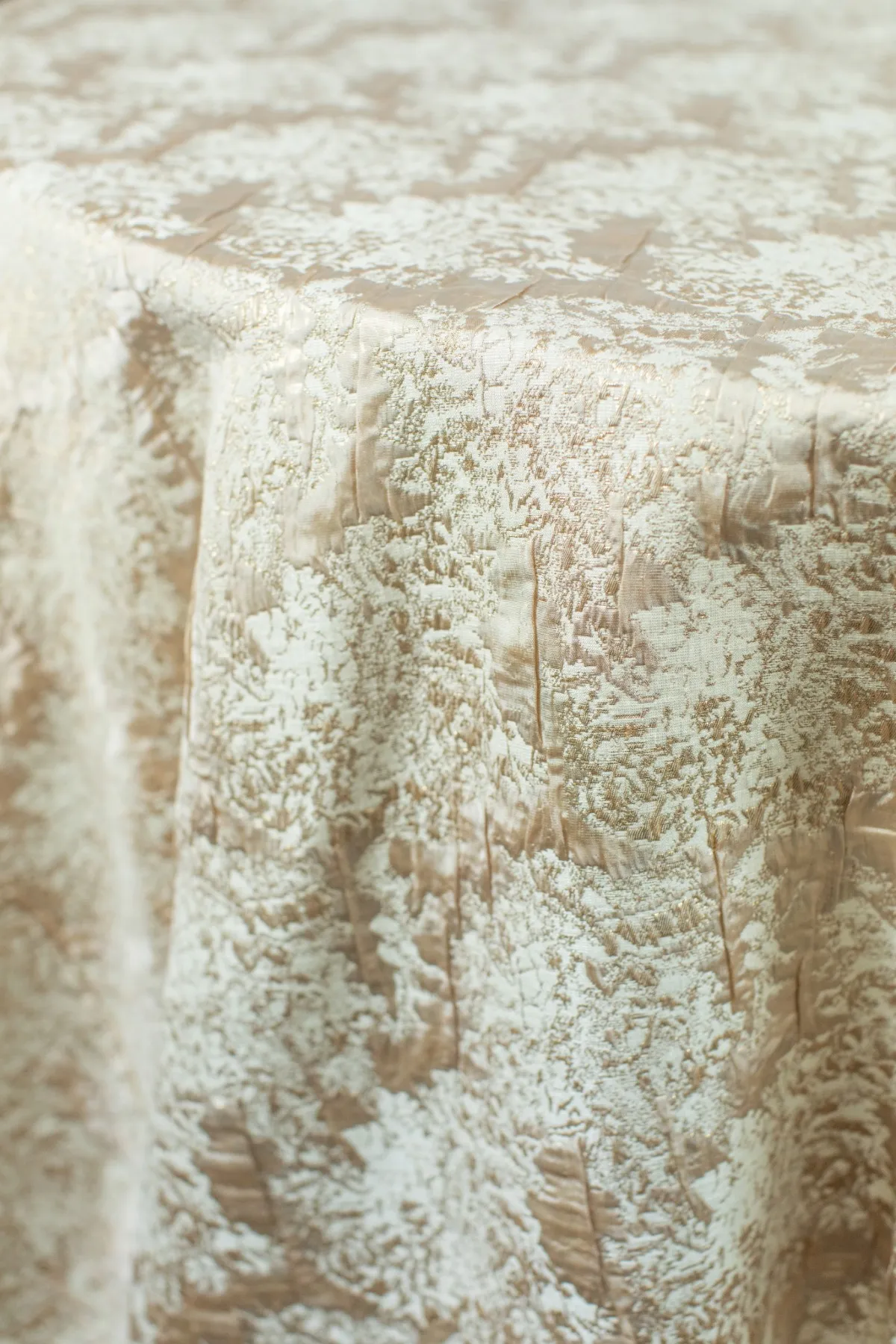
Timeless elegance in wedding linens emerges from intentional surface design, disciplined color composition, and precise fabrication. A custom tablecloth achieves longevity when its pattern is developed with architectural awareness of scale, proportion, and venue context. Balanced layouts, refined color transitions, and thoughtfully engineered borders create visual clarity that remains compelling in both the moment and in photography for years to come.
Enduring designs often rely on controlled palettes and deliberate focal detailing. A custom-developed motif placed strategically along the hem, a tonal print layered within a neutral foundation, or a reinterpreted damask drawn specifically for the event establishes distinction without visual excess. The strength of the design lies in its structure, with every element placed to support symmetry, flow, and harmony across the tablescape.
Because these textiles are created from original artwork and tailored to exact dimensions, the finished result reflects both aesthetic restraint and technical precision. The composition feels resolved, proportionate, and aligned with the broader event environment.
Evolving Pattern Direction in Luxury Weddings
Within luxury celebrations, pattern direction continues to evolve through custom print development and expressive surface design. Planners and couples increasingly commission original artwork that reflects venue architecture, destination landscapes, or personal symbolism. Watercolor-inspired florals, abstract organic forms, and layered tonal graphics are interpreted through bespoke color stories that complement the event palette.
Pattern scale is engineered in a direct relationship to table size and room layout. Expansive banquet tables accommodate larger motifs that unfold gracefully across extended yardage, while intimate rounds benefit from scaled repeats that maintain visual clarity within a smaller surface area. Print placement is carefully mapped to avoid interruption at seams and to ensure that focal elements remain centered and balanced.
Subtle luminosity can be introduced through finish selection and fabric choice, allowing textiles to interact elegantly with candlelight and ambient illumination. These design decisions are approached with restraint so the overall effect remains refined and cohesive.
Expressing Personal Narrative Through Customization
Customization allows textiles to embody personal history, cultural references, and shared inspiration. Through in-house pattern ideation and color development, meaningful motifs can be translated into original surface designs that integrate seamlessly into the broader event concept. Heritage patterns may be reinterpreted in a contemporary scale, or symbolic elements can be woven subtly into borders and repeating layouts.
Color selection often draws from significant references such as family heirlooms, architectural details, or landscapes that hold sentimental value. These influences are refined through professional color matching to ensure harmony across florals, stationery, and tabletop elements. Embroidered details, engineered borders, and coordinated napkins extend the narrative with precision and continuity.
When personal references are embedded thoughtfully within custom-printed fabrics, the result is a cohesive textile story that strengthens the emotional resonance of the celebration while maintaining a polished and elevated design language.
How to Choose the Perfect Custom Wedding Tablecloth for Your Event
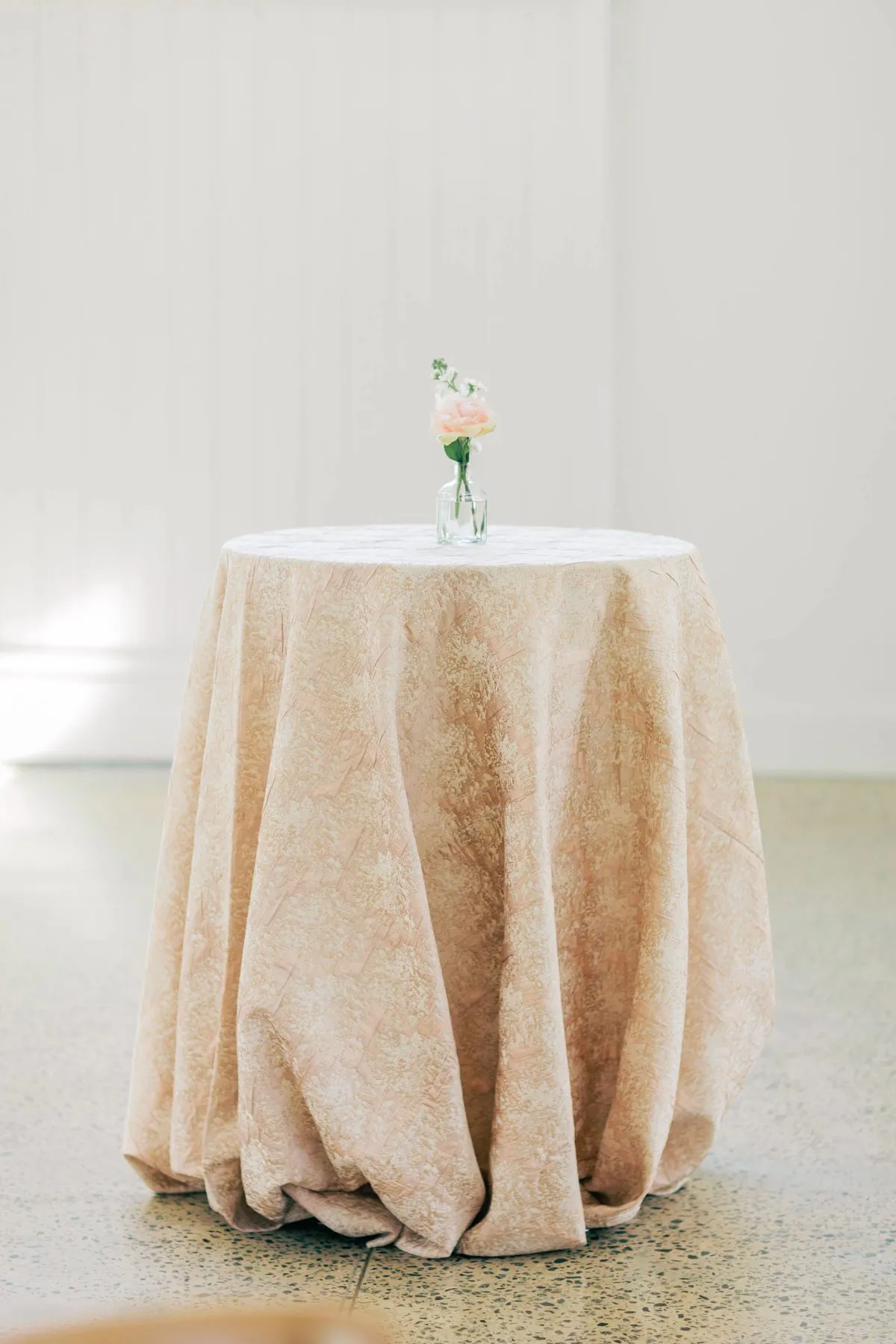
Selecting a custom wedding tablecloth starts with clarity on the event’s design direction and the role textiles will play within it. A well-designed linen anchors the tablescape through pattern, color, and proportion, and it should be developed in dialogue with florals, tabletop rentals, stationery, lighting, and the venue’s architecture. When these elements are considered together, the tablecloth becomes a central design layer that supports the full visual composition.
Begin by gathering the technical information that guides custom development. Confirm table shapes, dimensions, and quantities across all areas where linens will appear, including reception tables, head table, cake table, escort display, bars, and any staging elements. Identify the desired drape length for each table type and note any venue conditions that affect fabric performance, such as wind exposure, high foot traffic, or tight service clearances. These details allow pattern scale, print placement, and construction decisions to be made with precision.
Choosing Fabric for Venue, Mood, and Performance
Fabric selection should reflect the venue environment and the tone of the celebration, while also supporting the practical needs of a long event day. Lightweight constructions suit airy outdoor receptions and coastal settings where a softer drape and relaxed movement feel appropriate. More structured fabrics create clean lines and polished silhouettes in formal ballrooms and architectural interiors, where controlled lighting and crisp proportions elevate the overall look.
Performance matters as much as aesthetics. Consider how a fabric holds shape over hours of service, how it resists creasing, and how it behaves on different table substrates. A custom approach allows you to select a material that complements the print design and finishing style so the final linen reads as intentional, stable, and refined from first look through the final toast.
Key Considerations for Size, Color, Texture, and Pattern Scale
Accurate sizing and thoughtful proportioning determine how custom linens photograph and how they function during service. Confirm each tabletop measurement, including any risers, skirts, or specialty bases that change usable surface area. Define the drop length for each application, whether full-length drape for formal impact or a tailored drop that supports easier access and a modern profile. For long banquet runs, construction planning should include seam placement and consistent paneling so the print reads continuously across the full table length.
Color and texture selection should be developed as part of a cohesive palette system. Choose foundational tones that support the room’s architecture and tabletop elements, then refine accent colors through professional color matching to ensure consistency across printed textiles and coordinated details such as napkins and runners. Texture and finish add dimensional depth, especially under candlelight and event lighting, and they should align with the visual character of the print, whether matte and tonal, softly luminous, or richly layered.
Pattern scale must be engineered to the table format. Larger motifs suit expansive banquet tables and long layouts where the design has room to unfold, while smaller repeats can provide clarity on rounds and compact cocktail tables. A disciplined approach to scale and placement ensures the print reads cleanly in person and in photography, with balanced negative space and strong visual rhythm across the entire room.
How Craftsmanship Shapes the Quality of Luxury Wedding Linens
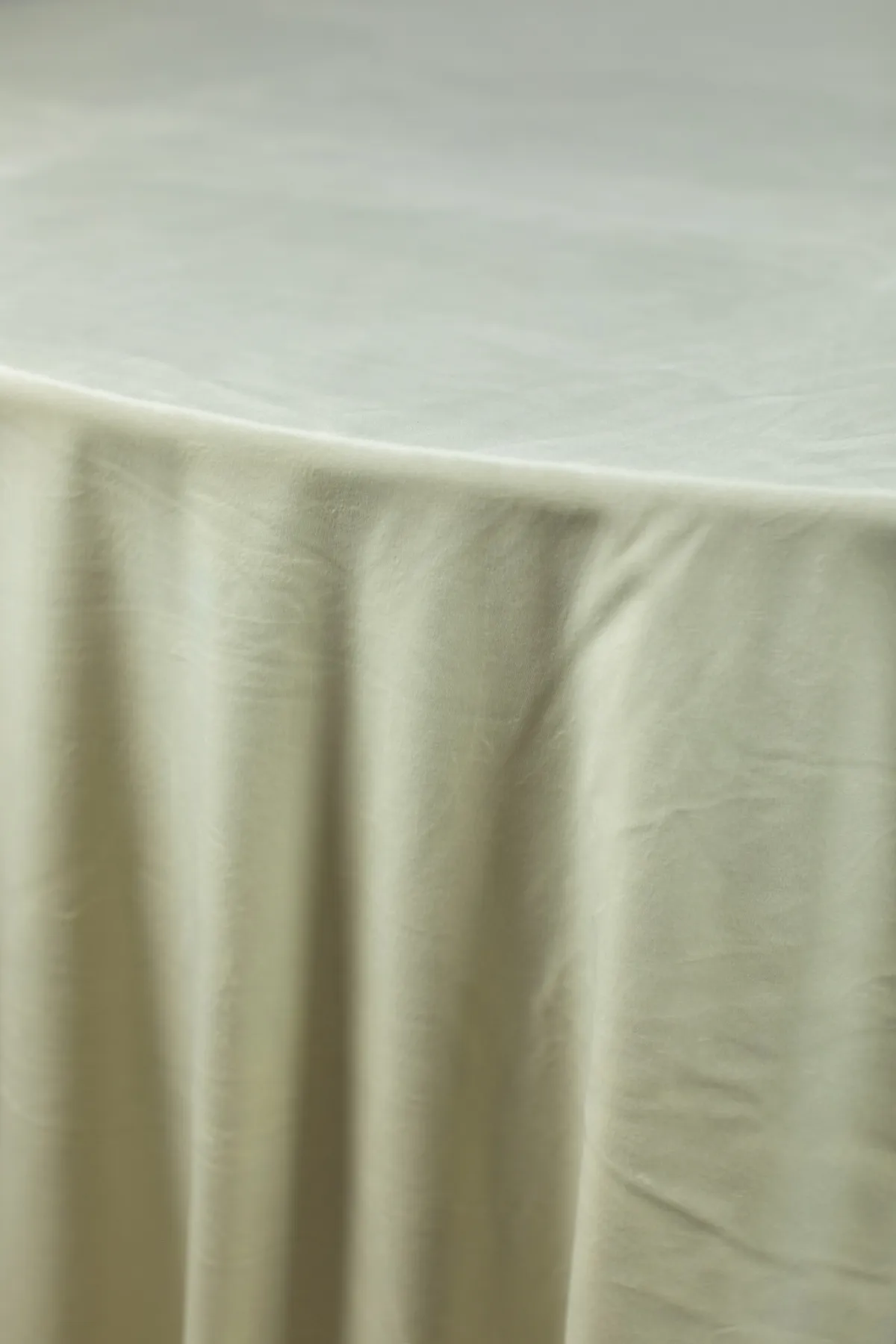
SCraftsmanship determines how a custom linen performs visually, structurally, and photographically within a luxury wedding environment. Precision during pattern development, fabric printing, cutting, and sewing ensures that the final textile maintains clarity of design and integrity of construction throughout the event. Every stage of fabrication contributes to how the linen drapes, how the print aligns across seams, and how the surface interacts with light.
Construction details influence both appearance and longevity. Clean seam finishes, reinforced stress points, balanced hems, and accurate panel alignment preserve the intended proportions of the design. In large-scale banquet installations, disciplined seam placement allows patterns to flow uninterrupted across extended lengths, reinforcing the sense of cohesion across the room. These technical considerations create a refined presentation that supports the overall event architecture.
When commissioning bespoke linens, reviewing production samples and evaluating finishing techniques provides insight into the level of execution. Close attention to stitch quality, print saturation, and edge detailing confirms that the textile will meet the aesthetic and functional standards required for a luxury celebration.
Techniques That Define Bespoke Textile Production
Bespoke table linens are distinguished by the processes used to develop and fabricate them. Custom pattern illustration, professional color matching, and specialized printing methods ensure that surface design reflects the exact vision established during ideation. The translation from artwork to printed yardage requires calibrated color control and precise scaling so the motif maintains clarity across different table formats.
Advanced sewing techniques support structural consistency, particularly for oversized rounds and long banquet tables. Careful panel construction and hem finishing preserve symmetry and balance across the surface. Where embroidery or layered applications are incorporated, placement is mapped intentionally to reinforce focal areas and maintain proportion within the overall layout.
These production methods require coordination and technical oversight, resulting in textiles that feel deliberate and architecturally integrated within the event space.
The Impact of Detail on Guest Experience and Atmosphere
Attention to detail elevates the atmosphere of a reception by ensuring that every tabletop element feels composed and intentional. Coordinated napkins, runners, and specialty overlays developed from the same custom print establish continuity across settings. Consistent color alignment between linens, florals, and stationery reinforces the visual narrative and strengthens the overall impression of refinement.
Technical detailing also supports service and functionality. Properly engineered drape length allows smooth circulation, balanced fabric weight stabilizes place settings, and intentional surface design frames plated courses attractively. When textiles are developed with both aesthetic and operational considerations in mind, they contribute to a seamless guest experience and a cohesive, immersive environment.
Frequently Asked Questions
What Are the Advantages of Commissioning Custom Table Linens?
Custom linens provide full control over pattern, color, scale, and sizing. Each textile is designed and fabricated specifically for the event, ensuring precise proportions, cohesive visual impact, and elevated craftsmanship throughout the space.
How Can Couples Ensure Their Custom Linens Align With the Wedding Vision?
A clearly defined color palette, venue context, and floral direction should guide the pattern development process. Sharing these elements early allows the textile design to integrate seamlessly with the overall event concept.
What Role Do Custom Linens Play in the Guest Experience?
Custom linens establish the visual tone of the reception and enhance the dining atmosphere through material quality and tailored construction. Their scale, drape, and finish influence both aesthetic cohesion and functional performance during service.
What Should Be Considered When Planning a Custom Linen Timeline?
Allow time for pattern ideation, color refinement, sampling, and fabrication. Confirmed table dimensions and quantities early in the process ensure accurate production and smooth integration into the planning schedule.
Can Custom Linens Be Used Beyond Reception Tables?
Custom-printed fabrics can extend to bars, cake displays, staging, lounge elements, and other installations. Integrating textiles throughout the space strengthens design continuity and reinforces the event’s visual identity.
Conclusion
Custom table linens play a defining role in shaping the aesthetic structure of a luxury wedding. Through original pattern ideation, refined color development, precise fabric printing, and meticulous fabrication, textiles become an integral component of the event’s design architecture. Each table contributes to a cohesive narrative supported by scale, proportion, and craftsmanship.
A collaborative, design-led approach ensures that linens align seamlessly with florals, lighting, stationery, and venue context. When textiles are developed intentionally and integrated throughout the space, they establish continuity and depth that elevate the entire celebration.
Curated Linen Collection transforms inspiration into custom-printed fabrics engineered specifically for your event. From concept through finishing, our team collaborates with planners and designers to create textiles that anchor your tablescape and extend across the full environment with clarity, refinement, and distinction.