
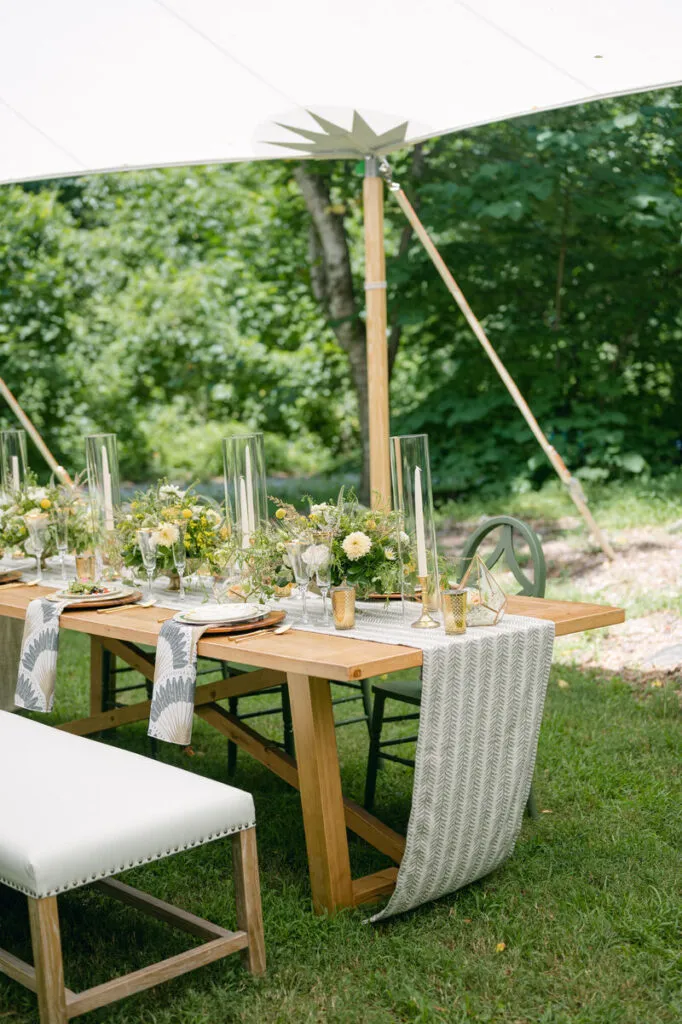
Luxury event table linens shape the structure, tone, and overall perception of a setting before any other detail is fully realized. The choice of fabric, finish, and composition influences how the table is experienced visually and how the event is interpreted as a whole. From intimate gatherings to large-scale celebrations, linens provide the foundation that supports every design element.
Selecting and styling event linens involves a range of decisions that extend beyond appearance. Considerations such as material quality, coordination across tables, rental versus ownership, and alignment with the event’s purpose all play a role in achieving a cohesive result. This guide brings these elements together, offering a complete overview of how to approach luxury event linens with clarity and intention, while connecting you to deeper resources for each stage of the process.
Why Event Linens Define Luxury Event Design
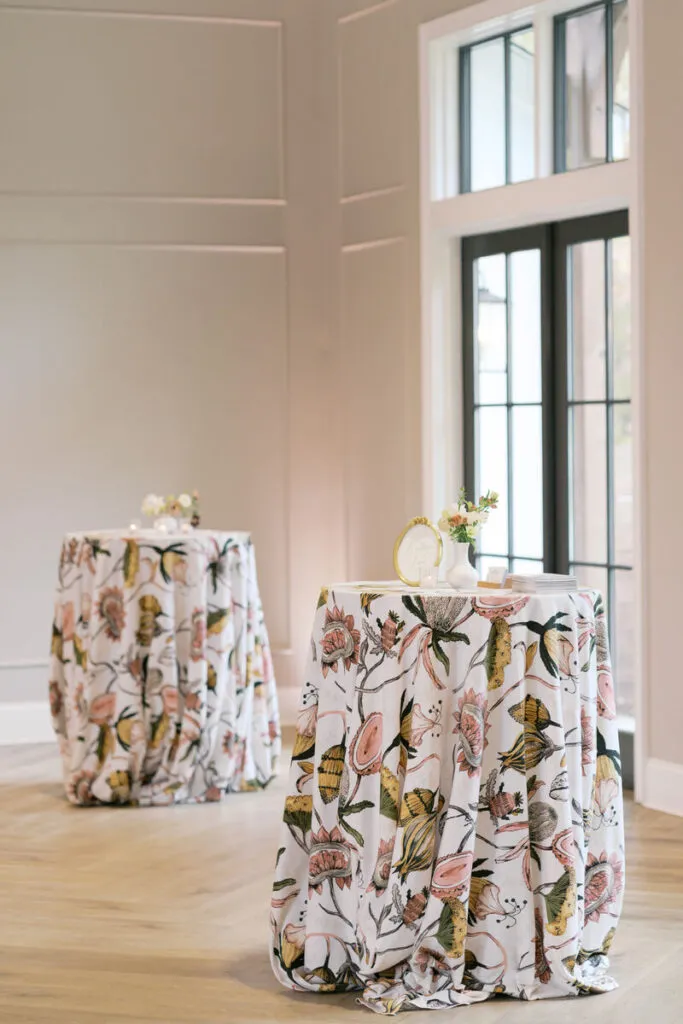
Event linens establish the visual and structural foundation of a table setting, shaping how every other element is perceived. Their presence influences proportion, balance, and overall clarity, allowing the composition to read as intentional and refined. A well-selected linen creates a stable base that supports tableware, centerpieces, and lighting without competing for attention.
The Role of Linens in Visual Structure
Linens provide the underlying framework that organizes the table. The surface they create determines how objects are spaced, aligned, and experienced within the setting.
Establishing a Foundation for Table Composition
A consistent linen surface allows each element to sit naturally within the layout. Plates, glassware, and decorative accents appear more defined when placed against a clean and balanced base. This structure prevents visual fragmentation and supports a composed presentation.
Supporting Balance Across Table Elements
Proportion becomes easier to manage when the linen provides a clear reference point. The scale of centerpieces, the placement of settings, and the spacing between elements all rely on a stable foundation. This balance ensures that no single component overwhelms the table.
How Linens Influence Guest Perception
Guests often interpret the quality of an event through subtle visual and tactile cues. Linens play a key role in shaping this perception by establishing a sense of order and refinement from the outset.
First Impressions and Visual Clarity
The table is one of the first focal points within an event space. A smooth, well-finished linen surface creates clarity and directs attention without distraction. This initial impression sets the tone for how the entire event is experienced.
Tactile Experience and Material Quality
The feel of the fabric contributes to the overall atmosphere. Soft, well-constructed materials provide a sense of comfort and ease, reinforcing the perception of care and attention to detail. This tactile interaction supports a more considered and inviting environment.
Creating Cohesion Across the Event Environment
Consistency in linen selection connects different tables and spaces into a unified whole. This continuity allows the event to feel structured and visually aligned, even when layouts or configurations vary.
Consistency Across Tables and Layouts
Repeating the same fabric, color, and finish across tables ensures that the environment feels cohesive. Variations in table shape or arrangement can be accommodated without disrupting the overall visual flow.
Linens as a Unifying Design Element
Linens act as a common thread that ties together all design components. They support the relationship between table settings, decor, and surrounding elements, creating an environment that feels complete and intentionally designed.
For a deeper perspective on how premium materials shape both design and experience, explore how high-end event linens define luxury design and how they elevate guest perception within refined settings.
What Makes Event Linens “High-End”?
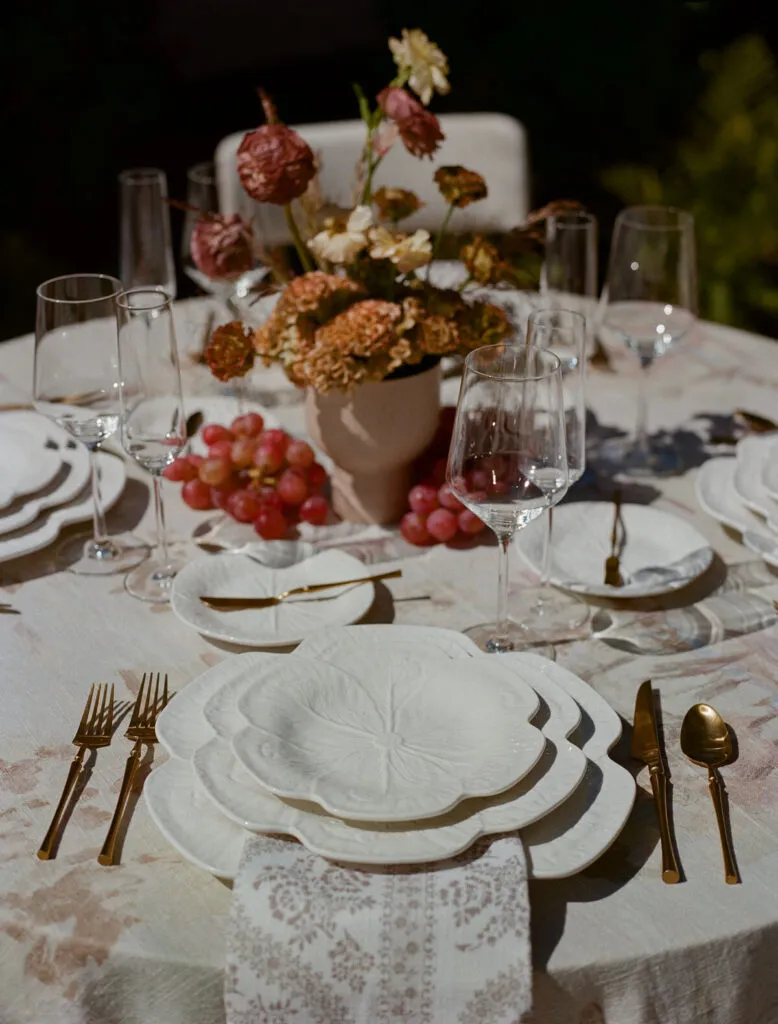
High-end event linens are defined by material integrity, refined surface quality, and consistency in presentation. These characteristics influence how the table is perceived as a whole, creating a setting that feels composed and visually stable. The distinction lies in subtle details that contribute to clarity, balance, and a controlled aesthetic.
Material Quality and Fabric Integrity
The foundation of a high-end linen begins with the quality of the material. Fabrics that maintain structure, consistency, and a clean finish support a more refined presentation.
Natural vs Synthetic Fibers
Natural fibers often provide depth and texture that read as more organic and balanced within a setting. Synthetic options can offer durability and uniformity, but the visual outcome depends on how the material holds its surface and structure. The selection should align with the intended tone of the event.
Weave, Finish, and Surface Consistency
The weave and finish determine how the linen interacts with light and how smooth the surface appears. A consistent weave creates a clean visual plane, while irregularities can disrupt the overall composition. A refined finish ensures that the table reads clearly from every angle.
The Role of Texture in Perceived Luxury
Texture contributes to how linens are experienced both visually and physically. It adds depth without requiring additional elements, supporting a more restrained and intentional design.
Subtle Texture vs Decorative Texture
Subtle textures create variation without overwhelming the table, allowing other elements to remain visible within the composition. More pronounced textures can be used selectively, but require careful balance to maintain clarity.
Balancing Softness and Structure
A linen should feel soft while maintaining enough structure to hold its shape. This balance ensures that the fabric drapes cleanly and supports a stable presentation throughout the event.
Why Designers Prioritize Premium Linens
Premium linens are selected for their ability to maintain consistency and support the overall design without distraction. Their role extends beyond appearance, contributing to how the event is perceived in its entirety.
Longevity and Consistency
High-quality linens retain their form and finish across repeated use. This consistency allows for predictable results across multiple tables and events, supporting a reliable visual standard.
Contribution to Overall Design Clarity
A refined linen surface allows other elements to be seen clearly within the composition. It reduces visual noise and supports a structured, balanced environment that feels intentional.
For a deeper understanding of how material choices and texture influence perceived quality, explore what defines high-end event linens, how texture and fabric signal luxury, and why designers consistently prioritize premium linen selections.
Types of Event Linens and Their Role in Table Design
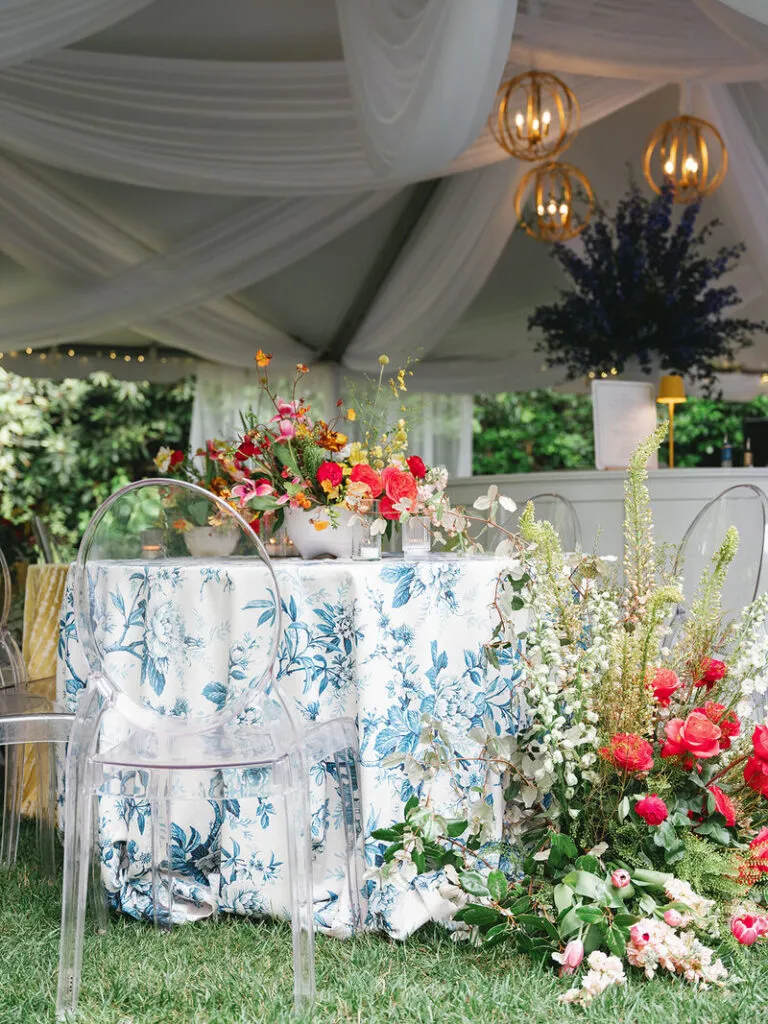
Event linens function as individual components within a larger composition, each contributing to structure, emphasis, and visual balance. Understanding how these elements interact allows for a more controlled and cohesive table setting. Rather than viewing each piece in isolation, it is more effective to consider how they work together to define the overall presentation.
Core Linen Elements in Table Settings
Each type of linen serves a distinct role, shaping how the table is organized and experienced.
Tablecloths as the Base Layer
The tablecloth establishes the primary surface and sets the tone for the entire arrangement. Its color, texture, and drape determine how other elements are perceived. A consistent base creates stability and allows additional layers to be introduced without disrupting the composition.
Runners and Overlays for Depth
Runners and overlays introduce variation and help guide visual focus across the table. They can define central lines, highlight key areas, or create contrast against the base layer. When used with restraint, they add dimension without overwhelming the setting.
Napkins as Detail Elements
Napkins provide an opportunity to introduce subtle variation in texture or tone. Their placement and finish contribute to the overall rhythm of the table, reinforcing consistency while adding refinement at each setting.
How Each Element Contributes to Composition
The effectiveness of a table setting depends on how these components are combined and balanced.
Layering Without Overcomplication
Layering should enhance depth while maintaining clarity. Each additional element must serve a purpose within the composition. Controlled layering creates structure without introducing unnecessary complexity.
Maintaining Visual Clarity
A clear hierarchy between elements ensures that the table remains easy to interpret. The base layer should support, not compete with, secondary elements. This approach allows the composition to feel organized and visually stable.
For a detailed breakdown of how these elements are styled and layered in practice, refer to the complete guide on styling linen table settings and explore techniques for creating dimensional and visually structured arrangements.
Choosing Linens for Different Event Types
Linen selection varies depending on the context and purpose of the event. Each setting places different demands on materials, scale, and presentation. Aligning linen choices with the event type ensures that the table supports the intended atmosphere without appearing disconnected from the overall environment.
Weddings and Formal Gatherings
Formal events require a level of refinement that supports ceremony and visual clarity. Linens in these settings should create a composed and balanced surface that complements the surrounding decor. Consistency across tables is particularly important to maintain a unified presentation.
Emphasis on Refinement and Cohesion
A controlled palette and consistent fabric choice help establish a cohesive environment. The table should feel structured, with each element aligned to support the overall tone of the event.
Corporate and Brand Events
In corporate settings, linens contribute to how a brand or organization is perceived. The table becomes part of a broader visual system that reflects identity and professionalism.
Alignment with Identity and Consistency
Linens should align with brand colors and overall visual direction. Consistency across multiple tables reinforces clarity and ensures that the environment feels organized and intentional.
Private and Intimate Events
Smaller gatherings allow for closer interaction with the table setting, placing greater emphasis on detail and material quality.
Detail-Driven Environments
Subtle refinements in fabric, texture, and finish become more noticeable in intimate settings. Linens should support a balanced composition that feels considered without appearing excessive.
For more specific guidance on selecting linens for different event contexts, explore dedicated resources on formal gatherings, corporate event linen strategies, and linen selection for weddings and large-scale events.
Event Linen Rentals vs Ownership
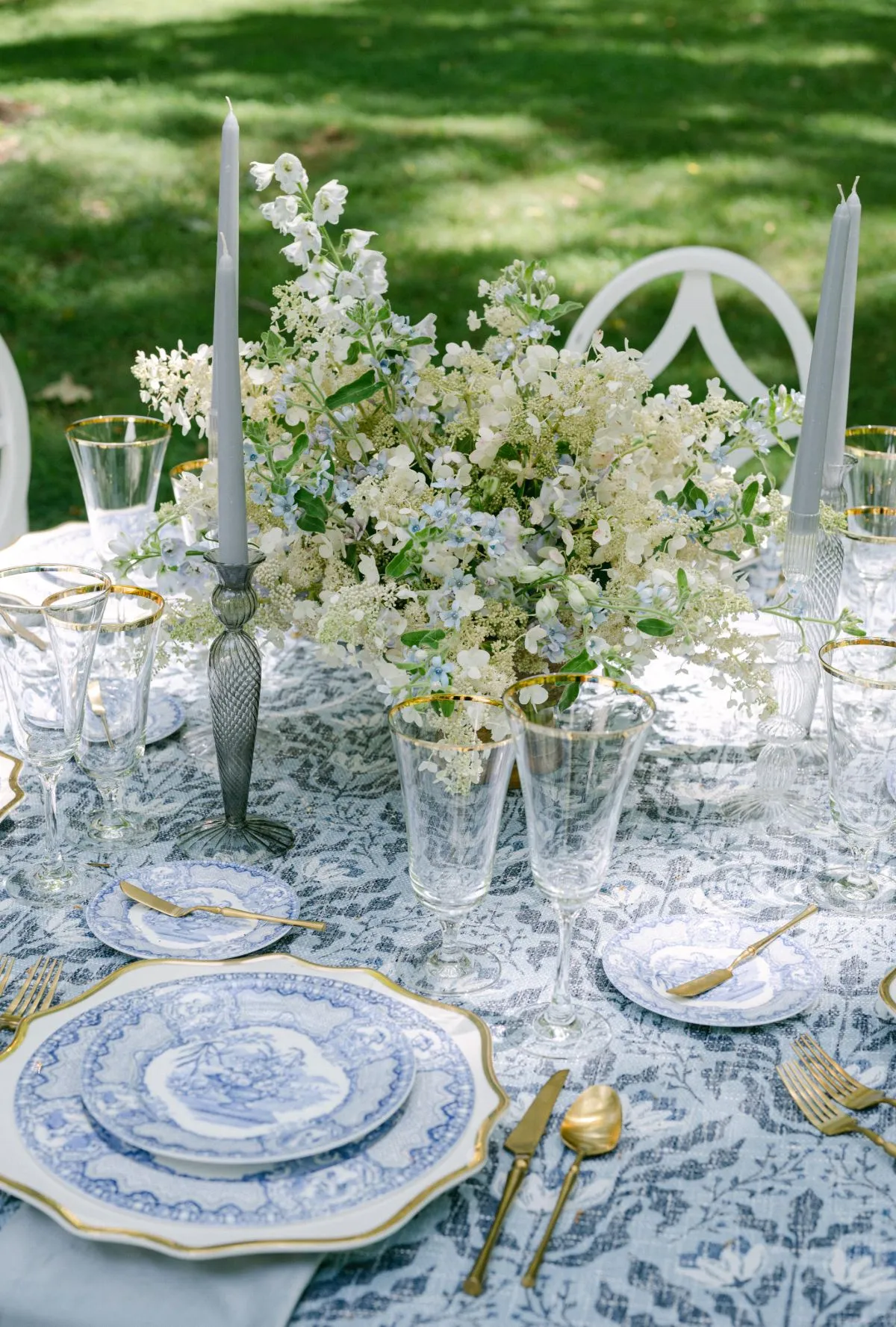
Deciding between renting and owning event linens depends on the scale, frequency, and requirements of the event. Each approach offers distinct advantages, and the choice should be guided by how linens will be used within the broader event strategy.
When Linen Rentals Are the Preferred Option
Rentals provide a flexible and efficient approach to linen selection, particularly when variety, scale, or one-time use are key considerations. This model allows event planners to access a curated range of materials without the operational demands of ownership, making it well suited to events that require adaptability and precision in execution.
Flexibility in Style and Scale
Rental collections allow planners to adjust linen choices based on the specific requirements of each event. Whether working with a single table design or multiple layouts across a large venue, rentals make it possible to scale selections without compromising consistency.
This flexibility is especially valuable when event concepts change during planning or when different table formats require variations in size and proportion. Instead of being limited to a fixed inventory, planners can select linens that align precisely with the design direction for each occasion.
Access to Broader Selections
Rental providers typically offer a wider range of fabrics, finishes, and colors than what would be practical to maintain in a private inventory. This expanded selection supports more refined decision-making, allowing planners to choose materials that align closely with the event’s tone and environment.
It also enables access to premium or specialty fabrics that may not be used frequently enough to justify purchase. This ensures that each event can be tailored without long-term commitment, while still maintaining a high level of material quality.
When Purchasing Linens Makes Sense
Ownership becomes more practical when consistency, repetition, and control are central to the event strategy. Maintaining a dedicated linen inventory allows for a stable visual standard across multiple events and reduces reliance on external availability.
Long-Term Consistency
Owning linens ensures that the same materials, finishes, and colors can be used repeatedly without variation. This is particularly important for organizations or planners who manage recurring events and require a consistent presentation.
Consistency in material eliminates discrepancies that can occur with rentals, such as slight variations in tone or texture. Over time, this contributes to a more reliable and controlled visual outcome.
Customization Opportunities
Ownership allows for tailored selections that align closely with specific design requirements. This includes custom dimensions, unique fabric choices, or personalized elements that may not be available through rental collections.
For brand-driven events or highly curated environments, this level of control supports a more defined visual identity. Custom linens can be developed to integrate seamlessly with other design elements, reinforcing cohesion across the entire setting.
Key Factors That Influence the Decision
The choice between renting and owning linens should be guided by how they function within the broader event strategy. Practical considerations and design requirements must be evaluated together to determine the most effective approach.
Event Frequency
Events that occur regularly benefit from ownership, as repeated use justifies maintaining a consistent inventory. For occasional or one-time events, rentals provide the flexibility to select linens without long-term commitment.
Budget and Scale
Large-scale events often favor rentals due to the ability to source significant quantities without storage or maintenance concerns. Smaller, recurring events may support investment in owned linens, particularly when consistency is a priority.
Budget considerations should also account for long-term use rather than a single event. The value of ownership increases when linens are used repeatedly under controlled conditions.
Design Requirements
Highly specific or custom design concepts may require ownership to ensure accuracy and consistency. Standard or adaptable designs can be effectively achieved through rental collections, especially when flexibility is needed across different events.
The level of precision required in material, color, and finish will often determine whether rental options are sufficient or whether ownership provides a better solution.
Common Challenges and Mistakes in Linen Selection
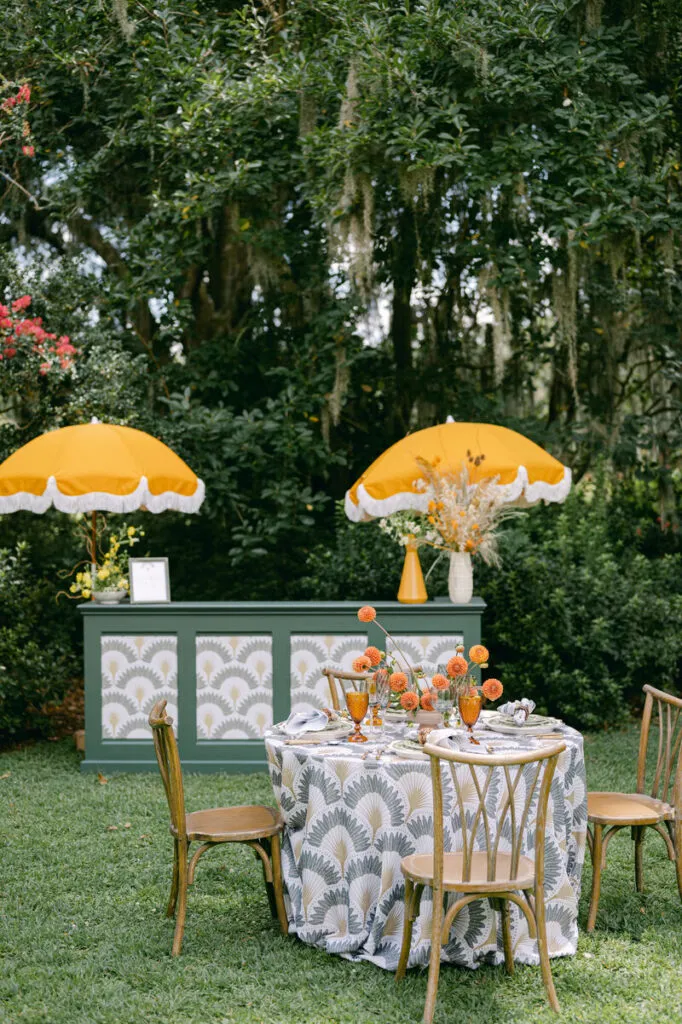
Selecting event linens involves multiple variables that must align to produce a cohesive result. Missteps often occur when decisions are made in isolation rather than as part of a complete design system. Addressing these challenges early helps maintain clarity and consistency across the event.
Achieving Cohesion Across Multiple Tables
Large events introduce complexity through scale, layout variation, and differing table formats. Maintaining a unified look requires careful coordination.
Managing Scale and Layout Variation
Round tables, banquet tables, and mixed seating arrangements demand adjustments in sizing and proportion. Inconsistent linen choices across these formats can disrupt the visual flow. A consistent material and color approach helps maintain continuity.
Over-Styling and Visual Clutter
Excess layering or conflicting elements can reduce clarity and weaken the overall composition. A restrained approach ensures that each element contributes meaningfully.
Excess Layering and Conflicting Textures
Introducing too many layers or combining incompatible textures can create visual noise. Each addition should support the composition rather than compete for attention. Simplified layering often results in a more refined presentation.
Selection and Rental Mistakes
Errors in planning or coordination can affect both availability and final execution. These issues often arise from timing, mismatched expectations, or lack of preparation.
Mismatched Fabrics and Finishes
Combining linens with different finishes or inconsistent tones can create a fragmented appearance. Even subtle variations become noticeable when repeated across multiple tables.
Last-Minute Substitutions
Limited availability or delayed decisions can lead to substitutions that do not align with the intended design. Early planning and confirmation reduce the risk of inconsistencies.
For a more detailed breakdown of common pitfalls and how to address them effectively, refer to resources on event linen rental mistakes and professional approaches to avoiding styling errors in table settings.
Creating Cohesion Across the Entire Event
A cohesive event environment depends on consistency in material, color, and execution across all tables and spaces. Linens play a central role in establishing this continuity, ensuring that the event feels unified rather than fragmented. When handled with precision, they create a seamless visual flow that connects every part of the setting.
Maintaining Consistency Across Tables
Consistency begins with selecting linens that can be applied uniformly across different table formats and layouts. This approach ensures that variations in size or shape do not disrupt the overall design.
Repetition of Key Elements
Using the same fabric, color palette, and finish across tables creates a stable visual language. This repetition allows guests to experience the event as a single, cohesive environment rather than a series of separate arrangements.
Aligning Linens with Other Design Elements
Linens must work in coordination with all surrounding elements to maintain balance. Their role is to support and frame the overall composition without competing for attention.
Centerpieces
The scale and structure of centerpieces should align with the linen beneath them. A balanced relationship ensures that neither element overwhelms the other, allowing both to contribute to the overall design.
Lighting and Tableware
Lighting conditions affect how linen color and texture are perceived. Tableware placement and finish should complement the linen surface, maintaining clarity and consistency across each setting.
Designing for Visual Flow
A well-structured event allows the eye to move naturally across spaces without interruption. Linens contribute to this flow by maintaining continuity across transitions.
Movement Across Spaces
As guests move between areas, consistent linen choices help preserve a unified experience. This continuity ensures that each space feels connected to the overall event design.
Transitions Between Layouts
Different seating arrangements or table configurations should still reflect the same design language. Adjustments in scale or proportion can be made without altering the core linen selection.
For further insight into how linens support consistency and influence overall event design, explore how linen rentals create visual continuity, how they impact event composition, and how to coordinate linens with centerpieces, lighting, and tableware for a unified result.
Styling Direction and Design Approaches
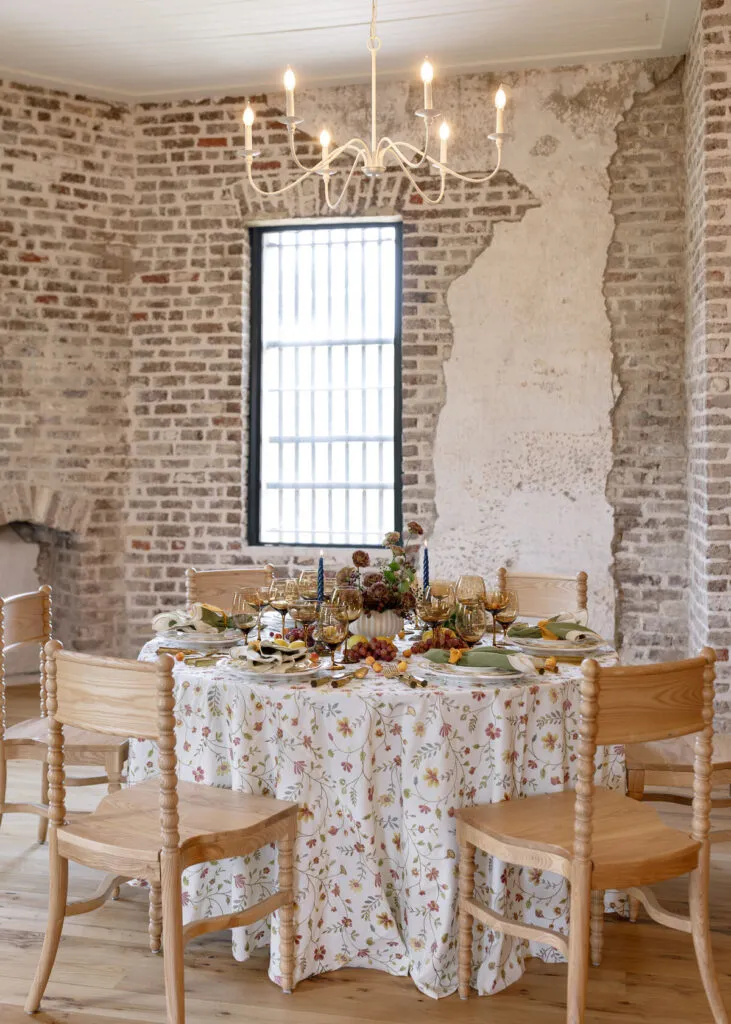
Styling direction determines how linens are used within the overall composition of the table. Rather than focusing on individual elements, the approach defines how all components work together to create a cohesive visual outcome. A clear direction ensures that the table feels intentional and aligned with the event’s tone.
Minimalist Linen Styling
Minimalist styling relies on restraint, precision, and clarity. It emphasizes fewer elements, allowing material quality and proportion to define the table.
Clean Lines and Controlled Composition
A simplified arrangement creates a structured and balanced surface. Linens in this approach maintain a smooth, uninterrupted appearance that supports clarity across the table.
Restrained Use of Color and Texture
Limited variation in color and texture ensures that the composition remains cohesive. Subtle differences provide depth without introducing visual noise.
Maximalist Linen Styling
Maximalist styling introduces greater variation while maintaining control over how elements interact. It allows for more expressive compositions without sacrificing balance.
Layering and Textural Complexity
Multiple layers and textures create depth and visual interest. Each layer must be placed with intention to avoid disrupting the overall structure.
Controlled Contrast and Visual Energy
Contrast in color and material can be used to draw attention and create focal points. Maintaining alignment between elements ensures that the composition remains cohesive.
Timeless Styling Approaches
A timeless approach prioritizes consistency and adaptability across different event types and settings. It focuses on balance rather than trends.
Consistency Across Seasons and Event Types
A stable design approach allows linens to transition across different contexts without requiring significant changes. This consistency supports long-term use and visual reliability.
Emphasis on Proportion and Balance
Timeless styling depends on proportion rather than decorative elements. Each component is positioned to support the overall composition, creating a setting that feels complete and well-structured.
For a deeper exploration of these styling approaches and how they can be applied in practice, refer to guidance on minimalist and maximalist linen styling, along with designer-led strategies for creating table settings that remain effective across different event contexts.
Color and Texture Strategy for Event Linens
Color and texture determine how a table is read immediately and how it holds attention over time. They influence contrast, depth, and visual rhythm across the entire setting. A disciplined approach ensures that these elements work in support of the composition, allowing the table to feel structured, intentional, and consistent across all event spaces.
Building a Cohesive Color Palette
A well-defined palette acts as a framework for every linen decision. It ensures that each table contributes to a unified visual system rather than appearing as an isolated arrangement.
Neutral Foundations
Neutral tones provide stability and allow the composition to remain clear under different lighting conditions and across multiple tables. Shades such as ivory, taupe, soft grey, or muted stone create a calm base that supports both formal and relaxed settings.
These tones also improve consistency at scale. When repeated across large event layouts, they prevent visual fragmentation and allow variations in table shape or arrangement to feel cohesive rather than disjointed.
Controlled Accent Tones
Accent colors introduce focus and direction within the table design. Their role is to guide attention rather than dominate the composition. Used sparingly through runners, napkins, or overlays, they create contrast while maintaining balance.
Restraint is essential. Limiting accents to one or two tones ensures that the palette remains controlled and avoids visual competition between elements. This approach allows the table to feel intentional rather than overly styled.
Adapting Color to Environment and Lighting
Color perception shifts depending on lighting conditions, venue materials, and time of day. Natural daylight may soften tones, while artificial lighting can deepen or alter them. Testing swatches in the actual environment ensures that colors remain consistent throughout the event.
A palette that performs well across changing conditions maintains clarity and prevents unexpected shifts in appearance.
Using Texture to Add Depth
Texture introduces dimension without adding complexity. It allows the table to feel layered and tactile while maintaining a clean visual structure. When used correctly, texture replaces the need for excessive decorative elements.
Layered Textures
Combining fabrics with subtle differences in surface finish creates depth that enhances the overall composition. For example, pairing a matte base linen with a slightly textured runner introduces variation without disrupting balance.
Each layer should contribute to the structure of the table. Overuse of contrasting textures can create visual noise, while controlled variation supports a refined and cohesive result.
Balancing Softness and Structure
Texture must maintain a balance between softness and form. Fabrics that are too soft may lose shape, while overly rigid materials can disrupt the flow of the table. The ideal balance allows the linen to drape cleanly while maintaining a defined surface.
This balance ensures that the table remains visually stable throughout the event, even with movement and interaction.
Surface Variation and Light Interaction
Different textures respond to light in distinct ways, affecting how the table is perceived at different angles and times. Matte surfaces absorb light and create a grounded, understated effect, while subtle sheen introduces highlights that add dimension.
A considered mix of these qualities ensures that the table remains visually engaging without becoming inconsistent. The goal is controlled variation that enhances depth while preserving clarity.
Seasonal and Outdoor Event Considerations
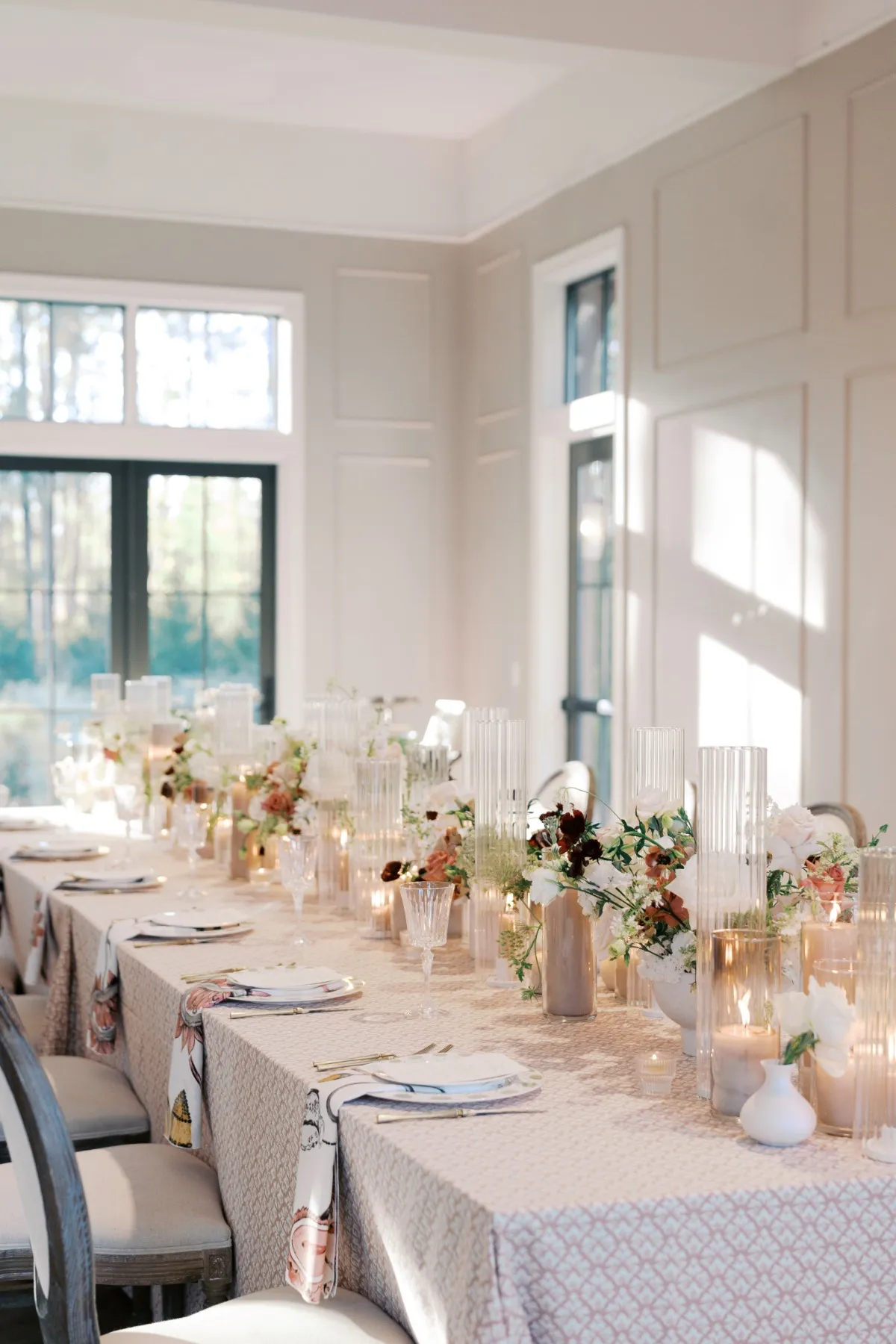
Seasonal and environmental factors influence how linens perform and how they are perceived within a space. These conditions affect fabric behavior, color appearance, and overall composition. Adjusting linen choices to align with the setting ensures that the table remains balanced and appropriate to its environment.
Summer and Outdoor Event Styling
Warm-weather events require linens that maintain visual clarity while supporting comfort and practicality.
Fabric Lightness and Breathability
Lighter fabrics allow the table to feel open and balanced in bright conditions. They prevent the setting from appearing visually heavy while maintaining structure.
Managing Bright Natural Light
Strong lighting conditions affect how colors and textures are perceived. Linens should be selected to maintain consistency under varying light levels throughout the event.
Destination and Open-Air Events
Outdoor and destination settings introduce additional variables that influence linen selection and presentation.
Environmental Alignment
Linens should complement the surrounding environment rather than compete with it. Color and texture choices should reflect the setting to maintain cohesion.
Movement and Stability
Open-air environments may introduce movement through wind or uneven surfaces. Linen selection and placement should account for these conditions to preserve structure and consistency.
For deeper insights into seasonal styling and fabric choices suited to warm-weather environments, explore guidance on summer table settings and breathable linen styles for outdoor events.
Custom and Exclusive Linen Options
Custom linens introduce a level of specificity that allows the table to align closely with the event’s identity. These selections move beyond standard options, offering a tailored approach that enhances both visual coherence and overall experience.
The Role of Custom Linens in Luxury Events
Customization allows linens to reflect a defined concept or identity, supporting a more intentional design outcome.
Personalization and Identity
Custom details such as embroidery, unique finishes, or tailored dimensions create a distinct visual signature. These elements contribute to a setting that feels specific to the event.
When Customization Enhances the Experience
Custom linens are most effective when they support a clear design direction rather than acting as standalone features.
Branding and Exclusivity
For brand-driven or highly curated events, customization reinforces identity and creates a cohesive narrative. The result is a setting that feels unified and considered.
For a detailed look at how custom linens can be integrated into high-end event design, refer to the guide on custom high-end event linens for exclusive events.
Planning and Logistics for Linen Selection
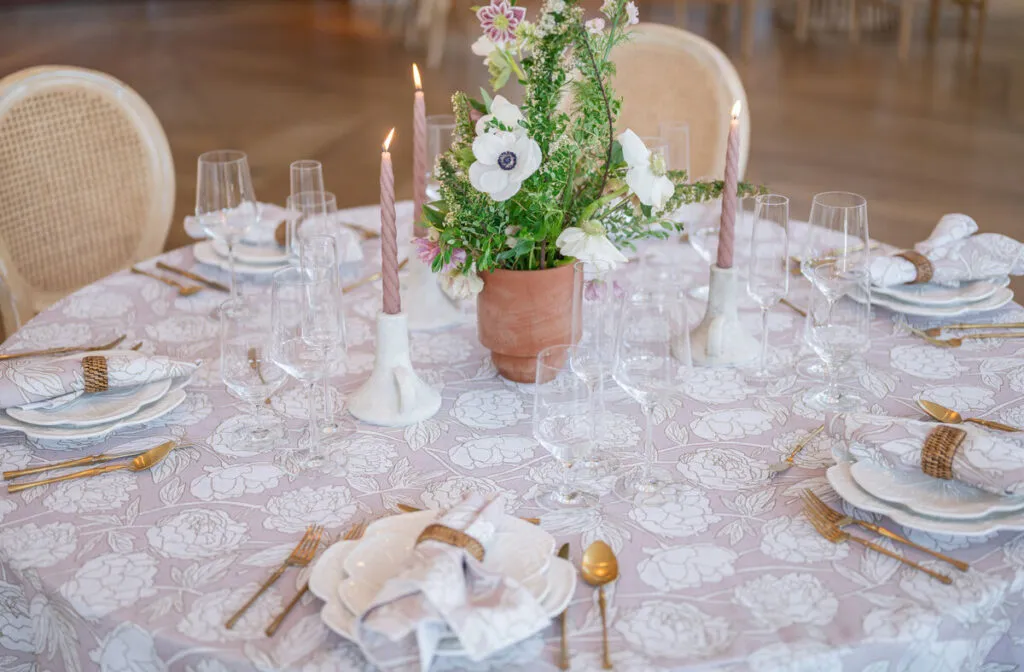
Effective planning ensures that linen choices translate accurately from concept to execution. Linen selection is not only a design decision but also a coordination process that involves timing, sourcing, quantities, and setup alignment. Careful planning reduces inconsistencies, prevents last-minute compromises, and ensures that the final presentation reflects the intended design across every table.
Timing and Booking Considerations
Linen decisions should be made early in the planning process, ideally alongside layout and overall design direction. Early selection allows for better coordination with other elements such as tableware, florals, and lighting.
Lead Times and Availability
Premium linens, particularly in specific fabrics, colors, or quantities, may have limited availability. Securing selections in advance ensures access to consistent materials across all tables.
Delays in booking increase the likelihood of substitutions, which can introduce variations in tone, texture, or finish. These differences may appear subtle in isolation but become noticeable when repeated across multiple tables.
Alignment with Other Planning Elements
Linen choices should be confirmed alongside table layouts, guest counts, and venue specifications. Changes in table size or configuration can affect linen dimensions and quantities, making early alignment essential for accuracy.
Preparing for Large-Scale Events
As event scale increases, so does the importance of precision. Larger layouts introduce complexity in quantity management, consistency, and setup coordination.
Quantity and Consistency
Ensuring uniformity across dozens or hundreds of tables requires careful verification of fabric type, dye lot, and finish. Even minor variations can disrupt cohesion when repeated across a large space.
Consistency should be maintained not only in color but also in texture, weight, and drape. This ensures that all tables read as part of a single, unified composition.
Managing Multiple Table Formats
Events often include a mix of round tables, banquet tables, and specialty layouts. Each format requires specific sizing and proportion adjustments. Planning for these variations in advance ensures that linens fit correctly and maintain a consistent visual standard.
Using Checklists for Accuracy
Structured planning tools help translate design intent into reliable execution. Checklists reduce the risk of oversight and ensure that all details are addressed systematically.
Pre-Event Planning
Before the event, confirm all selections, quantities, and layout requirements. This includes verifying fabric types, dimensions, and the distribution of linens across different table formats.
Clear documentation allows teams to execute setup efficiently and minimizes the need for adjustments during installation.
Setup Verification
During setup, linens should be inspected for alignment, smoothness, and consistency. Each table should reflect the same level of precision, with evenly placed linens and clean surfaces.
Final adjustments at this stage ensure that transport or handling has not introduced creases or misalignment, preserving the integrity of the design.
For more detailed planning strategies, including booking timelines and structured checklists, refer to dedicated guides on linen rental planning and event preparation for large-scale setups.
Expert Styling and Execution
Execution determines how effectively the design vision is realized in the physical space. Even well-selected linens require precise placement, alignment, and coordination to achieve a refined result. Styling is the final stage where all planning decisions come together, and small adjustments have a significant impact on the overall presentation.
The Value of Professional Styling Guidance
Professional oversight introduces a level of control and consistency that is difficult to achieve without experience. It ensures that every table reflects the same standard and that the overall environment remains cohesive.
Precision and Consistency
Professionals manage alignment, proportion, and spacing across all tables. This includes ensuring that linens are evenly positioned, edges are straight, and surfaces remain smooth.
Consistency at this level prevents visual disruption and allows the event to feel unified, regardless of scale.
Anticipating and Resolving On-Site Variations
Real-world conditions such as uneven floors, lighting differences, or last-minute layout changes can affect linen presentation. Experienced stylists adjust for these variables in real time, maintaining consistency across all tables.
Translating Design Vision into Execution
A clear concept must be carried through to the final setup without deviation. This requires coordination between planning, materials, and on-site execution.
Coordination Across Elements
Linens must align with tableware, centerpieces, and spatial layout. Proper coordination ensures that each element supports the overall composition rather than competing with it.
This alignment is particularly important in large events, where small inconsistencies can become more noticeable.
Maintaining Proportion and Balance
Each table should maintain consistent proportions between linens, decorative elements, and spacing. This balance ensures that the composition remains stable and visually clear from every angle.
Coordination and Final Presentation
The final stage of setup is where refinements are made to ensure that the design reads clearly in the space.
Final Adjustments and Alignment
Linens should be smoothed, repositioned, and aligned to remove any inconsistencies introduced during setup. Attention to edges, corners, and drape ensures a clean and controlled finish.
Viewing the Table as a Complete Composition
Each table should be assessed as a whole rather than as individual elements. This perspective ensures that linens, tableware, and decor work together within a unified structure.
Frequently Asked Questions
What makes event linens look truly high-end?
High-end linens are defined by consistency, material quality, and how they perform within the overall composition. A refined linen maintains a smooth, even surface with minimal visual disruption. The fabric should drape cleanly, hold its structure, and reflect light in a controlled way. Texture plays a supporting role by adding depth without drawing attention away from the table as a whole.
Equally important is how the linen interacts with other elements. High-end linens allow tableware, centerpieces, and lighting to sit naturally within the setting. There is a sense of balance and clarity rather than competition between elements. This is what separates a premium table from one that simply uses expensive materials without cohesion.
How do I choose the right linens for my event without overcomplicating the design?
The most effective approach begins with defining the tone and purpose of the event. Once that is clear, linen selection should support that direction rather than introduce unnecessary variation. Start with a consistent base fabric and color, then introduce subtle variation only where it adds structure or emphasis.
It is also important to consider scale. Large events require consistency across multiple tables, while smaller gatherings allow for more visible detail. Keeping decisions focused on cohesion rather than individual elements helps avoid overcomplication. When in doubt, simplify the palette and limit the number of textures. A controlled approach produces a more refined outcome.
Are high-end linens necessary for luxury events, or can standard options achieve the same effect?
Standard linens can function adequately, but they often lack the consistency and finish required for a fully refined presentation. Differences become noticeable in how the fabric drapes, how it reflects light, and how it holds its surface under use. These factors affect the clarity of the table and the overall perception of the event.
High-end linens provide a stable visual base that supports all other design elements. They reduce visual noise and allow the composition to read as intentional. In luxury settings where detail and perception matter, this difference is significant. The value is not in the linen alone, but in how it elevates the entire environment.
How do linens influence the overall guest experience beyond appearance?
Linens contribute to both visual and tactile aspects of the experience. Visually, they establish order and clarity, helping guests interpret the table without distraction. Tactilely, the feel of the fabric adds to comfort and reinforces a sense of care in the environment.
Guests may not consciously analyze linen quality, but they respond to the overall atmosphere it creates. A smooth, balanced surface feels more considered and inviting. This subtle influence shapes how the event is remembered, particularly in settings where guests interact closely with the table.
What is the most common mistake when selecting event linens?
The most frequent issue is treating linens as a secondary detail rather than a foundational element. This often leads to mismatched fabrics, inconsistent colors, or unnecessary layering. These decisions can disrupt the visual structure of the table and reduce overall cohesion.
Another common mistake is selecting linens without considering lighting, scale, or surrounding elements. A fabric that appears appropriate in isolation may behave differently within the full setting. Addressing linens early in the design process helps prevent these issues and ensures better alignment across all components.
How far in advance should linens be selected or booked for an event?
Linen selection should occur during the early design phase, alongside decisions about table layout and overall styling direction. This allows enough time to secure consistent materials and avoid last-minute substitutions.
For larger events or those requiring specific fabrics, earlier planning is especially important. Availability can vary, and delays may limit options. Confirming selections in advance ensures that all tables can be styled consistently without compromise.
How do I maintain consistency across multiple tables and layouts?
Consistency begins with selecting a single fabric type, color palette, and finish that can be applied across all tables. Variations in table size or shape should be managed through proportion rather than introducing different materials.
During setup, alignment and placement become critical. Ensuring that linens are evenly positioned, smooth, and consistent across all tables helps maintain a unified appearance. Repetition of key elements creates a stable visual rhythm throughout the event space.
When should I consider custom linens instead of standard options?
Custom linens are most effective when the event requires a specific identity or level of detail that cannot be achieved through standard selections. This may include branded events, highly curated weddings, or settings where personalization is central to the design.
Customization should support the overall composition rather than act as a focal point on its own. When used with restraint, it enhances cohesion and reinforces the event’s identity without disrupting balance.
How do seasonal conditions affect linen selection?
Environmental factors such as temperature, lighting, and venue type influence how linens perform and appear. In brighter or outdoor settings, lighter fabrics and controlled textures help maintain clarity. In more formal or indoor environments, structured fabrics can support a more defined presentation.
Color perception also shifts under different lighting conditions. Testing fabrics in the actual environment ensures that tones and textures behave as expected. Adjusting linen choices to suit the setting helps maintain consistency throughout the event.
What role do linens play in creating a cohesive event design?
Linens act as the connecting element across all tables and spaces. They establish a visual baseline that allows other components to align within a unified system. When consistent in material, color, and finish, they create continuity that ties the entire event together.
This cohesion allows guests to experience the event as a complete environment rather than a collection of individual tables. The linen becomes the structure that supports the design, ensuring that every element works in relation to the whole.
Conclusion
Event linens provide the structure that supports every element within a table setting. Their influence extends across visual clarity, cohesion, and overall perception, shaping how the event is experienced from beginning to end.
A considered approach to selection, coordination, and execution ensures that linens contribute meaningfully to the design. When chosen and applied with precision, they create a foundation that allows the entire event to feel balanced, refined, and complete.