
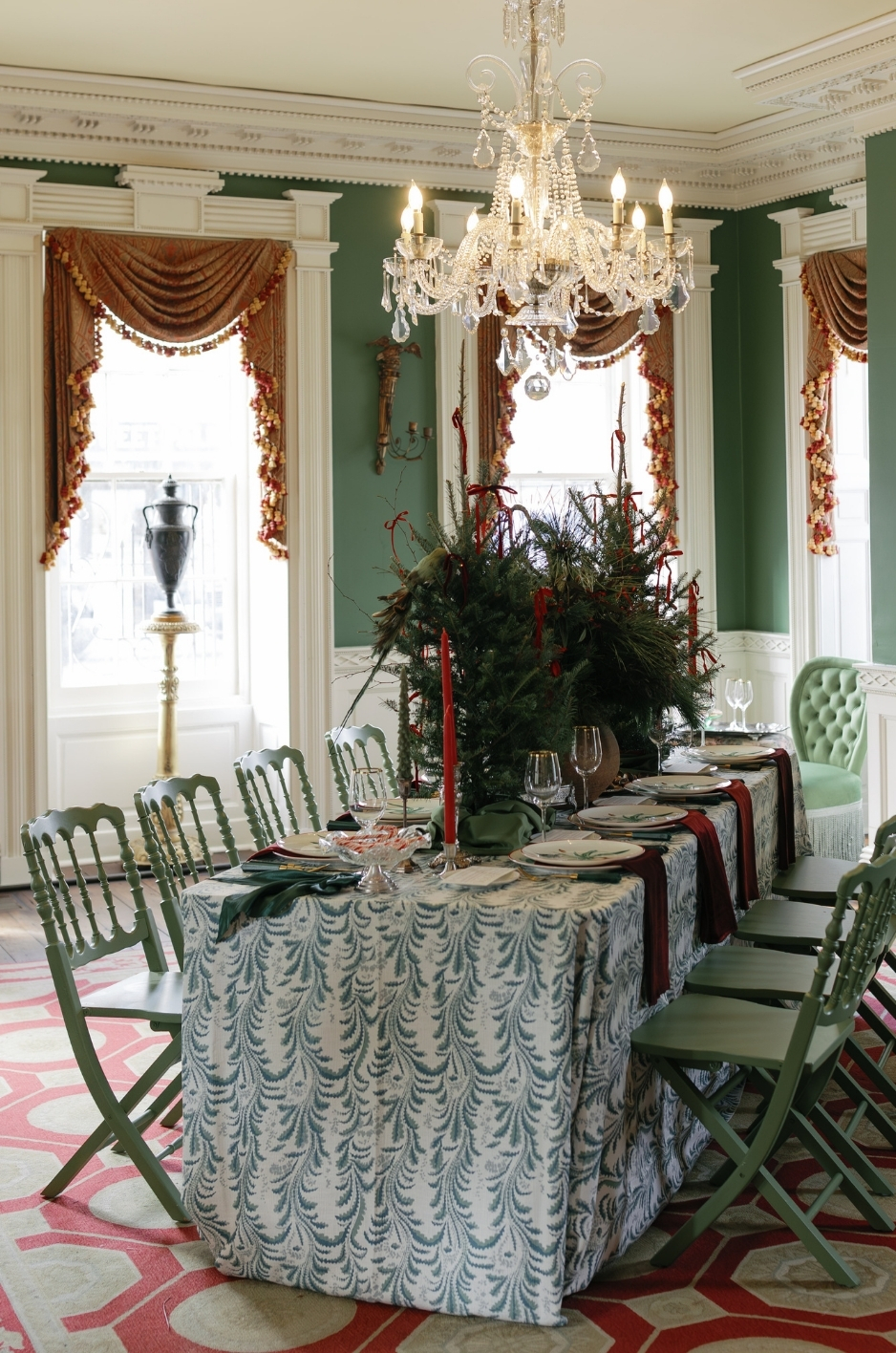
Estate weddings carry a sense of presence before a single table is set. Historic homes, formal gardens, stone terraces, paneled rooms, grand staircases, conservatories, and tented lawns all bring their own character to the celebration. Because the venue already has visual depth, the linens should not compete with it. They should respond to it.
The best estate wedding linens create a refined textile layer that feels connected to the property, the couple’s vision, and the formality of the occasion. Tablecloths, runners, napkins, pillows, specialty overlays, patterned linens, solid linens, custom sizing, custom-printed details, velvets, linen, and custom blends can all help shape a table setting that feels elegant without overwhelming the venue’s architecture.
Curated Linen Collection helps couples and planners style estate wedding tables with luxury linens that feel tailored, polished, and appropriate for historic surroundings. The goal is not to cover the venue’s character. The goal is to frame it.
Let the Estate Lead the Linen Direction
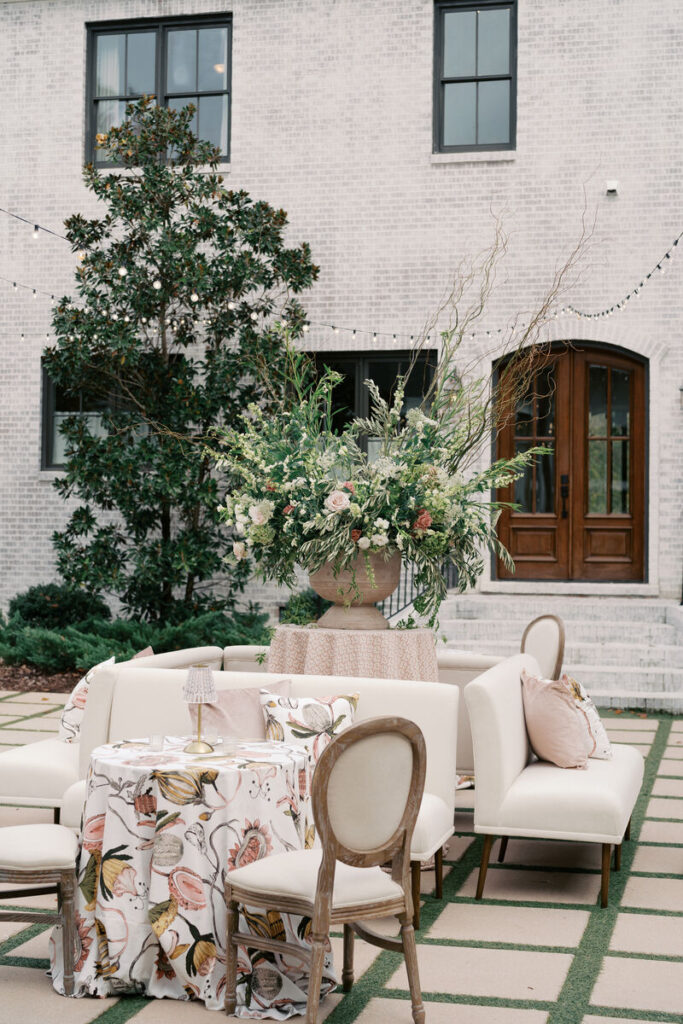
An estate venue should guide the linen plan from the beginning. Unlike a blank ballroom or modern event space, a historic venue often includes fixed visual details that cannot be ignored. Wall color, flooring, gardens, stonework, wood paneling, antique finishes, ceiling height, and natural light all influence how linens will appear.
A successful estate wedding table feels like it belongs in the setting. The linens should support the architecture while still giving the celebration its own identity. When the textile choices respond to the venue, the entire reception feels more intentional.
Estate styling becomes easier to refine when the property is considered within a broader venue-based approach. Exploring summer linen strategies by venue type can help planners see how the architectural character of an estate changes the linen direction compared with gardens, ballrooms, coastal spaces, rooftops, and tents.
Read the Architecture Before Choosing Fabric
Before selecting linen colors, patterns, or textures, study the room or outdoor setting. A wood-paneled dining room may call for warmer, deeper tones. A stone terrace may work beautifully with parchment, ivory, taupe, or pale mineral shades. A garden-facing tent may need linens that soften the transition between the formal reception and the surrounding landscape.
Architecture can also influence fabric weight and pattern scale. A room with intricate molding, patterned wallpaper, or ornate flooring may benefit from quieter linens. A simple terrace or expansive lawn may be able to support a stronger linen moment, such as a patterned runner, a richer napkin, or a textured overlay.
Avoid Linens That Fight the Room
Historic venues often lose their refinement when the linen design tries to overpower the setting. Very loud prints, too many competing textures, or overly literal vintage motifs can distract from the venue’s existing details. In an estate setting, restraint usually feels more luxurious than excess.
The linen plan should create balance. If the room has dramatic architecture, the linens can be more controlled. If the room is simple or neutral, the linens can carry more visual interest. The goal is to create a relationship between the textile and the space, not a competition.
Use Textiles to Soften, Frame, or Ground the Space
Linens can serve different purposes depending on the estate setting. In a formal dining room, a soft tablecloth can make the room feel more inviting. On a stone terrace, a tailored runner can frame a long table without hiding the setting. In a tented estate lawn, deeper napkins or specialty overlays can ground the design so the reception feels polished rather than temporary.
This is where linens become more than finishing details. They help translate the estate’s character into a complete guest experience.
Linen Scale Matters More in Historic Rooms
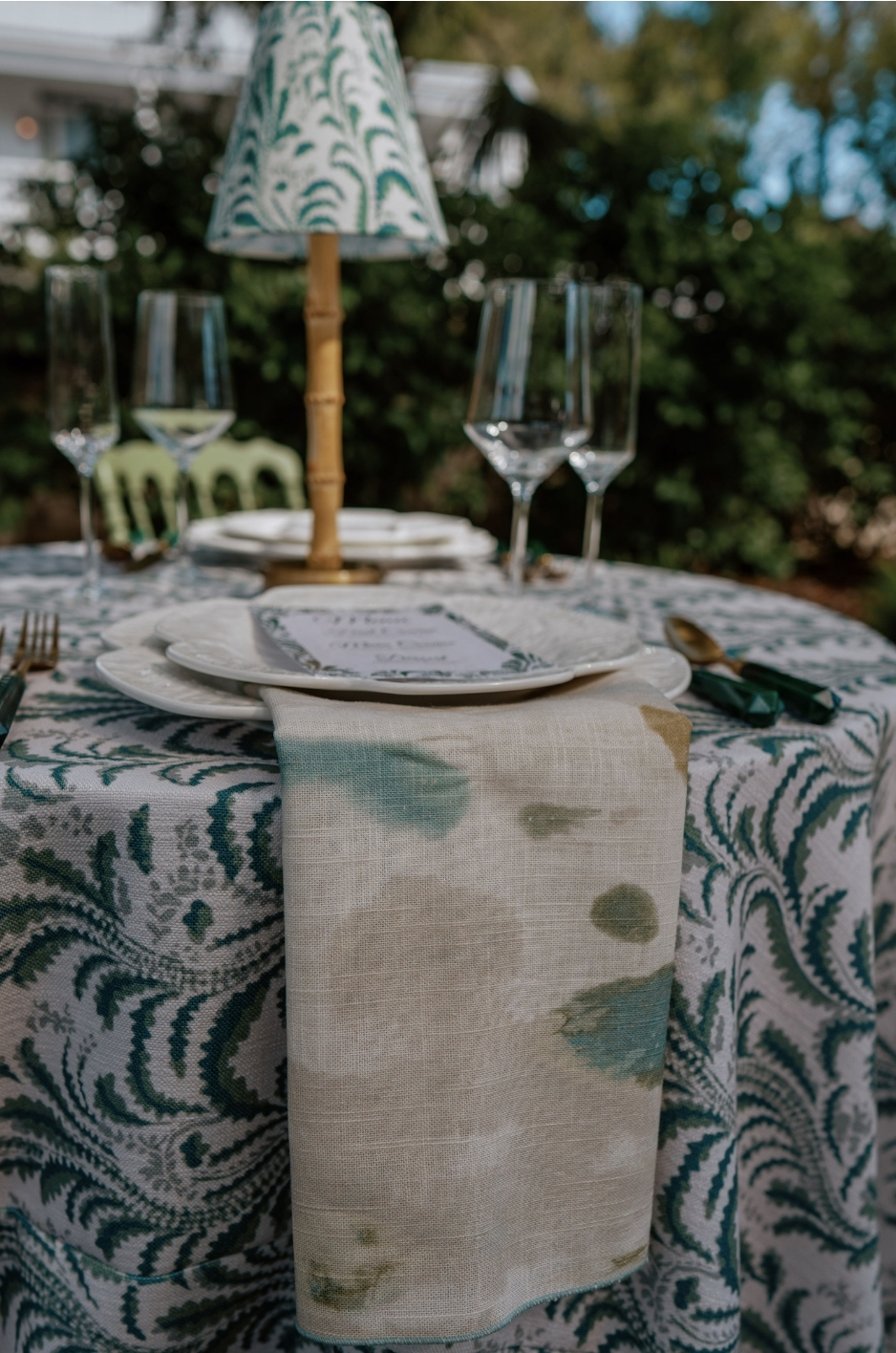
Scale is especially important in estate wedding styling. Historic venues often include rooms and outdoor areas with distinctive proportions. Some spaces feel intimate and detailed. Others feel grand, open, and formal. A linen that works beautifully in one estate room may feel too bold, too quiet, or too casual in another.
Choosing the right scale means considering how the linen will look from several distances: up close at the place setting, across the table, and from the entrance of the room. Pattern, texture, drape, and color all change depending on the scale of the space.
Small Dining Rooms Need Restraint
An intimate estate dining room usually benefits from restraint. Smaller rooms often have more visible architectural detail, such as trim, fireplaces, antique mirrors, paneling, or historic flooring. In these spaces, linens should refine the table without crowding the room.
Tonal linens, subtle textures, and smaller-scale patterns tend to work well. A quiet tablecloth with a slightly deeper napkin can create enough contrast without making the room feel busy. A delicate patterned runner or understated overlay can add interest while still allowing the historic setting to remain central.
Long Estate Tables Need Visual Rhythm
Long estate tables need rhythm. Without it, the table can feel flat or stretched. Runners, patterned napkins, and specialty overlays can create movement down the length of the table while helping the design feel cohesive from one end to the other.
A runner can draw the eye forward, while napkins can repeat a key color at each place setting. Specialty overlays can also define specific portions of a long table, especially at a head table or family-style dinner setting. The most effective approach is balanced repetition, not visual clutter.
Grand Rooms Can Hold Stronger Linen Moments
Larger estate rooms can often support stronger linen choices. A grand hall, ballroom, or tented lawn may need more color, texture, or pattern so the tables do not disappear within the scale of the setting. In these spaces, a richer tablecloth, bolder runner, or more expressive napkin can help create presence.
Even in a grand room, the design should still have hierarchy. A statement linen may work best on focal tables, while surrounding guest tables use related solid linens or quieter textures. This keeps the reception refined instead of visually overwhelming.
Choosing Linens That Respect Historic Character Without Looking Costume-Like
Estate weddings often draw inspiration from history, but the design should not feel like a period recreation. A historic venue already provides atmosphere. The linens should bring elegance and freshness, not theatrical styling.
The strongest estate wedding tables usually blend old and new. They respect the property’s character while using clean lines, tailored proportions, edited colors, and thoughtful textile details to make the event feel current.
Skip Literal Period Details
It can be tempting to lean heavily into vintage-inspired details, but too many references can make the wedding feel overly themed. Heavy period motifs, excessive ornament, and unsupported personalization techniques can distract from the sophistication of the setting.
Instead, focus on linen details that feel refined: a well-fitted tablecloth, a clean runner, a patterned napkin, a textured overlay, or a custom-printed accent inspired by the estate. These choices nod to the setting without making the design feel costume-like.
Use Pattern With a Light Hand
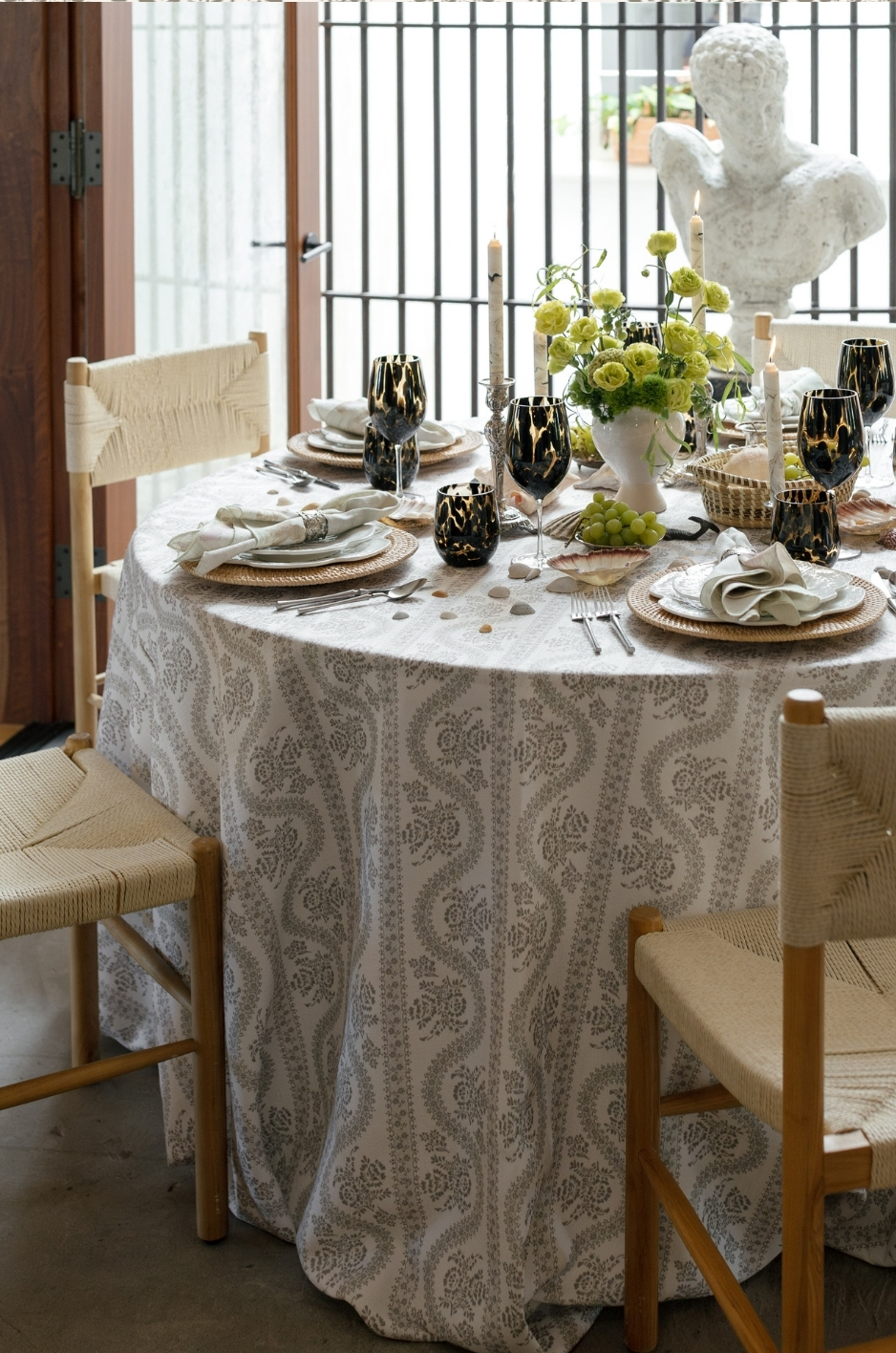
Pattern can work beautifully in estate venues when it is used carefully. Painterly prints, tonal botanicals, refined stripes, border details, and soft geometric patterns can add personality without overpowering the room.
The key is proportion. A pattern used across every table may feel too busy in a historic room, while the same pattern on napkins, runners, or a focal table can feel elegant and memorable. Pattern should support the estate’s atmosphere, not compete with its architecture.
Balance Old Architecture With Modern Simplicity
Modern simplicity can make a historic venue feel more sophisticated. A clean solid linen, tailored runner, or understated napkin can create contrast against ornate architecture. This contrast allows the venue’s details to stand out while giving the table a polished, contemporary edge.
Estate wedding design does not need to feel old-fashioned to feel timeless. Often, the most successful look is a quiet balance: historic architecture, elegant linens, and just enough custom detail to make the table feel personal.
Estate-Friendly Color Families for Refined Tables
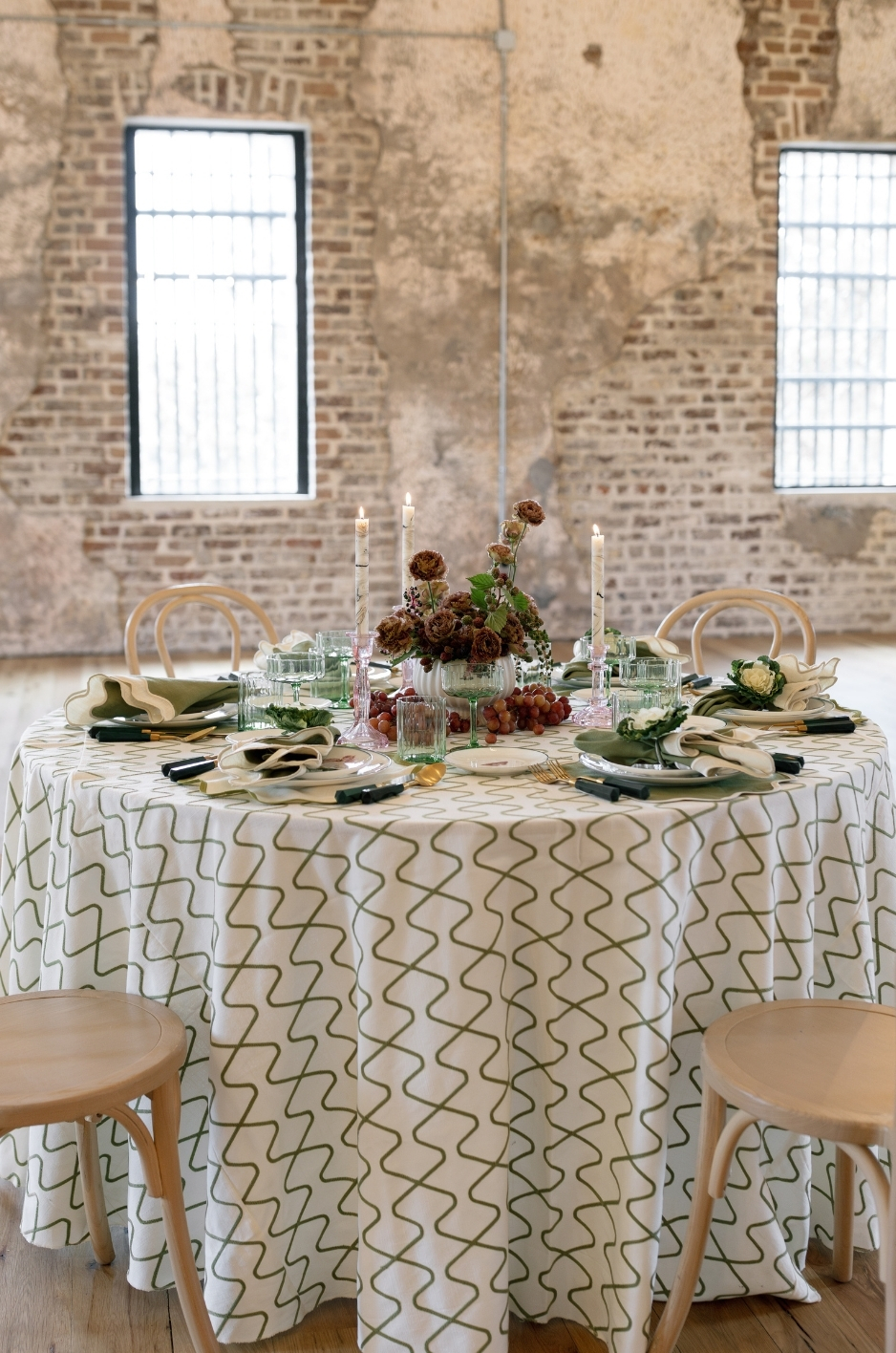
Color should be chosen according to the estate setting, not just the wedding palette. Historic venues often include stone, wood, plaster, garden views, candlelight, antique finishes, and formal interiors. Linens should respond to those materials so the table feels integrated into the environment.
A strong estate linen palette usually feels edited. One foundation color, one supporting tone, and one accent are often enough to create depth without overwhelming the venue.
Garden-Adjacent Neutrals
Warm ivory, parchment, oatmeal, champagne, taupe, and pale stone are excellent choices for estate weddings near gardens, terraces, courtyards, or tented lawns. These tones feel soft, natural, and refined without becoming casual.
Garden-adjacent neutrals also allow planner-selected florals, menus, candles, and tabletop rentals to stand out. They create a calm foundation that works especially well in daylight or early evening receptions.
Library and Dining Room Depth
Estate libraries, formal dining rooms, and candlelit interiors can support deeper linen tones. Espresso, wine, moss, navy, charcoal, and plum can create a sense of depth that feels appropriate for paneled rooms or evening celebrations.
These colors are especially effective when used with restraint. A wine napkin, moss runner, navy overlay, or espresso table linen can bring richness to the table while still respecting the room’s character.
Soft Historic Romance
For estate weddings that call for a romantic tone, softer colors can work beautifully. Blush, muted rose, powder blue, sage, and lavender can bring lightness to historic spaces. The key is to keep these tones softened rather than overly sweet.
A muted rose napkin or pale blue runner can feel elegant in a garden room, conservatory, or terrace reception. When paired with warm neutrals or refined textures, these colors create romance without making the design feel too delicate.
One Accent Color, Not a Full Theme
Estate tables often look most refined when a strong color is used as an accent rather than a full-room treatment. A deep napkin, patterned runner, specialty overlay, or pillow can introduce contrast without saturating every surface.
This approach gives the design a focal point. It also prevents the linen palette from feeling too literal or overly decorated.
Linen Texture for Stone, Wood, Plaster, and Garden Settings
Texture is one of the most important design tools for estate weddings. Historic venues are already rich with material detail, so linens should be selected according to how they interact with stone, wood, plaster, garden views, and candlelight.
A flat linen may feel appropriate in a highly detailed room, while a textured linen may be needed in a simpler space. The best choice depends on what the venue already provides and what the table needs to add.
Velvet Against Wood and Candlelight
Velvet can be especially effective in estate spaces with wood paneling, candlelight, or evening reception settings. It adds depth and softness, making the table feel more intimate. Velvet can work as a full table linen, but it can also be used more selectively through napkins, overlays, pillows, or focal table details.
For historic dining rooms, libraries, or winter estate weddings, velvet can bring richness without requiring additional visual clutter. It is best used where the room can support its weight and depth.
Linen and Custom Blends Against Stone or Garden Views
Linen and custom blends are well suited to stone terraces, garden-facing receptions, and tented estate lawns. They can create a refined foundation while still feeling natural to the setting. These textures work especially well when the event design needs softness rather than shine.
A stone terrace may pair beautifully with parchment, oatmeal, taupe, or pale ivory linens. A garden reception may benefit from linen textures that echo the softness of the landscape without looking overly rustic.
Specialty Overlays for Historic Detail Without Visual Weight
Specialty overlays can add dimension without overwhelming the table. In estate settings, they are especially useful for focal areas such as sweetheart tables, cake tables, escort displays, and entry tables.
An overlay can introduce pattern, texture, or contrast while allowing the base linen to remain simple. This gives the table more depth without competing with architectural features nearby.
Styling Estate Focal Tables Without Overdecorating
Focal tables are especially important in estate weddings because they are often positioned near architectural features. A cake table near a fireplace, an escort display in an entry hall, or a bar on a terrace can become part of the venue’s visual story.
The linen should elevate these areas without covering every detail or making the table feel overdesigned. In historic settings, negative space and restraint matter.
Entry and Escort Tables
Entry and escort tables are often the first styled surfaces guests see. In an estate setting, these tables may sit beneath a staircase, near a doorway, or in a formal hall. A tailored linen, runner, or specialty overlay can make the table feel intentional without distracting from the surrounding architecture.
A custom-sized linen is especially useful here because entry tables are often unique in shape or scale. The linen should fit cleanly and support planner-selected escort cards, florals, candles, or signage.
Cake Tables Near Historic Backdrops
Cake tables are frequently placed near fireplaces, garden doors, paneled walls, staircases, or windows. The linen should frame the cake and the backdrop together. A textured tablecloth, patterned overlay, or custom runner can create a refined base without competing with the cake design.
When the background is already detailed, a quieter linen may work best. When the backdrop is simple, a more expressive linen can help the cake table feel complete.
Terrace Bars and Beverage Tables
Bars and beverage tables are functional, but they still need to feel integrated into the estate setting. A tailored linen or specialty overlay can help these areas look more polished, especially on terraces, lawns, or courtyard spaces.
The linen should visually support the planner-selected bar setup or beverage display without suggesting that Curated Linen Collection provides bar rentals, glassware, or beverage service. The role of the linen is to make the surface feel finished and connected to the larger design.
Fall and Winter Estate Weddings: What Works for the Upcoming Season
Estate venues are especially compelling during fall and winter. Cooler months bring deeper light, candlelit interiors, layered textures, and opportunities for richer color. The key is to make the season feel present without allowing it to become the entire theme.
For upcoming fall and winter estate weddings, linens can introduce warmth, contrast, and depth through napkins, overlays, pillows, velvet accents, and refined seasonal patterns.
Deep Napkins on Light Estate Tables
Deep napkins can instantly make a light estate table feel more seasonal. Merlot, forest, espresso, navy, plum, or charcoal napkins can be paired with ivory, oatmeal, champagne, parchment, or stone-colored tablecloths.
This approach keeps the table bright enough for a historic setting while adding depth at each place setting. It works well for estate dining rooms, tented lawns, and candlelit receptions.
Velvet Accents for Candlelit Rooms
Velvet is especially effective in fall and winter estate settings. It can be used for sweetheart tables, head tables, specialty overlays, pillows, or other focal textile moments. In candlelit rooms, velvet creates softness and depth without needing excessive decoration.
A velvet accent can also make a formal estate interior feel warmer and more intimate. Used selectively, it adds richness while preserving the venue’s architectural character.
Seasonal Patterns Without Holiday Clichés
Seasonal patterns should be handled with restraint. Instead of snowflakes, pumpkins, or obvious holiday colors, consider tonal botanicals, abstract motifs, painterly prints, border details, or patterns inspired by the estate itself.
These options bring seasonal personality while keeping the table refined. They also allow the linens to feel appropriate beyond a narrow holiday context.
Conclusion
Estate wedding linens should feel architectural, refined, and responsive to the venue. In a historic setting, the best table designs do not overpower the room. They respect the architecture, enhance the guest experience, and create a polished textile story through color, texture, pattern, and proportion.
Curated Linen Collection helps couples and planners style estate weddings with luxury table linens, runners, napkins, pillows, specialty overlays, patterned and solid linens, custom-printed details, custom sizing, velvets, linen, custom blends, and nationwide shipping. For historic venues, private estates, formal gardens, terraces, and candlelit reception spaces, the right linens can make every table feel beautifully connected to the setting.