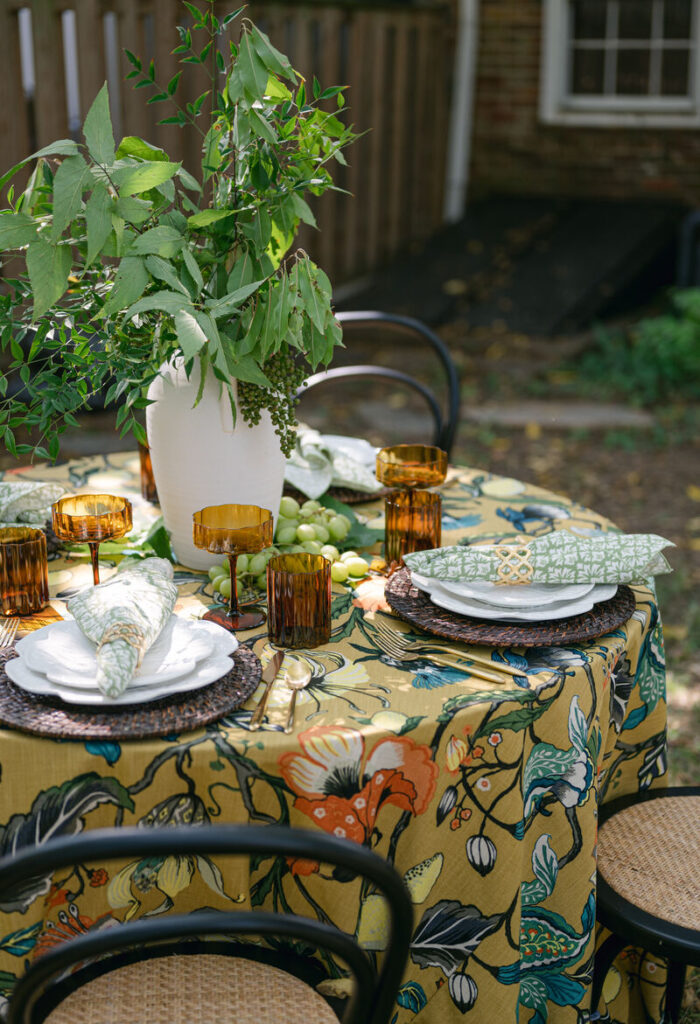
Coordinating table linens across multiple tables and layouts comes down to maintaining consistency in color, fabric, and styling while allowing subtle variation for visual interest. When done correctly, it creates a cohesive and polished event setup where every table feels connected rather than mismatched. By focusing on a unified approach, you can ensure your linens enhance the overall design and deliver a seamless, professional presentation across the entire event space.
Coordinating Table Linens Across Multiple Tables
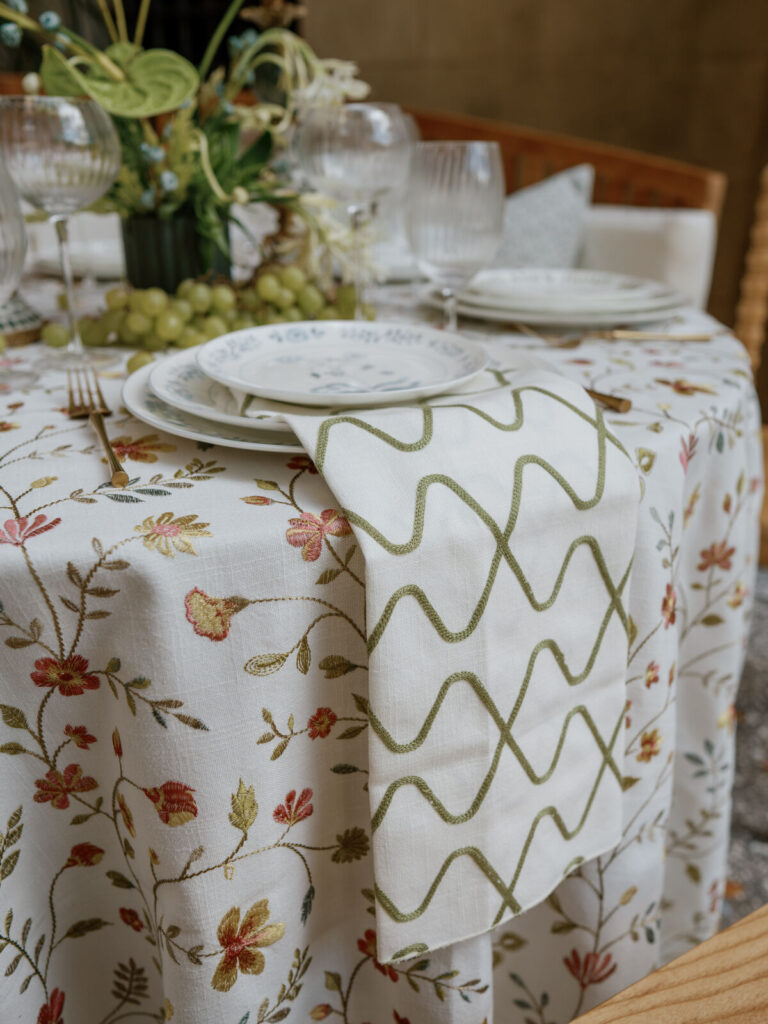
Coordinating table linens across multiple tables starts with one clear approach: use a consistent color palette, balanced fabric selection, and uniform styling across all layouts. This ensures every table feels connected while still allowing subtle variation for visual interest. Achieving this balance requires careful planning and attention to detail, as the linens set the tone for the entire event’s aesthetic.
When planning for multiple tables, consider the overall event theme and how the linens will interact with other design elements such as centerpieces, lighting, and tableware. The goal is to create a harmonious environment where each table complements the others, contributing to a cohesive visual story. This approach not only enhances the guest experience but also elevates the event’s professionalism and style.
Table Linen Color Coordination Strategies
Color coordination sets the foundation for a cohesive event design. It helps unify different tables into one seamless visual experience. Selecting the right colors involves understanding color theory and how different hues interact under various lighting conditions.
Start with a dominant color, then introduce supporting tones and accents that complement the overall theme. This creates depth without making the setup feel disconnected. For example, a soft pastel palette can be enriched with metallic accents to add sophistication, while bold primary colors can be softened with neutral tones to avoid overwhelming the space.
- Choose one main color to anchor the entire design
- Add 1 to 2 complementary shades for variation
- Keep napkins and runners within the same palette
- Test colors under event lighting for consistency
A well-planned color scheme ensures every table looks intentional and aligned. It is also important to consider the psychological effects of colors, as they can influence the mood and energy of the event. Warm colors like reds and oranges can create a lively atmosphere, while cool colors like blues and greens promote calmness and relaxation.
Matching Tablecloths and Napkins Effectively
Matching tablecloths and napkins correctly enhances balance and visual flow. The goal is to create contrast without clashing. This can be achieved by selecting fabrics that complement each other in texture and color intensity.
Monochromatic styling works well for formal events, while complementary tones create a more dynamic look. Consistency across all tables maintains a polished appearance. For instance, pairing a deep navy tablecloth with lighter blue napkins can add subtle contrast while maintaining harmony.
Consider the scale of patterns when mixing linens. Large patterns on tablecloths paired with small, delicate patterns on napkins can create visual interest without overwhelming the design. Additionally, the folding style of napkins can contribute to the overall aesthetic, whether it’s a simple rectangle fold or an elaborate fan shape.
Table Linen Fabric Selection for Consistency
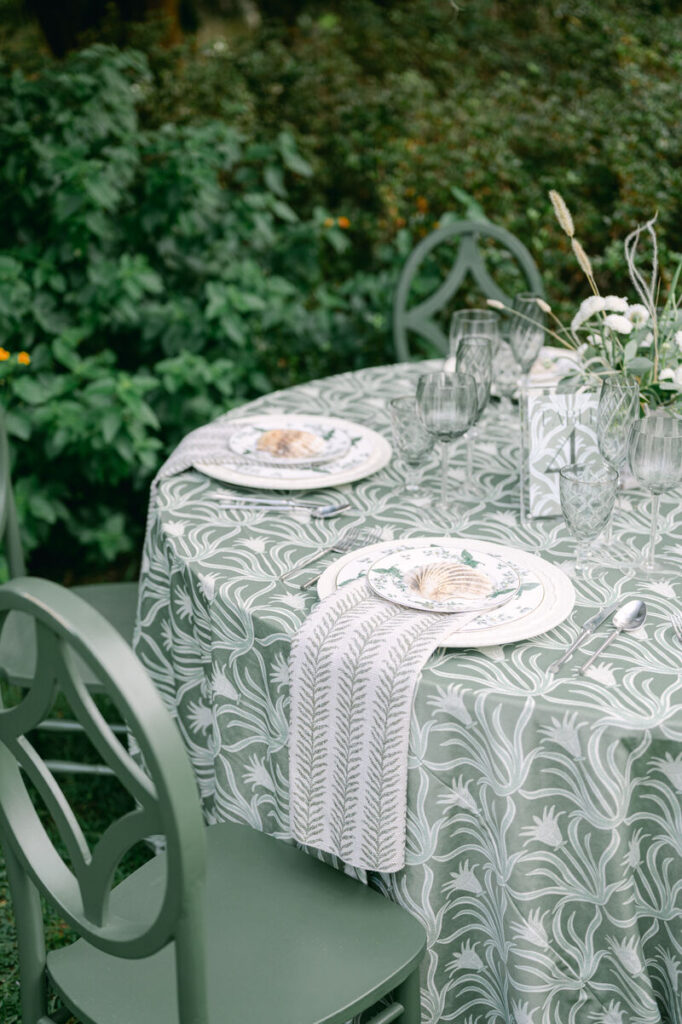
Fabric choice plays a major role in both appearance and performance. Using consistent materials across tables ensures a unified look. The fabric’s weight, weave, and finish all contribute to how the linens drape and reflect light.
Durability is another important factor, especially for events with high traffic or outdoor settings. Fabrics that resist wrinkles and stains help maintain a fresh appearance throughout the event. Selecting fabrics that are easy to clean and maintain can also reduce logistical challenges.
Choosing the Right Linen Fabrics
Selecting the right fabric depends on the event style and setting. Structured fabrics create a refined look, while softer materials add a relaxed feel. For example, crisp cotton or linen blends are ideal for formal dinners, while chiffon or organza overlays can add elegance to casual gatherings.
Maintaining the same fabric type across all tables helps avoid visual inconsistency and uneven draping. It also simplifies the setup process and ensures that all linens behave similarly under lighting and movement.
Consider the environmental impact of fabric choices as well. Sustainable and organic fabrics are increasingly popular for eco-conscious events, offering both aesthetic appeal and ethical benefits.
Fabric Texture and Event Impact
Texture influences how linens look under lighting and how they feel to guests. The tactile experience can enhance the overall ambiance and guest comfort.
Heavier fabrics provide a clean drape and formal appearance. Lighter fabrics work better for casual or outdoor events. Matching texture across tables ensures visual harmony. For example, pairing a matte fabric with a glossy runner can create a sophisticated contrast that adds dimension to the table setting.
Texture also affects sound absorption, which can influence the acoustics of the event space. Soft, textured fabrics can help reduce noise levels, creating a more intimate atmosphere.
Table Linen Arrangement Across Layouts
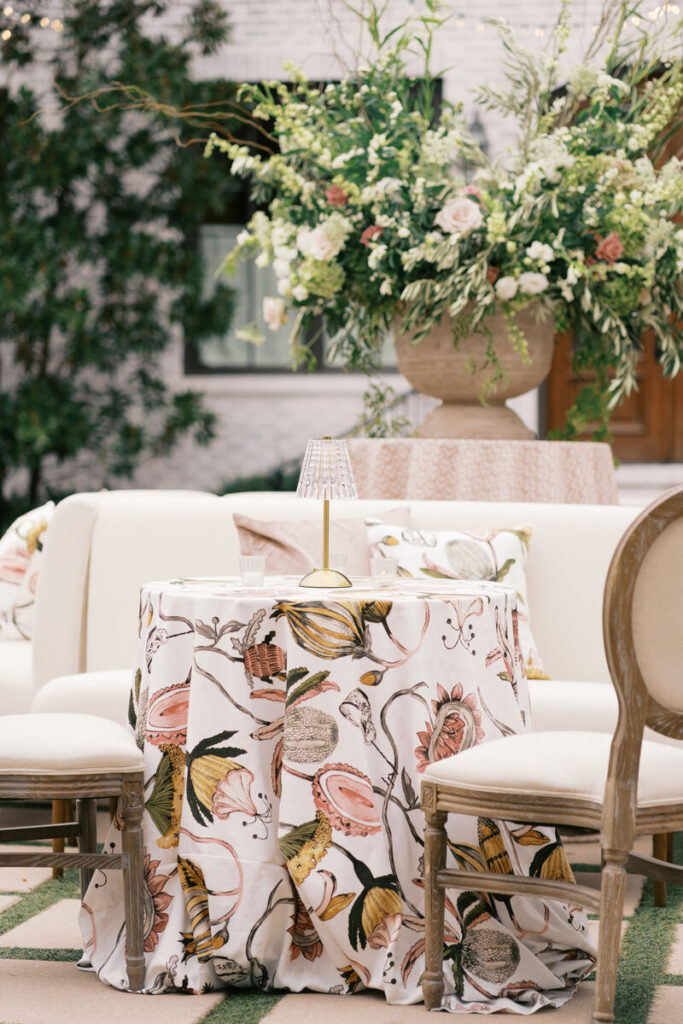
Arrangement techniques help bring cohesion across different table layouts. Even with varied table shapes, consistent styling keeps the design unified. This requires adapting linen sizes and layering methods to suit each table type while maintaining the overall theme.
Consider the flow of the event space and how guests will interact with the tables. Proper linen arrangement can enhance accessibility and comfort, ensuring that linens do not interfere with seating or movement.
Combining Tablecloths, Runners, and Napkins
Layering linens creates depth and structure. Start with a base tablecloth, then add runners or overlays for contrast. This layering can highlight specific design elements or draw attention to centerpieces.
Napkins can be styled consistently across all tables to maintain a uniform look. This approach allows creativity without losing balance. For example, using a solid-colored runner over a patterned tablecloth can tone down busy designs while adding texture.
Experiment with different layering techniques such as asymmetrical overlays or diagonal runners to add visual interest while keeping the overall look cohesive.
Layering Linens for Depth and Balance
Layering should enhance the design without overwhelming it. The key is to balance colors, textures, and patterns so that each layer complements the others.
Using a structured base with lighter accents creates visual interest. Keeping proportions consistent ensures all tables feel connected. For instance, if a runner covers one-third of the table width on one table, maintain that proportion on all tables regardless of shape.
Consider the height and placement of centerpieces in relation to linen layers to avoid visual clutter and maintain clear sightlines for guests.
Table Linen Pattern and Styling Consistency
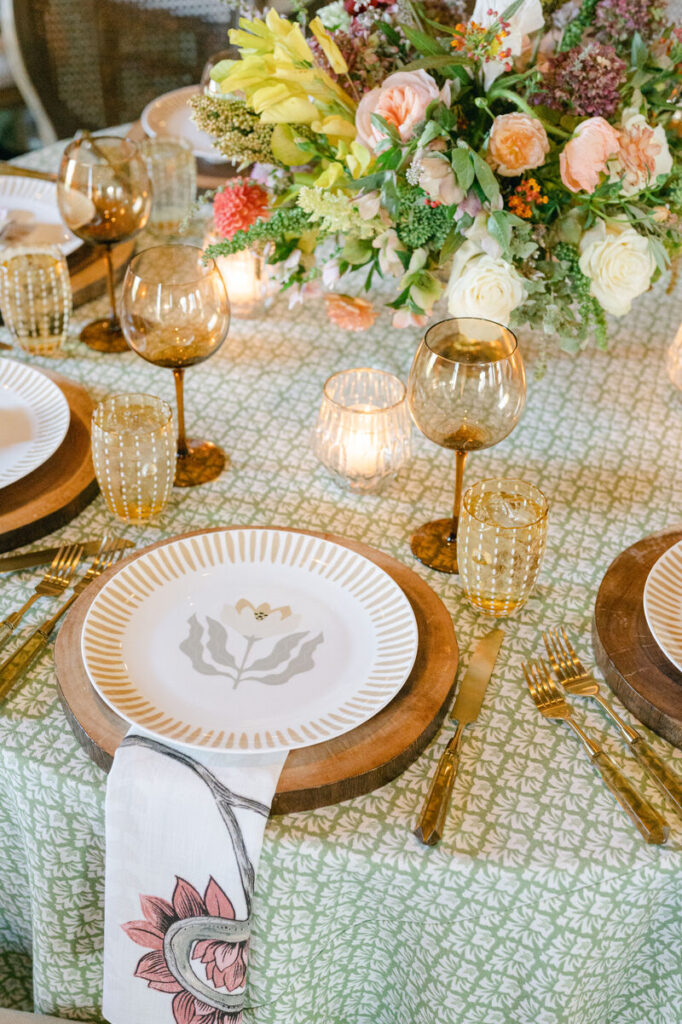
Patterns can add character, but they must be used carefully to maintain consistency across multiple tables. Overuse or mismatched patterns can create a chaotic look that detracts from the event’s elegance.
When incorporating patterns, think about scale, repetition, and color harmony. Patterns that echo the event’s theme or branding can reinforce the overall design concept.
Using Patterns Without Overwhelming Design
Patterns should be balanced with solid elements to avoid visual clutter. This balance allows patterns to stand out without competing with other design features.
If using bold tablecloths, keep napkins simple. This creates contrast while maintaining a clean overall look. Alternatively, subtle patterns on napkins can complement solid tablecloths to add texture without distraction.
Consider the use of geometric, floral, or abstract patterns depending on the event style. For example, geometric patterns suit modern events, while floral designs are ideal for romantic or garden-themed occasions.
Maintaining Consistent Linen Styling
Consistency is key when working with multiple tables. Uniformity in styling creates a polished and professional appearance that guests will appreciate.
- Use the same styling approach across all tables
- Keep drop length uniform for a clean look
- Align patterns and textures with the event theme
- Avoid mixing too many contrasting styles
A consistent approach creates a polished and professional setup. It also simplifies the setup and teardown process, reducing the potential for errors or mismatches.
Table Linen Coordination with Event Elements
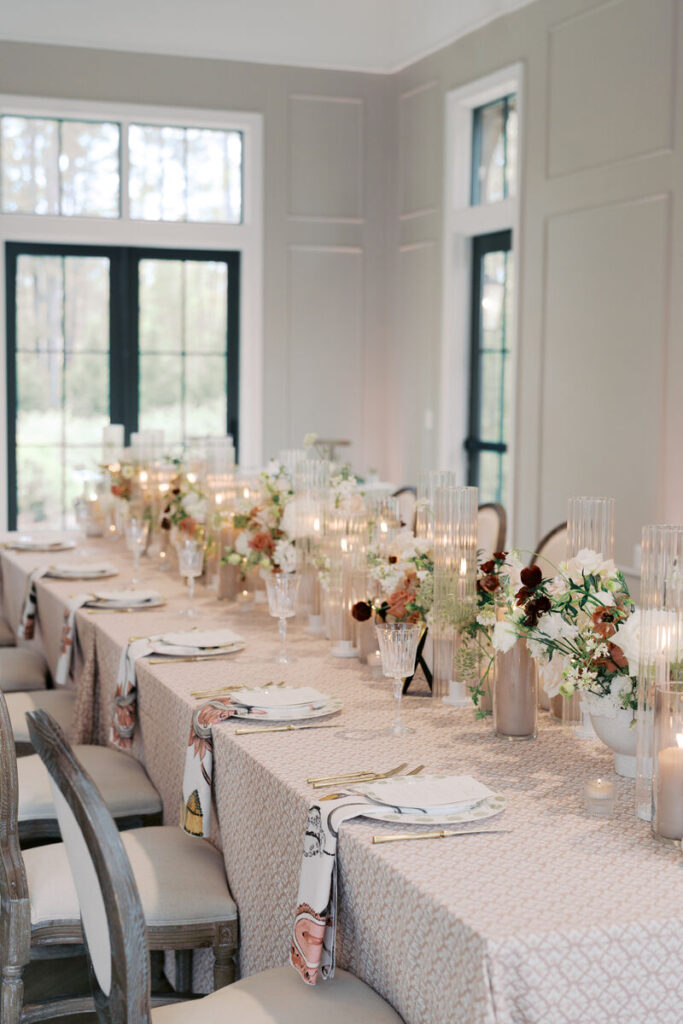
Linens should work alongside other design elements such as centerpieces, lighting, and tableware. This holistic approach ensures that every aspect of the table setting contributes to the event’s overall aesthetic.
Consider how linens interact with the colors and materials of chairs, flooring, and surrounding décor. Coordinating these elements can create a seamless environment that feels thoughtfully designed.
Matching Linens with Decor and Layout
Coordinate linens with the overall event theme to create a unified atmosphere. This includes matching colors, textures, and styles with floral arrangements, candles, and other decorative accents.
Consider how linens interact with décor elements. This ensures the entire setup feels cohesive rather than disconnected. For example, a rustic-themed event might pair burlap runners with lace overlays and wildflower centerpieces to create a charming, unified look.
Adapting Linens for Different Layout Types
Different layouts require slight adjustments while maintaining consistency. Round, rectangular, and specialty tables can use the same color palette and fabric while adjusting sizing and placement. This keeps the design balanced across all layouts.
For specialty tables such as buffet or cake tables, consider using accent linens that tie into the main table design but add a unique touch. This differentiation highlights the table’s purpose while maintaining overall harmony.
Adjust linen lengths and layering techniques to suit the shape and size of each table, ensuring that all linens look intentional and well-fitted.
FAQs
How do you coordinate table linens across multiple tables?
Use a consistent color palette, fabric type, and styling approach across all tables.
Should all tables have the same linen design?
Not exactly, but they should follow the same theme for a cohesive look.
Can you mix different linen colors?
Yes, but they should complement each other within a defined palette.
What is the key to cohesive linen styling?
Consistency in color, fabric, and arrangement across all tables.
Conclusion
Coordinating table linens across multiple tables is about balance, consistency, and thoughtful design. When colors, fabrics, and layouts align, the entire event feels polished and visually connected. This level of coordination enhances the guest experience and elevates the event’s overall aesthetic.
For a seamless and elevated setup, Curated Linen Collection offers a curated range of luxury linens designed to bring harmony and refinement to every table and layout. Their selection includes a variety of fabrics, colors, and patterns that cater to diverse event styles, ensuring that every detail is perfectly matched.