
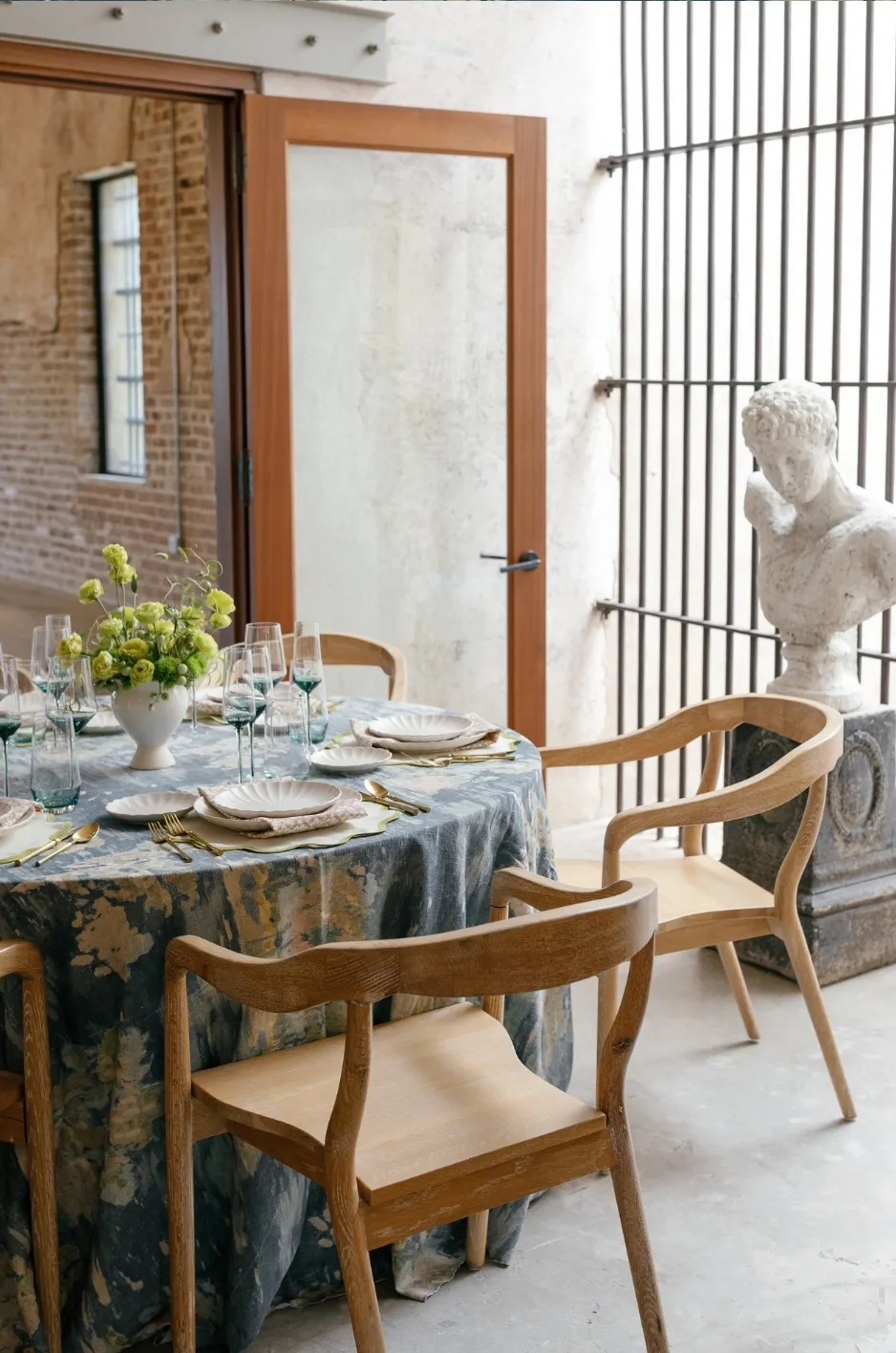
Long before a single tablecloth is unfolded, a venue’s architecture has already decided the mood: the color, texture, and scale every linen must honor. Walls, flooring, wood tones, stone, and lighting all shape how a shade reads once it meets the room, lending warmth in one space and cooling another. A modern gallery calls for clean lines and quiet restraint, a historic ballroom favors rich jewel tones like Seabrook Navy, and a tented garden comes alive with softer, light-enhancing fabrics that move with the air. Thoughtful venue architecture event design begins with this dialogue between structure and fabric, long before the first swatch is ever chosen.
Why Does Venue Architecture Shape Linen Choices?
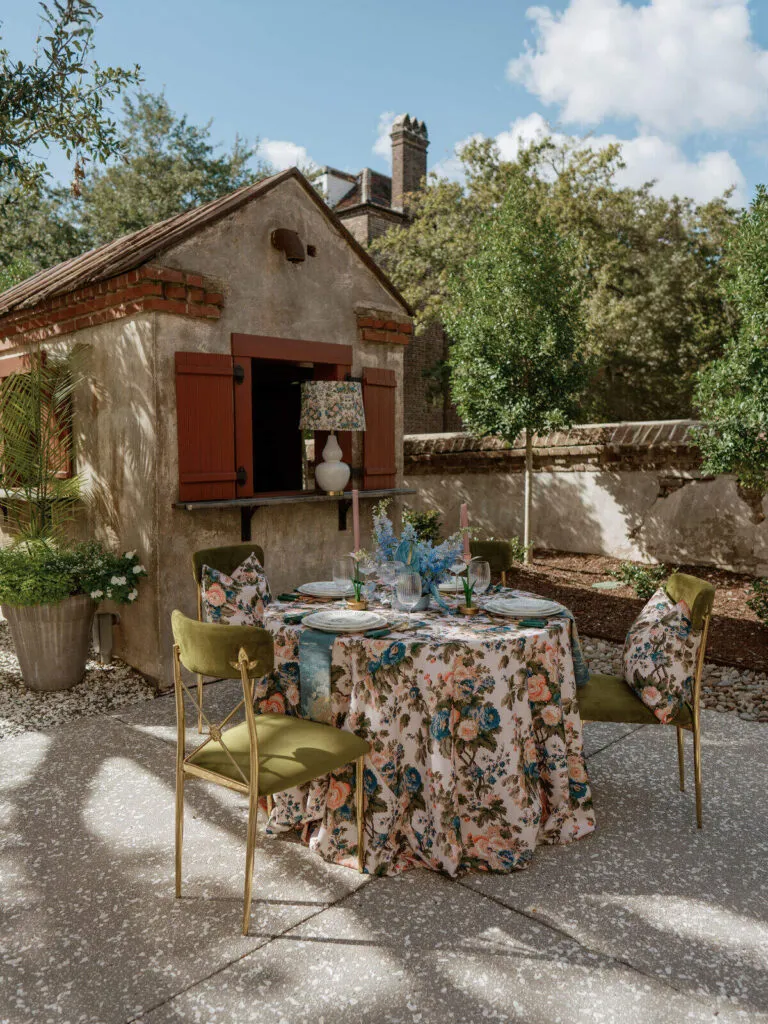
A reception hall, barn, or garden pavilion sets the visual language for everything placed inside it. Venue architecture event design shapes far more than seating charts. It guides the color palette, the floral scale, and the texture of every tablecloth and runner chosen for the day. Walls, windows, ceiling height, and existing finishes all set a visual baseline that linens either complement or quietly correct.
Few elements carry that weight the way the table does. Linens cover one of the largest visible surfaces in any reception space, so they shape a guest’s first impression before the florals or place cards ever enter the picture. A ballroom with soaring columns feels entirely different dressed in crisp white versus warm ivory. A reclaimed barn feels transformed, never muted, once the right weight and hue step in.
Can the Right Linen Fix an Awkward Venue Space?
A thoughtfully chosen linen softens hard architectural lines and brings warmth to a space that might otherwise feel cavernous or austere. In a venue with ornate molding or historic woodwork, the right fabric plays up those period details instead of fighting them, so the room’s bones and the couple’s design vision come together in one cohesive story.
Should Linen Color Be Chosen Before or After the Venue?
Color and style decisions should never happen apart from the venue itself. Choosing a palette before the space is confirmed risks a mismatch once lighting and wall tone enter the equation.
Planners weighing linen direction against a venue’s architecture tend to find clarity by comparing a few core factors side by side:
Curated Linen Collection approaches every event with this architectural relationship in mind, treating the venue as the starting point rather than an afterthought.
What Makes Ballroom Venues Demand Dramatic Linens?
Grandeur defines the ballroom. Chandeliers catch light from twenty feet above, ceilings stretch toward ornate crown molding, and columns frame the room with old-world gravitas. A linen on a ballroom table has to answer that architecture, not shrink from it. A thin, flat cloth looks like an afterthought beneath a crystal chandelier; the room swallows it whole.
This is where venue architecture event design earns its keep. Every structural detail in a ballroom, from gilded trim to soaring windows, sets a visual standard the tabletop has to meet. Planners who leave linen selection until the last minute often watch their tables fade into the grandeur around them rather than rising to meet it.
What fabrics work best for ballroom tablescapes?
Richness matters more than novelty in a ballroom setting. Velvets, linen, and custom fabric blends carry a weight and drape that stand up to ornate surroundings, catching light in a way flatter fabrics cannot. These textures give a table enough presence to hold its own against chandeliers and architectural trim.
How can planners build a complete ballroom tablescape?
A cohesive ballroom look rarely comes from a tablecloth alone. Curated Linen Collection offers linens across multiple sizes, along with:
Table runners for layered texture
Napkins in coordinating fabrics
Decorative pillows for lounge and head-table styling
Specialty overlays for added dimension
Each element works in concert to build a tablescape proportionate to the room’s scale.
How Do Modern Venues Change Texture Choices?
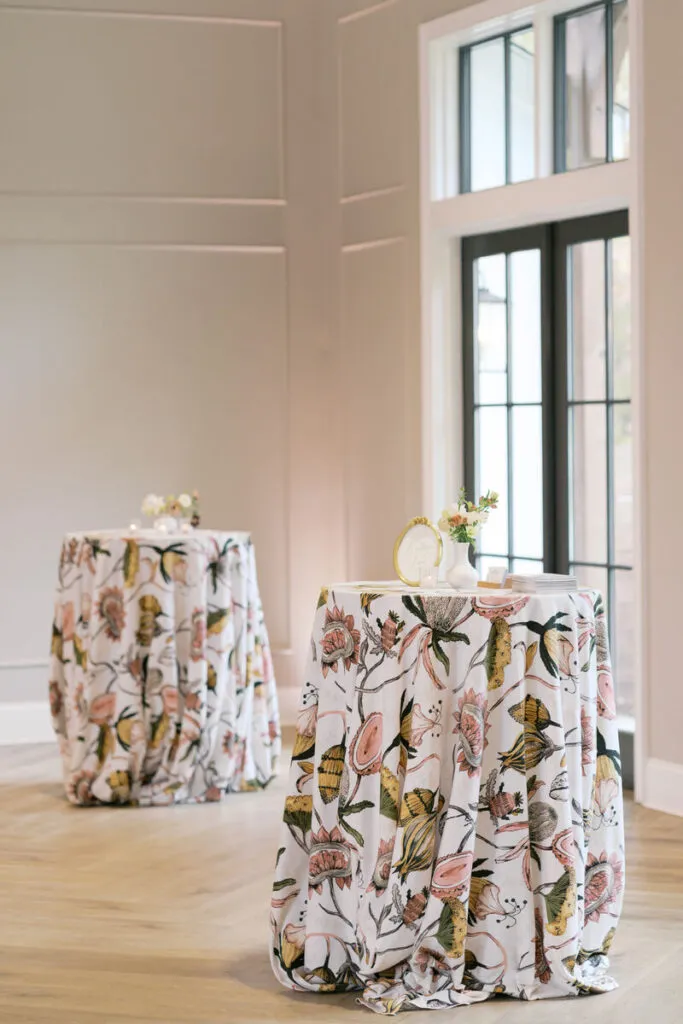
Glass walls, polished concrete, and minimalist architecture call for a softer hand with fabric than a gilded ballroom ever would. Every structure speaks its own design language. Clean-lined, glass-walled spaces ask for restraint and flow, while ornate interiors with carved moldings or stone arches invite richer texture and visual weight.
Modern venues built around venue architecture event design principles tend to favor openness over ornamentation. Glass, steel, stone, and built-in furniture all shape how a linen color actually reads once it meets the room. A shade that looks crisp and refined in a sample photo can shift entirely under natural light pouring through floor-to-ceiling windows, suddenly reading too cool, too bright, or strangely muted against a palette the architecture has already set.
Why Do Sleek Venues Need Softer Linens?
Hard surfaces create a visual tension that fabric can resolve. Glass and stone read as cold and angular on their own, so a linen carrying movement, drape, and tactile depth restores warmth to the tablescape. Planners working in these spaces often lean on flowing table runners and generously sized cloths to counterbalance the room’s sharp geometry.
Layering remains the most reliable fix for minimal architecture. Curated Linen Collection offers linens in a range of sizes, along with runners, napkins, pillows, and specialty overlays designed for exactly this purpose.
Overlays introduce pattern or texture without overwhelming a sparse room
Runners break up long, uninterrupted table lines common in gallery-style venues
Varied linen sizing allows proportion to match ceiling height and window scale
Does Fabric Weight Matter in Open, Airy Spaces?
Weight matters just as much as color in architecturally bold interiors. Heavier, structured fabrics ground a table within an expansive, light-filled room, so the setting never feels lost in the space. Lighter textures, by contrast, suit intimate rooms where every surface already competes for attention.
How Should Historic Venues Guide Linen Selection?
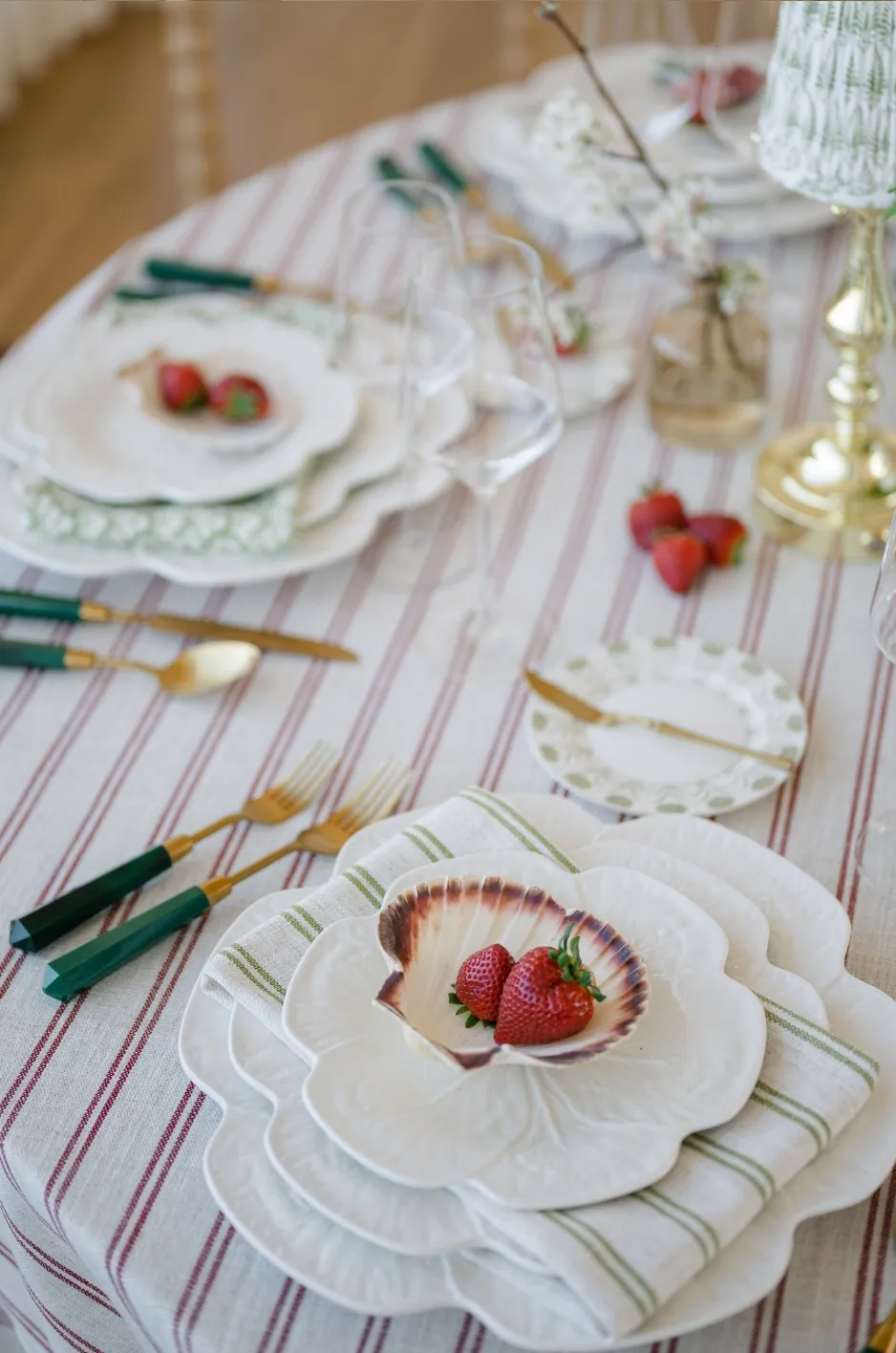
Heritage ballrooms, grand estates, and century-old manor houses call for linens that honor the architecture already in place rather than compete with it. Gilded moldings, aged woodwork, and warm period lighting all shift how a fabric color actually reads in the room. A shade that photographs beautifully on a screen can look entirely different once placed beneath the amber glow of a historic ballroom’s chandeliers.
Planners working within these spaces can’t treat color as a decision made apart from the room itself. Every wainscoted wall, original fixture, and aged floor finish forms part of the backdrop linens must answer to. This is the foundation of sound venue architecture event design: letting the building’s own history inform the tabletop, not the other way around.
Why does linen tone matter so much in historic rooms?
Tone matters because historic interiors rarely offer a neutral canvas. Wood paneling, brass fixtures, and aged stone all carry their own warmth or coolness. A linen color chosen without that context risks clashing rather than complementing. When fabric tones move in step with a room’s established palette, the whole event reads as intentional, polished, and beautifully balanced.
What fabrics suit a historic venue’s details?
Texture carries as much weight as color in these settings. Velvet, linen, and custom-blend fabrics bring a tactile richness that echoes the carved moldings and detailed woodwork found throughout heritage architecture. Consider how these materials interact with period details:
Velvet: deepens shadow and contrast against ornate trim
Linen: offers understated texture that softens formal rooms
Custom blends: balance drape and durability for layered tablescapes
Thoughtful fabric pairing, more than any single color choice, is what makes a historic room feel fully dressed.
How Does Venue Color Shape Linen Palette?
Venue color shapes linen palette because walls, flooring, and architectural finishes set the baseline every fabric has to answer to. A shade that reads as elegant on a swatch card can look entirely different once placed against a venue’s existing tones. That’s why choosing a linen color calls for both creative instinct and strategic planning, rather than a quick decision made from a photograph alone.
Several factors beyond the walls themselves shape the right choice. The strongest palette decisions weigh the venue, the season, the lighting, the floral scheme, tabletop rentals, and the overall mood the couple wants to create. Leave one of these out, and the tablescape risks feeling disconnected from the room around it.
What role do linens play in tying a space together?
Linens are the connective layer between a venue’s fixed architecture and an event’s chosen design vision. Tablecloths, napkins, runners, overlays, and accent pieces bridge the room’s built-in colors with the palette, florals, and tabletop styling the planner has selected. When that bridge is built thoughtfully, the whole tablescape feels intentional rather than assembled piece by piece.
Where can planners find venue-specific color guidance?
Curated Linen Collection offers luxury linen rentals built for exactly this kind of color matching. Options include curated shades, patterned fabrics, and custom design support for events that call for a more refined color story, flexibility that matters most at high-end events where every surface is scrutinized.
A few considerations help narrow the decision:
Fixed finishes: wood tones, stone, and metal accents already present in the space
Lighting conditions: natural daylight versus warm evening ambiance
Seasonal mood: lighter linens for summer, richer tones for cooler months
Floral palette: coordinating rather than competing with arrangements
Thoughtful venue architecture event design starts with this color dialog, long before linens arrive on-site.
How Does Table Linen Size Affect Fit?
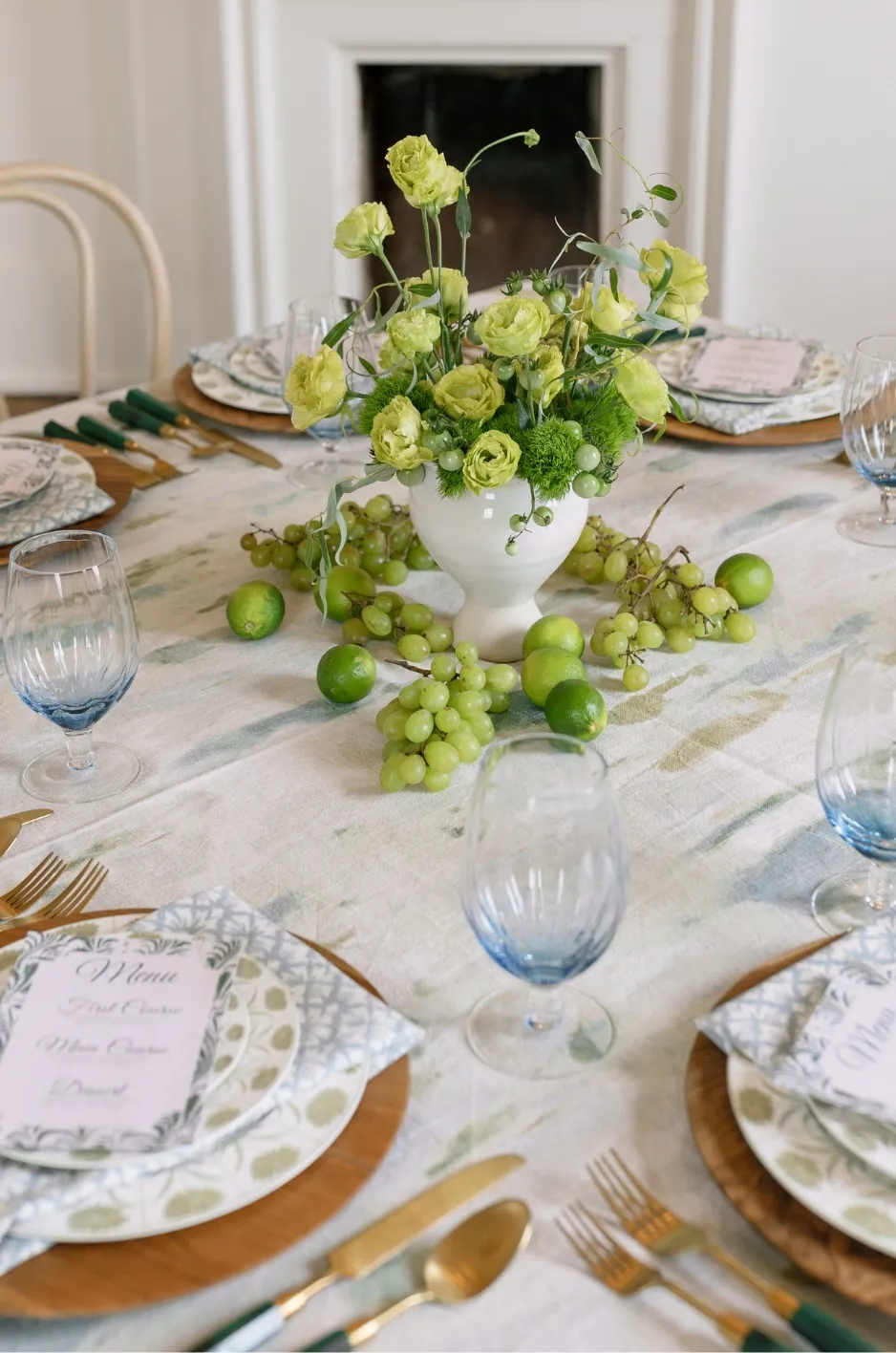
Fit depends on two things: precise table measurements and a drop length suited to the event’s formality. Skip either step, and the tablescape suffers before a single centerpiece is set down. A linen chosen without these considerations rarely flatters the table beneath it.
A properly fitted cloth covers the entire table surface and drapes evenly on every side. No single corner should sag lower than another, and no edge should fall short of the tabletop. This balance signals intention: a ballroom gala calls for a longer, floor-length drape, while a garden luncheon often suits a shorter, breezier drop. Matching drop length to room formality is where venue architecture event design begins to take shape, since the linen’s silhouette either reinforces or undercuts the mood the space already sets.
Correct sizing does more than please the eye. A table looks clean, balanced, and professionally styled when the fabric falls exactly where it should, and that polish carries through every course of the evening. Functionality improves too: servers move freely, chairs slide in and out without snagging, and the room photographs beautifully from every angle.
Does linen size affect guest comfort?
Yes. Excess fabric pooling near chair legs or bunching underfoot becomes a tripping hazard and a nuisance for seated guests. Correctly sized linens keep material away from laps, knees, and shoe heels, letting guests settle in without adjusting their seating.
What happens when linens are the wrong size?
Undersized cloths expose table legs and hardware, breaking the illusion of an unbroken tabletop. Oversized linens bunch at the base, interfere with chair placement, and distract from floral or tabletop details. Either mistake pulls focus away from the broader design the planner worked to achieve.
How Do Seasonal Venues Shift Linen Texture?
Summer celebrations call for linens that feel light rather than heavy, airy rather than formal. A modern gallery wants crisp, structured fabrics that echo clean architectural lines. A tented garden comes alive with softer, fluid textures that move with the breeze. Across venue architecture event design, the season sets the tone, and the venue sets the specifics.
Luxury doesn’t have to mean weight. For warm-weather weddings, the strongest linen choices balance refinement with ease, pairing rich fabrication with a palette and hand-feel that stay breathable under summer light. A heavy damask that reads elegant in a ballroom can feel suffocating under a sunlit tent.
Each setting asks for its own fabric language:
Modern gallery: smooth, matte textures that let architectural lines lead
Historic ballroom: lustrous weaves that echo existing period detail
Coastal estate: breezy, textured linens that nod to the shoreline setting
Countryside barn: organic, substantial fabrics with visible weave
Greenhouse: lightweight, translucent layers that let natural light pass through
Tented garden: fluid, soft-draping fabrics that move with outdoor air
Does fabric texture actually change how linen color looks?
Yes. Texture changes how a color reads, catching light differently depending on weave and sheen. A matte linen absorbs light and softens a shade, while a subtly lustrous fabric reflects light and deepens the same color. Under shifting outdoor or tented conditions, where daylight moves constantly, this effect becomes even more pronounced than in a controlled indoor ballroom.
Why does this matter for summer planning specifically?
Outdoor and semi-outdoor summer venues see dramatic light changes between a midday ceremony and an evening reception. A texture chosen for golden-hour warmth can look flat under harsh noon sun. Planners who account for this shift, rather than choosing fabric on swatch appearance alone, spare the tablescape an unwelcome surprise. Curated Linen Collection approaches each seasonal booking with that texture-and-light relationship in mind, matching fabric hand to venue conditions before color ever enters the conversation.
Frequently Asked Questions
Why does venue architecture matter when choosing linens?
Walls, flooring, wood tones, stone, and lighting all alter how a linen shade reads in the room. Matching linens to these elements creates cohesion between the venue’s architecture and the couple’s design vision.
Can linens improve a venue that feels cold or awkward?
Yes, thoughtfully chosen linens soften hard architectural lines and add warmth to cavernous or austere spaces. In venues with ornate molding or woodwork, the right fabric enhances those details instead of competing with them.
Should couples pick a linen color before booking their venue?
No, color and style decisions should happen after the venue is confirmed, since lighting and wall tone directly affect how a shade reads. Choosing linens first risks a mismatch once those architectural factors come into play.
Conclusion
Architectural character and textile selection sit at the heart of thoughtful event design. When a venue’s bones and a linen’s aesthetics align with real intention, the result moves beyond decoration into something guests feel, a room that honors both space and craft. At Curated Linen Collection, we understand that relationship, which is why we curate fabrics and specialty pieces meant to draw out a venue’s inherent elegance. Your architectural foundation deserves linens equal to it.