
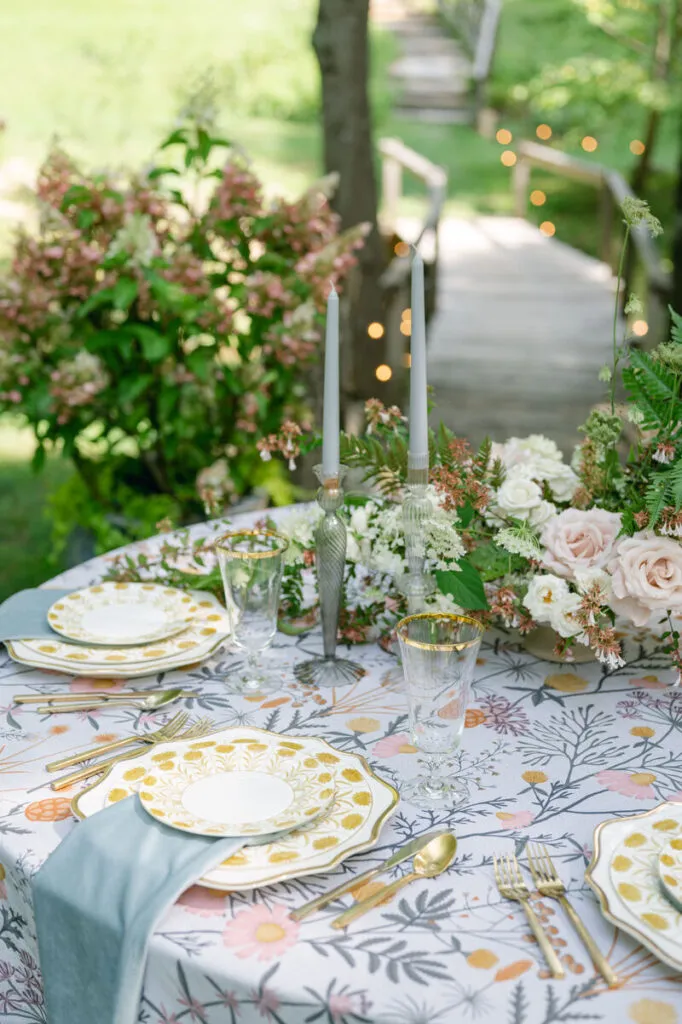
A summer wedding venue does more than provide a beautiful backdrop. It shapes the entire design direction, from the color palette and floral scale to the texture of the table linens. Whether a celebration takes place in a modern gallery, historic ballroom, coastal estate, countryside barn, greenhouse, or tented garden, the venue’s architecture should guide the way each tablescape is styled.
The right linens can soften architectural lines, enhance period details, add warmth to open spaces, and create cohesion between the setting and the couple’s wedding vision. For summer weddings, linen selection should feel refined, seasonal, and intentional, balancing luxury with lightness, texture, and visual ease.
How Venue Architecture Shapes Summer Wedding Linen Choices

Every venue has a design language. Clean glass walls, ornate moldings, rustic beams, stone terraces, arched windows, and open-air tents all create different visual cues. When linens are selected with those architectural elements in mind, the tablescape feels integrated into the setting rather than added as an afterthought.
Architecture becomes especially useful when comparing very different summer settings. This venue-by-venue summer linen guide explores how gardens, ballrooms, coastal venues, rooftops, tents, and estates each influence linen color, texture, pattern, and overall tablescape direction.
Why Architecture Should Guide Your Linen Direction
The architecture of a wedding venue sets the foundation for the entire event design. A modern venue with clean lines and open space calls for a different linen approach than a historic ballroom with ornate trim, crystal chandeliers, and formal flooring. A garden venue may benefit from airy textures and botanical tones, while a coastal property may feel most natural with relaxed woven fabrics and soft, water-inspired colors.
Before choosing linens, couples and planners should consider the venue’s structure, light, scale, and surface details. High ceilings can support dramatic tablescapes and richer layering, while intimate spaces often benefit from softer textures and more restrained palettes. Natural light can make pale colors feel luminous, while evening receptions may allow deeper tones, metallic accents, and heavier textures to stand out.
When the linen direction is guided by architecture, the final tablescape feels connected to the space rather than placed inside it.
Matching Linen Texture to the Venue’s Design Language
Texture is one of the most important elements in luxury linen selection. Smooth fabrics can emphasize a sleek architectural environment, while woven or embroidered textures can add warmth and dimension. In venues with stone, wood, glass, marble, or plaster details, the linen texture should either echo those materials or create a thoughtful contrast.
For example, a contemporary venue with polished concrete floors may look beautiful with crisp solids, tonal napkins, and subtle woven textures. A historic estate may call for jacquard, embroidery, or damask-inspired patterns that reflect the venue’s sense of permanence and detail. Outdoor venues often benefit from linen textures that feel natural but still elevated.
The goal is not to match every surface exactly. The goal is to create harmony between the architectural setting and the tabletop design.
Balancing Venue Character With the Couple’s Wedding Style
The best wedding designs reflect both the venue and the couple. Architecture provides the foundation, while personal style brings warmth, character, and individuality. Linens help bridge the two.
A couple hosting a romantic garden wedding may choose botanical patterned napkins, soft blush tablecloths, or sage-toned runners. A couple planning a modern black-tie reception may prefer ivory linens with black accents, sculptural napkin folds, or a monochromatic tablescape. For a coastal wedding, pale blue, sand, ivory, and soft green can create a polished interpretation of the setting without becoming overly themed.
Luxury linens allow couples to personalize the reception while still respecting the venue’s architectural identity.
Modern Venues: Clean Lines, Refined Texture, and Minimalist Linens
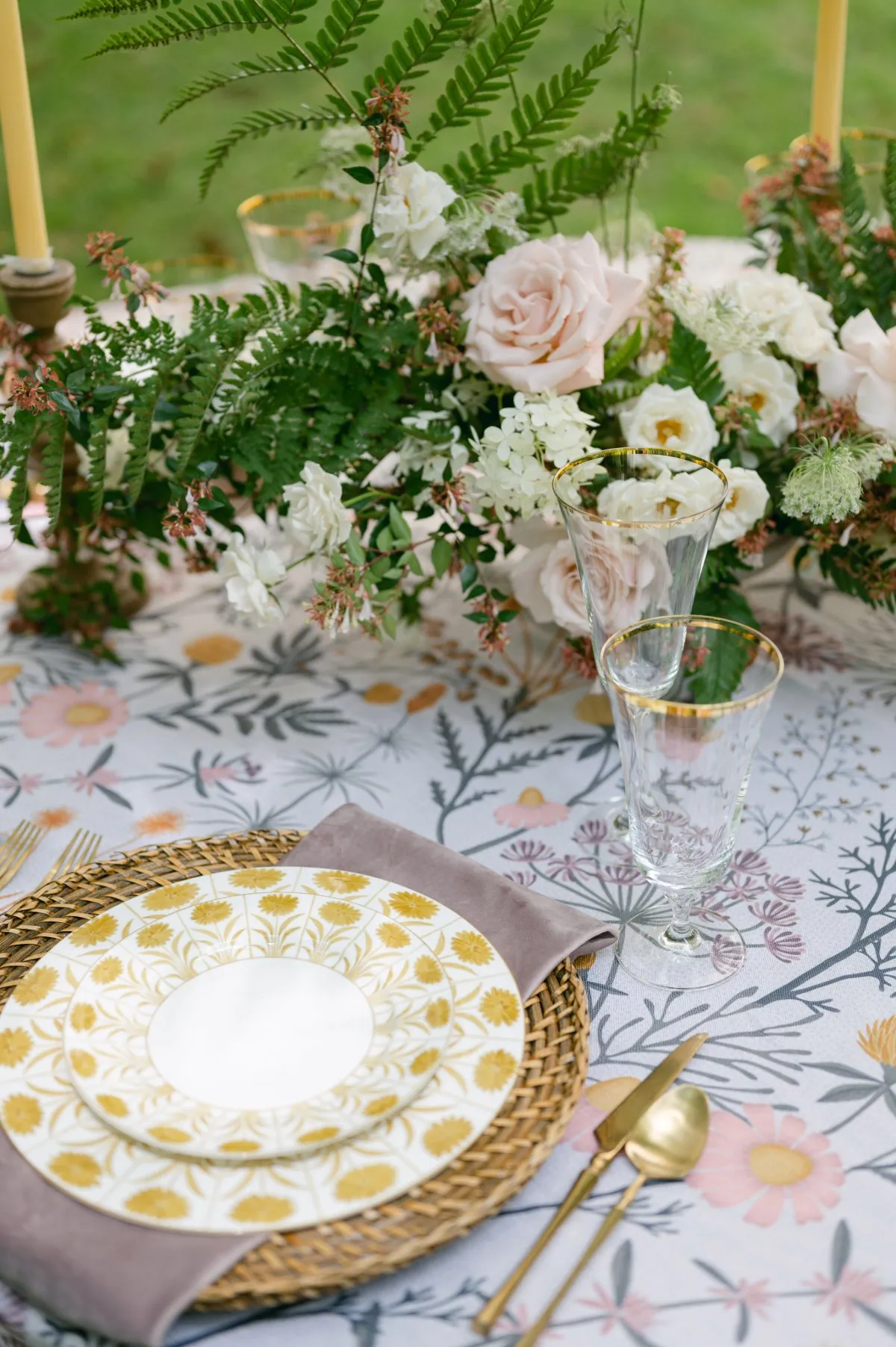
Modern wedding venues often rely on proportion, light, negative space, and material contrast. Because these spaces are usually less ornate, the linen selection needs to feel precise and deliberate. The best modern wedding linens create depth without clutter, using texture, tailoring, and restrained color to enhance the architecture.
Best Linen Styles for Contemporary Wedding Spaces
Modern wedding venues often feature open layouts, clean architectural lines, large windows, neutral surfaces, and minimal ornamentation. In these spaces, linens should feel intentional, refined, and visually balanced.
Crisp tablecloths, tailored runners, sleek napkins, and understated textures work especially well. Solid colors are often effective in modern venues because they allow the architecture, florals, and tabletop rentals to remain visually clear. Subtle woven patterns, tonal designs, or geometric-inspired details can add depth without overwhelming the space.
For long tables, a structured linen can create a strong visual line through the room. For round tables, soft draping can add movement and prevent the design from feeling too rigid. The best modern linen selections are simple, but never plain. They rely on quality, proportion, and texture to create impact.
Color Palettes for Modern Summer Wedding Venues
Modern summer venues pair beautifully with clean, restrained color palettes. Ivory, stone, taupe, champagne, soft gray, warm white, and muted beige create a sophisticated base. These tones work well with glass, concrete, metal, marble, and whitewashed interiors.
For couples who want more contrast, one strong accent color can add a striking architectural note. Black napkins, deep green runners, terracotta accents, or rich navy details can make the tablescape feel more designed without disrupting the minimalist look.
Summer color palettes for modern venues should feel fresh and controlled. Instead of using too many competing shades, select a focused palette and allow texture, florals, lighting, and place settings to carry the design.
How to Add Warmth Without Losing the Modern Look
A modern venue can sometimes feel cool or sparse if the tablescape is too minimal. Linens are an effective way to add warmth while preserving the clean design language of the space.
Soft woven napkins, layered runners, sculptural folds, or tone-on-tone tablecloths can create dimension without adding visual clutter. Candlelight, warm metallic flatware, ceramic chargers, and low floral arrangements can further soften the setting.
The key is restraint. A modern tablescape does not need excessive detail to feel luxurious. It needs carefully selected elements that bring texture, depth, and balance to the room.
Historic Estates and Ballrooms: Elegant Linens for Timeless Architecture
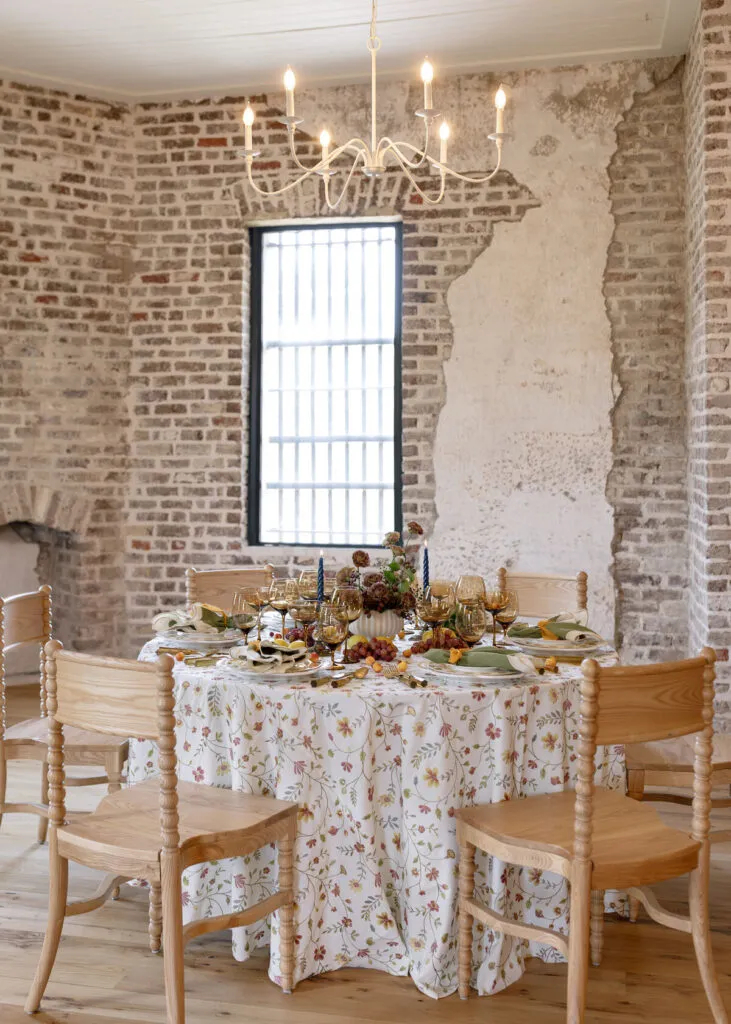
Historic estates, private clubs, grand hotels, and ballrooms often come with strong architectural character. Ornate ceilings, gilded finishes, chandeliers, fireplaces, decorative walls, and formal flooring create a setting that can support more layered and luxurious linen choices.
Luxury Fabrics That Complement Formal Venues
Historic estates, private clubs, hotels, and ballrooms often feature architectural details such as grand staircases, paneled walls, ornate ceilings, chandeliers, fireplaces, and decorative moldings. These settings can support more formal linen choices.
Silk-inspired fabrics, jacquards, damask patterns, embroidery, velvet accents, and heirloom-inspired textures work beautifully in formal venues. These fabrics add richness to the table while complementing the sophistication of the architecture.
For a ballroom wedding, linens should feel substantial and polished. A patterned tablecloth can create visual depth across a large room, while embroidered napkins can add a refined detail to each place setting. In historic venues, the most successful linen designs feel timeless rather than trendy.
Linen Colors That Enhance Grand Interiors
Formal interiors often look best with colors that echo their architectural warmth and elegance. Champagne, ivory, antique gold, dusty rose, sage, deep blue, wine, taupe, and soft metallic tones can all work beautifully depending on the venue.
If the ballroom has warm lighting or gilded details, champagne and gold-toned linens can enhance the glow of the space. If the venue has cooler marble, silver accents, or white walls, soft gray, blue, ivory, or pale green may feel more natural.
Deep colors can also be effective in summer weddings when used intentionally. A navy napkin, wine-colored accent, or emerald runner can create contrast against pale florals and candlelight, especially for evening receptions.
Creating a Layered Tablescape for Formal Receptions
Formal venues invite a layered approach to the tablescape. Linens, napkins, chargers, glassware, flatware, florals, menus, and candlelight should work together as one composition.
The tablecloth sets the foundation. Napkins introduce either contrast or continuity. Chargers and plates add structure. Florals soften the design, while candlelight enhances the linen’s texture and color. Each element should support the venue’s formality without making the table feel crowded.
For luxury summer weddings, layering should feel elegant and breathable. Even in a grand ballroom, the tablescape should allow space for conversation, movement, and visual ease.
Garden, Greenhouse, and Outdoor Venues: Airy Linens for Natural Settings
Garden venues, greenhouse receptions, and outdoor celebrations are shaped by natural light, greenery, seasonal florals, and open surroundings. Linens for these spaces should feel fresh and refined, supporting the landscape while bringing structure and polish to the table design.
Fabrics That Feel Fresh for Summer Weddings
Garden, greenhouse, and outdoor venues call for linens that feel light, graceful, and connected to the natural surroundings. For summer weddings, fabric weight matters. Heavy or overly formal linens may feel out of place in an open-air setting, while lightweight textures can create a softer and more seasonal effect.
Refined linen, cotton blends, airy woven fabrics, and sheer overlays are strong choices for outdoor receptions. These fabrics create movement and texture without making the table feel heavy. They also work well with natural light, greenery, and floral-forward designs.
For garden weddings, the linen should feel polished but not rigid. A soft drape, natural texture, or delicate pattern can make the tablescape feel romantic and effortless.
Botanical Patterns and Nature-Inspired Color Stories
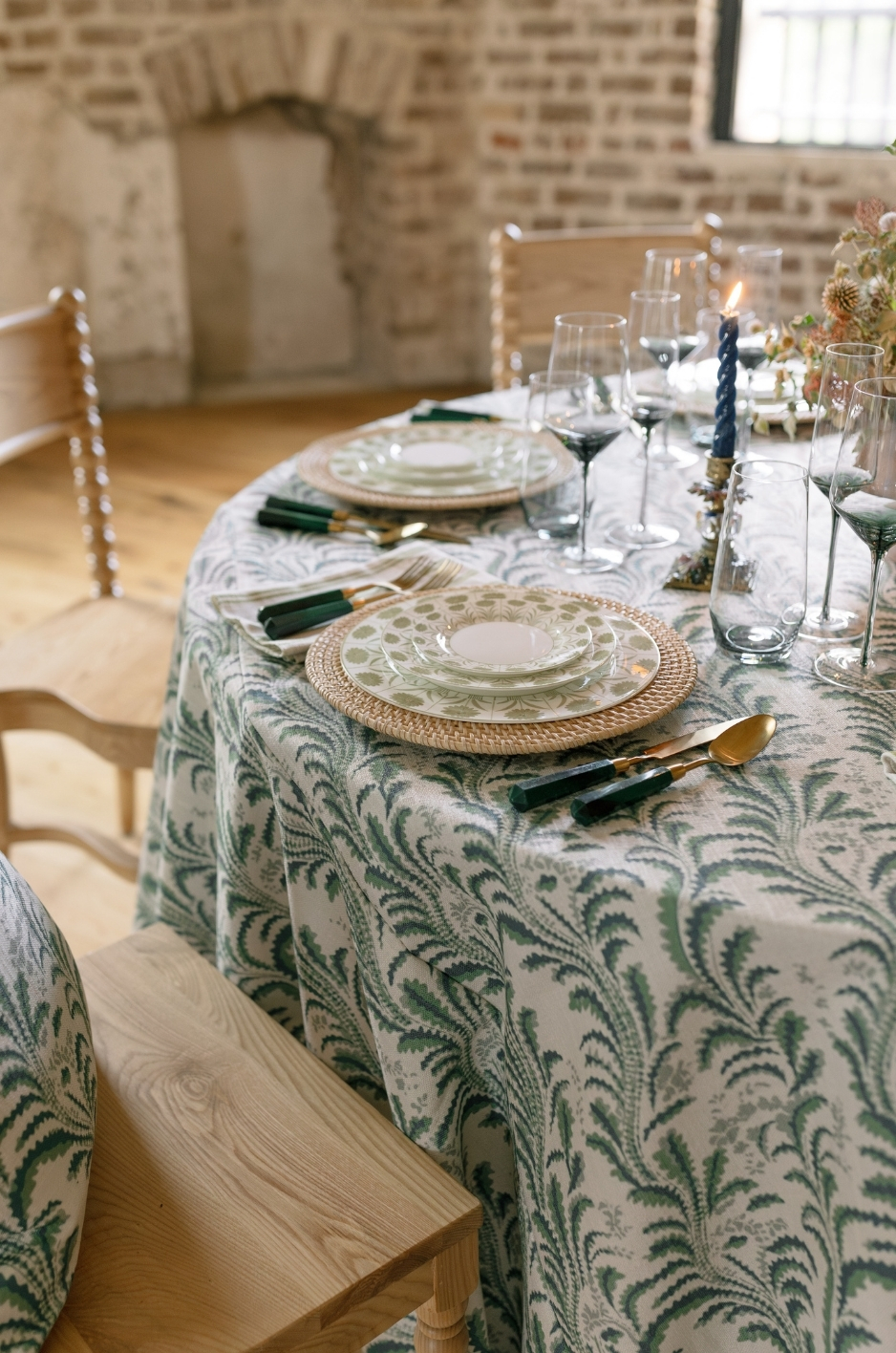
Botanical patterns are especially well suited to garden and greenhouse venues. Floral prints, vine motifs, fern details, and soft organic patterns can echo the surrounding landscape without feeling overly literal.
Summer color palettes for natural settings often include sage, blush, ivory, butter yellow, sky blue, lavender, warm white, and soft green. These tones work well with seasonal flowers and greenery, creating a cohesive connection between the table and the environment.
For a more elevated look, botanical linens can be paired with simple tableware, clear glassware, and understated flatware. This allows the pattern to feel refined rather than busy.
How to Keep Outdoor Tablescapes Elevated
Outdoor weddings can easily become too casual if the linen selection leans heavily into rustic textures. To keep the design elevated, choose natural fabrics with refined finishes rather than overly rough or distressed materials.
Instead of burlap or unfinished textures, consider raw linen-inspired weaves, soft cotton, embroidered napkins, tone-on-tone patterns, or delicate botanical prints. These options still feel connected to nature, but they create a more polished tablescape.
The best outdoor linen designs feel relaxed and intentional at the same time. They respect the landscape while maintaining the elegance expected of a wedding celebration.
Coastal and Waterfront Venues: Relaxed Luxury Linen Trends
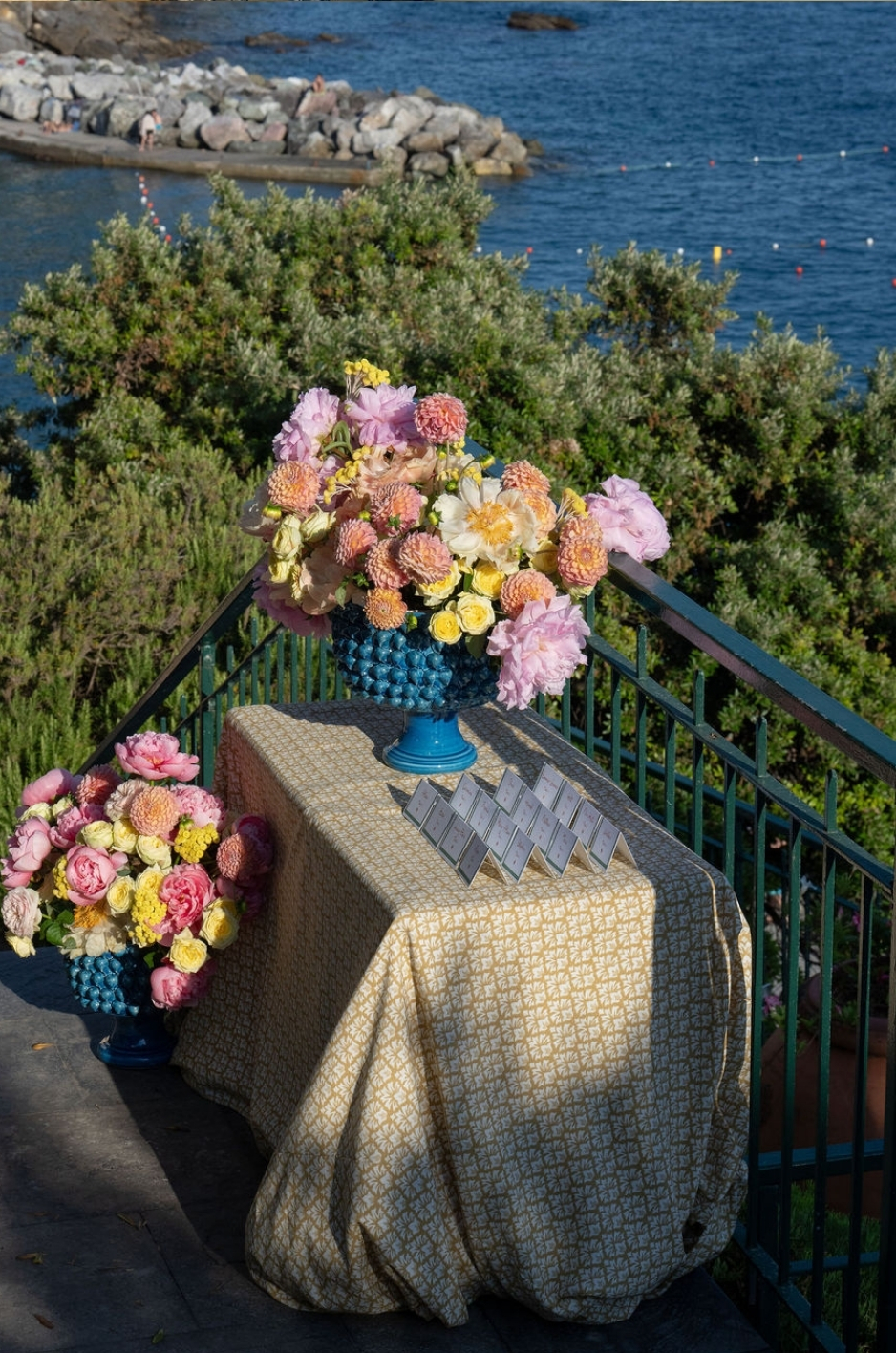
Coastal and waterfront venues have a natural sense of ease, but that does not mean the tablescape should feel casual. The strongest linen choices for these settings are light, tactile, and polished, creating a refined interpretation of the sea, sky, sand, and surrounding architecture.
Linen Textures That Suit Coastal Architecture
Coastal and waterfront venues often feature open views, breezy terraces, pale interiors, natural wood, stone, or wide windows that frame the surrounding landscape. Linens for these spaces should feel relaxed, refined, and light.
Woven textures, soft draping, subtle patterns, and natural finishes work especially well. A coastal wedding does not need obvious nautical motifs to feel connected to the setting. In fact, the most sophisticated coastal tablescapes often rely on texture and palette rather than theme.
A pale woven tablecloth, mist-colored napkin, or sand-toned runner can create a quiet connection to the environment while still feeling luxurious.
Summer Color Palettes for Coastal Weddings
Coastal summer palettes often include ivory, sand, seafoam, pale blue, mist, slate, soft green, and warm neutral tones. These colors complement water views and open-air architecture without competing with the natural surroundings.
For a warmer coastal look, coral, peach, or shell-inspired tones can be introduced through napkins, florals, or printed linens. For a more formal waterfront wedding, navy, champagne, and crisp white can create a classic but elevated palette.
The best coastal linen palettes feel fresh, calm, and luminous. They should enhance the setting rather than overpower it.
Styling Linen Rentals for Breezy, Open-Air Spaces
Open-air receptions require thoughtful styling. Linens should be selected not only for color and texture but also for how they behave in the space. Napkins, runners, and overlays should feel secure and polished, especially in breezy conditions.
A full tablecloth can create a clean foundation, while a carefully placed runner or layered napkin can add movement without becoming impractical. Weighted tabletop elements, substantial place settings, and well-scaled centerpieces can help keep the design composed.
For coastal venues, the goal is relaxed luxury. The tablescape should feel easy and natural, but every detail should still appear considered.
Rustic Barn and Countryside Venues: Elevated Linen Alternatives
Rustic architecture often brings warmth through wood, stone, exposed beams, and open landscapes. To keep this style aligned with a luxury wedding aesthetic, linens should refine the setting rather than exaggerate its rustic qualities. Natural texture works well, but it should feel curated, clean, and elevated.
How to Refine Rustic Wedding Tables
Rustic venues often include wood beams, stone walls, barn doors, open fields, exposed structures, and natural flooring. These features create warmth and character, but the linen selection should prevent the design from feeling too casual.
Instead of relying on rough or overly rustic materials, couples can choose refined natural textures, woven linens, patterned runners, embroidered napkins, or soft cotton tablecloths. These options preserve the charm of the venue while creating a more elevated reception design.
A countryside wedding can still feel luxurious. The right linens help transform a rustic setting into a polished and memorable event environment.
Color Palettes That Complement Wood, Stone, and Natural Beams
Rustic and countryside venues pair beautifully with warm, grounded colors. Cream, mushroom, olive, terracotta, dusty blue, taupe, warm white, muted rose, and soft floral tones can all complement wood and stone architecture.
For a summer wedding, lighter neutrals can help brighten the space, while earthy accents add depth. A cream tablecloth with olive napkins, a taupe runner with soft florals, or a dusty blue napkin against warm wood can create an elegant contrast.
The palette should feel natural but not unfinished. Each color should be chosen to enhance the venue’s existing materials.
Blending Rustic Architecture With Luxury Tabletop Details
Linens are especially important in rustic venues because they help set the level of formality. Paired with ceramic chargers, delicate glassware, candlelight, layered florals, and refined flatware, the right linens can make a barn or countryside venue feel sophisticated.
Pattern can also be used strategically. A delicate floral print, subtle stripe, or textured woven linen can bring dimension to the table without competing with the venue’s architectural details.
The result should feel warm, personal, and elevated rather than overly casual or themed.
Choosing Summer Wedding Linen Materials by Venue Style
Fabric choice affects the way a tablescape looks, moves, photographs, and feels in the room. Summer wedding linens should be selected according to venue style, event formality, lighting, table shape, and seasonal conditions.
Lightweight Fabrics for Warm-Weather Events
Summer weddings often call for fabrics that feel fresh and breathable. Lightweight linen, refined cotton blends, airy woven textures, and soft overlays can help create an elegant seasonal look.
These materials are especially useful for outdoor venues, garden receptions, waterfront weddings, and tented events. They bring softness and movement to the table without creating visual heaviness.
A lightweight fabric does not have to feel casual. With the right color, finish, and styling, it can still create a polished luxury tablescape.
Structured Fabrics for Formal or Indoor Venues
Indoor venues, ballrooms, and formal estates can support more structured fabrics. Jacquard, silk-inspired blends, embroidered designs, and velvet accents can add richness and dimension to the tablescape.
Structured fabrics work well when the architecture has formality, symmetry, or decorative detail. They can help the tables feel grounded in a large space and create a sense of occasion.
For summer weddings, structured linens should be balanced with lighter elements such as fresh florals, glassware, candlelight, and soft napkin styling.
How Fabric Weight Affects the Overall Tablescape
Fabric weight affects how a linen looks, drapes, and photographs. Lighter fabrics create softness, movement, and a more relaxed mood. Heavier fabrics add structure, richness, and formality.
A full-length tablecloth in a heavier fabric can make a ballroom feel grand, while a lighter woven linen can make a garden reception feel effortless. Napkins also play an important role. A crisp napkin fold can feel formal, while a softer fold can feel romantic and organic.
Choosing the right fabric weight ensures the tablescape feels appropriate for the venue, the season, and the event style.
Color and Pattern Trends for Summer Wedding Linens
Color and pattern are two of the strongest ways to connect linens to architecture. A neutral palette can highlight the venue’s existing details, while a statement pattern can bring energy to a simple space. For summer weddings, the most successful palettes feel fresh, edited, and connected to the setting. We cover this further in How Venue Color Architecture Guides Linen Color Selection.
Soft Neutrals for Timeless Venue Styling
Soft neutrals remain a strong choice for summer weddings because they work across many architectural settings. Ivory, cream, taupe, champagne, stone, mushroom, and warm white create a timeless foundation.
Neutral linens are especially useful when the venue already has strong architectural details or when florals are the main design feature. They allow the tablescape to feel elegant without competing with the surrounding space. For more detail, see our article Vineyard Venue Summer Linen Tablescape Design.
To keep neutral palettes from feeling flat, texture is essential. A woven cloth, embroidered napkin, tonal pattern, or layered runner can add visual interest while maintaining a refined look.
Garden-Inspired Prints and Organic Motifs
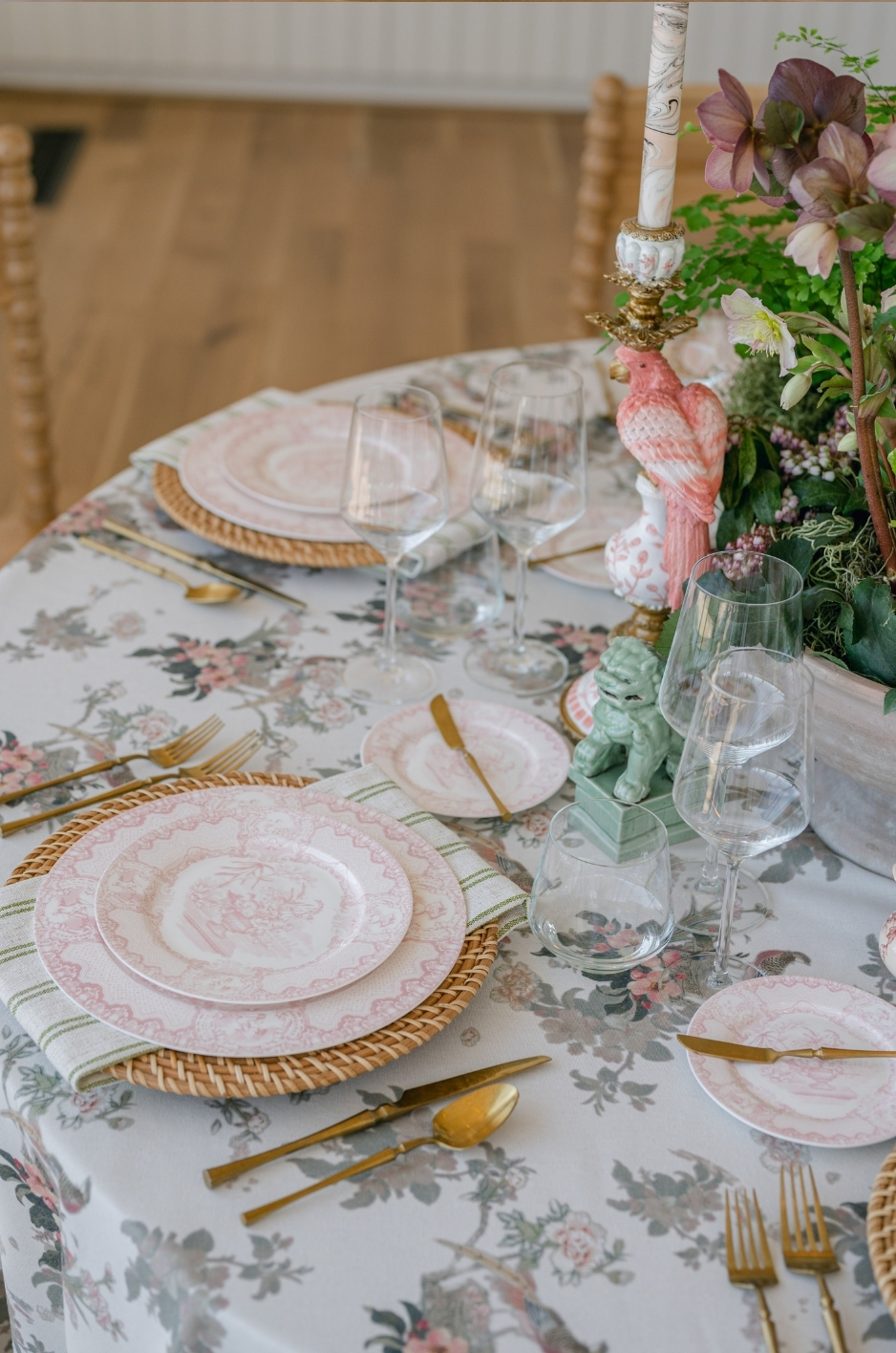
Garden-inspired prints are a natural fit for summer weddings. Floral patterns, vine motifs, fern details, and painterly botanical designs can add romance and personality to the reception.
These patterns work beautifully in gardens, greenhouses, tents, estates, and outdoor venues. They can be used as the main statement on tablecloths or introduced more subtly through napkins or runners.
The key is scale. A larger pattern can create a strong visual moment, while a smaller print can add delicate detail. The pattern should complement the florals, not compete with them.
Bold Accent Colors for Architectural Contrast
Bold colors can be powerful when used with restraint. Deep green, navy, coral, terracotta, black, wine, or gold can create contrast against a neutral venue or add richness to a simple tablescape.
In modern venues, bold accents can emphasize clean architectural lines. In historic venues, deeper tones can enhance the sense of formality. In garden venues, color can create a more joyful seasonal mood.
For summer weddings, bold accents are often most effective when balanced with lighter tones. A deep napkin, patterned runner, or colorful overlay can make the design feel memorable without overwhelming the room.
Working With Curated Linen Collection for Summer Wedding Linen Rentals
Choosing wedding linens is a design decision, not simply a rental task. Working with a curated linen partner helps ensure that fabric, color, pattern, scale, and table format all support the architecture and the larger event vision.
Start With the Venue and Event Vision
The linen selection process should begin with the venue. Consider the architecture, season, guest count, table shapes, room layout, and overall design goals. These details help determine whether the wedding calls for soft neutrals, statement patterns, formal textures, or airy summer fabrics. You may also find Rooftop Venue Summer Evening Linen Design helpful.
Couples and planners should also consider how the reception will feel from a guest’s perspective. Linens are one of the first details guests notice when they enter the dining space, and they influence the tone of the meal, the photography, and the overall event atmosphere.
Starting with the venue ensures the linen plan feels grounded, cohesive, and intentional.
Select Fabrics, Colors, and Patterns With Intention
A curated linen plan is about more than choosing a color. Fabric texture, pattern scale, napkin style, table shape, and venue architecture all work together. The most successful designs are those where each linen choice has a clear reason behind it.
For a modern venue, that may mean a refined solid with sculptural napkins. For a garden venue, it may mean a botanical print and soft natural palette. For a ballroom, it may mean a formal jacquard or embroidered detail that enhances the room’s elegance.
Curated Linen Collection helps couples and event professionals approach linens as an integral part of the design, not an afterthought.
Finalize a Linen Plan That Complements the Full Event Design
A complete linen plan may include tablecloths, runners, napkins, overlays, specialty pieces, or custom details. Each piece should support the venue, the tabletop rentals, the floral design, and the couple’s overall vision. You can view every fabric in our luxury linen rentals collection.
Final selections should account for table sizes, guest count, service style, season, lighting, and photography. When these details are carefully considered, the linens help bring the entire reception design together.
The result is a tablescape that feels polished, cohesive, and true to the setting.
Frequently Asked Questions
What linens work best for modern wedding venues?
Modern wedding venues often look best with clean, refined linens. Crisp solids, subtle woven textures, tonal patterns, tailored runners, and sculptural napkin folds can enhance the venue’s clean lines without overwhelming the space. Neutral palettes with one strong accent color also work well in contemporary settings.
What linen colors are best for summer weddings?
The best summer wedding linen colors depend on the venue and overall design direction. Soft neutrals such as ivory, cream, champagne, taupe, and stone are timeless choices. Garden tones such as sage, blush, butter yellow, and soft blue feel fresh and seasonal. Coastal venues pair well with sand, seafoam, pale blue, and mist, while formal venues can support deeper shades such as navy, wine, or emerald.
How do I choose linens for an outdoor wedding venue?
For outdoor weddings, choose linens that feel light, polished, and connected to the setting. Lightweight linen, refined cotton blends, airy woven textures, and botanical patterns are strong options. Avoid overly rough or casual fabrics if the goal is an elevated tablescape. The linens should complement the landscape while still creating a finished wedding design.
Are patterned linens appropriate for formal weddings?
Patterned linens can be very appropriate for formal weddings when the scale, color, and texture are carefully selected. Jacquards, damask-inspired designs, embroidery, tone-on-tone patterns, and refined prints can add depth to a ballroom, estate, or tented reception. The key is to balance patterned linens with florals, tableware, and lighting so the overall design feels elegant.
When should couples choose custom wedding linens?
Couples should consider custom linens when they want a more personalized or venue-specific design. Custom napkins, monograms, runners, exclusive patterns, or specialty colors can help connect the tablescape to the venue architecture, wedding palette, or personal story. Custom details are especially valuable for luxury weddings where cohesion and distinction are important. See how these ideas come together in our linen gallery.