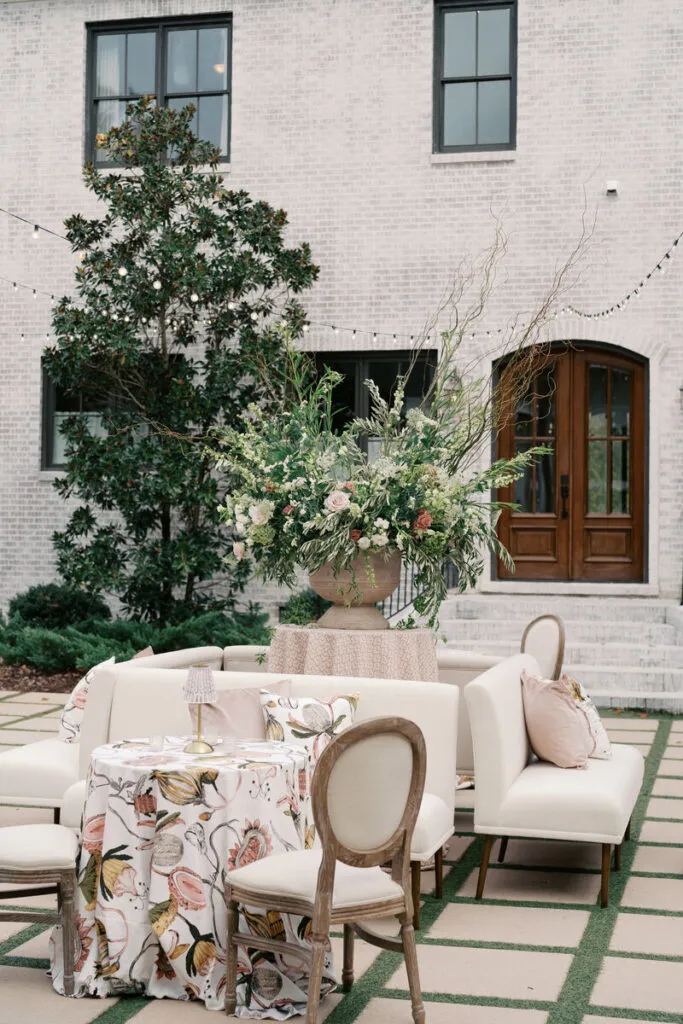
Layering linen overlays over tablecloths is one of the most effective ways to elevate summer table settings. A well-chosen overlay introduces texture, color contrast, and visual structure while allowing the base tablecloth to remain an integral part of the design. This layered approach creates depth across the table and provides a refined foundation for centerpieces, place settings, and decorative accents.
Summer gatherings often benefit from table styling that feels light, polished, and cohesive. Linen overlays support this goal by enhancing the appearance of the underlying tablecloth rather than replacing it. The natural weave of linen softens the table surface and interacts beautifully with glassware, ceramics, florals, and metallic details commonly used in seasonal tablescapes.
Whether used for weddings, outdoor dinners, or summer celebrations, the combination of a tablecloth and linen overlay allows hosts and event planners to build elegant tables through thoughtful layering. This guide explores how linen overlays complement tablecloths, which fabrics work best together, and how coordinated colors and textures can transform a simple table into a sophisticated summer setting.
What Are Linen Overlays and How They Work with Tablecloths
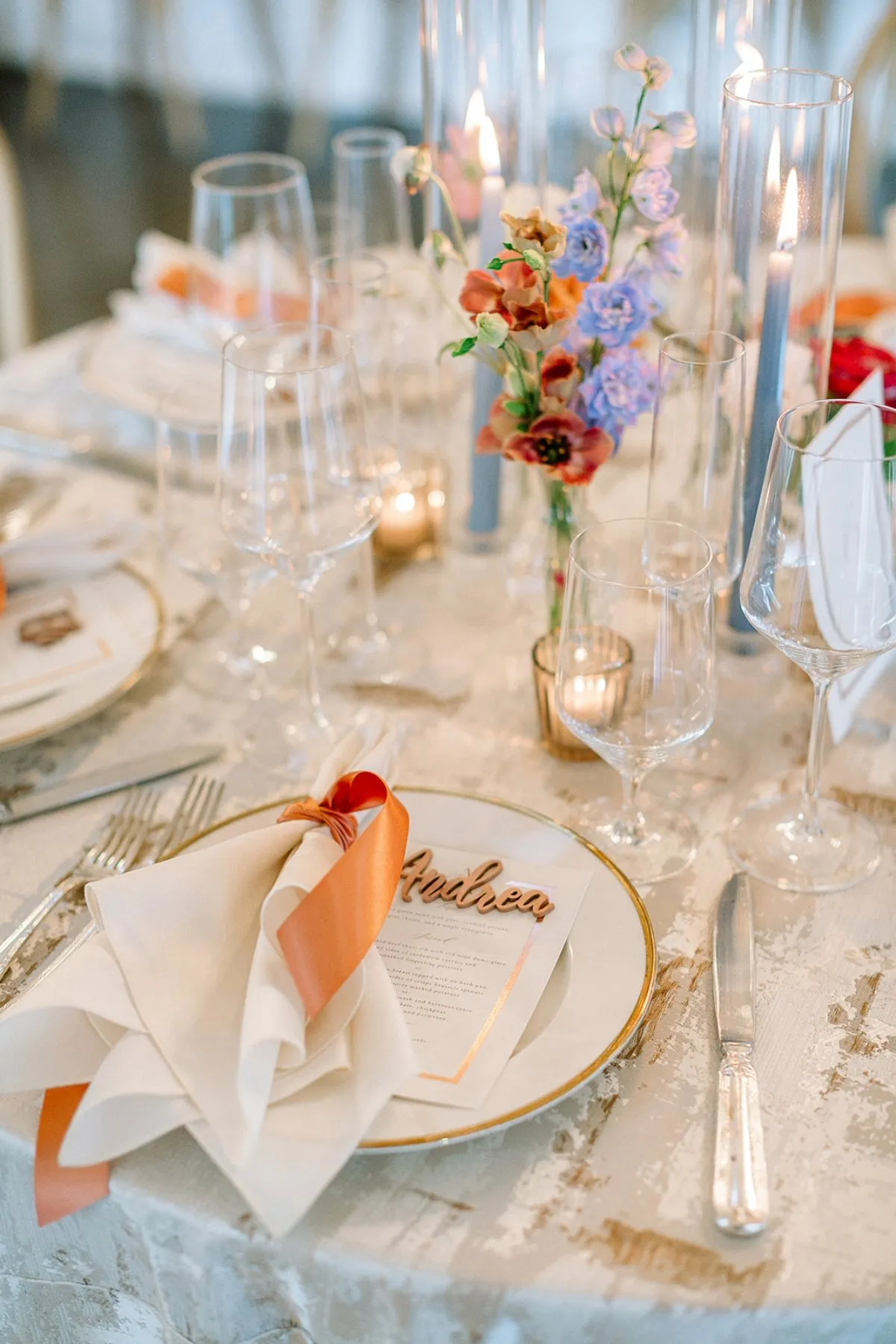
Linen overlays are decorative fabric layers placed on top of a base tablecloth to introduce depth, texture, and visual focus to a table setting. While the tablecloth establishes the foundation of the table, the overlay adds a secondary textile layer that refines the overall presentation. This pairing allows the base cloth to provide structure while the overlay introduces color, pattern, or texture that enhances the tablescape.
In summer table design, overlays help maintain a light and elegant look while giving the table greater visual dimension. The contrast between the base tablecloth and the overlay creates a layered composition that feels intentional and polished. This approach works particularly well for events where table design plays an important role in the overall atmosphere.
Definition of Linen Table Overlays
A linen overlay is a smaller decorative linen placed centrally over a full tablecloth. It is usually square or round and drapes across the center of the table while leaving a visible border of the base cloth beneath it. This exposed border creates a framed effect that highlights the layering of textiles.
The use of linen as the overlay material adds natural texture and softness to the table surface. The fabric drapes easily and maintains a refined appearance without appearing overly rigid or heavy. Because linen holds dye well and comes in a wide range of finishes, it allows hosts and planners to introduce seasonal colors or subtle patterns while maintaining an elegant table foundation.
The Role of Overlays in Layered Table Design
In layered table design, the tablecloth forms the base of the composition while the overlay defines the central area of the table. This layered structure helps organize the visual elements of the tablescape. Decorative pieces such as centerpieces, candles, menus, and place settings gain clarity when placed against the textured surface of the overlay.
The overlay also creates contrast between textiles, which enhances the overall visual depth of the table. A neutral tablecloth paired with a colored linen overlay can establish a focal point that draws the eye toward the center of the table. This layered arrangement allows the table design to feel balanced and cohesive while maintaining the elegance expected in summer events.
How Linen Overlays Elevate Summer Table Settings
Linen overlays enhance summer table settings by introducing texture, layered color, and visual structure to the table. When combined with a base tablecloth, they create a composed surface that supports decorative elements while maintaining a light and seasonal aesthetic.
Adding Texture to a Base Tablecloth
The natural weave of linen adds tactile richness to the table surface. When placed over a smooth tablecloth, the textured linen introduces variation that prevents the table from appearing flat or overly uniform. This texture enhances the overall tablescape by giving decorative elements a visually interesting background.
Because linen absorbs light softly, it allows glassware, ceramics, and metallic accents to stand out without competing reflections. The result is a table that feels balanced and visually engaging.
Creating Visual Contrast Through Layering
Contrast between the tablecloth and the overlay helps define the structure of the table design. Designers often use neutral base linens paired with colored or patterned overlays to introduce depth without overwhelming the table.
This contrast draws attention toward the center of the table where decorative elements are placed. Centerpieces, candles, and place settings appear more intentional when framed by a distinct textile layer.
Enhancing Table Presentation for Seasonal Events
Summer gatherings often favor table designs that feel fresh and elegant. Linen overlays support this aesthetic by adding a refined textile layer that complements seasonal décor such as florals, greenery, and natural materials.
The layered combination of tablecloth and overlay also provides flexibility in styling. Hosts can adjust colors, textures, and accessories while maintaining a cohesive foundation that keeps the table presentation polished and harmonious.
Linen Fabrics That Pair Well with Tablecloths
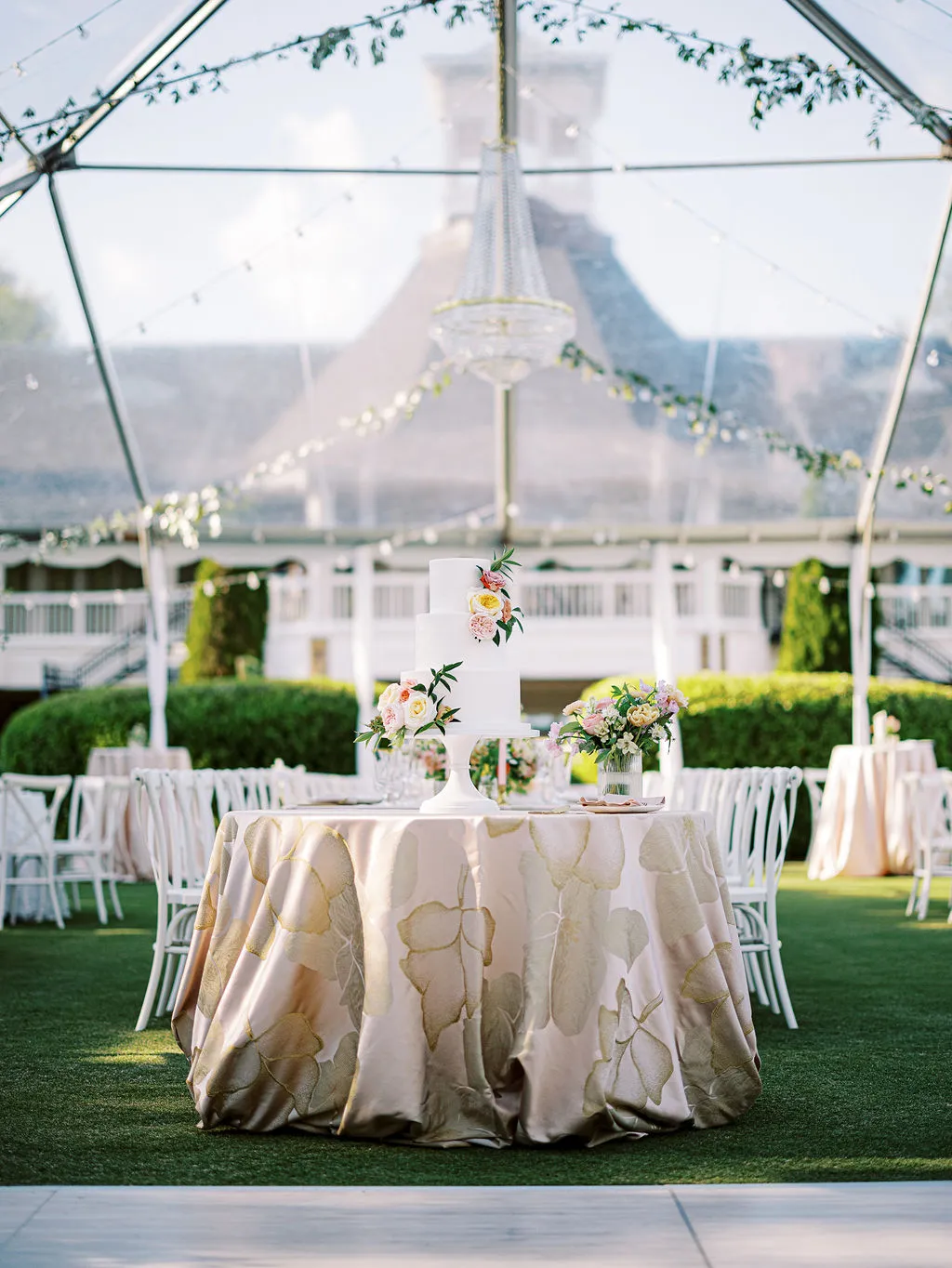
Selecting the right linen fabric for overlays helps ensure that the layered table design feels balanced and refined. The relationship between the overlay and the tablecloth depends on the weight of the fabric, the finish of the linen, and how the two materials interact visually. Thoughtful fabric selection allows the overlay to enhance the base cloth while maintaining harmony across the table setting.
Premium Linen Fabrics for Overlays
High quality linen fabrics provide the best results when paired with tablecloths. Belgian linen is widely known for its durability and consistent weave, which makes it suitable for formal gatherings and weddings where a crisp, polished appearance is preferred. French linen offers a softer hand and a slightly relaxed texture that works well for intimate dinners or garden events. Cotton-linen blends provide a practical alternative that combines the breathable nature of linen with additional softness and flexibility.
Each of these fabrics can complement a base tablecloth when chosen with the overall table design in mind. The goal is to create a layered textile combination that feels intentional rather than visually competing.
Choosing Fabric Weight and Finish
The weight of the linen overlay influences how it drapes over the tablecloth and how it interacts with surrounding décor. Lightweight linens create a flowing appearance and allow the base cloth to remain visually prominent. Heavier linens introduce stronger texture and structure, which can add depth to the table.
Fabric finish also affects the final look. A smoother finish contributes to a polished, formal setting, while a slightly textured or rustic finish supports relaxed summer tables. Matching the finish of the overlay to the tone of the event helps maintain visual cohesion across the tablescape.
Benefits of Linen for Warm Weather Tables
Linen remains a popular material for summer table styling because of its breathable structure and natural appearance. The fibers allow air to circulate through the weave, which helps maintain comfort in warm environments. Linen also resists excessive heat buildup on the table surface, making it well suited to outdoor dining settings.
In addition to comfort, linen provides durability that supports repeated use across events. The material retains its character through careful laundering and continues to drape naturally over time, which makes it a reliable choice for layered table design.
Layering Linen Overlays Over Tablecloths
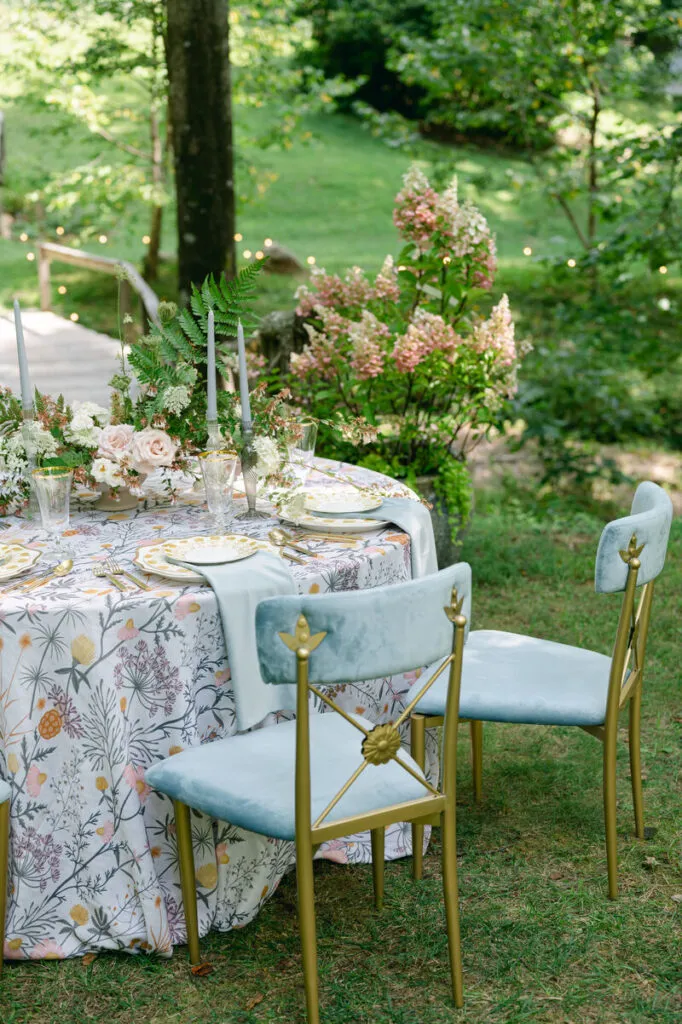
Layering linen overlays over tablecloths creates visual dimension and helps organize the decorative elements of a table setting. When executed with care, this layering technique allows each textile component to contribute to the overall composition without overwhelming the design.
Building a Layered Linen Table Setting
A layered table setting begins with a base tablecloth that establishes the primary color and structure of the table. The linen overlay is then placed centrally over the base cloth to create a framed surface where decorative elements can be arranged.
This layered structure defines the focal area of the table. Centerpieces, candles, and place settings gain clarity when positioned on top of the overlay because the secondary fabric layer separates them from the base cloth.
Step-by-Step Linen Layering Method
A simple layering process helps maintain balance in the tablescape. Begin by selecting a tablecloth that reflects the overall palette of the event. Next, choose a linen overlay that either contrasts with or complements the base cloth.
Place the overlay evenly over the center of the table so the border of the base cloth remains visible. This border effect emphasizes the layered design and gives the table a structured appearance. Additional accessories such as runners, chargers, or floral arrangements can then be added within the central overlay area.
Common Layering Mistakes to Avoid
Successful layering requires restraint and coordination. Too many fabrics or patterns can make the table appear crowded and reduce the clarity of the design. Limiting the number of textile layers helps maintain visual balance.
Color coordination is equally important. The overlay should harmonize with the base tablecloth and the surrounding décor. When colors compete rather than complement each other, the layered design loses cohesion and the table setting may appear disorganized.
Color Combinations for Linen Overlays and Tablecloths
Color coordination plays a central role in creating a refined layered table design. When linen overlays are paired with tablecloths in complementary tones, the result is a balanced tablescape where each element contributes to the overall visual composition. Careful color selection helps define the mood of the table while reinforcing the theme of the event.
Soft Summer Palettes
Soft palettes are frequently used for summer table settings because they reflect natural light and maintain an airy atmosphere. Linen overlays in blush, pale blue, sage, or lavender pair beautifully with neutral tablecloths such as ivory, cream, or sand.
These combinations create a gentle contrast that adds visual depth while maintaining a calm and elegant table presentation. Soft palettes work particularly well for garden gatherings, brunch receptions, and daytime celebrations where a light aesthetic supports the surrounding environment.
Elegant Contrast Pairings
Stronger color contrast can create a more defined and dramatic tablescape while still maintaining sophistication. A neutral base tablecloth paired with a deeper overlay color such as navy, charcoal, or forest green establishes a clear focal point at the center of the table.
This approach works well for evening events or formal gatherings where a more structured visual style is preferred. Metallic accents such as gold flatware or candle holders often complement these deeper tones and enhance the layered appearance of the table.
Seasonal Palette Inspiration
Seasonal palettes can help tie the table design to the overall atmosphere of a summer event. Coastal-inspired tables often feature combinations such as aqua, white, and sandy neutrals. Garden-themed gatherings may incorporate lavender, mint, and soft yellow tones.
Another effective palette draws inspiration from summer sunsets, combining warm tones such as coral, terracotta, and golden yellow. When these colors appear in overlays, napkins, or floral arrangements, the table design feels cohesive and connected to the seasonal environment.
Coordinating Linen Overlays for Weddings and Formal Events
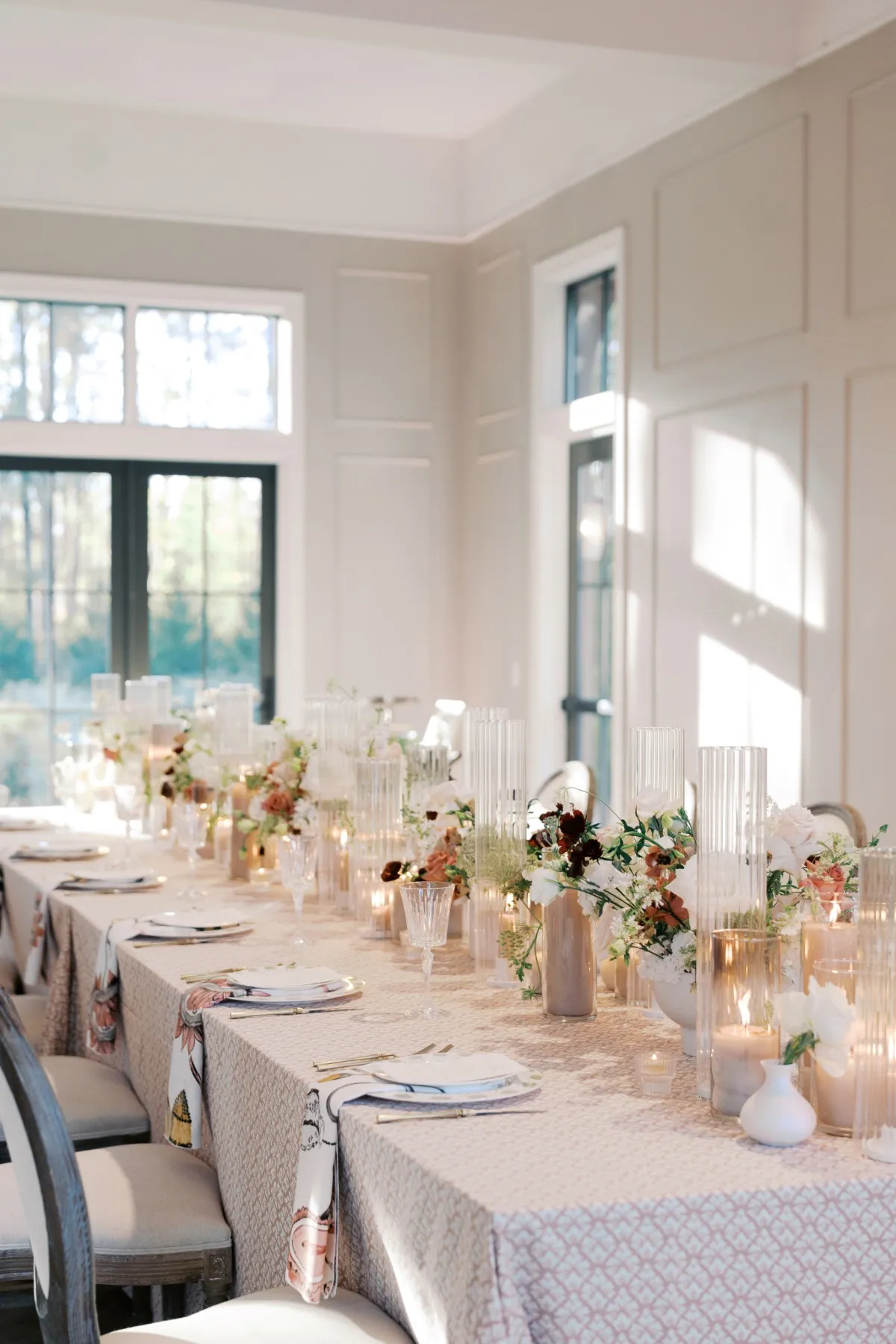
Weddings and formal summer events often require table designs that feel cohesive across the entire venue. Linen overlays contribute to this cohesion by linking the tablecloth with other decorative elements used throughout the celebration.
Matching Linens to Event Themes
Event themes influence how linen overlays and tablecloths are paired. Rustic weddings often feature natural linens layered over neutral tablecloths that complement wood tables and greenery. Classic wedding designs may combine crisp white base linens with pastel or metallic overlays for a timeless appearance.
Modern event styles frequently rely on simple color pairings and clean linen finishes. In these settings, a monochromatic palette or subtle contrast between the overlay and base cloth can create a polished and contemporary table.
Using Linen Layers to Create Wedding Tablescapes
Layered linens form the foundation of many wedding tablescapes. The tablecloth establishes the primary tone of the table, while the overlay defines the area where decorative elements are arranged.
Floral centerpieces, candles, and personalized details such as menus or place cards appear more organized when positioned on a linen overlay. The layered textile provides a clear visual frame that helps the entire table design feel intentional and harmonious.
This structure also helps unify multiple tables within the venue. When each table features the same base linen and overlay combination, the event space develops a consistent visual identity that supports the overall wedding design.
Frequently Asked Questions
How should linen overlays be layered over tablecloths?
A common layering approach begins with a full tablecloth that establishes the base color and structure of the table. The linen overlay is then positioned in the center so that a visible border of the base cloth remains around the edges. This layered arrangement creates a framed surface where centerpieces, place settings, and decorative elements can be placed with clarity and balance.
What size linen overlay should be used with a tablecloth?
Overlay size should be slightly smaller than the tablecloth so that the base layer remains visible. For most banquet tables, planners choose overlays that allow a border of several inches of the base cloth to show on each side. This proportional difference creates a clear layered effect that enhances the visual depth of the table.
Can linen overlays be used for casual summer dining?
Linen overlays work well for both casual and formal settings. For relaxed gatherings, lighter colors and softer linen textures create an inviting and effortless table atmosphere. Simple layering with minimal accessories keeps the setting comfortable while still maintaining an elevated presentation.
What accessories pair well with linen overlays?
Several accessories enhance linen table settings. Chargers, napkin rings, runners, candles, and floral arrangements all contribute to the layered composition of the table. Carefully chosen tableware and glassware also help unify the overall palette and highlight the textures of the linen.
Are linen overlays suitable for outdoor events?
Linen overlays perform well in outdoor environments because the fabric allows air to circulate through the weave. This breathable quality helps maintain comfort during warm weather gatherings. Linen also complements natural surroundings such as garden settings, terraces, and open-air dining spaces.
Conclusion
Linen overlays offer an elegant way to enhance tablecloths and create layered summer tables that feel refined and cohesive. By introducing texture, color contrast, and visual structure, overlays transform a simple table setting into a thoughtfully composed tablescape. The natural qualities of linen support this layered design while maintaining the light, breathable aesthetic that suits warm-weather gatherings.
Careful coordination between the base tablecloth and the overlay allows hosts and event planners to build balanced table arrangements that highlight centerpieces, place settings, and decorative accents. With the right fabrics, color combinations, and layering techniques, linen overlays elevate both casual and formal summer events.
Curated Linen Collection offers premium linen overlays designed to complement tablecloths and support beautifully styled tables for weddings, seasonal celebrations, and elegant summer gatherings.