
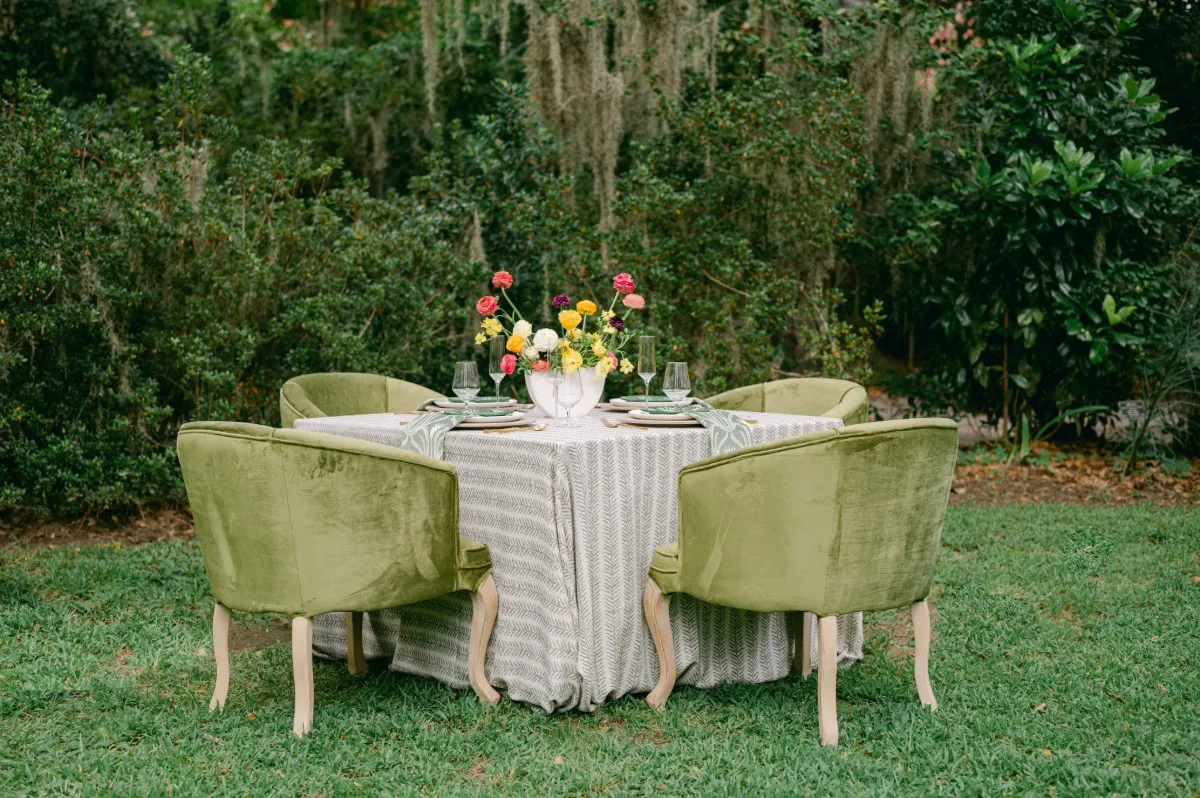
Summer weddings rely on thoughtful details to create an atmosphere that feels elegant, cohesive, and memorable. Among these details, table linens play an important role in shaping the visual experience of the reception. Linen overlays bring refinement to wedding tables by introducing layered texture, balanced color, and subtle depth that enhances the overall tablescape.
Event planners frequently use overlays to elevate reception tables while keeping the design cohesive with florals, tableware, and the surrounding venue. When placed over a base linen or table surface, an overlay defines the center of the table and draws attention to carefully arranged place settings and centerpieces. The result is a composed presentation that photographs beautifully and contributes to the ambiance of the celebration.
This guide explores how linen overlays can enhance summer wedding tables through fabric selection, layered styling, and coordinated color palettes. It also provides practical insight for planners seeking linens that align with seasonal aesthetics while maintaining the polished appearance expected at a wedding reception.
How Linen Overlays Shape the Atmosphere of Wedding Reception Tables
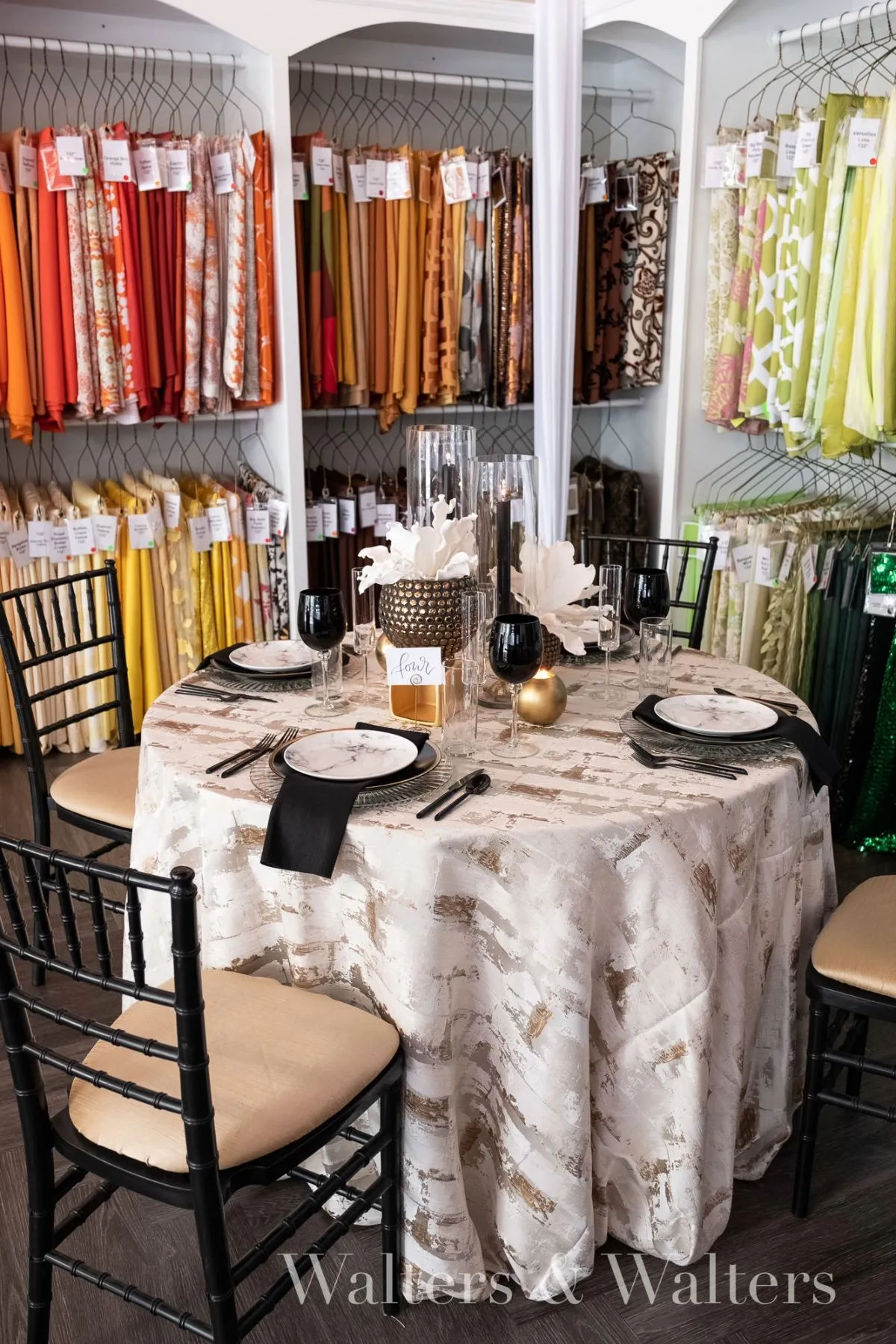
Linen overlays contribute significantly to the overall atmosphere of a wedding reception by introducing visual structure and refined texture to guest tables. Reception tables often serve as focal points within the event space. Carefully selected overlays help unify the table design with the broader wedding aesthetic while maintaining a polished and cohesive appearance.
When planners incorporate linen overlays thoughtfully, the tablescape gains depth and visual clarity. The layered textile draws attention to the central arrangement of florals, tableware, and decorative elements. This structured composition helps each table feel intentional and balanced within the larger reception layout.
Creating a Refined Focal Point for Guest Tables
Guest tables form a repeating visual pattern across the reception space. Linen overlays help define the center of each table and provide a subtle frame for centerpieces, menus, and place settings. This visual anchor allows the eye to move naturally across the room while maintaining a consistent design language.
A carefully chosen overlay enhances the presence of the centerpiece and supports the overall composition of the table. The added layer introduces texture and contrast that help individual elements stand out without competing with one another.
Supporting the Wedding Design Theme
Wedding design elements often extend across multiple visual components, including florals, stationery, lighting, and linens. Linen overlays provide an effective way to reinforce the event’s chosen palette and aesthetic direction.
For example, soft textured linens can complement romantic floral arrangements in garden weddings, while smooth finishes may suit formal ballroom receptions. By selecting overlays that reflect the wedding’s theme, planners create a cohesive environment where each element contributes to a unified visual story.
Elevating the Overall Guest Dining Experience
Reception tables influence how guests experience the event. Linen overlays add a tactile and visual richness that enhances the dining environment and encourages guests to engage with the setting.
The presence of layered textiles softens the table design and contributes to a sense of comfort and refinement. In addition, overlays often improve the visual contrast between tableware and the table surface, which helps place settings remain clearly defined during both daylight and evening receptions.
Selecting Linen Fabrics That Suit Summer Wedding Settings
Choosing the appropriate linen fabric is an important step in designing wedding tables that feel refined and appropriate for the season. Different linen textures and finishes create distinct visual effects, and each fabric type interacts differently with lighting, décor, and tableware.
Summer weddings often take place in venues that highlight natural light and seasonal florals. Linen fabrics with balanced texture and soft drape complement these settings and contribute to an elegant tablescape that remains comfortable and visually harmonious throughout the celebration.
Textured Linen for Garden and Outdoor Weddings
Textured linen fabrics introduce subtle depth that pairs well with outdoor wedding environments. Their woven surfaces create gentle variations in light and shadow that enhance natural daylight settings.
Garden venues, vineyard weddings, and outdoor receptions often benefit from textured linens because they complement organic materials such as wood tables, greenery, and floral arrangements. The natural appearance of textured linen supports a relaxed yet sophisticated atmosphere.
Smooth and Polished Linen for Formal Receptions
Smooth linen fabrics provide a more polished surface that works well for formal reception settings. These linens reflect light evenly and contribute to a refined table presentation that aligns with elegant venues such as ballrooms or luxury event spaces.
When paired with structured centerpieces, metallic accents, or fine tableware, smooth linens help maintain a clean and sophisticated appearance across all reception tables.
Lightweight Linen Options for Warm Weather Celebrations
Summer weddings often require fabrics that remain comfortable in warm environments. Lightweight linen varieties allow air to circulate easily while maintaining the natural elegance associated with linen textiles.
These fabrics perform well in outdoor venues or open-air reception spaces where airflow and comfort remain important considerations. Their soft drape and breathable construction ensure that the table design remains refined while supporting the relaxed atmosphere of a summer celebration.
Designing Layered Wedding Tables with Linen Overlays
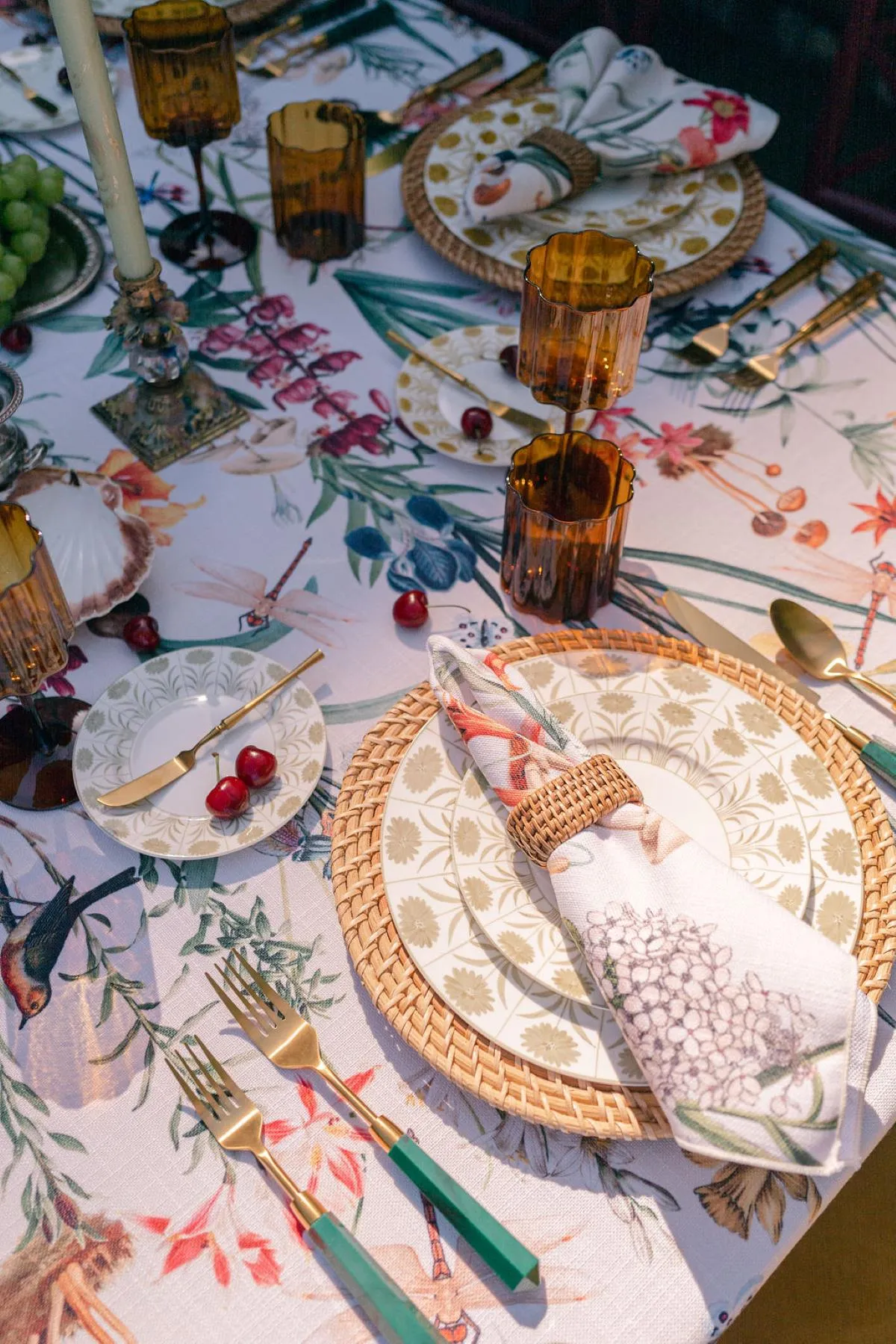
Layered linens contribute depth and visual structure to wedding reception tables. A carefully planned linen arrangement helps unify the table design while supporting the overall aesthetic of the celebration. Event planners often rely on layering to introduce subtle contrast and texture that elevate the tablescape without adding unnecessary decorative elements.
Successful layering begins with a clear understanding of the table’s visual hierarchy. Each linen element should contribute to the composition in a way that feels balanced and intentional. When fabrics, colors, and decorative details work together, the table becomes a cohesive design feature within the larger reception environment.
Establishing a Balanced Linen Foundation
The base tablecloth sets the tone for the entire table design. Neutral tones often provide a stable visual foundation that allows additional linen layers and decorative accents to stand out naturally.
Selecting a base linen that complements the venue and wedding palette helps ensure consistency across all reception tables. A well chosen foundation also allows overlays, napkins, and decorative accessories to integrate smoothly into the overall tablescape.
Introducing Overlays to Build Visual Interest
Linen overlays add a secondary layer that brings dimension and contrast to the table. Their placement draws attention to the center of the table and helps highlight important elements such as floral arrangements or printed menus.
A thoughtful combination of color and texture allows the overlay to enhance the base linen while maintaining harmony with surrounding décor. This layered structure adds visual richness to the table while preserving the refined atmosphere expected at a wedding reception.
Integrating Napkins and Decorative Textiles
Napkins and smaller textile elements play an important role in reinforcing the layered linen design. Coordinated napkins can echo the tones of the overlay or introduce a complementary accent color that strengthens the table palette.
Planners often consider how these textiles interact with tableware, centerpieces, and printed materials. When the linen elements are coordinated carefully, the result is a table that feels cohesive and visually balanced.
Color Strategies for Linen Overlays in Summer Weddings
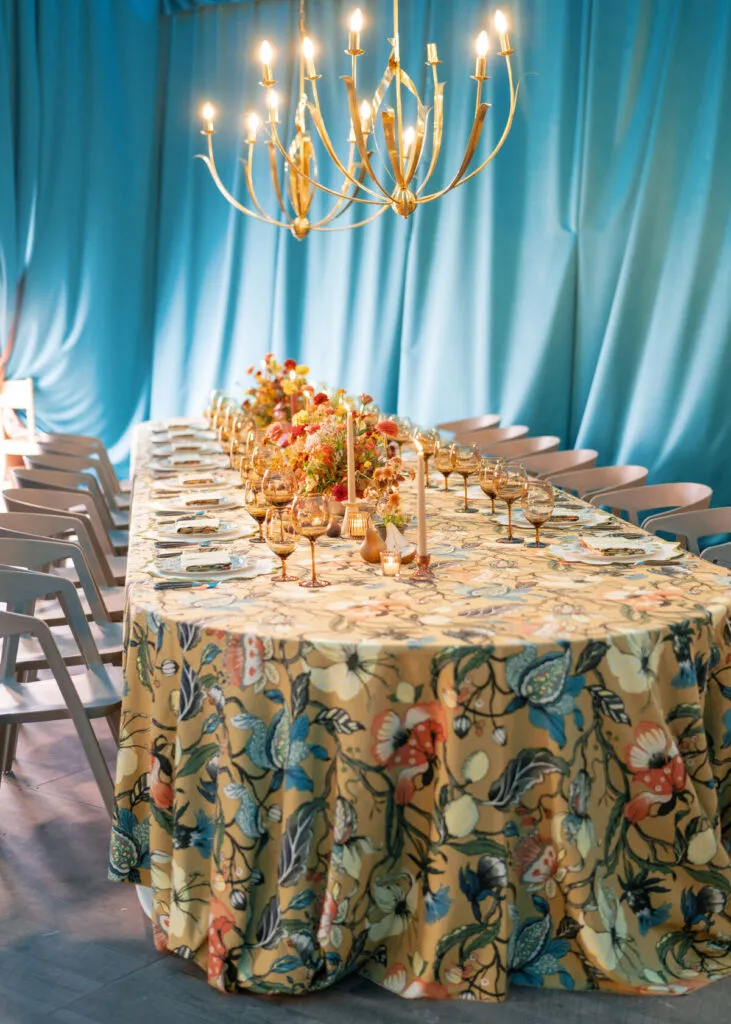
Color selection influences how linen overlays interact with other elements of the wedding design. A thoughtful palette allows overlays to complement florals, tableware, and venue décor while maintaining visual clarity across the reception space.
Summer weddings often embrace lighter tones and seasonal hues that reflect the warmth and brightness of the season. Linen overlays provide an opportunity to introduce these colors in a controlled and elegant way.
Romantic Pastel Palettes for Soft Wedding Aesthetics
Pastel tones remain a popular choice for summer weddings because they create a gentle and romantic atmosphere. Shades such as blush, lavender, and dusty blue blend easily with floral arrangements and soft lighting.
When used as overlays, these colors introduce a delicate layer of visual interest while maintaining the refined character of the table design.
Bold Reception Color Accents
Some wedding designs incorporate stronger color accents to create contrast and visual drama. Deep hues such as navy, emerald, or plum can provide a striking focal point when paired with lighter base linens.
These colors work particularly well in evening receptions or venues with darker décor elements. A carefully placed overlay in a bold shade adds depth while preserving balance within the overall palette.
Natural Palettes Inspired by Outdoor Venues
Outdoor weddings often draw inspiration from surrounding landscapes. Earth toned linens such as sand, olive, or terracotta reflect natural environments and pair easily with greenery and seasonal florals.
These palettes create a grounded and organic aesthetic that feels appropriate for vineyard weddings, garden celebrations, and rustic venues. Linen overlays in these tones reinforce the natural character of the setting while maintaining a polished presentation.
Decor Elements That Complement Linen Overlay Tables
Decorative elements surrounding the linens help shape the final presentation of a wedding table. Linen overlays establish the visual foundation, while carefully selected décor completes the composition. When these elements work together, the table feels balanced and thoughtfully designed.
Event planners often select décor that reinforces the color palette and texture of the linens. Floral arrangements, tableware, and accent materials should complement the overlay rather than compete with it. A cohesive selection of decorative pieces ensures that the linen remains an integral part of the overall table design.
Floral Arrangements That Enhance Linen Texture
Floral centerpieces introduce movement and color that interact naturally with linen overlays. Soft florals such as roses, peonies, and ranunculus often pair well with textured linens, while structured arrangements can complement smoother fabrics.
The scale of the centerpiece should align with the size of the table and the linen layout. Low arrangements allow guests to converse comfortably while maintaining a clear view across the table. This balance ensures that both the linens and the floral elements remain visible within the tablescape.
Chargers, Glassware, and Tableware Pairings
Tableware contributes significantly to the visual impact of a linen styled table. Chargers can provide a structured frame for each place setting and introduce materials that contrast with the linen surface.
Metallic chargers, ceramic plates, and clear or lightly tinted glassware often complement linen overlays effectively. These pieces add subtle variation in texture and finish while maintaining the overall elegance of the reception table.
Metallic and Natural Accents for Layered Design
Accent materials help bring additional depth to the table design. Metallic elements such as gold or brushed brass introduce warmth and refinement. Natural materials such as wood or stone provide contrast and support organic wedding themes.
A balanced mix of these accents can strengthen the layered appearance of the table. When used sparingly, these details enhance the linen overlay and contribute to a sophisticated and cohesive presentation.
How Curated Linen Collection Supports Wedding Table Styling
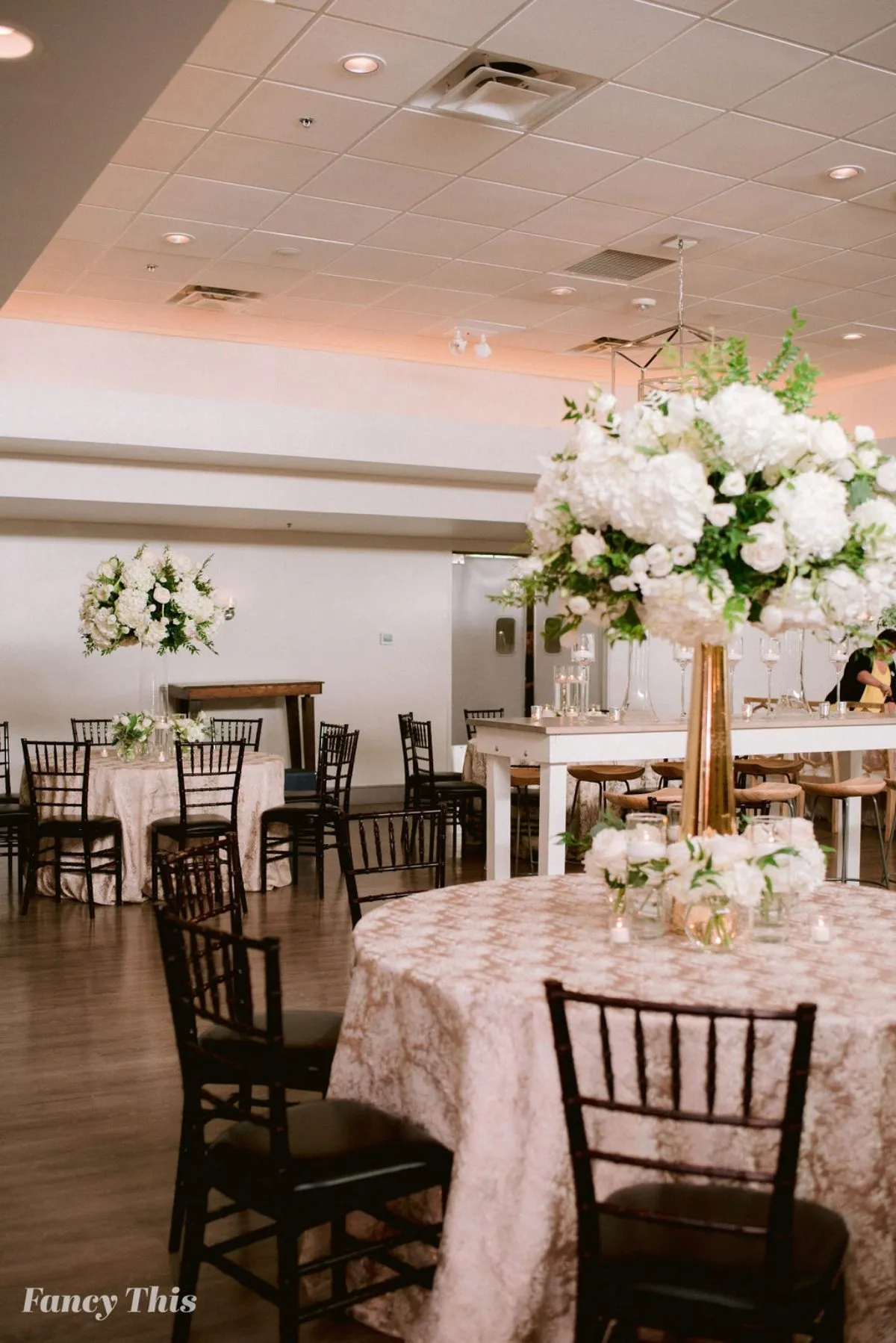
Selecting linens from a specialized provider helps event planners achieve consistency, quality, and visual refinement across all reception tables. Curated Linen Collection offers overlays designed specifically for elevated event settings, allowing planners to create layered tables that align with the overall wedding aesthetic.
A curated linen source simplifies the design process by offering fabrics, colors, and textures that work together within a cohesive collection. This approach allows planners to focus on refining the visual concept while maintaining confidence that the linens will perform well during the event.
Fabric Variety for Different Wedding Themes
Different wedding themes require different linen textures and finishes. Curated Linen Collection provides a range of fabric options that support diverse design directions.
Textured linens often complement garden weddings and outdoor venues, while smoother finishes align with formal reception settings. This range allows planners to select overlays that enhance the visual style of each event while maintaining consistency across guest tables.
Coordinated Linen Collections for Event Consistency
Consistency across reception tables plays an important role in maintaining visual harmony throughout the venue. Coordinated linen collections make it easier for planners to match overlays with tablecloths, napkins, and additional textiles.
Using linens designed to work together helps create a cohesive tablescape. This coordination ensures that every table contributes to the same visual narrative, which strengthens the overall atmosphere of the reception.
Planning Linen Orders and Swatch Selection
Swatch testing remains an important step when selecting linens for weddings. Viewing fabric samples under the venue’s lighting conditions allows planners to confirm that the color and texture align with the design palette.
Ordering linens in advance also allows time for adjustments and ensures availability for the event date. Early planning helps prevent last minute substitutions and allows planners to finalize the table design with confidence.
Frequently Asked Questions
What fabrics work best for linen overlays at summer weddings?
Natural linen fabrics with a balanced weave perform well for summer weddings. Textured linen offers visual depth that complements floral arrangements and outdoor venues. Smooth or finely woven linen works well for formal receptions where a polished table presentation is preferred. Lightweight linen varieties also suit warm weather celebrations because they drape naturally and remain comfortable in outdoor environments.
How do planners coordinate linen overlays with wedding color palettes?
Event planners typically begin with the wedding’s primary color palette and then select linens that reinforce those tones. Neutral base linens allow overlays to introduce accent colors that complement floral arrangements, stationery, and tableware. Viewing swatches alongside centerpiece samples and table settings helps confirm that colors appear consistent under the venue’s lighting conditions.
How far in advance should linen overlays be ordered for a wedding?
Linens should be selected several months before the wedding whenever possible. Early ordering allows time to review fabric samples, confirm sizing, and coordinate with other vendors involved in the reception design. Planning ahead also helps ensure availability of specific fabrics and colors during peak wedding seasons.
Can linen overlays be used for multiple types of wedding tables?
Yes. Linen overlays can enhance a variety of tables throughout the wedding reception. Planners often use overlays on guest tables, sweetheart tables, cake tables, and welcome tables to maintain visual continuity across the event space. Using coordinated overlays helps unify the overall design while allowing each table to retain its own decorative focus.
What size linen overlay works best for wedding reception tables?
Overlay size should correspond to the dimensions of the table and the desired drape. Event planners typically measure table diameter or length before selecting overlay sizes. A properly sized overlay frames the center of the table while leaving visible space around the edges of the base linen or table surface.
Conclusion
Linen overlays bring refinement and structure to summer wedding tables by introducing layered texture, balanced color, and thoughtful visual composition. When chosen carefully, these linens enhance the reception environment while complementing florals, tableware, and venue design.
Selecting suitable fabrics, coordinating colors, and planning linen placement in advance allows event planners to create tablescapes that feel cohesive and elegant. High quality linens also provide durability and versatility, making them a dependable choice for weddings that extend across several hours of celebration.
With careful attention to fabric selection, color harmony, and vendor coordination, linen overlays become an integral element of wedding table design. Thoughtful layering transforms each reception table into a polished focal point that contributes to the atmosphere and visual identity of the celebration.