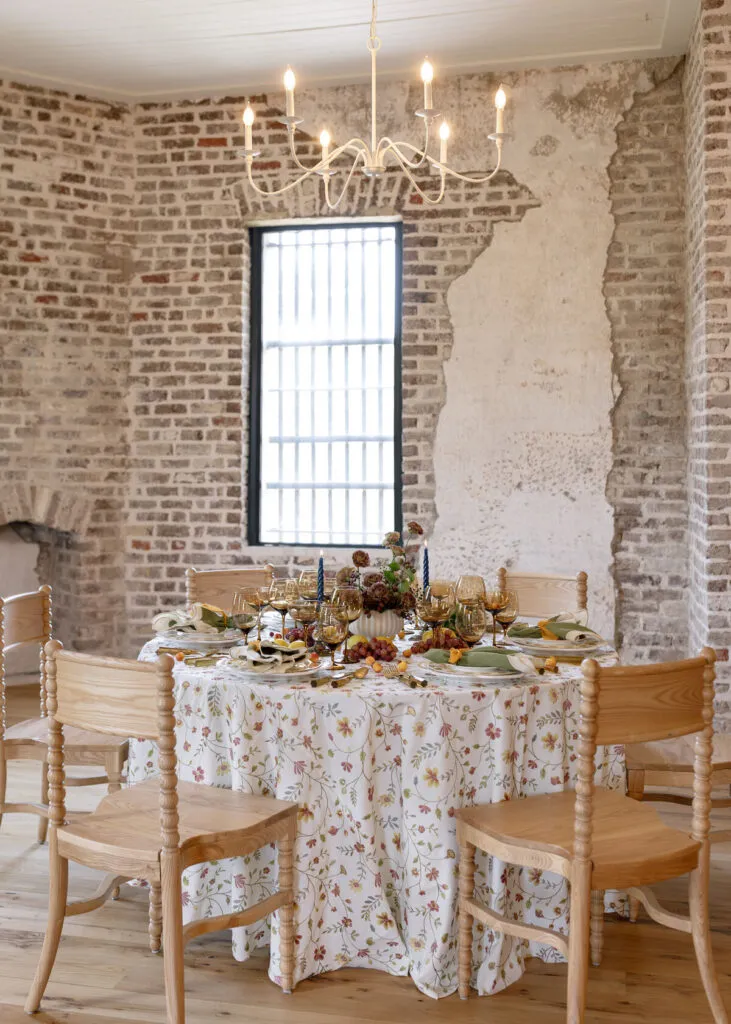
Linen table settings define the visual foundation of an elegant event. The choice of fabric, color, and layout shapes how the table is perceived and how the overall space comes together. Well-styled linens create a cohesive tablescape that supports the event’s tone and enhances the guest experience.
Achieving this level of refinement requires attention to detail across every element. Fabric selection determines texture and drape, color choices establish mood, and placement decisions influence balance and flow. When these components are aligned, the table setting feels composed and intentional.
This guide outlines how to style linen table settings with precision. It covers fabric selection, color coordination, napkin styling, and layout design to help you create tablescapes that reflect a polished and elevated aesthetic.
Choosing Linen Fabrics That Define Elegance
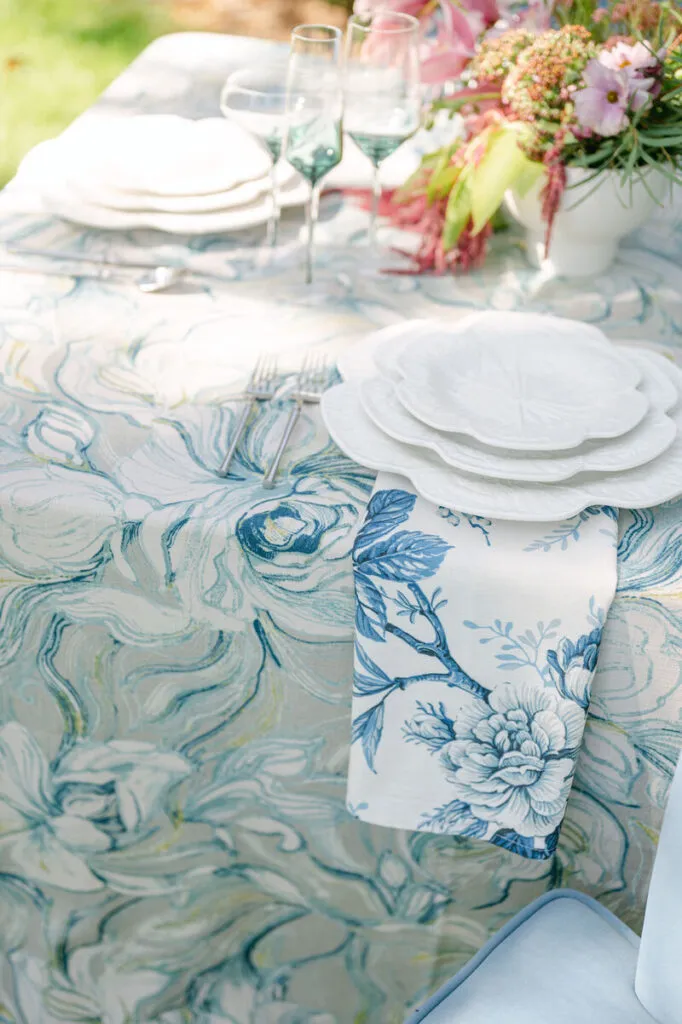
Fabric selection sets the foundation for the entire tablescape. The type of linen you choose determines how the table looks, how it drapes, and how it interacts with other elements such as tableware and décor.
Pure linen vs blends vs specialty linens
Pure linen offers a natural texture and refined finish that works well for upscale events. Linen blends provide added durability and structure, making them suitable for high-traffic settings. Specialty linens, including embroidered or patterned options, introduce detail and can be used to highlight specific design elements.
How fabric weight, drape, and finish affect presentation
Fabric weight influences how the linen falls across the table. Heavier linens create a structured appearance, while lighter fabrics produce softer movement. Drape affects edge definition and layering potential, and the finish, whether matte or slightly lustrous, determines how the linen reflects light within the setting.
Balancing aesthetics with practicality for events
Fabric choices should align with both visual goals and event requirements. Consider how the linen will perform throughout service, including how it holds its shape and integrates with layered elements. Selecting fabrics that support both presentation and function ensures a consistent and polished result.
Understanding Premium Linen Qualities for Event Styling
High-quality linens contribute to a more refined and cohesive tablescape. Their characteristics influence both the visual impression and the overall experience at the table.
Durability and performance in luxury settings
Premium linens maintain their structure and appearance across extended use. They resist distortion and preserve their finish, allowing the table to retain a composed look throughout the event.
Texture and tactile appeal in tablescape design
Texture adds depth and visual interest without requiring additional elements. Subtle surface variation enhances the overall composition and complements smooth tableware and glassware.
Breathability and suitability across event types
Linen’s natural breathability supports comfort in both indoor and outdoor environments. This quality ensures that the table setting remains appropriate across different event formats while maintaining a consistent aesthetic.
Linen Weaves and Textures That Elevate Tablescapes
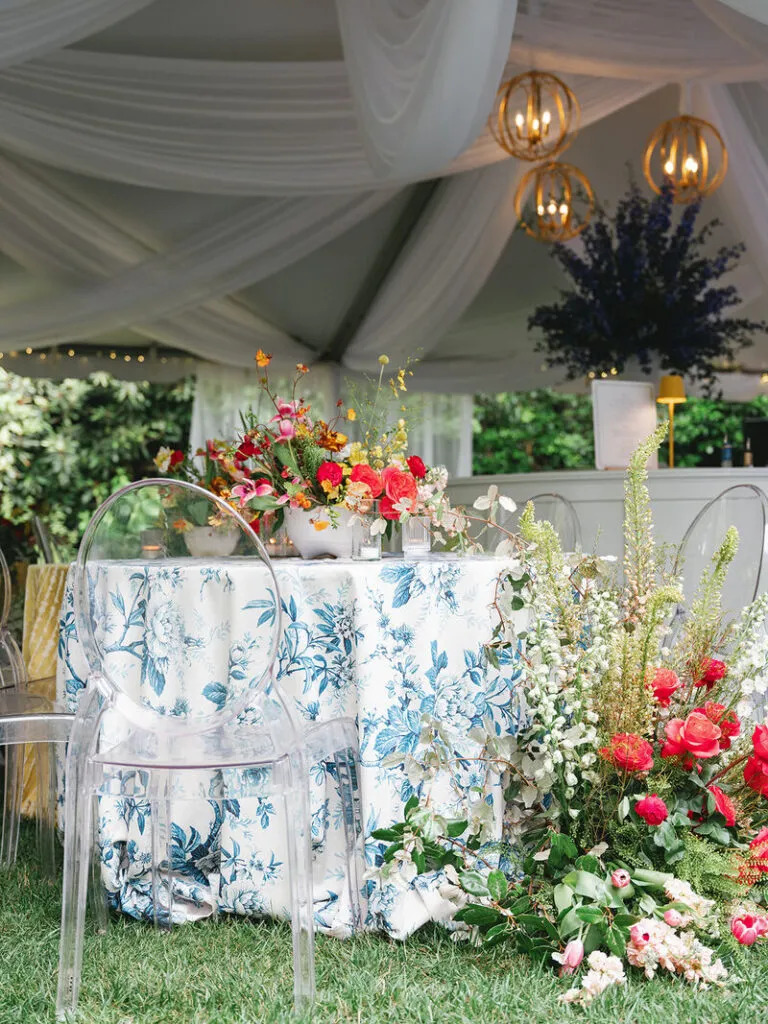
Weave and texture determine how linen reads visually and how it contributes to the overall composition. Subtle variations in surface and structure can define the level of refinement in a tablescape.
Common weaves and their visual impact
Plain weaves offer a clean and uniform surface suited for formal settings. Twill and herringbone introduce subtle patterning that adds dimension without distraction. These variations allow you to control how much visual detail is present on the table.
How texture interacts with light and table elements
Texture influences how light is reflected or absorbed across the surface. Slightly textured linens can catch ambient or candlelight, adding warmth and depth. When paired with smooth tableware, this contrast enhances clarity and highlights key elements.
Using texture to create depth without excess
Depth can be achieved through controlled texture rather than multiple layers. A single textured linen paired with minimal accessories creates interest while maintaining a composed and balanced appearance.
How to Choose Color Schemes for Elegant Linen Table Settings
Color selection defines the tone of the table and connects the linen to the broader event design. A well-structured palette ensures cohesion and visual clarity.
Applying color theory for cohesive palettes
Using complementary or analogous colors helps create harmony. A controlled palette prevents visual conflict and allows the table to feel intentional and unified.
Classic and luxury color combinations for events
Combinations such as ivory and gold, navy and cream, or soft blush with neutral tones create a refined appearance. These palettes support formal and upscale settings without overwhelming the design.
How color influences mood and ambiance
Warm tones introduce a sense of intimacy, while cooler tones create a calm and structured environment. The chosen palette should align with the desired atmosphere of the event.
Seasonal and Timeless Color Palettes for Linen Tables
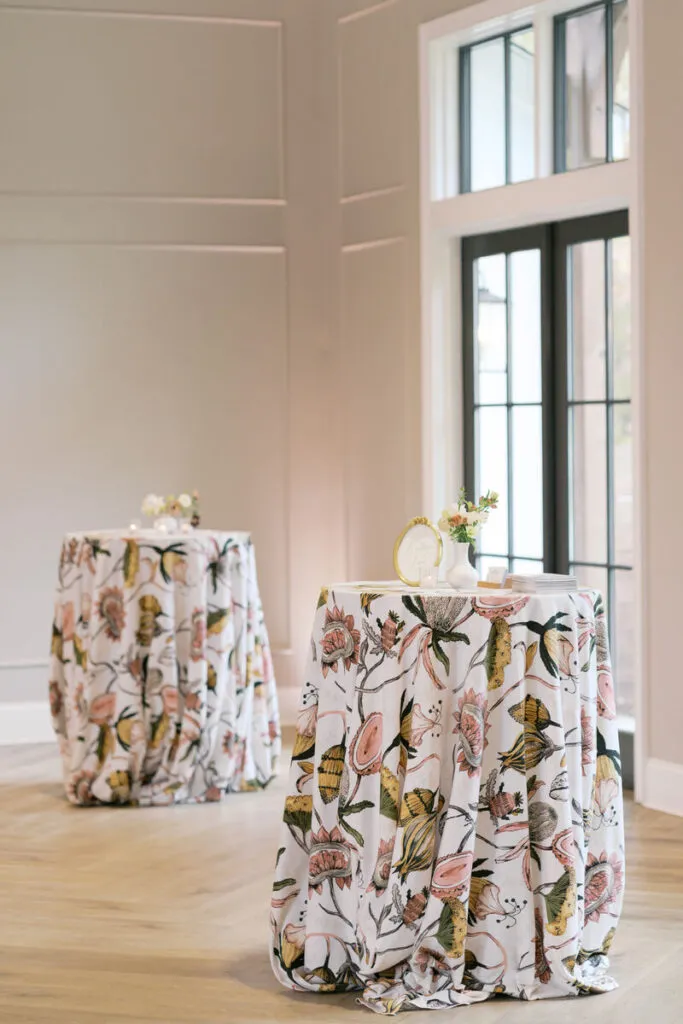
Color palettes can reflect the time of year or maintain a consistent, classic aesthetic. Both approaches support elegant table styling when applied with balance.
Seasonal palettes for spring, summer, autumn, and winter
Spring favors lighter tones such as soft pastels, while summer allows for brighter accents. Autumn palettes incorporate deeper, warm hues, and winter settings often feature richer, cooler tones. These variations help align the table with the surrounding environment.
Timeless combinations for formal and upscale events
Neutral palettes and classic pairings remain consistent across event types. Shades like white, beige, navy, and muted metallics provide a stable foundation that supports a wide range of styling choices.
Adapting palettes to venue and design direction
Color should complement the venue and overall décor. Adjusting tones to suit lighting, space, and surrounding elements ensures that the table integrates seamlessly into the event design.
Coordinating Linen Colors with Event Design Elements
Linen color should integrate seamlessly with the broader event design. Coordination ensures that the table does not feel isolated but instead contributes to a unified visual experience.
Aligning linens with florals, lighting, and décor
Linen colors should reflect or support the tones used in florals and surrounding décor. Lighting also affects how colors appear, so selections should be tested under event conditions to ensure consistency.
Balancing color with texture for visual harmony
Color and texture work together to define depth. A neutral base with subtle texture can support more expressive elements, while stronger colors may benefit from simpler finishes to maintain balance.
Creating a cohesive tablescape across all elements
Consistency across linens, tableware, and decorative accents creates a structured composition. Repeating tones or materials across the table reinforces cohesion and strengthens the overall design.
Napkin Styling Techniques for Elegant Table Settings
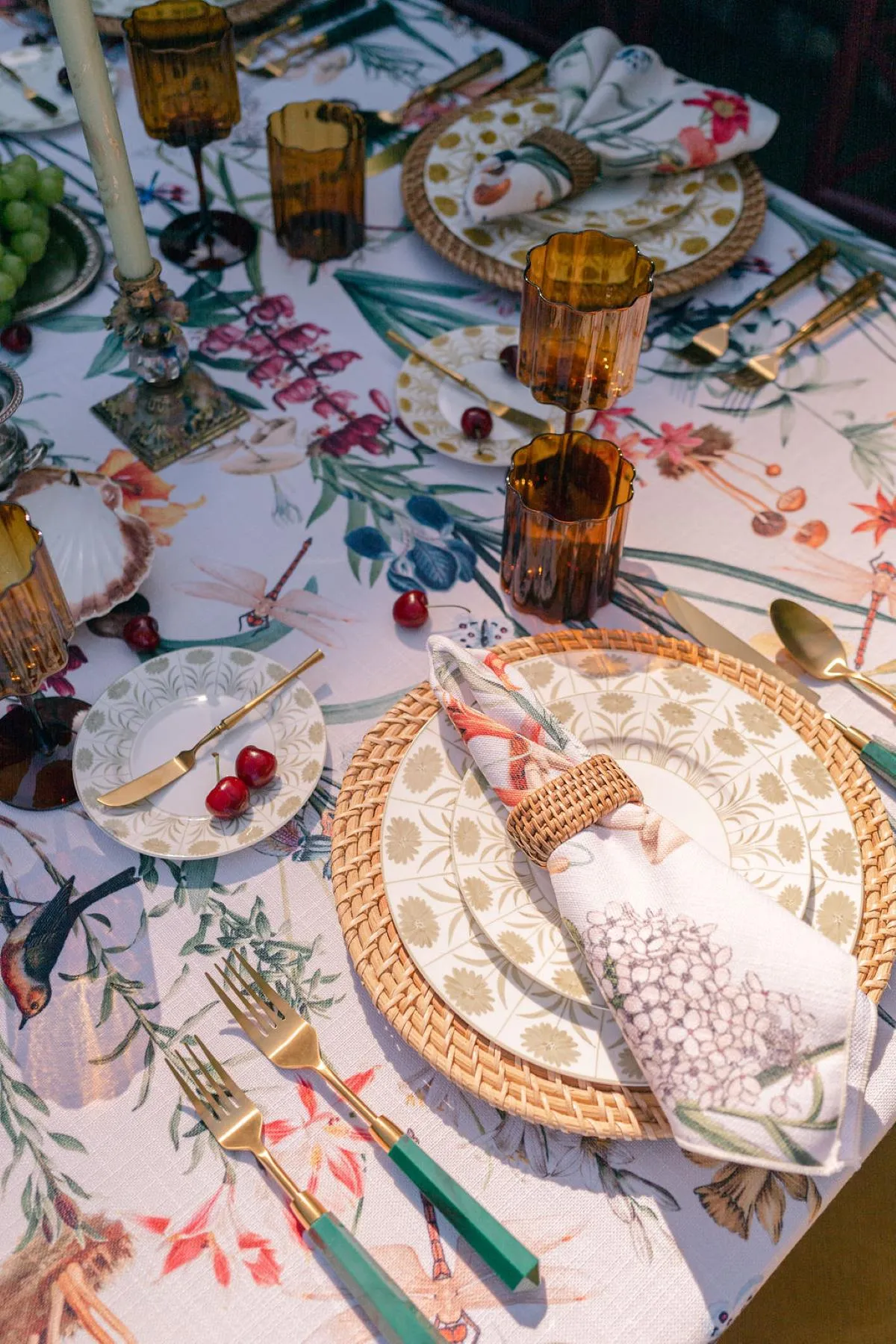
Napkin styling contributes to the refinement of the table. The fold, fabric, and presentation should align with the overall aesthetic and level of formality.
Classic, fan, and pocket folds explained
The classic fold offers a clean and structured look suitable for most settings. The fan fold introduces visual variation, while the pocket fold adds a functional element for menus or utensils.
Choosing folds based on formality and fabric
Heavier linens support more structured folds, while lighter fabrics are better suited to softer shapes. Formal events typically require more defined folds, while relaxed settings allow for simpler presentation.
Enhancing presentation through refined details
Small details such as alignment, symmetry, and clean edges elevate the overall look. Consistency across all place settings ensures a polished and intentional appearance.
Napkin Placement for Balanced and Functional Tables
Placement determines how napkins interact with the rest of the table setting. Proper positioning supports both visual structure and ease of use.
Placement options for different service styles
Napkins can be placed on the plate for a formal presentation or to the side for practical access. The choice depends on the service style and desired visual emphasis.
Maintaining visual symmetry and accessibility
Consistent placement across all settings creates order. Napkins should remain easily accessible without interfering with tableware or guest interaction.
Supporting overall tablescape flow
Placement should align with the overall composition of the table. When positioned correctly, napkins contribute to a balanced layout and reinforce the structure of the setting.
Designing Tablescape Layouts That Highlight Linen
The layout of a table determines how linen is perceived within the overall composition. A well-structured arrangement allows the fabric’s quality, color, and texture to remain visible and intentional.
Layering tablecloths, runners, and accents
Start with a base tablecloth that establishes the foundation. Add runners or overlays to introduce contrast and guide the eye across the table. Each layer should remain visible enough to contribute to the overall design.
Creating balance through spacing and proportion
Spacing between elements such as place settings, centerpieces, and edges should feel consistent. Proper proportion ensures that linens are neither overwhelmed by accessories nor left visually unsupported.
Showcasing linen quality through layout choices
Allow areas of the table to remain uncluttered so the linen can be seen clearly. Clean lines, even drape, and visible edges highlight craftsmanship and reinforce a refined presentation.
Integrating Centerpieces and Tableware with Linen
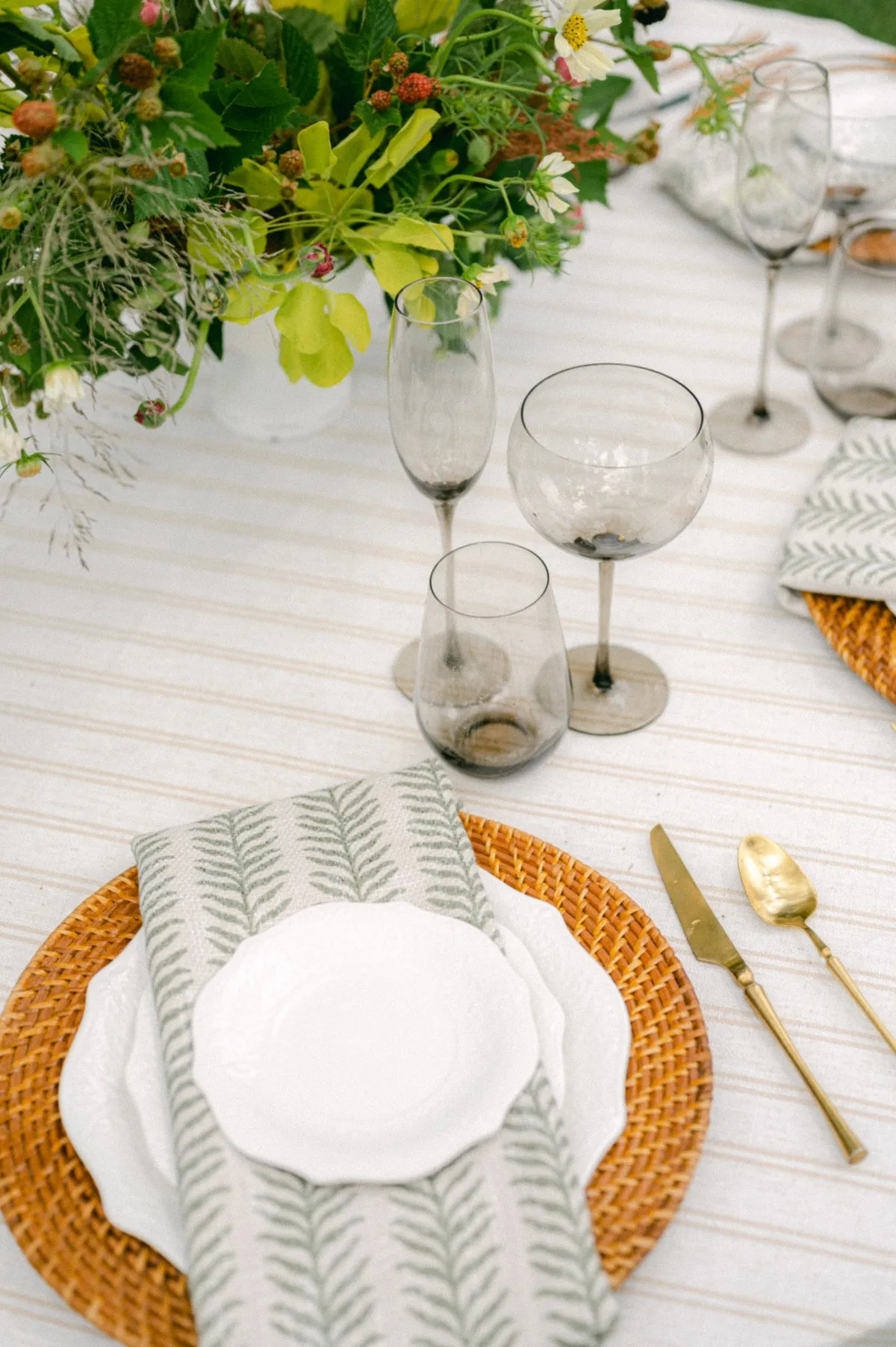
Centerpieces and tableware should complement linen rather than compete with it. Their role is to enhance the composition while maintaining clarity and usability.
Selecting complementary centerpiece styles
Choose centerpieces that align with the scale and tone of the linen. Subtle arrangements work well with detailed fabrics, while simpler linens can support more structured focal pieces.
Maintaining proportion and visibility across the table
Centerpieces should not obstruct sightlines or dominate the table. Their size and placement should allow guests to interact comfortably while maintaining visual balance.
Supporting both aesthetics and service flow
Tableware and décor must function within the service environment. Placement should allow for smooth movement of dishes and staff while preserving the integrity of the design.
Trends Influencing Modern Linen Table Styling
Current trends shape how linens are styled in contemporary events. These influences introduce variation while maintaining a focus on refinement and cohesion.
Current color and fabric directions in event design
Muted tones, layered neutrals, and selective use of deeper accent colors are commonly used. Fabrics with subtle texture or refined finishes continue to define modern tablescapes.
Evolving preferences in texture and finish
There is a growing preference for tactile surfaces that add depth without heavy layering. Soft finishes and natural textures contribute to a more composed and balanced aesthetic.
Applying trends without compromising timeless appeal
Trends should be incorporated selectively. A controlled approach ensures that the tablescape remains relevant while retaining a classic and enduring appearance.
Why Choose Curated Linen Collection for Elegant Events
Curated Linen Collection provides linens designed to support refined event styling. The collection focuses on consistency, material quality, and versatility, allowing designers and planners to execute cohesive tablescapes with precision.
Premium fabric selection for refined styling
Each linen is selected for its texture, drape, and finish. This ensures that fabrics perform well visually across different table settings, from minimal layouts to more detailed compositions.
Consistency in color, texture, and finish
A coordinated range of tones and textures allows for seamless pairing across tablecloths, runners, and napkins. This consistency supports a unified look across multiple tables and event spaces.
Supporting cohesive and elevated table design
The collection is designed to integrate with a variety of event styles. This flexibility allows for controlled styling while maintaining a polished and consistent presentation.
Frequently Asked Questions
What makes linen table settings suitable for elegant events?
Linen offers a refined texture, natural drape, and a structured appearance that supports upscale table design. Its versatility allows it to adapt to different event styles while maintaining a cohesive look.
How do I choose the right linen for different event types?
Select linens based on the event’s formality, setting, and color palette. Structured fabrics and neutral tones suit formal events, while lighter textures and varied colors work for more relaxed settings.
What are common mistakes in styling linen tables?
Common issues include inconsistent color coordination, overcrowding the table with accessories, and improper proportion between linens and décor. Maintaining balance and clarity is essential.
How can I style linen tables for outdoor events?
Choose fabrics that hold their structure and coordinate with the natural surroundings. Lighter tones and controlled layering help maintain a clean and composed look in open environments.
What accessories enhance linen table settings?
Tableware, chargers, and centerpieces should complement the linen in tone and scale. Accessories should support the overall composition rather than dominate it.
Conclusion
Elegant linen table settings rely on alignment between fabric, color, and layout. Each element contributes to a cohesive composition that defines the overall atmosphere of the event.
Careful selection of materials, controlled color palettes, and precise placement ensure that the tablescape feels balanced and intentional. When these elements work together, the result is a refined presentation that enhances both visual appeal and guest experience.
A structured approach to styling allows you to create consistent and elevated table settings across different event types, ensuring a polished and cohesive outcome.