
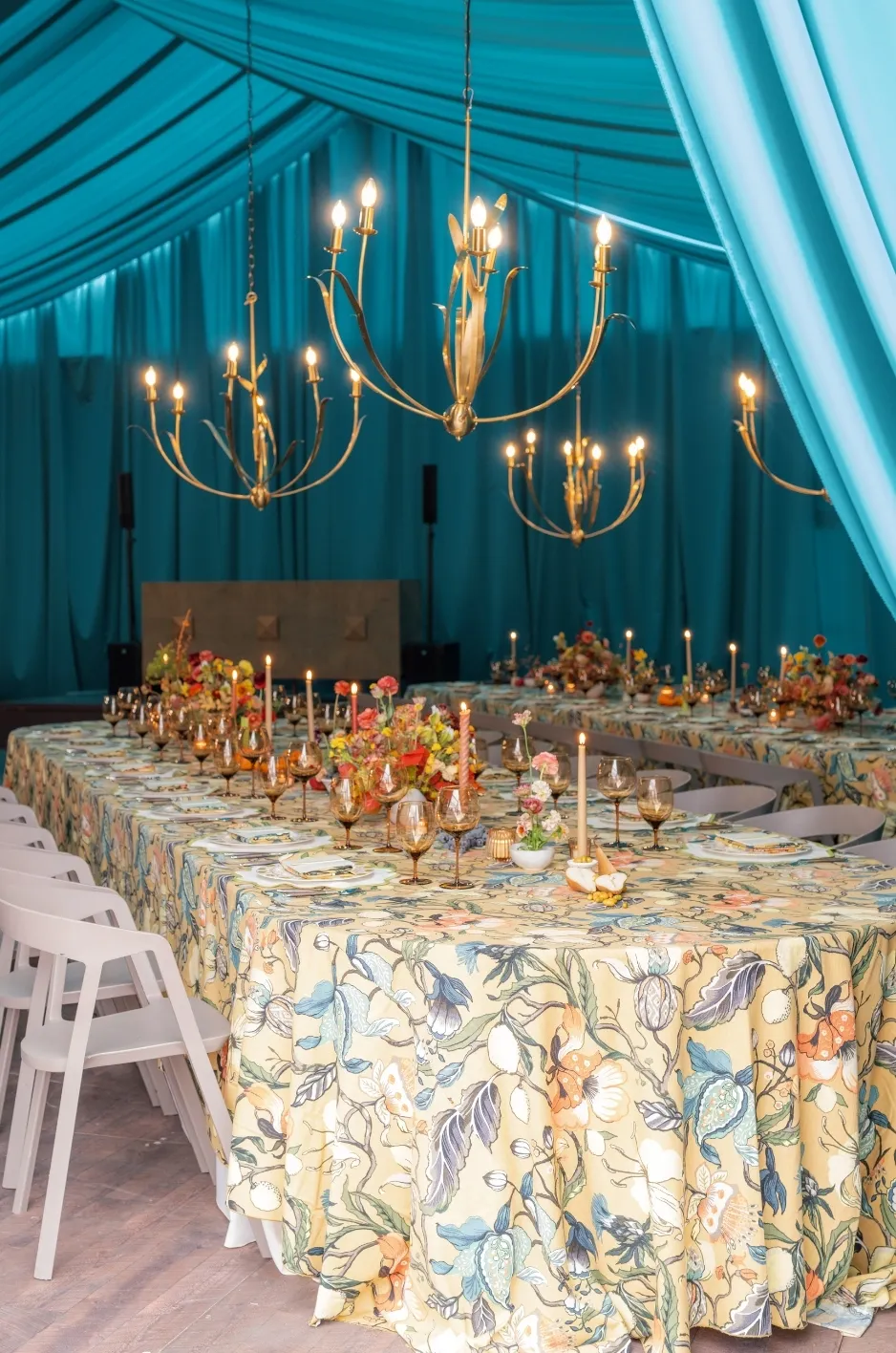
Specialty table overlays can bring pattern, softness, and dimension to an event table, but their effect depends heavily on the linen beneath them. A lace overlay placed over a crisp white foundation will read differently from the same fabric layered over a softer neutral. The size of each piece, the amount of fabric left visible, and the objects placed on the table will also shape the final composition.
For that reason, an overlay and its base linen should be selected as one textile pairing. Looking at the complete combination helps planners and designers decide how clearly the pattern should appear, where the layered treatment belongs, and how it will work alongside place settings, florals, and candlelight. The following guide offers a focused approach to pairing specialty overlays with solid foundations while keeping the finished table refined and practical.
The Layer Beneath Shapes the Overlay’s Final Character
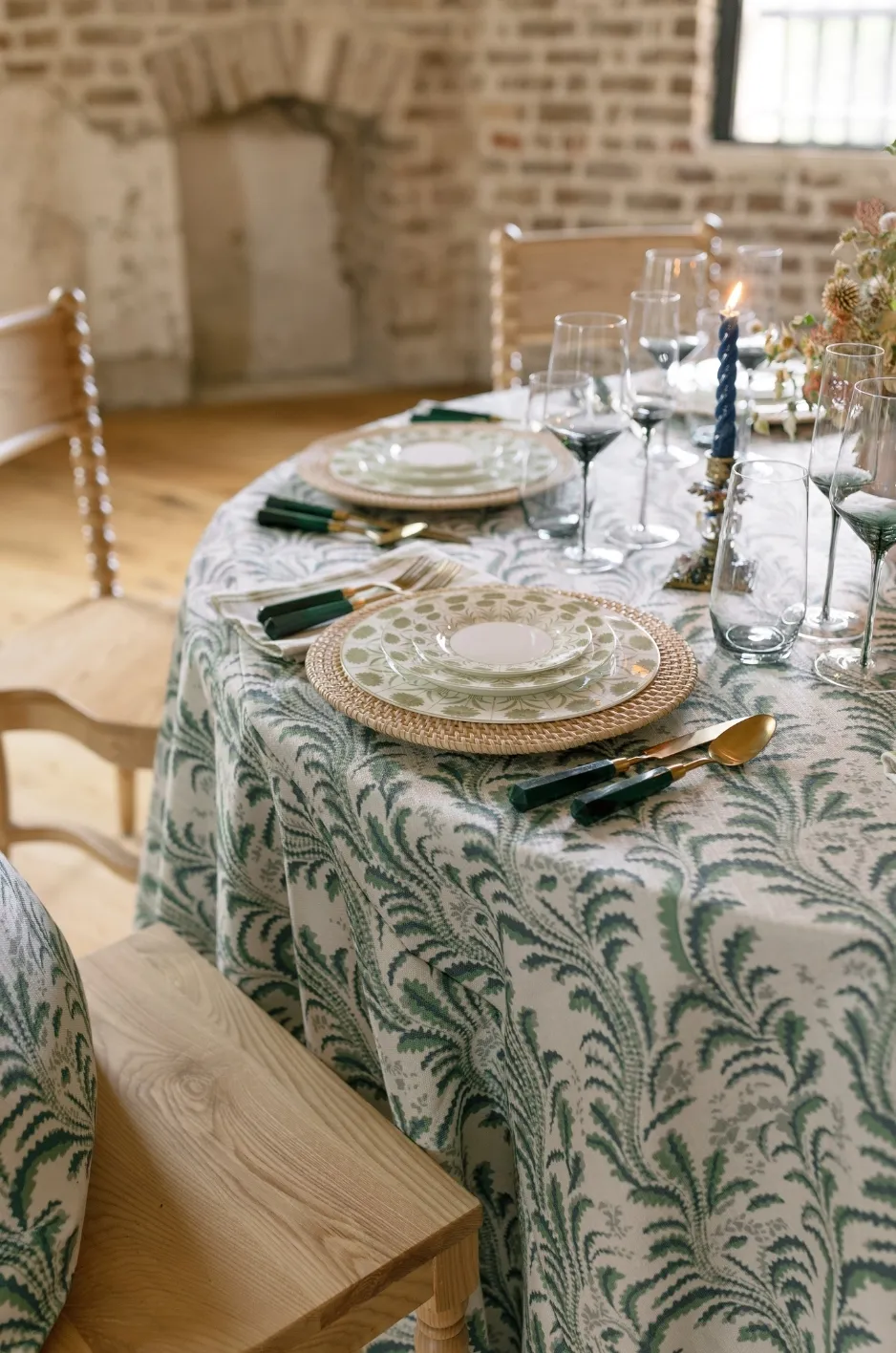
A specialty overlay never appears in isolation. Its openness, motif, dimensions, and finish interact with the linen underneath. Even when the overlay is intended to lead the design, the base contributes visible color and gives the table complete coverage. Choosing both pieces together creates a result that feels deliberate from the tabletop to the floor.
Read Transparency and Pattern Density Together
Begin by studying how much of the foundation can be seen through the overlay. An open lace pattern reveals a larger area of the base linen, making the foundation an active part of the design. A denser motif produces a softer transition because less of the linen below remains exposed. This difference also determines how much additional pattern the tabletop can comfortably hold.
This relationship should be evaluated with the fabrics physically layered. Looking at separate swatches can show individual colors and textures, but it will not reveal how the base changes the definition of the top pattern. Place the overlay over each foundation under consideration, then step back to view the combination from the distance guests will experience it.
Choose Between Tonal Depth and Defined Contrast
A tonal pairing keeps the base and overlay within a closely related color family. This creates gentle dimension, allowing texture and pattern to emerge without a sharp color break. It works well when the table should feel light, restrained, and closely connected to surrounding neutrals.
A controlled contrast gives the overlay greater definition. When the foundation differs slightly from the top layer, the open areas of the pattern become easier to see. Even a subtle shift between two neutrals may be enough to bring a lace motif forward. Compare the complete pairing with the chairs, flooring, tableware, and flowers, since surrounding finishes can change how the two neutrals appear together.
Plan the Drop of Both Layers
The base linen and overlay should not compete at the table’s edge. The foundation usually provides the primary coverage, while the overlay reveals enough of the base to make the layered construction clear. Depending on the available sizes and intended result, the overlay may end higher than the base or create a separate edge treatment above it.
Start with the exact length, width, diameter, and height of the table. Then compare those measurements with the dimensions of both linens. This will show where each edge will fall and how much of the foundation will remain visible. A clean drop gives the layers definition, while an accidental or uneven difference can make the pairing appear unfinished.
The final proportion should respond to the individual surface. A dining table, cake display, and long banquet table each place different demands on the fabric, so one universal drop will not suit every application.
Begin With Pairings Designed to Work Together
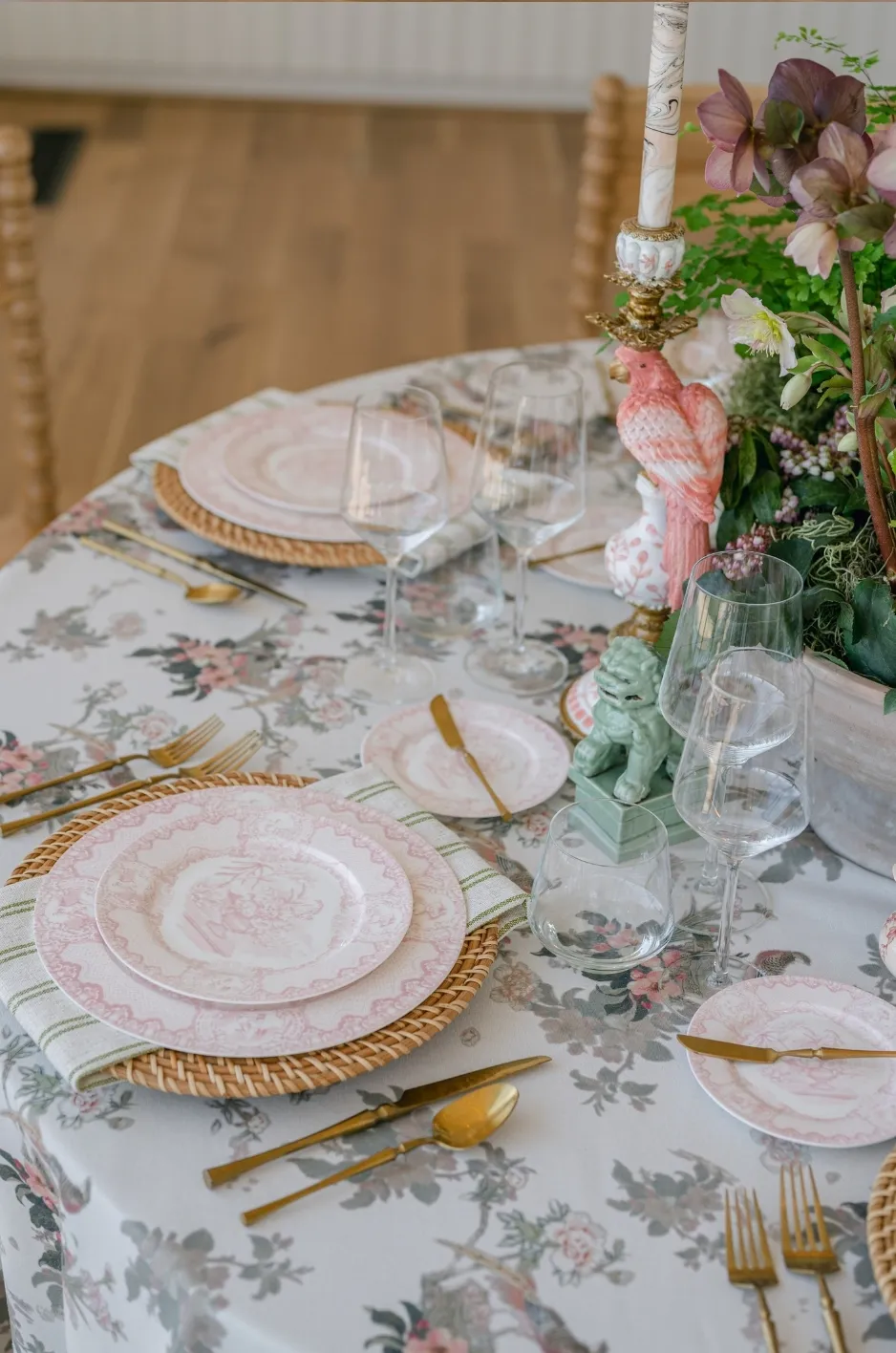
Starting with coordinated products removes some of the uncertainty from linen layering. Curated Linen Collection offers lace overlays alongside solid Tuscany foundations that are intended to complement patterned textiles. These established pairings provide a useful starting point while still allowing planners to choose the format and neutral direction that best support the event.
Floral Lace White With a Solid Tuscany Foundation
Floral Lace White features a delicate floral pattern designed to be layered over a solid linen. It is currently offered in a 90-by-156-inch rectangular format, which makes it particularly relevant for rectangular dining tables and prominent focal surfaces.
Curated Linen Collection recommends pairing it with Snow Tuscany, White Sand Tuscany, or Shell Tuscany. Each option provides a solid neutral foundation, allowing the floral lace to remain the leading pattern.
Rather than choosing a base from its name alone, compare the lace over all suitable candidates. Look at how clearly the floral shapes appear, how the combined neutral relates to the venue, and whether the pairing supports the tableware and floral palette. A small difference in the foundation can influence the overall character of the finished surface.
French Lace White Across Full-Cloth and Runner Formats
French Lace White offers added flexibility because it is currently available for rectangular and round tables as well as in a runner format. The full-cloth options allow lace to extend across the tabletop and down the sides, while the runner introduces the pattern through a narrower area.
The collection recommends the same solid Tuscany foundations beneath French Lace White: Snow, White Sand, and Shell. This makes it possible to carry a related neutral base across several table shapes while changing the amount of lace used on each surface.
A full overlay gives the lace a larger role around the entire table, while a runner creates a concentrated treatment that preserves a broader view of the solid foundation. Both can belong within one event when their placement follows a clear hierarchy.
Select the Format According to the Table
The most suitable overlay format depends on the table rather than a desire to make every surface match. Round dining tables may benefit from a centered full overlay that distributes pattern evenly. Rectangular full overlays can bring distinction to head tables, dining tables, or display surfaces, while a long banquet table may call for a runner that directs the eye through the center without covering the entire foundation.
Before confirming the order, verify the table dimensions and current linen availability. The selected size should support the intended drop, preserve the base linen’s role, and leave the overlay pattern visible after the table is fully set.
Give the Overlay One Clear Job
An overlay works best when it has a defined purpose. It may distinguish an important table, introduce a patterned layer over a solid foundation, or connect selected surfaces through a repeated textile detail. Assigning that role early helps prevent unnecessary additions and keeps the composition focused.
Use Full Coverage for a Statement Surface
A full overlay is appropriate when the fabric should influence the entire table. Because the pattern extends beneath the place settings and across the drape, it becomes one of the surface’s dominant design elements. This approach can give a head table, sweetheart table, or central dining table a clear visual identity.
Full coverage also creates a continuous relationship between the top of the table and the fabric seen from across the room. That wider field of pattern can help a focal surface hold its presence within a large venue. The surrounding tabletop should then support the overlay rather than compete with it.
Use a Runner When Pattern Needs Restraint
A runner concentrates pattern along the center or length of a table. It allows the solid base linen to remain visible around place settings while creating a defined area for centerpieces, candles, or decorative objects.
This treatment is useful when the lace should provide continuity without becoming the largest pattern in the room. Runner placement should follow the table’s architecture: centered placement creates symmetry, while an offset treatment belongs within a deliberately asymmetrical composition. The direction should remain clear enough for the setup team to reproduce consistently.
Avoid Automatic Three-Layer Formulas
A refined table does not require a base cloth, full overlay, and runner at the same time. A solid foundation paired with one specialty overlay may already provide sufficient color, pattern, and depth. Additional layers should be introduced only when they serve a visible purpose.
Before adding another textile, ask what it contributes. If the runner covers the overlay’s strongest details or repeats a function the lace already performs, it may weaken the design. Letting one specialty layer lead often creates a clearer and more confident composition.
Protect the Pattern Within the Finished Tablescape
The linen pairing is only one part of the finished table. Chargers, plates, glassware, napkins, menus, flowers, and candles can conceal the overlay or compete with it. Reviewing these elements together ensures that the specialty fabric remains visible after the tabletop is complete.
Preserve Visible Fabric Around Each Place Setting
Build at least one representative place setting over the selected base and overlay. This mockup will show how much of the pattern remains visible around the charger, plate, flatware, and glassware. It can also reveal whether the overlay feels appropriately scaled for the table.
When place settings are close together, detailed patterns may appear in small fragments rather than as a complete motif. If the lace is meant to have a strong presence, leave enough open surface for guests to recognize its character. Check the table from a seated position as well as from above to confirm that the overlay remains apparent beneath the objects guests will use throughout the meal.
Coordinate the Centerpiece Footprint With the Overlay
Large floral arrangements and grouped candles can cover the central area where an overlay or runner is most visible. Before approving the design, map the approximate footprint of the centerpiece over the fabric. This helps identify which parts of the pattern will remain exposed and whether the arrangement needs greater spacing.
A dense overlay may pair well with a simpler floral silhouette, while an open lace pattern may accommodate more layered florals. Consider the centerpiece from several angles because a layout that reveals the overlay from one end of a banquet table may conceal it from the side. Small adjustments to candles or flowers can preserve the fabric’s presence without changing the centerpiece concept.
Let Napkins and Placemats Support the Leading Textile
Napkins and placemats provide an opportunity to echo the foundation or introduce a controlled supporting detail. When the overlay has an intricate motif, solid or quietly trimmed accessories can bring structure to each place setting without adding another competing pattern.
One approach is to repeat the base linen’s neutral direction in the napkin. Another is to select a small accent that relates to the flowers or tableware while leaving the overlay as the main textile statement. Curated Linen Collection includes napkins, placemats, runners, pillows, and other coordinating formats within its luxury linen collection, allowing these pieces to extend the linen direction without weakening the table’s hierarchy.
Carry the Overlay Treatment Through the Room With Restraint
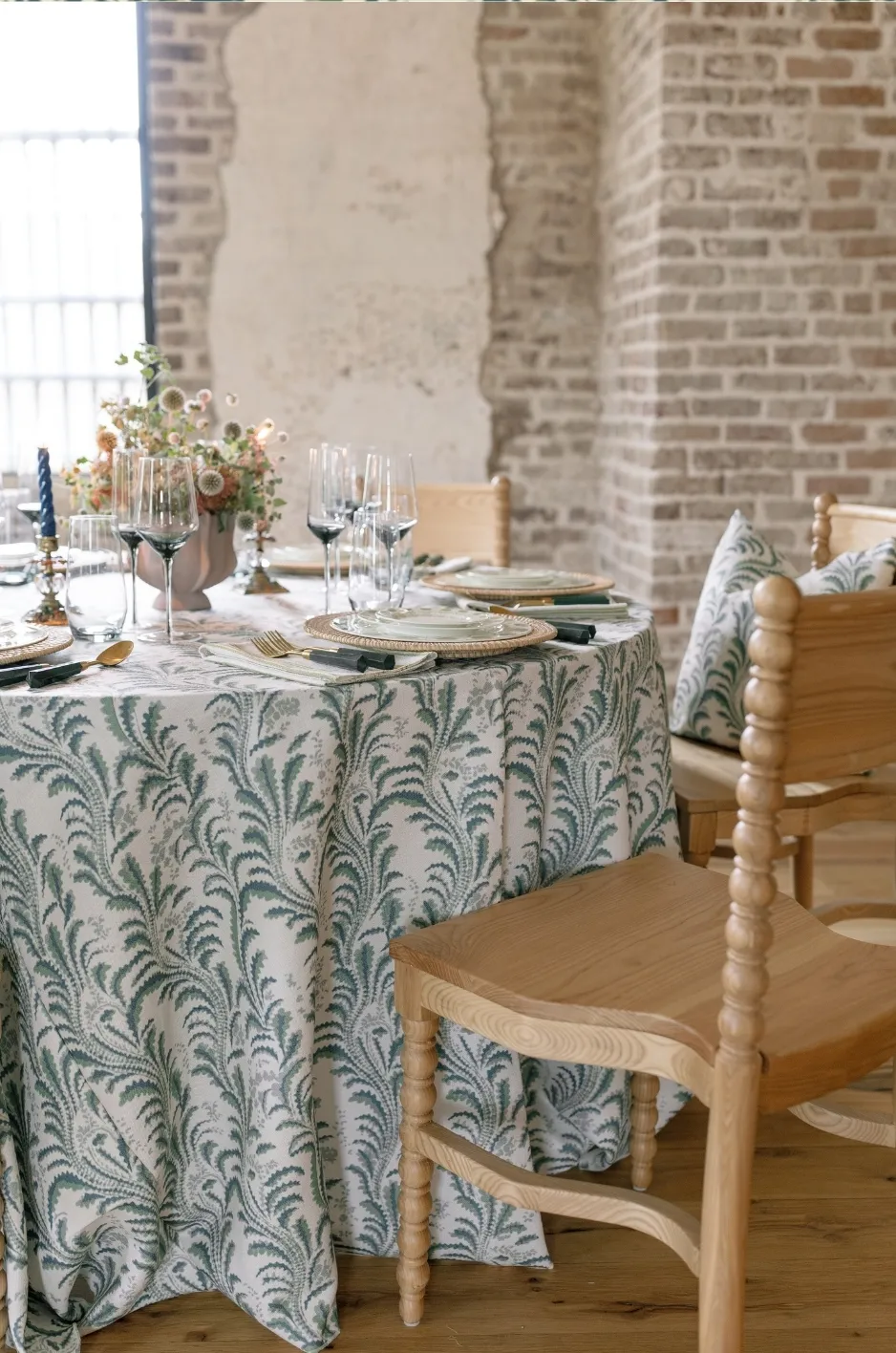
A cohesive event does not require identical linens on every surface. Specialty overlays often have greater impact when they are reserved for selected tables and supported by related solids elsewhere. This creates continuity while allowing important areas to stand apart.
Establish One Primary Overlay Moment
Begin by identifying the surface where the overlay will be most visible and meaningful. This may be a head table, sweetheart table, central dining table, or another prominent setting that guests encounter throughout the event.
Concentrating the fullest lace treatment on one leading surface establishes a visual anchor. It also gives the pattern room to feel distinctive instead of turning it into a repeated background across the entire room.
Repeat the Foundation on Supporting Tables
The solid base linen used beneath the overlay can appear independently on surrounding tables. This creates an immediate connection to the focal treatment because the same foundation remains visible through the lace and across the supporting surfaces.
Repeating the solid also allows place settings, florals, or napkins to vary without separating the tables into unrelated design stories. The room remains coordinated, while the overlay continues to mark the table with the highest visual priority.
Echo One Detail in Smaller Textile Formats
A lace runner or coordinating napkin can carry a quieter reference to the focal overlay. The detail should be limited enough that it reads as continuity rather than duplication.
For example, a full French Lace White treatment might appear on the primary table while the runner format introduces the same pattern on one long supporting surface. Other tables could use the selected Tuscany foundation with restrained napkins or placemats. This approach builds a recognizable textile relationship without making every table identical.
Confirm Every Layer Before Event Day
The final pairing should be tested and documented as a complete tabletop. Clear measurements, a physical mockup, and precise placement notes allow the design to move from the planning stage to setup without losing the intended proportions.
Record the Table and Linen Dimensions
Create a surface-by-surface record that includes the table’s length, width or diameter, height, and quantity. Add the product name and size for the base linen and overlay, along with the intended drop, visible foundation, and pattern orientation.
This information connects each textile to a specific table and makes it easier to catch size differences before the order is finalized. For custom-built or nonstandard tables, use confirmed measurements from the venue, furniture provider, or production team before any custom-sized linen enters production.
Review the Combination Under Relevant Lighting
View the layered fabrics with representative tableware and florals under lighting that resembles the event environment. Natural light may reveal fine details in lace, while evening illumination can soften the distinction between similar neutrals.
If the event will transition from daylight to candlelight, examine the pairing in both conditions to ensure that the overlay retains enough definition. Photograph the mockup from above, from a seated position, and from several feet away so the planning team can compare options and use the approved composition as a setup reference.
Create a Placement Note for the Setup Team
Document whether each overlay should be centered, aligned with a particular table edge, or placed as a runner. Note the intended direction of the pattern and the amount of base linen that should remain visible. When possible, attach an image of the approved mockup to the placement instructions.
Assign linen placement to the planner, venue team, caterer, or designated installation crew before event day. Curated Linen Collection ships linens nationwide, while event-day setup should be coordinated separately with the responsible team. When several treatments appear within one event, a table identifier, linen name, size, orientation, and reference image will help that team reproduce each pairing consistently.
Frequently Asked Questions
What Should Be Placed Under a Lace Table Overlay?
A solid base linen usually provides the clearest foundation for a lace overlay. The solid offers complete table coverage while allowing the open areas of the pattern to remain visible. For Floral Lace White and French Lace White, Curated Linen Collection recommends Snow, White Sand, or Shell Tuscany.
Should the Overlay and Base Linen Be the Same Color?
They do not need to be identical. Closely related colors produce a soft tonal effect, while a subtle difference between the two linens gives the overlay greater definition. Review the physical fabrics together to determine how clearly the pattern should appear.
Does an Overlay Need to Be the Same Size as the Base Linen?
No. The base and overlay can have different dimensions. The foundation should provide the required table coverage, while the overlay size controls how much of the base remains visible and where the top layer ends along the table’s edge.
When Is a Runner Better Than a Full Overlay?
A runner works well when the design needs a narrower patterned accent, a defined line through the center of a long table, or a greater view of the solid foundation. A full overlay is better suited to a surface where the specialty fabric should have a larger visual role.
Can a Patterned Overlay Be Placed Over a Patterned Base?
It can, but the relationship requires careful editing. One pattern should remain dominant, and the scales and colors need enough distinction to prevent visual confusion. For the featured lace overlays, a solid Tuscany foundation is the collection-recommended pairing and provides a more controlled result.
Can Specialty Overlays Be Custom-Sized or Custom-Designed?
Yes. Curated Linen Collection offers custom sizing and bespoke design services for projects that require a nonstandard dimension, original pattern, or specific textile direction. Its capabilities include pattern ideation, color selection, fabric printing, cutting, sewing, and finishing. Because custom projects require additional planning and production time, begin the consultation well before the event.
Begin With the Pairing, Not the Individual Linen
A specialty overlay reaches its full potential when the foundation, format, and finished tabletop are considered together. The base determines how the pattern reads, the overlay format controls how widely it appears, and the objects above it influence how much of the textile guests will actually see.
Start with an established pairing, compare the layers in person, and assign the overlay a clear role within the event. Then test the complete table and document the placement carefully. Curated Linen Collection’s lace overlays, coordinating solid foundations, and custom linen capabilities make it possible to create layered tables that feel distinctive, balanced, and thoughtfully resolved.