
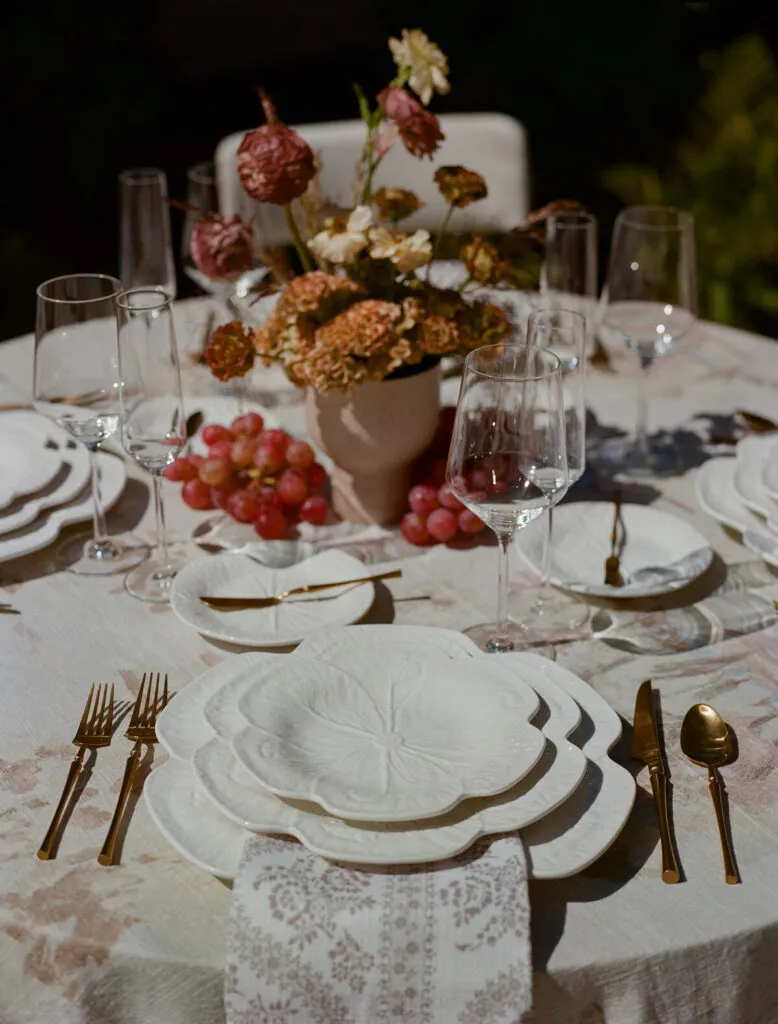
Minimalist and maximalist linen styling define two distinct approaches to table design. Each shapes how a table is perceived through the use of color, texture, and composition. The choice between them determines whether the setting feels restrained and structured or layered and expressive.
Minimalist styling relies on clarity, controlled palettes, and precise placement to create a refined result. Maximalist styling builds visual richness through layered fabrics, varied textures, and bold combinations. Both approaches achieve a sense of luxury when executed with balance and intention.
This guide outlines how each style functions, how they differ, and how to select the right approach based on your event’s atmosphere and design direction.
Minimalist vs Maximalist Linen Styling at a Glance
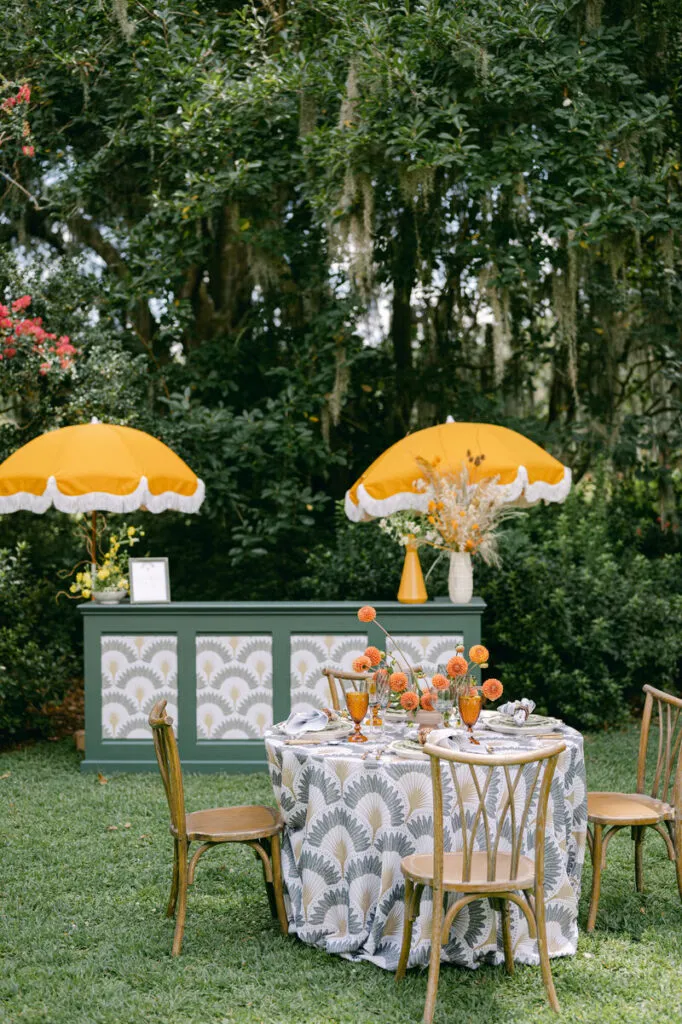
Minimalist and maximalist linen styling represent two distinct design approaches that shape the overall tablescape. Each approach relies on different principles of composition, influencing how color, texture, and detail are applied across the table.
Defining minimalist table aesthetics
Minimalist styling focuses on clarity and restraint. It uses a limited color palette, refined fabrics, and precise placement to create a clean and balanced composition. Each element is intentional, with emphasis on proportion, spacing, and visual order.
Defining maximalist table aesthetics
Maximalist styling embraces layering and visual richness. It combines multiple textures, colors, and decorative elements to create a more expressive and detailed composition. The design builds through contrast and variation while maintaining overall cohesion.
How each approach communicates a distinct design narrative
Minimalist tables communicate calm, structure, and refinement through simplicity. Maximalist tables convey energy and personality through layered detail. Both approaches rely on intentional design decisions to achieve a cohesive and elevated result.
Key Differences in Visual Composition and Atmosphere
The distinction between minimalist and maximalist styling becomes clear in how each approach handles composition, spacing, and visual density. These differences directly influence the atmosphere of the event.
Simplicity, spacing, and restraint in minimalist settings
Minimalist tables rely on controlled spacing and limited elements. Negative space is used deliberately to create clarity and focus. This approach results in a calm and structured atmosphere where each detail is easily perceived.
Layering, density, and visual richness in maximalist tables
Maximalist tables feature multiple layers and a higher density of elements. Textures, patterns, and colors are combined to create depth and movement. The composition feels dynamic, with visual interest distributed across the table.
Choosing based on desired mood and guest perception
Minimalist styling supports environments that prioritize elegance and composure. Maximalist styling suits settings that aim for impact and visual engagement. The choice should align with how the event is intended to be experienced.
Linen Fabric Characteristics That Define Each Style
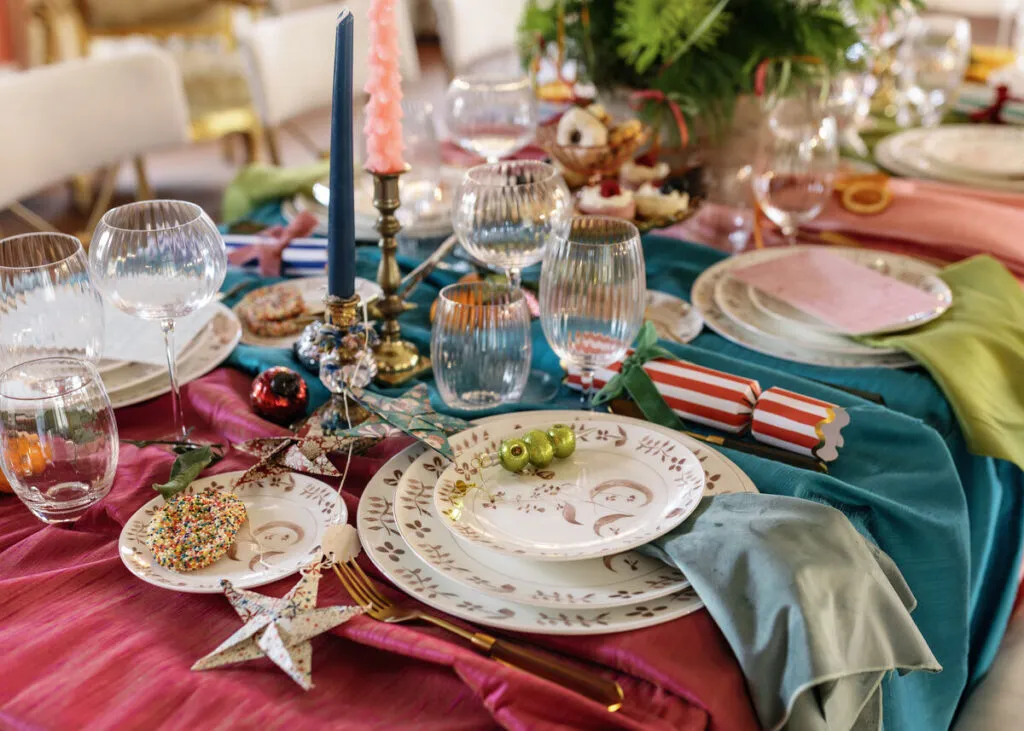
Fabric selection plays a central role in reinforcing either a minimalist or maximalist aesthetic. The qualities of the linen determine how the table reads visually and how layers interact within the composition.
Refined weaves and smooth finishes for minimalist tables
Minimalist styling favors linens with smooth surfaces and subtle finishes. Fine weaves and consistent textures create a clean foundation that supports a controlled and balanced design. These fabrics enhance clarity and maintain a refined appearance.
Textured, patterned, and layered fabrics for maximalist designs
Maximalist styling incorporates linens with more pronounced texture and detail. Slub weaves, embroidered surfaces, and patterned fabrics introduce variation and depth. These materials contribute to a layered composition that feels visually rich.
The role of drape and finish in shaping each aesthetic
Drape influences how linen falls across the table and interacts with light. Structured drape supports minimalist compositions by maintaining clean lines, while softer or more varied drape enhances maximalist layering. The finish, whether matte or slightly reflective, further defines how each style is perceived.
Selecting Linen Styles Based on Event Theme
Linen styling should align with the overall theme and direction of the event. The chosen approach, whether minimalist or maximalist, needs to support the broader design language and ensure consistency across all elements.
Aligning linen styling with modern, classic, or statement themes
Modern themes often favor minimalist linens with clean lines and controlled palettes. Classic settings can accommodate either approach depending on the level of formality. Statement-driven themes benefit from maximalist layering that introduces visual impact and depth.
Translating event narratives into linen choices
Every event carries a visual narrative. Linen supports this by reinforcing tone through color, texture, and composition. A restrained palette communicates refinement, while layered combinations express richness and personality.
Creating cohesion across decor, florals, and tableware
Linen acts as a unifying base that connects all design elements. Consistency in tone and texture ensures that florals, tableware, and decorative accents integrate seamlessly into the overall composition.
Color Palettes for Minimalist and Maximalist Table Styling
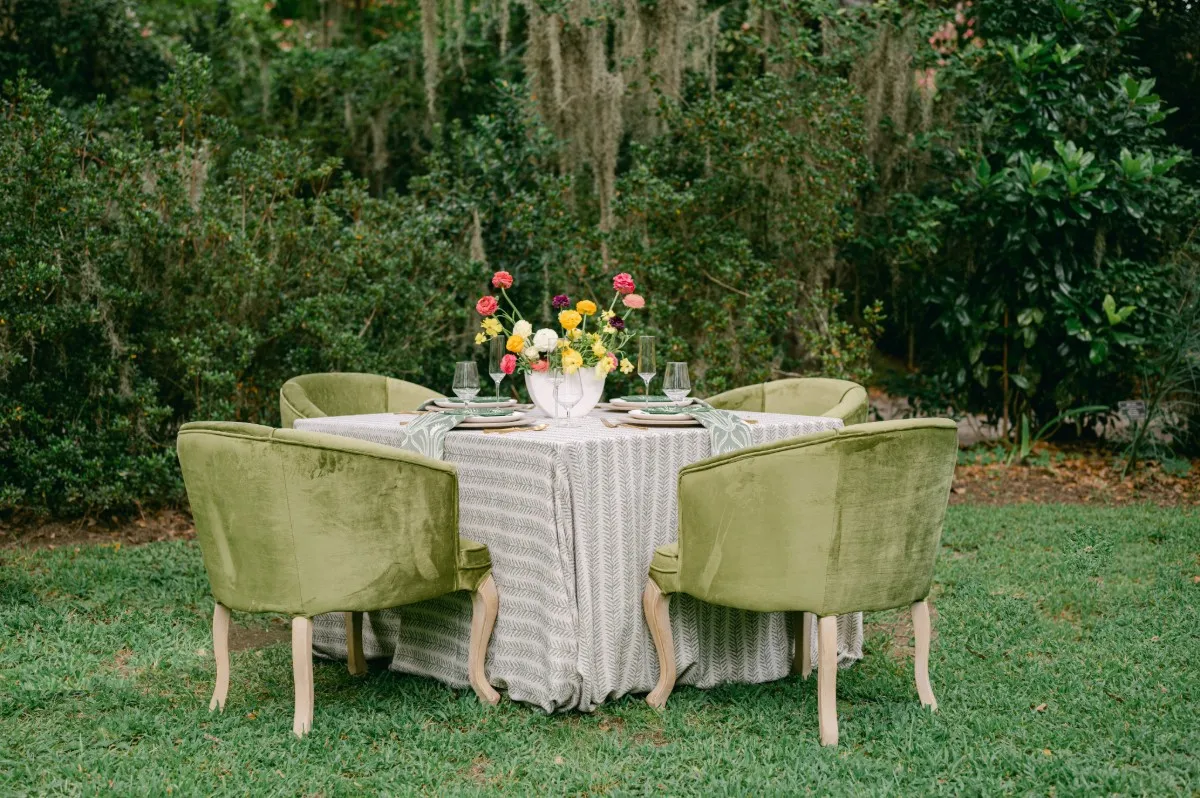
Color selection plays a central role in distinguishing minimalist and maximalist tables. Each approach uses color differently to achieve its intended visual effect.
Neutral and tonal palettes for minimalist elegance
Minimalist tables rely on a controlled palette of neutrals and soft tones. Subtle variation within a single color family creates depth while maintaining a calm and cohesive appearance.
Bold, layered palettes for maximalist impact
Maximalist styling introduces multiple colors to build visual richness. Strong contrasts and varied tones create movement across the table, allowing each layer to contribute to a dynamic composition.
Using contrast and harmony to guide visual balance
Both approaches require balance. Minimalist palettes rely on harmony and restraint, while maximalist palettes depend on controlled contrast. In each case, color should guide the eye without disrupting cohesion.
Pattern and Texture Strategies Across Both Styles
Pattern and texture determine how much visual information is present in a tablescape. Their use must align with the chosen styling direction to maintain clarity and balance.
Subtle detailing and tonal variation in minimalist settings
Minimalist tables incorporate minimal pattern, often relying on fine textures or tonal stitching for interest. These details remain understated, supporting the overall sense of refinement.
Mixing patterns and textures with hierarchy in maximalist design
Maximalist tables combine multiple textures and patterns, but with a defined hierarchy. One dominant element leads the composition, while supporting patterns add variation without competing for attention.
Maintaining clarity while introducing visual complexity
Even in layered designs, clarity remains essential. Controlled use of pattern and texture ensures that the table feels structured rather than overwhelming, allowing each element to contribute to a cohesive result.
Styling a Refined Minimalist Linen Table
Minimalist table styling relies on precision and control. Each element is carefully selected and placed to create a clean, balanced composition where nothing feels excessive or out of place.
Prioritizing proportion, spacing, and alignment
Proportion determines how each element relates to the table. Consistent spacing between place settings and aligned edges create order. This structure allows the table to feel composed and visually calm.
Using limited elements to create impact
A minimalist table includes only essential components. A single linen, coordinated napkins, and a restrained centerpiece create focus. The absence of excess allows each detail to stand with clarity.
Enhancing elegance through restraint
Restraint defines the overall aesthetic. Neutral tones, smooth textures, and clean lines reinforce a refined presentation. The result is a table that feels intentional and balanced without relying on additional layers.
Designing a Luxurious Maximalist Tablescape
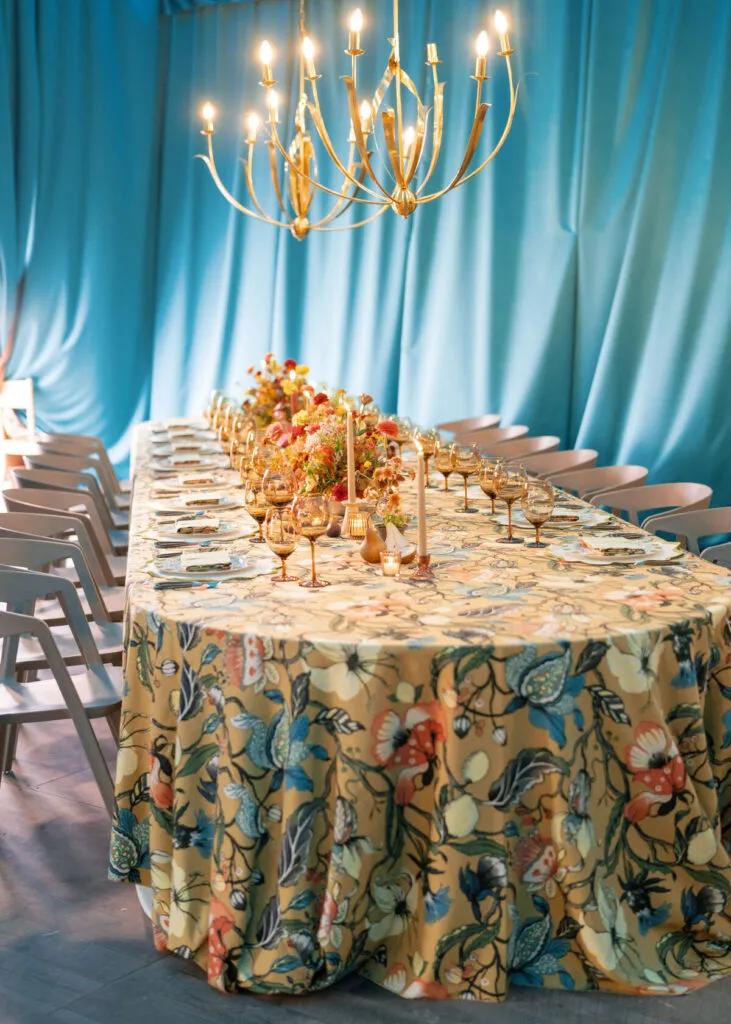
Maximalist styling builds visual richness through layering and variation. The goal is to create depth and interest while maintaining a cohesive structure across all elements.
Layering linens for depth and visual storytelling
Multiple linen layers introduce dimension. Base cloths, overlays, and runners work together to create a sense of progression across the table. Each layer contributes to the overall narrative of the design.
Combining accessories, textures, and focal elements
Maximalist tables incorporate varied materials and decorative elements. Textured linens, detailed napkins, and statement centerpieces add complexity. These elements should be arranged to create focal points without disrupting balance.
Balancing abundance with structure
Despite the number of elements, structure remains essential. Repetition of color, consistent placement, and controlled layering ensure that the table feels organized rather than cluttered.
Choosing Between Minimalist and Maximalist Styling
The decision between minimalist and maximalist styling depends on the event’s tone, setting, and desired guest experience. Each approach offers a distinct way to shape the atmosphere.
Matching styling approach to event type and formality
Formal and structured events often align with minimalist styling, while expressive and celebratory settings suit maximalist designs. The level of detail should reflect the event’s purpose.
Aligning linen choices with guest experience goals
Minimalist tables create a calm and focused environment. Maximalist tables encourage visual engagement and interaction. The choice should support how guests are expected to experience the space.
Adapting styling based on venue scale and setting
Larger venues can accommodate more layered, detailed tables, while smaller spaces benefit from controlled and simplified compositions. The setting should guide how much visual complexity is introduced.
Blending Minimalist and Maximalist Elements
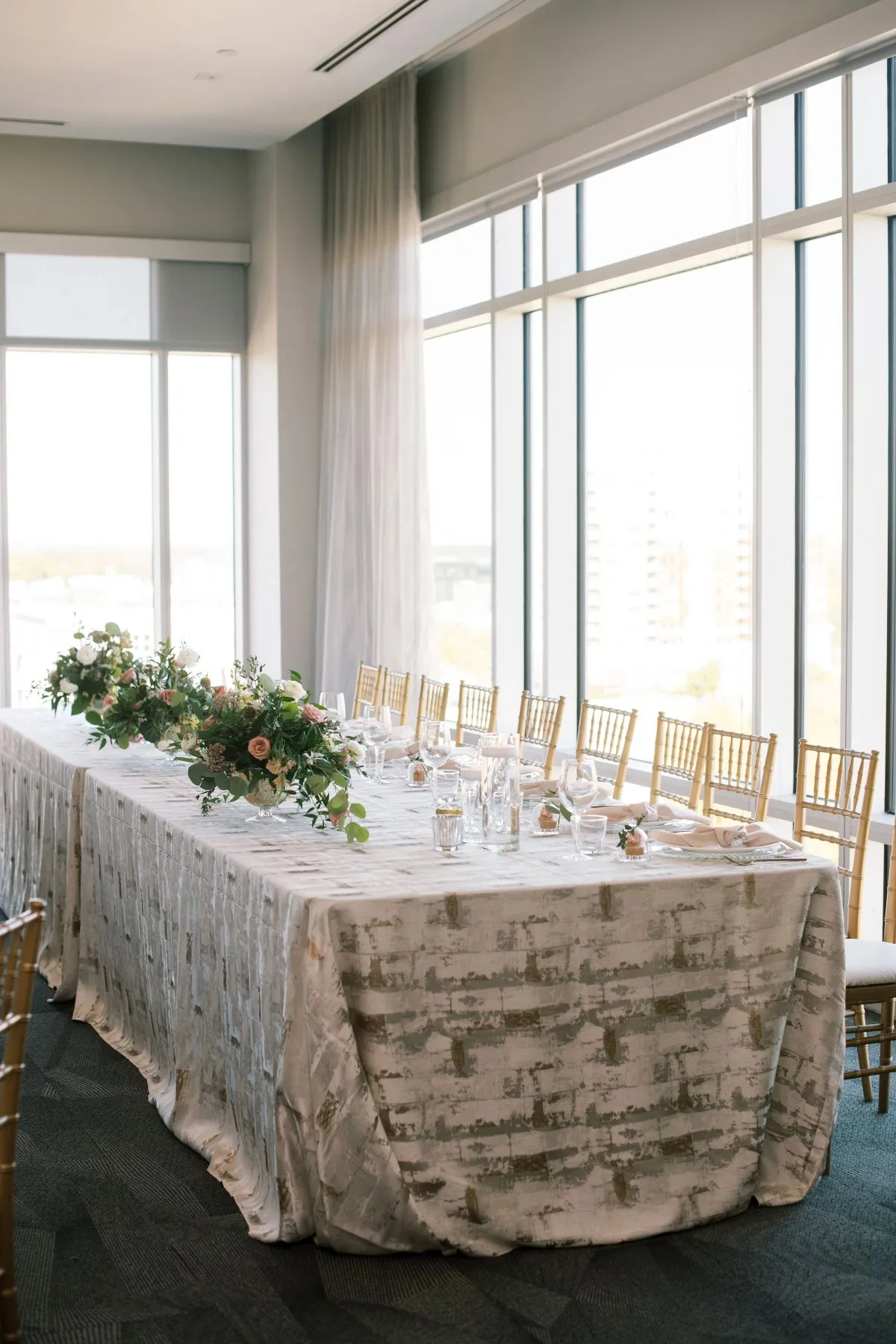
A balanced approach combines the clarity of minimalism with the depth of maximalism. This method allows for visual interest while maintaining structure, resulting in a tablescape that feels both refined and expressive.
Using a restrained base with layered accents
Start with a neutral, minimal foundation such as a smooth tablecloth. Introduce selective layers through runners, napkins, or subtle textures. This approach keeps the design grounded while allowing for controlled variation.
Introducing contrast without losing cohesion
Contrast can be added through a single bold element, such as a textured runner or a distinct color accent. Limiting the number of contrasting features ensures that the table remains cohesive.
Creating balanced, hybrid tablescapes
A hybrid design relies on proportion and repetition. Minimalist elements provide structure, while maximalist accents add character. The result is a composition that feels intentional without appearing overly complex.
How Designers Approach Linen Styling Decisions
Designers evaluate multiple factors before finalizing a linen styling approach. The goal is to ensure that every element contributes to a cohesive and well-balanced composition.
Evaluating composition, proportion, and visual flow
The table is assessed as a complete composition. Designers consider how elements interact, ensuring that the eye moves naturally across the setting. Proportion and spacing are adjusted to maintain clarity.
Editing or enhancing elements for clarity
Refinement often involves removing or simplifying elements that disrupt balance. In some cases, additional layers or accents are introduced to strengthen the composition. Each adjustment is made with precision.
Achieving a cohesive final presentation
Final styling focuses on alignment, consistency, and detail. Edges are adjusted, layers are refined, and spacing is standardized. This process ensures that the tablescape feels polished and complete.
Why Designers Choose Curated Linen Collection
Curated Linen Collection offers linens that support both minimalist and maximalist styling approaches. Each piece is selected to integrate seamlessly into a variety of table designs while maintaining a consistent standard of quality.
A refined selection for both minimalist and maximalist styling
The collection includes linens suited for clean, structured tables as well as layered, detailed compositions. This range allows designers to adapt to different styling directions without compromising cohesion.
Designed for versatility across styling approaches
Each linen is developed with attention to drape, texture, and finish. This ensures compatibility across multiple layers and styling methods, supporting both restrained and expressive designs.
Supporting cohesive and elevated table design
Coordinated colors and textures allow designers to build tablescapes that feel intentional. This consistency supports a refined presentation across different event types and settings.
Frequently Asked Questions
What is the main difference between minimalist and maximalist table styling?
Minimalist styling focuses on simplicity, controlled palettes, and precise placement. Maximalist styling builds depth through layering, varied textures, and multiple visual elements. Each approach creates a distinct atmosphere through composition.
Which style works best for formal events?
Minimalist styling often aligns with formal events due to its structured and refined appearance. Maximalist styling can also be used in formal settings when executed with balance and controlled layering.
Can minimalist and maximalist elements be combined effectively?
Yes, combining both approaches creates a balanced composition. A restrained base with selective layered accents allows for visual interest while maintaining clarity.
How do you avoid clutter in maximalist table styling?
Clarity comes from hierarchy and repetition. Limiting focal points and maintaining a consistent palette ensures that the design feels structured rather than overwhelming.
What linens work best for a minimalist tablescape?
Smooth, high-quality linens in neutral or tonal palettes work best. Subtle textures and refined finishes support a clean and cohesive presentation.
Conclusion
Minimalist and maximalist linen styling offer two distinct ways to shape a table setting. Each approach defines the atmosphere through its use of color, texture, and composition.
Minimalist styling creates clarity and structure through restraint, while maximalist styling introduces depth and visual richness through layering. The choice depends on the event’s tone, setting, and desired guest experience.
A well-executed tablescape relies on balance and intention. Whether the approach is minimal or layered, thoughtful linen selection ensures a cohesive and refined result.