A luxury linen rental quote should provide more than a total price. It should define the products being reserved, the dimensions and quantities required, any custom work involved, the shipping arrangement, payment deadlines, and the responsibilities that continue after the event.
For planners and clients, understanding these components makes it easier to compare proposals accurately and direct the linen budget toward the surfaces that will have the greatest visual impact. Two quotes may appear similar at first glance, yet differ substantially in tablecloth sizes, textile construction, custom-design work, shipping assumptions, or return terms.
Curated Linen Collection specializes in premium tabletop linens and textile accessories for weddings, corporate celebrations, galas, and other design-led events. Standard rental pieces can be selected from the existing collection, while clients seeking custom sizing, original prints, or bespoke textiles can work with the design team on a more individualized proposal.
The following guide explains how to read a luxury linen rental quote and determine what is, and is not, included before approving the order.
Begin With the Linen Schedule, Not a General Budget Estimate
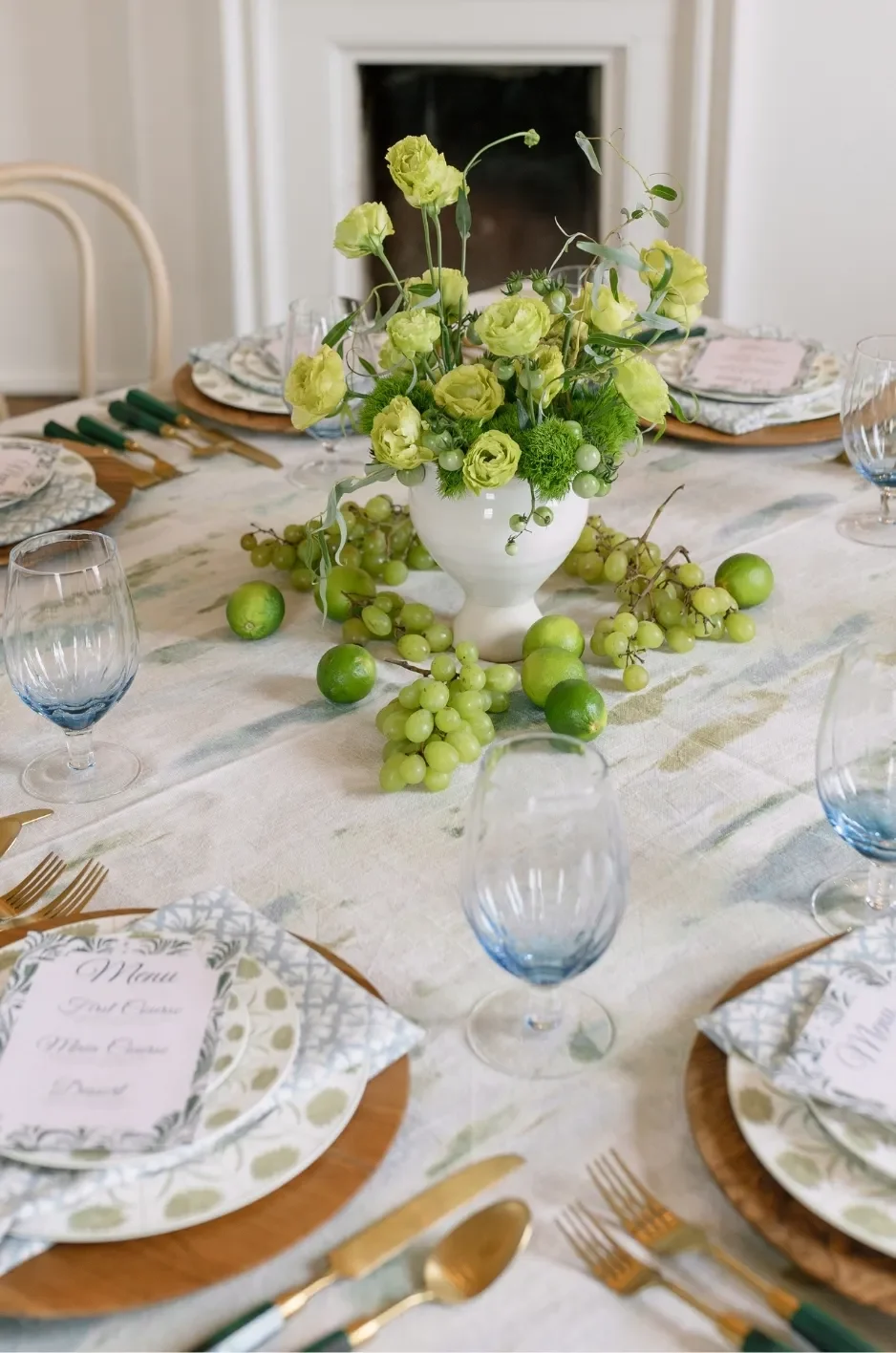
A dependable quote begins with a complete linen schedule. A guest count alone is not enough to determine the cost because two events with the same attendance may use very different table layouts and textile combinations.
One reception may place every guest at standard round tables with a single tablecloth and napkin. Another may use long banquet tables, patterned focal linens, cocktail tables, a covered bar, a cake display, specialty overlays, and textile accents throughout a lounge. The second event will require a significantly different product mix, even if the guest count is identical.
Record Every Table and Textile-Bearing Surface
Before requesting a quote, list every surface that may require a linen or textile accent. This prevents secondary areas from being overlooked and added to the order later.
The schedule may include:
- Guest dining tables
- Head or sweetheart tables
- Cocktail tables
- Bars
- Cake and dessert tables
- Welcome and guest-book tables
- Escort-card displays
- Visible service or presentation tables
- Lounge pillows or related textile accents
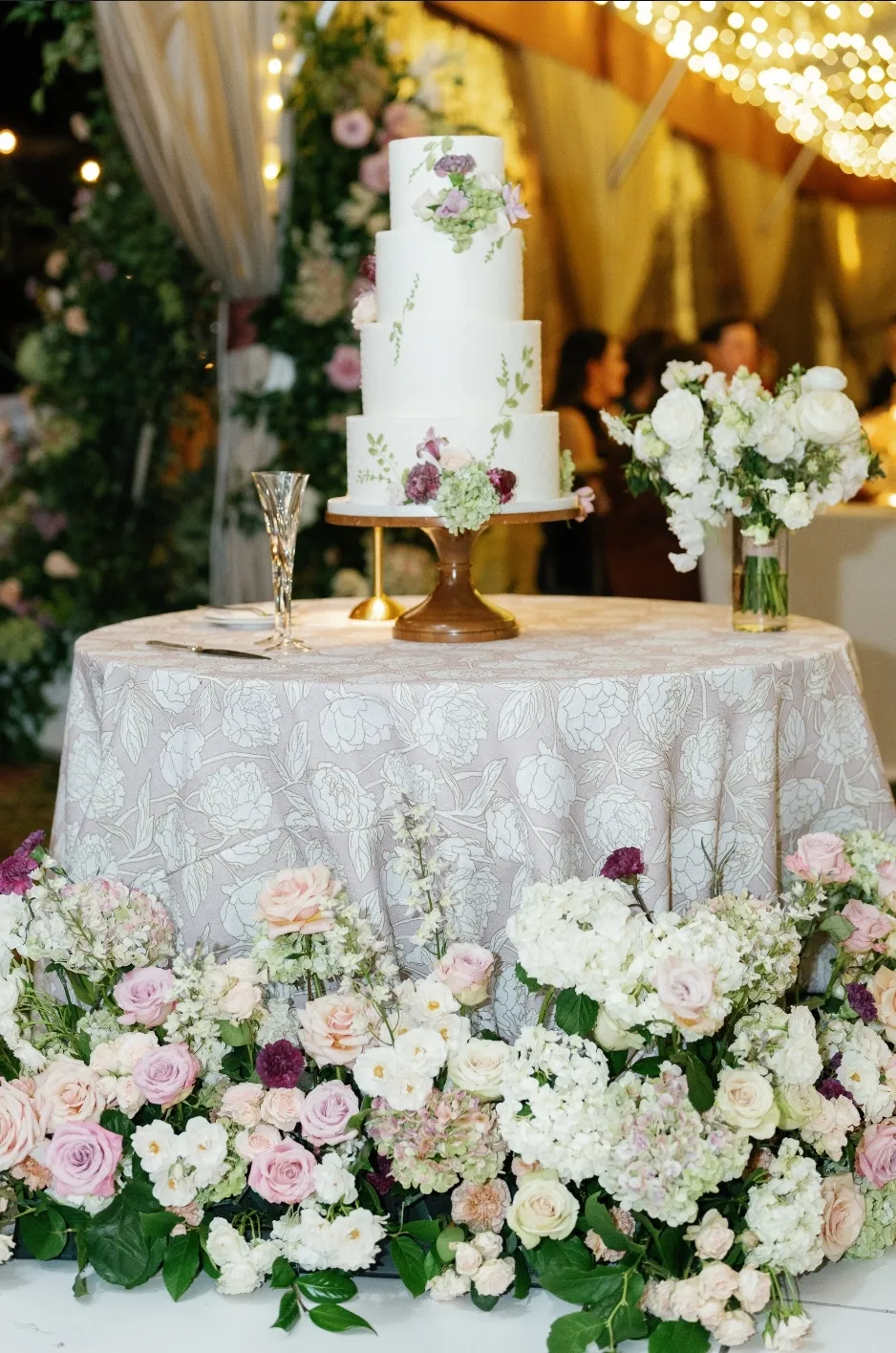
Each surface should have a defined purpose. A welcome table may need a restrained solid, while the head table may justify a stronger pattern or specialty finish. Mapping these areas early allows the quote to reflect the complete event rather than only the main dining tables.
Confirm the Exact Table Dimensions
Tablecloth pricing and availability depend on the size and shape of the table. Measurements should be confirmed with the venue, caterer, or furniture rental company rather than estimated from photographs or general descriptions.
The schedule should specify whether each table is:
- Round
- Rectangular
- Square
- Cocktail height
- A specialty shape
- A custom-built table or counter
For rectangular and square tables, record the length, width, and height. For round tables, confirm the diameter and height. Bars, display counters, and unusual furniture may require additional measurements or a custom-size treatment.
Even small dimensional differences can affect how a linen hangs and whether a standard rental size will produce the desired result.
Specify the Desired Linen Drop
The linen drop is the distance the fabric extends from the tabletop toward the floor. It affects both the appearance of the table and the size of cloth required.
Common treatments include:
- Short or partial drops
- Lap-length linens
- Near-floor-length linens
- Full floor-length linens
- Deliberately pooled or oversized treatments
A floor-length cloth generally requires more fabric than a partial drop, while a pooled treatment may need a custom or oversized size. The quote should therefore reflect not only the table dimensions but also the intended finished appearance.
Separate the Core Rental Products From Decorative Additions
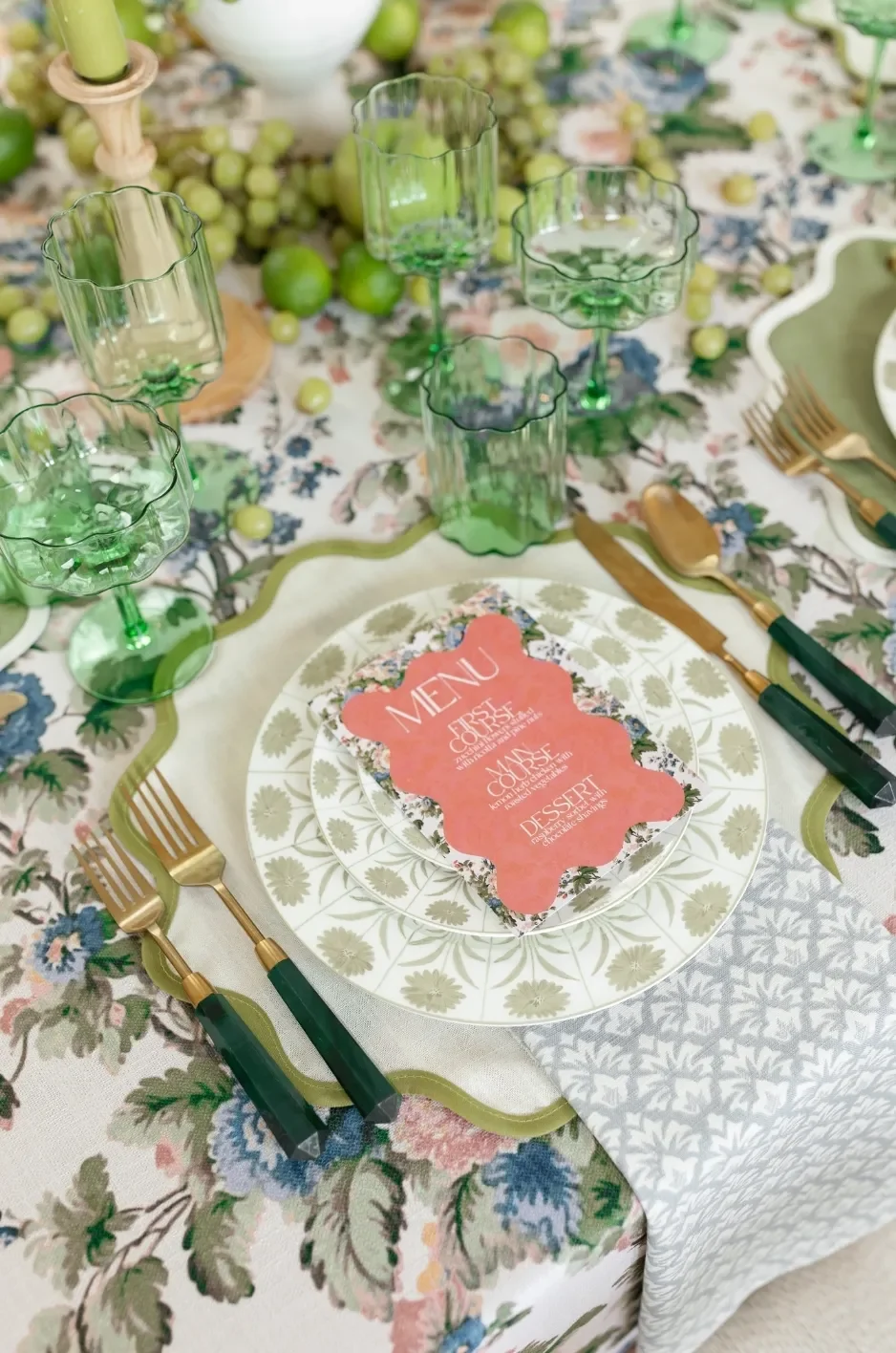
A luxury linen proposal is easier to evaluate when essential products are separated from optional decorative layers. The primary tablecloth requirement should be clear before napkins, runners, placemats, overlays, pillows, or other textile accents are added.
This distinction helps planners identify the baseline cost of covering the event and determine which enhancements provide enough visual value to justify their inclusion.
Identify the Primary Tablecloth Requirement
Each line item for a primary tablecloth should identify:
- The linen name or collection
- The selected color or pattern
- The tablecloth size
- The required quantity
- The intended table type
- The rental rate per piece
This information allows the planner to verify that the correct product is being reserved for the correct surface.
A quote that simply lists “20 tablecloths” without specifying sizes, collections, or applications is difficult to review. Twenty linens intended for cocktail tables are not equivalent to 20 full-length cloths for large banquet tables.
Add Napkins, Runners, and Overlays Deliberately
Supplementary textiles can refine a tablescape, but each addition should have a clear function. Layers should not be included simply because they are associated with luxury events.
Napkin quantities should be based on the confirmed place settings, with any required extras identified separately. Runners may be used on exposed wood tables, layered over full tablecloths, or placed on bars and display surfaces. Specialty overlays can add pattern, texture, or dimension to selected areas.
The quote should clarify:
- The quantity of napkins
- Whether additional service napkins are included
- The dimensions and number of runners
- The size and placement of overlays
- Which pieces are repeated across the room
- Which pieces are reserved for focal areas
A restrained design with one well-chosen layer may be more effective than a table crowded with competing textiles.
Distinguish Repeated Linens From Focal Pieces
Not every table needs to receive the same level of investment. A quote may combine repeated foundational linens with specialty textiles used selectively.
Possible approaches include:
- One linen repeated across all guest tables
- Alternating patterned and solid linens
- A premium textile used only on the head table
- A custom cloth reserved for the bar or cake display
- Coordinating napkins that connect otherwise different table linens
Separating repeated products from focal pieces gives planners a practical way to adjust the quote. Rather than replacing every premium linen with a lower-cost option, they can preserve the most visible moments and simplify less prominent areas.
Understand What Moves a Linen Into a Higher Price Range
Luxury linen pricing is not based on fabric names alone. Construction, finish, pattern complexity, dimensions, availability, and preparation requirements may all affect the rental rate.
A simple classification such as “basic,” “premium,” or “custom” rarely explains what the client is actually paying for. A more useful approach is to examine the specific characteristics of the textile.
Consider the Textile’s Construction and Finish
Different surfaces require different production methods and handling. A smooth solid cloth does not have the same construction as a woven pattern, velvet, embroidered textile, specialty overlay, or fabric with a metallic finish.
Price differences may reflect characteristics such as:
- Woven texture
- Velvet or plush surfaces
- Printed patterns
- Embroidery
- Lace or openwork
- Metallic or reflective finishes
- Specialty overlays
- Custom fabric blends
The most expensive option is not automatically the most appropriate one. A highly reflective linen may compete with elaborate place settings, while a quieter woven cloth may provide the depth and refinement the design requires. Read more in How to Choose Colors and Textures for Linen Table Settings.
The value of a textile should be considered in relation to its role within the complete event.
Account for Pattern and Production Complexity
Complexity can affect both the visual impact and the price of a linen. Intricate prints, detailed woven designs, applied finishes, framed borders, or directional motifs may involve more specialized production and preparation than a straightforward solid.
A border design may also require careful placement on the table. Directional patterns need to be oriented correctly, and large motifs may need to be reviewed according to the table dimensions.
When comparing pieces, consider whether the higher rate is connected to:
- A complex woven construction
- Detailed printing
- Specialty finishing
- A limited or distinctive pattern
- An engineered border
- Unusual dimensions
- A directional design
These features should support the event concept rather than being selected only because they appear more elaborate.
Review Size-Based Price Differences
The same textile collection may be available in several formats and dimensions. A napkin, runner, cocktail-table cloth, and large floor-length tablecloth use different amounts of material and require different preparation.
For this reason, online product pages may display a price range rather than one universal rental rate. The final price depends on the selected product format and dimensions.
When reviewing the quote, confirm that the rate corresponds to the required size. A smaller product from the same collection should not be used as the pricing reference for a significantly larger cloth.
Review Shipping as a Separate Part of the Quote
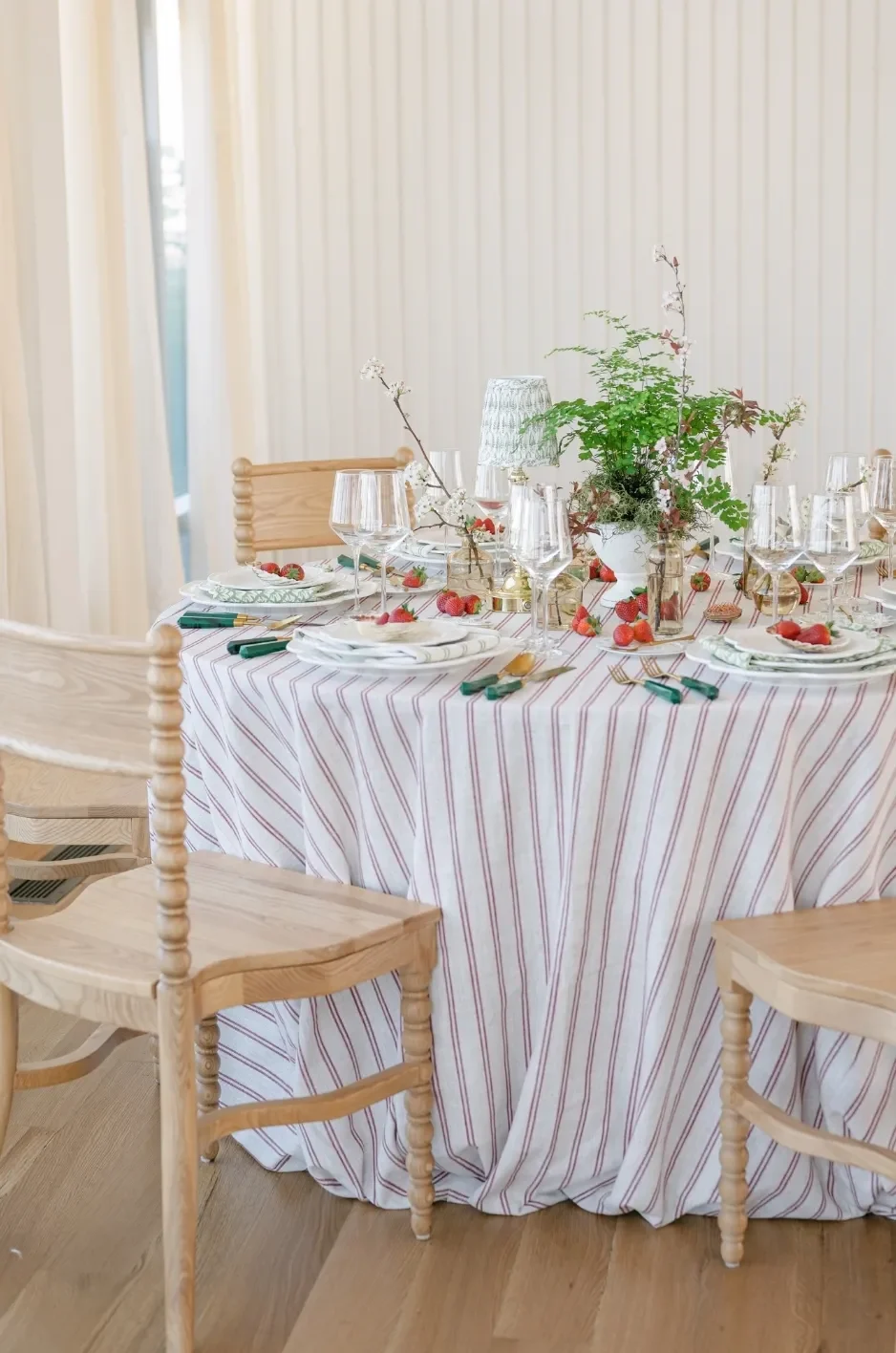
Curated Linen Collection provides nationwide linen rentals through shipping rather than functioning primarily as an on-site installation company. The quote should therefore state how the order will be shipped, when it is expected to arrive, and which shipping-related charges are included. You may also find How to Elevate Your Event Using Premium Linen Rentals helpful.
Shipping is part of the execution plan, not an incidental detail. A carefully selected linen has little value if it arrives at the wrong location or after the venue’s receiving window has closed.
Confirm the Destination and Delivery Window
The delivery information should be established before the order is finalized.
Provide:
- The complete receiving address
- The name of the venue, hotel, planner, warehouse, or private recipient
- The required arrival date
- Receiving hours
- Loading or package restrictions
- A contact name and telephone number
- Any instructions for identifying the event
Some venues will not accept packages more than a certain number of days before an event. Hotels may charge handling or storage fees, while private venues may require a planner or production team member to be present. Read more in Designing a Tactile Linen Hierarchy: A Planner’s Guide to Luxury Event Table Linens.
Confirming these details protects the order from unnecessary delays.
Determine Whether the Quote Includes Shipping
The proposal should specify whether its total includes or excludes:
- Outbound shipping
- Return shipping
- Expedited delivery
- Multiple shipping addresses
- Additional or oversized cartons
- Rerouting or address-change charges
Clients should not assume that every shipping component is included simply because a return label is provided or the order is being shipped as one reservation.
If the event timeline requires expedited transit, that cost should be identified before approval.
Plan for Package Receipt and Storage
One person or team should be responsible for receiving and managing the cartons.
That responsibility may include:
- Monitoring tracking information
- Receiving or signing for the shipment
- Moving the cartons to a secure location
- Checking the order against the packing list
- Inspecting the linens
- Retaining the original packaging
- Reporting discrepancies promptly
Linens should be stored in a clean, dry, secure area before installation. The original cartons and return materials should remain together so they can be used after the event.
Evaluate the Quote According to Design Impact
The lowest proposal is not necessarily the strongest value. A well-structured quote should provide the correct products, quantities, dimensions, and logistics while concentrating the budget on textiles that materially affect the event design.
The objective is not to place the most expensive linen on every surface. It is to identify where color, pattern, texture, and custom work will be most visible. For more detail, see our article How to Balance Color, Texture, and Finish in Event Linens.
Protect the Most Visible Textile Moments
Priority areas may include:
- Guest dining tables
- A central banquet table
- The head or sweetheart table
- The bar
- The cake display
- Escort-card installations
- Frequently photographed surfaces
These locations may justify a specialty pattern, custom textile, dimensional overlay, velvet finish, or another distinctive material.
Consider how much of the linen will remain visible after the table is set. A cake table with a small display may reveal more fabric than a dining table covered with chargers, glassware, candles, menus, and florals. We cover this further in How to Identify Premium Linen Fabric for Events.
Simplify Low-Visibility Areas
Some surfaces do not require the same textile investment.
A quieter standard linen may be sufficient for:
- Partially concealed service tables
- Back-of-house staging surfaces
- Tables covered by large displays
- Low-traffic peripheral areas
- Surfaces outside primary guest sightlines
This does not mean these areas should be ignored. Their linens should still coordinate with the broader palette, but they may not require the same complexity as the event’s focal points.
Compare Complete Proposals Instead of Unit Prices
Two quotes should only be compared after confirming that they cover the same scope.
Check whether each proposal includes the same:
- Tablecloth dimensions
- Quantities
- Linen collections
- Napkins, runners, and overlays
- Custom development
- Shipping assumptions
- Return arrangements
- Payment schedule
- Revision terms
- Damage provisions
A lower unit price may be due to a smaller size, a simpler product, the exclusion of a shipping charge, or a different return arrangement.
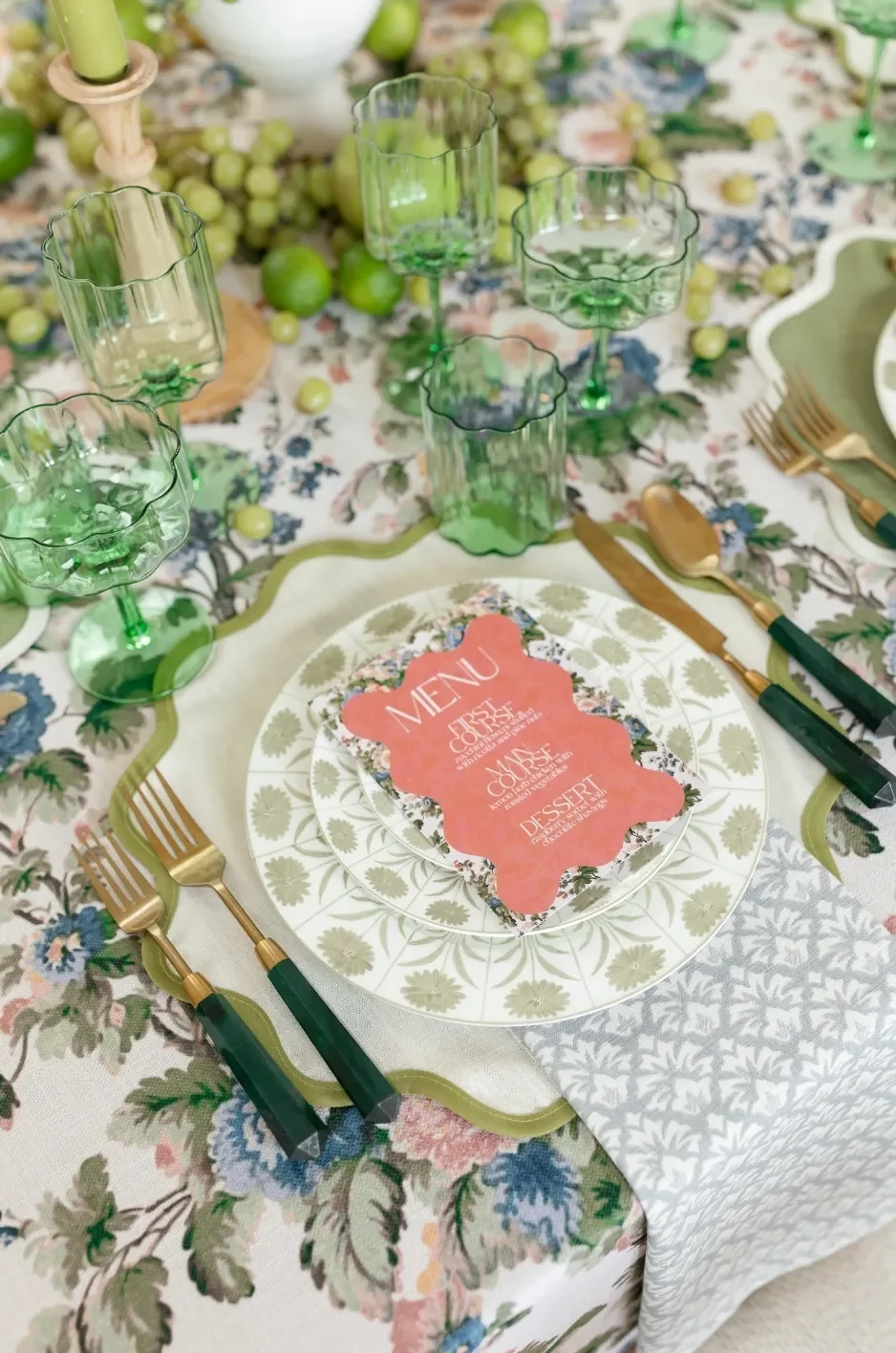
Comparing totals without examining these differences can produce a misleading conclusion.
Prepare for the Return and Post-Event Process
The rental process continues after the celebration ends. Linens must be gathered, checked, repacked, labeled, and returned according to the agreed schedule.
Curated Linen Collection advises clients not to launder rented linens. Used pieces should be returned in the provided packaging, and damp linens should be allowed to air-dry before they are packed for transit.
Preserve the Original Packaging
The receiving team should keep:
- Shipping cartons
- Interior packing materials
- Return labels
- Packing lists
- Return instructions
- Any inventory documentation
These materials are easy to discard during event setup, particularly when several vendors are unpacking products at the same time. Assigning responsibility for them before installation reduces the risk of missing cartons or labels after the event.
Handle Damp or Damaged Linens Correctly
Do not attempt to wash or treat rented linens with household products. Cleaning methods that are appropriate for one textile may damage another or make a stain more difficult to remove professionally.
If linens become damp from weather, spills, or event breakdown, allow them to air-dry before packing. Sealing wet fabric inside a carton can cause mildew or permanent damage during transit.
The rental provider should be notified when linens are:
- Torn
- Burned
- Heavily stained
- Wet or damp
- Missing
- Damaged during installation or breakdown
Clear communication allows the provider to advise the team on the appropriate next step.
Assign a Return Coordinator
One person should oversee the complete return process.
The return coordinator may be responsible for:
- Reconciling the linen quantities
- Checking all event areas
- Separating the linens from other rental products
- Allowing damp pieces to dry
- Repacking the cartons
- Applying the return labels
- Scheduling or confirming pickup
- Retaining the tracking information
- Reporting missing or damaged pieces
This role is particularly important when the planner, caterer, venue, florist, and production company divide breakdown responsibilities.
Frequently Asked Questions
Does Curated Linen Collection Publish Standard Rental Prices?
Some products display price ranges online because they are available in different sizes and textile formats. Clients can submit an inquiry to confirm current pricing, quantities, and availability for their event.
A tailored quote is particularly important for large orders, custom sizes, bespoke printing, or combinations involving several collections.
Why Can Two Tablecloths From the Same Collection Have Different Prices?
The required dimensions may be different. A small cocktail-table cloth and a large floor-length tablecloth from the same collection use different amounts of material and require different preparation.
Product format also matters. Napkins, runners, overlays, and full tablecloths from the same collection will not necessarily have the same rental rate.
Are Custom Linens Priced Separately From Existing Rental Linens?
Custom projects generally require an individualized proposal. The price may reflect the requested dimensions, design development, color work, printing, sampling, sewing, finishing, quantities, and production timeline.
The proposal should separate custom development from existing rental products so the client can understand the scope of each charge.
Does the Rental Quote Include Event-Day Setup?
Event-day setup should not be assumed unless it is explicitly included in the proposal. Curated Linen Collection primarily provides linens through nationwide shipping.
The planner, venue, caterer, or installation team should confirm who will unpack, place, and later gather the linens.
How Far in Advance Should a Quote Be Requested?
Standard rental linens should generally be ordered approximately four to six weeks before the event. Custom designs typically require at least eight to twelve weeks.
Earlier inquiries are advisable when the event requires:
- Large quantities
- A specific collection
- Unusual dimensions
- Original custom printing
- Several approval stages
- Expedited or complex shipping
Additional time provides more flexibility for design review, sampling, production, and revisions.
Will Clients Be Charged for Linens They Do Not Use?
Reserved linens still require preparation, processing, packing, shipping, and removal from the available inventory. Curated Linen Collection therefore charges for reserved pieces even when they are not ultimately used at the event.
Final quantities should be reviewed carefully before the confirmation deadline.
What Costs May Apply if a Linen Is Damaged?
Minor wear associated with normal event use is generally part of the rental process. Significant damage, however, may result in a replacement charge under the rental agreement.
Examples may include burns, tears, permanent staining, mildew caused by improper packing, or missing pieces. The applicable terms should be reviewed in the specific rental agreement.
Approve the Scope, Not Just the Final Total
A premium linen rental quote should function as both a financial document and an execution plan. It should clearly identify the products, sizes, quantities, custom requirements, shipping assumptions, payment deadlines, revision terms, and return responsibilities connected to the order.
Reviewing the complete scope allows planners and clients to compare proposals accurately and avoid making decisions based only on unit prices. It also creates opportunities to allocate the budget more strategically, preserving specialty textiles and custom details for the surfaces that will contribute most meaningfully to the event.
Through premium table linens, coordinating textile accessories, custom sizing, bespoke design capabilities, and nationwide shipping, Curated Linen Collection helps planners build linen orders around the specific requirements of each event. A well-prepared quote provides the clarity needed to move from selection to installation and return with fewer uncertainties.