
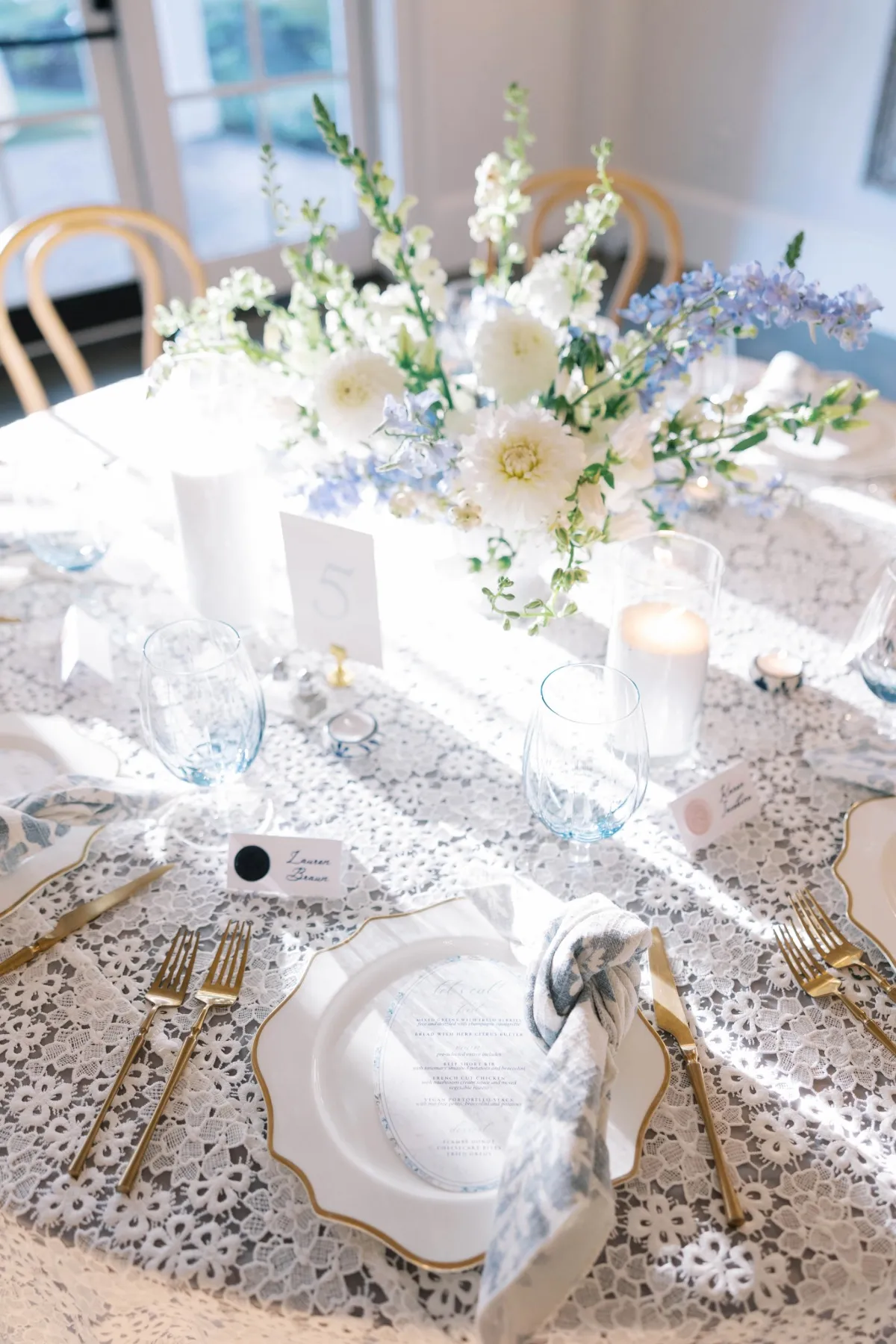
A luxury wedding reception is not defined by one table alone. Guest tables, head tables, sweetheart tables, cocktail tables, bars, cake displays, welcome tables, and lounge areas all shape how guests experience the celebration. Each surface has a different purpose, but together, they should feel connected through color, texture, pattern, and proportion.
That is where a thoughtful wedding linen plan becomes essential. Instead of choosing one linen style and applying it everywhere, couples and planners can use table-specific linen styling to create visual hierarchy across the event. Curated Linen Collection offers luxury linen rentals, including tablecloths, runners, napkins, pillows, specialty overlays, patterned linens, solid linens, custom sizes, and custom designs that help every wedding table moment feel polished, intentional, and cohesive.
Why Table-Specific Linen Styling Matters for Weddings
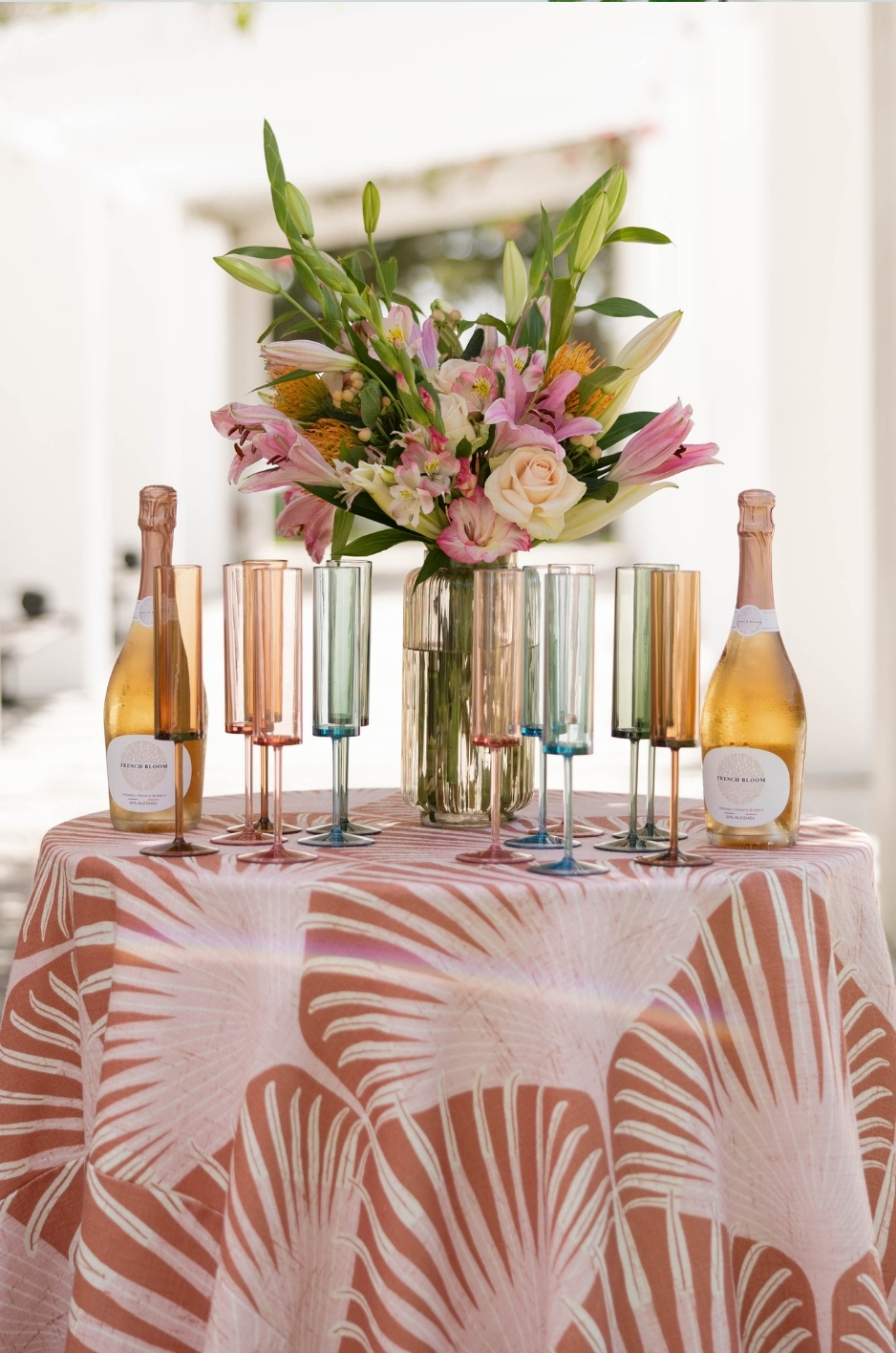
Wedding linens should not be treated as one general category. A guest table has different visual needs than a sweetheart table. A cocktail table functions differently from a cake table. A welcome display creates a different first impression than a bar or lounge area. Because each table type plays a different role, each linen choice should be made with purpose.
Table-specific styling allows the reception to feel layered rather than repetitive. The goal is not to make every surface look different. Instead, the linen plan should create a clear design relationship between the main dining area and the specialty moments guests encounter throughout the wedding.
Guest Tables Set the Main Reception Tone
Guest tables usually occupy the largest portion of the reception space, so their linens establish the dominant mood of the room. The tablecloths, runners, overlays, and napkins used here define the event’s main color story and level of formality.
A soft neutral tablecloth may create an understated luxury foundation, while a patterned runner or bold napkin can add movement and personality. Since guests spend much of the reception seated at these tables, the linen selection should feel refined, comfortable, and aligned with the overall wedding vision.
Specialty Tables Create Visual Highlights
Specialty tables give couples and planners opportunities to create more distinctive design moments. A sweetheart table, cake table, escort display, or bar area can carry a richer texture, bolder pattern, custom size, or specialty overlay without overwhelming the entire reception.
These focal points help guide the eye through the event space. They also create stronger photographed moments, especially when the linen choice supports the purpose of the table and coordinates with the main reception palette.
Textile Repetition Builds Cohesion
A cohesive reception does not require identical linens on every table. Repetition can be more subtle. A color from the guest table napkins may reappear in cocktail table linens. A pattern from a runner may be echoed through pillows in a lounge area. A specialty overlay at the sweetheart table may share a texture with the cake table linen.
This type of repetition creates connection without making the design feel flat. When linens are planned as a complete textile story, the wedding feels more curated from the first guest arrival to the final reception detail.
Guest Table Linens: Building the Reception Foundation
Guest table linens are the foundation of the wedding reception. They create the largest visual field in the room and influence how every other tabletop element appears. Because they affect the full atmosphere, guest table linens should be selected early in the design process.
The best guest table linen choices balance beauty and restraint. They should support the venue, season, table shape, floral direction, place settings, and overall mood without competing with every other detail on the table.
The venue can provide a useful foundation for making those guest-table decisions. This guide to summer event linens by venue type shows how settings such as gardens, ballrooms, coastal venues, rooftops, tents, and estates influence the colors, textures, patterns, and level of formality that work across the reception tablescape.
Choosing Tablecloths for Scale and Mood
A full tablecloth can create a formal, polished foundation for guest tables. It softens the room, creates consistency across multiple tables, and gives the reception a finished look. For a ballroom, estate, tented reception, or formal indoor venue, tablecloths often help establish a strong luxury base.
The color and texture of the tablecloth should match the intended mood. Warm neutrals can feel classic and elegant. Deep tones can create drama. Soft pastels can feel romantic. Patterned linens can bring personality when the rest of the tabletop design is more restrained.
Using Runners to Add Movement and Texture
Runners are useful when the design needs a lighter or more layered look. They can introduce pattern, texture, or color without covering the full table surface. On long tables, runners also create direction and help visually connect place settings across the length of the table.
A runner can be subtle or expressive. A tonal runner may add quiet texture, while a custom-printed runner can become a central design feature. For weddings with a strong tablescape concept, runners are an effective way to create interest while keeping the table balanced.
Selecting Napkins as a Place-Setting Accent
Napkins are one of the most important linen details because they appear at every guest seat. They are highly visible in detail photography and directly influence the appearance of each place setting. A napkin can add contrast, reinforce the palette, or introduce a refined custom touch.
For a cohesive guest table, napkins should relate to the tablecloth or runner without blending in completely. A neutral table can benefit from a colored or patterned napkin, while a statement tablecloth may pair best with a more restrained napkin choice.
Head Table and Sweetheart Table Linens: Designing the Main Focal Point
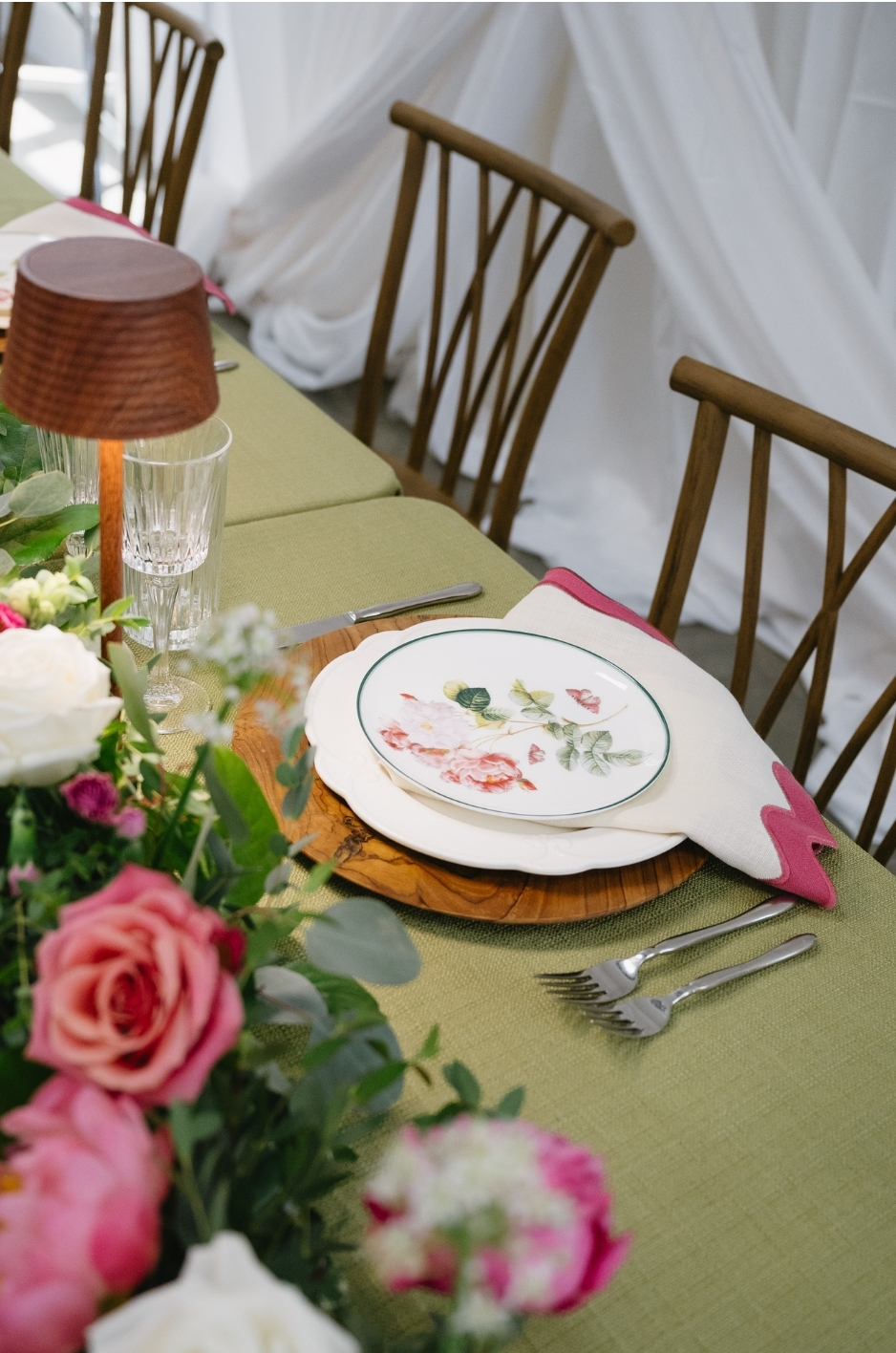
The head table or sweetheart table often becomes one of the most photographed areas of the reception. It is where the couple is seated, where guests naturally look during dinner, and where many key reception moments are centered. Because of that visibility, the linen choice should feel intentional and slightly elevated.
This table does not need to abandon the guest table design. Instead, it should build on it. A related color, texture, pattern, or custom detail can help the main table feel distinct while still belonging to the full reception environment.
Using a Statement Linen Without Overpowering the Room
A statement linen works well at the head table or sweetheart table because the design has a clear focal point. This may include a richer texture, a specialty overlay, a custom runner, a more dramatic color, or a patterned linen that feels too strong for every guest table.
The statement should still feel controlled. If the guest tables already use a bold pattern, the sweetheart table may need a more refined texture instead of another competing print. If the guest tables are understated, the main couple’s table can carry a more expressive linen moment.
Coordinating With Guest Table Linens
The head table should coordinate with the guest tables through at least one shared design element. This could be the same napkin color, a related pattern, a similar fabric texture, or a complementary tone from the overall palette.
Coordination keeps the design from feeling disconnected. The couple’s table can stand apart, but it should still look like part of the same wedding reception.
Adding Custom Linen Details for a Personal Touch
Custom linen details are especially effective at the sweetheart table or head table because this area carries strong personal significance. A custom-printed runner, tailored tablecloth, specialty overlay, or custom-sized linen can make the couple’s table feel more specific to the wedding design.
These details can reflect the couple’s palette, stationery, venue inspiration, or broader design concept. When used thoughtfully, custom linens add individuality without making the table feel overly decorated.
Cocktail Table Linens: Creating a Polished Guest Arrival Experience
Cocktail hour often shapes the first impression of the reception environment. Before guests see the full dinner setup, they may gather around cocktail tables, bar areas, or lounge spaces. These smaller surfaces should not feel like an afterthought.
Cocktail table linens help introduce the wedding palette early in the guest experience. They can preview the textures, tones, and patterns that will appear later in the reception while keeping the cocktail space polished and welcoming.
Matching Cocktail Linens to the Reception Palette
Cocktail table linens should relate to the reception design. They may use the same color family as the guest table linens, a lighter version of the main palette, or a texture that appears elsewhere in the room.
This connection makes the event feel seamless. Guests may not consciously notice the repetition, but they will experience the transition from cocktail hour to dinner as more visually organized.
Using Pattern in Smaller Doses
Cocktail tables are ideal places to use pattern in a smaller, more controlled way. Because the surface area is limited, a bolder print or accent color can make an impact without overwhelming the full reception.
A patterned cocktail linen can also help energize a pre-reception space. If the guest tables are more restrained, cocktail linens can provide a lively accent while still staying within the wedding’s design language.
Keeping Cocktail Areas Refined but Functional
Cocktail areas should look polished, but they also need to remain functional. Linens should be properly sized, cleanly draped, and appropriate for high-traffic guest use. A beautiful linen loses impact if it feels bulky, awkward, or mismatched to the table shape.
The best cocktail table linens support the flow of the event while giving guests a refined first impression.
Bar and Beverage Station Linens: Extending the Design Beyond Dining Tables
Bars and beverage stations are practical areas, but they are also highly visible. Guests return to them throughout the event, which makes them important design touchpoints. A well-chosen linen can help these areas feel integrated into the reception instead of purely functional.
Curated linen styling for bar and beverage areas should focus on textile presentation only. The linen should complement the planner-selected bar setup, beverage station, or service display without implying that the linen provider handles bar rentals, glassware, or catering services.
Choosing Linens That Frame High-Traffic Areas
A bar or beverage table often needs a linen that feels tailored and composed. Since these areas see frequent guest interaction, the linen should create a clean visual frame for the station.
A solid linen can create a polished base, while a textured or patterned overlay can add dimension. The goal is to make the area feel designed without interfering with its function.
Repeating Guest Table Colors or Textures
One of the simplest ways to connect a bar area to the main reception is by repeating a color or texture from the guest tables. For example, a tone used in the napkins may appear on the bar linen, or a texture used in a guest table runner may be repeated through a specialty overlay.
This repetition helps the bar feel like part of the wedding design rather than a separate service area.
Using Specialty Overlays for a More Designed Look
Specialty overlays can be useful for bar areas, beverage stations, or display tables that need added visual interest. An overlay can introduce pattern, softness, or contrast while allowing the main base linen to remain clean and structured.
This approach works especially well when the bar is near the reception entrance or positioned in a central guest area.
Cake Table and Dessert Display Linens: Framing a Photographed Moment
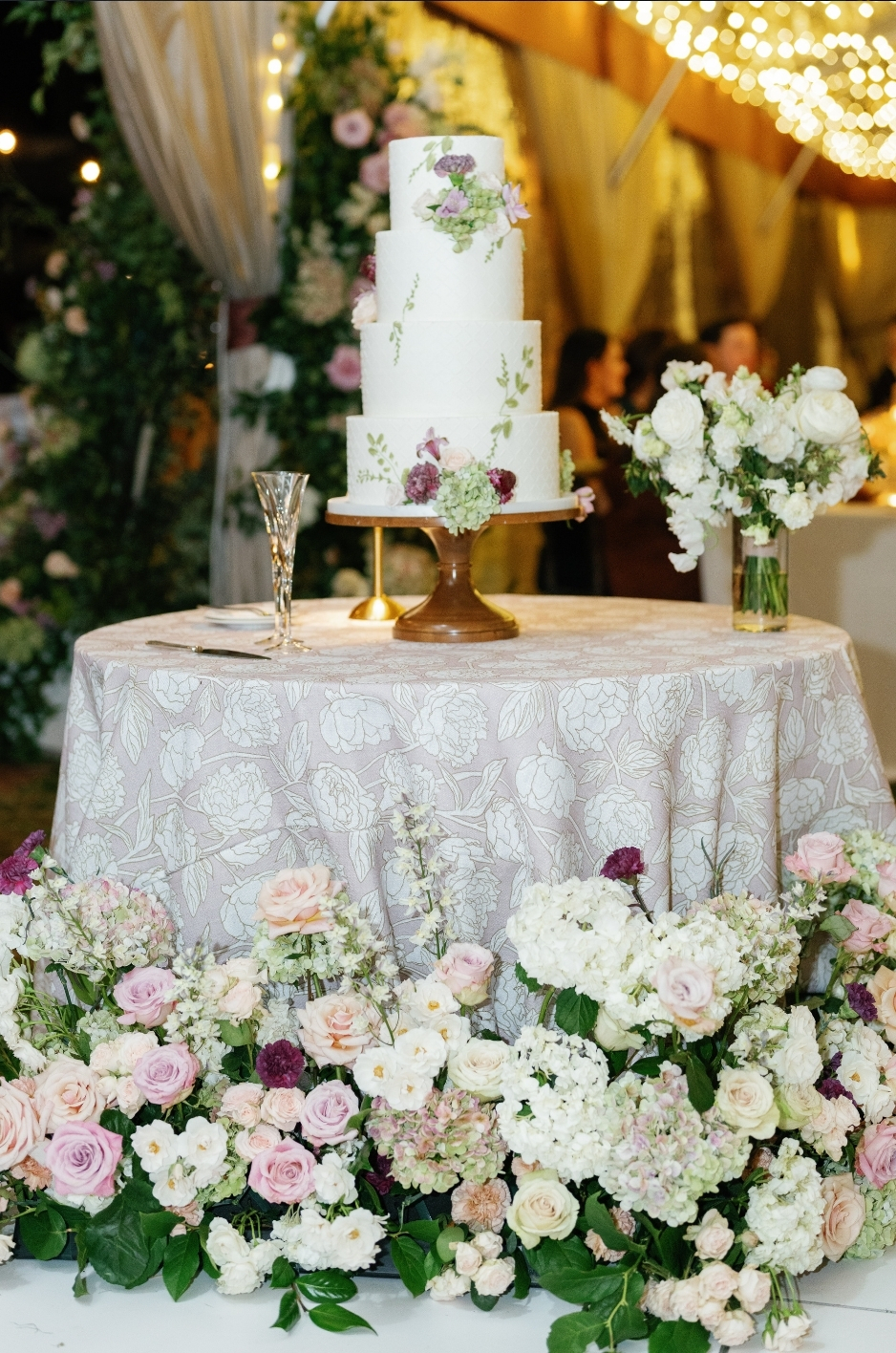
The cake table is often photographed closely, making the linen choice especially important. The linen should support the cake and dessert display without competing with it. It should also connect visually to the rest of the wedding reception.
Because cake tables and dessert displays are usually smaller than guest tables, they can carry a more distinctive textile detail. A specialty linen, custom size, refined texture, or subtle pattern can make the display feel more complete.
Selecting a Linen That Complements the Cake Design
The cake table linen should complement the cake’s style, color, and level of detail. A highly detailed cake may pair best with a quieter linen, while a simple cake can be enhanced by texture, pattern, or a richer fabric choice.
The linen should frame the cake rather than distract from it. A thoughtful color or texture can make the cake table feel elegant in both the room and in photography.
Using Pattern or Texture for Close-Up Detail
Cake tables and dessert displays are ideal places to use linens with close-up visual interest. A subtle texture, delicate pattern, or specialty overlay can add depth to photographs and create a more refined presentation.
This is also a strong place to repeat a custom detail used elsewhere in the event. A pattern from the guest table napkins or a color from the sweetheart table can reappear here in a smaller, focused way.
Matching the Dessert Display to the Reception Story
The dessert display should feel connected to the full reception. This may mean using the same linen color as the guest tables, repeating a pattern from the runners, or choosing a texture that relates to the head table.
When the cake table linen is planned as part of the full textile story, the display feels less isolated and more intentional.
Escort Display and Welcome Table Linens: Designing the First Detail Guests Notice
Welcome tables and escort displays are often among the first styled surfaces guests encounter. These areas introduce the wedding’s visual tone before guests enter the reception or find their seats. Because of that, the linens used here should feel deliberate and refined.
A welcome table or escort display linen does not need to be elaborate. It simply needs to support the event palette, fit the table properly, and complement the planner-selected details placed on top.
Using Linens to Introduce the Event Palette
A welcome table linen can preview the colors and textures guests will see throughout the event. If the reception uses soft neutrals, the welcome table might carry the same quiet palette. If the wedding includes a signature accent color, this can be introduced through a napkin-style textile detail, overlay, or custom linen.
This early design cue helps create continuity from the beginning of the guest experience.
Choosing Custom Sizing for Display Tables
Welcome tables, escort displays, and specialty surfaces are not always standard sizes. Custom sizing can help these tables look clean and intentional. A linen that is too short, too long, or poorly proportioned can make the display feel unfinished.
Tailored sizing is especially useful when a display table will be photographed or positioned in a prominent entrance area.
Pairing Display Linens With Planner-Selected Details
Display linens should support the items placed on top, such as escort cards, menus, candles, floral arrangements, framed signage, or other planner-selected details. The linen should provide a refined foundation without making the surface feel crowded.
A balanced display allows the linen and tabletop pieces to work together rather than compete for attention.
Lounge and Accent Textile Styling: Carrying the Linen Story Into Seating Areas
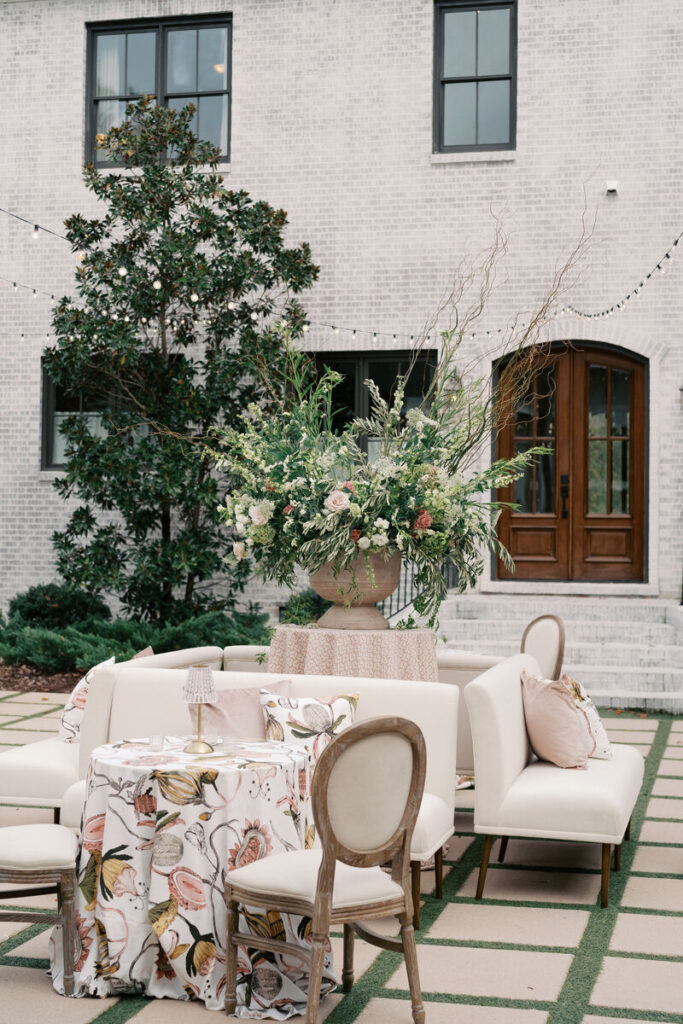
Wedding textile styling can extend beyond tables. Lounge areas, seating vignettes, and accent spaces can carry the same color and texture story through pillows and other textile accents. This helps the entire reception environment feel more connected.
The focus should remain on textile accents, not furniture rental or full lounge design. Pillows and fabric details can repeat key tones, soften seating areas, and support the wedding’s overall visual identity.
Using Pillows to Repeat Key Colors
Pillows are a useful way to repeat colors from the linen plan in seating areas. A shade used in the guest table napkins, head table overlay, or cocktail linens can appear again through pillows in a lounge space.
This repetition helps connect dining and seating areas without requiring every element to match exactly.
Coordinating Patterns Without Matching Everything
Pattern coordination should feel intentional but not overly matched. A patterned pillow can relate to a runner or napkin through color, scale, or style without duplicating the same print.
This approach keeps the wedding design sophisticated. It allows the textile story to feel layered while avoiding a rigid, overly coordinated look.
Keeping Lounge Textiles Refined and Intentional
Lounge textiles should be edited carefully. Too many competing pillows, patterns, or colors can make the area feel busy. A refined lounge textile plan usually works best when it repeats one or two key colors and introduces texture with restraint.
The goal is to make lounge areas feel connected to the reception while still comfortable and inviting.
Conclusion
Wedding linens should be planned across the full reception environment, not just the guest tables. A cohesive linen plan connects dining tables, cocktail areas, bars, cake displays, welcome tables, escort displays, and lounge accents through color, texture, pattern, and proportion.
Curated Linen Collection helps couples and planners create refined wedding textile stories through luxury linen rentals, tablecloths, runners, napkins, pillows, specialty overlays, patterned linens, solid linens, custom sizes, and custom designs. With the right table-specific linen styling, every part of the reception can feel polished, connected, and intentionally designed.
Explore Curated Linen Collection’s luxury wedding linens to begin planning a reception that feels cohesive from the first guest arrival to the final photographed detail.